

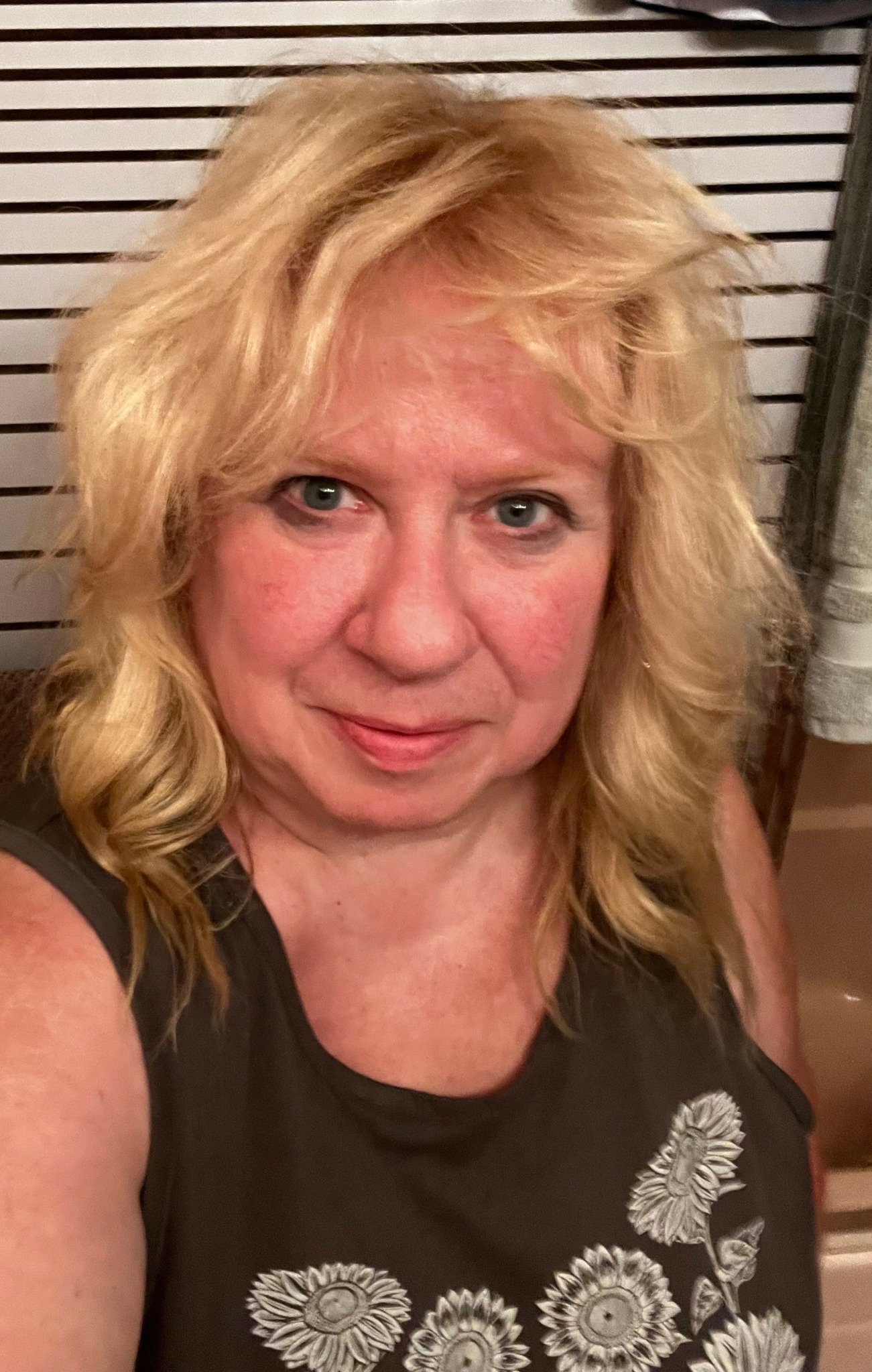

Alright – so today we’ve got the honor of introducing you to Lorraine Portman. We think you’ll enjoy our conversation, we’ve shared it below.
Lorraine, appreciate you joining us today. What did your parents do right and how has that impacted you in your life and career?
My mother was a visual artist and art teacher. When I started writing, and sending work out, she talked with me about rejection and art being subjective. That a magazine or particular outlet might not like something I write, because art is subjective. That even a teacher might not like my writing, but I would find other teachers. She set me up for rejection in the best way. She knew rejection of my work was in my future and she framed it: art is subjective. Not everyone will like your work. After Mom passed away, a friend of hers told me a story. Her friend was also a painter. The friend had submitted a painting to a juried art show. The painting was rejected, it was not included in that show. The friend said to me, “I would have put that painting in a closet and never submitted it again to any show but your Mom said, that’s one juror and one show, submit it again.” The friend listened and the next time Mom’s friend submitted the painting it was not only accepted into the juried art show, it won Best of Show. When I send out films, screenplays, or plays, there is a lot of rejection. Sometimes it is very disappointing — I want to attend that film festival as a filmmaker or screenwriter with work in the festival. I think that festival is a good fit. But there is more rejection than there are selections. So I try to let the no slide by, disappear into the rear view. Art is subjective. Celebrate each acceptance, I think my Mom did a great job setting me up for rejection, while both of my parents actively supported my writing, photography, theater and film efforts.
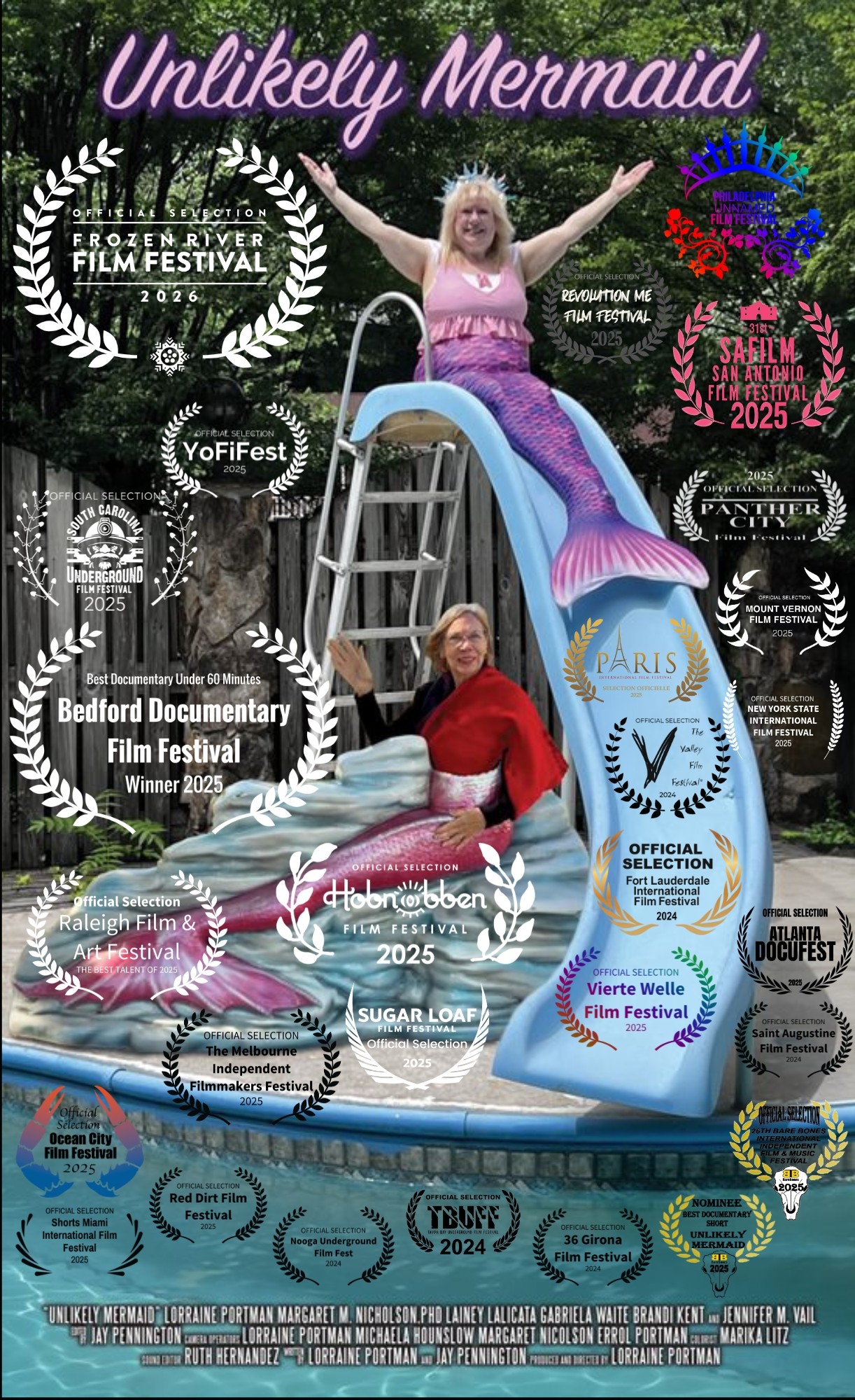
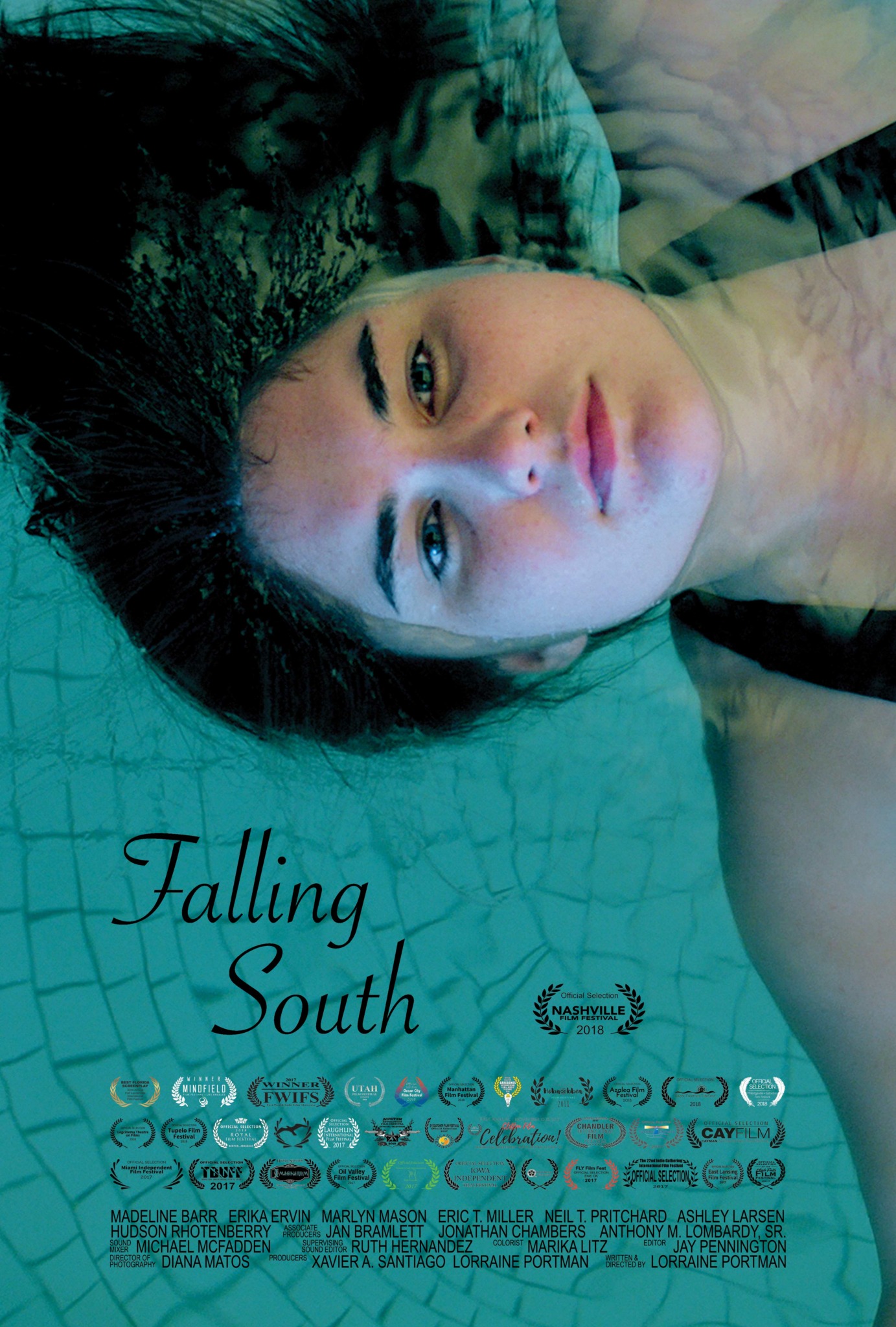
Awesome – so before we get into the rest of our questions, can you briefly introduce yourself to our readers.
My Mom was a visual artist. We went to museums and plays. As a family we watched movies. My father exposed us to some films we maybe should have been older before we saw. I started writing. I wanted to paint but I turned to still photography. I loved how a still photograph could be a story. I loved being in the darkroom developing images, that it was a creative process, framing the image and how I shot the image and then how I developed the image all created the finished image. I also loved theater. For many years I was taking still photos and doing theater, the two pursuits side by side.
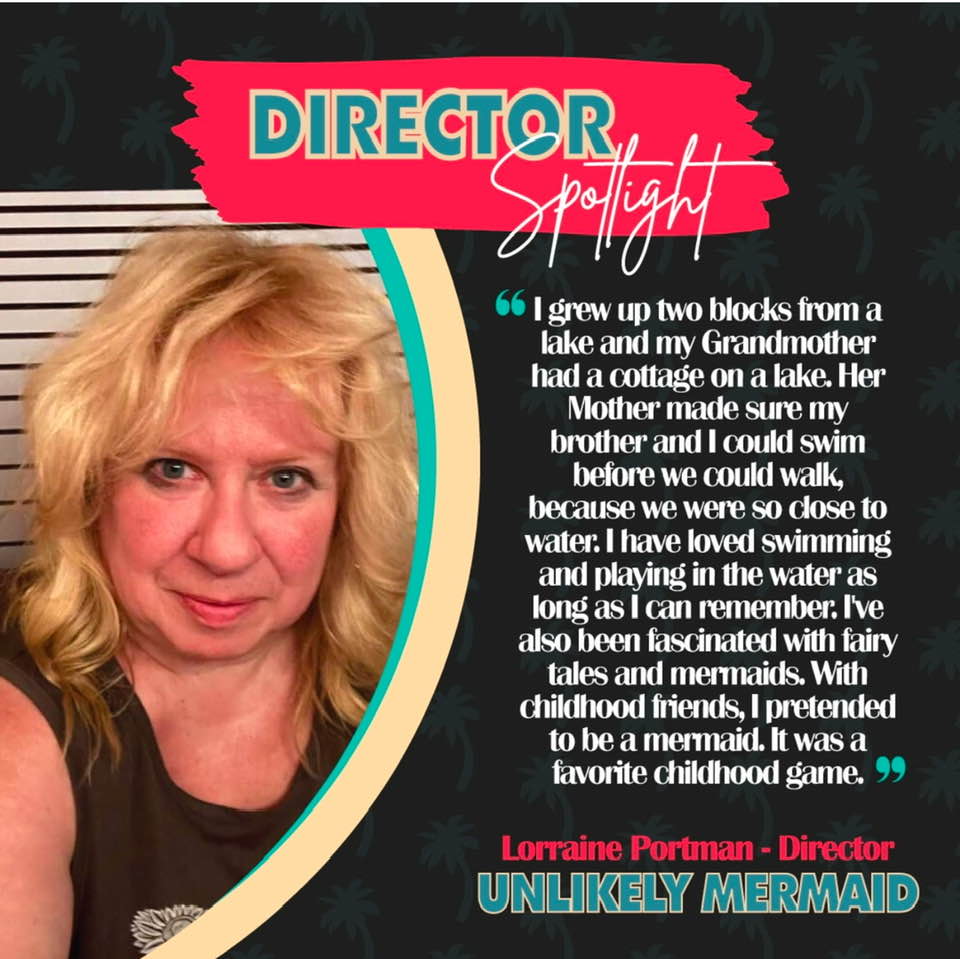
At the point my first marriage fell apart, I decided I wanted to go back to school. Film felt like the natural next step — a way to merge writing, image making, and story telling. All the creative interests I had could come together in film. Writing the script, working with actors, creating images that with film could be in motion. I attended Florida State University’s School for Motion Pictures and Television. My first directing teacher was Jeff Burr, a working filmmaker who only taught at FSU the one semester. Jeff was instrumental in helping me think of stories in a visual way. What visual image shows the story? What visual metaphor can you use to point at the heart of the story and theme? I am ever grateful for Jeff’s mentorship and all I learned.
Directing is knowing story, how stories work and knowing if the script is working and the scenes are working; and being able to work with actors to craft performances that tell the story; and visual skills, being able to use the camera to illuminate meaning and show the story in all the ways possible with shots, movement, color, production design. Some directors have advanced to that position from being Directors of Photography, or having been actors. Often directors are very strong in one or two areas and certainly someone who was an actor can hire a great Director of Photography who collaborates and helps them craft the visual story. Or someone who has been a Director of Photography can work with a casting agent to land a great cast, who fundamentally will do great work.
Because I write, have studied acting, and grew up learning from a visual artist and became a visual artist, I bring all three skills to the table. I understand stories and how to make scenes and stories work. I can communicate with actors and collaborate with them to bring characters to life and create the arcs for those characters that tell the story. And I have worked as a Director of Photography and love using cameras and creating shots to underline meaning and illuminate story. I’m a triple threat, as a filmmaker and director.
It is also hugely important to create an environment that allows everyone to do their best work. Film and theater, are collaborative. Creating an environment where fellow creatives feels respected and valued allows everyone to offer their best work and take risks. I find wonderful people to work with and then I offer them trust. I am open to my fellow creatives finding ideas and moments and shots and performances that elevate the work. Another teacher said, “Directors are the keepers of the story.” I work to create an environment where people can take risks and give of themselves and the work is always better for what we all contribute. As a director, I guide the choices and find the strongest way to tell the story.
I think it is important, as a director, to guide, teach, and make sure to offer encouragement. I’m very likely to focus on everything that is working and wonderful and suggest changes without saying oh no, that’s not it. Focusing on positive and focusing on what to change the next time allows for better and better. If you do not create an environment of respect and trust, people can shut down, which fundamentally interferes with the process of collaboration.
I keep learning how to better communicate. I learn from every film and every play. The best plays and films shine a light on the human heart and our human experience, and I hope to keep learning about the human heart as I tell more stories and collaborate with more people.
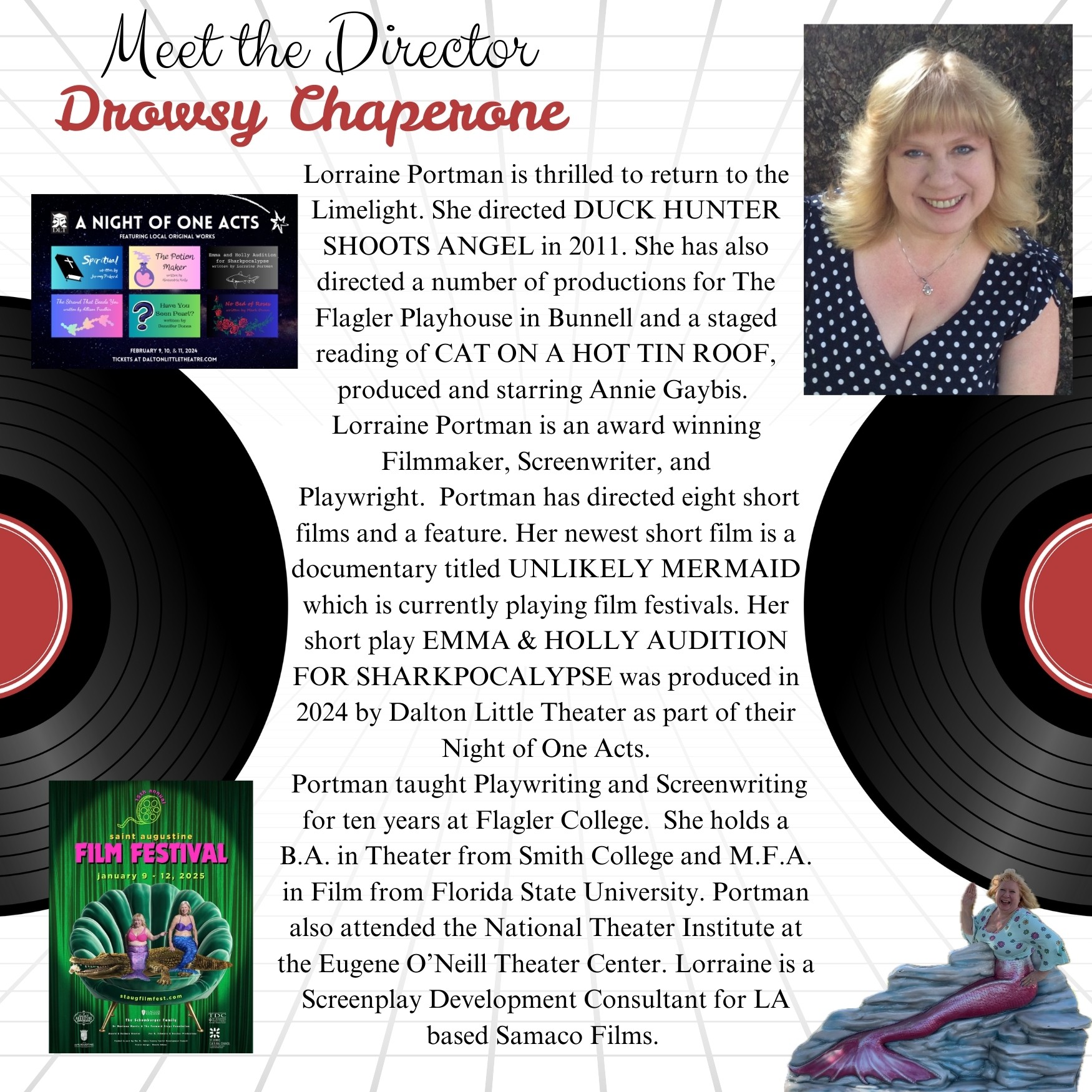
In your view, what can society to do to best support artists, creatives and a thriving creative ecosystem?
Show up for each other. As you meet people in your field, show up for them. When people I know write books, I buy the book or many copies of the book to give as gifts. When actors I know are in plays or films, I show up for the play and film screening when I can. When fellow filmmakers have films play, I try to show up to screenings.
Keep doing the creative thing you love. It. may not pay the bills, it can sustain your spirit. It can give you a voice. It can allow you to send ripples out into the world that speak to other people about how our world might look and how we might treat each other in a more positive way.
Look for events and groups to meet fellow creatives. For a filmmakers, film festivals and local networking groups. I reach out to people to have lunch. Ask people about themselves, it can be the start of a wonderful friendship or working relationship. When people reach out to you, be open to helping them, in ways you may be able.
Theaters are struggling to find audiences. We can buy tickets and go to see plays. We can vote with our dollars to keep arts going in our own communities. By showing up for film festivals, theaters, events we would like to support and see continue.
What do you find most rewarding about being a creative?
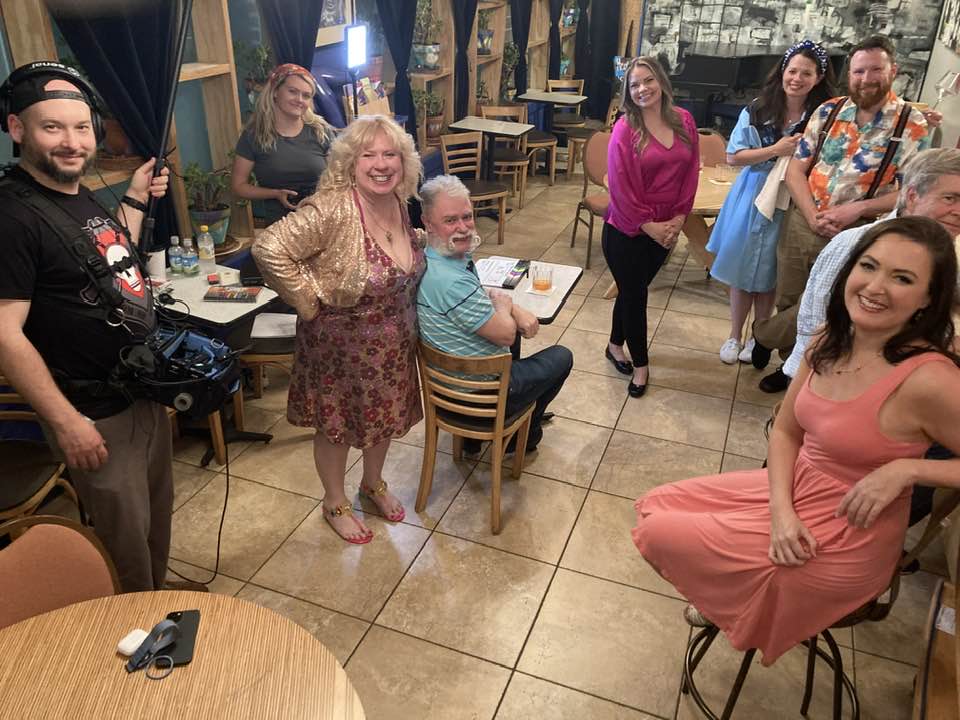
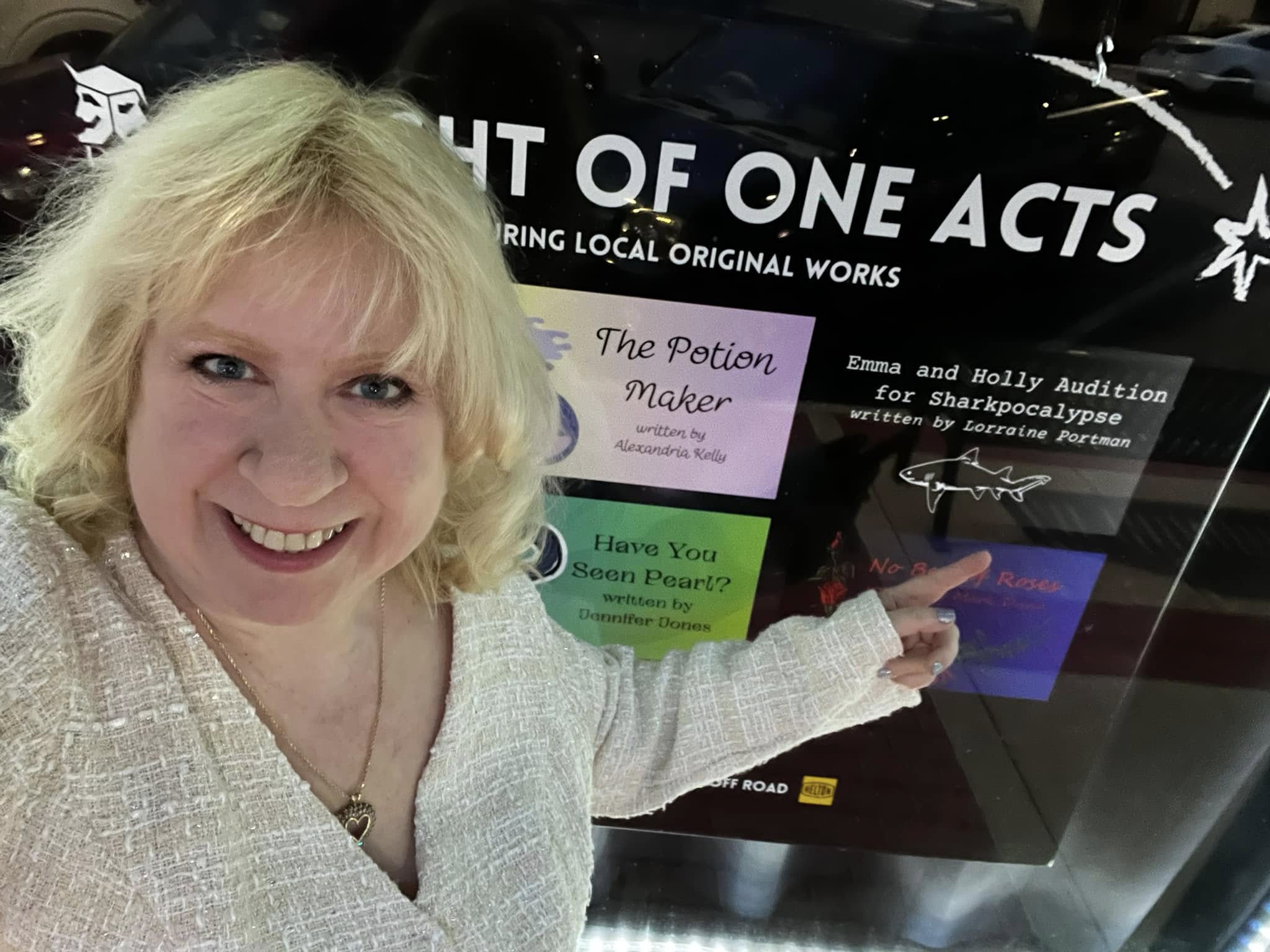
When I have had plays produced, it is wonderful to sit in the back of the house or up in the booth and listen to the audience watch the play. Do they laugh? Does it become very still? Do they seem restless?
Watching and hearing the actors give life to a play is deeply magical.
When I was in college, one semester I attended The National Theater Institute in Waterford, CT. NTI. We wrote short plays and some were done with fellow students acting and a fellow student directing. One of my friends, Hisa Takakuwa, was directing and two friends, Sean and Beth, were acting in the short play I had written. The first rehearsal I sat in. Every line, I leaned over to Hisa, very quietly whispering, “That’s not how that line is done.” “That’s not how I hear the line in my head.” After a few minutes, Hisa stopped the actors and asked me to step outside. She threw me out of the rehearsal and made it clear I was not welcome back until she invited me back. It sounds harsh but she was right to do it and it is one of the best lessons I was ever hit over the head with. She did not invite me back to rehearsal. I got to see the play when it was performed for our peers and teachers. None of the lines were as I imagined in my head when I was writing. But, the play was better than I ever imagined. Allowing Hisa and Sean and Beth to do their work, they brought their talents and ideas and the play was better for all they contributed with their work. I am so grateful Hisa threw me out. It has made a huge difference to learn that trusting people to do their best work, allowing them to jump in, take risks, explore, bring their ideas and experience, the work becomes stronger. Hisa made me a better playwright, director, and collaborator by throwing me out of rehearsals. I viscerally learned to allow other creatives the space to actively collaborate and elevate the work we are creating.
It is tremendous, watching a play or film with an audience. Hearing laughter, feeling energy an audience brings to the experience. I’m not watching a film I’ve made for the 40th time, I’m watching that audience watch the film for the first time. It can be intoxicating. It can feel overwhelming when someone after says, you inspired me to do the thing or you inspired me to not be afraid or I’m going to carry something from the film with me going forward. I am grateful.
Contact Info:
- Instagram: https://www.instagram.com/filmlorraine/?hl=en
- Facebook: https://www.facebook.com/lorraine.portman/
- Youtube: https://www.youtube.com/watch?v=lj4qZ7YMF3M
- Other: Instagram for new film: https://www.instagram.com/bonnetheadsontheroad/
Trailer for Unlikely Mermaid: https://www.youtube.com/watch?v=3C0CiLniyxs
Trailer for My Best Friend Bonnethead: https://www.youtube.com/watch?v=FpMDr79s-h8
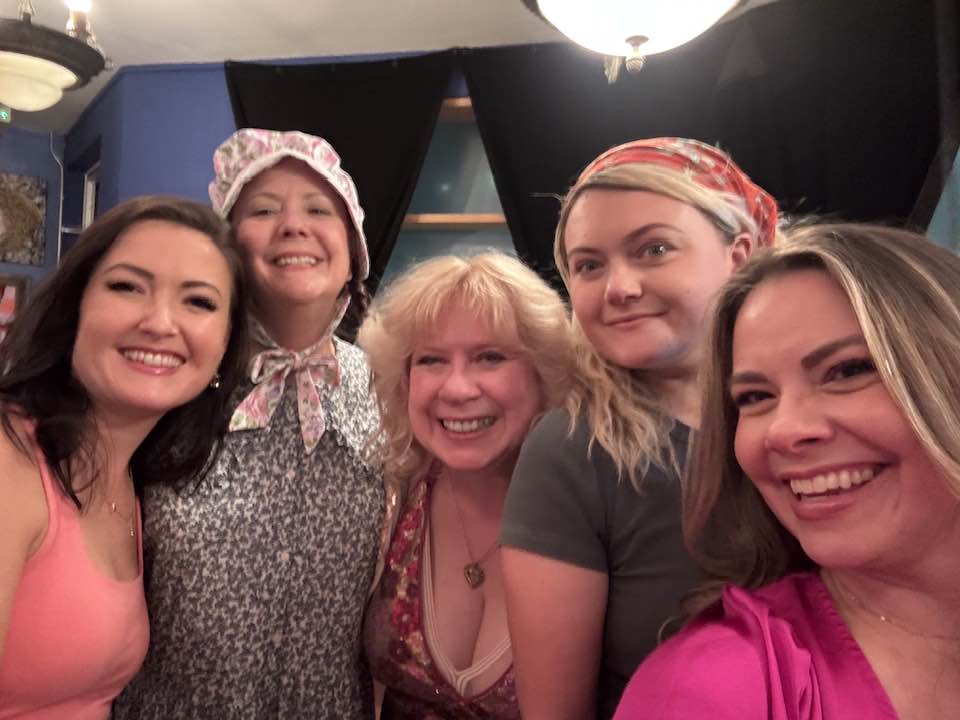
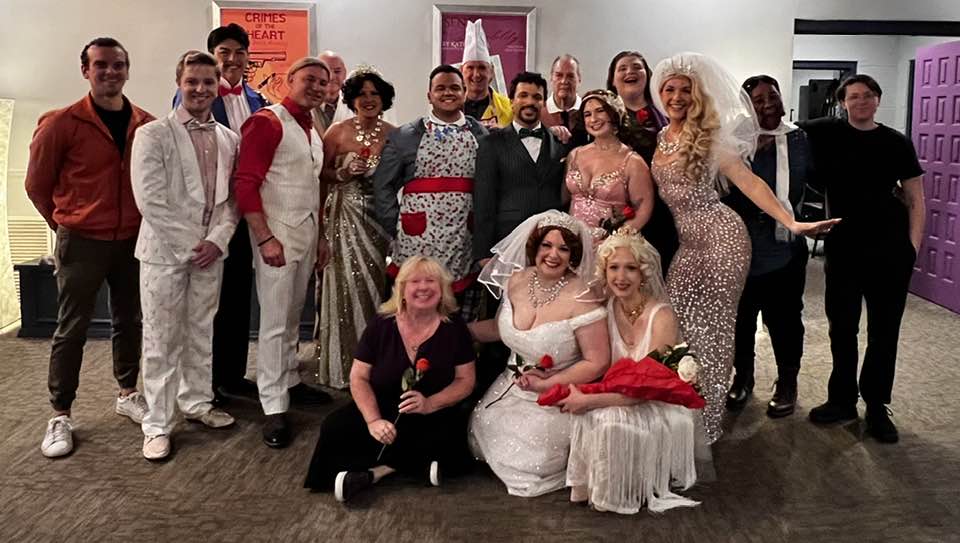
Image Credits
Emily Steele
Ashley Larsen Ratchford
Lorraine Portman
Limelight Theater