

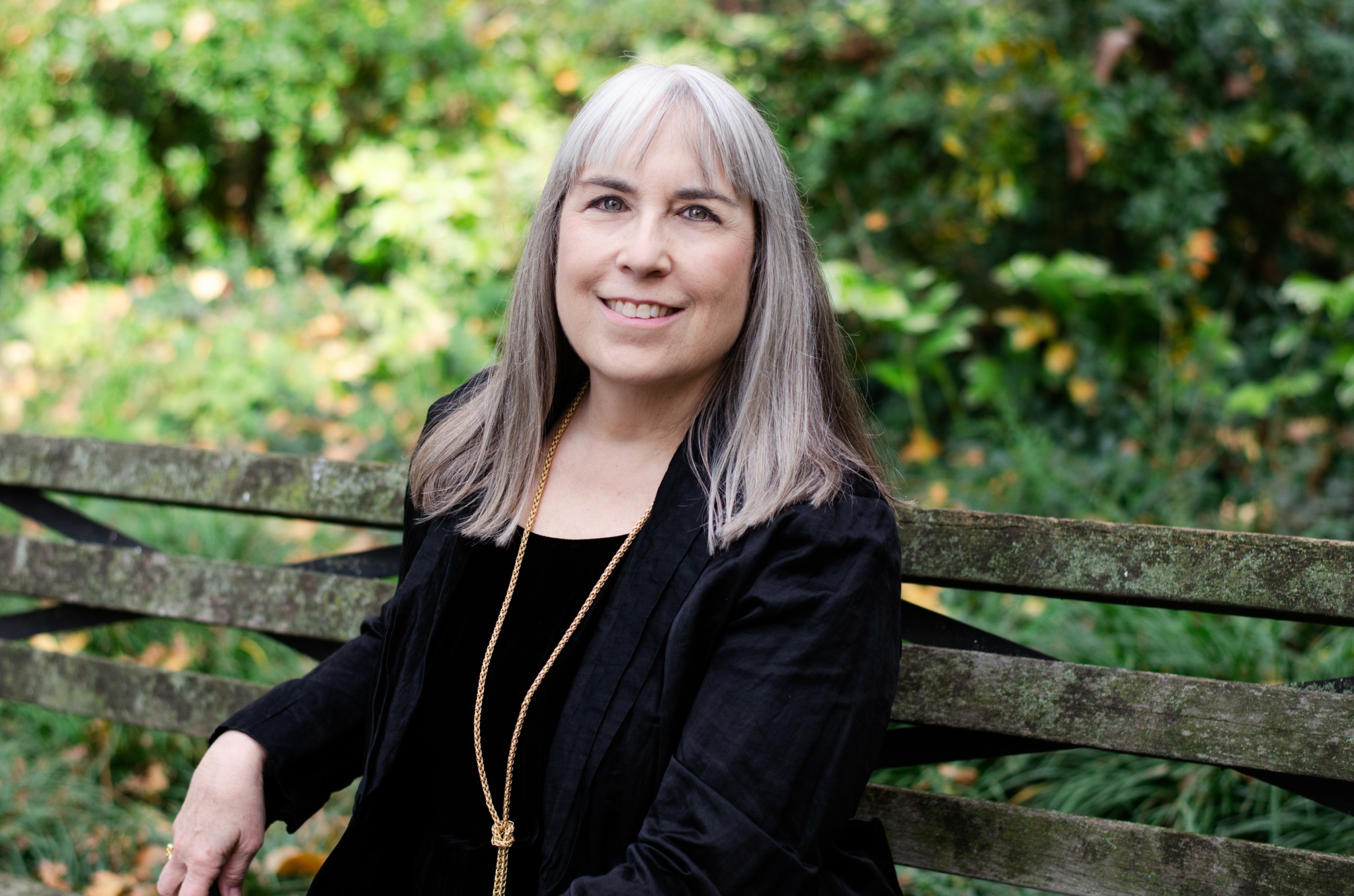

We caught up with the brilliant and insightful Lori Laitman a few weeks ago and have shared our conversation below.
Alright, Lori thanks for taking the time to share your stories and insights with us today. How did you learn to do what you do? Knowing what you know now, what could you have done to speed up your learning process? What skills do you think were most essential? What obstacles stood in the way of learning more?
I was born into a family of musicians. I began formal music training at age 5 with piano lessons, and at age 7, I started flute lessons. Until college, my musical life was focused on becoming a professional flutist.
At age sixteen, I graduated from high school and went to Yale. My class at Yale was only the third year women were admitted — and it was comprised of 1000 men and 250 women. The majority of my Yale friends were musicians and several were composers.
I started studying composition my sophomore year. My first piece of music was a piano rag, <i>The Enchanted Knickers Rag</i>. I loved playing ragtime on the piano, and its structure provided an easy starting and finishing point. I continued my studies, and in graduate school took a course in composing music for film and theater, taught by Frank Lewin. It was here that I learned how to compose dramatic music in response to images or text.
I composed a few film scores but when I had my children, I mostly wrote chamber music. It wasn’t until 1991 that my career took off. At the urging of soprano Lauren Wagner, I wrote my first art song (<i>The Metropolitan Tower</i>, a setting of a Sara Teasdale poem) and immediately discovered I had a natural gift for setting words to music. Since then I have concentrated on writing only for the voice. I realized that the techniques of composing dramatic music for film and theater also applied to composing dramatic music for poetry and other texts. Words became my inspiration.
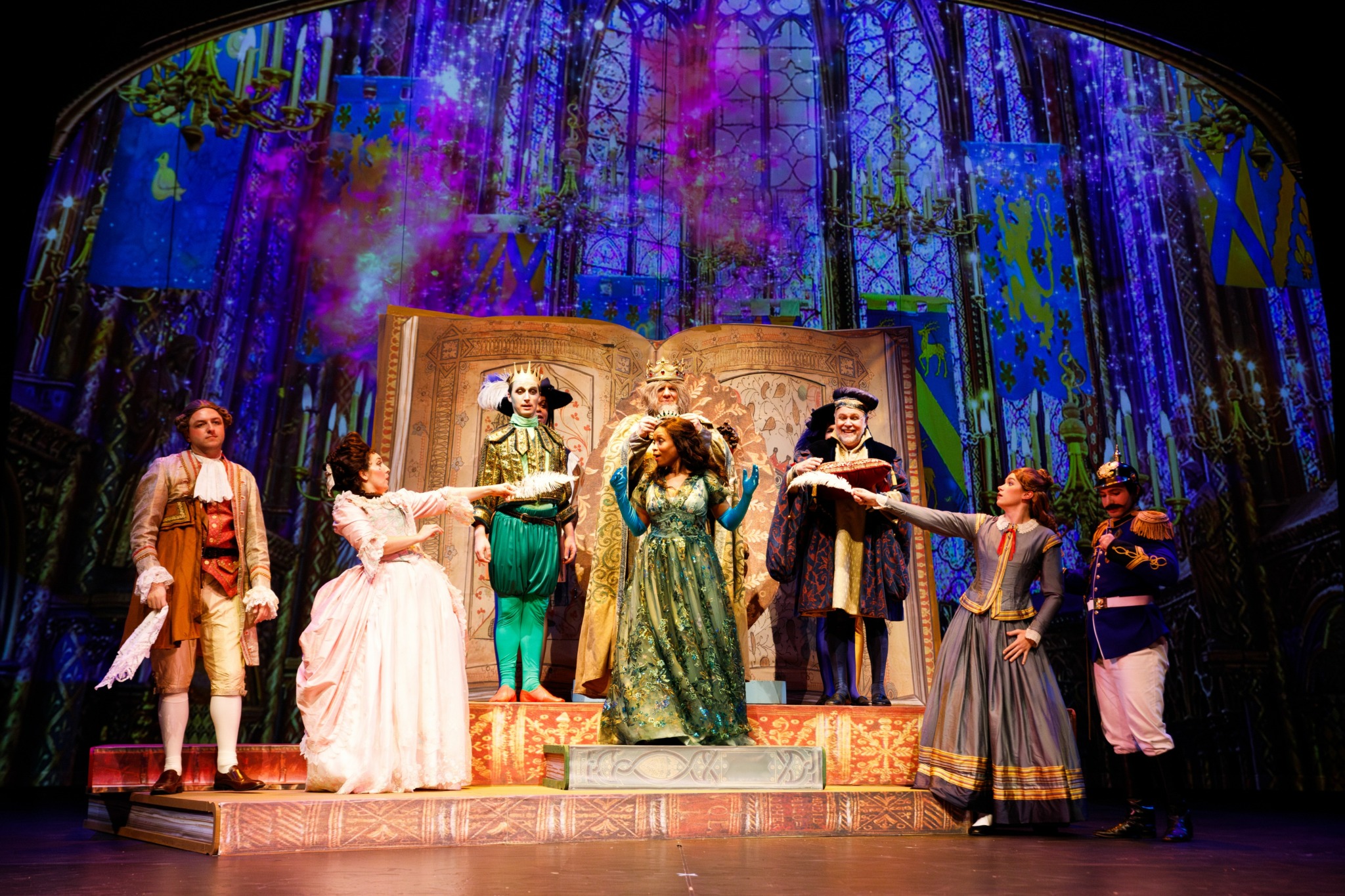
Although I am not a singer, I have an intuitive understanding of what works for the voice, (perhaps because my mother was a singer). In 2008, I branched out into composing opera, guided by the same goals of writing dramatic, singable music that honors the text. Opera is such a large and collaborative art form, and I have learned much from all of my collaborators. I have been lucky in partnering with wonderful librettists — David Mason, Dana Gioia and Leah Lax. Director/dramaturg Beth Greenberg taught me a lot about the importance of stage directing — and her creativity brought many of my productions into beautiful life.
Great, appreciate you sharing that with us. Before we ask you to share more of your insights, can you take a moment to introduce yourself and how you got to where you are today to our readers.
My earliest professional composing jobs were writing industrial film scores for various magazines, such as <i>Psychology Today</i>. My earliest work for theater was in the early 1980s, when I wrote incidental music for a number of productions in the Washington, DC area, including at The Folger Theatre.
These days, almost everything I write is for the voice and is commissioned, either by a singer, a musical group, a chorus or an opera company. I’ve worked with many poets, living and dead, and have a particular interest in setting poetry about the Holocaust. I believe that music is the perfect vehicle for sharing these important stories — as the music both amplifies and cushions the horror of these events.
My goal is to share the poetry or story with an audience in a new way.
Is there mission driving your creative journey?
The Jewish message of <i>Tikkun Olam</i>, suggesting that everyone has a responsibility to help repair the world, is one of my driving forces. The same philosophy is expressed in Emily Dickinson’s poem (which I have set to music) that begins “If I can stop one Heart from breaking/I shall not live in Vain”. I hope that I am adding some beauty to the world with my music.
What do you find most rewarding about being a creative?
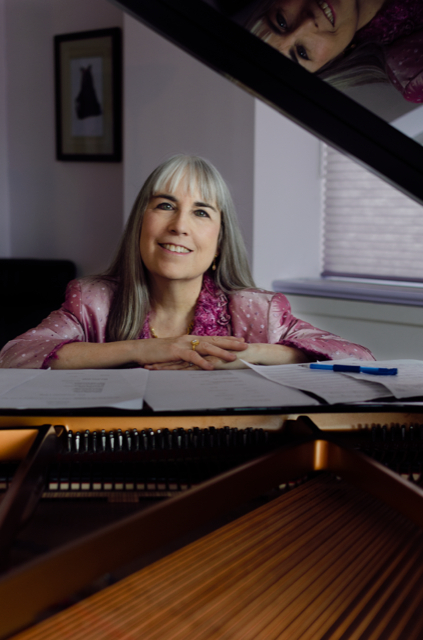
Writing a piece of music is hard. Even before I can start work, I have to choose the poetry and get the required permission if the work is not in the public domain. Then I can begin. The first day, I have to figure out the rhythms within the poem — what is the most natural way to set them to music so that the singer can most effectively communicate the words to an audience. I throw ideas onto paper and on that first day of a new piece, almost everything seems awful. But by the second day, I start to refine those ideas, see new connections and get new ideas. Eventually, I get to a spot when all I can do is think about the music, even during the night. Sometimes it can take up to 25 versions until I am satisfied. If I hit a bump along the way, I go back to the words and their meaning for inspiration.
Composing requires a lot of thought and experimentation. When I’ve finally figured out the solution to whatever word setting problem is at hand, it can be exhilarating — and when the piece is done, I have a feeling of accomplishment, joy and pride because I’ve created something entirely new.
Contact Info:
- Website: www.artsongs.com
- Instagram: https://www.instagram.com/lorilaitman/
- Facebook: https://www.facebook.com/profile.php?id=100088222459230
- Linkedin: https://www.linkedin.com/in/lori-laitman-7b776137/
- Youtube: https://www.youtube.com/@vocal-composer
- SoundCloud: https://soundcloud.com/yale75
- Other: vocalcomposer.bsky.social
Image Credits
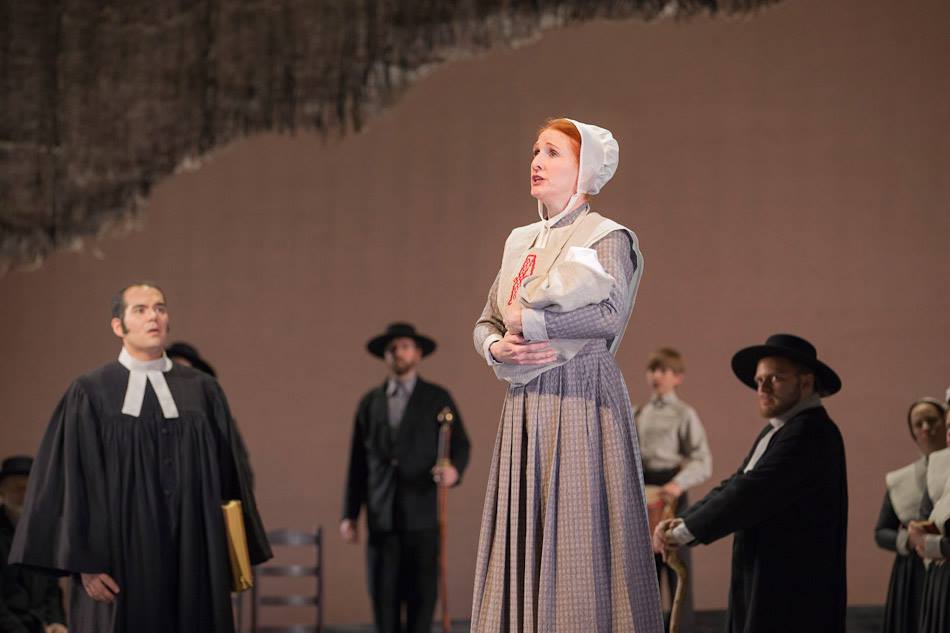
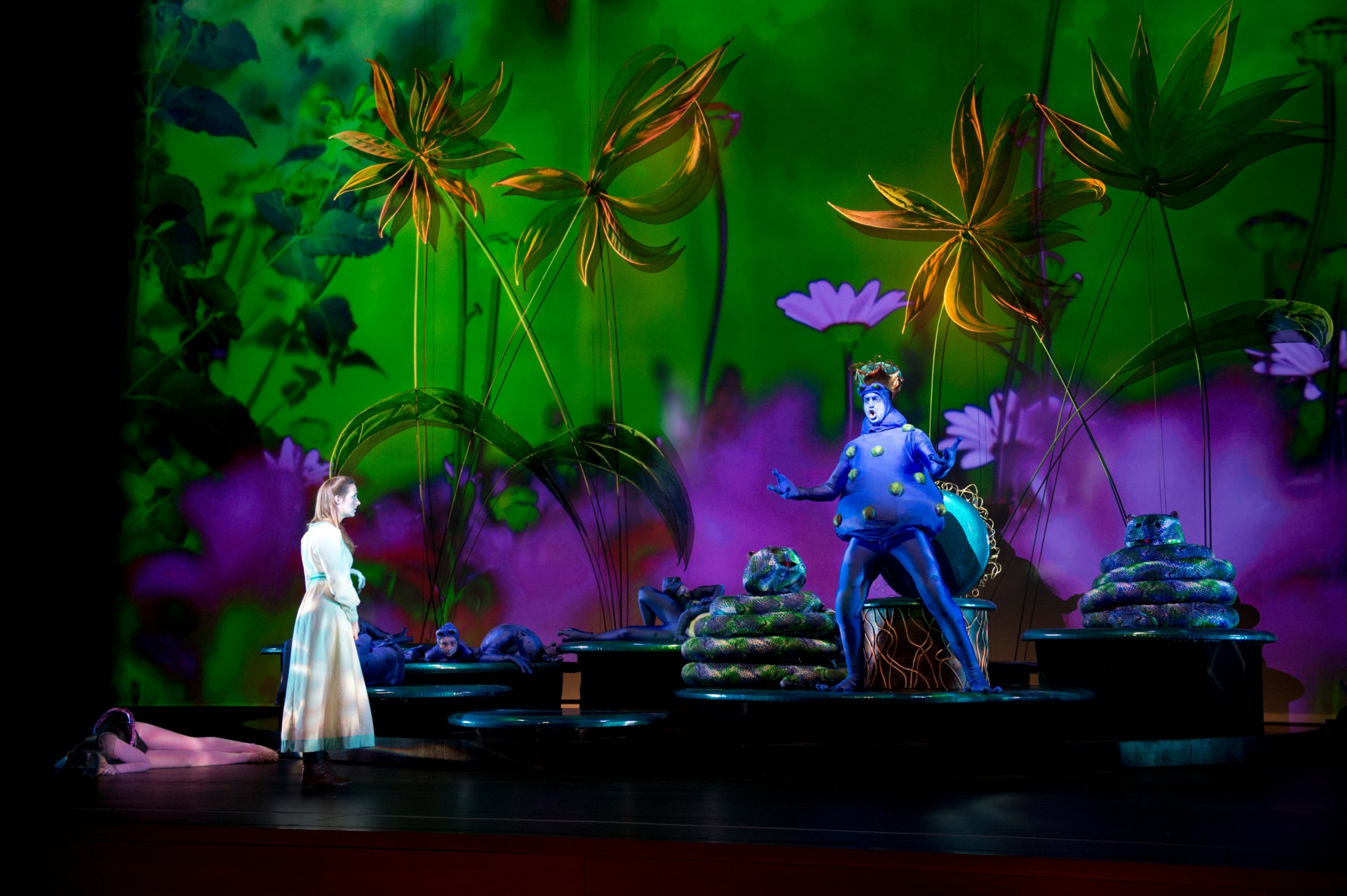
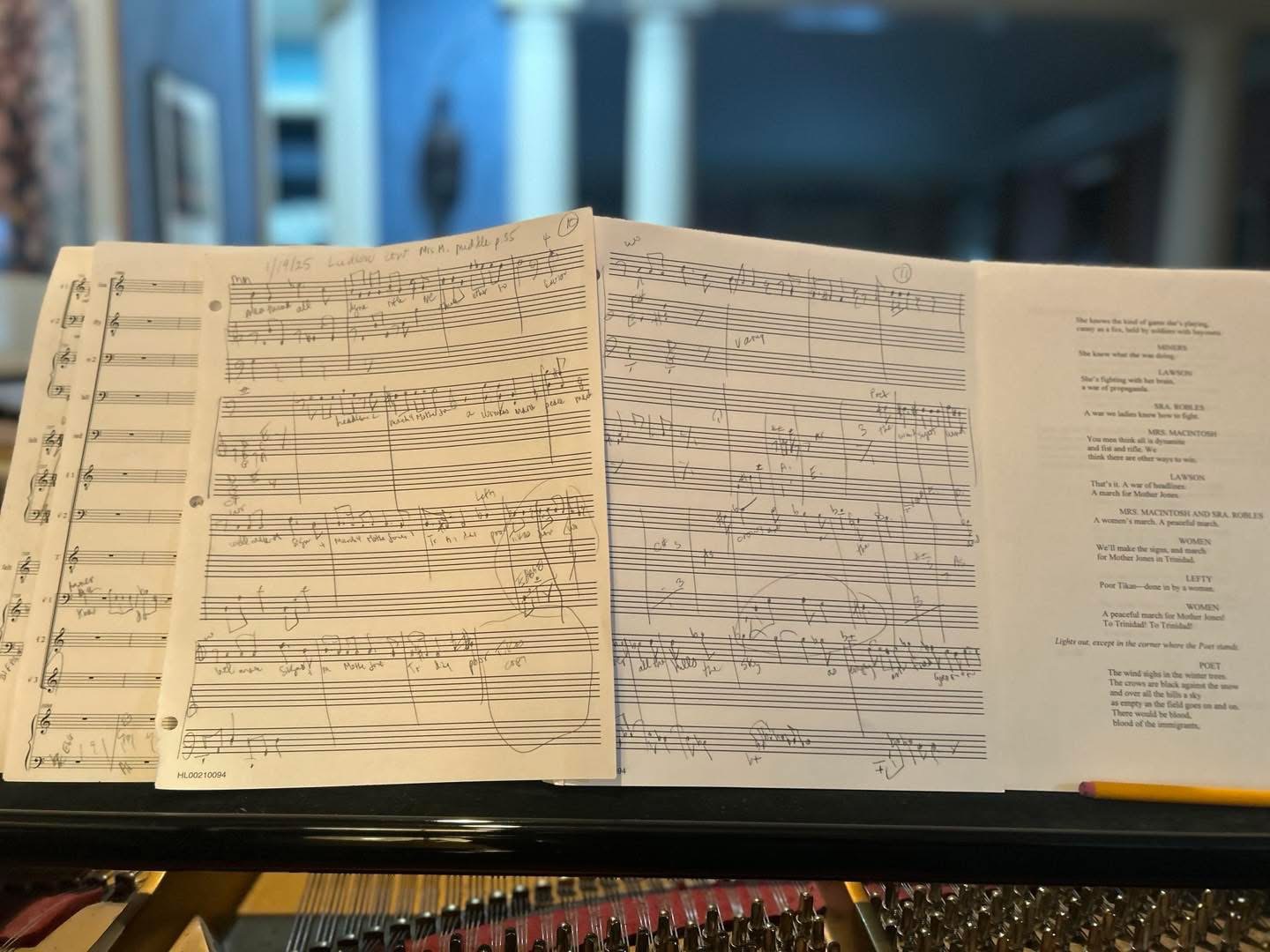
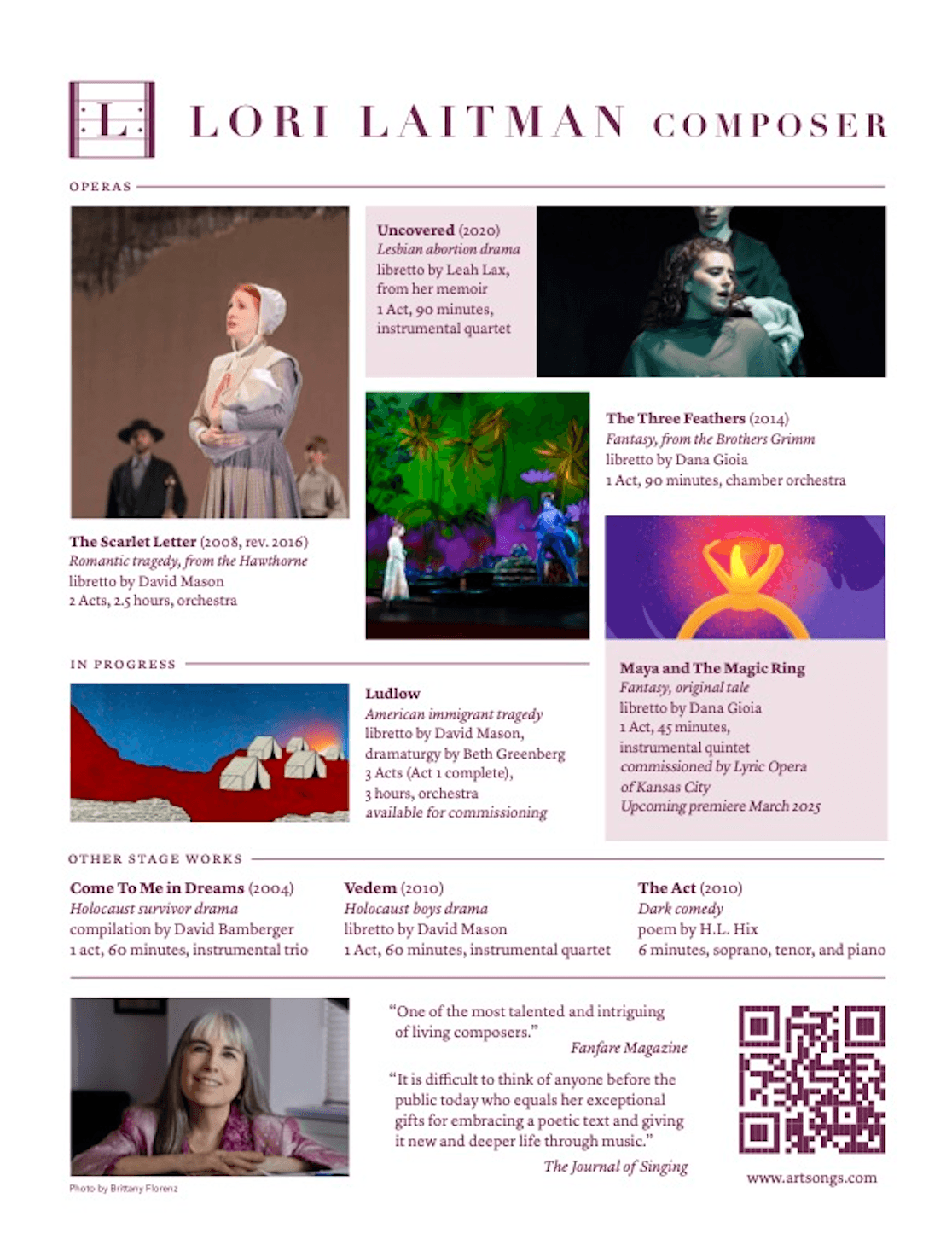
Lori Laitman headshots by Brittany Florenz (2024) Princess Dora gets crowned from the Solo Opera production of <i>The Three Feathers</i> (2023), photo credit: Ben Krantz Princess Dora and the Frog King from The Virginia Tech premiere of <i>The Three Feathers </i>(2014) Hester Prynne from Opera Colorado production of <i>The Scarlet Letter</i>, photo credit: Matthew Staver (2016) <i>Ludlow</i> sketches — 2025 My art song film of <i>The Apple Orchard</i> won many prizes, including Best Song at The World Film Festival in Cannes Opera card designed by Esther Wu