



We caught up with the brilliant and insightful Lori Gottschalk a few weeks ago and have shared our conversation below.
Hi Lori, thanks for joining us today. Let’s jump right into the heart of things. Outsiders often think businesses or industries have much larger profit margins than they actually do – the reason is that outsiders are often unaware of the biggest challenges to profitability in various industries – what’s the biggest challenge to profitability in your industry?
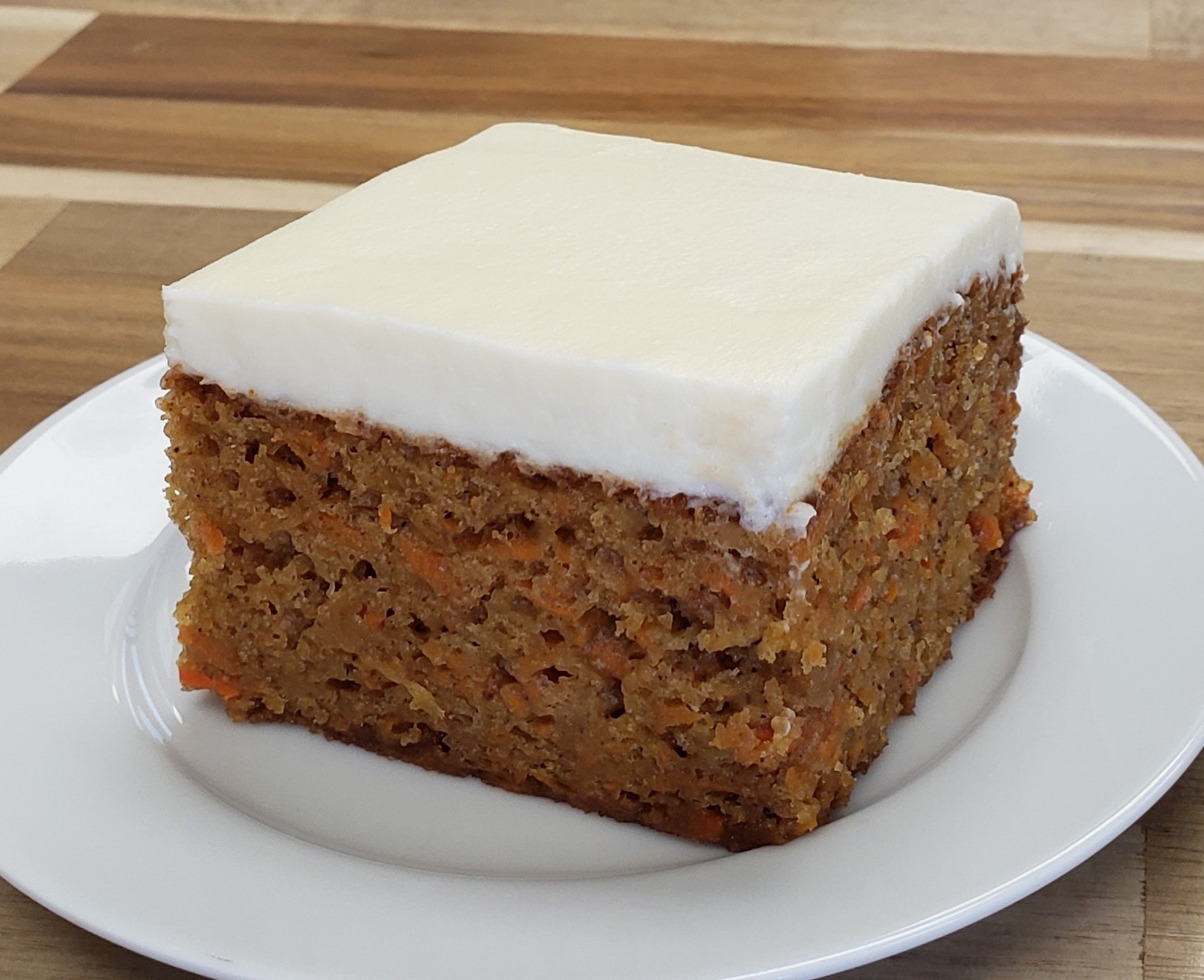
We started our bakery to provide quality gluten free baked goods to those who need to eat a gluten free diet. This is something we wanted to give to the community after struggling for so many years ourselves to find moist, flavorful products that don’t have the texture of crumbly cardboard. In this, as many things, quality comes at a price.
Gluten free foods cost a lot more than their wheat-based counterparts, often two to three times as much! Many people assume that eating gluten free is just a trend, and therefore providers charge ridiculous amounts because they can. The reality is very different and the causes multi-faceted, but one of the biggest factors is ingredient costs. Wheat is cheap, easy to grow and versatile. It is also a subsidized crop, where most gluten free ingredients are expensive and hard to come by in bulk. I can buy a 25 lb bag of wheat flour for $0.37/lb retail price at Walmart, where my wholesale cost for a quality gluten free flour blend is $3.65/lb, literally ten times as much!
Labor is also more costly. Gluten free dough is wet and sticky, and doesn’t work with most commercially available equipment, which means many tasks that are traditionally done by machinery must be done by hand for gluten free products.
I could go on and on about all the extra costs running a gluten free bakery, but bottom line it is a constant struggle to provide reasonably priced foods to our customers, while still trying to earn a living.
Lori, love having you share your insights with us. Before we ask you more questions, maybe you can take a moment to introduce yourself to our readers who might have missed our earlier conversations?
We didn’t set out to start a gluten free bakery. My husband and I both had full-time jobs in software development when he was diagnosed with celiac disease.in 2010. At the time, we had three young kids, and all we wanted was to feed our family. We had to change our entire diet overnight and make meals that were safe for my husband and palatable to a family of five. Imagine trying to explain cross contamination to a picky toddler when many adults don’t even understand the concept.
The definition of a gluten free food in our country is that it completely free of gluten, or contains fewer than 20 parts per million. That is less than a crumb, and many celiacs get violently ill when exposed to even a tiny amount. Cross contamination means you can’t use the same knife for wheat bread and then use it for gluten free bread. It means a sensitive individual can get very sick if you put the knife back in the peanut butter jar after touching wheat bread, or toasting gluten free bread in the same toaster as regular. So we decided that our entire household would be gluten free, and thus began our journey in gluten free baking.
I grew up baking, and always enjoyed the science of it. But when we went gluten free as a family, we struggled for years, experimenting with different ingredients, processes and techniques. I went back to school and got a degree in Nutrition, then became licensed so I could understand how it all works. There were so many failures. But we kept at it, and somewhere along the way we got good at it! Friends and family who weren’t even gluten free started saying, “Hey, this is really good. You should sell it.”
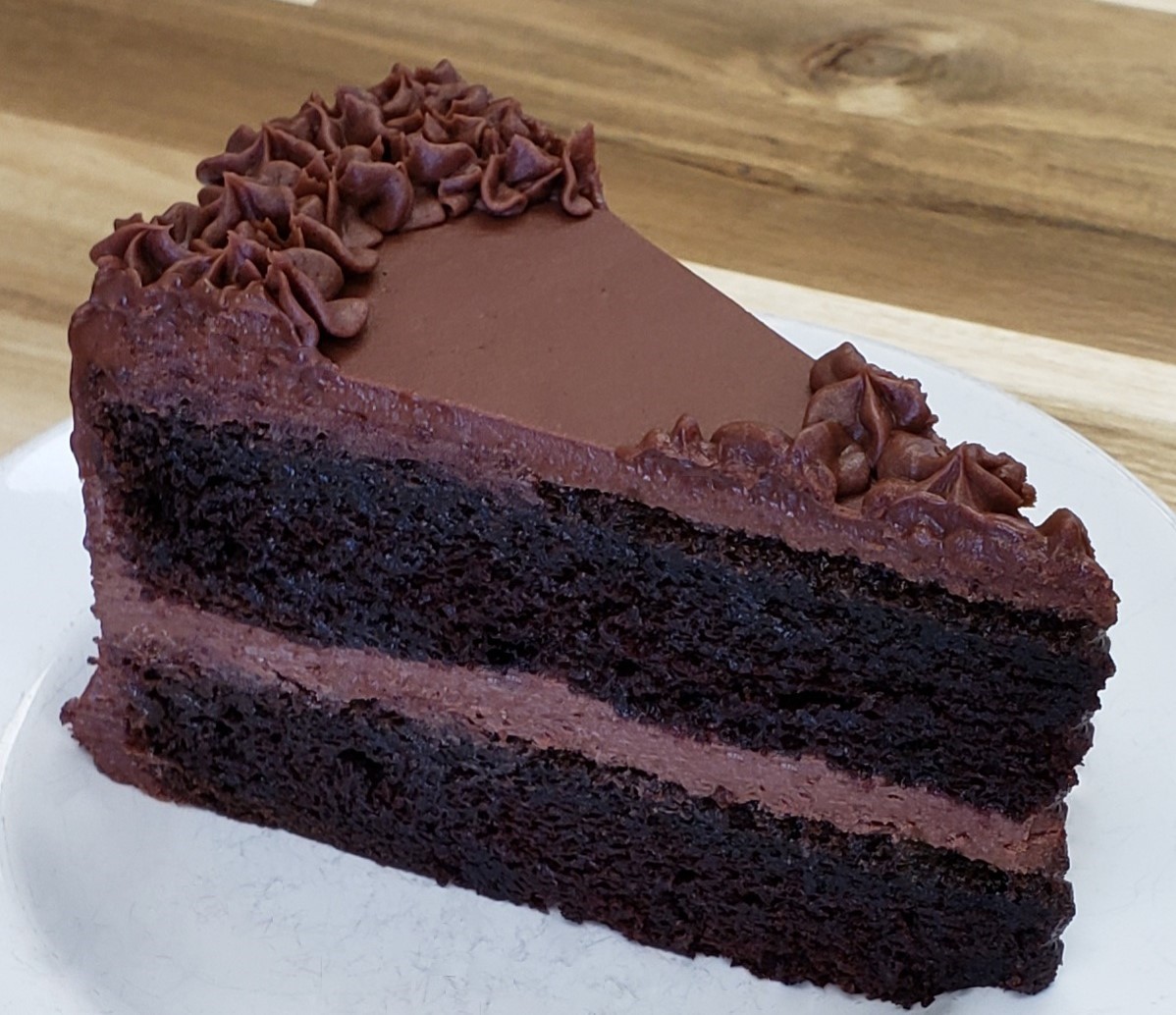
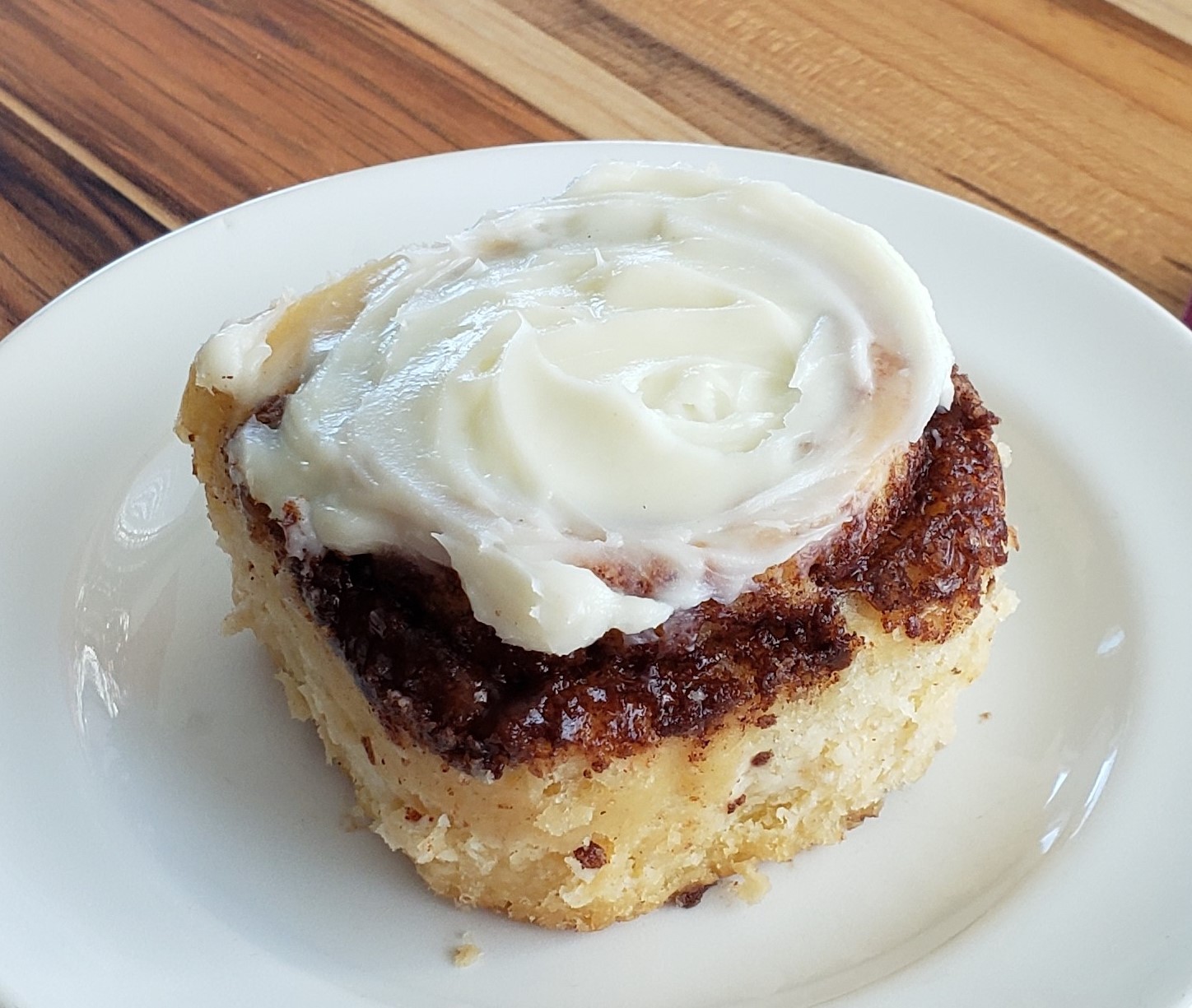
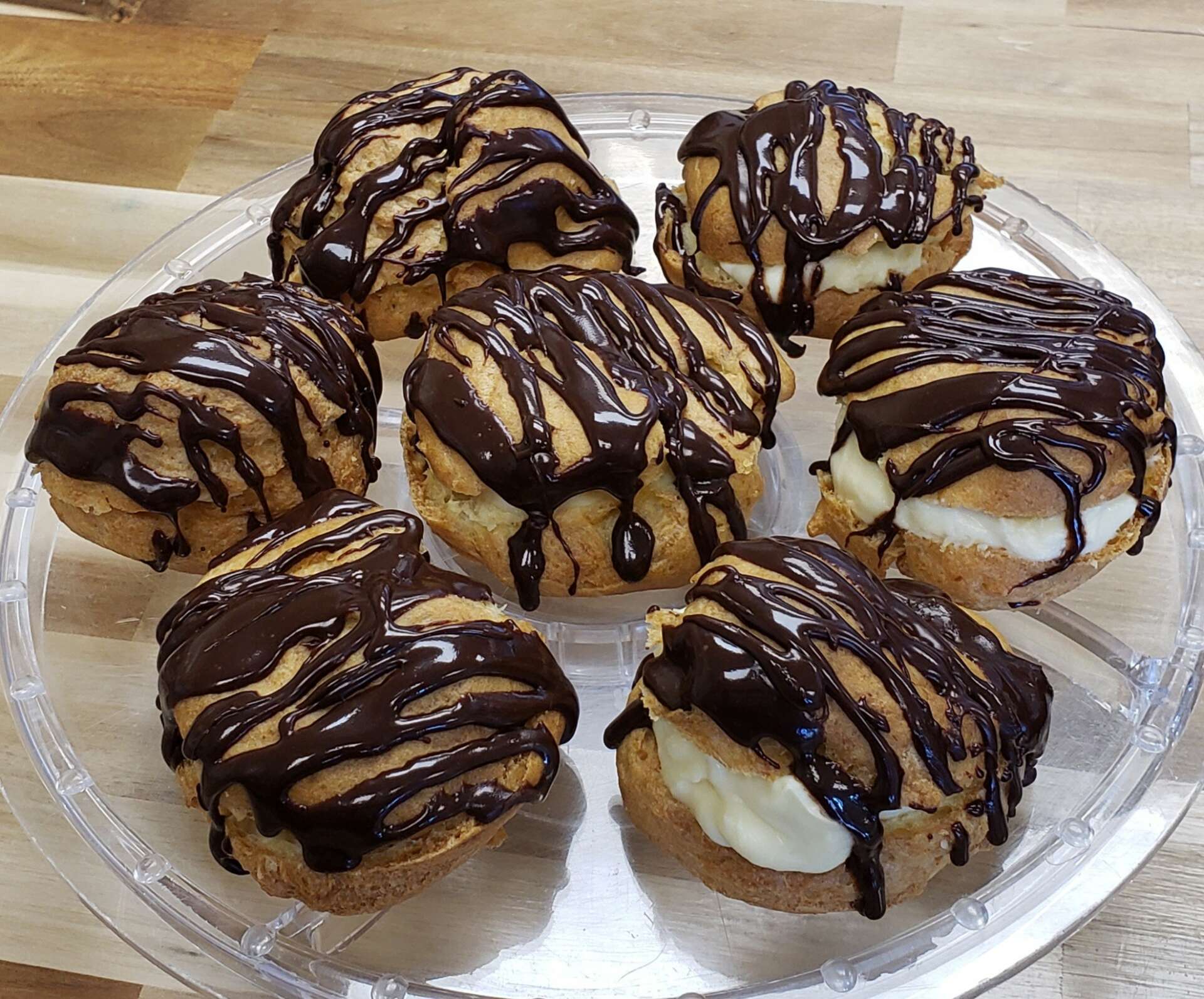
We decided to start selling at the farmers market to see if there was enough interest, and from there things started to take off. Our mission is to provide those who need to eat gluten free with delicious, high quality food made with real ingredients – no preservatives, fillers, etc. We enjoy a baking challenge and developing recipes for things that are really hard to find gluten free (at least that taste good!). From soft pretzels to cinnamon rolls to that perfectly chewy chocolate chip cookie, we are trying to make products that everyone loves, and provide a safe environment where those who need to eat gluten free can feel safe, special and not deprived of life’s comforts.
Can you tell us about a time you’ve had to pivot?
One very key ingredient in gluten free baking is psyllium husk powder, the ground up husk on the seed of the plantago plant. It’s the stuff in Metamucil, and makes an excellent replacement for gluten, helping to bind everything together. Most of it is grown in India, and we sort of took it for granted until widespread crop failure took out much of the world’s supply of psyllium. Prices skyrocketed and suppliers were scrambling to find more. The psyllium we could obtain made our bread a purple or pink color, or caused “tunneling”, giant holes throughout the bread. We went from having this amazing sandwich bread to questioning whether we should discontinue it indefinitely.
Instead, we started learning everything we could about psyllium – how some strains absorb more or less moisture and adjusting the water content can tame the tunneling, how leaving it longer affects the color, how to use less psyllium or substitute other ingredients. We communicated with our customers the entire way so they understood the reasons behind fluctuations in color. We discounted our “Holey Bread”, as we affectionately named the bread that had larger tunnels.
The psyllium market is just now starting to return to normal after a year of this. But what we learned from the experience is that sometimes you have to pivot and find creative ways to keep going around obstacles that arise.
We’d love to hear the story of how you built up your social media audience?
I’m in my 50s, and social media was always just a way to keep up with friends and family who lived elsewhere, see photos of their kids, etc. So when we started trying to get the word out about our business, the social media marketing aspect did not come naturally to me.
It was a lot of trial and error in the beginning, and I am still learning. I took a class about food photography and met with Facebook marketing consultants. I wrote posts and then paid attention to which ones got a lot of comments and reactions. I made a point to listen to what our customers were asking for and try to deliver those things. It is not about selling products, but building a community – showing our customers that we understand the challenges of eating gluten free, and are there for them throughout all the ups and downs. That is what we try to communicate through social media.
Contact Info:
- Website: crestonebakery.com
- Instagram: https://www.instagram.com/crestonebakery/
- Facebook: https://www.facebook.com/CrestoneBakery
- Yelp: https://www.yelp.com/biz/crestone-bakery-broomfield