

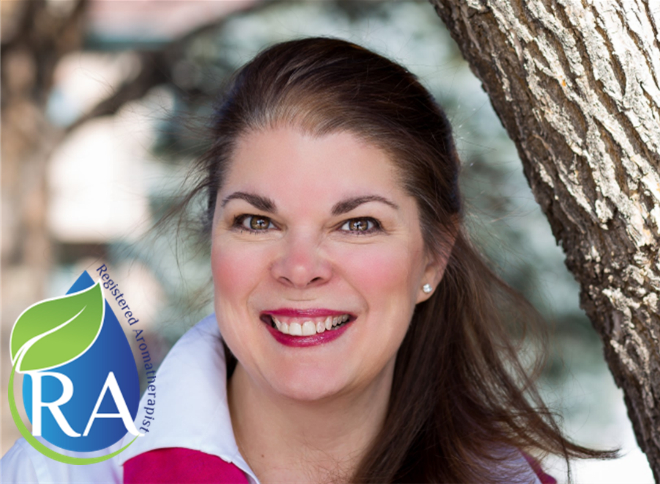

We recently connected with Lora Cantele and have shared our conversation below.
Lora, thanks for joining us, excited to have you contributing your stories and insights. How’s you first get into your field – what was your first job in this field?
After graduating from the American College of Healthcare Sciences (formerly the Australasian College of Health Sciences) in 2004, I was excited to “hang out my shingle,” so to speak, and start engaging with clients in my own practice. I was surprised that people weren’t rushing through the door. The assumption was that essential oils were an easy “do it yourself” way to promote better health through natural means, as promoted by those selling them to laypersons through some of the larger network marketing companies. I noticed in my own town that there were three massage places on the same corner. Each was trying to outdo the others by offering various add-ons to increase value and justify their pricing. They started offering “aromatherapy massages” using essential oils sold by these companies.
I realized that while aromatherapy was becoming more popular, people didn’t really know what it was or what to expect when seeing an aromatherapist. I began to write articles for the local paper and a couple of magazines. The articles became popular and were picked up in syndication with other outlets. I later spoke on a local talk radio program. Providing education on aromatherapy paved the way for clients to find me and to know what to expect in a consultation.
My first client came to me with a self-diagnosis of Sjögren’s syndrome. Her medical intake form listed over a dozen medications, and her medical/emotional complaints were many. I was overwhelmed. I asked her what help she was seeking from me, as many are looking for a ‘magic bullet’ or a cure. She simply stated that she was seeking relief from the anxiety she was experiencing due to her medical conditions and medications. This I could do. I worked with her weekly for several weeks to help her achieve the relief she was seeking. Throughout the process, I helped her make better nutritional choices and practice relaxation techniques to feel calmer and sleep better. I made referrals to other professionals to assist her with medications (many of the meds she was taking were to counter the side effects of others. Not all her medications were prescribed by the same doctor, and some were contraindicated with others she was taking). There was no single point of oversight for her care.
After a couple of years, I approached a hospice about a position. Their response was that it would be great to have an aromatherapist on staff, but they lacked funding. They said if I was a good grant writer and could help them secure a grant, they could offer me a position. A couple of years later, a nurse called me from the hospice. She had found my resume on file. So, my first job outside of my practice was with a hospice, where I also worked in a pilot program at a children’s palliative care home for medically-fragile children. I worked with an interdisciplinary team consisting of skilled nurses, doctors, researchers, administrators, teachers, and a variety of other complementary therapists. I was challenged weekly with providing research on the efficacy of essential oils for anything from sleep disturbances to wound care on fragile patients with life-limiting illnesses. I had to provide in-service training for the staff at the palliative facility to explain my work and inform them about why bringing in highly scented retail products (made with chemicals and synthetic fragrances) was harmful to the population we were caring for.
I think people have a sense of what aromatherapy is and what aromatherapists do, but there are many gaps in their knowledge. Some believe that there is an essential oil for everything from ADHD to West Nile Virus, including cancer and Ebola. Some put essential oils in water and drink them daily because they’ve been mistakenly told it can be preventive care against illness and kick the immune system into high gear. Others use essential oils for first aid and emotional challenges based on ‘there’s an oil for that’ thinking. There is so much more to it. There’s the chemistry of the essential oils and how they impact the body. There are safety considerations for the elderly, infirm, infants and young children, and those taking medications. Yes, they are natural, but so are strawberries and water. If you are allergic to strawberries or consume too much water, consequences can be allergic reactions or worse. How essential oils are stored and how old they are can affect their effectiveness or cause harm, such as skin irritation.
There are people who sell essential oils and those who are qualified aromatherapists. A qualified practitioner, such as a Registered Aromatherapist®, will have knowledge of chemistry, anatomy, physiology, pathology, and safety, as well as deep knowledge of essential oils and their profiles. Qualified professional aromatherapists work within their scope of practice and know when to refer to another professional. Many, like myself, have also been trained in herbalism, body care, nutrition, and the tenets of good health such as the importance of sunlight, restful sleep, relaxation, and exercise. They know how to read a testing lab’s analysis of the essential oils they use in their practice and where to buy excellent-quality essential oils. The top 10 essential oils sold on Amazon are not pure or natural, despite their marketing claims and the declarations on the bottles. Many essential oils on the market have been adulterated. Would you go to a plumber to treat your cardiovascular disease?
Lora, before we move on to more of these sorts of questions, can you take some time to bring our readers up to speed on you and what you do?
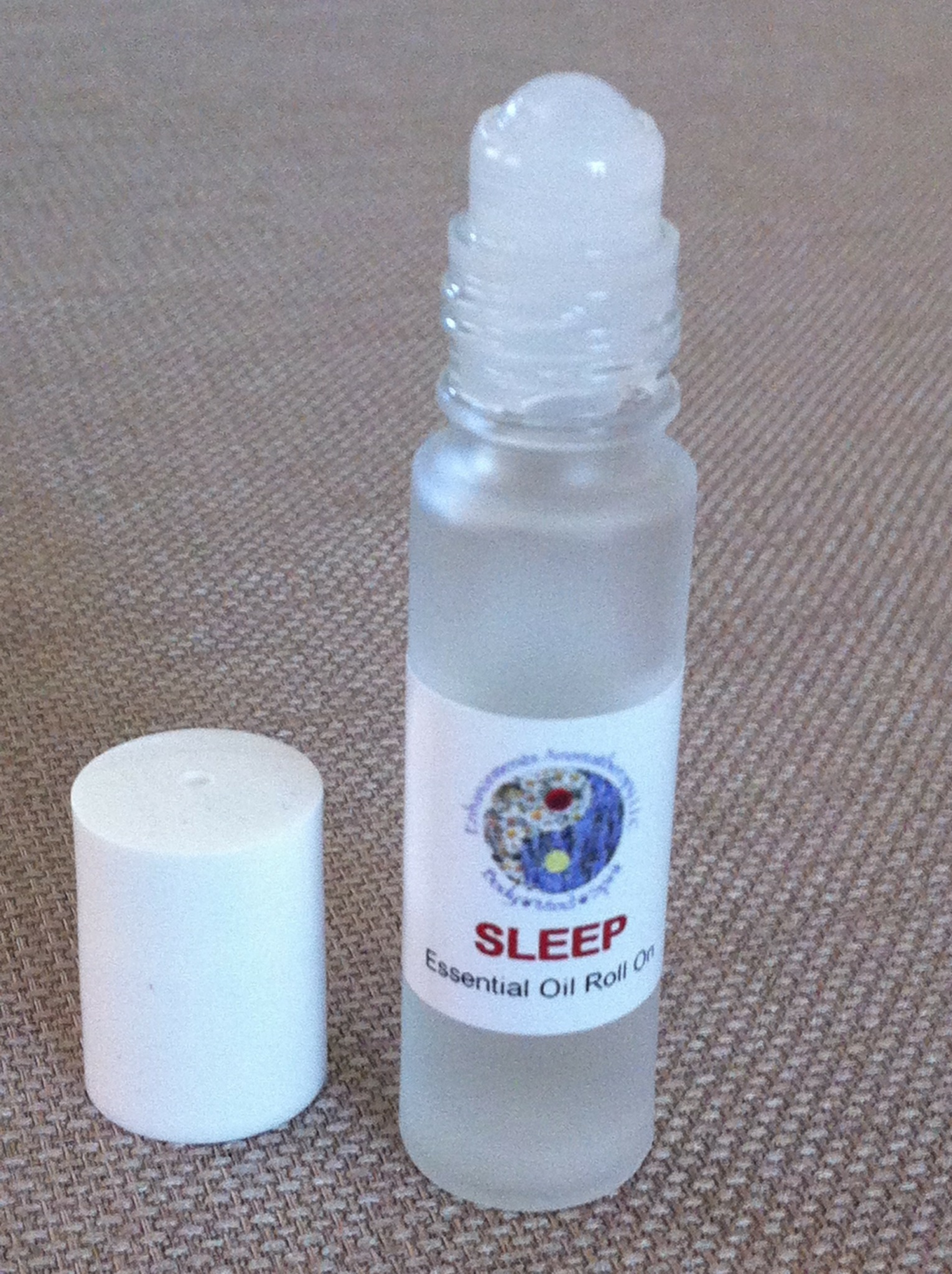
My first experience with aromatherapy came after I had been in a pretty bad car accident. I was stopped in traffic and hit from behind on the highway. I was pregnant at the time and was already having back issues. After the accident, I was told I only had 75% of the use of my back. I couldn’t sit for more than 10 minutes before I would have to get up again due to the pain. No position was comfortable for me. A good friend knew an aromatherapist. He asked her to make up some massage oils to help with my back pain. They worked very well and allowed me to sit pain-free for longer periods. A few months after my son was born, he was still not sleeping through the night – which meant neither was I. Another friend was out shopping and saw an essential oil blend by the cashier called “Lullabye.” She bought it and gifted it to me in hopes it would help us both sleep. I put a drop on a cotton ball under the corner of the fitted sheet of his crib. It helped him fall asleep and stay asleep, so now I could sleep.
On the one-year anniversary of the accident, and my last day of physical therapy, I was hit again in a similar accident. This time, I was told I only had 65% of the use of my back due to the additional damage. I started using the massage blends for pain again. It wasn’t until I was packing for our move from our apartment to a new home that I noticed that the two products were made by the same person. So I called my friend and asked him to introduce me to the aromatherapist. My husband and I went to see her and her little ‘olfactory factory.’ She told us so much about aromatherapy and showed me around her shop and her ‘lab’ where she did all her blending. I left there feeling like aromatherapy was the best-kept secret that everyone should know about.
I later moved to the country, where the people saw aromatherapy as some sort of voodoo, and they thought I was a witch. I was selling products that I made in a little shop in my town and at holiday events. I remember a nice couple who sold their woodwork. She used to tell me about various ailments she and her husband had. I would make recommendations, but they politely put my suggestions aside, telling me their children were doctors and nurses, so they were fine. I then decided to go to school to become a natural healthcare practitioner with a focus on aromatherapy. I believed that it would add some credibility to my recommendations.
After completing a two-year program, I went to France to complete some further studies with my college. It was there that I met my mentor, world-renowned aromatherapist Shirley Price. I invited Shirley and her husband (and co-author), Len, to teach a couple of continuing education courses in America. At the end of the course, they asked me for my resume. They said they were looking for teachers for their [daughter’s] school in England. I was flattered. I was later invited to England to complete their clinical aromatherapy tutor’s training to become a board-certified instructor for their academy. When I returned home to Chicago, I opened a satellite school for the academy and became a distributor for their daughter’s line of essential oils.
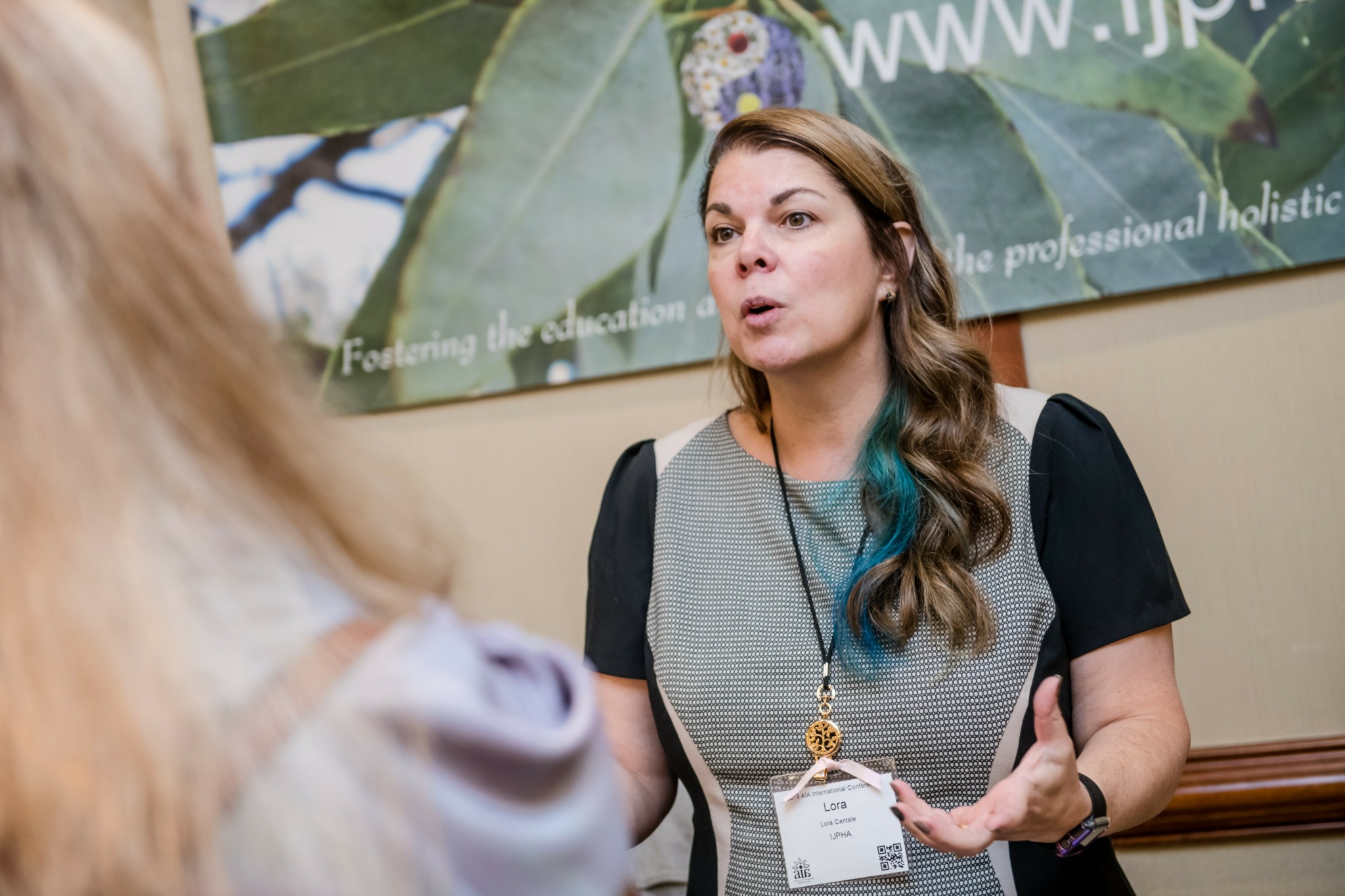
Around the same time, I became very active with the Alliance of International Aromatherapists (AIA). I attended their first conference in 2005 and had a booth selling essential oils and my educational program. I was later asked to join their Board of Directors. Then things really started taking off.
My articles were bringing me clients. My practice grew with client referrals. I was very busy working for the AIA. I began traveling internationally for conferences. My connection to the English school provided an opportunity to engage with educators in England and the International Federation of Professional Aromatherapists (IFPA). I was soaking up continuing education in aromatherapy from top educators from around the world like a sponge. I never stop learning. I continue to earn over 200+ hours of continuing education credits each year. And that lovely woodworking couple later started asking me for advice.
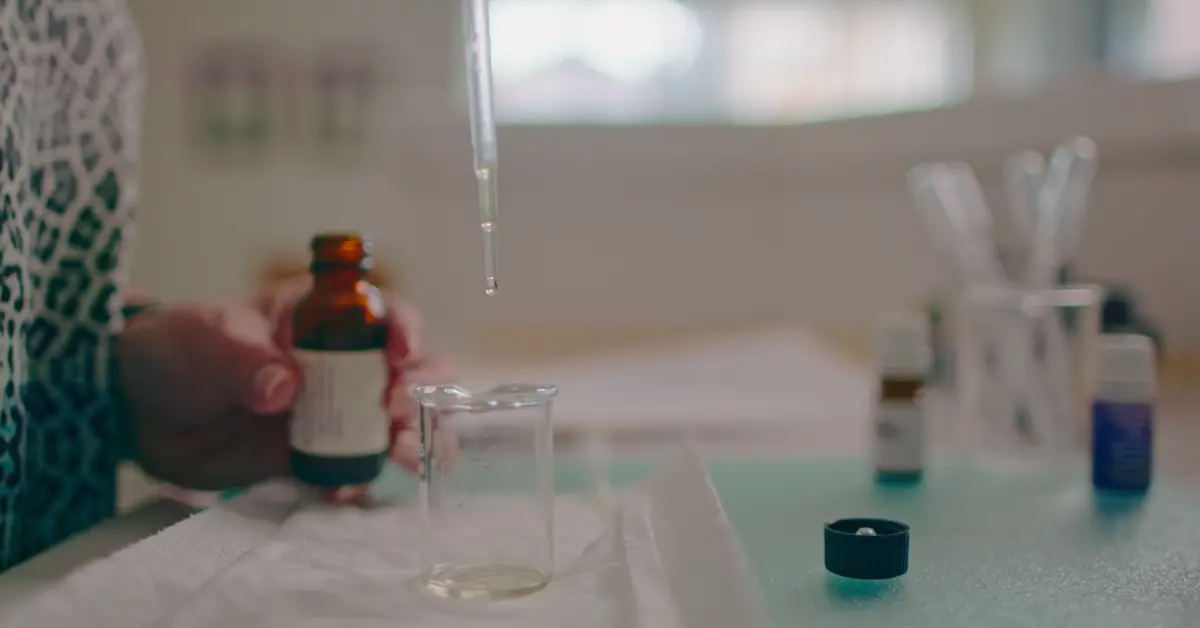
My career in aromatherapy has kept me busy for 25 years. My work at the children’s home gained some recognition after our study was published. I started speaking internationally about my work with children in palliative care homes and hospices, aromatherapy education, and children with special needs. My son was diagnosed with autism when he was six years old. He didn’t understand his impulses and why he felt different. This led to suicidal ideation, the medication merry-go-round, and a lot of rage. I used aromatherapy with him to help him know when it was time to transition from one activity to another, when it was time to sleep (and to help him sleep), to help with digestive issues and anxiety, and to help him calm his emotions before he would become enraged. I attended support group meetings and listened to other parents’ challenges. I offered to help support them with aromatherapy. Working with children with special needs and their families became my area of specialty and was featured in the Netflix documentary (UN)WELL. I now speak internationally on this topic and advise other aromatherapists on how to work with this population.
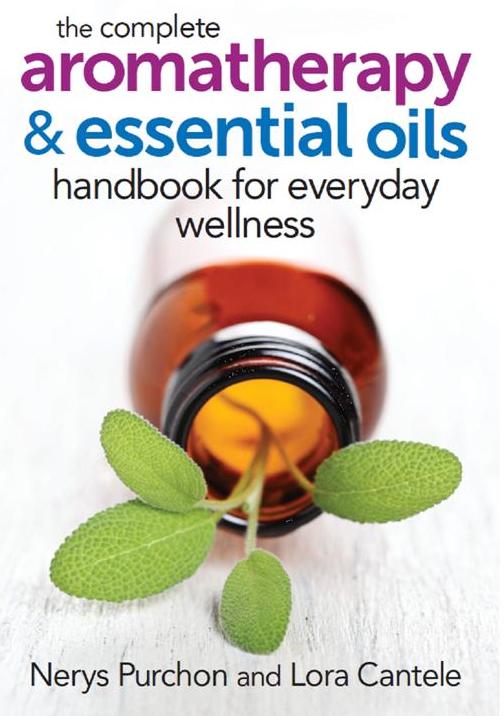
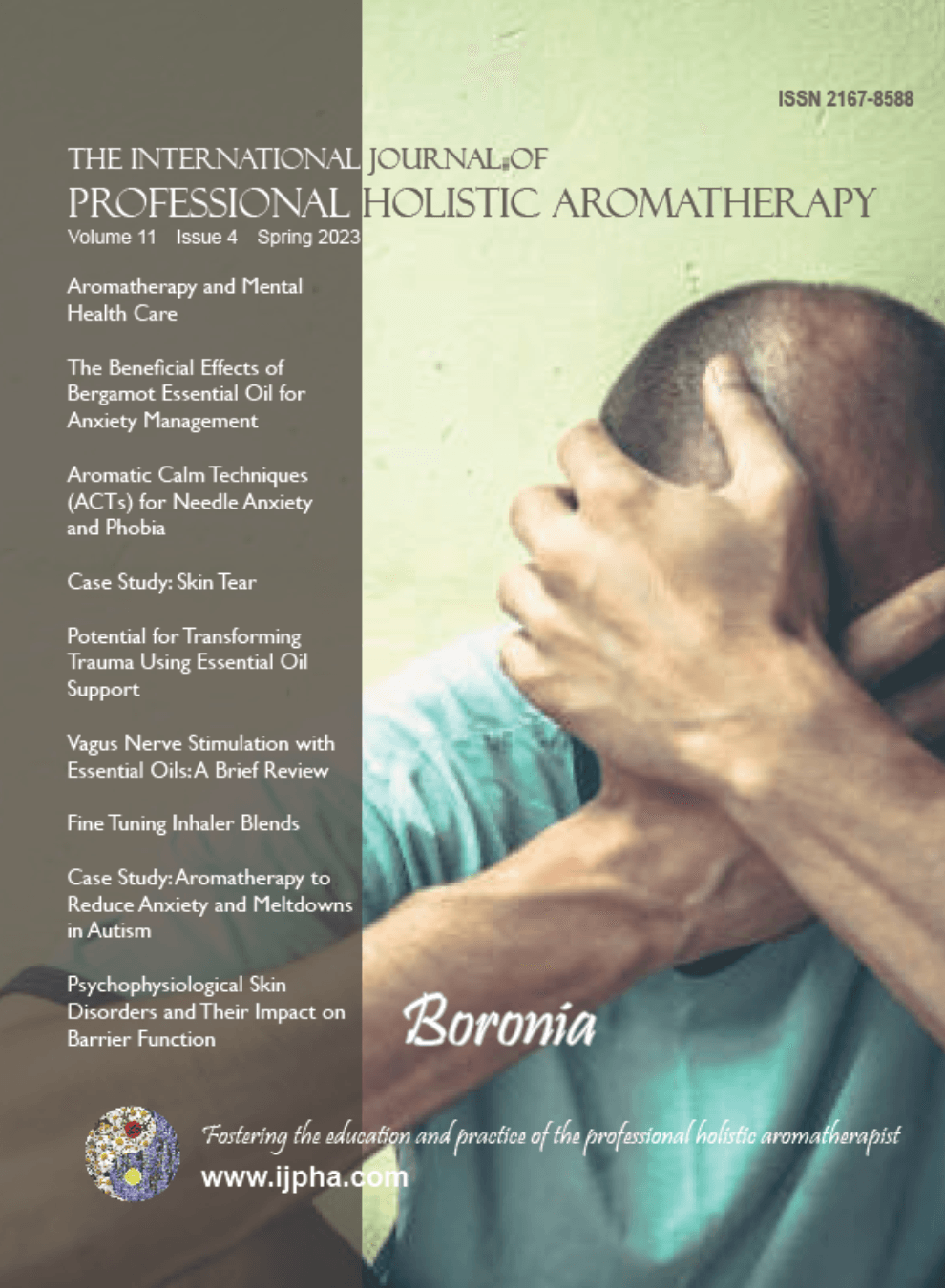
In addition to my practice and speaking engagements, I continue to write, educate, and assist other practitioners as a mentor and as a consultant. I co-authored a book entitled “The Complete Aromatherapy and Essential Oils Handbook for Everyday Wellness,” and I produce a quarterly, peer-reviewed professional trade journal – the “International Journal of Professional Holistic Aromatherapy” that fosters the education and practice of the practitioner. This keeps me engaged with the community and current research, as well as other practitioners doing amazing work.
More recently, I became the Chair of the Aromatherapy Registration Council® (ARC). ARC promotes the safe and effective practice of Aromatherapy by registering Aromatherapists who successfully pass an independent, proctored international exam. Qualified aromatherapists earn the Registered Aromatherapist® credential and are placed on a registry for five years, after which they must renew their credential by completing 100 hours of continuing education or retaking the exam. This helps to ensure they stay current. New exams are created and psychometrically assessed every 2-3 years to ensure they remain consistent with current research and practice. My goals with ARC are to provide employment opportunities for Registered Aromatherapists®, ensure the quality of RAs, and inform consumers about ARC’s registry to help them find qualified practitioners to help them on their health and wellness journey.
Putting training and knowledge aside, what else do you think really matters in terms of succeeding in your field?
I have been very fortunate to have a family that is supportive of my travels in pursuit of education and networking opportunities. I have met various educators and mentors worldwide who have been very generous with me in sharing their experiences, knowledge, and advice. I have also worked alongside some amazing people to learn from and grow, and they have helped me realize my vision for giving back to the aromatic community through my work with the AIA, collaborations with IFPA, and associations in Australia and Japan.
In addition, I believe that becoming a Registered Aromatherapist® has enhanced my career. Aromatherapy is an unlicensed profession. There are organizations such as the AIA and the National Association for Holistic Aromatherapy (NAHA) that offer educational guidelines and require their members to abide by a Code of Ethics and Conduct as part of their self-regulation. While aromatherapy schools offer certification or diploma programs, their curricula and study hours vary widely. Some aromatherapy organizations offer initials to put after your name based on membership level or a title to declare oneself “Certified” upon completing a program offered by one of their approved schools. This is heavily reliant on the organizations properly vetting each school and regularly checking in on them. As aromatherapy organizations are run by volunteers, it is often hard to maintain these checks, if they are done at all. This is why ARC registration is so important. Short of licensure, the Registered Aromatherapist® credential is the highest level of vetting available.
Being a Registered Aromatherapist® helped me get my job at the palliative children’s home and hospice. It has also enhanced my credibility as a practitioner and allowed me to provide services in other facilities. When I first started in aromatherapy, I learned it was common in the U.K. for cancer centers, nursing homes, palliative centers, and some hospitals to have an aromatherapist on staff. While here in America, it was the opposite. Possessing a registered credential has given me a seat at the table to start a conversation.
How about pivoting – can you share the story of a time you’ve had to pivot?
After the COVID-19 pandemic and amid our current economic downturn and resource constraints, my practice has changed. Many of my clients are struggling to pay for much-needed services from various therapists and extracurricular programming for their children. My office is in my home, which was once our “empty nest;” now there are extra family members at home during the day, so I cannot offer the same level of privacy for my clients. So, I have had to pivot in my business. I now offer a sliding scale because I didn’t want to deny help to any family that needed it. I also meet with families via Zoom or in their home. This reduced the number of clients I saw.
I then reached out to several senior living centers to offer “aromatherapy activities” for their residents. I visit facilities, some monthly, and provide aromatherapy education and activities such as art & scent workshops, hand pampering with aromatherapy products I make, and relaxation techniques with aromatherapy. Some facilities have offered me unused office space to see their residents for individual aromatherapy consultations.
Pivoting is a natural part of a career in aromatherapy. Throughout the year, my focus constantly shifts: one season is dedicated to manufacturing and retail, while the next is spent developing paid presentations for support groups and conferences. Some months are consumed by writing, while others are filled with client consultations. Even the client work has its own rhythm—busy during the colder months and slowing down come summer. Over the years, I’ve learned to embrace this ebb and flow. Aromatherapy is an incredibly rewarding career, but thriving in it requires both effort and adaptability.
Contact Info:
- Website: https://www.aromatherapycouncil.org
- Instagram: @AromatherapyCouncil
- Facebook: https://www.facebook.com/AromatherapyCouncil
- Linkedin: http://www.linkedin.com/company/aromatherapy-registration-council
- Twitter: @AromatherapyCouncil
- Other: For Lora Cantele, RA, APCA
www.enhancedgifts.com
www.ijpha.com
https://www.linkedin.com/in/loracantelera
www.facebook.com/enhancementsaromatherapy
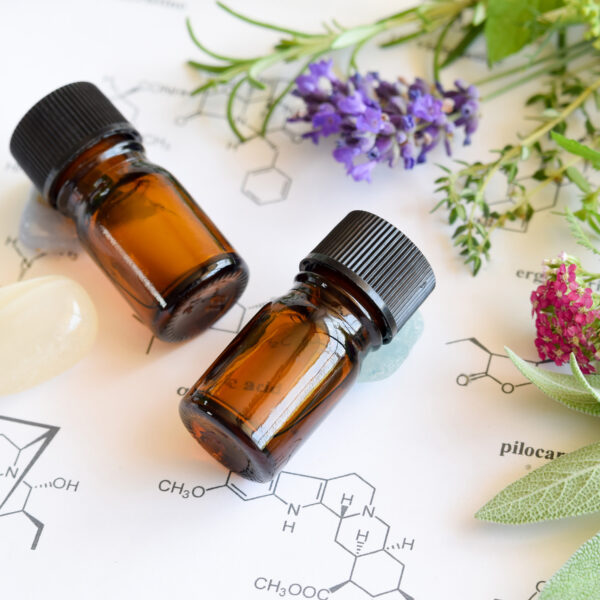
Image Credits
Book Cover – Robert Rose Inc.
IJPHA Journal cover – Enhancements Aromatherapy LLC
Lora @ IJPHA Booth – Enhancements Aromatherapy LLC
Lora blending essential oils in the documentary (UN)WELL – Netflix
Sleep blend in a roller-on bottle – Enhancements Aromatherapy LLC
Woman smelling essential oil from a bottle – Image Point FR/Shutterstock
Essential oils, botanicals, chemical drawings – Botamochi/iStock
ARC logo with tagline and white coat image – Aromatherapy Registration Council