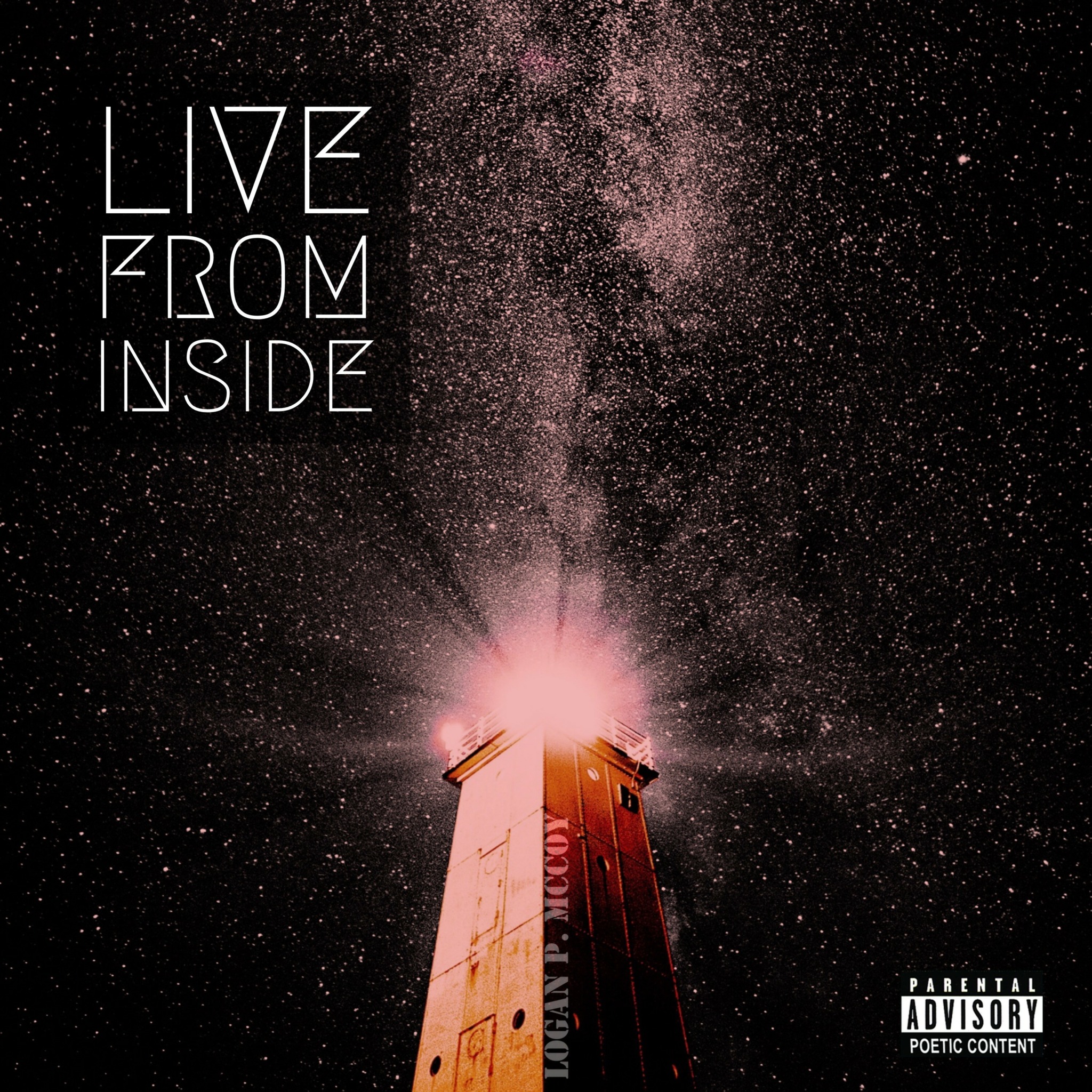
Alright – so today we’ve got the honor of introducing you to Logan P. Mccoy. We think you’ll enjoy our conversation, we’ve shared it below.
Alright, Logan P. thanks for taking the time to share your stories and insights with us today. The first dollar you earn is always exciting – it’s like the start of a new chapter and so we’d love to hear about the first time you sold or generated revenue from your creative work?
Back in the late nineties and early 2000s, getting a record deal was the main goal for a lot of rappers. So they would pay for studio time to record demos and then send them to record labels or hand them out for free hoping to get a record deal.
That strategy didn’t make sense to my friends and I; especially after all the horror stories we´d heard about record deals. Naturally, we decided to record our own music in my makeshift home studio, reproduce and package them, and then sell them ourselves on the streets of New York.
That cold day in October when I convinced a stranger, who’d never heard of me to buy my music without hearing it; that was the first time I made money with my music. That opened up a whole new world to me. On that day I was conceived as the “artist as entrepreneur” type. I’ve grown a lot since conception and I’m still growing. That first sale was the spark to my (still burning and hotter) fire.
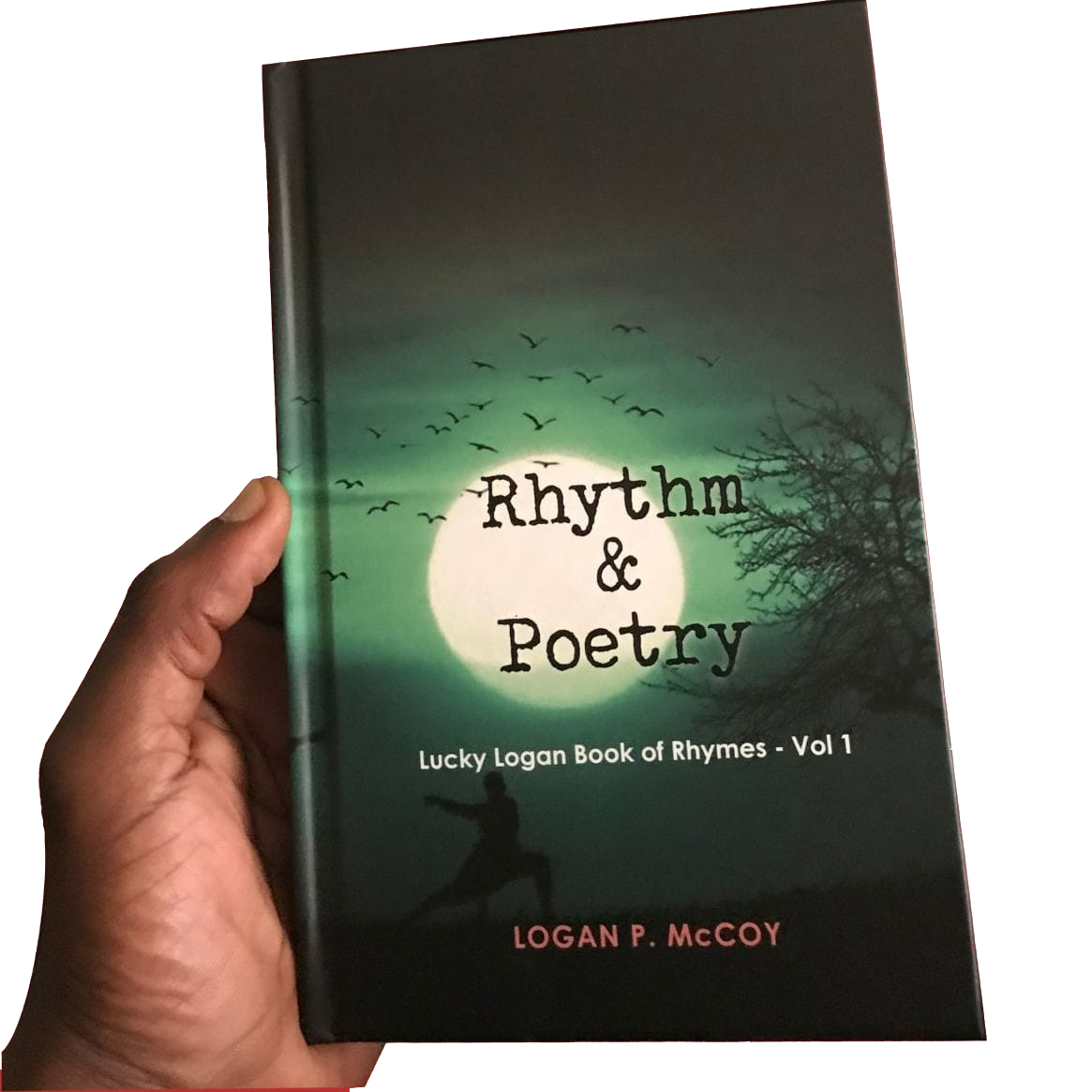
Logan P., before we move on to more of these sorts of questions, can you take some time to bring our readers up to speed on you and what you do?
Like a lot of inner-city kids, I was inspired by the environment I was in. Hip Hop was the dominant cultural movement that encouraged a lot of us to discover talents we didn’t know we had.
I became a rapper because of my love for music and words. I’m not much of a singer so rapping became the perfect medium for me to explore my musical self. An older neighborhood friend used to always say to me “You’re a poet and you don’t even know it”. I don’t know if he was just being funny or not but his mantra left an impression on me.
From selling my music on the streets I learned a lot about myself. One of the things I learned was that I had outgrown the music I was making. People would always say “I don’t listen to hip-hop anymore, I’ve outgrown it”. At the time, I didn’t understand what they meant. A few years later, I came to fully understand what they were saying. After sales slumped because the majority of music buyers had moved away from using CDs we had to abandon our operation.
While trying to figure out how to make money in the new era of music consumption, I realized I didn’t like anymore the music I was making. I would cringe when listening to recordings I’d sold so boldly on the streets of New York. The rush I used to get from my music and Hip Hop in general wasn’t the same in my adulthood. I also realized it wasn’t the genre of music I had outgrown, but the content of the music. This soul-crushing realization led me on a mission to learn how to make better music; hip-hop music I would want to listen to as an adult.
I committed the next few years to reinventing myself, my worldview and my sound. In the process, I found my unique artistic voice. I discovered that I liked music that inspired and reminded me to stay hopeful in the pursuit of my dreams. So I set out to make hip-hop music that resonated with my core values. Eventually, I learned how to do it in a way that gave me that rush I used to get from music.
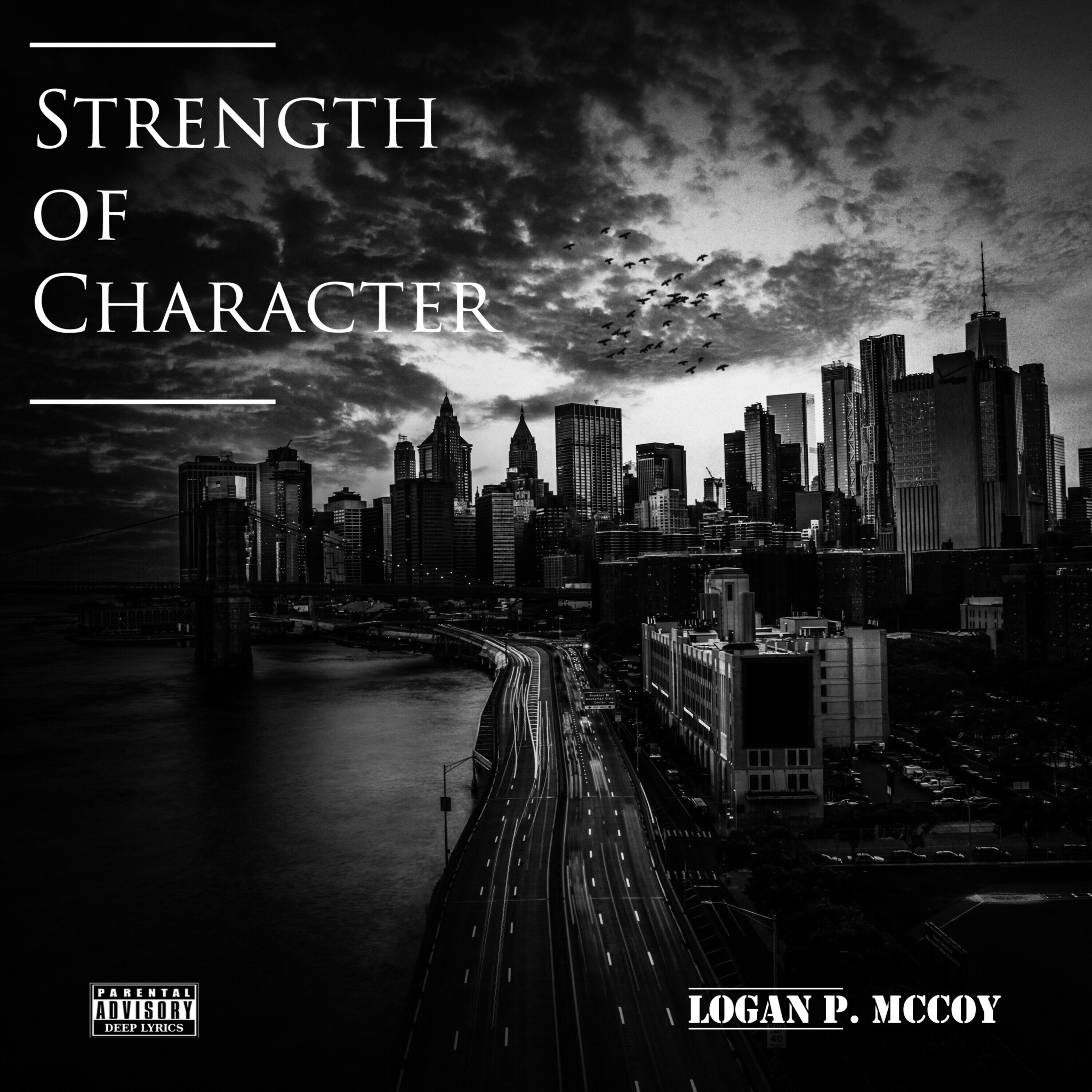
Can you share a story from your journey that illustrates your resilience?
Hip-hop music has traditionally been known as youth music. Many people have told me to stop making music because the music I make is too deep and doesn’t fit the genre. Others have told me I’m too old to be making this kind of music. This idea is completely ludicrous to me. For me, Hip Hop like any other culture has to grow to stay alive. In its inception, people didn’t think the culture and its respective art forms would reach this point of maturity. Here we are fifty years later, and the culture has a prominent global presence.
However, its main art form, music seems to be relegated to youth culture. Hip Hop now has constituents from all age groups. Because of mainstream bias, there is an older group of Hip Hop constituents that contemporary music doesn’t speak for or to. Hearing people tell me they’d outgrown the music long before I did got me thinking about the potential of this untapped and underserved market.
Getting my friends involved the first time around was easy because we were young and naive and still believed in the dream. However, convincing a group of adults with adult problems to commit to a vision that had no roots in reality was challenging, to say the least. Determined to prove to myself that I’m not crazy for dreaming so big, I decided to make this vision a reality at all costs.
The process hasn’t been as smooth as I’d anticipated. I’ve spent more money than I’ve ever made pursuing this dream of mine. I’ve lost relationships and sacrificed many financially rewarding opportunities that would have stifled my pursuit. My undying commitment to my childhood dream has cost me a lot. But the person I’ve become as a result of my perseverance more than makes up for it.
I’ve discovered a grit and drive I didn’t always have. I’ve become a version of myself I didn’t know existed, which, has in turn informed the music I make.
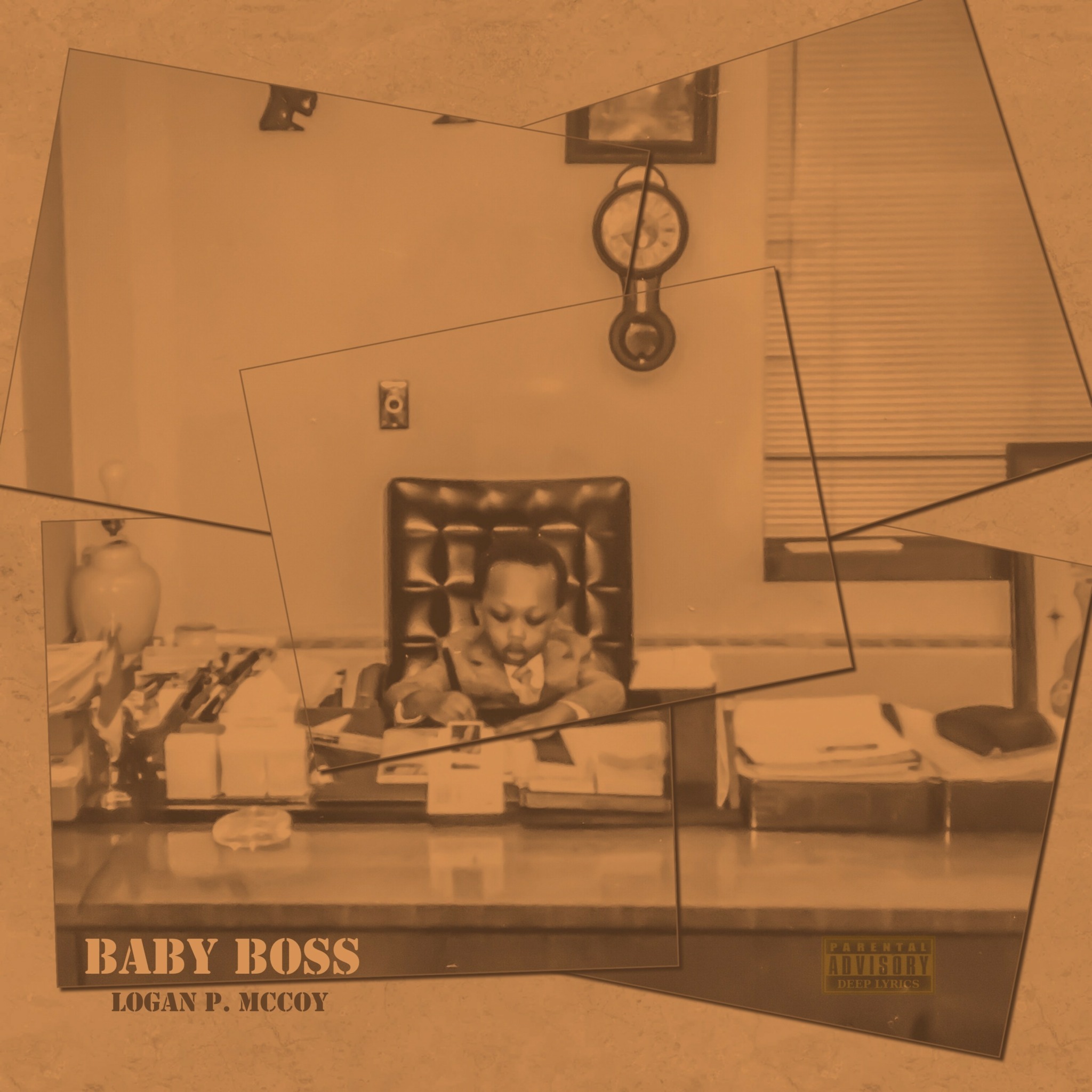
In your view, what can society to do to best support artists, creatives and a thriving creative ecosystem?
Technology has enabled and encouraged society to undervalue the arts that nourish culture. A society without culture is a dead one. When a streaming service’s business model is to charge as little as possible for so much art like music or movies, the consumer benefits but the creators and artists suffer. There is just not enough financial incentive for creators and artists to keep creating while maintaining their lives. If this unsustainable business trend continues the arts will suffer, ultimately impacting society at large.
I’m neither blaming technology for creating bargains nor the consumer for going for the bargain. I also won’t pretend to have any viable solutions for the problem at hand. What I am suggesting is that society becomes more aware of the issue, which, may lead it to an understanding of the impact of its actions on itself. If a penny saved today means our ruin tomorrow, was that penny worth saving? This and other difficult questions have to be asked and honestly addressed; thereby fostering an open and transparent discussion about the issue.
Contact Info:
- Website: https://www.luckylogan.com
- Youtube: https://www.youtube.com/channel/UCi3Wi5rsXkxpvjr2jCbNE7g