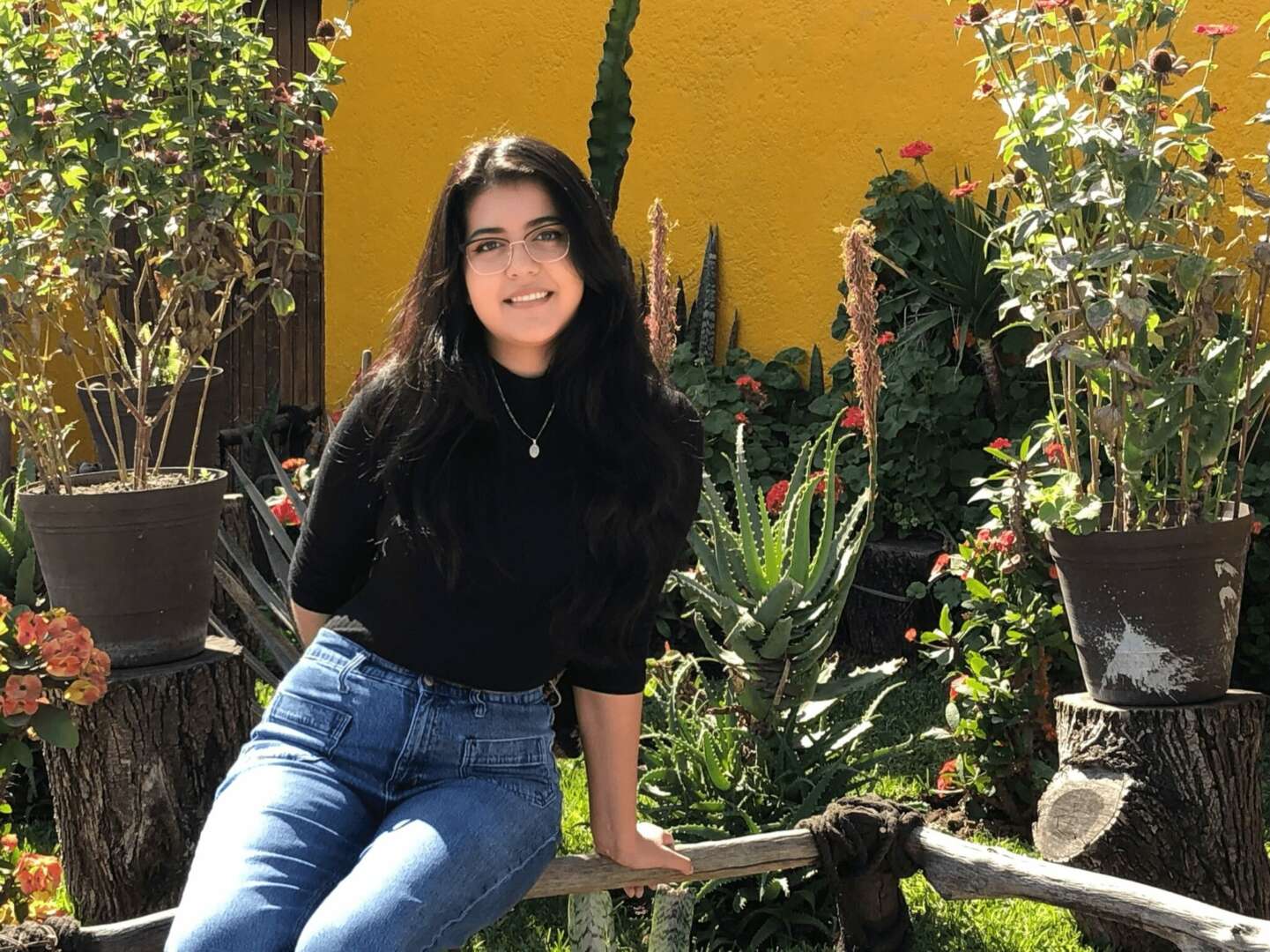

We caught up with the brilliant and insightful Lizley Avila a few weeks ago and have shared our conversation below.
Lizley, looking forward to hearing all of your stories today. When did you first know you wanted to pursue a creative/artistic path professionally?
Realizing that I wanted to pursue a creative art path professionally was a gradual but undeniable realization.
My family and I moved to the United States from Mexico when I was very young. When I was about 2 years old, my parents opened a little store in Oklahoma and worked 12 hours a day. They showed me what it means to work hard and be determined.
Watching them pour their hearts into the store, I learned the value of perseverance and dedication. Their tireless efforts provided a stable foundation for our family, and their unwavering commitment instilled in me a strong work ethic. Despite the long hours and challenges they faced, they always made time for family, teaching me the importance of balance and resilience.
Their journey inspired me to pursue my own dreams with the same level of passion and tenacity.
Growing up, I spend a lot of time in the back room of our store with my sister watching animated movie after animated movie over and over on a little Hello Kitty TV.
I was captivated by these stories and adventures, feeling as if I were living them myself. The small backroom in the store transformed in my imagination: it became a pirate ship sailing the skies in search of Treasure Planet, the Mystery Van heading to solve our next mystery, or it became feudal Japan and I was in search of the shards of the Shikon jewel. It became anything and everywhere I wanted it to be.
And that feeling stuck with me for a long time.
My constant curiosity about how things worked sparked my journey as a hobbyist. If there was a YouTube video on how to make something, I watched it and tried to recreate it. I went through phases of bow-making, knitting, origami, duct tape crafts—you name it, I tried it.
I loved creating. I had an insatiable urge to make new things. Each project brought satisfaction, but once I completed something cool, I quickly moved on to the next idea. Nothing seemed to stick, except for inventing stories. I often created “what if” scenarios and daydreamed for hours.
I have an “I’ll figure it out” mentality, so when it came time to think critically about my future, I felt lost. There were so many possible paths, and I believed I could figure out any of them. But when I considered what would truly make me feel fulfilled, I remembered that little Hello Kitty TV and the memories I had in that little backroom.
I realized that the feeling of awe and wonder it brought me was something I wanted to pursue.
No other career seemed to fulfill my creative hunger or genuinely excite me as much.
As always, we appreciate you sharing your insights and we’ve got a few more questions for you, but before we get to all of that can you take a minute to introduce yourself and give our readers some of your back background and context?
Living in Oklahoma, I quickly realized that the game development and animation industries were not prominent here. Determined to pursue my passion, I made the most of every available resource to get closer to my goals. While still in high school, I attended tech school to learn Adobe products and Maya. I also secured as many scholarships as possible to attend college and further my education in animation and game development.
I constantly experimented with different software and techniques found on YouTube, aiming to build a solid foundation and better understand what I was getting into and what I enjoyed the most. Although pursuing animation and game development may seem like a purely artistic path, it is also highly technical, requiring the ability to connect both sides of the brain and adapt.
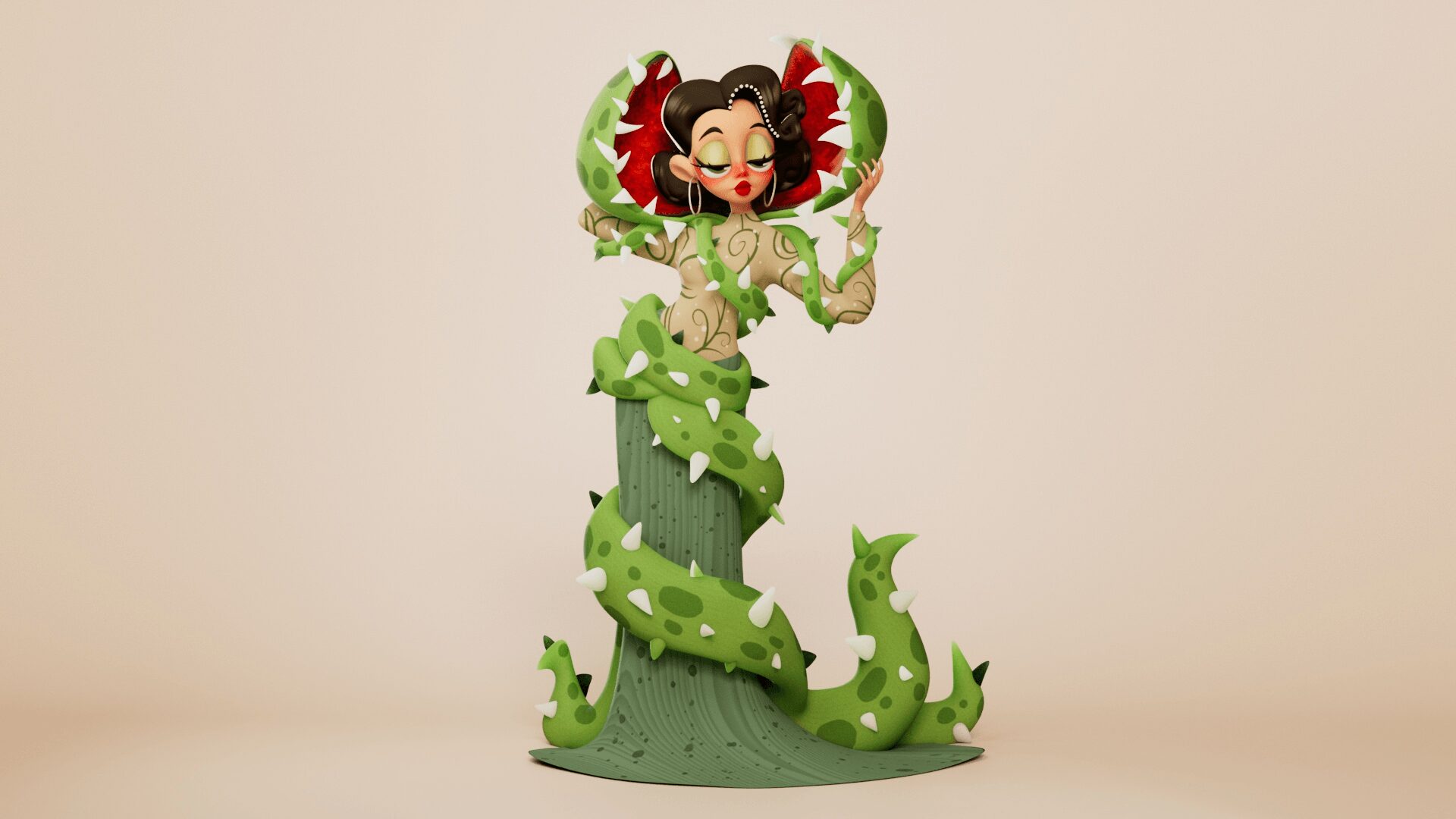
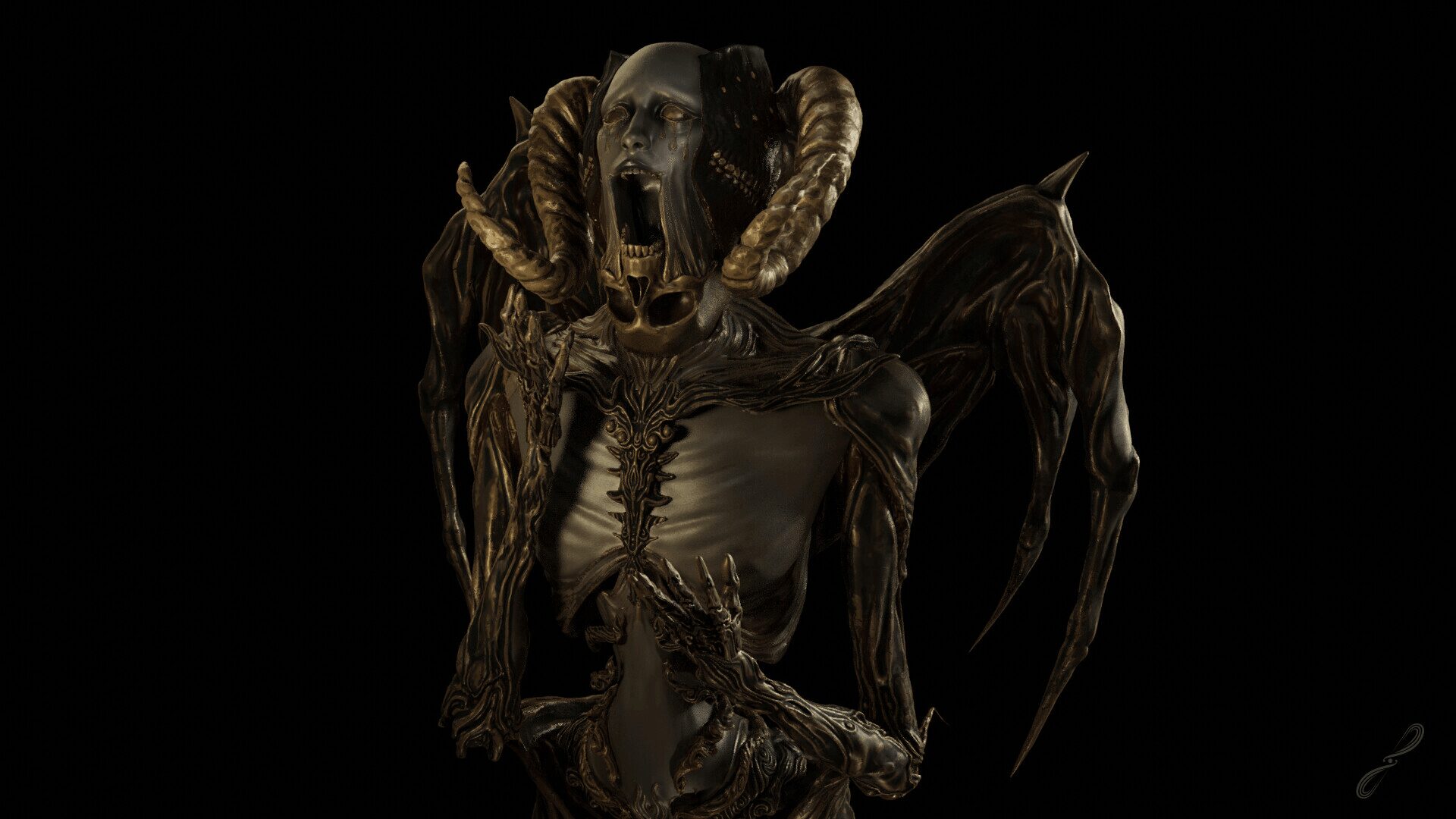
My “I’ll figure it out” mindset proved invaluable, as there were many instances where solutions weren’t immediately apparent. Knowing how to articulate problems and find solutions became essential. I consider myself a jack of all trades, finding value in knowing how to do multiple things. However, 3D character creation holds a special place in my heart because it allows me to express my creativity most fully.
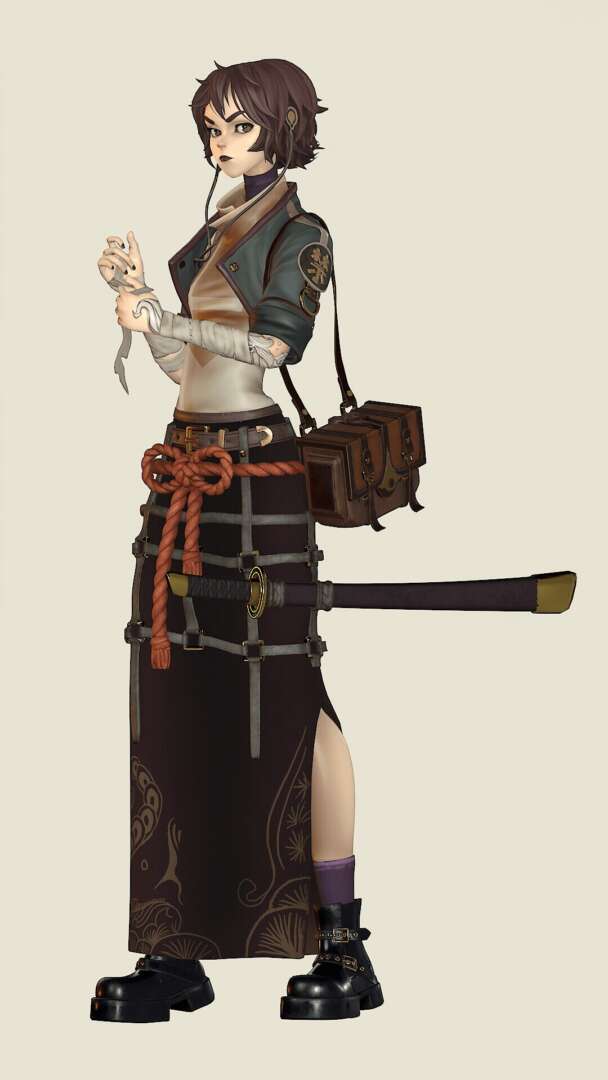
Creating 3D characters involves interpreting a 2D concept, understanding the silhouette, and grasping its meaning. In 2D concept art, the character’s personality and attitude must be evident through the drawing, as every aspect is created intentionally. As a 3D character artist, my job is to interpret that intent and bring it to life in a 3D space. The act of giving a character life and a soul is one of my favorite parts of the process.
Ultimately, my goal is to contribute to projects that inspire and captivate audiences, just as the animated movies I watched as a child captivated me. I want to create characters that resonate with people, sparking their imaginations and leaving a lasting impact. Pursuing this path is not just a career choice for me; it’s a passion that fuels my creativity and drives me to excel in the ever-evolving world of animation and game development.
What do you find most rewarding about being a creative?
The most rewarding aspect of being an artist or creative lies in the profound connection between the creator, the creation, and the audience. This triad of relationships fosters a unique and deeply satisfying sense of purpose and fulfillment.
For the creator, the act of making art is an intimate and personal journey. It’s a process where thoughts, emotions, and ideas are translated into tangible forms. This transformation is deeply fulfilling because it allows the artist to explore their inner world, express their individuality, and manifest their vision. The creation becomes an extension of the artist, reflecting their unique perspective, skills, and emotions. This intimate connection with their work often provides a sense of achievement and self-realization, as they see their intangible ideas take physical shape.
Once the artwork is completed, it enters the world and begins to interact with the audience. This relationship is where the creation takes on a life of its own, independent of the artist. Viewers bring their own experiences, emotions, and interpretations to the artwork, creating a dynamic exchange. The creation can evoke powerful reactions, provoke thought, inspire, or bring joy. Witnessing this impact is immensely rewarding for the artist, as it validates their effort and demonstrates the power of their work to touch and move others.
There is a direct connection between the creator and the audience. Through their art, creators have the opportunity to communicate on a deeper level, transcending the limitations of language and culture. This connection can foster empathy, understanding, and shared experiences.
Is there something you think non-creatives will struggle to understand about your journey as a creative? Maybe you can provide some insight – you never know who might benefit from the enlightenment.
As an artist, I often find myself in situations where I feel the need to justify why I chose to pursue a creative career. On the surface, it may seem selfish or entitled to say, “I want to make art because I want to share my voice.” People might warn you about the challenges, telling you it won’t work out, pointing out the odds against you, and questioning what makes you think you can succeed when only a small percentage do.
But if there’s a genuine, deep-rooted feeling within you that you can’t imagine not doing this, that feeling exists for a reason. It means you have something valuable to share, something that will resonate with someone. Even if it seems like no one is noticing, there will be at least one person who feels connected to your work, and that’s enough.
In America, we have a distinct mindset of always striving for something better, constantly pursuing more, and seeking improvement. For artists, this feeling of never being good enough is deeply tied to that mindset. We feel the need to prove that what we’re doing is worthwhile and valuable.
However, regardless of where we are in our careers—at the beginning, in the middle, or near the end—we must learn to be satisfied with where we are right now. We should be proud of our current accomplishments. Take a moment to absorb and appreciate the present, because what we have right now is valuable and worth it.
Contact Info:
- Website: https://www.artstation.com/lizleyavila
- Instagram: https://www.instagram.com/lizley._/
- Linkedin: https://www.linkedin.com/in/lizleyavila/