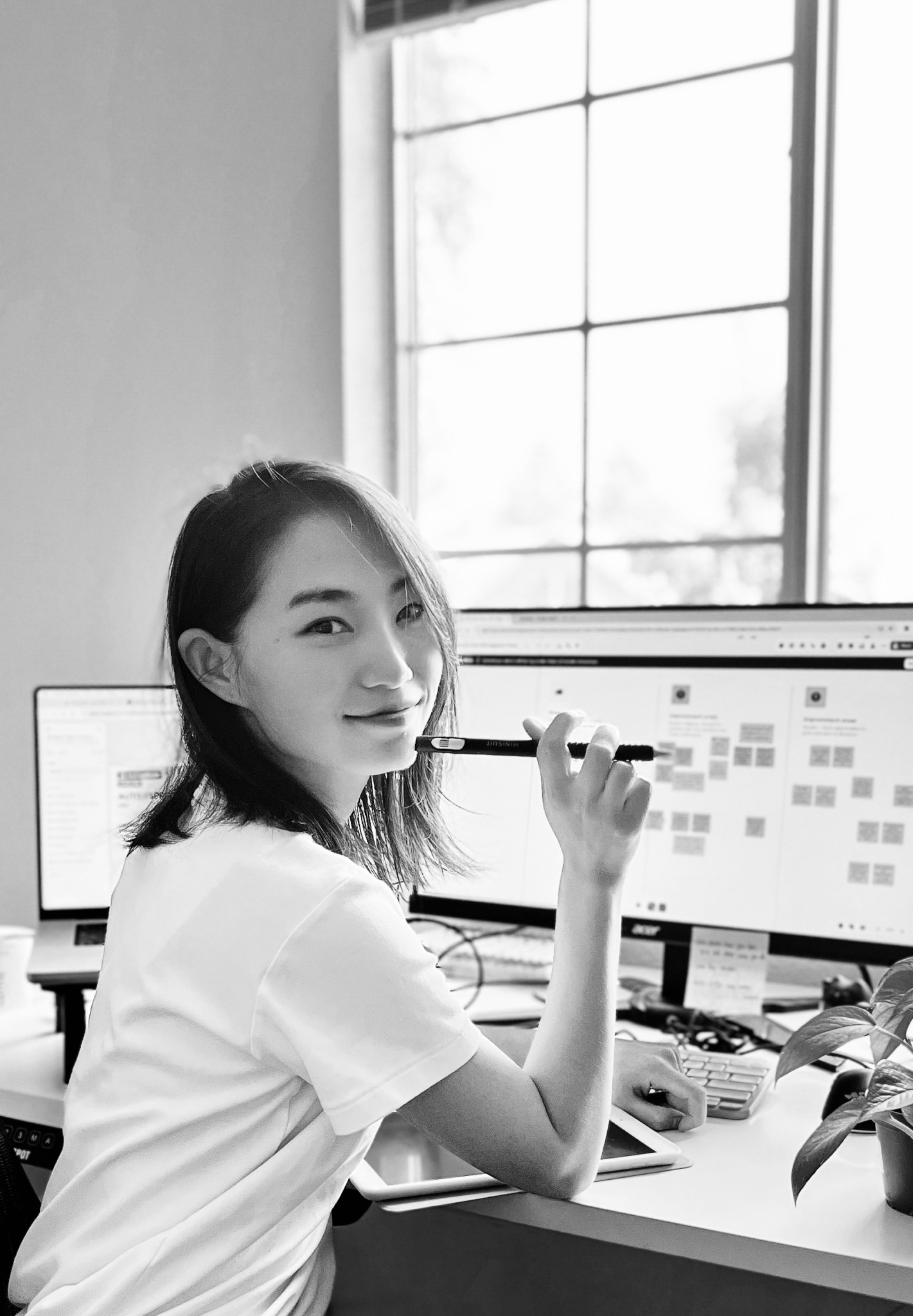

We caught up with the brilliant and insightful Liying Peng a few weeks ago and have shared our conversation below.
Liying, thanks for joining us, excited to have you contributing your stories and insights. One of the toughest things about progressing in a creative career or as an entrepreneur is that there are almost always unexpected problems that come up – problems that you often can’t read about in advance, can’t prepare for, etc. Have you had such and experience and if so, can you tell us the story of one of those unexpected problems you’ve encountered?
In my design philosophy, I emphasize transforming everyday experiences by blending human-centered design with data-driven insights, all while ensuring alignment with business objectives. While this approach has been highly rewarding, it also presents unique challenges, particularly in the realm of physical product user experience design.
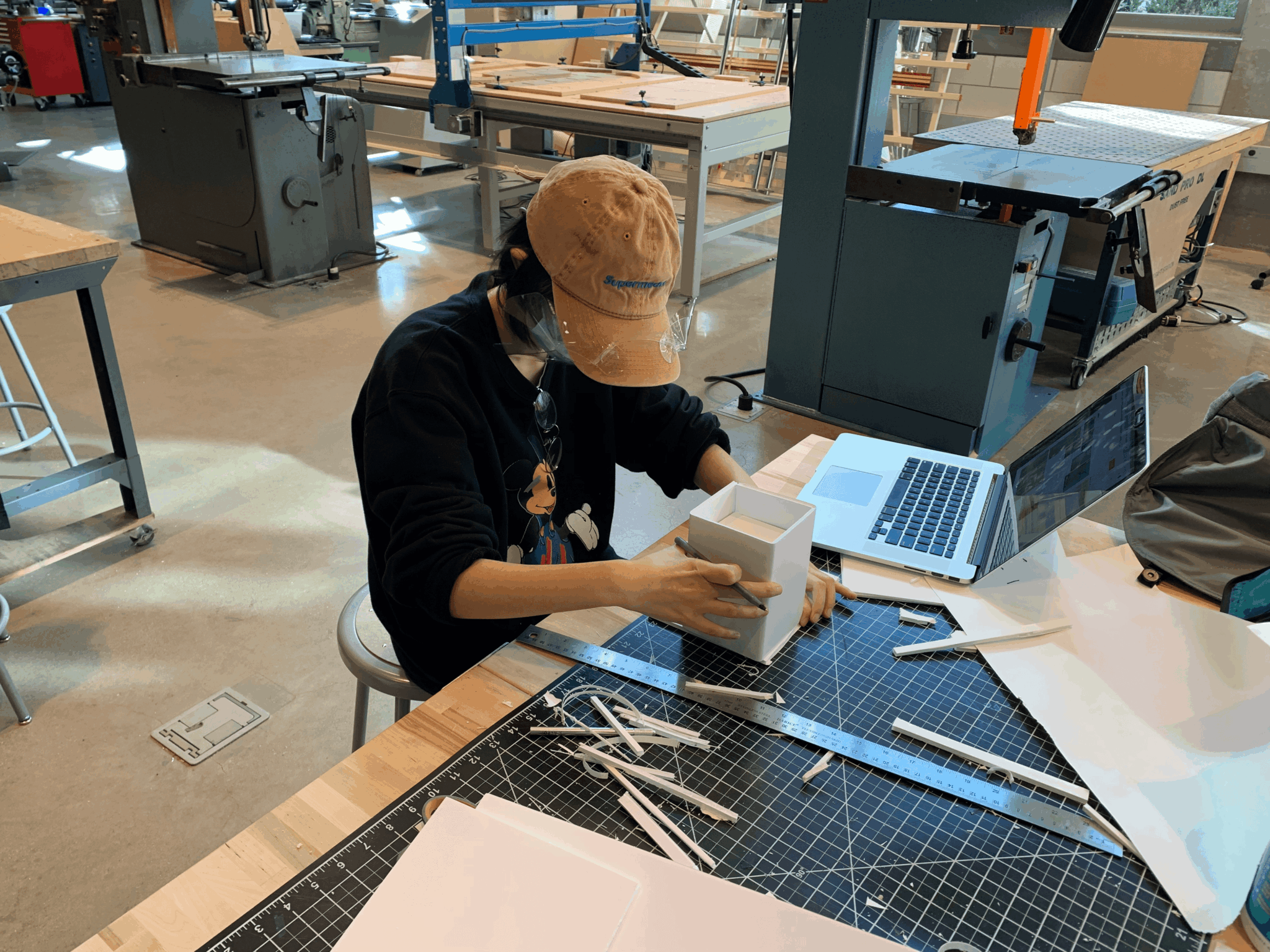
Unlike digital products, which allow for quick iterations and updates, physical products undergo a lengthy process that includes tooling, regulatory approvals, and extensive user testing. The challenge I frequently encounter is finding the right balance between bringing a product to market swiftly and ensuring its quality. A example of this challenge arose during the development of a automatic espresso machine. The design included a feature where users could add a scoop of ground coffee into a compartment next to the bean hopper. However, due to product limitations, users were only supposed to add one scoop. Despite designing on-screen instructions to guide users, testing revealed that many users ignored these warnings and added too much ground coffee, potentially leading to machine malfunctions.
This unexpected issue only became apparent during real-world testing, and modifying the manufacturing tooling at that stage would have been both time-consuming and expensive. To address this, I had to carefully prioritize the issue, evaluate the risks, and identify a cost-effective solution that wouldn’t delay the project. By presenting comprehensive research and a well-thought-out backup plan, I gained stakeholder buy-in for a solution that involved adding a pad-printed label on the ground coffee lid and incorporating auditory feedback when the lid was opened, drawing users’ attention to the screen. The label featured a clear icon indicating the one-scoop limit, and the enhanced sensory feedback ensured users noticed the screen instructions.
These adjustments effectively resolved the issue, adhered to the project timeline, minimized costs, and most importantly, reduced user errors.
Liying, love having you share your insights with us. Before we ask you more questions, maybe you can take a moment to introduce yourself to our readers who might have missed our earlier conversations?
For those unfamiliar with my background, I began my career as a graphic and visual designer. While this role provided me with valuable experience in aesthetics and visual communication, I quickly realized that it didn’t fully satisfy my passion for creating deeper, more meaningful impacts. I found myself yearning for work that was not just focused on how things looked but also on how they worked and how they made people feel, driven by data and insights.
This shift in perspective was fueled by my deep empathy for people and a growing curiosity about the motivations behind their decisions and behaviors. I became fascinated by the idea of designing solutions that not only address practical needs but also bring a sense of joy and ease to everyday life. I wanted to create products and experiences that resonate with users on a personal level, making their interactions with technology and products seamless and enjoyable.
This realization led me to pivot my career into user experience and interaction design, where I could merge my visual design skills with my growing interest in user behavior and data-driven decision-making. In user experience and interaction design, I found the perfect balance of creativity, empathy, and analysis—allowing me to craft human-centered experiences that are not only visually appealing but also highly functional and aligned with real user needs. This transition has allowed me to focus on creating products that delight users while also supporting broader business goals, making my work both fulfilling and impactful.
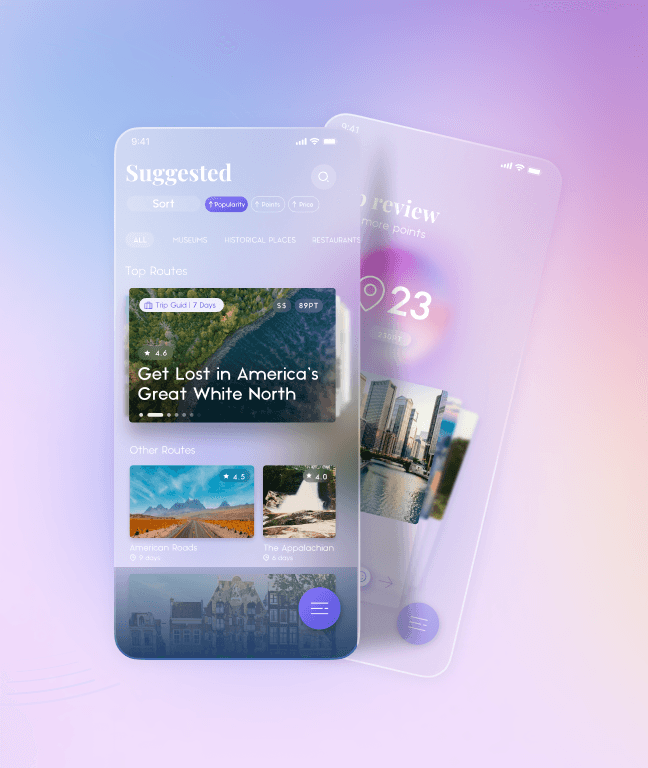
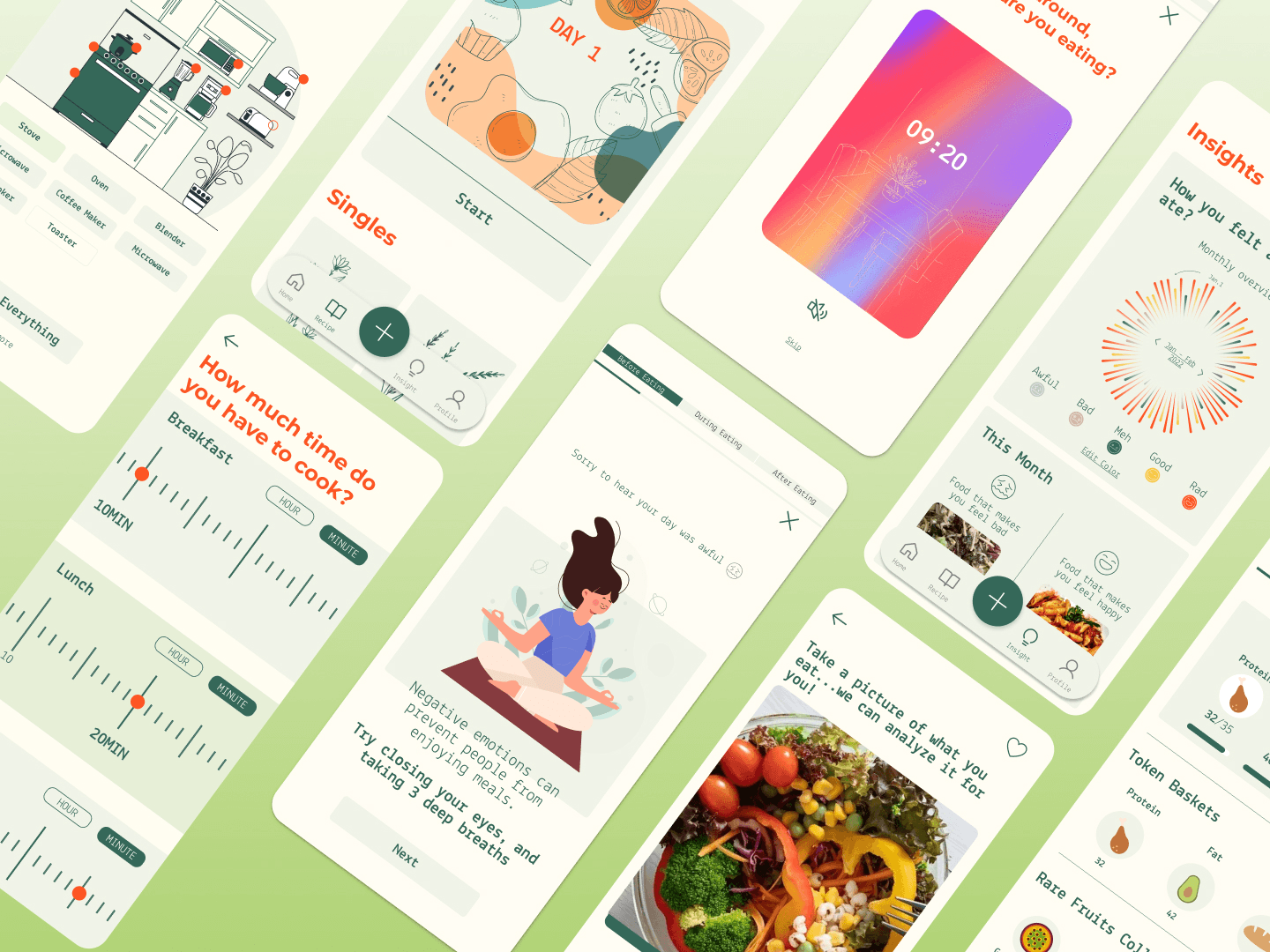
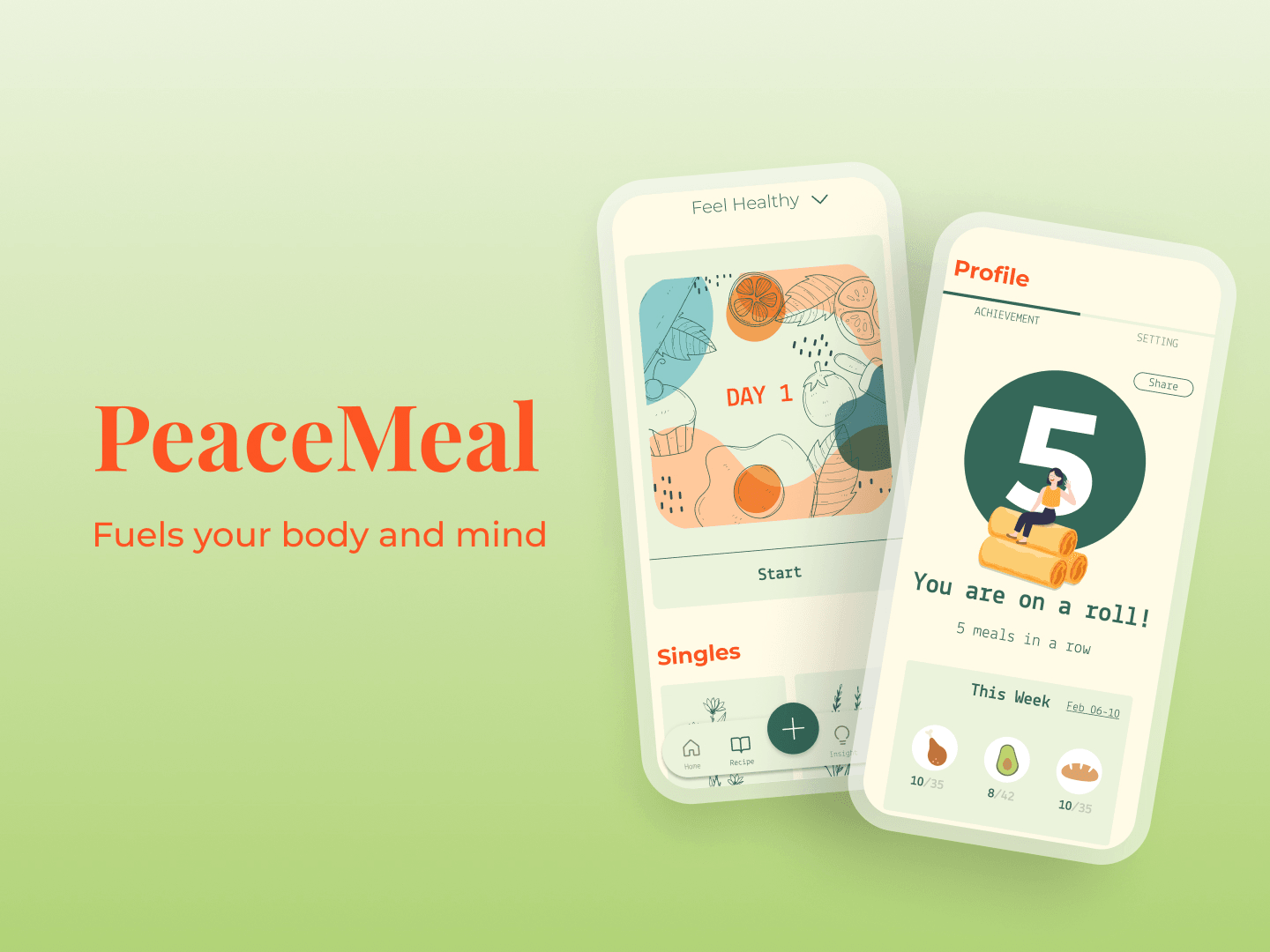
Currently, I’m a designer specializing in both digital and physical product design. My work ranges from conceptualizing and developing consumer electronics to designing intuitive user interfaces for apps. I have a particular passion for creating kitchen and home products, where I strive to elevate daily routines with elegance and practicality.
What sets me apart is my design philosophy: I believe that design has the power to reduce the fatigue caused by the overwhelming number of decisions we face daily. According to a Harvard Business School article, the average adult makes between 33,000 to 35,000 decisions each day—choices about what to eat, what to wear, what to say, and how to say it. This constant decision-making can be exhausting, so I strive to create products that not only bring joy and delight but also simplify the decision-making process.
I’m committed to transforming the mundane by integrating human-centered design with data-driven insights, all while ensuring alignment with business goals. This approach enables me to design products that are not only user-centric but also drive business success. My background in both visual and experience design allows me to seamlessly bridge the gap between aesthetics and usability, ensuring that every product I work on is both beautiful and highly functional.
Whether I’m designing a digital interface or a physical product, my goal is to create designs that make life easier and more enjoyable. My design ethos is rooted in the belief that great design has the power to transform everyday experiences, and I am dedicated to continuously pushing the boundaries to deliver the best possible experiences.
Is there mission driving your creative journey?
My creative journey is driven by a mission to transform everyday experiences into moments of delight and ease. I believe that design has the power to enhance the quality of life by simplifying decision-making and reducing the mental load that comes with daily routines. In a world where the average adult makes thousands of decisions each day, I strive to create products that not only solve practical problems but also bring a sense of joy and simplicity to users’ lives.
A key aspect of my work is integrating human-centered design. By deeply understanding user behaviors and needs, I create solutions that are intuitive, impactful, and truly resonate with users on an emotional level. Whether it’s a kitchen appliance that makes cooking more enjoyable or an app interface that streamlines tasks, my goal is to ensure that every product I design enhances the experience in meaningful ways.
Additionally, I’m committed to aligning my designs with business goals, ensuring that the products I create not only meet user needs but also contribute to business success. This balance between user satisfaction and business growth is central to my design philosophy.
Ultimately, my mission is to push the boundaries of what’s possible in design, continuously exploring new ways to bring joy, ease, and value to people’s lives through innovative, human-centered products.
What’s a lesson you had to unlearn and what’s the backstory?
One of the most significant lessons I had to unlearn was the belief that perfectionism is the key to success. The turning point came while I was leading a new project, where the overwhelming number of knowledge gaps and the intense timeline left me struggling. I faced uncertainty and frustration, as some of the gaps in my understanding were simply impossible to close within the given timeframe. Despite my constant efforts to tweak and refine the design in pursuit of an ideal outcome, I soon realized that this ideal was unattainable under the circumstances.
This pursuit of perfectionism led to a lack of confidence in making decisions, as I feared any imperfection could lead to failure. However, with the deadline fast approaching, I had to confront the reality that striving for perfection was not an option. To keep the project on track, I made the best decisions I could based on the existing knowledge and my expertise, despite the inner struggle it caused.
Through this experience, I learned that perfectionism can be paralyzing. I also realized that delivering the first design iteration isn’t the end of the process—there’s always an opportunity to test, learn, and improve it later. The deadline for a product launch is not a finish line; it’s the beginning of a continuous learning process that allows for refinement and enhancement over time. This shift in perspective has made me more decisive and confident, focusing on progress and learning rather than an unattainable ideal of perfection.
Contact Info:
- Website: https://www.liyingpeng.com
- Linkedin: https://www.linkedin.com/in/liyingpeng/