

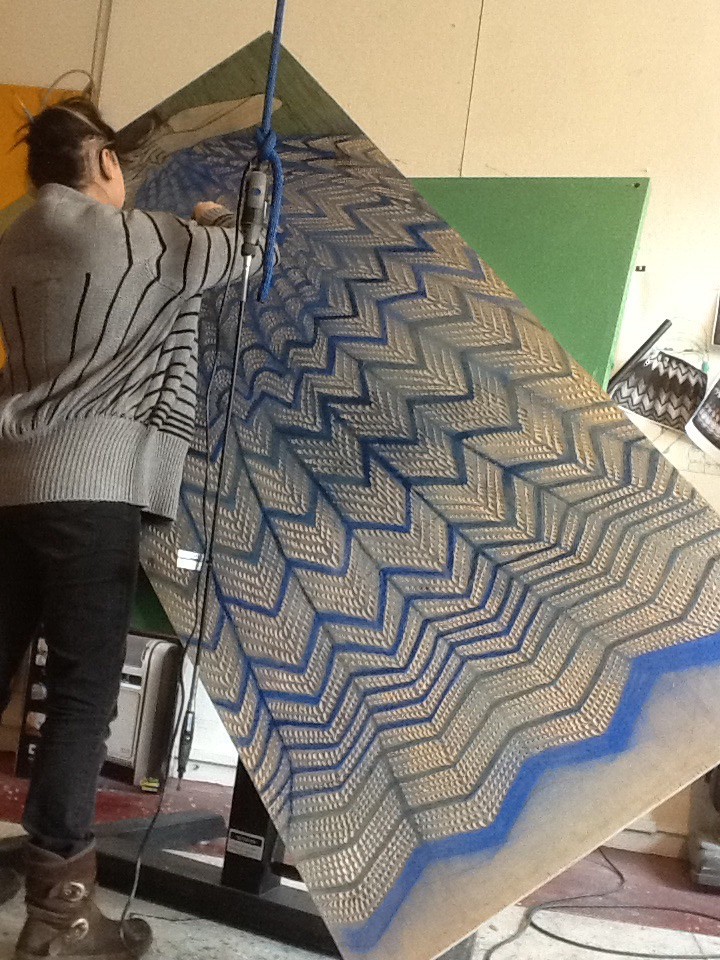

We recently connected with Lisa Pixley and have shared our conversation below.
Alright, Lisa thanks for taking the time to share your stories and insights with us today. Can you talk to us about a project that’s meant a lot to you?
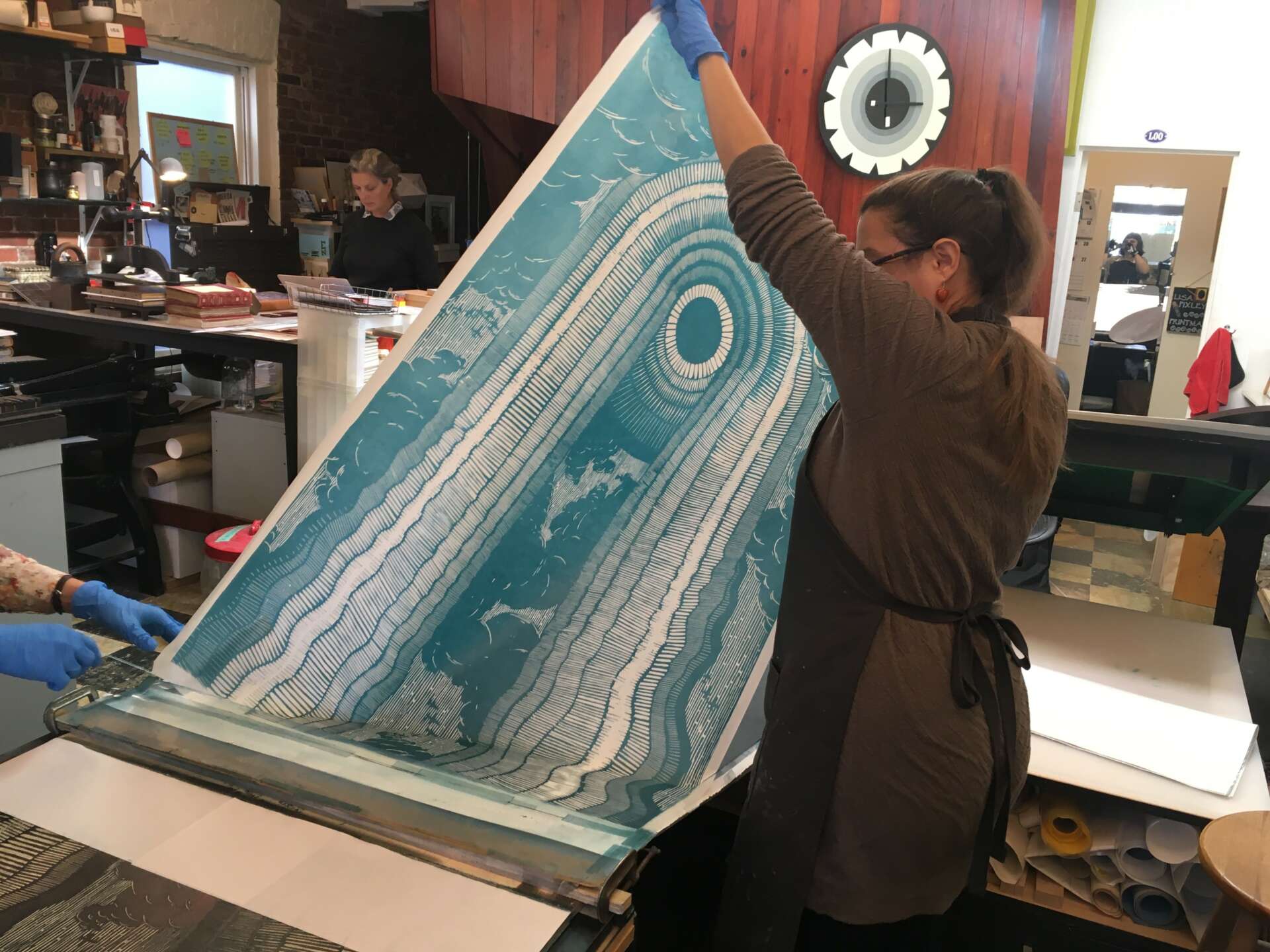
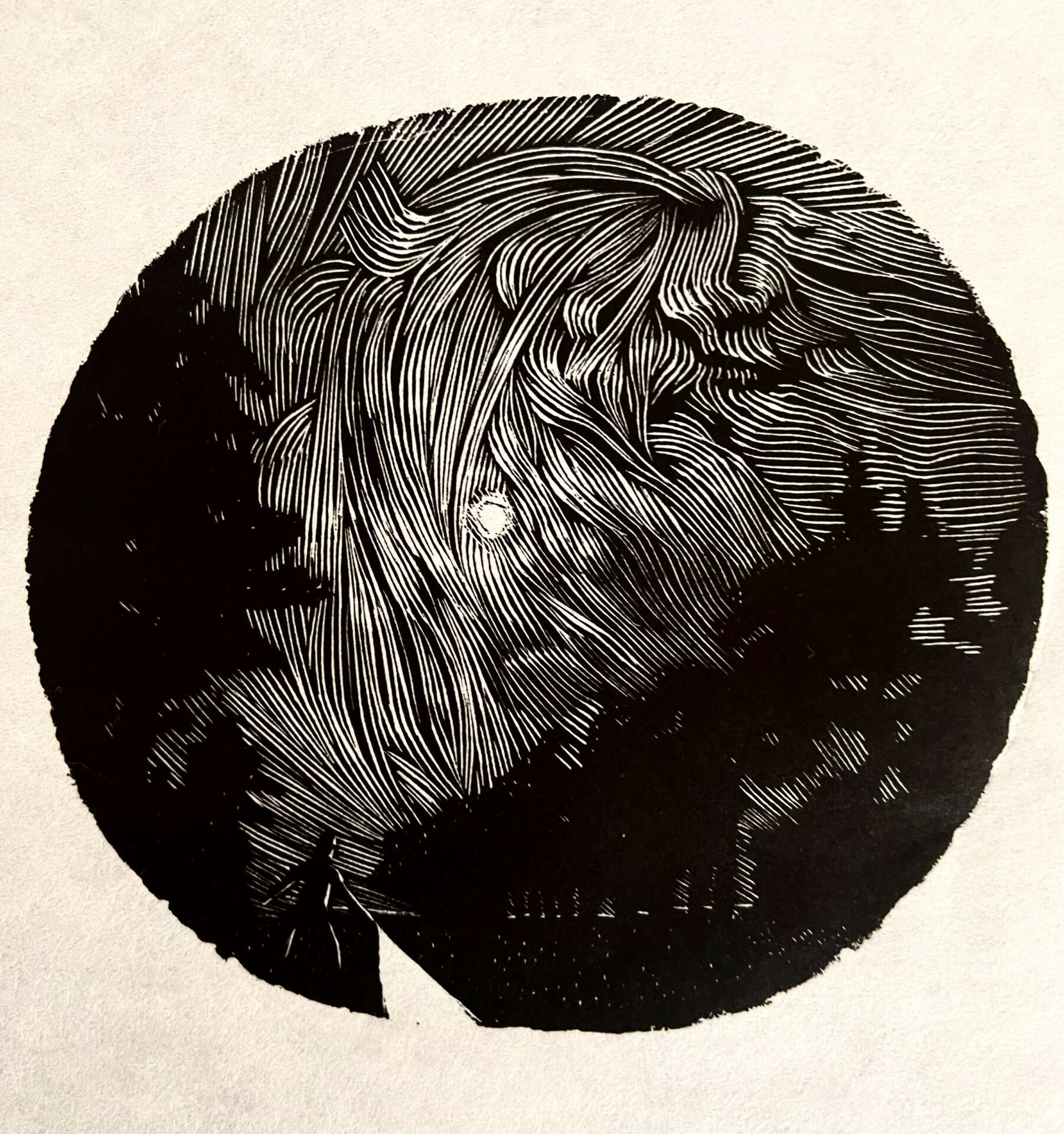
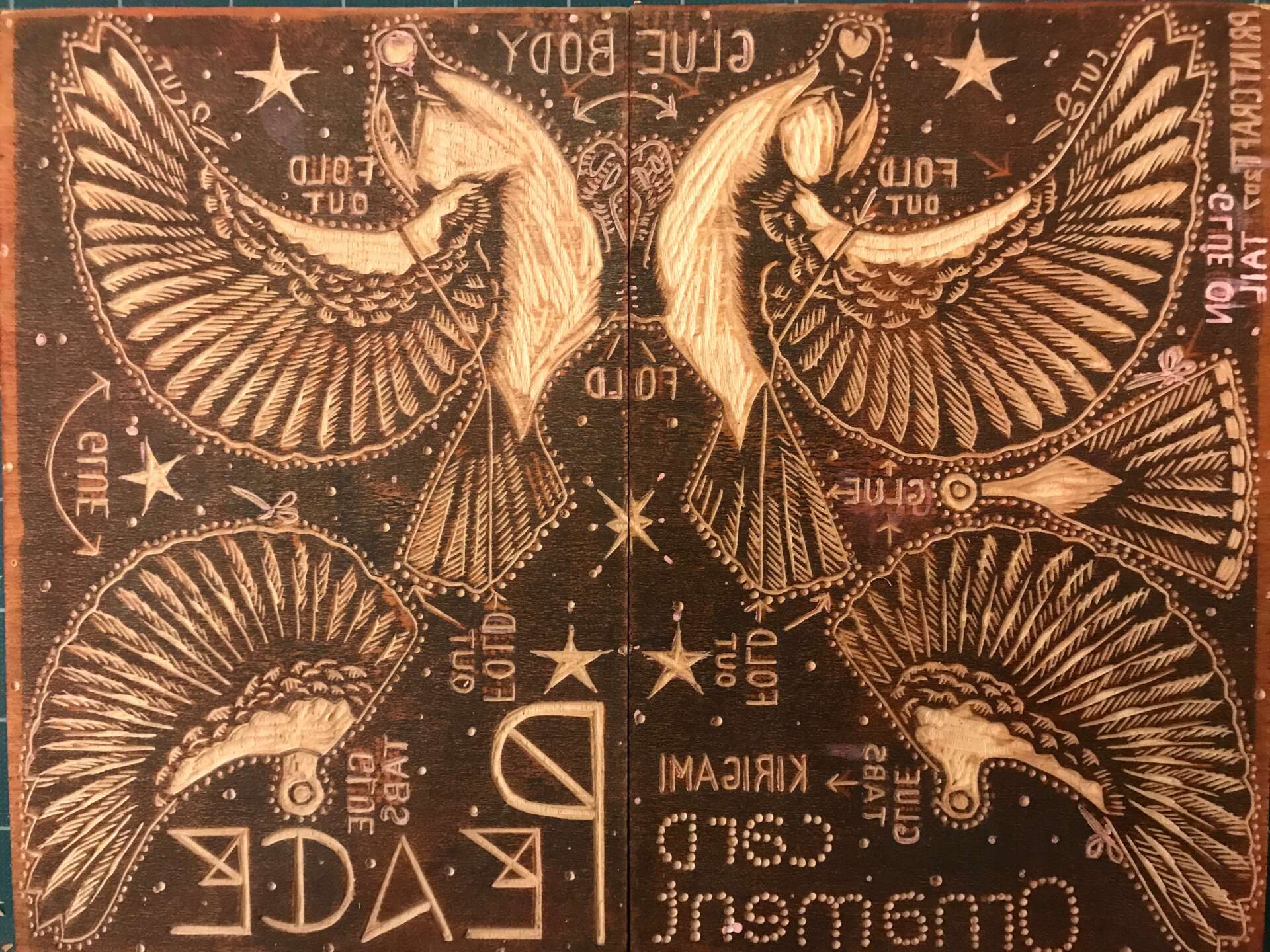
Currently I am working on learning wood engraving. Ive been a woodcut artist for many years. Woodcut printmaking is a “relief” process that involves removing all “non picture area” with a carving tool, then roll the image with ink and transferring that ink to paper. this process has been around for centuries and is a very simple, almost crude form of printing. About 170 years ago printers devised a way to make woodcuts by flipping the grain of the wood to the end grain. This allowed the wood to be much more durable under pressure, meaning, it could be locked into the press with the type. It doesn’t seem like a big deal now, but at the time, this changed the world! By allowing words and images to be printed with one pass though the press books with images suddenly became affordable, think text books and children’s books with pictures. And this wasn’t just a means to an end. The aesthetic of a wood engraving (there were metal engravings too) defined the pictorial Victorian era. What’s also remarkable about this, is that many woman, because of the educational component of wood engravings, learned the trade. However, this highly skilled form of words and images was relatively fleeting as the printing industry moved on to more sophisticated technologies. Though there are pockets of artist that still practice this rarified process the skill all but died in the United States. During the pandemic I decided it was time to learn how to do this gorgeous process. Unfortunately this is also the time when to last of the accessible supply makers finally went out of business. I spent the pandemic scouring the internet, buying historic how-to craft books (yes they had those back then!) and begging anyone with any knowledge of the craft to do a zoom tutorial with me. I am now at a, somewhat, intermediate level with woodengraving four years later. What I’d like to do is start teaching as many interested people this process and share what I have learned about materials and alternative materials. It’s such a beautiful medium that diserves to continue.
As always, we appreciate you sharing your insights and we’ve got a few more questions for you, but before we get to all of that can you take a minute to introduce yourself and give our readers some of your back background and context?
I started off as a painter. I went to art school for painting. But after college I had a real crisis about being a “painter”. I found the long self driven hours in the studio isolating, and the cannon of mostly male history of painting alienating. Where did I, a female artist with an unholy interest in Fantasy, Sifi and pretty things fit in that kind of rigid “paint for the love of paint” culture. Its changed a lot since that time, but at the time the one thing I was sure of was that, though I enjoyed doing it, it wasn’t me. I got a job after school working for an amazing multi media artist, Allison (Wooly) Hildreth, as a studio assistant. At the time she was working with a Master printer to publish a bound edition of acid etching and poems. My job, having no background in printing, was to be “clean hands” (an actual term for one who keeps their hands really CLEAN for the sake of handling the very expensive paper before and after press).After this, I was hooked. I was attracted to the community of the printshop, the industry of the printshop (I’m always inspired to work by others working) and the incredible processes of printmaking. It was like Charlie’s Chocolate Factory for art. I was really attracted to the communal aspects of the shop. It fit me. Growing up poor and working class, my stepdad a machinist and mom a trained beautician, the printshop felt like home. And it welcomed me, which is something I didn’t realize I was missing. Printmakers love to share processes, always, and to learn about other people’s discoveries. It was after my experience working as a printer that I sought out an apprenticeship and took the deep dive into this medium. I think people, in general, think of printmaking as a way of duplicating art. I certainly did once. This couldn’t be farther from the truth. It’s an incredibly rich and diverse art form that is intertwined with the history of technology and industry. Print has changed the world in so many ways, and so many times throughout history that the more you learn, the more exciting it becomes.
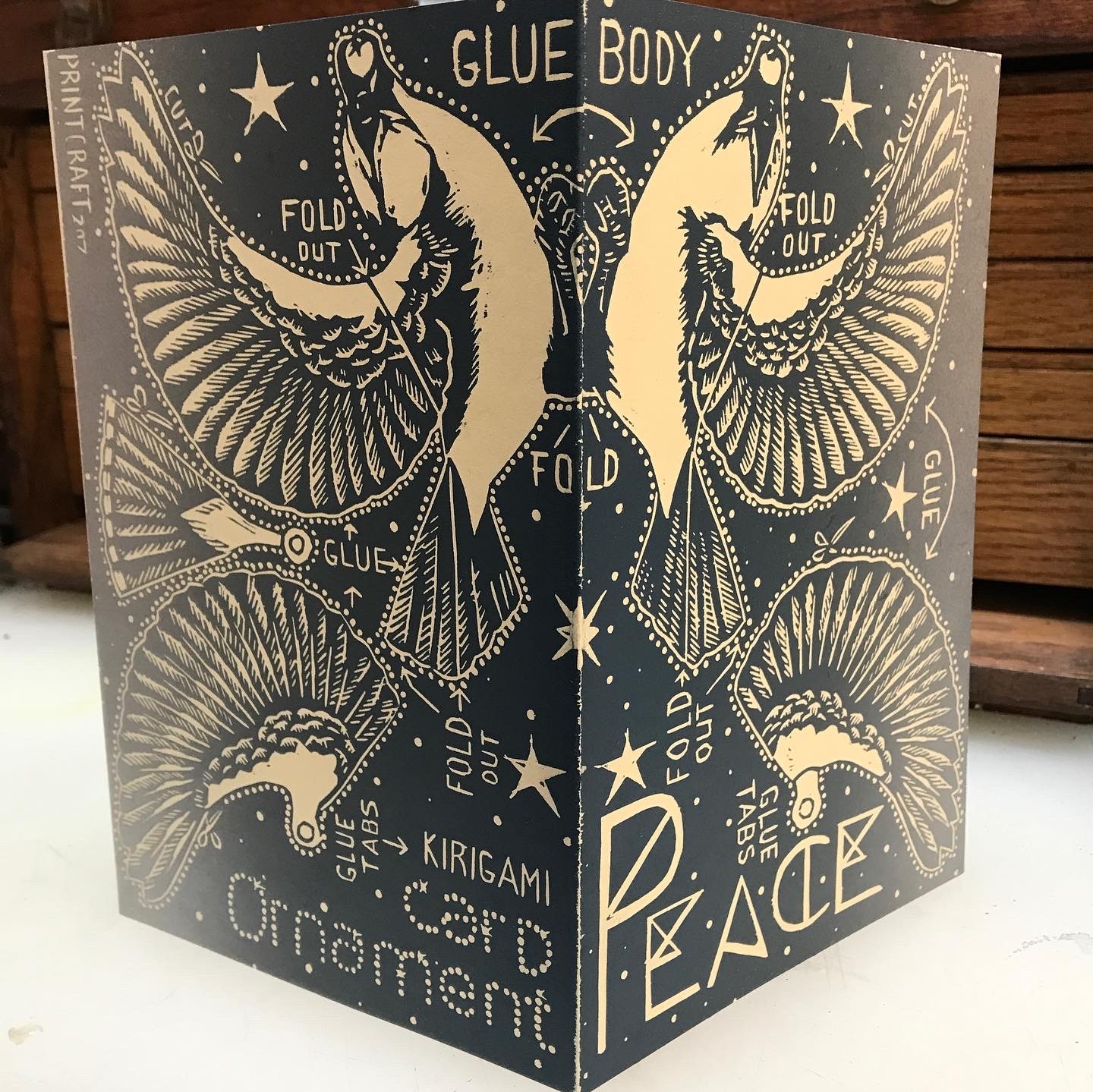
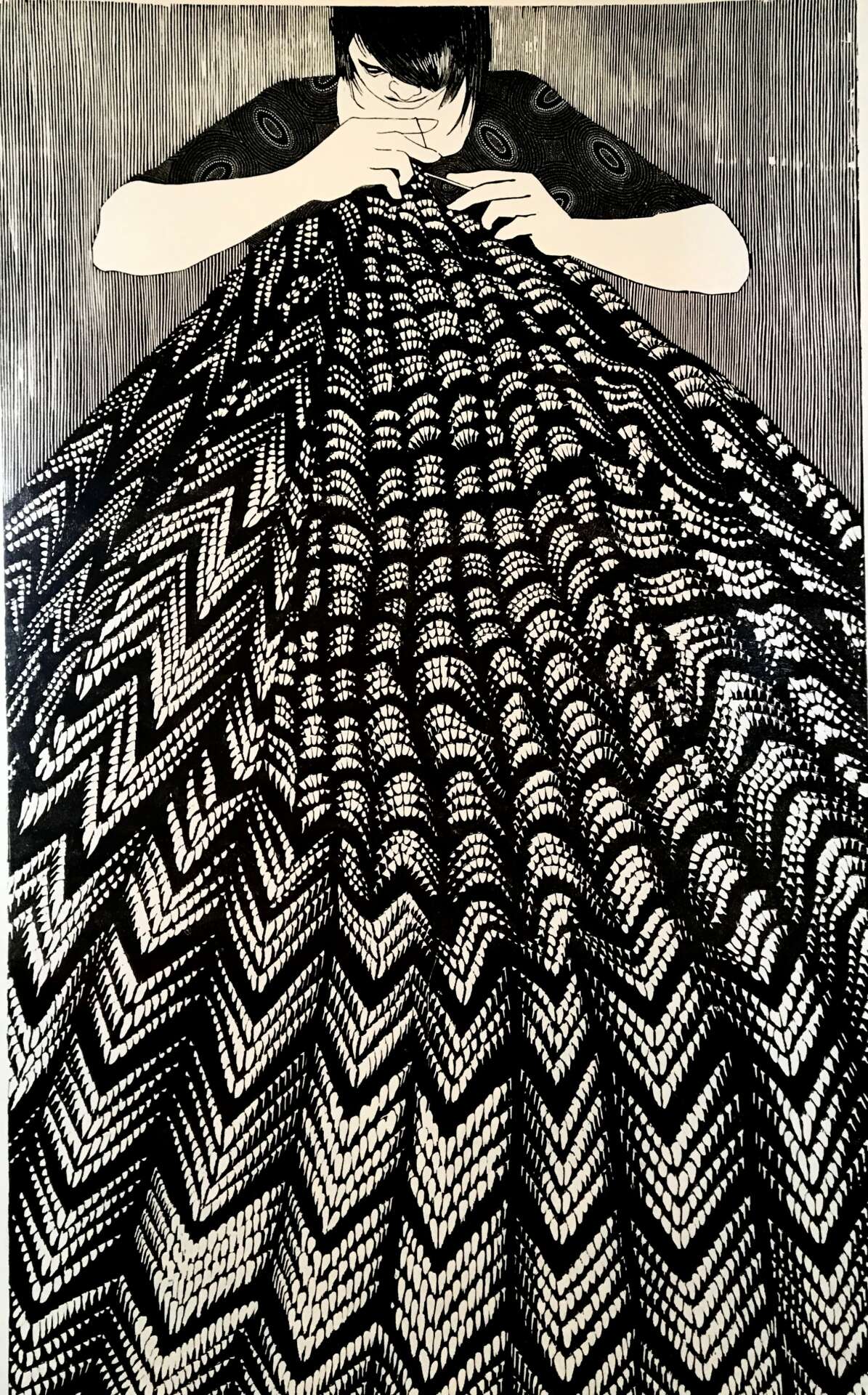
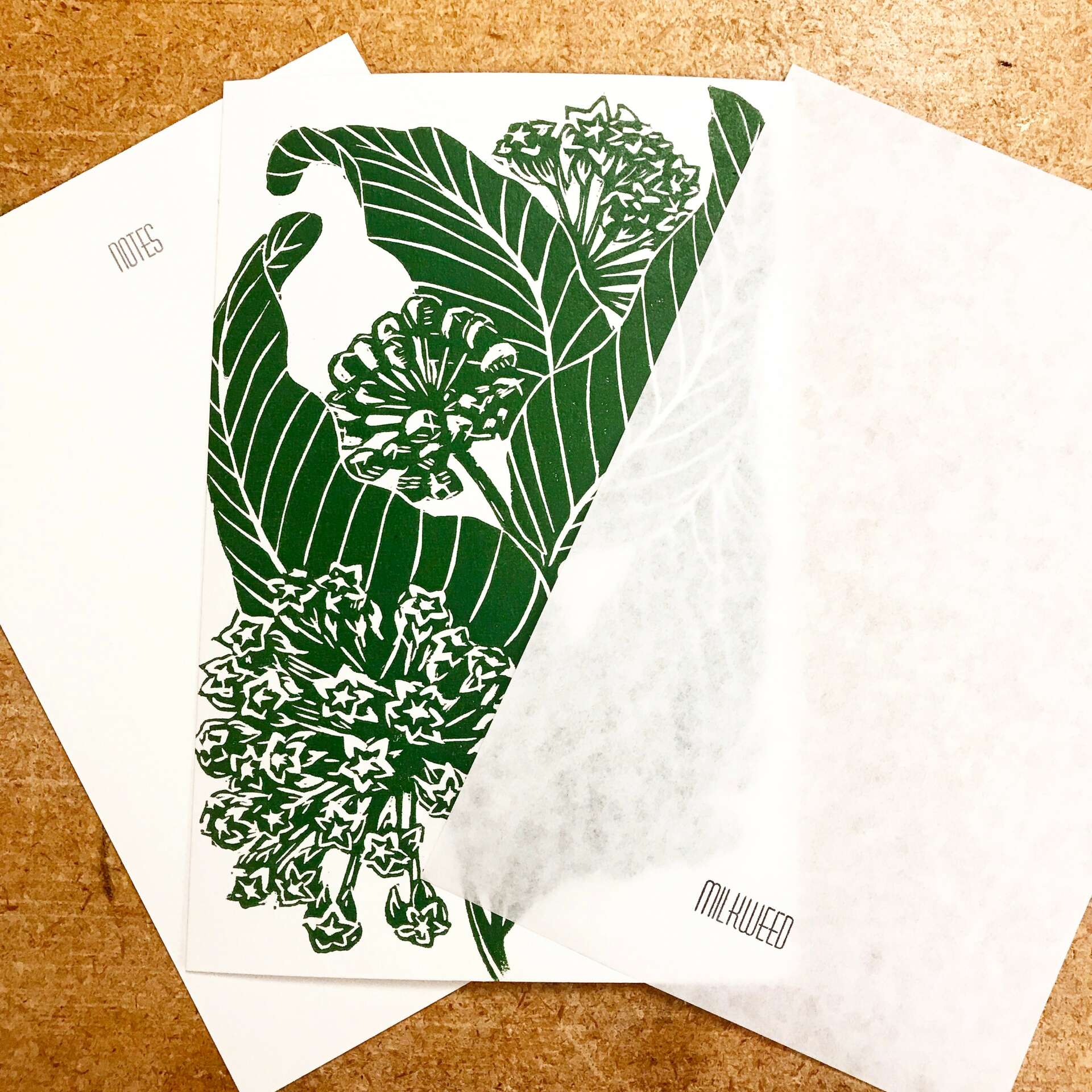
Do you think there is something that non-creatives might struggle to understand about your journey as a creative? Maybe you can shed some light?
The question I get so often as a creative from well meaning (if a little nosy) people about my life and my work is “how do you make a living doing this?” And it’s a good question. I look around at other artists and think how are they making a living at this? and the reality is that everyone has a different strategy. For me, and this is why being a printer is so amazing, is that people, regular ole work a day people, want to buy and own art. Prints make that possible because I can design my editions with a target audience, and what they can afford, in mind. Though I still occasionally show with galleries, the gallery model is clunky and old fashioned. Not to say they aren’t still important, but as a market it doesn’t do much to help artists make ends meet. I like to have a range of work with a range of price points. Cards, (yes I make cards, and they are the most beautiful card your mama will ever get in the mail!) make up the bulk of my earnings especially during the pandemic, when people were looking for different more meaningful ways to connect. Small art prints, usually woodcut, made in large volumes hand printed on a letterpress. These prints are usually one or two colors. I sell these in collectable series between 25 to 100 dollars. And lastly I make my Superfine art prints, in small high craft editions, with many colors and lots of fussy labor. These lines of my work meet my audience where they are at and they keep my brain nimble as I have to think about my work logistically in terms of how it will interact with the market. I like selling my work. I love people owning my work. Having collectors is one of my favorite things about being an artist. and lastly, full disclosure, I also, teach, private tutor, hire out my skills as a Master Printer, rent time to other printers on my presses, and do job printing. All these aspects combine to make me a decent living. And I believe most artists do this to some degree or another. The more diverse your skills and the more limber and flexible you are about how you apply those skills the more likely you will do well financially as an artist. It is hard work. So if there are any takeaways from this, support your local artists, BUY MORE ART! Even if its just a 10 dollar card.
We often hear about learning lessons – but just as important is unlearning lessons. Have you ever had to unlearn a lesson?
I had to stop underestimating my audience. In art school there was a real disdain for “the audience”. I think in most upper level, institutional art scholarship this elitism exists. Certainly I’ve heard of it in literature and music. I think for most artists this snobbishness based in an insecurity that our work will most likely be misunderstood. And it’s because of this we think (I certainly did) that in order to be understood the work would need to be dumbed down. Or if it’s is accessible and easily read and felt it’s somehow less sophisticated. My hard lesson in this was when I first opened my boutique. I believed that I’d need some work that “played it safe” in terms of purpose and subject in case my preferred work didn’t sell. like a straight “Happy Birthday” card or something cutesy like a picture of a cat. So I did this. I made a bunch of “Basic” cards and prints, and interspersed my “real” work amoung them. It was a total FAIL! People gravitated to what I thought of as my “more difficult” work and the basic stuff didn’t sell AT ALL! I still have most of it. I can’t give it away. so now I try to shoot the moon with everything and assume my audience is smarter than me. My work has gotten better and I sell so much more of it!
Contact Info:
- Website: lisapixley.com
- Instagram: @print craft_pixley
- Facebook: Grand Army Arts
- Youtube: @grand_army_arts “Lisa P”
- Other: My shop and related buisnesses: Grandarmyarts.com