

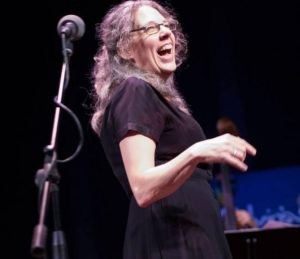

Alright – so today we’ve got the honor of introducing you to Lisa Markley. We think you’ll enjoy our conversation, we’ve shared it below.
Alright, Lisa thanks for taking the time to share your stories and insights with us today. Learning the craft is often a unique journey from every creative – we’d love to hear about your journey and if knowing what you know now, you would have done anything differently to speed up the learning process.
Thank you for inviting me to tell my story. I’ll be speaking on two crafts today, because they are inseparable: “music”, and “teaching”. I’ll try to tie the two together as efficiently as possible.
How I learned to be a musician:
I was a strange kid (I still am, truly).
While I don’t believe in “perfect pitch”, I do believe I was born with a good sense of “tonal memory” and “relative pitch”. I didn’t realize that my experience was unusual, until I began teaching music to children myself.
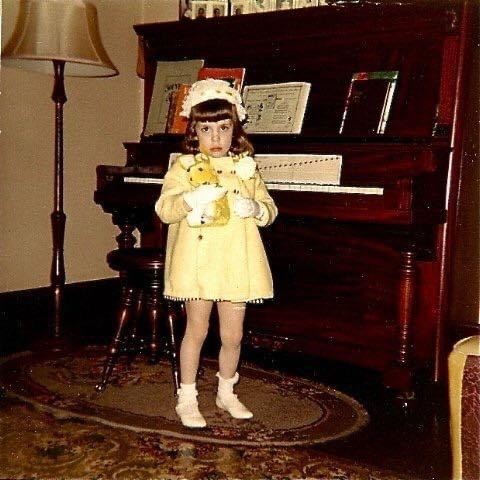
From my earliest memories, (back to age 3, when the piano was at my grandmother’s house), I was obsessed with music. More to the point, I was obsessed with song. I listened, I imitated, I explored.
I could pick out complete songs off the radio by ear.
No one taught me. I was left alone to explore the piano for hours. This may be the greatest gift my parents gave me, they simply let me be.
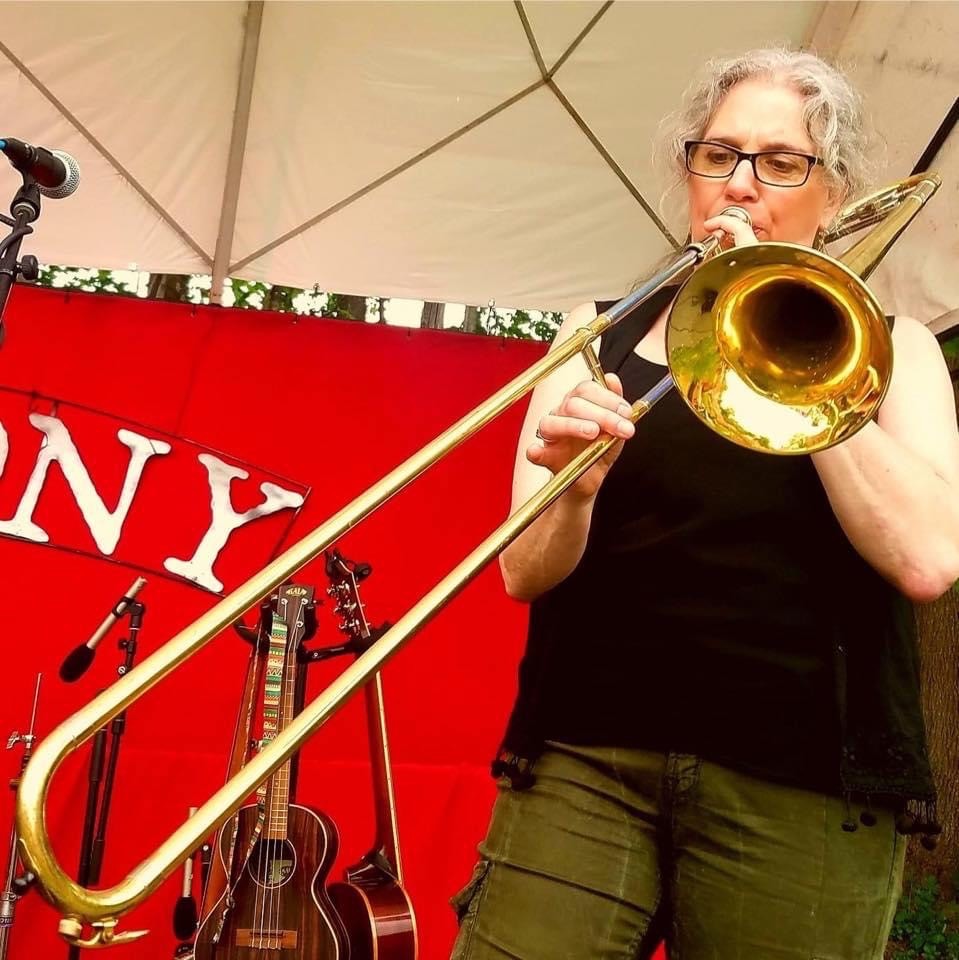
By age 8, the piano came to our house, and my mom gave me her childhood piano books. And then she left me alone. I worked my way through the John Thompson method books on my own. By 5th grade, I started in the school band, on trombone. By high school, I finally took formal piano lessons, and picked up the guitar and wrote my first songs.
But all this time, I secretly wanted to sing. The problem was, that I was debilitatingly shy. So I sang in my room, along with my Sarah Vaughan recordings. I did join choir my senior year of high school, just so I could begin to work through my fear of singing in public.
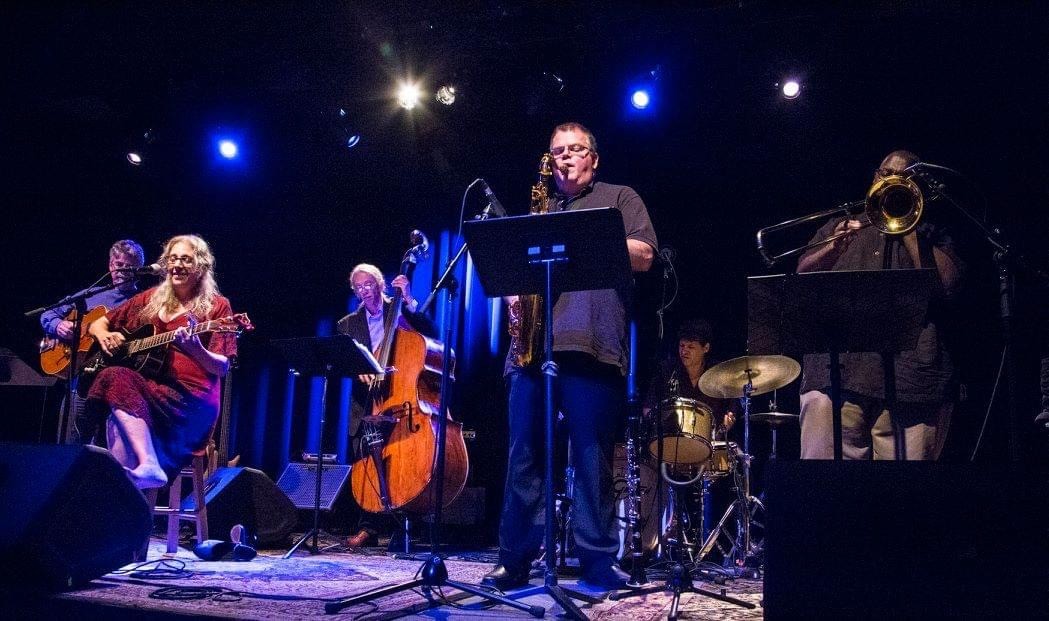
I majored in Music Composition in college. Officially, trombone was my instrument, but I was no longer satisfied with the music I was assigned. I spent every spare evening, playing my songs in the clubs around town. It was a long and meandering journey, (three colleges, and seven years) to complete my bachelors degree. As soon as I completed my composition recital, I vowed to devote my life to songwriting and singing.
How did I learn to teach:
I also got into teaching through the back door. I didn’t major in Music Education. Instead, I was hired by a Kinder-8th grade school, two weeks before the school year began. I was pretty much tossed into the classroom, sink or swim. Fortunately for me, (and my students), I could swim. I then went on to take intensive workshops in the Kodaly, the Orff methods. These workshops changed my musical life! (I could go on and on about them, but I’ll spare you.)
I also spent all my free time sitting in on classes being taught by teachers that I admired. To this day, if I want to learn how to teach something, I find a teacher who does it well, and I get permission to sit in on their classes, and observe them.
The most important characteristic in a good teacher is a willingness to acknowledge what they don’t know, set aside their ego, and find a mentor. For example, I struggled with teaching right hand technique on guitar, so I found amazing teachers to show me how they did it. Most recently, I have been reaching out to drum teachers, to learn how they teach their students how to accompany a tune rhythmically, and applying those methods with my more advanced guitar and piano students.
In my own practice room, I must be the student, and the teacher.
The skills I rely on as my musical foundation are:
PATIENCE
Patience with the process, patience with mistakes, patience with the gap between where you are, and where you want to be.
SELF AWARENESS
The ability to recognize, and then analyze a mistake. Why did it happen? Was it due to a lack mental focus? Was it due to a reading error? Was it a problem with muscle memory? Was it due to playing too fast?
JOY/PLAYFULNESS
Even in the most mundane bits of practice, find the the joy and the play in making music. This is especially important in practicing improvisation, and composition. In the beginning of a writing or improvisation session, the critic, (or the “editor”) must be turned off. The critic, (if brought too soon into the process), can bring the act of creativity completely to a halt. There is a proper time to bring in the critic, but care must be taken in how & when that happens. First we play.
One of my favorite Hemingway quotes: “Write drunk, edit sober”, (though I am speaking “figuratively” here). There must be a willingness to let go and play with the music, to get messy.
As far as what I might have done differently, to speed up my learning process: I wish I would have fought through my anxieties much earlier in my life, instead of giving in, and sometimes even giving up. I was so scared of not being perfect at something, that I avoided anything that would expose my weak spots. I avoided taking lessons in things that scared me (voice, improvisation, etc.). It has taken a lifetime for me to let go of the sense of shame and failure in the practice room, just because of making a mistake. I wish I had understood what an integral part of the learning process mistakes are.
Finally, being “self-taught”, meant that I really only practiced specific songs and pieces that I wanted to play. It has taken me a lifetime to develop a disciplined routine — to work musical exercises in a careful, methodical, and committed way.
I did not find peace in the practice room, until I was 48, and focused on practicing voice. Now, I find myself at 58, (10 years into the true experience of practice), and I am filled with equal parts excitement and regret. Excitement to see the growth, and regret at the time I wasted. I wish I had grasped how to do this from the beginning.
Today, I find myself at the top of my game musically, but I am fighting the effects of aging in my voice. So, physically, my instrument is in decline. This where I am right now, for better or for worse. I believe I will continue to improve in many ways (as long as I continue to practice), but I sometimes wonder where my voice would be if I could’ve dug-in deeper, sooner.
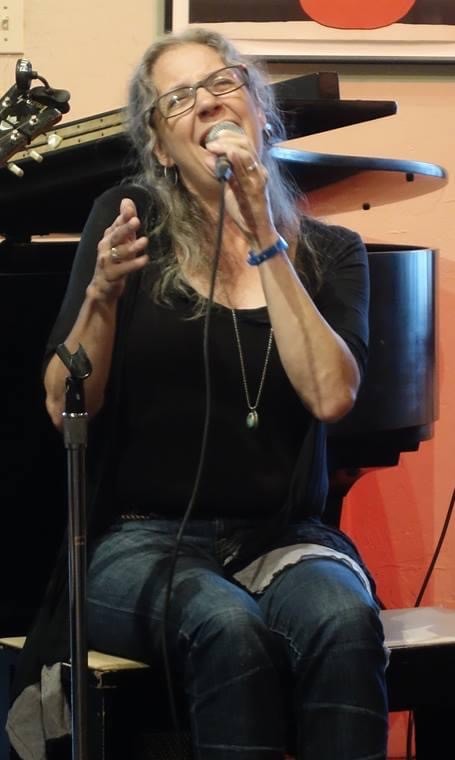

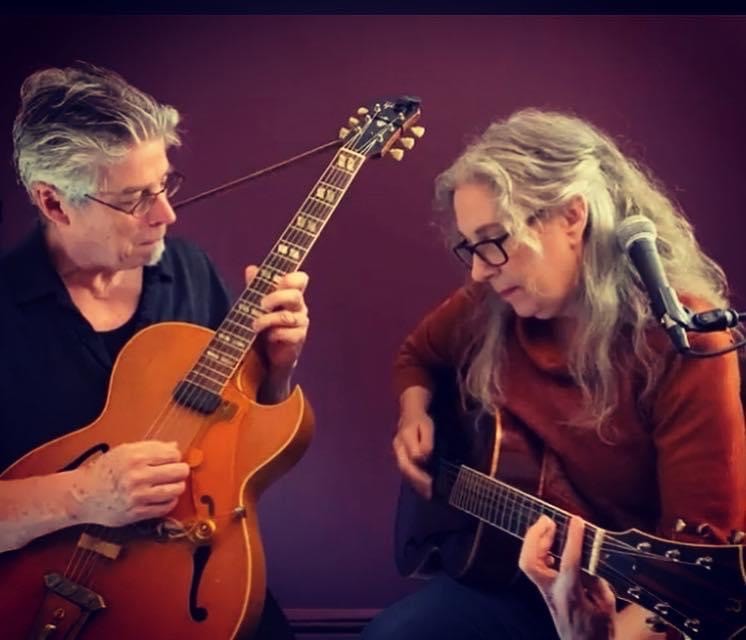
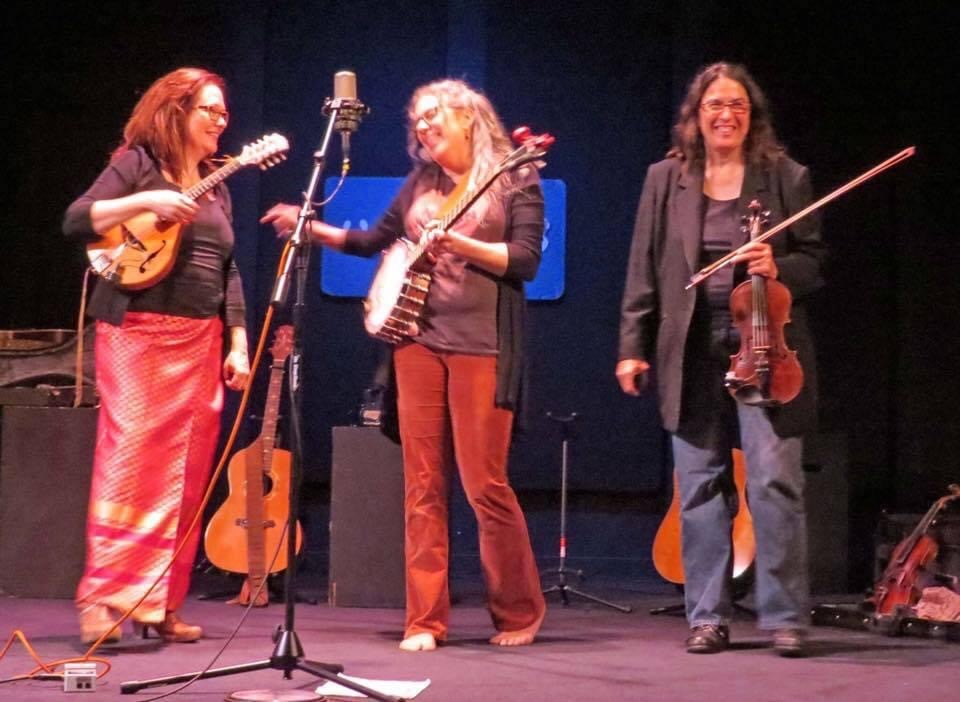
Great, appreciate you sharing that with us. Before we ask you to share more of your insights, can you take a moment to introduce yourself and how you got to where you are today to our readers?
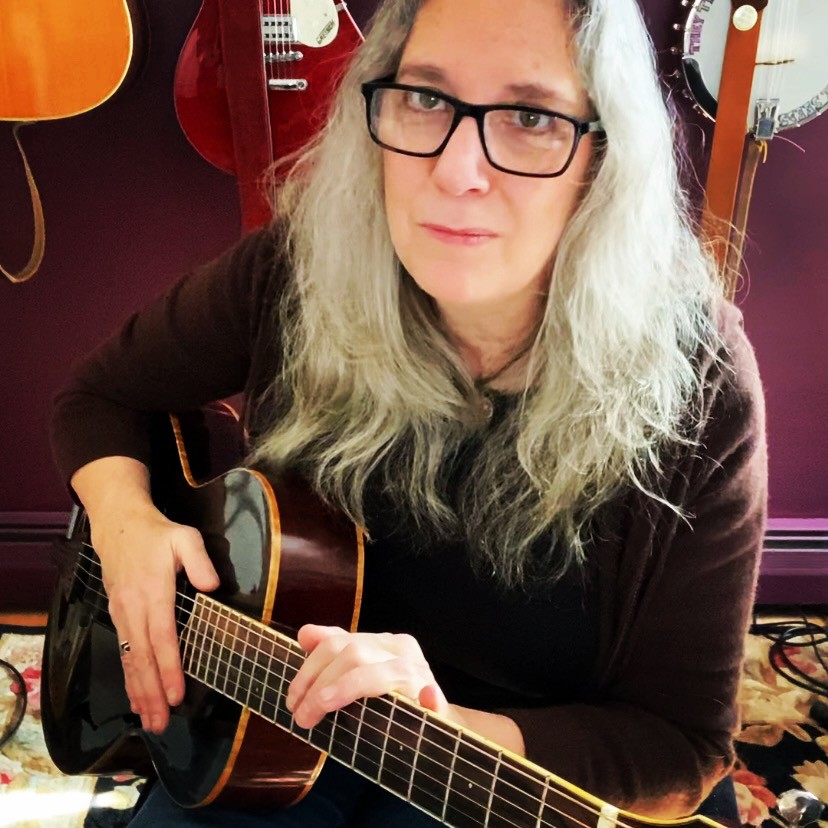
When asked, I call myself a “teaching artist”. For me, the art—the craft—of teaching is absolutely as important to me as my pursuit of being a musician.
If I were not completely committed to the work of practicing my instruments, my teaching would suffer. If I were not completely devoted to the craft of teaching, my music would suffer. The two are inseparable. Because I began my pursuit of music (and of teaching) on my own, I had to become my own teacher. Curiosity and self-reflection are a huge part of what makes me an unusual teacher. And while I did go on to get a degree in music, I never lost sight of my “beginner-mind”, and how I found my own way.
Now when faced with questions from any student, I am able to look within to my own experience, break it down, imagine how my student can best understand what I want to share with them, and deliver.
My private lessons are very much student-led. When I teach, I must be a detective, and be quick to analyze what is happening both physically, and mentally with my student. Often, I feel like an interpreter, and the language is music. I must be able to translate in a way which can be easily understood, and every student is different. I have been told many times, by students, that I have brought clarity to something they had struggled to grasp in the past, that no one had explained it like I do.
I love to teach beginners. Many teachers would rather teach advanced concepts, and have no patience with teaching the foundational concepts. Truly, I have found that it’s much easier to teach advanced students, than it is to teach beginners, and I can’t deny, that I do enjoy teaching advanced music theory, or advanced jazz voice.
BUT, I also find my “zen” place in teaching the very beginning concepts such as how to feel the “beat”, how to sing in tune, how to play those first chords, how to start writing your first song, or take those first steps in improvisation. I love to see the “light-bulb” go on for my students. I love to see them realize they can do something that they thought they couldn’t do.
Whether I am teaching piano, guitar, voice, music theory, jazz harmony, improvisation, or songwriting/composition/arranging, the main goal is always the same. My goal is to help my students take ownership of their own musical journey. It can be scary to try something new, so I must create a safe space, where students can make mistakes, and try again. It is my great privilege to walk this path along side my students for a while.
Is there a mission driving your creative journey?
What a great question..
For me, music is all about connection, connection to the light within, connection to others, connection to the “big stream” (or what ever you may choose to name it). For me personally, music opened up my world, and was a bridge to friendship. I struggled to make friends. I struggled with getting out of my own head, breaking through, and truly connecting with other human beings. I was riddled with with nervous tics, and suffered panic attacks and migraines in my youth. Playing music taught me how to connect with others, how to listen, how to pay attention, how to be a part of a something bigger than myself. Teaching also helped me to break down my walls, and to understand others.
For me, teaching music is about helping others to experience that sound, that joy, that light. It’s not about sending students to music competitions. It’s about creating a space where they can take ownership of their own music. What they do with that is up to them. Carnegie Hall? Great! Singing lullabies to those they love? Beautiful! Harmonizing around the kitchen table? The best!
It is my hope that the making of music can bring relief and peace. I am a skeptic of everything, and not given easily to “new-age-hearts-and-rainbows” sensibilities. But I do believe mightily in the power of music to heal, and to bring relief to those who are suffering.
How about pivoting – can you share the story of a time you’ve had to pivot?
COVID has forced us all to re-think how we live in the world.
For me, my teaching practice has completely changed. My students used to be almost exclusively children. But since moving my music lessons online, I am now teaching almost all adults. And after 24 years of teaching absolute beginners, I now have the luxury of teaching jazz voice, composition, songwriting, and music theory. I especially love to teach jazz song, and vocal techniques. When I was teaching kids, I always brought in as much jazz as possible, but I never really had a student who sought out jazz from the start.
Online lessons have worked really well for teaching concepts of harmony to the more independent self-taught musicians. I love demystifying the concepts of harmony. Folks are often a little intimidated by the term “Music Theory”, but I love to show them how they already know it. Their ears already recognize the concepts. “Music Theory”, is simply the labeling of common practices that we already experience, (be it strumming our ukuleles, building chords on the keyboard, singing by ear around the campfire, or listening to the radio). Learning to read and write music, is merely a tool to help us better communicate with other musicians.
These last 2 years have been devastating in so many ways, BUT this is also an exciting time. I now am able to teach students all over the world. I used to say that I’d never teach music lessons online, and that I had to be in the room with the student to truly reach them. I now know I was wrong. And yes, teaching music online has some pretty major challenges (sound quality, latency), but I also find that it forces my students to become independent much sooner. I have had to learn new ways to get results.
Contact Info:
- Website: lisamarkley.com
- Instagram: instagram.com/mizmarkley
- Facebook: facebook.com/lisamarkleymusic
- Youtube: youtube.com/mizmarkley
- Other: patreon.com/lisamarkley (patrons get exclusive previews of new compositions, in depth tutorial videos, and more) soonasongs.com (cds and downloads)
Image Credits
photos: Ira Hantz, Jim “From Kansas”, Alan Gann, Candace Barbosa, Lisa Markley