

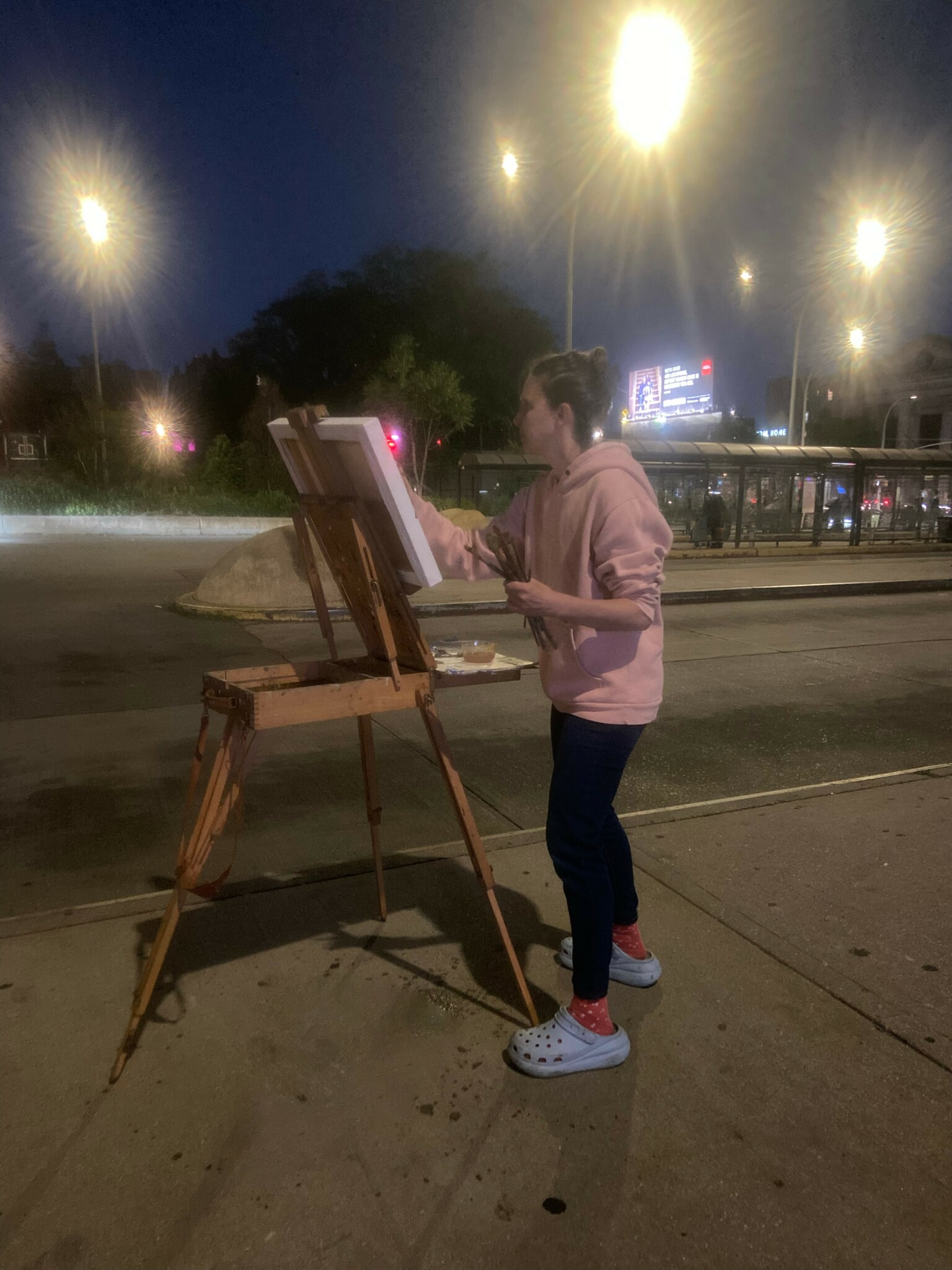

Alright – so today we’ve got the honor of introducing you to Linnea Paskow. We think you’ll enjoy our conversation, we’ve shared it below.
Alright, Linnea thanks for taking the time to share your stories and insights with us today. How did you learn to do what you do? Knowing what you know now, what could you have done to speed up your learning process? What skills do you think were most essential? What obstacles stood in the way of learning more?
I was always sitting on the floor cutting up paper and gluing things, making up inventions, and playing around with paint. I could draw things easily without trying too hard. As an only child of two college professors, I had a lot of time alone to play and experiment on my own. I grew up in rural Southern Maryland on the Chesapeake Bay and felt a profound split between my life at home and my life at school. My parents discussed Schelling and Heidegger, gerunds, and split infinitives at the dinner table. My classmates lived in trailers, rode trikes, had multiple feral dogs tied up in front of their houses,e and spoke with a pronounced Maryland O. I filled the space in between my home life and school life with my imagination. I invented narratives filled with images and characters I could call up on my long bus rides to and from school.
A hugely influential moment in my life was when my father took me to see Starry Night at age four. The painting looked huge to me at the time, and I yelled with excitement “That’s a really good painting!” I remember people in the gallery laughing and I didn’t know why.
I think that sense of both the possibility that painting could be this ecstatic experience of color and emotion coupled with the odd reaction of the people sums up my experience as an artist. Something feels glitchy as though the world is speaking and doing something different and, though I understand it, I can’t fit exactly. My sense of poetry and creativity is deeply rooted in a poetic split between what seems to be objectively shown and valued and what I feel about the situation.
For me my most essential skill is that I’m a go out and do it kind of person. I like taking risks, going on adventures, and sticking my hands in the mud, so to speak. I learn by doing and experiencing a situation on my own or in conversation with fellow artists. Observational painting and drawing suited me because of the immediacy of the interaction between artist and environment.
I don’t regret my training, but I got stuck trying to be a good artist and using observational painting as a crutch to validate my paintings. Education is useful but it can become a way to stop searching and feeling. I still struggle with this and wish I could have freed myself from it sooner. Painting is a language that shouldn’t get in the way of what you want to say. Sometimes I love looking at paintings in which the image seems to appear instead of observing the steps of an artist methodically applying colors.
Awesome – so before we get into the rest of our questions, can you briefly introduce yourself to our readers.
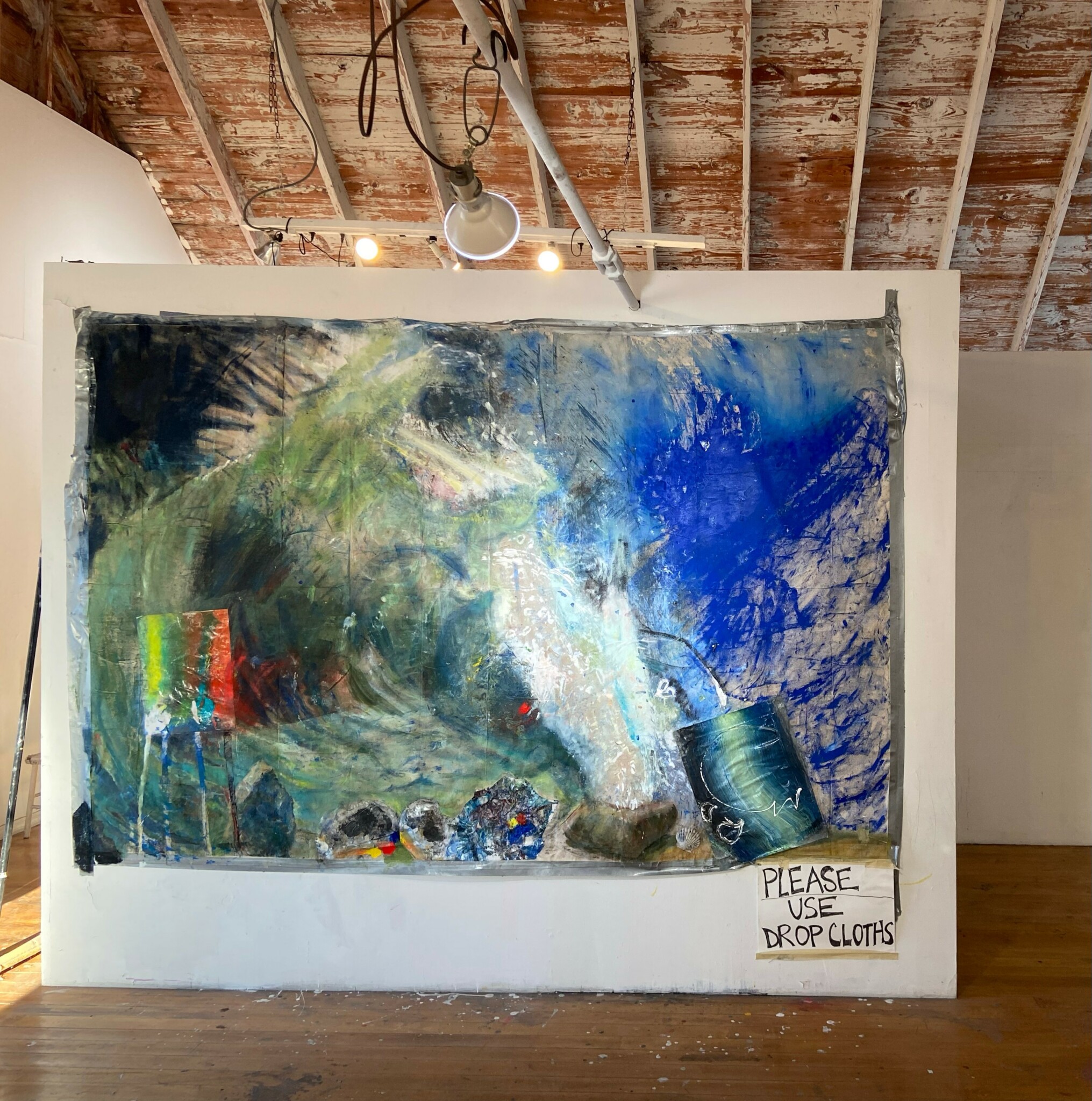
I grew up in rural Maryland on the Chesapeake Bay and, as an only child, spent a lot of time exploring with my dog, Cubby, in the woods, marshlands, and beaches. I moved to Washington D.C when I was 15 and began attending Sidwell Friends, a private school in the Northwest section of the city. The experience was a huge change, and I found a home with a beloved teacher, Percy Martin, in the art room. Percy encouraged me, hung my work on the walls, and told me to go to art school. I couldn’t conceive of a career as an artist, cutting up paper and playing with paint, so I attended Haverford College to pursue a more academic path. My first semester at Haverford proved to me that I should have listened to Percy Martin. I was stressed and unhappy. My nature walks around the campus and my doodles hidden in my desk drawer were sources of happiness. I found my way back to the art room at Haverford and quickly connected to several Professors, Charles Stegeman, Ying Li, and Chris Cairns who were working from a model based in 20th-century artmaking, drawing from life, and studying art at local museums including the Philadelphia Museum of Art and Barnes Foundation. Like my experience at Sidwell, I was excited to wake up and go paint. I found a small community of fellow artists, and was supported and encouraged by the faculty in ways that allowed me to believe that I could go forward and keep painting after graduation. The emphasis on studying painting from a historical perspective led me to go directly to Florence, Italy after graduation, to get an apartment with three Italian students. The generosity of my roommates in nightly conversation and some Italian grammar books allowed me to speak enough Italian to pass an entrance exam in Italian to attend the Accademia di Belle Arti di Firenze where I worked from live models and plaster casts for a year. Upon returning to the US, I enrolled in UPenn’s graduate Fine Art Program, earned an MFA degree, and almost immediately moved to New York City after graduating. At 26 I started teaching evening classes at the New York Academy of Art and working several part-time jobs as a bookkeeper and data entry clerk. Making ends meet with these jobs was difficult so I applied for full-time teaching, moved to Utica, NY, and began teaching foundation art classes to first-year students.
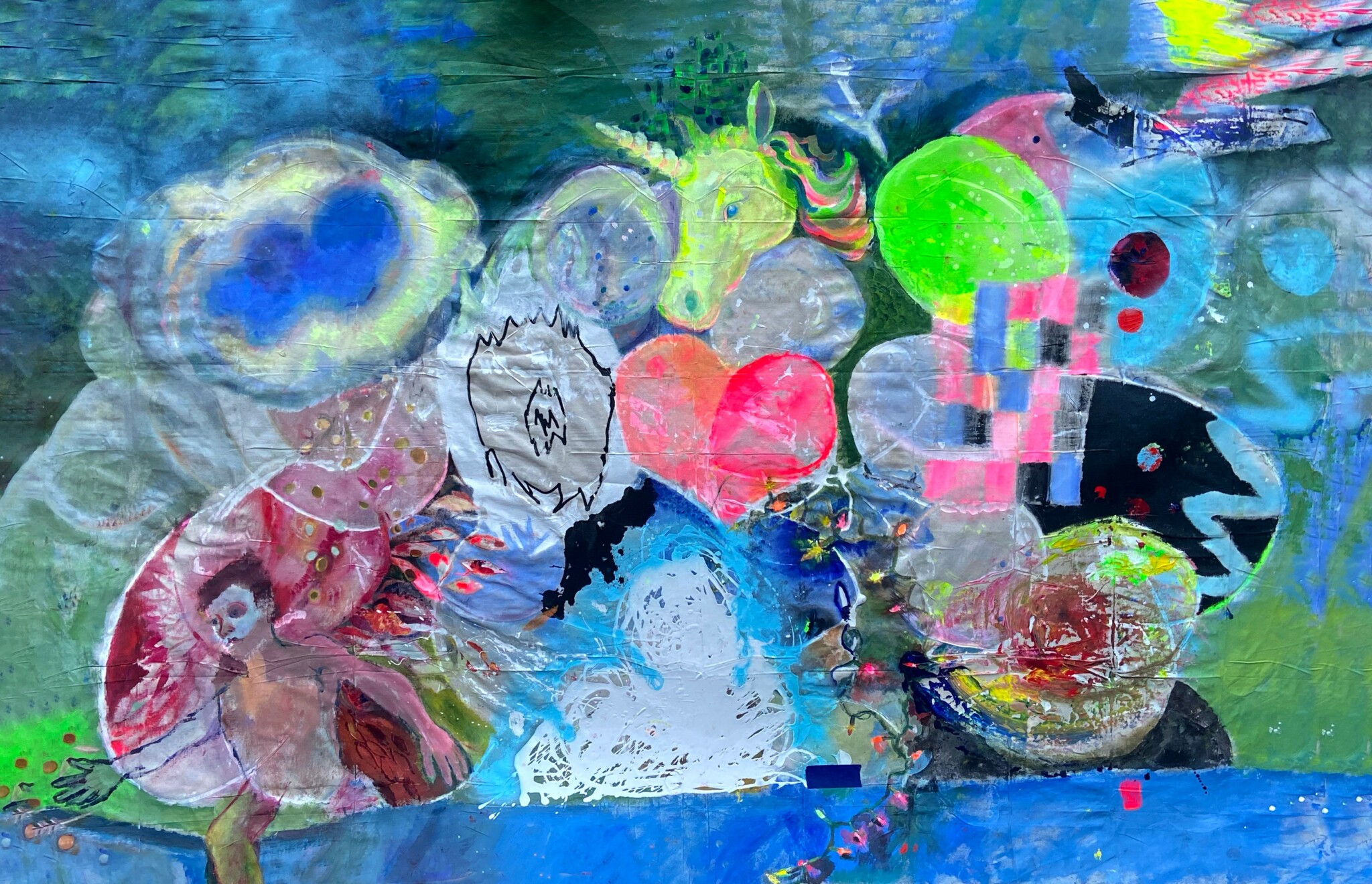
Up until this point I had rarely exhibited my work and never had a solo exhibition. My first opportunity came when a classmate from UPenn’s graduate program recommended my collages to Michael Steinberg at Michael Steinberg Fine Art in New York City. In 2008 I exhibited a body of work at Michael’s gallery. The work was inspired by dream images and made entirely of magazine and discarded paper fragments. The material itself is important to the imagery. I use it to signify the fragmentary nature of dreams, which define our underlying feel of the world. My goal, as I piece together the tiny scraps of paper, is to create a sense of momentary coalescence before the image unravels and disappears. My first exhibition helped my sense of confidence as an artist and teacher and gave me the courage to return to New York City to teach in the foundation department at Pratt Institute. I worked with first-year students studying drawing and color theory for eight years before transitioning to Parsons School of Design where I teach today. My work has more recently evolved to integrate my years painting as an art student in my early twenties and my experimentation with collage which I associate with playing on the floor as a child. My current work continues to explore themes of dream life, the unconscious, and ways language systems and empiric thinking fail to convey our collective human experience especially as related to the natural world.
Let’s talk about resilience next – do you have a story you can share with us?
When I was two years old my aunt was in a wheelchair recovering from an accident. I wanted to ride around in her wheelchair. I asked my mother how I could have a turn getting pushed around. She told me that only people in accidents could have a wheelchair. I remember thinking, well, I’ll have an accident and then I’ll get in that wheelchair. I climbed up a ladder to a crawl space in the ceiling and jumped eight feet onto the concrete floor. It didn’t go as planned. I got a concussion but I never got in that wheelchair.
For you, what’s the most rewarding aspect of being a creative?
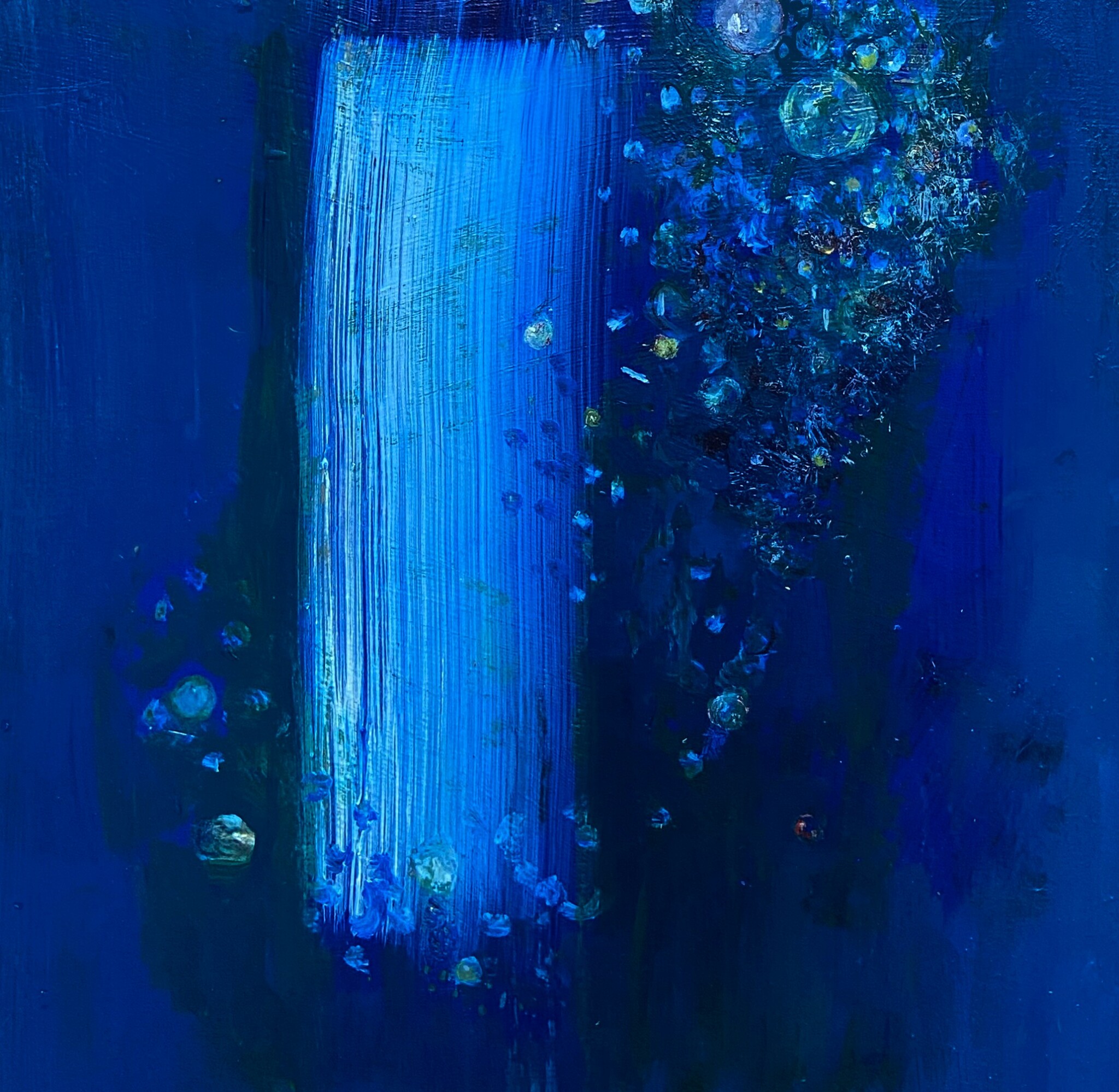
More than being rewarding or creative I find myself compelled to make images. I remember my first semester in college taking no art courses and having a drawing I made with oil pastels hidden in my desk drawer. I loved working out it, filling in patches of color.
Contact Info:
- Website: https://www.linneapaskow.com
- Instagram: linnea.paskow
- Linkedin: https://www.linkedin.com/in/linnea-paskow-793b7a35/
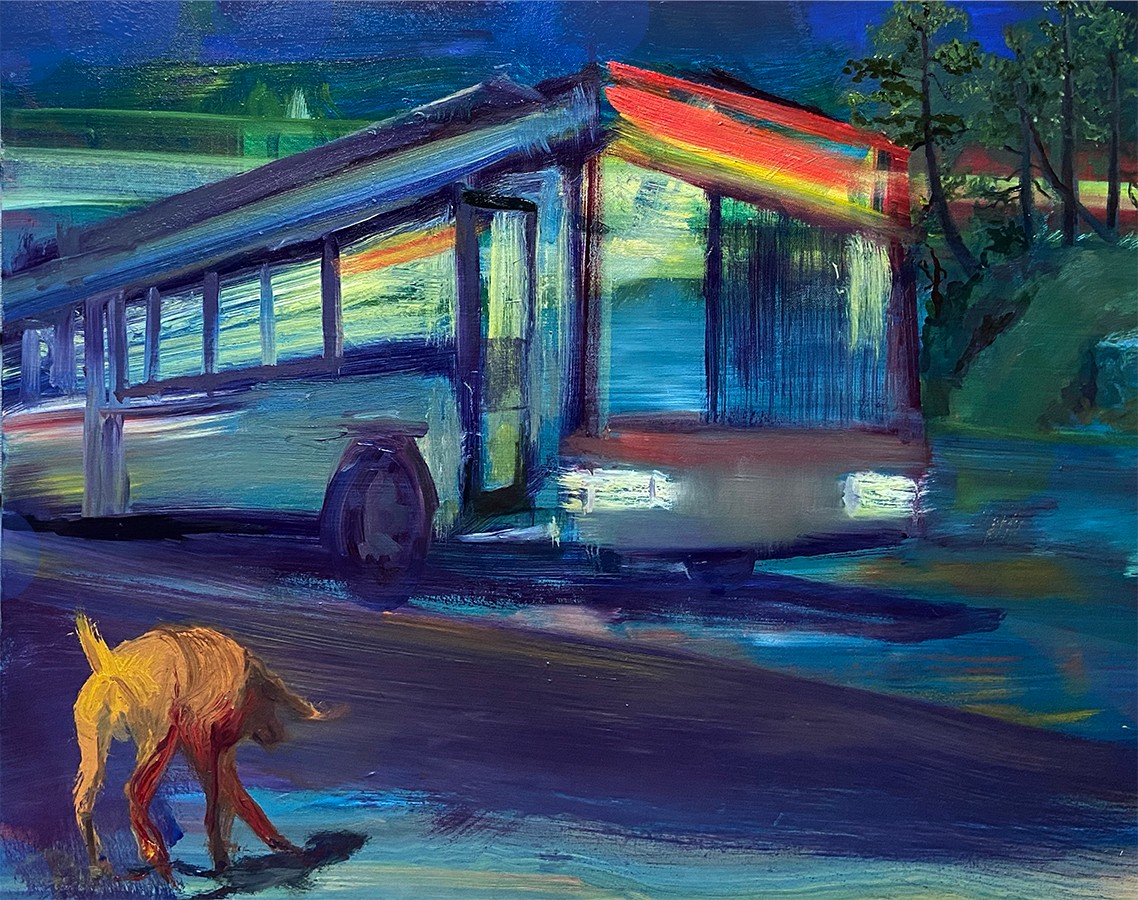
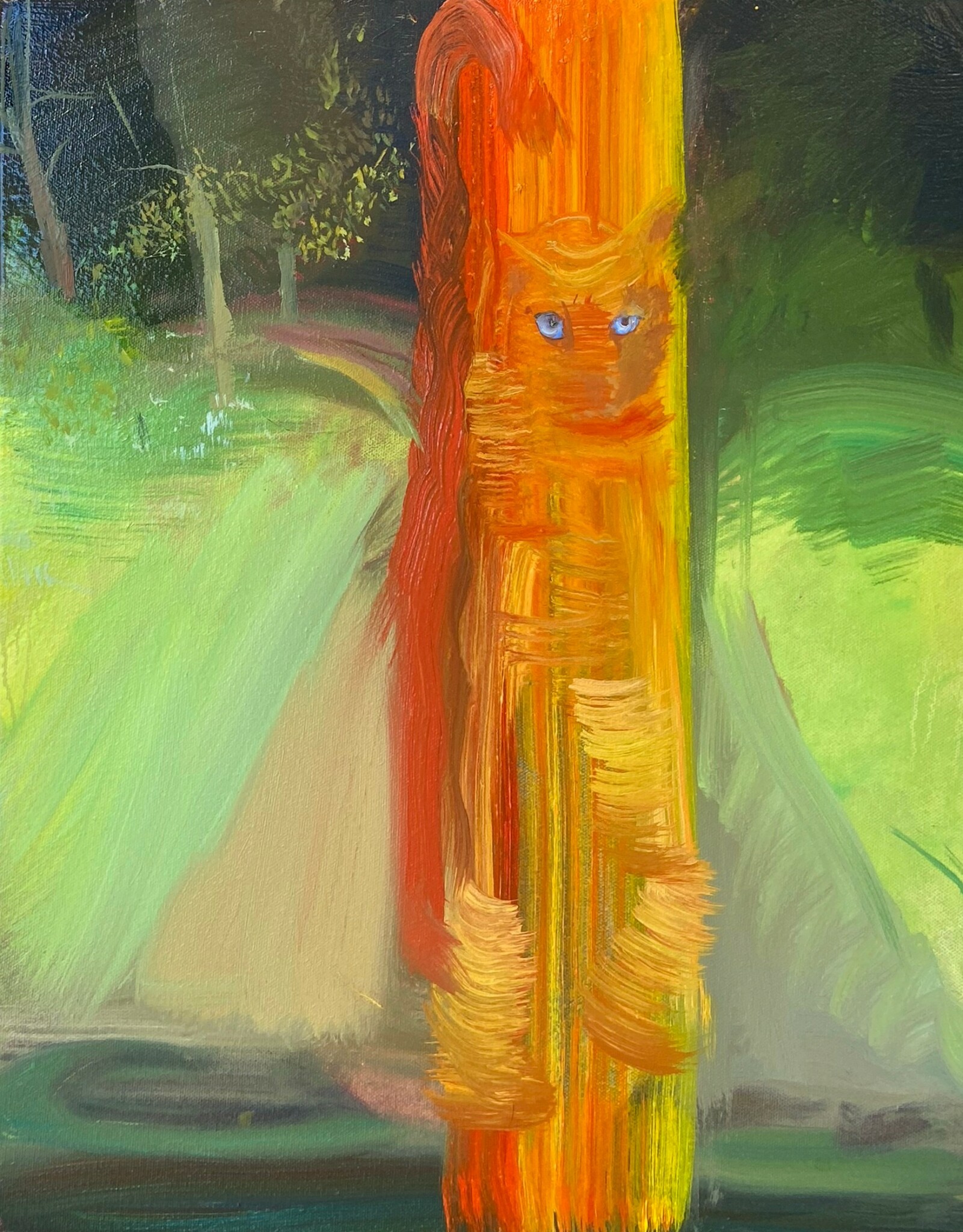
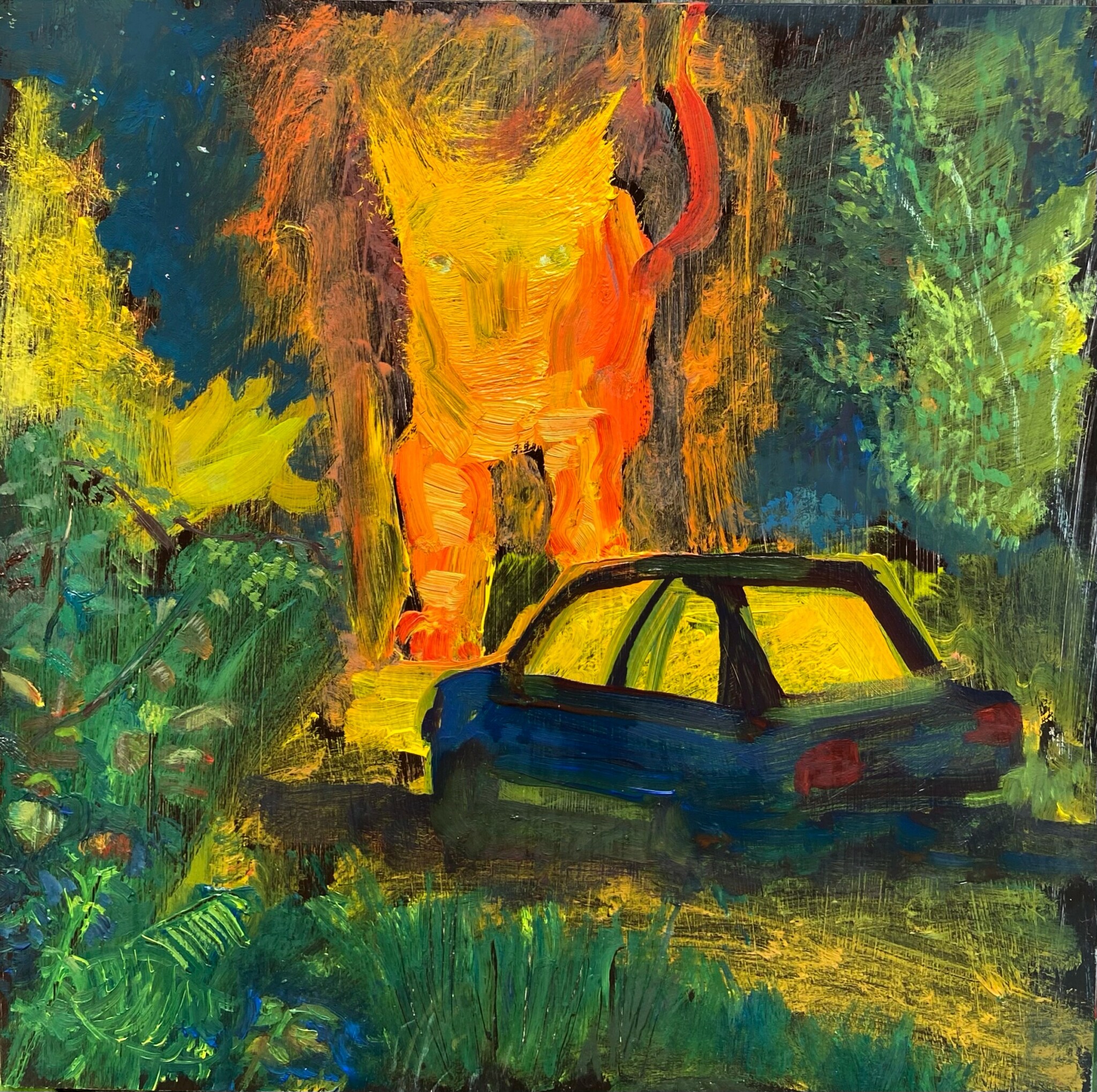
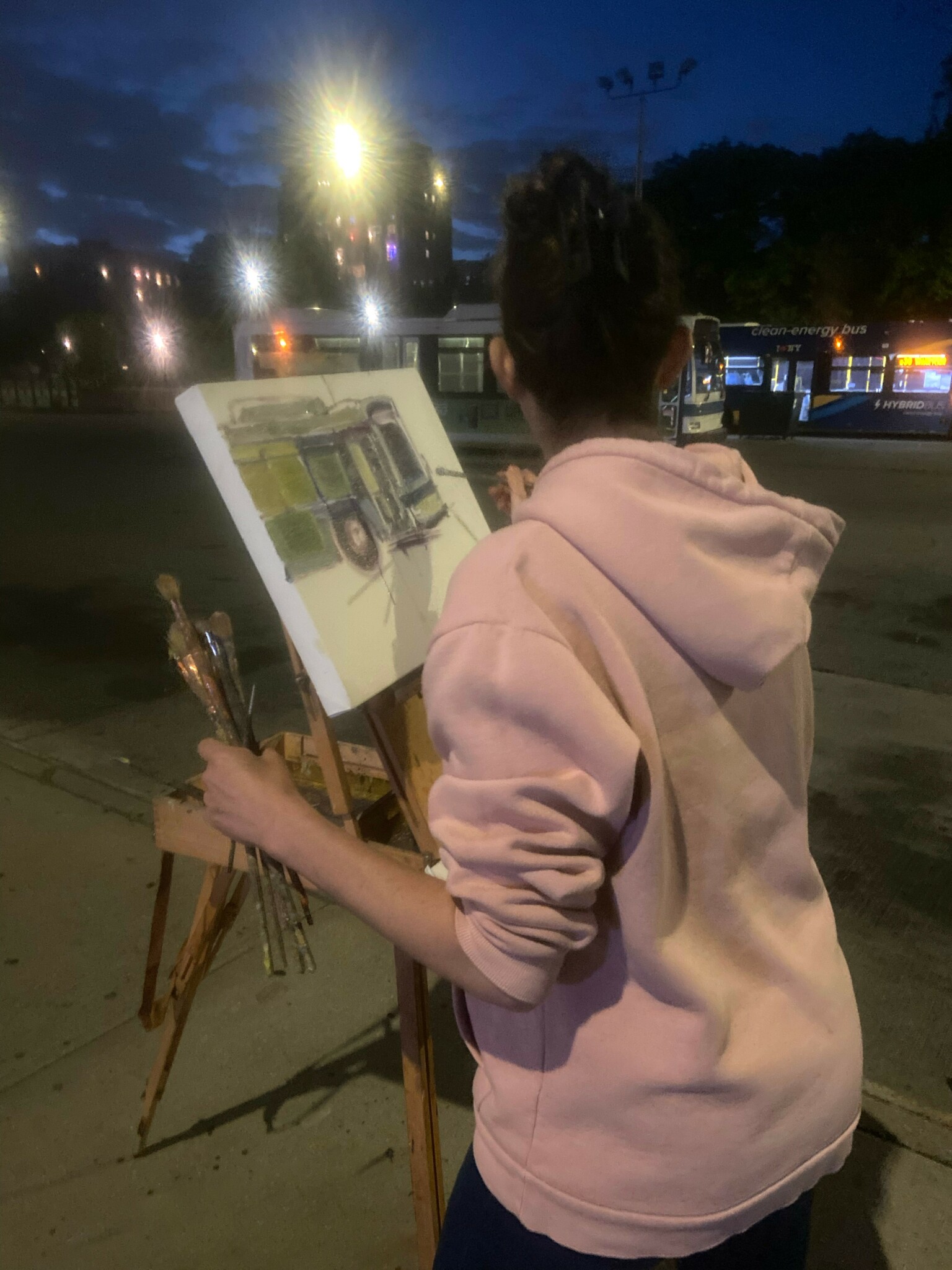

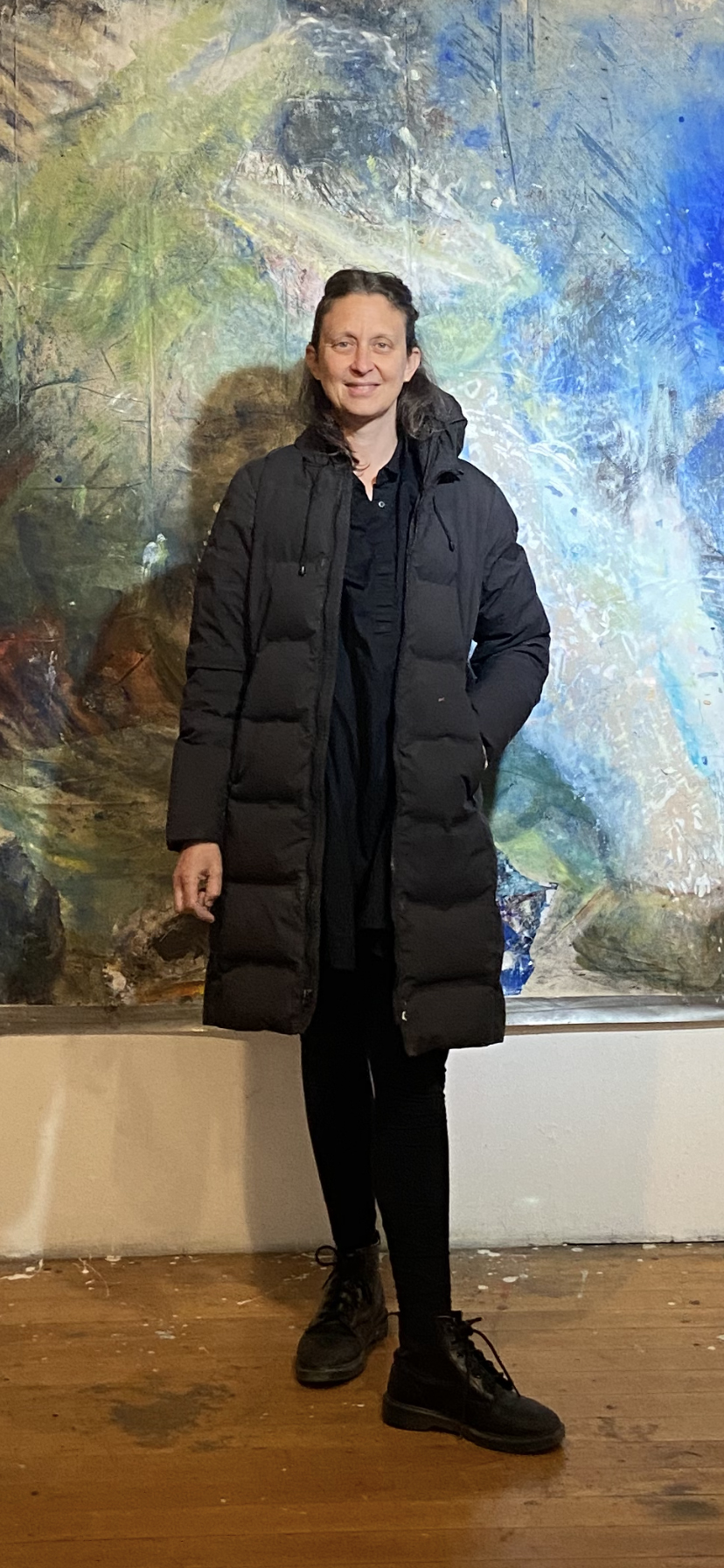
Image Credits
Ben La Rocco
Julia Hames