We’re excited to introduce you to the always interesting and insightful Lingshan Zhao. We hope you’ll enjoy our conversation with Lingshan below.
Lingshan, appreciate you joining us today. It’s always helpful to hear about times when someone’s had to take a risk – how did they think through the decision, why did they take the risk, and what ended up happening. We’d love to hear about a risk you’ve taken.
From the moment I chose to pursue art, I believe I have been taking a risk.
Studying art is never an easy path in any country. Many people see it as a passion rather than a profession—too idealistic, too uncertain, too fragile to build a stable life upon.
Before I applied to art school, I was often told to be practical, to pick something safer. But deep down, I knew that not trying would leave me with a kind of quiet regret that would stay with me forever. So I chose to take the leap, even without knowing what the outcome would be. For me, not taking this path would have felt like the greater risk.
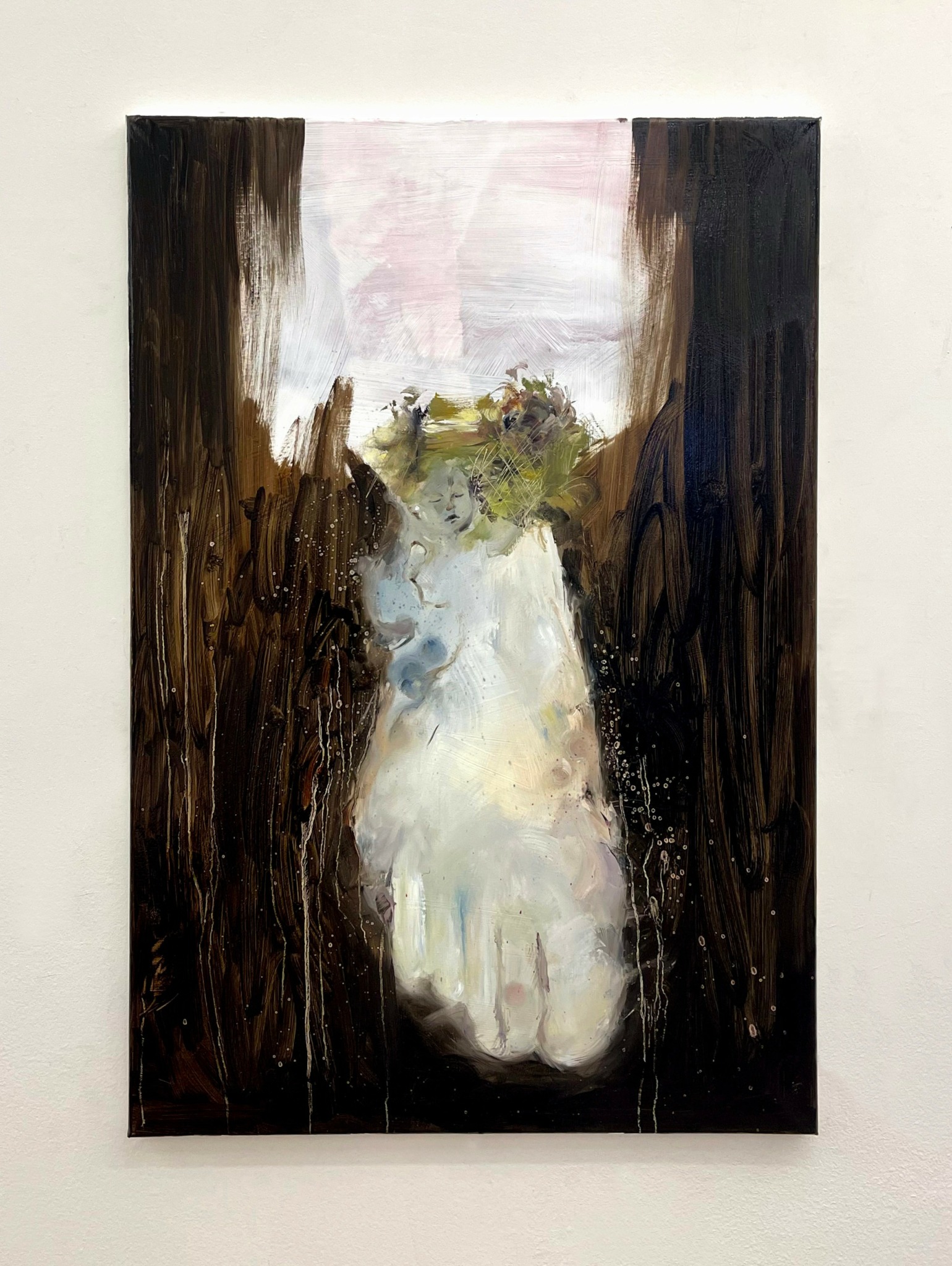
In my artistic practice, I’ve continued to take risks as well. I’ve always loved oil painting, so I try to bring the tactile depth of the medium into my illustrations, letting color itself carry the emotion. I’m drawn to that emotional space between the figurative and the abstract. Something hazy and dreamlike, carrying emotions that words can’t quite capture. Almost like a memory you can’t fully recall.
One of my professors once said, “Painting is about being brave—to experiment with what feels known and what feels impossible. There are no real mistakes, only moments of discovery.”This idea has stayed with me. I’ve come to believe that true inspiration appears when you stop resisting uncertainty and start trusting the process.
Now that I’ve graduated, I still feel anxious about my career and artistic direction.
But I’ve learned that uncertainty isn’t a flaw in the process; it is the process. Each experiment, each hesitation, reveals something new about who I am as an artist.
I hope to keep exploring and taking risks—with trust that each step forward, no matter how uncertain, will bring me closer to the artist I want to become.
Lingshan, before we move on to more of these sorts of questions, can you take some time to bring our readers up to speed on you and what you do?
I’m Lingshan Zhao, an illustrator and painter based in New York.I graduated with a BFA in Illustration from the School of Visual Arts.
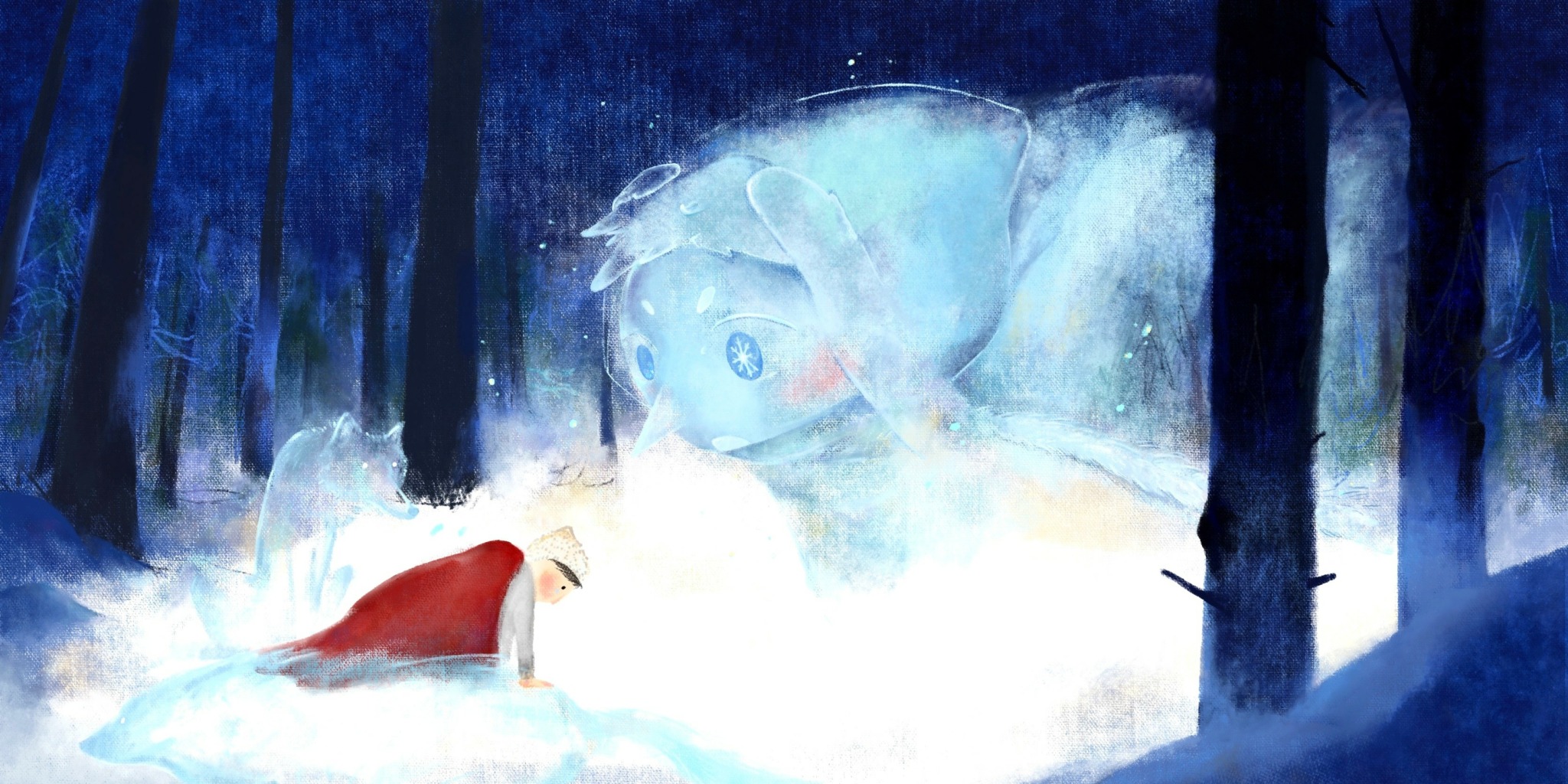
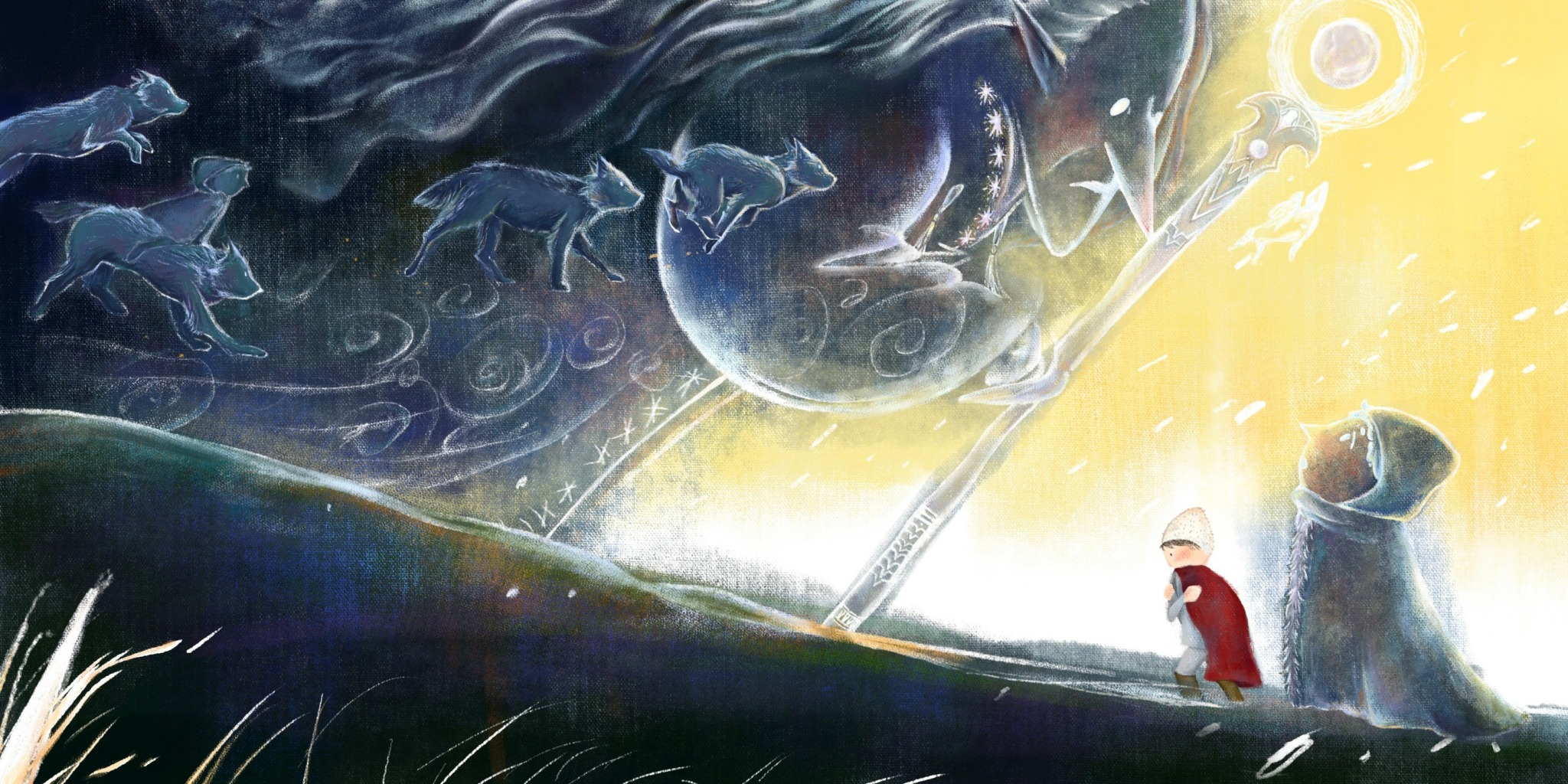
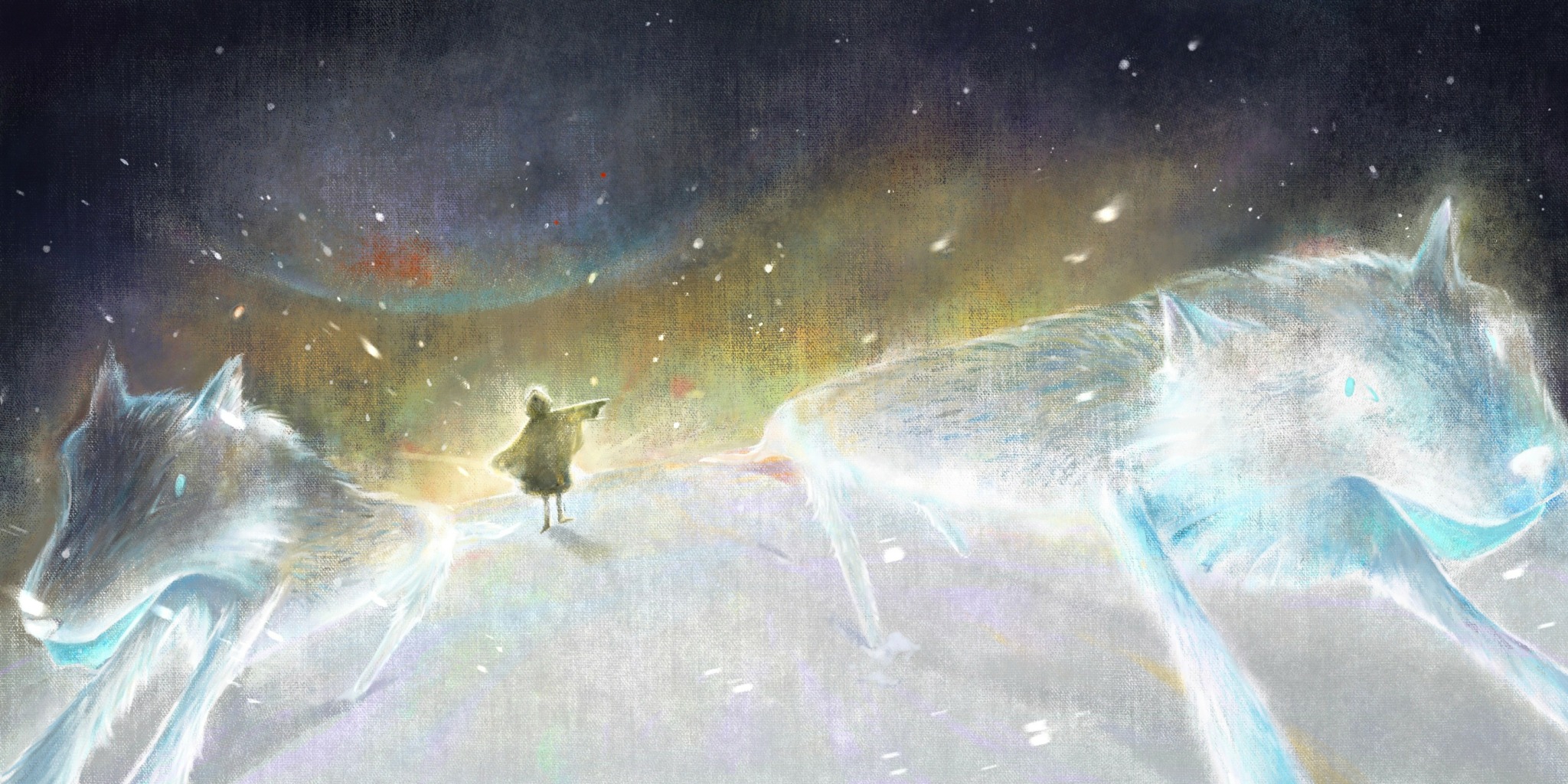
Working across both traditional and digital media, I often bring the tactile depth and emotional warmth of oil paint into the storytelling language of illustration.I’m drawn to symbolic scenes that exist somewhere between reality and dream — places that feel familiar yet slightly out of reach. Through these imagined spaces, my work explores solitude, life, hope, the unknown, and the quiet emotions that linger in everyday moments.
I’ve always been deeply attuned to feelings, especially the ones that are hard to name or often seen as “too much,” and painting is where those emotions finally find room to breathe. My paintings may look still, but something strong is always moving underneath. When someone stands in front of a piece and simply feels, without needing to explain, that moment stays with me.
My work spans picture books, illustration, and oil painting.So far, I’ve completed two picture books:
The Fourth Day of the Narcissus Moon — Inspired by a story by Japanese writer Kenji Miyazawa, this book reimagines his gentle, dreamlike world through painterly.
Cloud Factory — Told through clear lines and bright colors, and drawn from my own childhood memories, it’s a story about freedom, imagination, and the joy of creating.
I’m also developing two ongoing series:
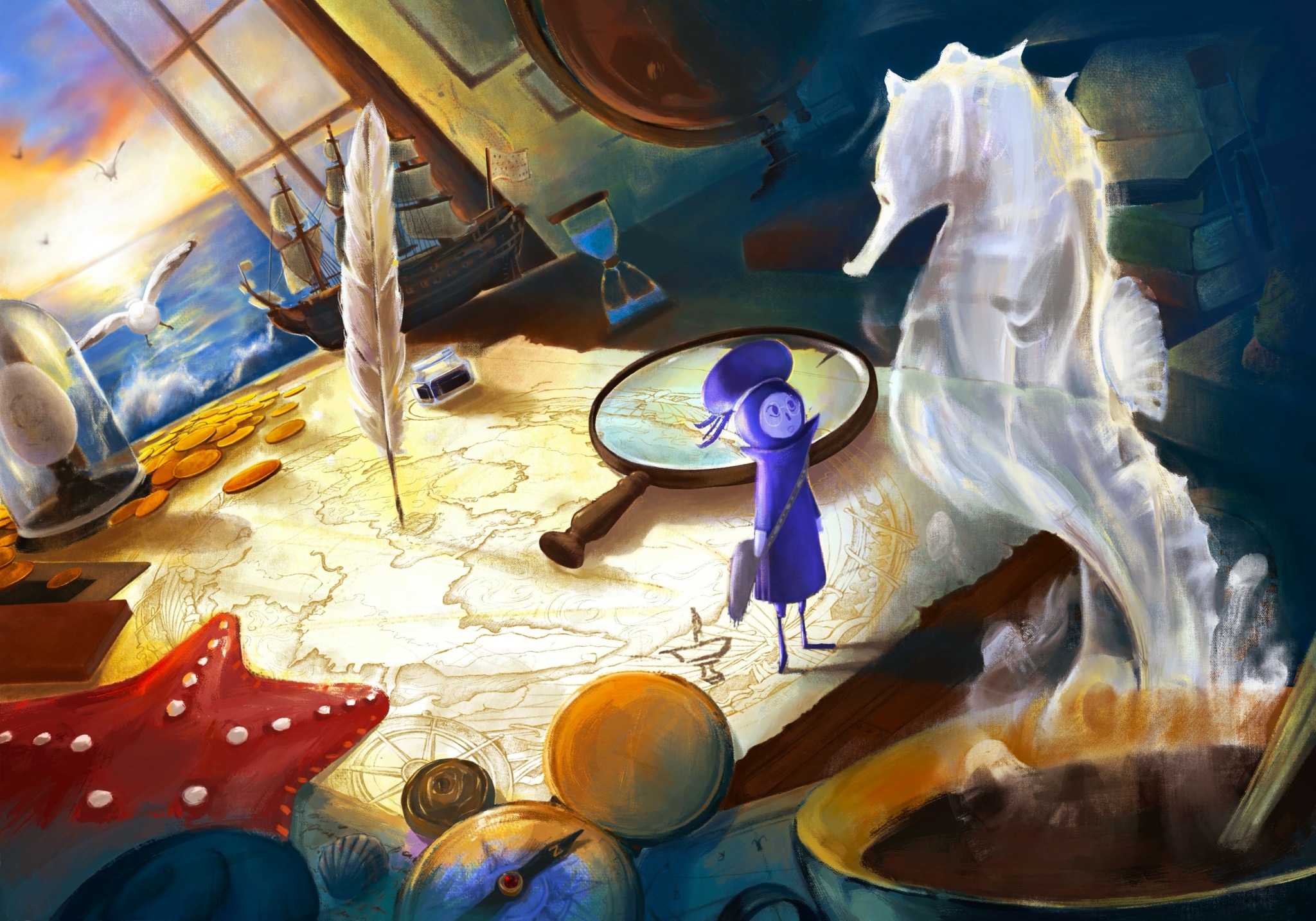
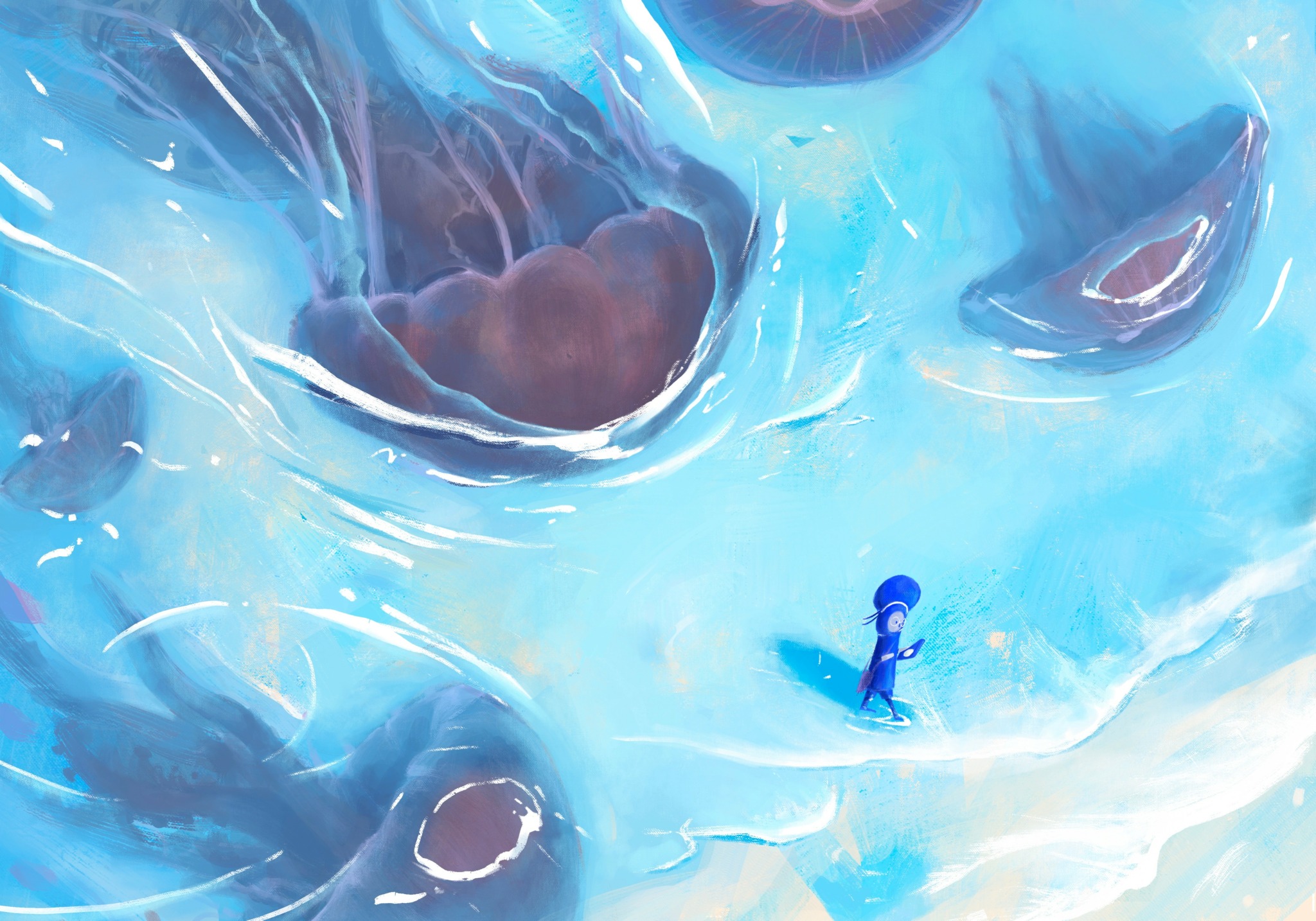
The Little Blue Man — A collection of stories about a small blue traveler who wanders through unfamiliar lands, meeting strange beings and quietly learning what it means to feel close to others, and to oneself.
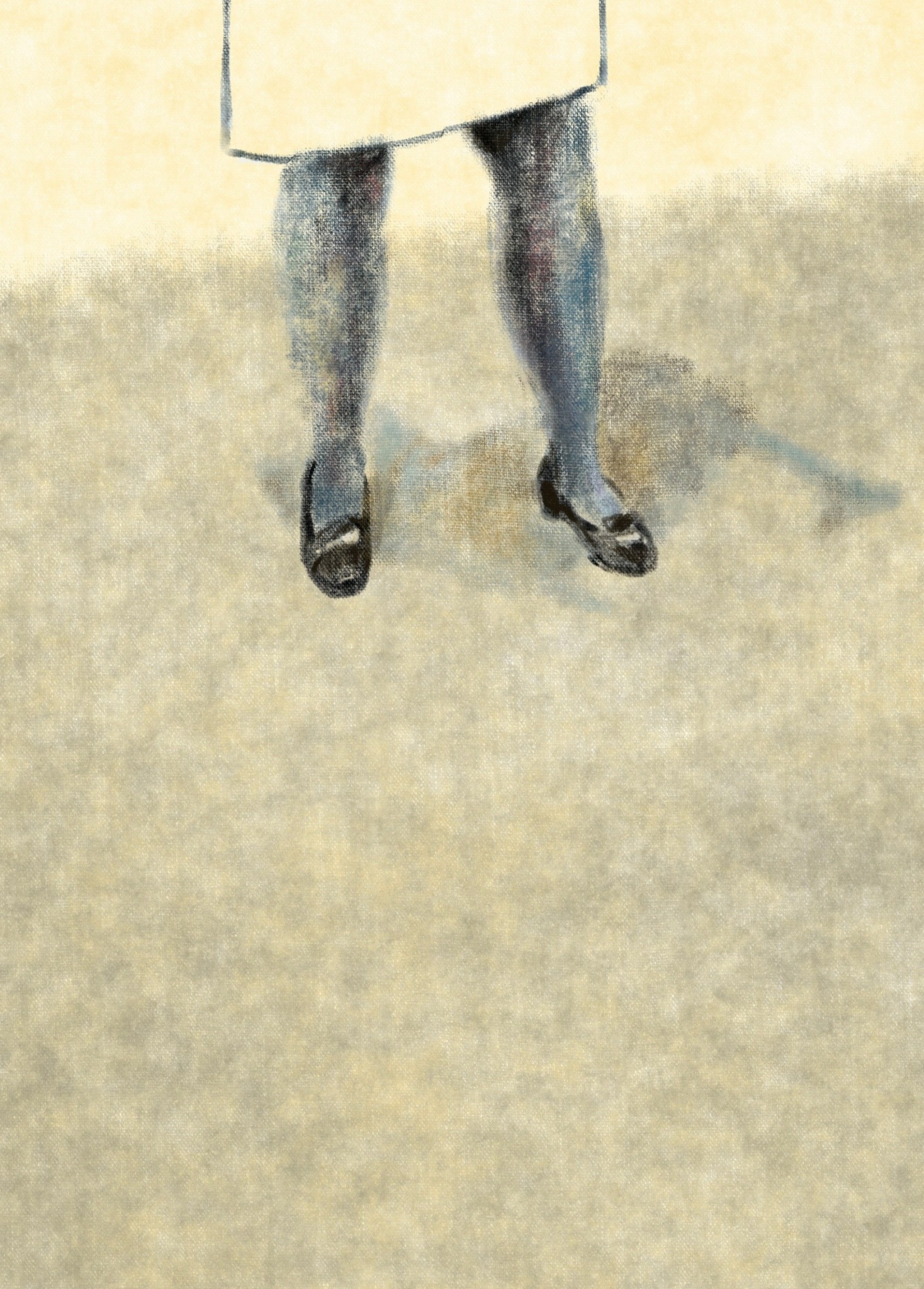
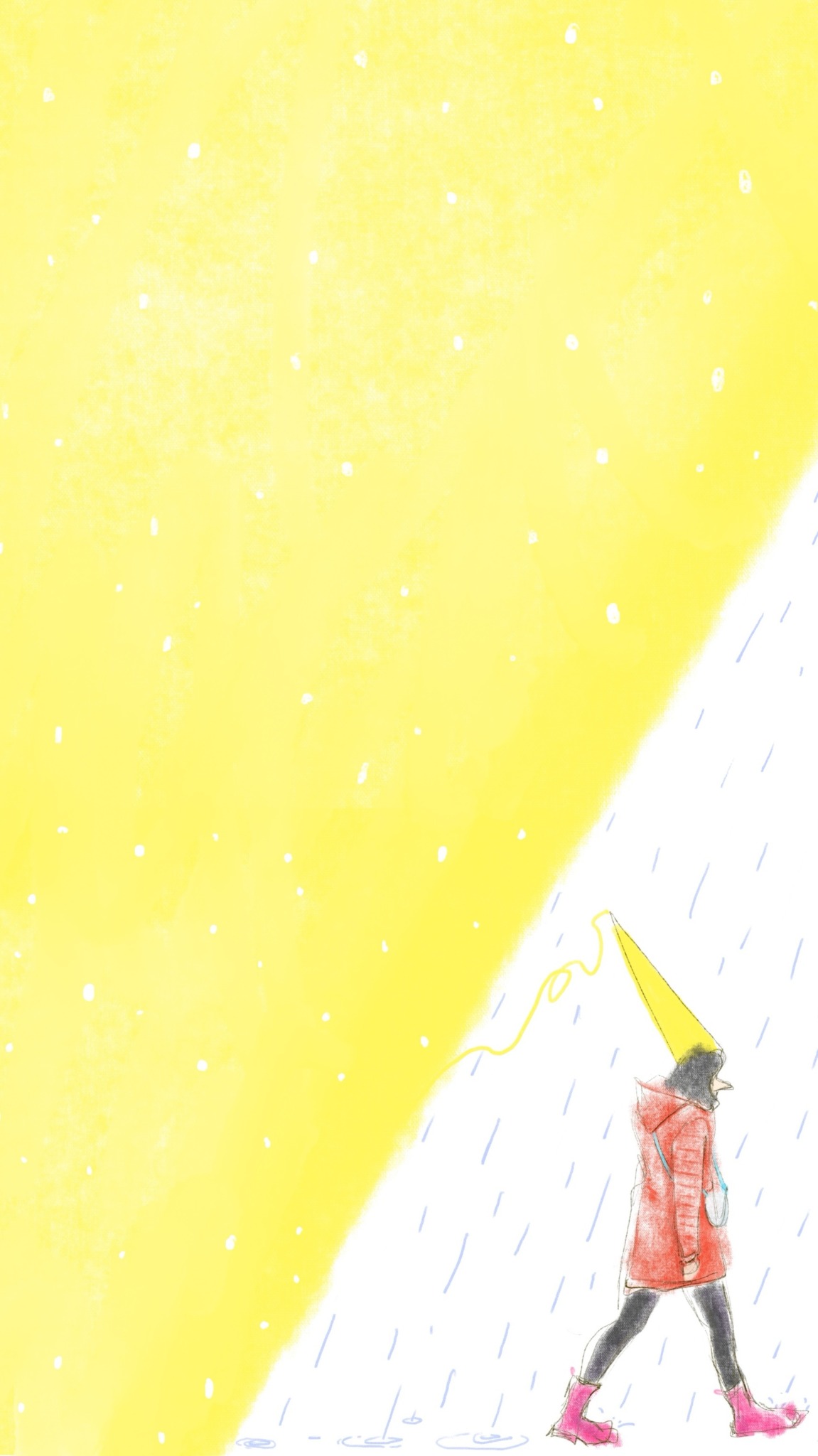
little things, little life — A slower, more personal series that turns everyday fragments, such as a stray thought, a quiet afternoon, or an emotion left unsaid, into images that hold those fleeting moments with tenderness.
I hope people can step into the worlds I paint and simply feel something genuine, whether it is softness, sadness, calm, or surprise. To me, creating means continuing to search for emotion and letting it speak through color.
Is there something you think non-creatives will struggle to understand about your journey as a creative? Maybe you can provide some insight – you never know who might benefit from the enlightenment.
Many people think that being an artist is romantic and carefree, but the reality is much more complicated.
Before a finished piece comes to life, there are countless sketches, revisions, and discarded ideas. Finding inspiration and then figuring out how to turn it into an image that truly speaks takes time, patience, and a lot of uncertainty.
Most of the creative process happens in that uncertainty. You do not always know what to do next, how to translate what is in your mind, or whether anyone will understand what you are trying to express. It is easy to feel self-doubt and frustration along the way. That is something non-creatives rarely see: the quiet struggle that exists long before a piece is complete.
And in today’s world, talent alone does not guarantee visibility. Sometimes those who are better at marketing are the ones who get noticed.
Let’s talk about resilience next – do you have a story you can share with us?
There was a time when I was obsessed with perfection in my paintings. I wanted every detail and shape to be precise, every image to match the vision I had in my mind. But I soon realized that the more I tried to control everything, the more lifeless the work became. The tighter I held on, the smaller the space for emotion and spontaneity.
Eventually, I lost the joy of painting altogether. For a while, I was even afraid to start, because every blank canvas felt like a test I could fail.
Then one day, in a quiet moment of frustration, I picked up my brush and began painting without a plan, just following instinct, color, and motion. That experience changed everything. That piece wasn’t perfect, but it felt alive, free, and honest in a way that nothing else had before.I learned that setting limits on the work is the same as setting limits on myself. The most genuine energy often comes from accidents, not control.
I still sometimes fall back into the urge to perfect everything, but now I remind myself to let go, to trust my intuition, and to believe in where it leads me.
Contact Info:
- Website: https://lzhao03art.squarespace.com
- Instagram: ling_shan_zhao
- Linkedin: www.linkedin.com/in/ lingshan-zhao-art0308