We’re excited to introduce you to the always interesting and insightful Linda McCauley Freeman. We hope you’ll enjoy our conversation with Linda below.
Alright, Linda thanks for taking the time to share your stories and insights with us today. Can you talk to us about how you learned to do what you do?
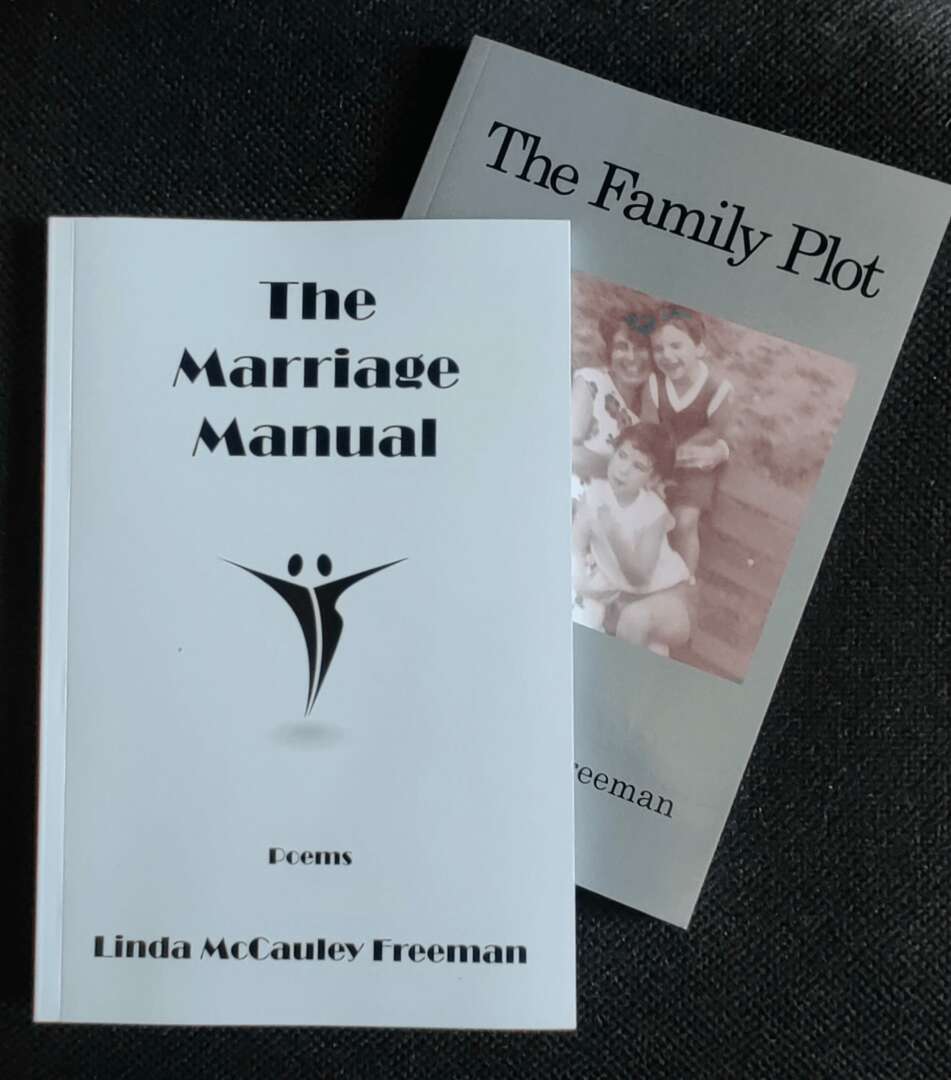
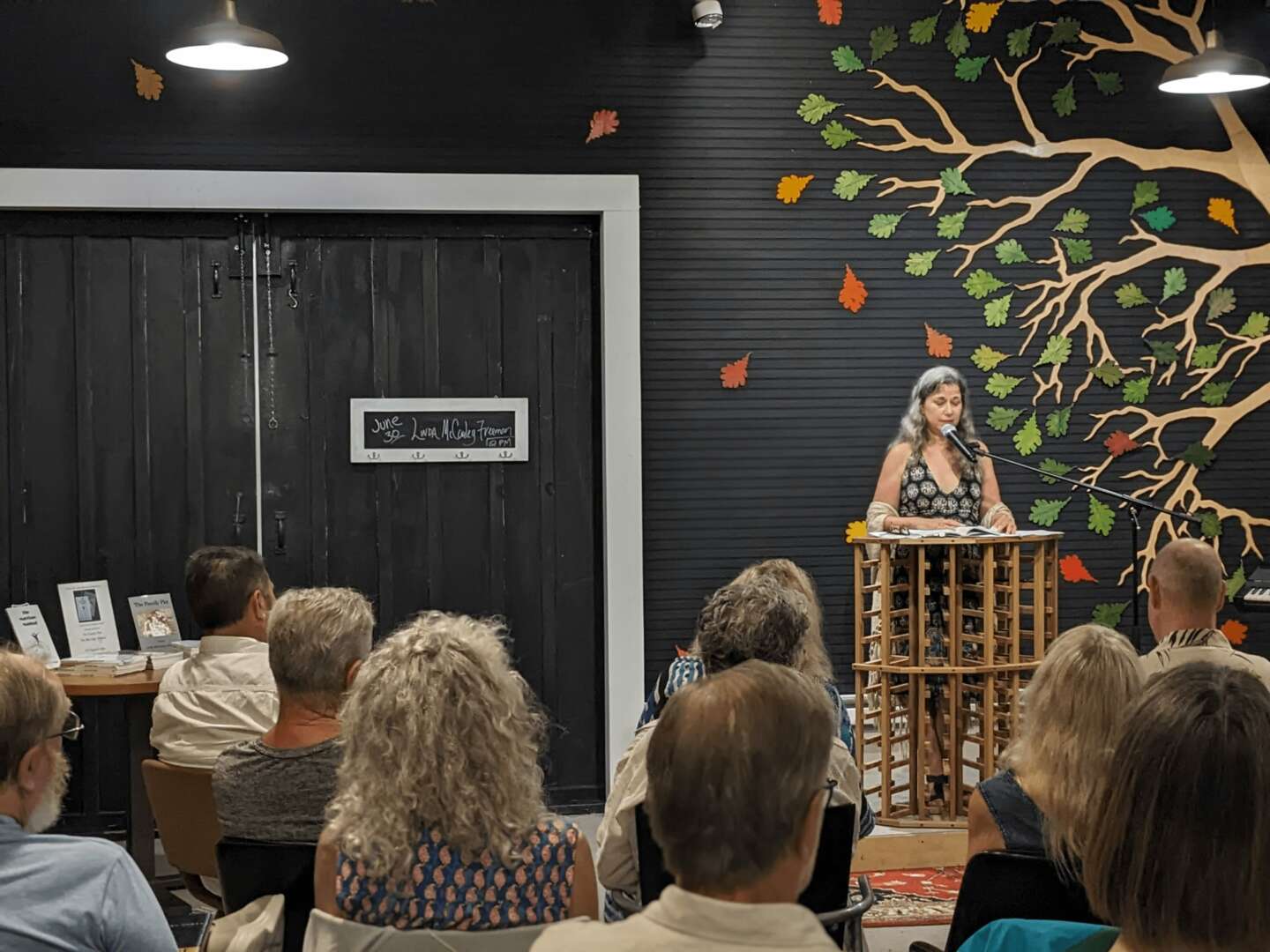
Becoming a published poet requires more than talent. It requires perserverance and passion. It requires faith in your ability and an eagerness and curiosity to never stop learning and improving. Like most people I speak with who find solace in writing, I started quite young and used writing as a way to make sense of my world and experiences. My first poem was published when I was in the 4th grade. When I was in high school and college, I read a lot of poetry and discovered the poets who “spoke” to me most were not the “old, white men” we studied in class. Rather they were the women poets I discovered in the library who had something to say about their lives in a way that resonated with me. In recognizing their voices, I was able to begin to hear my own. My college didn’t have a creative writing program, so I graduated as a literature major and started my career in the world that would pay you to write: magazines, newspapers, advertising and marketing, corporate communications. But poetry still was my primary form of expression, my soul work. I decided to hone my craft and participated in countless workshops and writer retreats and eventually earned my MFA in Poetry from Bennington College. The more easily a poem rolls off your tongue, the harder the poet worked to get it there. Also if you want to publish your poetry you should read poetry. You can check out my two poetry collections. THE MARRIAGE MANUAL (Backroom Window Press, 2024) and THE FAMILY PLOT (BWP, 2022) on Amazon.
Awesome – so before we get into the rest of our questions, can you briefly introduce yourself to our readers.
Here is my bio: Linda McCauley Freeman is the author of two full-length poetry collections The Marriage Manual (Backroom Window Press, 2024) and The Family Plot (Backroom Window Press, 2022) and has been widely published in international journals, including in a Chinese translation. She was nominated for a Pushcart Prize and has been the featured U.S. poet in The Poet Magazine and won Grand Prize in StoriArts’ Maya Angelou poetry contest, and honorable mention in the Allen Ginsberg Poetry Awards 2024. Lines from one of her poems were selected by Kwame Alexander to use in his Civil Community Poem and are on display at the Civil Rights Memorial Museum in Montgomery, Alabama. She has an MFA from Bennington College and is the former poet-in-residence of the Putnam Arts Council. She lives in the Hudson Valley, NY, where she is also a swing dance teacher and a yoga instructor. Follow her at www.LindaMcCauleyFreeman.com, Facebook@LindaMcCauleyFreeman and Twitter@LindaMccFreeman
We’d love to hear a story of resilience from your journey.
Becoming a published poet is a lesson in resilience. One of the greatest lessons I learned in graduate school was that one’s opinion of poetry is very subjective. We had two poets leading our workshops at the same time, and when I shared a two-stanza poem, one poet-teacher said he loved the first stanza and to get rid of the second and the other poet-teacher said she loved the second stanza and to get rid of the first. So while I learned a lot about craft and critique, writing and revision in school, I also learned to trust myself and not just blindly do what others suggest. I also learned how to uncover the parts of a poem that work and those that do not. Now, when I share my work with my trusted poetry peer group, I almost always already know where the weak spots are that they point out.
And, most importantly, I learned that to get published a lot, you must also get rejected a lot. But the rejection is not of you, but is a matter of taste of the reader and fit for the journal and other work they are publishing that issue.
Also, I always remember poet Donald Hall telling me that when his wife, the poet Jane Kenyon was starting out, she sent a number of poems to the New Yorker that were rejected. After she won some awards the New Yorker poetry editor asked for some of her poems to print and she sent the ones they had rejected and they published them.
What do you find most rewarding about being a creative?
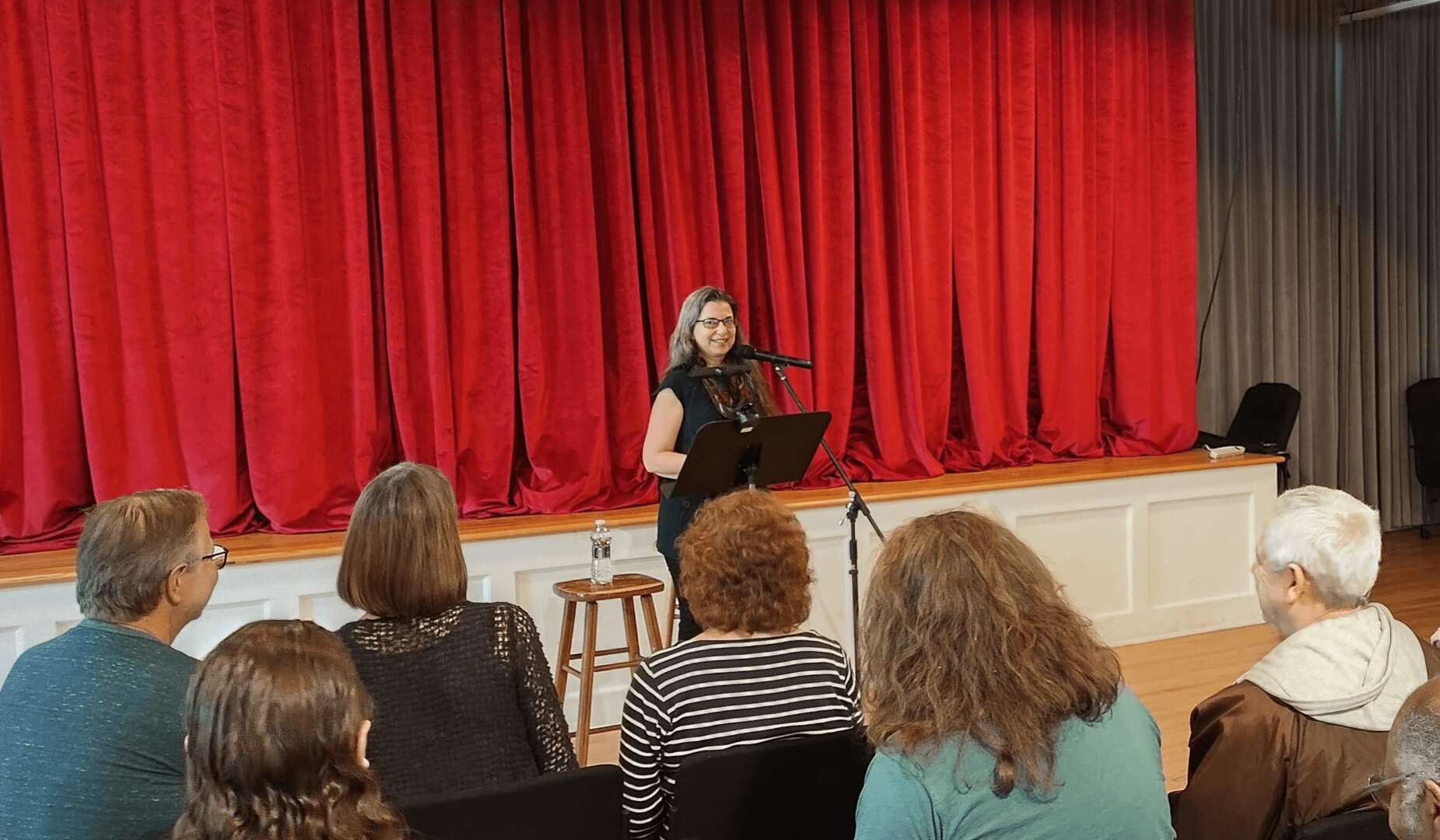
The most rewarding aspect of being a poet is living my joy…even when I write about trauma. I have complete control over my life in words. I thrill at the discovery of finding the perfect word to express what I want to say, the perfect mesh of sound and meaning. When I am working on a poem–which is sometimes an endless process of writing and revising–I am deep in a zone where the outside world cannot enter. I am searching for the best way possible to unveil a truth on the page for others to recognize. And my greatest reward is hearing my readers say, as one said in an Amazon review…
“This book changed my mind about poetry. I love narrative poetry. Linda’s poems have been able to erase all the challenged times I had in High School English classes during lessons where poems were part of our class time. The poems we read and had to interpret caused me to “dislike poetry” for over 50 years. My entire world has changed thanks to Linda’s poems.”
Contact Info:
- Website: https://www.LindaMcCauleyFreeman.com
- Facebook: https://www.facebook.com/LindaMcCauleyFreeman/
- Twitter: @LindaMccFreeman