We were lucky to catch up with Lila MacKinnon recently and have shared our conversation below.
Lila, appreciate you joining us today. Can you talk to us about a project that’s meant a lot to you?
So the most meaningful project I think I’ve worked on is a bit of tie between a project that’s influenced a lot of my artistic direction and one that was special because I got to work on it with my dad.
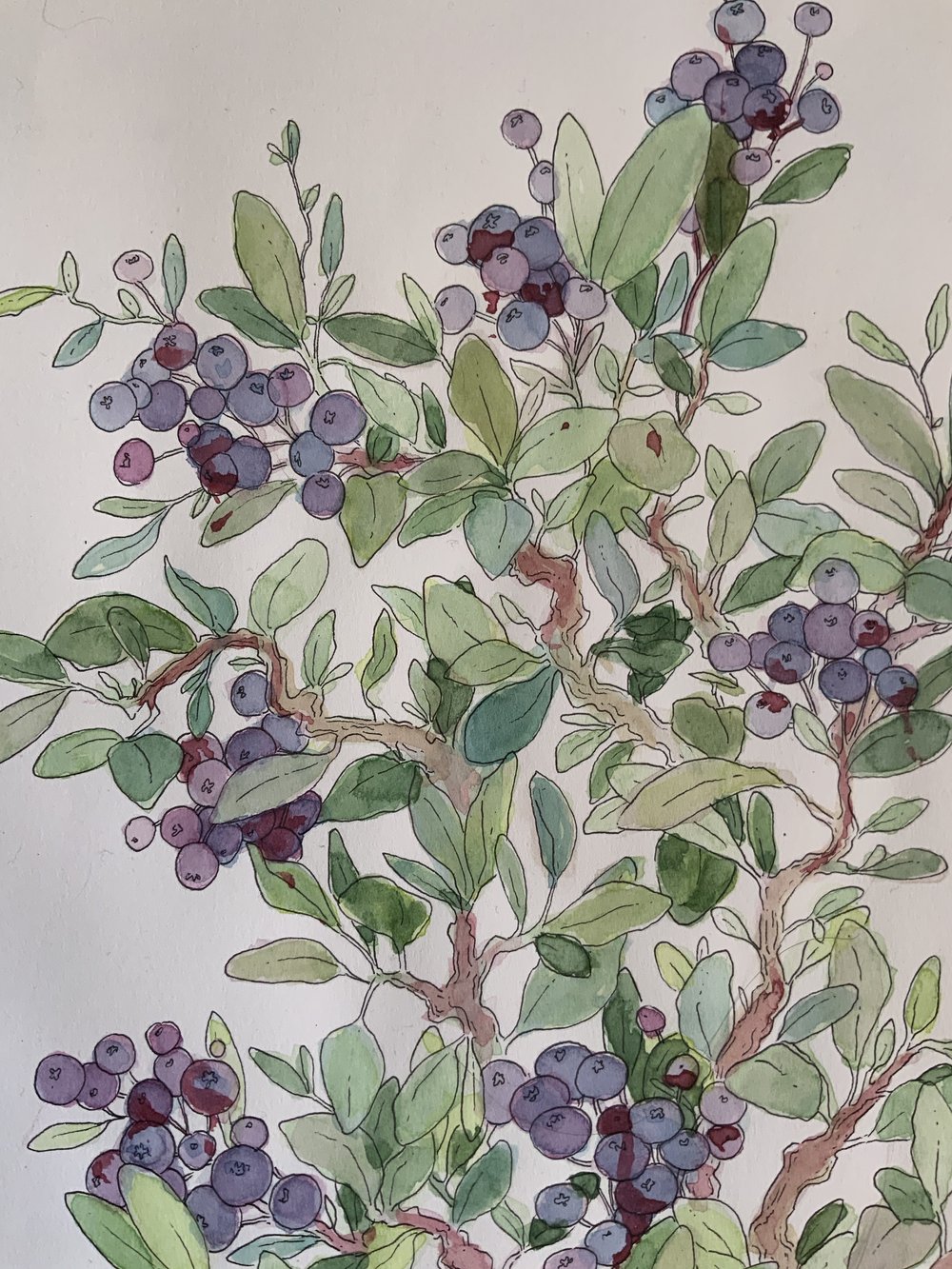
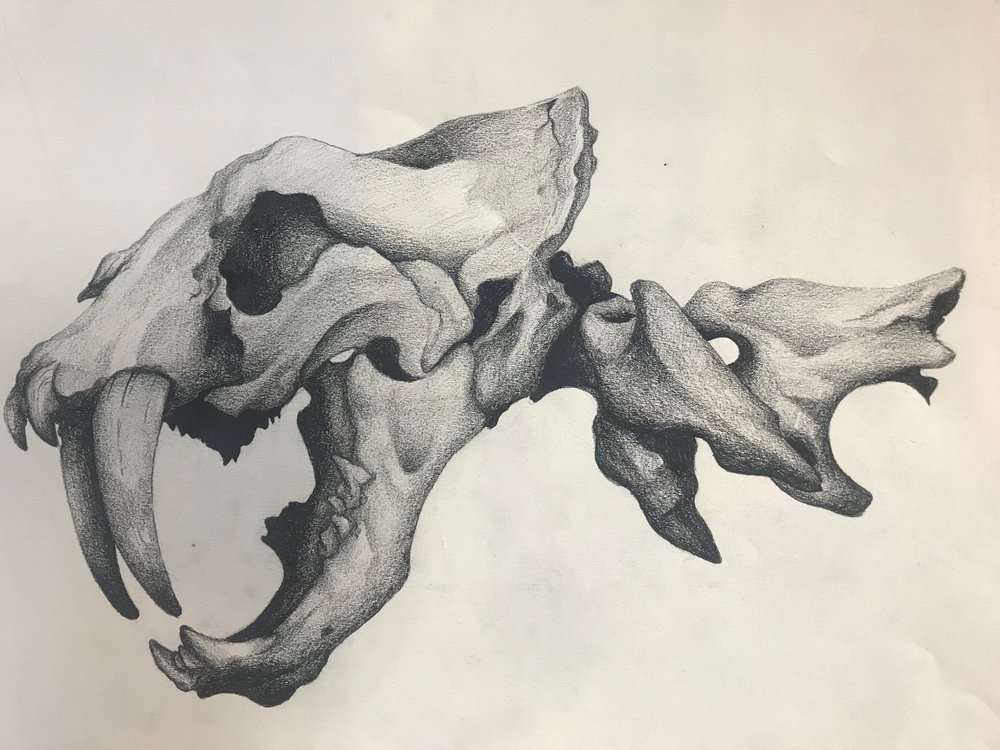
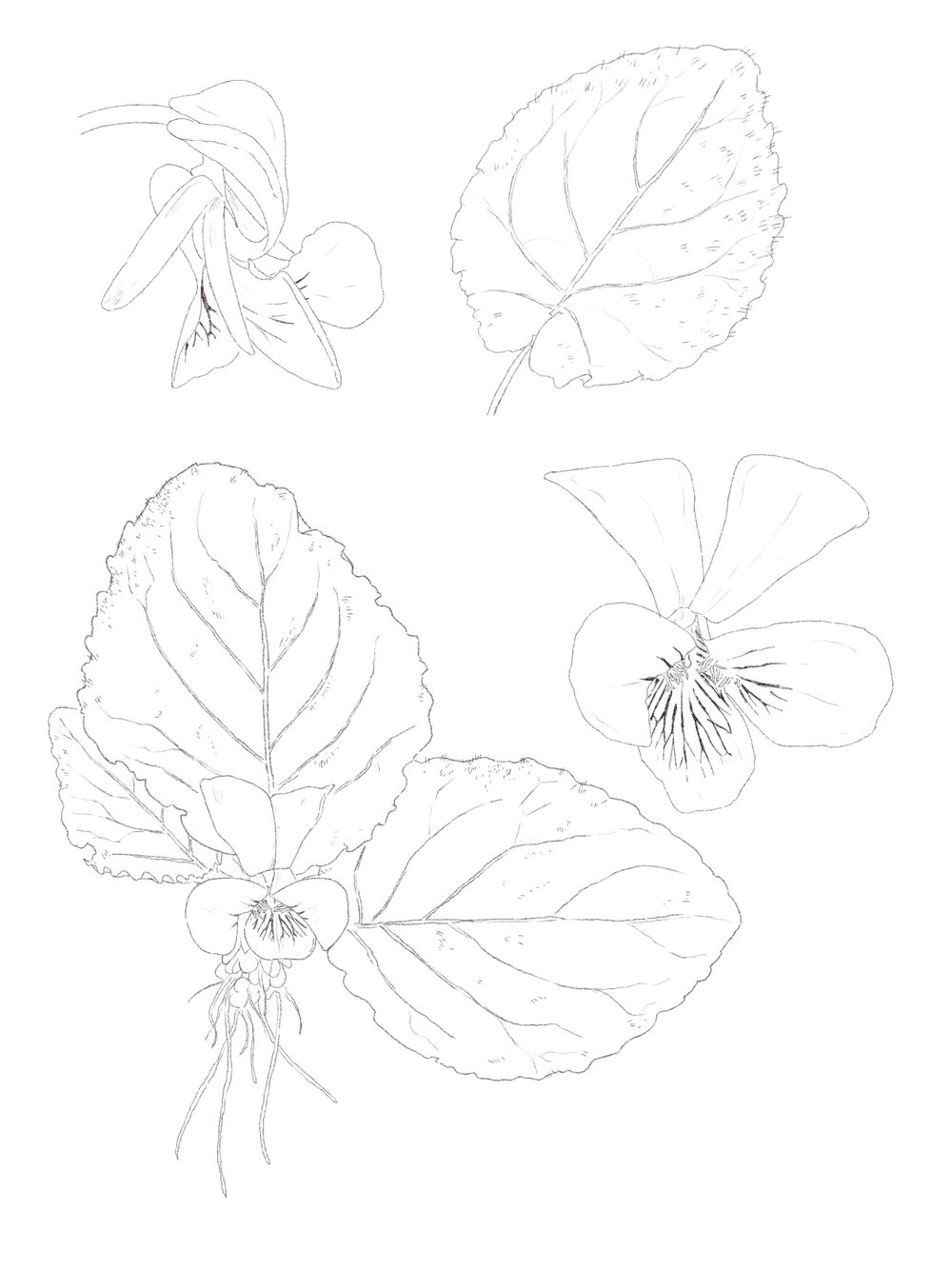
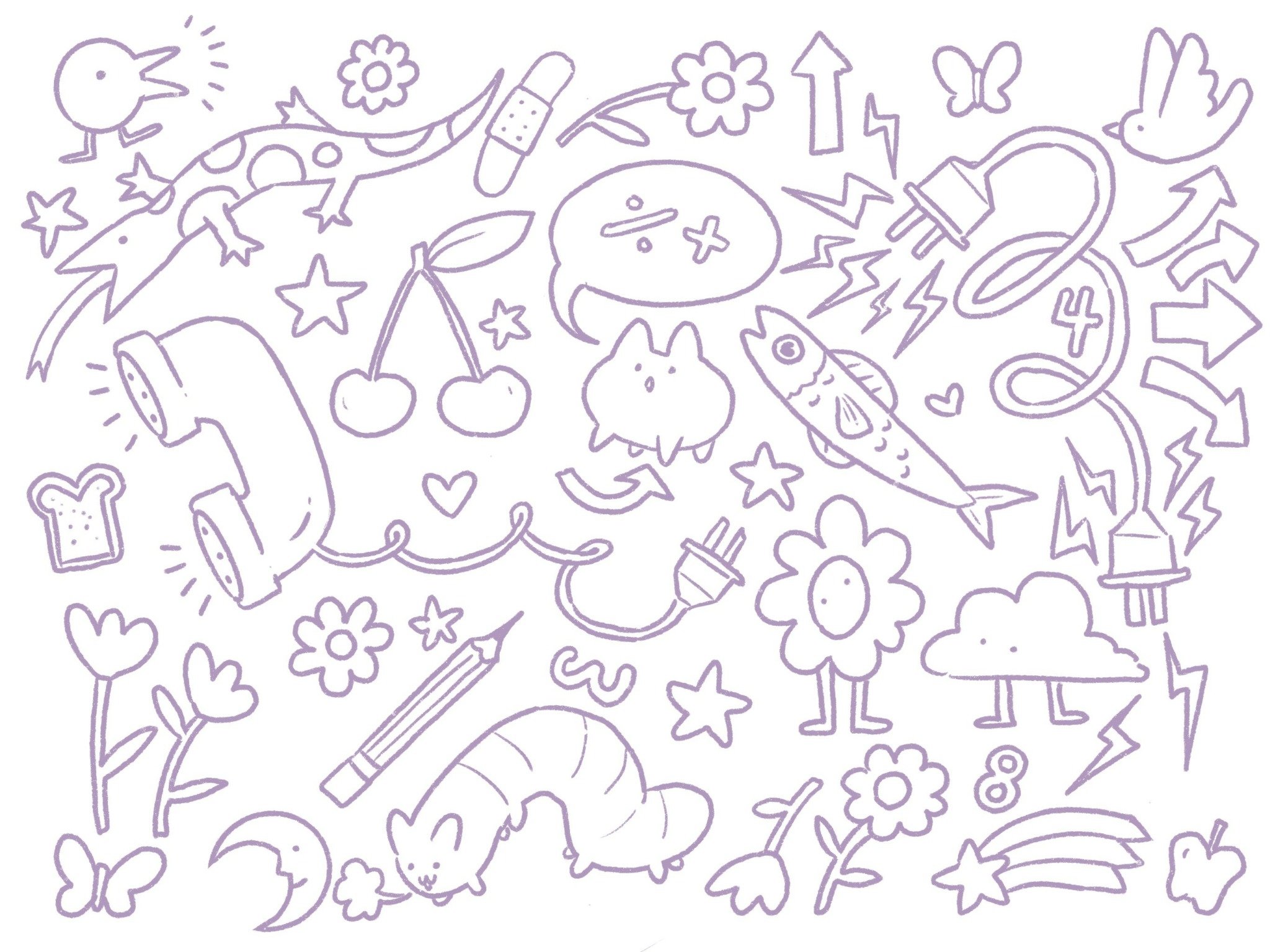
I’ve gone a couple of very different directions with my art– I have this fun loose and line heavy illustration style that I use to make risograph prints and also a portfolio of scientific botanical illustrations. The project that I got to work on with my father, which was just very personally enriching, involved botanical illustrations. My dad’s a botanist and he does field surveys for lots of different land plots and purposes. A few years ago he found this patch of yellow violets that hadn’t been found in the Upper Peninsula of Michigan before (or hadn’t been seen for a matter of decades I’m not sure) and asked me to make a scientific illustration of the plant to submit with his report. I got to spend a lot of time hiking out in the woods to find the violet again to take pictures and measurements and collect a pressing. It just really felt like something that helped me find more professional connection with my parents life work as they are both biologists.
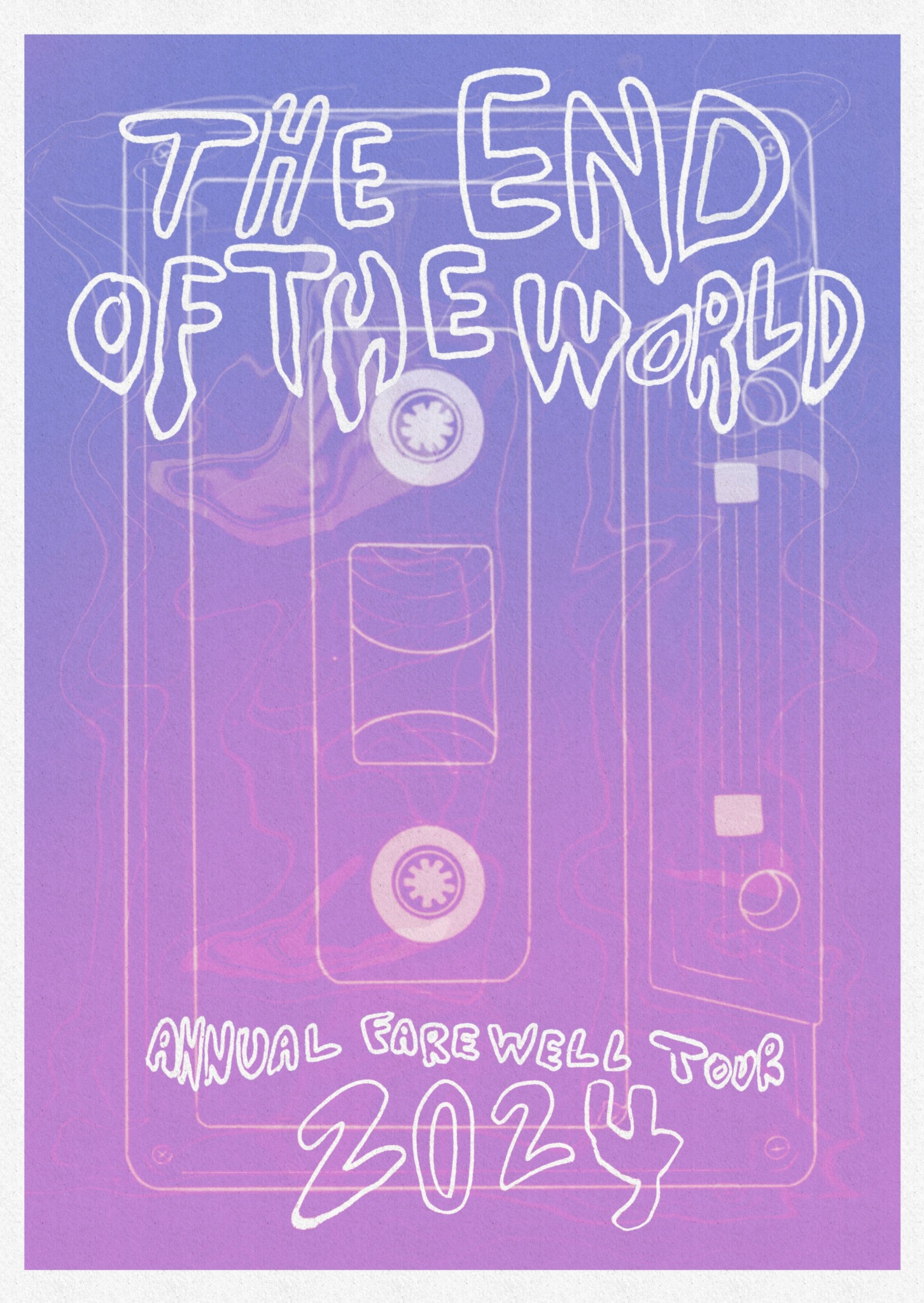
The other side of that coin is a project called ‘The Public Art Diary’ which I was able to execute through a studio course while I was getting my BFA. The focal point for the project was public engagement but I didn’t want to have to have to many one on one interactions or collect answers from people because both of those things are very time consuming and I had a lot to do at the time. This class also introduced me to using a risograph printer which is a 2 tone (and up) screen printing machine that was used in the 70s-90s to print mass amounts of something, like pamphlets or worksheets. It just also as it turns out greats some really cool artistic effects with its layering and opacity of its colors. I loved using this thing– If I can afford it I’d love to get my own someday but they can be pretty pricey to maintain, requiring replacement sheets for the screening and huge ink drums. Anyway, I decided I wanted to use this in whatever way I could to make stuff and since its best used to produce a large quantity of prints at a time, why not just leave art places? Its a college town, people are always looking for stuff to put up in their dorms or apartments– I can just drop stacks of these prints at different places around the city and not have to talk to anyone. So I did, I made two or three illustrations a week that I would then print a minimum run of 25 of but usually 40-50 at a time and leave them around Ann Arbor (especially the campus buildings) and hang them around poles and bulletin boards for people to take or throw away or whatever– the point was I made the art and then left it for people to decide what they wanted to do with it. It was really fun, exhausting sometimes because I had short turn around to finish a print but that mean’t I didn’t have time to question it and could just do some more doodle like fun drawing and get class credit for it. My whole studio fee went to buying paper for the risograph and eventually they let me use the machine on my own, and I was like, one of four people allowed to do that–even instructors needed supervision. So for those 5 months that really felt like MY machine which was amazing.
I didn’t think a lot about how the project was going while working on it– the prints would disappear from wherever ( I had no Idea if they were being taken or trashed) and had to devote time to actually producing the prints. It wasn’t until after I had finished that I realized how successful it had been (since the whole point was originally supposed to be public engagement). The most amazing thing had happened, I started seeing the prints all over the place. Some friends and classmates saw that it was my work and were literally like “that was you?!” and told me they had copies, their friends had copies, that they’d wait to see when new ones got put out– it was fantastic. My brother also started college around that time so when I visited him in the dorms I’d see them taped up on peoples walls and if he told people that they were mine they were always so excited. Years later I’ve received emails from people who found me through matching the signatures or seeing the prints on my portfolio site about how they affected them and I mean that’s really I think the highest praise an artist can receive. I just got an opportunity to really make whatever I wanted and put it out there for people to have at no cost for them. I honestly thought I had one of the lamer projects, it wasn’t super innovative or intense but it had tangible, meaningful effects that I didn’t really expect. So yeah, I think that was probably my favorite project for that side of my portfolio. I’d love to get to make some more and place them around Ann Arbor again as a kind of sequel someday. It was just one of the first things I did that hammered home that the things I made impacted people, that people liked it and it mattered which was a great feeling.
Lila, before we move on to more of these sorts of questions, can you take some time to bring our readers up to speed on you and what you do?
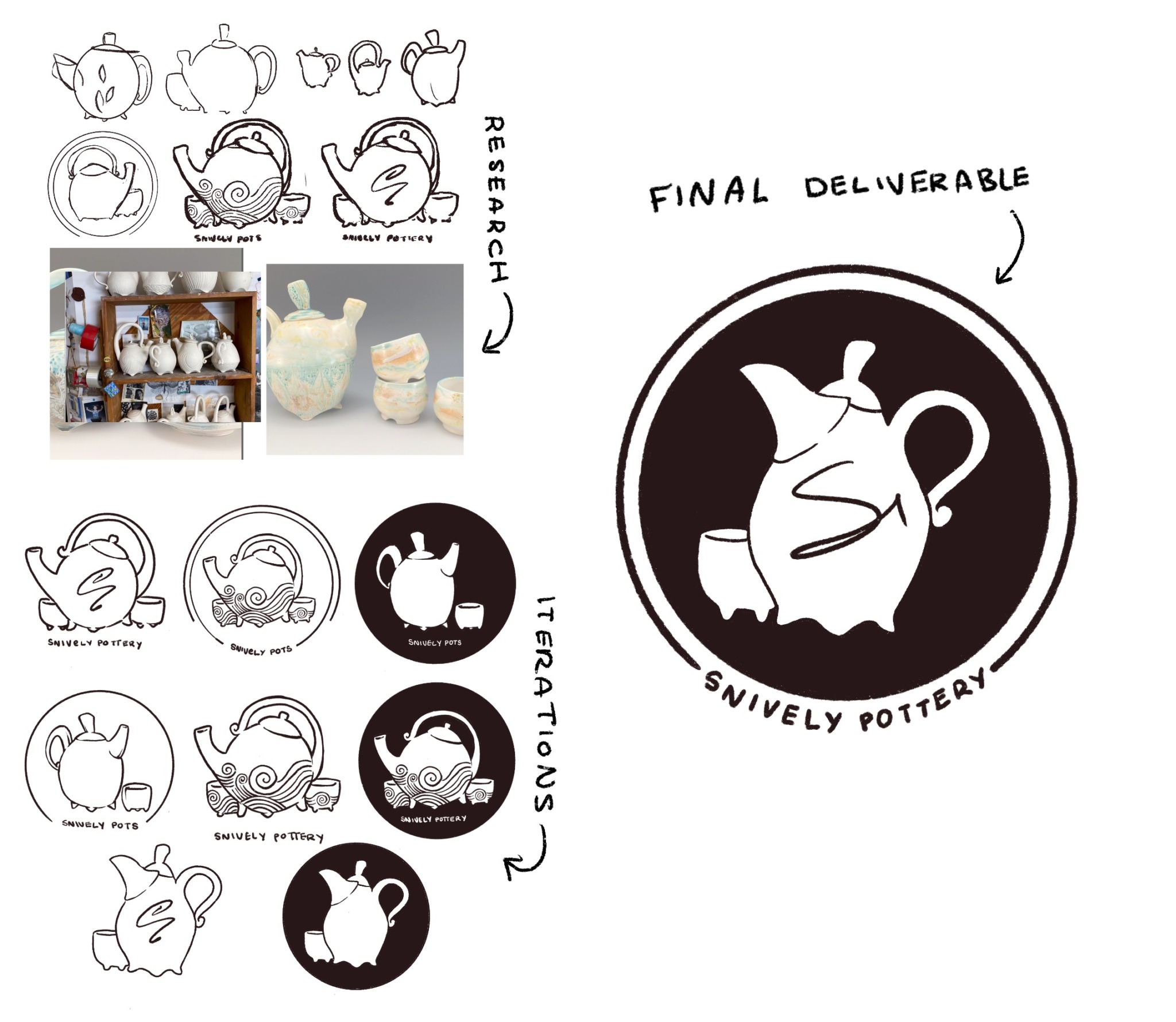
I’m an illustrator, which means a lot of things, but I draw in a variety of styles from a very relaxed line art to comic and character art to scientific illustration. I’m currently a freelancer, which means I will receive commissions from people or contracts from companies to do a specific amount of work and they don’t have to pay me benefits– but also I work whenever I want (doing taxes for this sucks). I’ve made graphic designs for a clothing brand that sells through Free People, scientific botanical illustrations for both decoration and publishing, logo design for some small brands, teaching traditional and digital art to preteens and of course whatever people want to commission me for from character art to silly drawings of their pets.
‘Jack of all trades’ is a saying that’s really haunted me ever since I started working seriously but it is what I am. I have a lot of experience doing a wide variety of things and that is pretty evident in my portfolio. I’ve painted murals, sewn, taught, digital drawing, traditional drawing, lettering, a variety of printmaking– I can’t weld very well and table saws scare me but I’ve got a lot of stuff on my belt. Sometimes its a detriment, especially when people are looking for something really specific from an artists portfolio but I also know enough about most things to make anything happen.
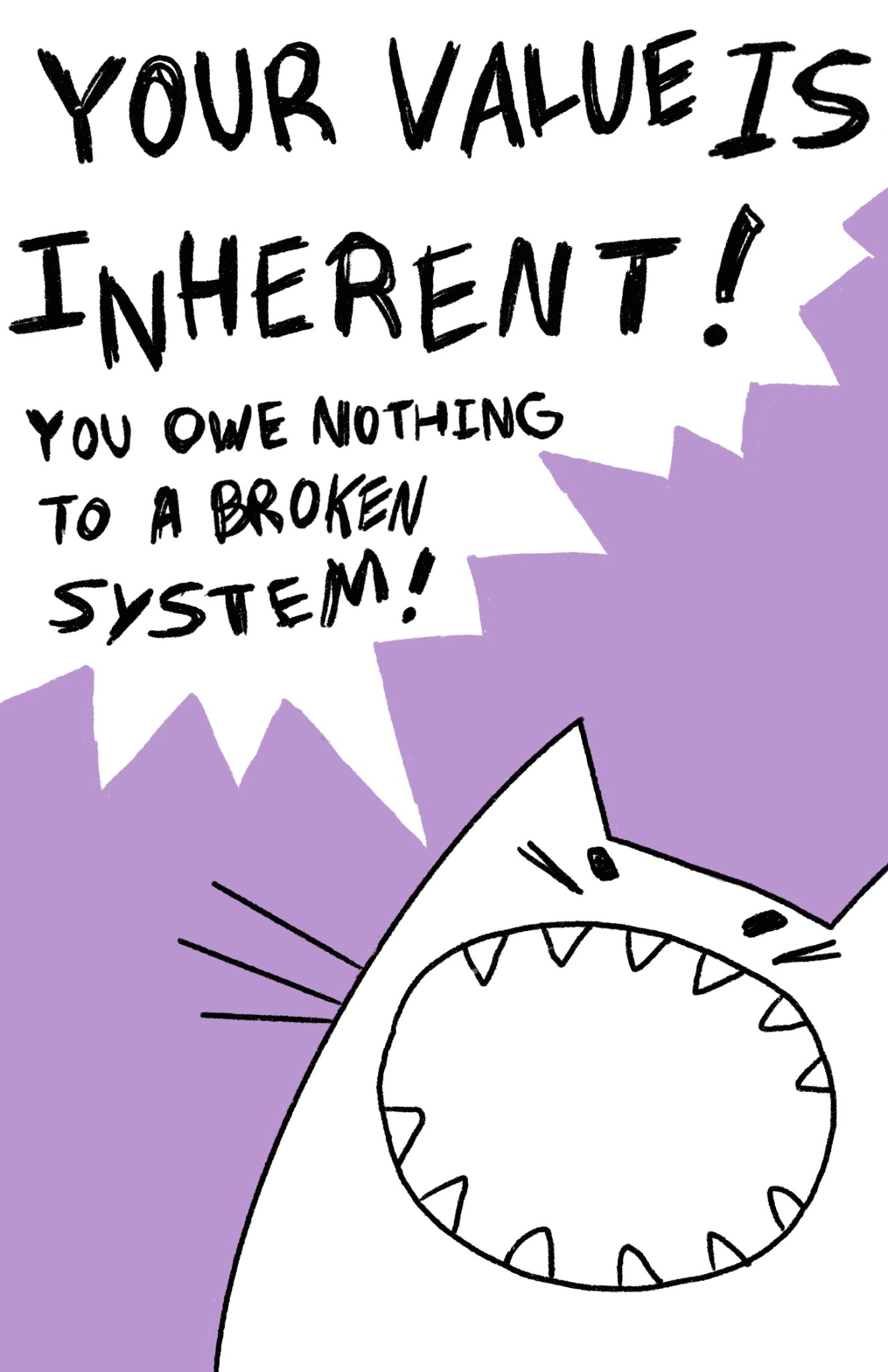
I like a lot of different stuff, so its hard to pick one thing to make my career about… so I don’t. My portfolio is a mess of styles and mediums but the thing I do most is line heavy illustrations. I’m not good at the color blocking thing, it’s so cool but my brain wants thick visible lines on whatever I draw. I think that trying to limit myself to a specific aesthetic or style just hurts my brain and makes it think more about what I should do than I can do. I’m a real believer that art is for everyone, that art is an inherent part of humanity and that you shouldn’t have to be a professional to enjoy doing it.
What’s a lesson you had to unlearn and what’s the backstory?
I have no idea where the phrase ‘Don’t be precious with your art’ comes from but it was revolutionary for me as a young(er) artist. ‘Destroy your art’ I can pretty confidently attribute to the youtube show Drawfee and its really saying the same thing which is to not get hung up on your stuff. I had a really hard time filling sketchbooks, especially nice ones, because I treated them like they were being graded and had to be at a certain standard to be in there. It kept me from drawing as much as I should have because I was petrified about making everything perfect… in a sketchbook. Which is not what sketchbooks are for. So I started with getting cheap sketchbooks and I mean cheap looking as well. No hardcover books or nice paper (for my normal go to sketchbook specifically). That made it no longer as precious, I was less concerned about messing it up or making a mistake– these were cheap, looked cheap and I could rip pages out of the spiral metal binding and no one would notice. They were still pretty big so it took a long time to fill them up still and I really liked finishing sketchbooks, it was like a tangible milestone, so I switched to these smaller thread bound books that were like 2.50 for a set of two at Micheals (they did discontinue them in like 2020) and those were even easier to fill because they were like half the size at most. Some people work better with nice fancier sketchbooks because it motivates them but for me it turned out I needed something I could absolutely destroy and really use as visual evidence of the amount of work that I’d completed.
Are there any books, videos, essays or other resources that have significantly impacted your management and entrepreneurial thinking and philosophy?
Theirs a lot of them actually, and you know its a bit a of a variety between what speaks to your creative drive and what helps you actually survive doing it full time.
For the more down to earth you know legal, financial and physical practice stuff ‘Art/Work’ by Heather Darcy Bhandari and Jonathan Melber and ‘The Artists Guide’ by Jackie Battenfield are both excellent for advice and practice though they talk a lot about physical studio practices (I do not have one of those, I live in a one bedroom apartment) they have lots of useful information, especially but not limited to– hire an accountant if you freelance or sell your own work unless you love doing lots of frustrating math and navigating the US tax system (I don’t).
For copyright law and other legal issues you may run into ‘Permissions A Survival Guide, blunt talk about intellectual property’ by Lawrence Lessig and ‘The Creative Artists Legal Guide’ by Bill Seiter and Ellen Seiter are good baselines for all the tangle of intellectual property, copyright and fair use laws in the US.
I also enjoy using exercises from ‘The New Drawing on the Right Side of the Brain’ to help just shore up muscle memory, hand postures and observational practices (kids hate doing these) to keep my eyes, hands and brain in check.
For a creative and inspirational boost I honestly look most at my favorite children’s picture books. Those images are really where it started (for me) so it feels refreshing to go back to them. Richard Scarry, Steven Kellogg, Tove Jansson, Shel Silverstein, the og Beatrix Potter and I mean I could keep listing them. It’s a source of amazing illustrations that get looked over a lot of the time. Movies like ‘Mirror Mask’ which was a wild experimental Jim Henson film from the 80’s has always had a big impact, disturbing little creatures and fantastical settings. Studio Ghibli of course, you’d be hard pressed to find an artist my age that hasn’t been influenced by their animations and the long lasting lessons of ‘life can be beautiful in small or unexpected ways’, ‘be kind’, ‘take care of the environment’ and also the classic ‘fascists are bad’. Honestly though the best thing I can look around at to really inspire myself is just seeing other people making things, and thats something you have to kind of hammer into your brain at some point– be inspired by what other people do. That was one of the great parts about working with kids– they have so many cool ideas and they aren’t afraid of them or they are and I (the token adult) have the greatest opportunity to help/encourage them do it anyway. If you let them roll with what they vibe with they will keep rolling.
Contact Info:
- Website: https://www.lilamackinnon.com
- Instagram: @jellyjimjam
- Linkedin: https://www.linkedin.com/in/lila-mackinnon-71a994235
- Other: bluesky @jellyjimjamming
tumblr @jellyjimjam