We recently connected with Lihan Jin and have shared our conversation below.
Alright, Lihan thanks for taking the time to share your stories and insights with us today. Let’s start big picture – what are some of biggest trends you are seeing in your industry?
The development of artificial intelligence (AI) is profoundly transforming the architectural industry. In recent years, AI tools related to imagery, three-dimensional spaces, and design have become increasingly sophisticated and are gradually integrated into architectural practices.
AI has undeniably enhanced the efficiency and quality of architectural design in many ways. Over the past year, our production of high-quality architectural renderings has significantly benefited from the rapid evolution of AI software. AI can now analyze the spatial relationships within an image, simulate realistic lighting effects, and quickly add contextual elements like plants and pedestrians to visuals. Achieving these results used to require extensive manual work or long rendering times, but AI has dramatically accelerated the process.
On the creative front, AI has also made remarkable progress. Today, we can provide AI with ambiguous sketches or simple keywords, and it can generate a wide range of spatial forms in just minutes. While many of these outputs may not be practical, we can still find inspiring ideas and concepts after a few rounds of optimization.
The development and application of AI in architecture have led many to question whether the profession of architecture will continue to exist. However, I believe that instead of simply replaced by AI, architects’ societal role may evolve to focus more on the human-centered aspects of design.
Architecture is the tangible medium through which humanity’s spatial needs are brought to life. At its core, architecture exists to serve people. Beyond crafting visually striking designs, an architect’s true purpose lies in understanding users’ genuine needs and creating spatial solutions that effectively address them. Architects act as mediators, connecting individuals to the spaces they occupy, fostering meaningful interactions between people and their built environments.
The emergence of AI may free architects from time-consuming tasks such as image editing and 3D modeling, allowing them to focus on their fundamental responsibilities. This shift offers an opportunity for architects to engage more deeply with human-centered design, ensuring that architecture continues to meet the users’ emotional and functional needs.
As always, we appreciate you sharing your insights and we’ve got a few more questions for you, but before we get to all of that can you take a minute to introduce yourself and give our readers some of your back background and context?
Studio Lihan is an architectural design practice established by Lihan Jin, who was originally from Hangzhou, China. Drawing on his diverse architectural experience across New York, Paris, Guangzhou, and Beijing, Lihan seeks to craft a distinctive architectural voice reflecting his Chinese designer cultural heritage. The studio is dedicated to exploring innovative design perspectives that bridge cultural narratives and contemporary practices. Studio Lihan has earned recognition through numerous local and international competitions, highlighting its commitment to excellence and creativity in the field of architecture.
Lihan’s passion for architecture and design is rooted in a deep fascination with how the built environment shapes human experiences and connections. Holding a Master of Architecture from Columbia University and a degree from South China University of Technology, he possesses a strong academic foundation for critically and creatively approaching design challenges.
Before founding Studio Lihan, Lihan honed his expertise as an Architectural Designer at Kohn Pedersen Fox Associates (KPF), where he played a key role in large-scale, iconic projects such as the award-winning North Bund Tower in Shanghai and Singapore Changi Airport Terminal 5. These experiences enriched his understanding of creating impactful and landmark designs.
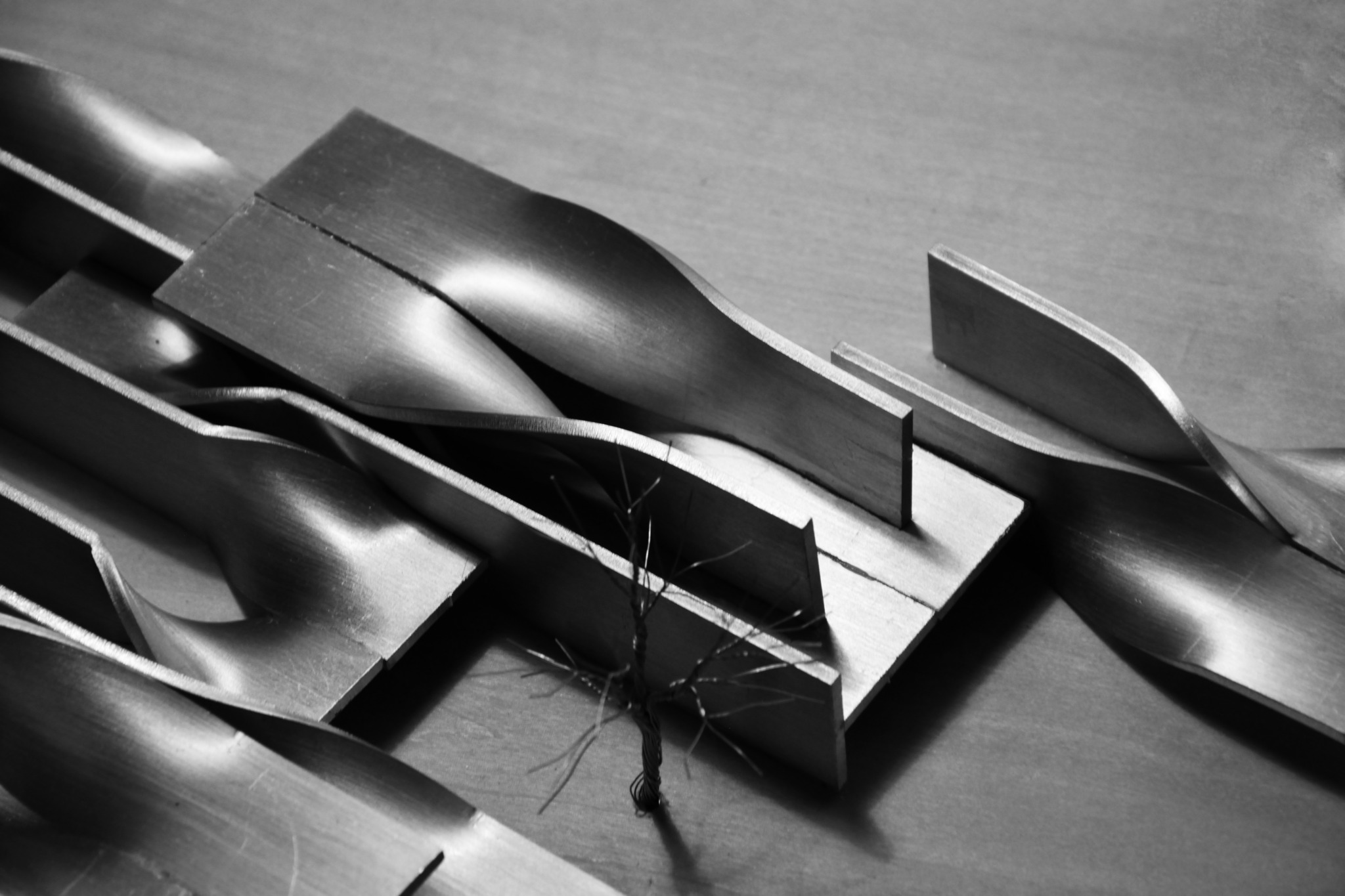
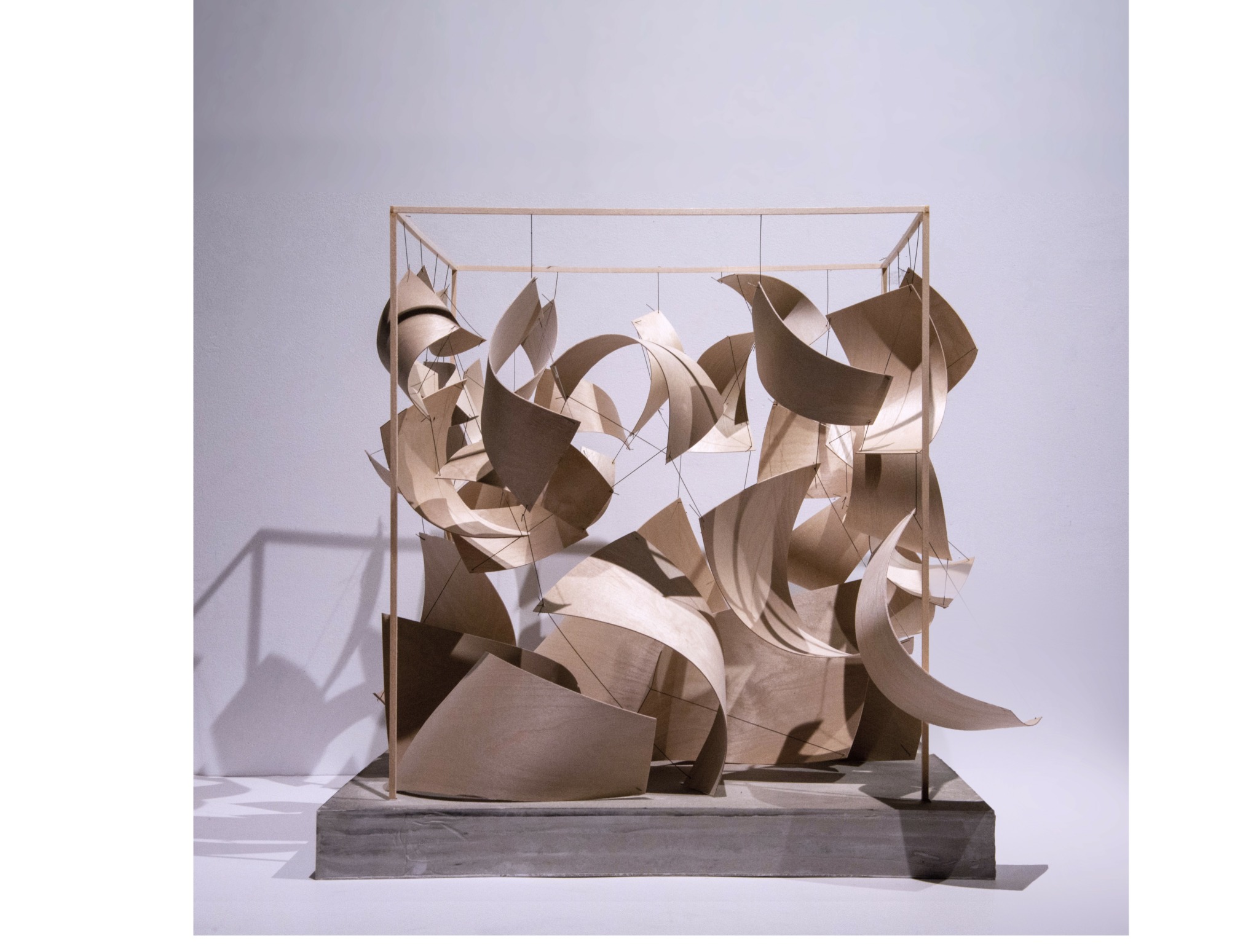
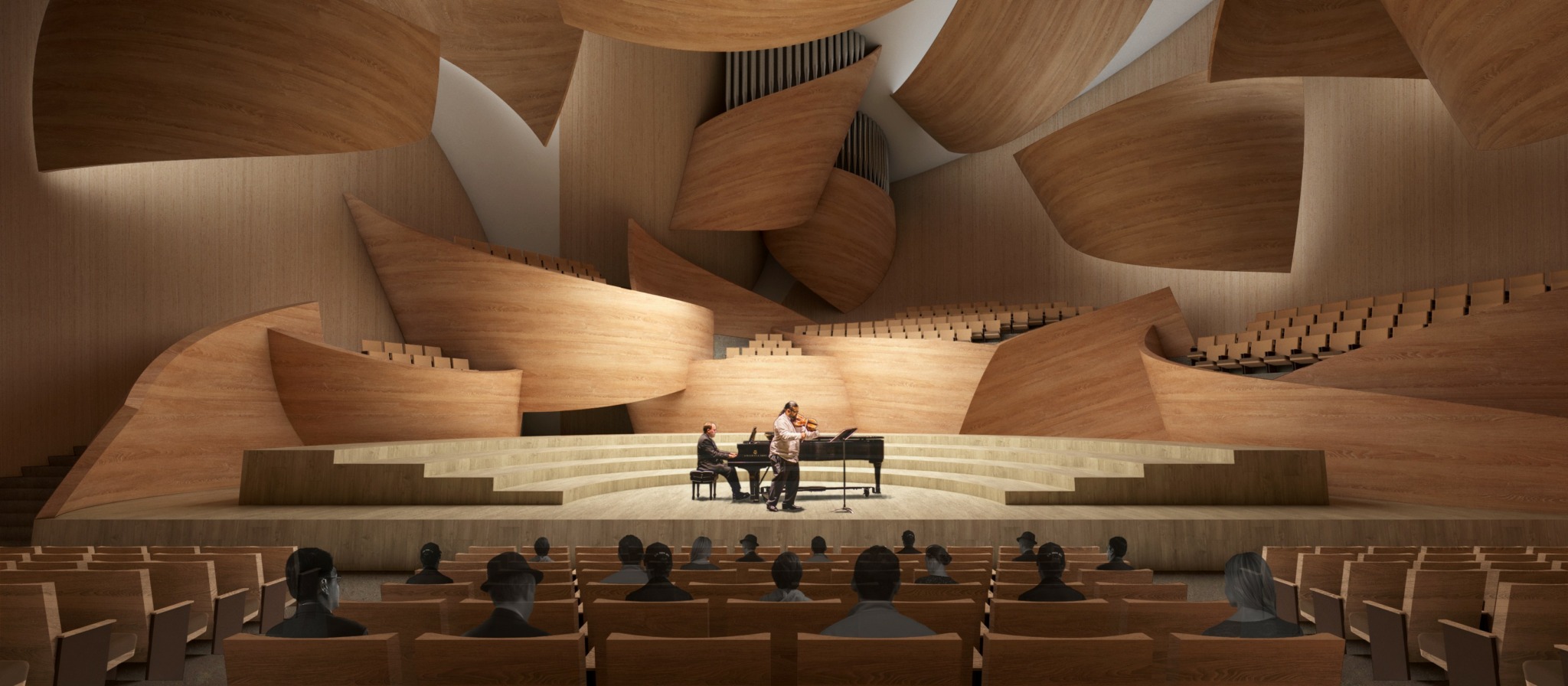
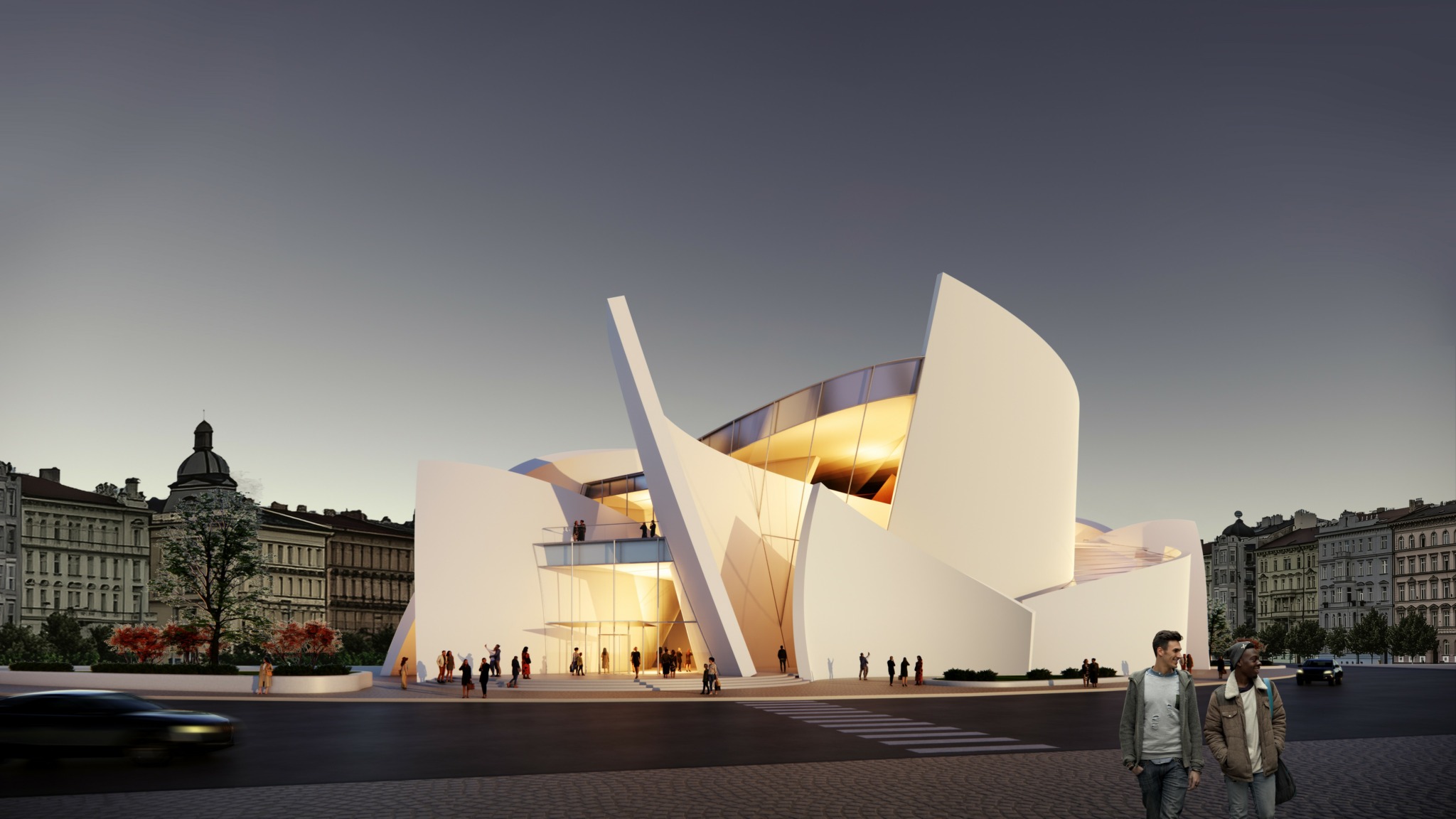
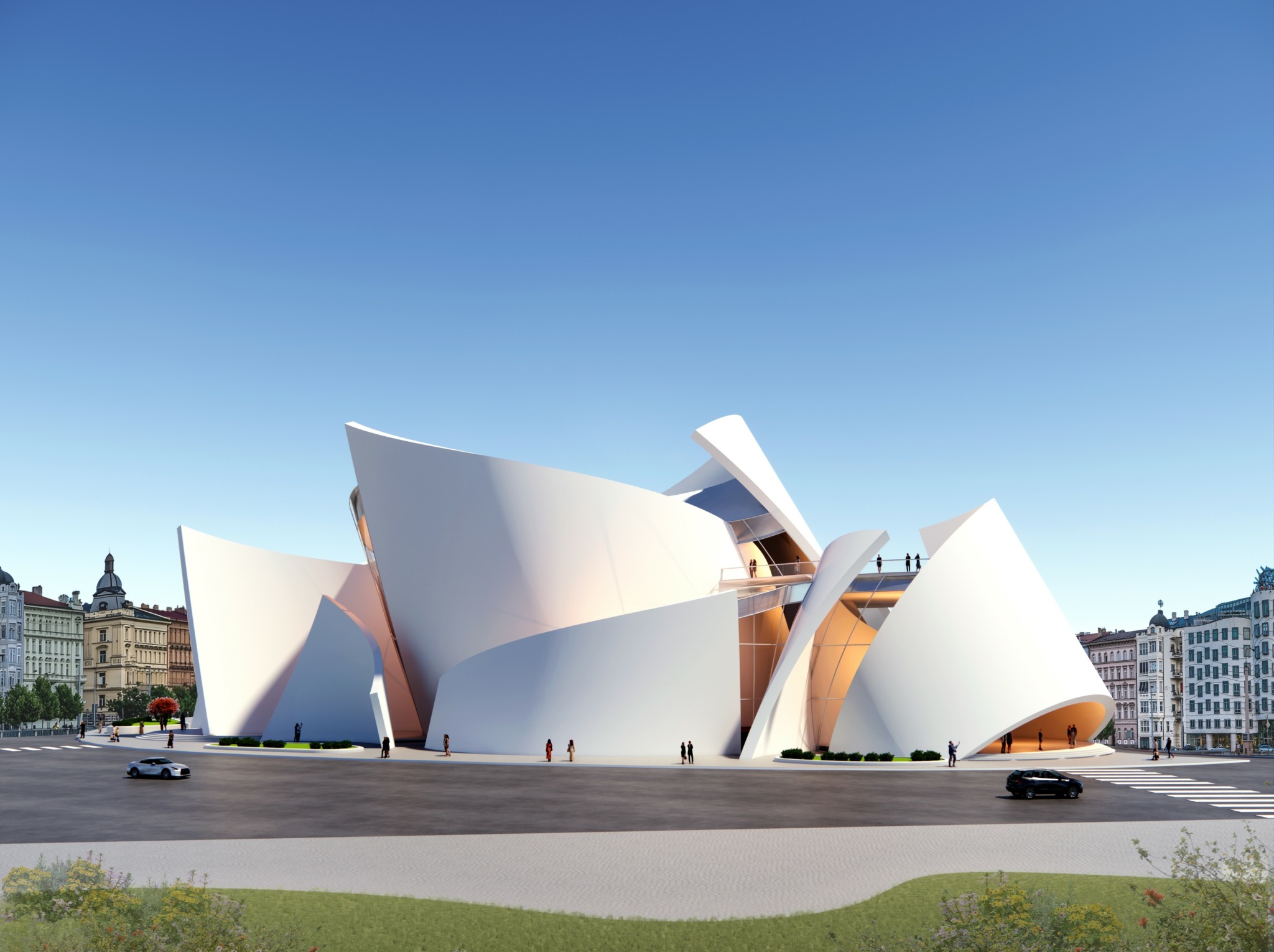
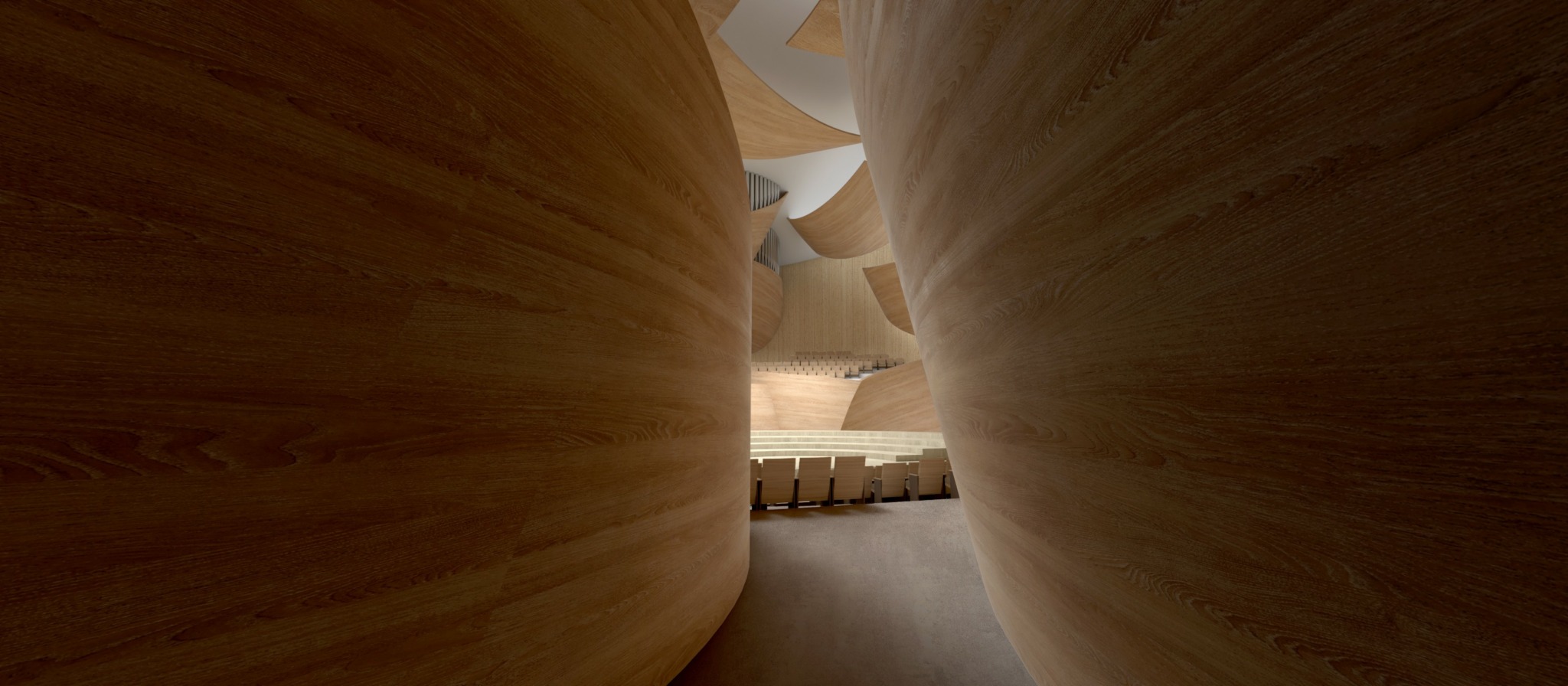
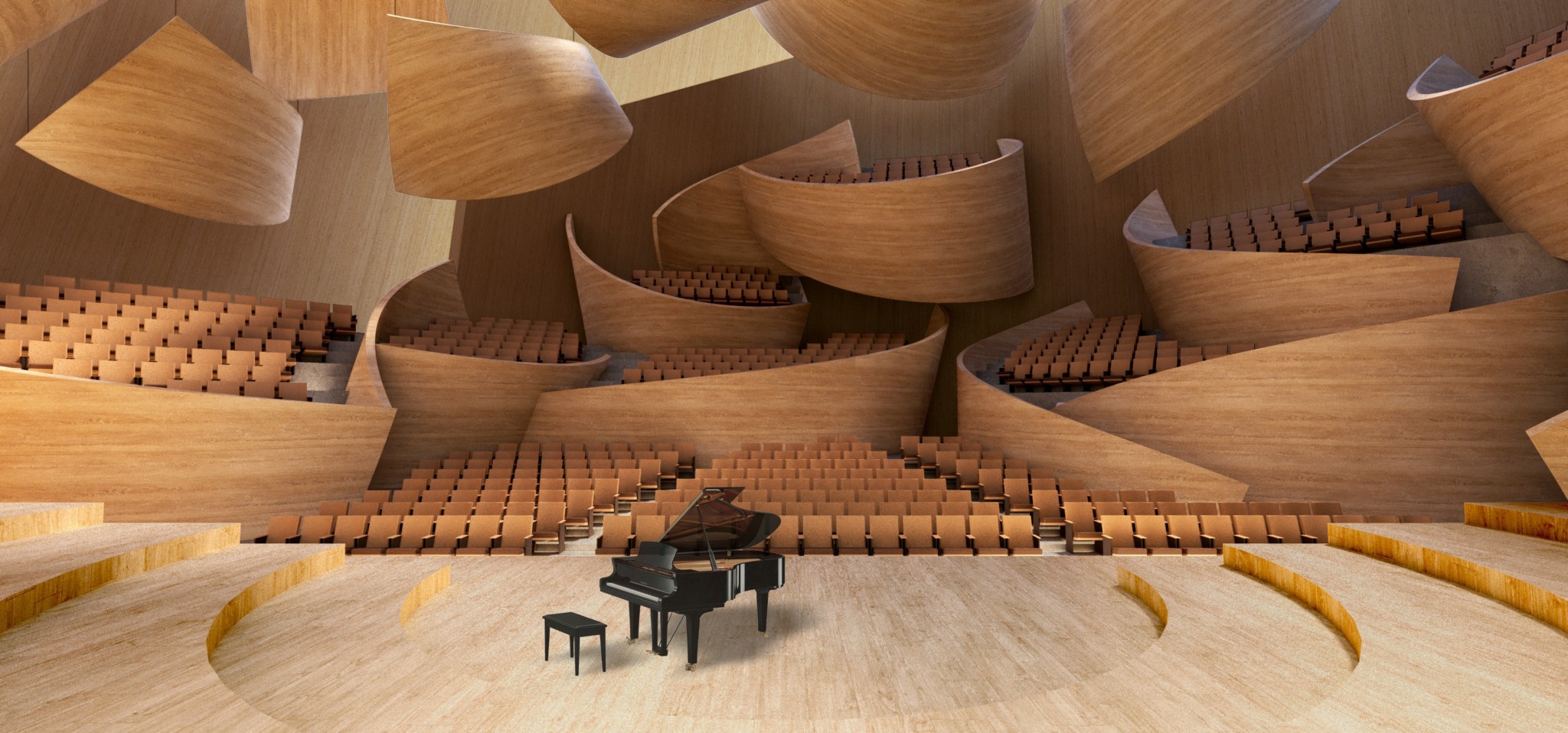
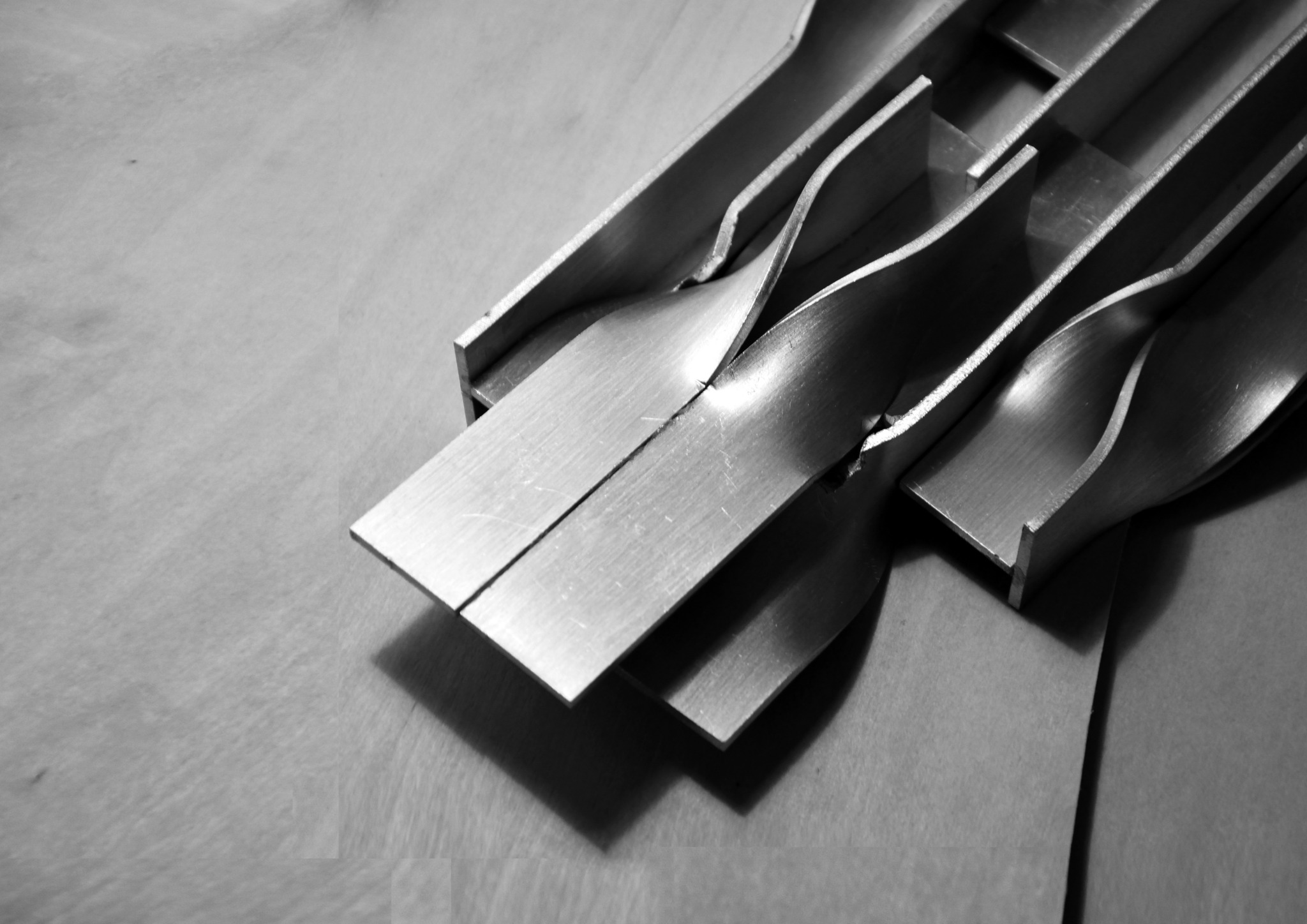
Studio Lihan’s architectural journey begins with exploring different materialities and their potential for spatial expression. In the project “Twisted Intertwining,” Lihan transformed the inherent ductility of metal into a spatial prototype, evolving it into a cohesive architectural language that culminated in the design of a complete exhibition space. This work was honored with a Special Mention Award at the Architizer 2023 A+Awards. Another remarkable project, “Tension Instrument,” explored the interplay of tension between wood and metal, exploring how the intangible essence of music can be translated into a tangible architectural experience. This innovative work was recognized on the Architizer 2023 A+Awards final list and received the A’ Design Golden Design Award.
What do you find most rewarding about being a creative?
For me, the most rewarding aspect of being an architectural designer is the opportunity to transform abstract ideas and intangible inspirations into tangible spaces that can profoundly shape human experiences. It’s incredibly fulfilling to see a design evolve from a sketch or a concept into a physical environment that connects people to their surroundings, evokes emotions, and tells a meaningful story.
The process of working with different materials is particularly rewarding. In projects like “Twisted Intertwining” and “Tension Instrument,” I immersed myself in handcrafting materials such as metal and wood, discovering their unique characteristics and potential for spatial expression. These hands-on explorations allowed me to connect with the essence of the materials and draw inspiration from diverse cultural contexts, blending them with innovative ways.
Beyond the technical or aesthetic achievements, what I find most gratifying is the dialogue that my work sparks—whether it’s between the past and the present, tradition and modernity, or between the spaces I create and the people who inhabit them. Being able to contribute to this ongoing conversation and witness how my work impacts others, both functionally and emotionally, is the ultimate reward of being an architectural designer.
Is there a particular goal or mission driving your creative journey?
The goal driving my creative journey is to explore the intersection of cultural heritage, materiality, and contemporary design, crafting spaces and experiences that resonate deeply with human connections. For me, architecture is not just about constructing buildings; it’s about shaping environments that reflect and enhance the lives of the people who inhabit them.
Much of my work is rooted in the exploration of raw materials and their intrinsic qualities. In “Twisted Intertwining,” I sought to handcraft metal into a spatial prototype, translating its natural ductility into a comprehensive architectural language for a fully realized exhibition space. Similarly, in “Tension Instrument,” I explored the interplay between wood and metal, delving into how the intangible essence of music could be transformed into a tangible architectural experience. Both works were deeply inspired by cultural narratives, blending craftsmanship with modern design philosophies, and were recognized with international accolades.
This hands-on approach to materials, combined with a curiosity for diverse cultural influences, has shaped my design philosophy. From my academic foundation at Columbia University and South China University of Technology to my professional experience at Kohn Pedersen Fox Associates, I’ve continuously sought to merge my cultural roots with diverse cultural contexts. Through Studio Lihan, I aim to push the boundaries of architectural innovation, weaving together cultural stories, material exploration, and contemporary practices.
Ultimately, my mission is to create environments that transcend mere functionality, serving as bridges between past and present, tradition and modernity. By embracing the unique character of materials and drawing inspiration from diverse cultural contexts, I strive to design spaces that evoke emotions, foster connections, and inspire a deeper appreciation for the world around us.
Contact Info:
- Website: https://www.studiolihan.com
- Other: https://competition.adesignaward.com/gooddesigner.php?profile=332152
https://competition.adesignaward.com/gooddesign.php?ID=147106
https://architizer.com/firms/studio-lihan/