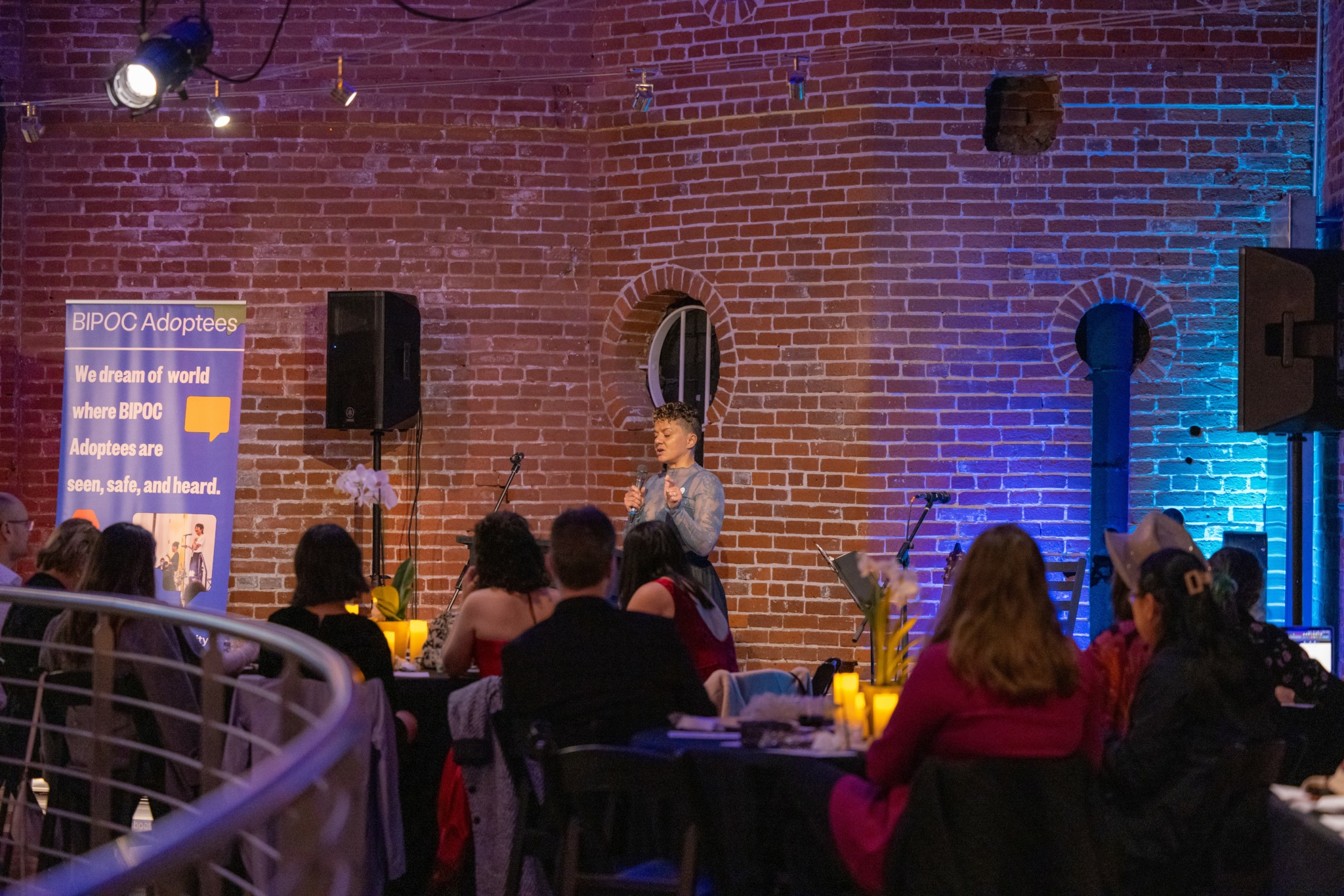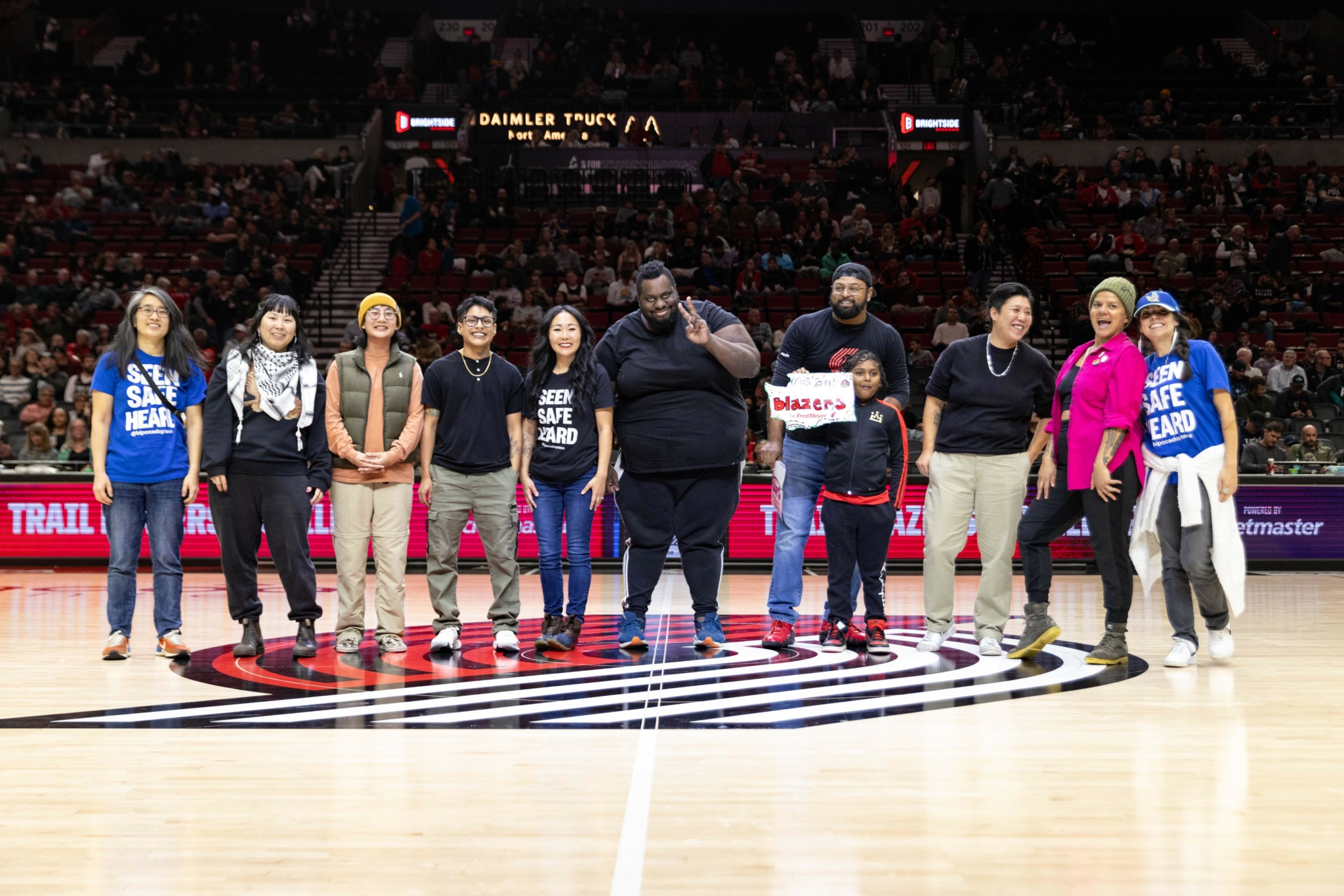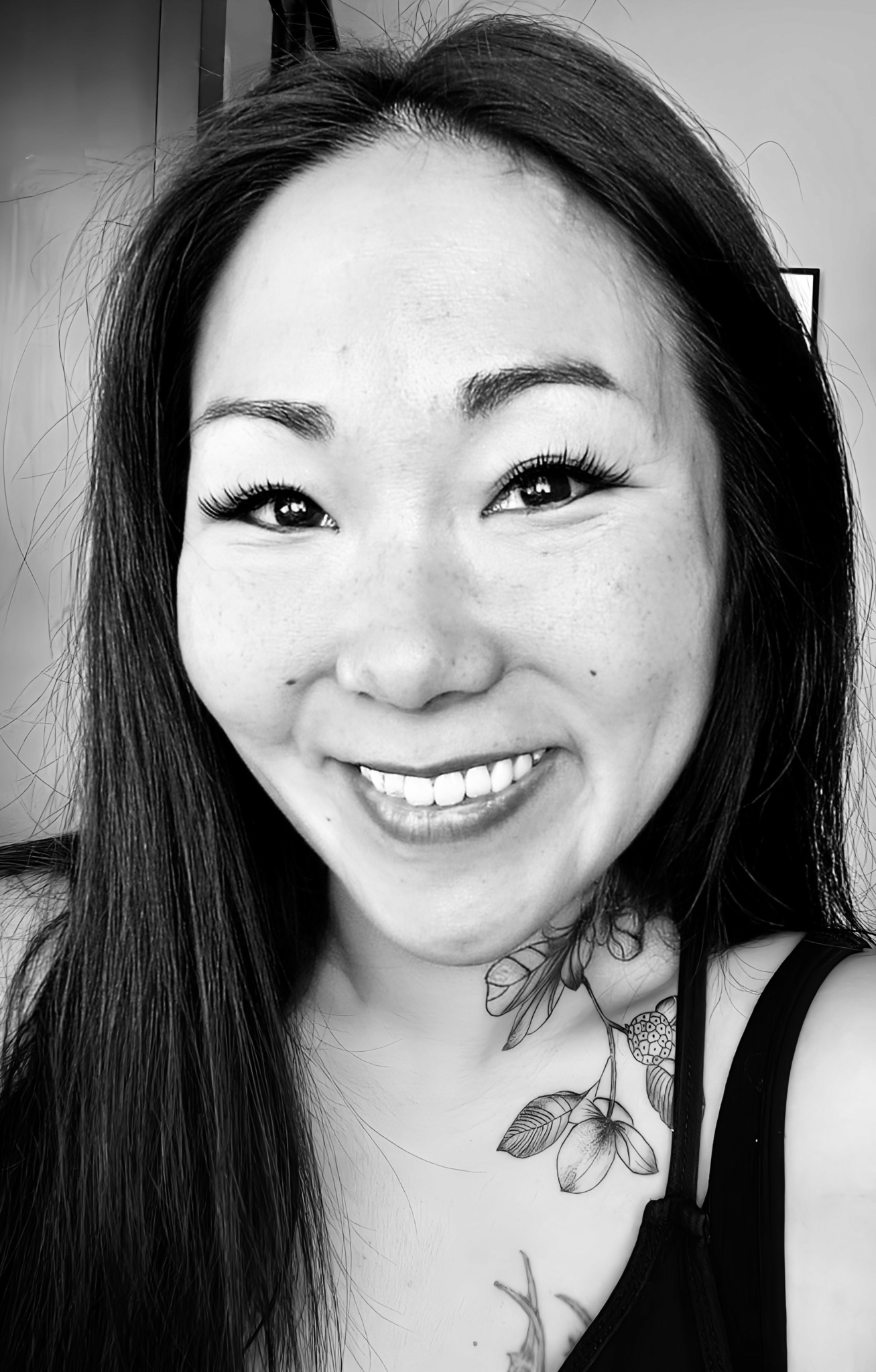

We recently connected with Liana Soifer and have shared our conversation below.
Liana, thanks for taking the time to share your stories with us today We’d love to hear the backstory behind a risk you’ve taken – whether big or small, walk us through what it was like and how it ultimately turned out.
For years, I lived with unanswered questions about my origins. Being a transracial adoptee, the complexity of my identity was always present, but I had learned to live with the uncertainty. At some point, though, I realized that these questions weren’t going away—they were becoming louder, shaping how I saw myself and my place in the world. But searching for my birth mother felt daunting. It wasn’t just about finding her; it was about confronting the unknown, facing potential rejection, and stepping into a story that might change everything I thought I knew about myself.
Deciding to search for my birth mother was not easy. The risk wasn’t just practical—like navigating language barriers—but deeply emotional. What if I couldn’t find her? What if she didn’t want to be found? What if learning the truth uncovered wounds I didn’t know I had? On top of that, there was the fear of disrupting her life or being seen as an intrusion. I had to accept that the outcome might be painful or that I might never find the answers I was looking for.
Ultimately, I realized that not searching would leave me with a deeper regret than trying and failing. My curiosity about where I came from and my desire to piece together my story outweighed the fear.
The journey has been anything but straightforward. The search became about more than finding my birth mother; it became a process of self-discovery, a way to reclaim my narrative. Ultimately, I was able to find her, and while our reunion gave me a sense of closure and perspective I hadn’t experienced before, it also brought its own complexities. Reunions are rarely simple—they come with layers of emotion, unanswered questions, and a need for ongoing navigation of the relationship. What I learned along the way is that finding her wasn’t an ending or a neat resolution. In fact, it opened doors to more unknowns, including discovering falsified information in my adoption records.
Taking this risk has deepened my empathy and perspective. It has reminded me of the power of curiosity, resilience, and the human need to connect with our roots. It has taught me that sometimes the greatest growth comes from stepping into the unknown, even when the path is uncertain and the answers we seek lead to even more questions.
Awesome – so before we get into the rest of our questions, can you briefly introduce yourself to our readers.
I’m Liana, a Korean transracial adoptee and the Co-Founder and Executive Director of a nonprofit organization dedicated to creating spaces for BIPOC adoptees to heal, connect, and build collective power. Our work is grounded in social justice and community care, focusing on addressing systemic inequities in adoption while fostering collective healing and empowerment.
As a transracial adoptee, I’ve experienced firsthand the challenges of navigating cultural erasure, systemic racism, and the emotional complexities of adoption. But this work is not about my individual story or any single experience—it’s about the collective. Our organization is built on the belief that true change comes from the power of community and the diversity of voices within it. We are not a space that centers one person, one story, or one perspective. Instead, we focus on building a collective movement that amplifies the full spectrum of BIPOC adoptee experiences.
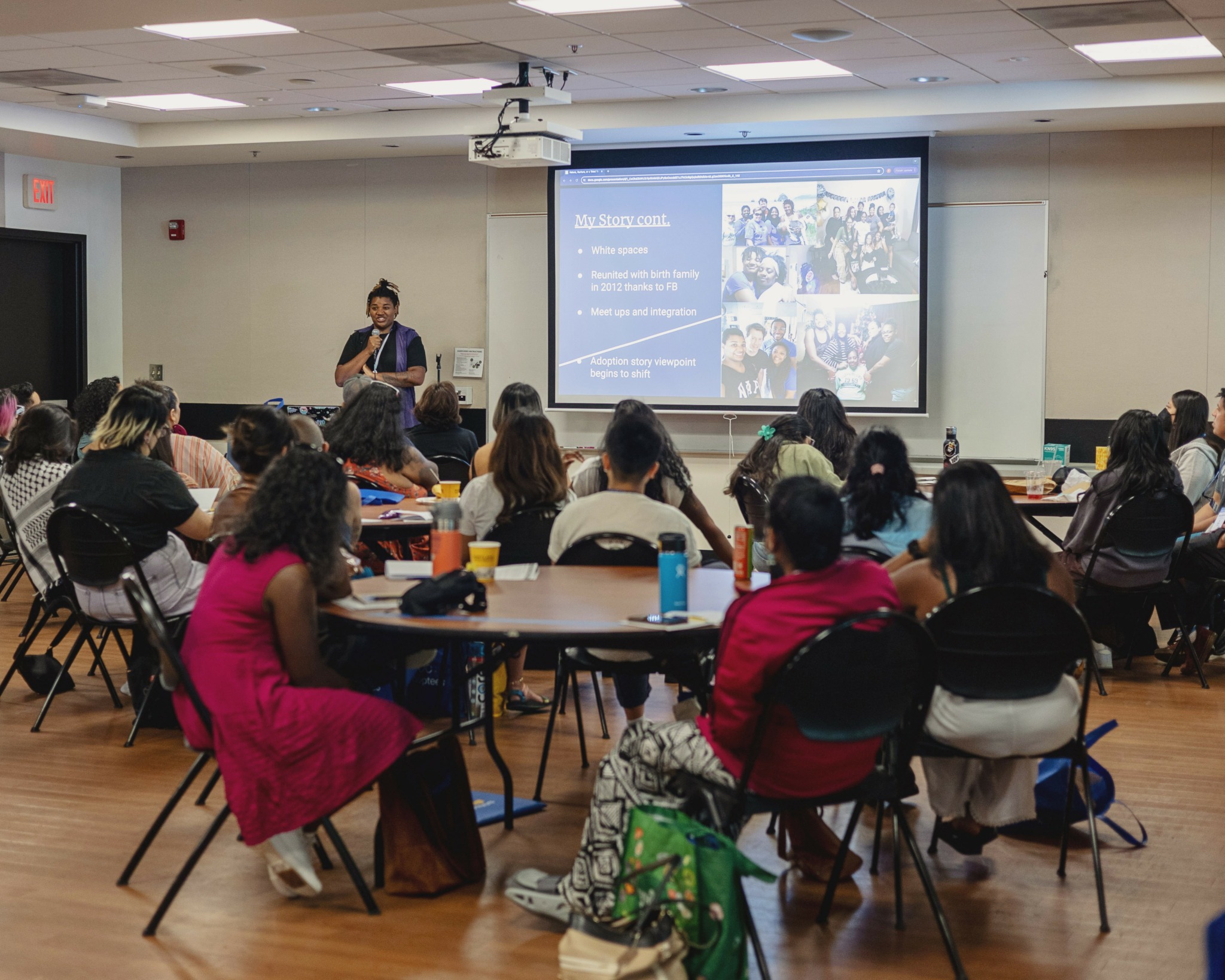
Our work is rooted in the understanding that healing and justice are communal processes. Everything we do—from our healing retreats and storytelling events to our educational workshops and digital initiatives—is co-created with the community we serve. We believe in the power of mutual care and collaboration, where every voice matters and every story contributes to the larger movement for adoptee justice. Our events, like our annual conference and healing retreats, are designed to bring people together, foster solidarity, and create opportunities for shared growth and resilience.
At the heart of our work is a commitment to disrupting harmful narratives around adoption. The traditional narratives often focus on adoptive parents or agencies, leaving adoptee voices silenced or overlooked. We aim to change that by creating spaces where adoptees are centered as experts in their own lives, and where the diversity of their identities—spanning race, gender, ability, and more—is celebrated and valued.
What sets us apart is our grassroots, adoptee-led approach. We are the only nonprofit centering BIPOC adoptees across all ethnicities, and our leadership reflects the community we serve. Our team includes adoptees with intersecting identities—LGBTQIA+, neurodivergent, intercountry, and multi-marginalized—ensuring that our work is as inclusive and intersectional as the community itself. This diversity allows us to address a wide range of issues, from mental health disparities to cultural erasure, with a deep understanding of how systemic injustices impact BIPOC adoptees.
One of the things I’m most proud of is how we’ve built a sense of belonging and collective care within the adoptee community. Whether it’s through our storytelling campaigns that challenge dominant adoption narratives, our healing retreats that provide trauma-informed, culturally competent care, or our educational programs that equip professionals to better serve adoptees, everything we do is about fostering connection and solidarity. It’s not about one person leading the charge—it’s about all of us moving forward together.
If there’s one thing I want people to know about our work, it’s that it’s about more than adoption. It’s about reimagining a world where collective care and justice are at the center, where adoptees are recognized as vital contributors to broader social movements, and where healing is a communal act that uplifts everyone involved. Together, we’re building a movement for adoptee justice that’s rooted in the power of community, collaboration, and the belief that none of us are free until all of us are free.
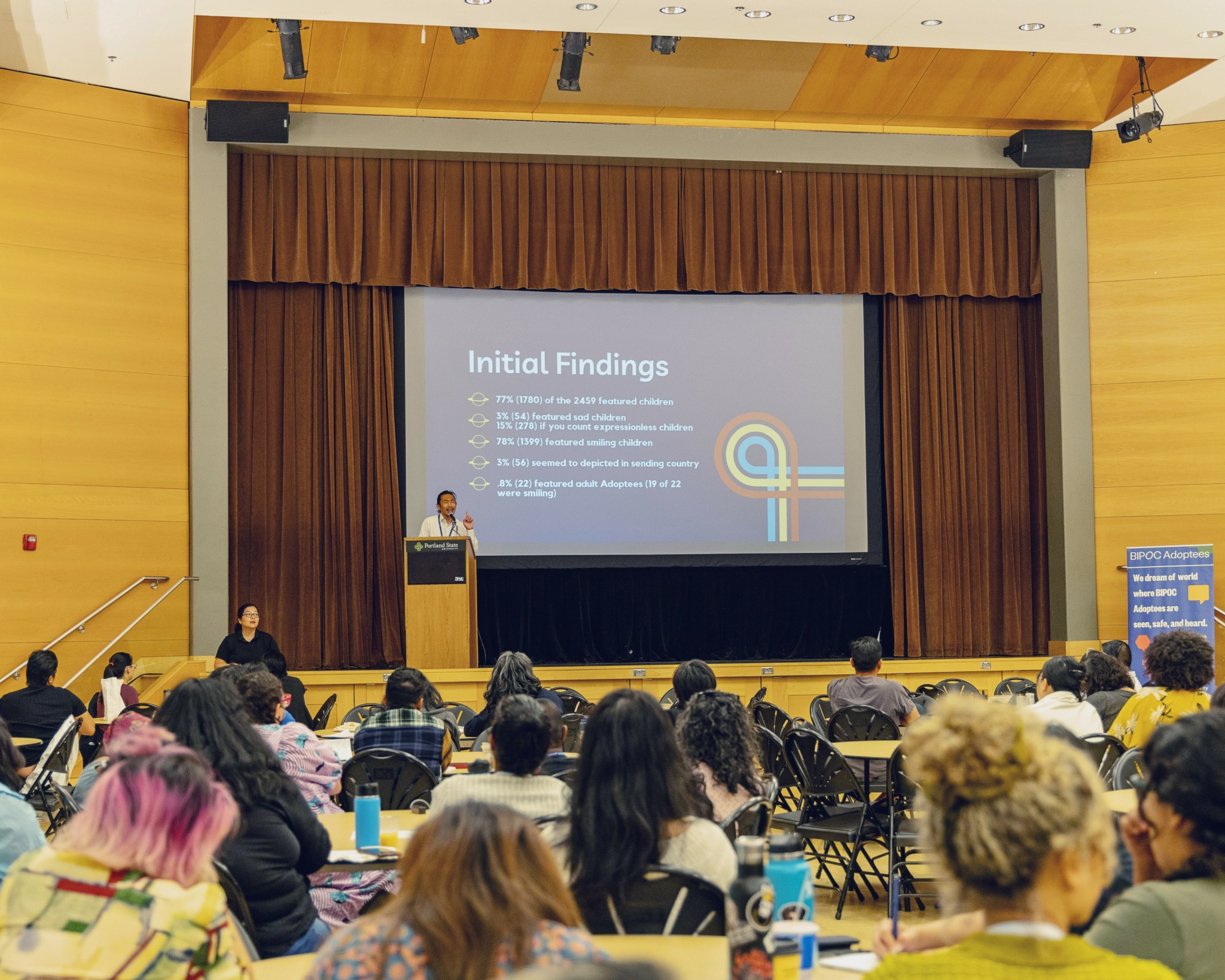
Can you share a story from your journey that illustrates your resilience?
As a Korean transracial adoptee, resilience for me is deeply tied to the mental health crisis faced by adoptees, especially those from marginalized communities. Adoptees experience disproportionately high rates of depression, anxiety, and suicide due to systemic silencing, cultural erasure, and the emotional complexities of adoption. It’s a crisis that has only deepened in recent years, fueled by societal narratives that expect us to feel “grateful” for being adopted while disregarding the loss, trauma, and identity struggles that often come with it.
Confronting this crisis—both personally and through the work we do—requires immense resilience. For me, resilience has meant showing up for the community, even when the work is deeply personal and emotionally taxing. It has meant sharing my lived experience in spaces where adoptees’ voices are often marginalized, and challenging the societal norms that dismiss our pain and complexities. Educating others about the realities of adoption in a world that clings to a “saved and grateful” narrative requires vulnerability, strength, and persistence, even when the weight of that work feels overwhelming.
But this resilience isn’t mine alone—it’s something we embody collectively as a team and as a community. Together, we face the systemic challenges that perpetuate this crisis, from limited access to mental health resources for adoptees to the harmful narratives that erase our truths. Our shared commitment to creating spaces for healing, empowerment, and advocacy sustains all of us. Whether we’re organizing programs, amplifying adoptee stories, or fostering connections, we persevere because we know how much is at stake.
Resilience for me—and for us—is about more than surviving the crisis. It’s about transforming it into a catalyst for change. It’s about building a community that reflects the strength, diversity, and collective care of adoptees, even in the face of systemic erasure. This work is personal, yes, but it’s also communal. Together, we’re proving that resilience can create something powerful: a future where adoptees are seen, valued, and supported in all their complexities.
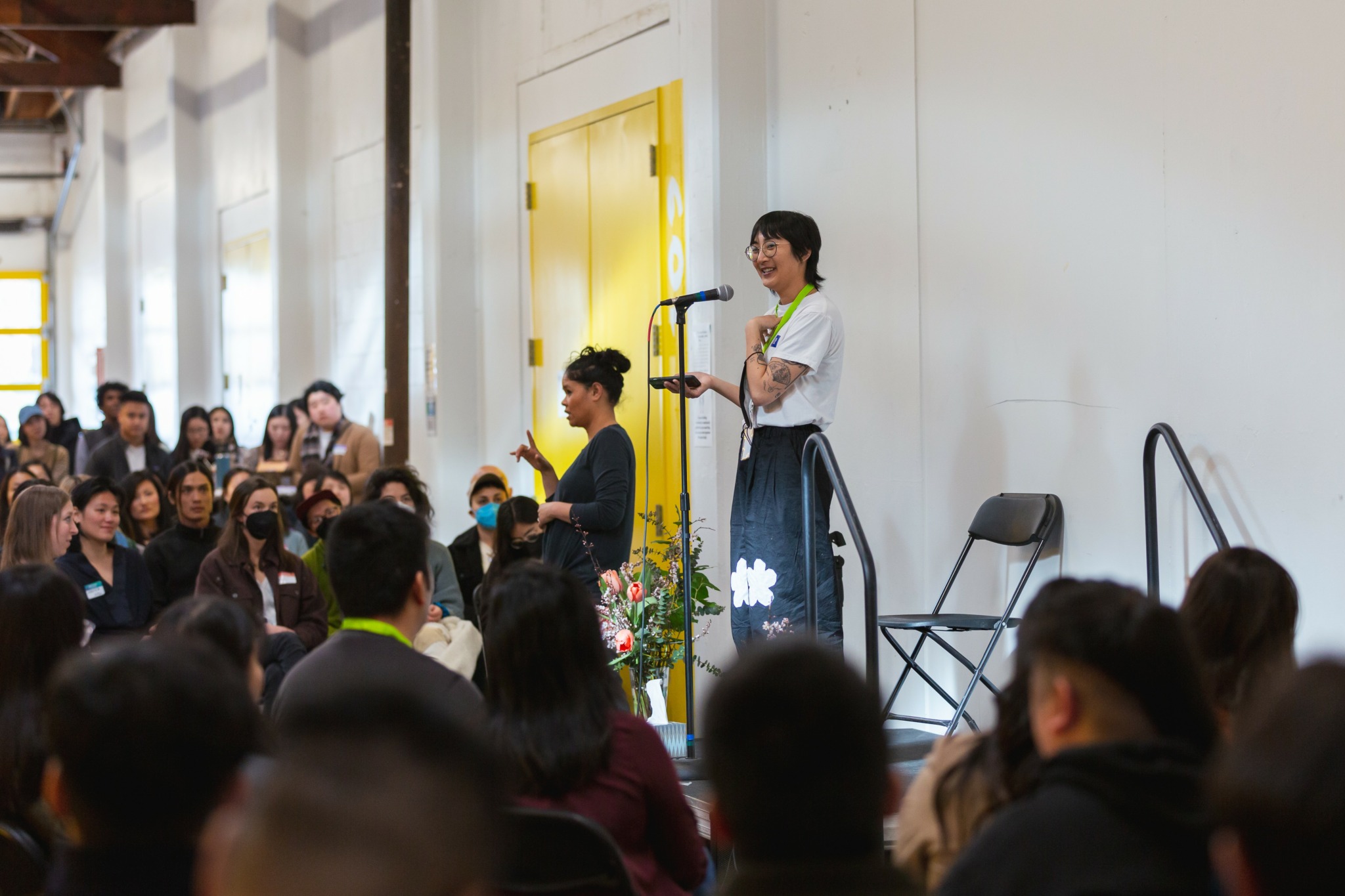
How’d you build such a strong reputation within your market?
Our reputation has been built on integrity, authenticity, and an unwavering commitment to serving our community with care and purpose. For many adoptees, our lived experiences begin with a transaction—where decisions about our lives were often tied to systems of profit and exchange. This reality fuels our mission to operate in a way that disrupts transactional models. We believe that our community members should never have to barter for resources or access. That’s why we work tirelessly to ensure our events, programs, and services are accessible, free, or low-cost, so that adoptees can engage with culturally affirming, adoptee-centered spaces without additional barriers.
Integrity is at the heart of everything we do. We’re transparent about our goals, our challenges, and the impact we aim to create. People trust us because we stay true to our values—centered on justice, community care, and collective empowerment. This trust has grown through our consistent efforts to provide spaces where adoptees feel valued, supported, and represented.
Another key factor in building our reputation has been our commitment to lived experience. Our work is informed by the voices and stories of BIPOC adoptees, and our team reflects the diversity of the community we serve. We don’t just talk about the issues—we live them. That authenticity resonates deeply with others who see their own experiences reflected in our programs and initiatives.
Finally, we focus on community over competition. Our work is rooted in collaboration, amplifying the voices and talents of others in the adoptee community. We prioritize partnerships that align with our values, ensuring that every initiative we undertake serves the collective good rather than centering individual recognition.
Ultimately, what sets us apart is our belief in equity, care, and justice. We’re not just building a reputation—we’re building a movement. One that challenges systemic inequities, fosters healing, and ensures that no adoptee has to navigate their journey alone or without the support they deserve.
Contact Info:
- Website: https://www.bipocadoptees.org
- Instagram: https://www.instagram.com/bipocadoptees/
- Linkedin: https://www.linkedin.com/in/liana-soifer/
- Youtube: https://www.youtube.com/@bipocadoptees