


 Image credits
Augusto Piccio
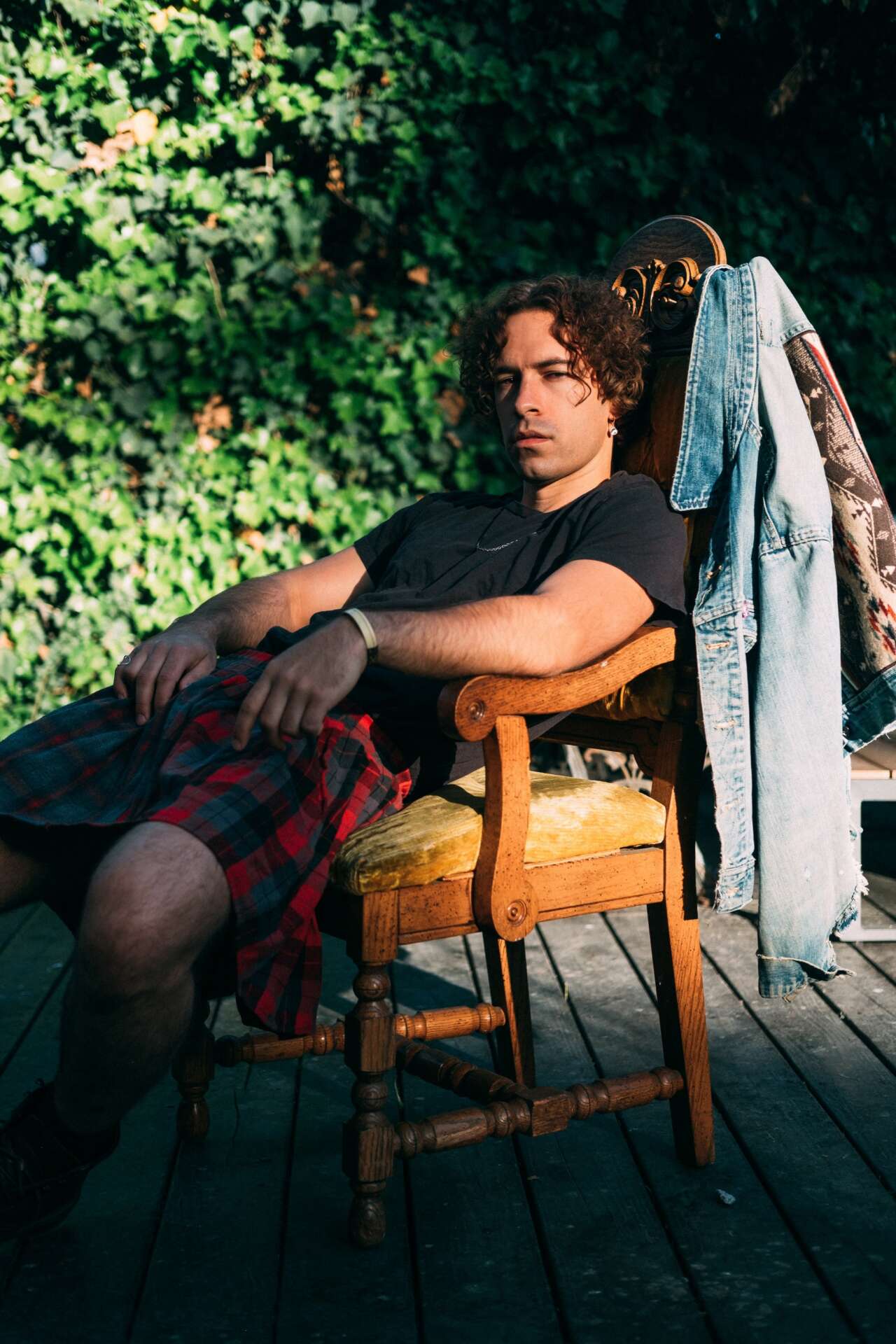
We recently connected with Liam Tully and have shared our conversation below.
Liam, thanks for joining us, excited to have you contributing your stories and insights. Are you happy as a creative professional? Do you sometimes wonder what it would be like to work for someone else?
“Are you happy?” is a really interesting question that I think about a lot, because people can have such wildly different requirements for happiness. And the fact that one person can be just as happy in a regular 9-5 as a different person can be working as a creative–a lifestyle that’s inherently unstable, with no set hours, and no one to answer to but yourself–is proof of that.
On this particular afternoon, am I happy?… I don’t know if I’m overjoyed. But yeah, I’m happy. Because things can be so up and down as an artist–you can make a million dollars in a month and then make nothing for three years–I’m actively working on learning not to let my happiness be so tied to how “hot” I am as an artist at any given moment. That’s a really unsustainable way to live, especially given that how in-demand you are as an artist or how much money you make is so intrinsically dependent on the subjective opinions and tastes of other people.
That’s one of the fundamental differences between a “regular job” and a creative one. If I work in an accounting firm, there’s someone above me who tells me exactly what tasks I need to complete, by when, and exactly what the consequences will be if I do or don’t finish those tasks. If I follow directions and complete enough of those tasks for long enough, I get a raise or a promotion. And once I get to that next rung up the ladder I generally won’t dip below it as long as I continue to follow directions.
As an artist, there’s no preordained path up the ladder of success, and even what “success” is can be slippery to define. There’s no one giving you tasks, and no one to dole out consequences if you don’t do your job. In a way, it’s way more responsibility and requires a lot more self-discipline. But if you happen to strike the right combination of discipline, timing, and originality, the rewards come from something YOU created, from your own mind, out of thin air. What an incredible phenomenon, that something can just not exist in the world and then you can bring it into existence. And then it exists forever.
So do I wonder what it would be like to have a regular job? Absolutely. But I’m pretty sure I prefer this.
As always, we appreciate you sharing your insights and we’ve got a few more questions for you, but before we get to all of that can you take a minute to introduce yourself and give our readers some of your back background and context?
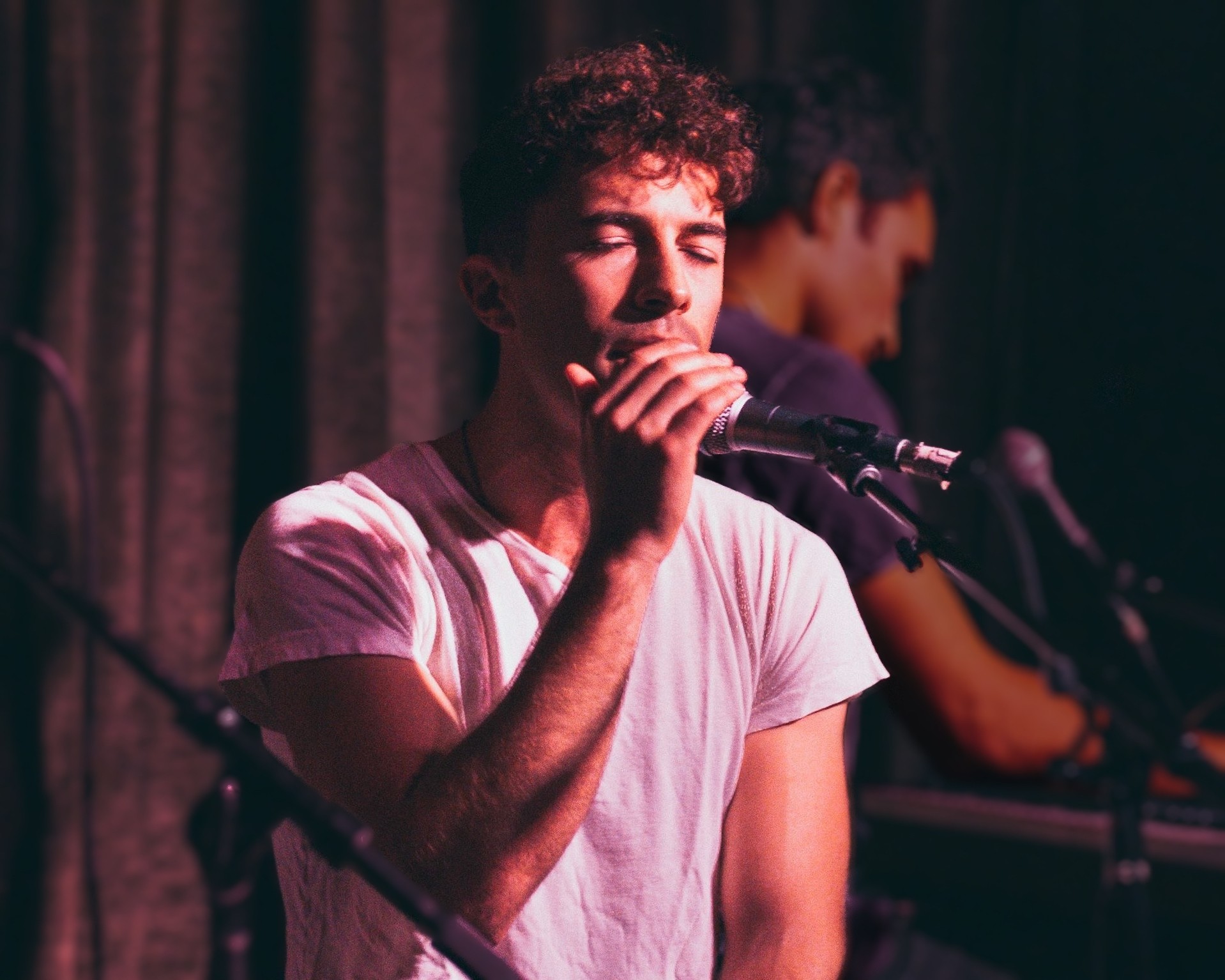
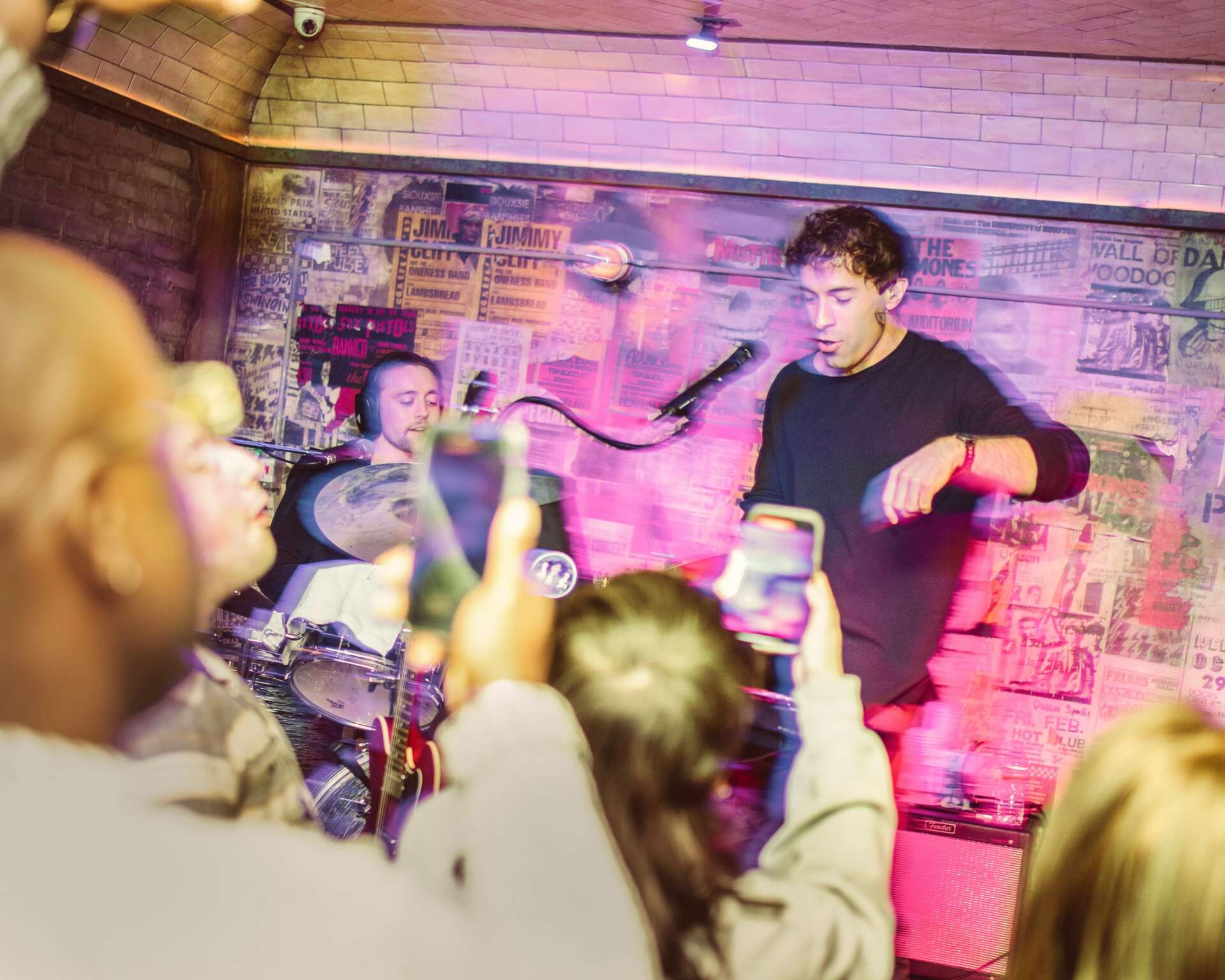
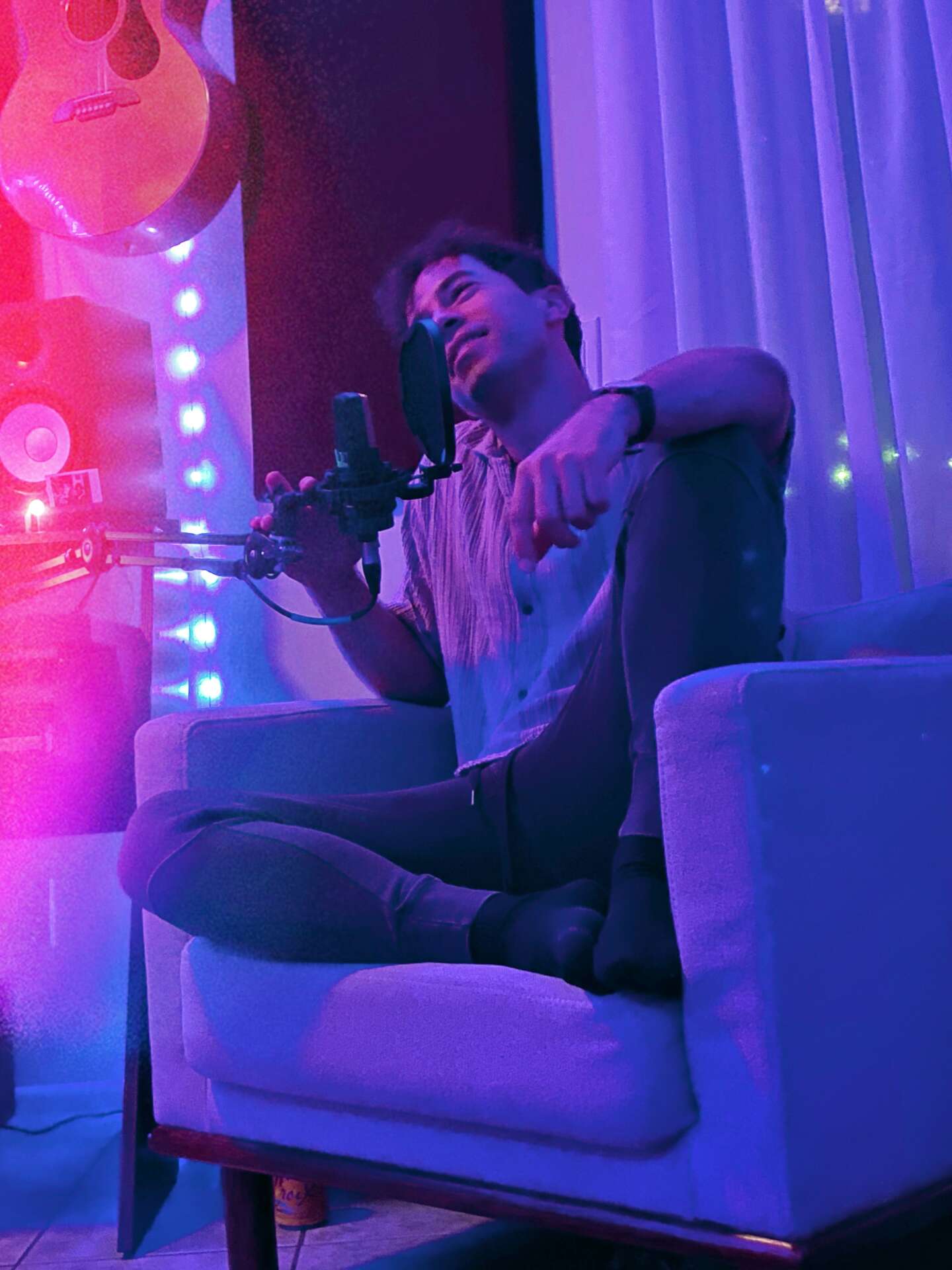
I’m an Oakland-bred/Los Angeles-based songwriter and producer, my last release just passed 7 million streams and I’m in the midst of finishing two new songs that are collaborations with a few of my favorite up-and-coming artists in LA.
I grew up listening to old rock n roll and blues. Chuck Berry made me want to play the guitar and be a ham onstage. Led Zeppelin made me want to change what music can sound like. And Paul Simon made me want to sing all the feelings people were having but didn’t know how to say out loud.
I spent a lot of years studying pop music and song structure, but these days I’m way more interested in making music with a mindset of “why not?” as opposed to “why?” These days I love artists who make music that way, artists like Labrinth, Brakence, and more recently Ggwendolyn.
I feel like I’m still finding my voice, but I think the most important thing to me in art is I’m writing something and I happen upon a lyric or an idea that scares me, then that’s the thing I HAVE to explore.
What can society do to ensure an environment that’s helpful to artists and creatives?
If there’s an artist you love, remember that their creation is providing a service to you. In the same way that going out for a nice dinner might bring you a joy and satisfaction, and so you give that restaurant and that waiter money for their service, an artist is also creating an experience for you to consume and find joy in. If you roll through life with the mentality that you’re entitled to other people’s creation, you’re making it harder for those creators to survive and bring you more joy. So go to a show of that smaller artist that you love, buy their merch, and remember that you’re not only investing in their art but your own happiness.
How about pivoting – can you share the story of a time you’ve had to pivot?
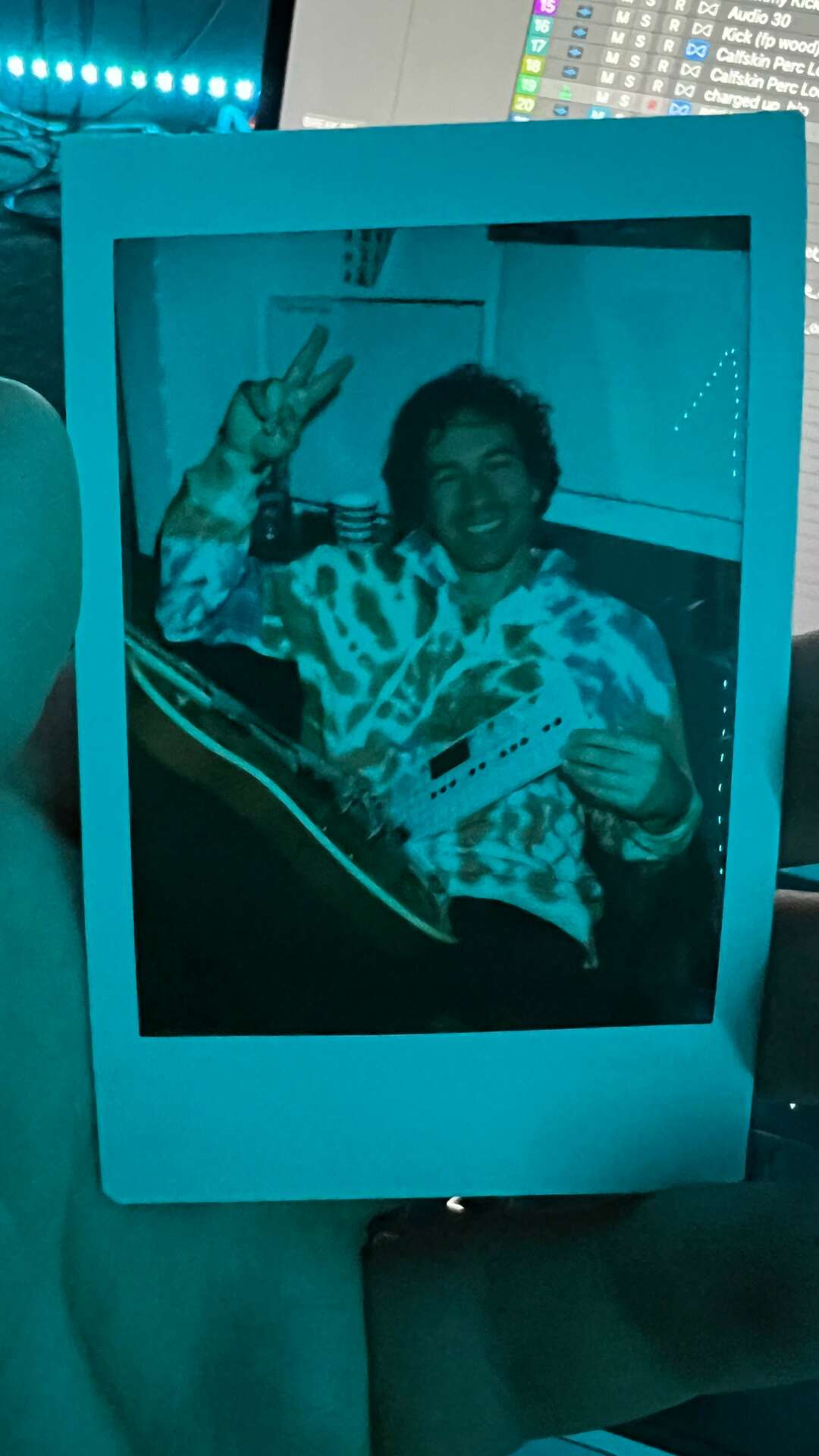
I started my musical journey in LA as a duo with my best friend and collaborator Johnny Mei. A few years into making music, he realized he simply wasn’t built for the artist life, and ended up moving back to Oakland and getting a job as a technical writer. It was one of the hardest paradigm shifts I’ve ever experienced, and coincided with a lot of other upheaval in my life. I had to figure out who I was as an artist and a person without this partner I’d built so much of my artistry and life around. That’s honestly a journey I’m still on. But right now I feel like an archaeologist who’s starting to dust off the outline of the whole skeleton, and that’s an exciting feeling.
Contact Info:
- Instagram: https://www.instagram.com/LiamTully
- Youtube: https://www.youtube.com/@LiamTully
- Other: https://www.tiktok.com/@liamtullymusic