


Alright – so today we’ve got the honor of introducing you to Liam Fox O’Brien. We think you’ll enjoy our conversation, we’ve shared it below.
Liam Fox, looking forward to hearing all of your stories today. We’d love to hear about the things you feel your parents did right and how those things have impacted your career and life.
My parents are very liberal, open-minded and humble people. Though there were separated for most of my childhood, they did a wonderful job of co-parenting and teaching me how to navigate life in a way that fostered my creativity. Both of my parents taught me to find and focus on what brought me joy and fulfillment. This is a wonderful gift for someone with a creative drive. I never felt pressure to make money above all else. The downside to this is that I have been broke many times as an adult and have had to work a few jobs that made me miserable.. I had to learn how to achieve financial freedom on my own.. The positive side is that I wake up every day with an urge to create beautiful, authentic, new sounds and pieces of music and I wake up feeling inspired rather than stressed or worried. It took a long time to get to the point of being my own boss but it was worth it and the journey is what helped develop my character. I feel so fortunate when I see other people my age so focussed on money and success that they are missing out on personal fulfillment, growth and just plain joyfulness… I think that is a sad way to live.
Liam Fox, before we move on to more of these sorts of questions, can you take some time to bring our readers up to speed on you and what you do?
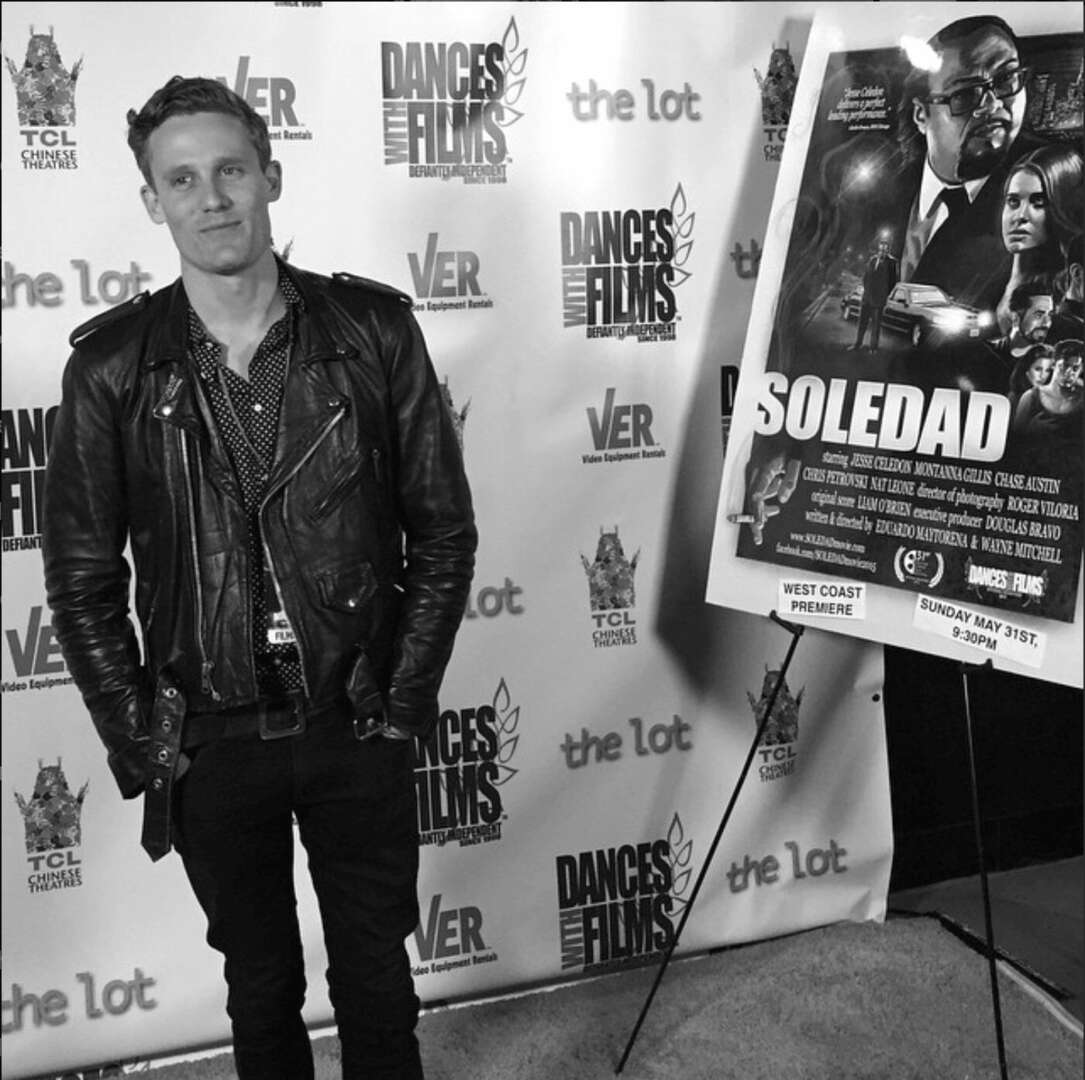
In a perfect world (designed by my younger self) I am a film composer. That was always my dream – to be like Bernard Herman, Howard Shore, Johann Johansson etc. Since younger me did not design the world we live in, I have had to develop other skills to help me pay the bills. Luckily some of those skills turned out to also be so creatively fulfilling and interesting to me that I can now say that I am a composer for all types of visual media as well as an ambient music artist, sound designer, field recordist, production sound mixer and foley artist. Its pretty rare that one can just start out as a composer getting hired to score blockbuster films. So to make money I have taken work creating original music for fashion videos, commercials, podcasts and web-series (among other mediums) and I have found that I have a dense and variable musical/sonic voice that can be applied to a wide variety of projects. Somewhere a long the way I began to try my hand at sound design and have been creating new sample libraries with Splice, regularly for the past 6 years. Sound design, as an art form is endlessly fascinating to me and seems to be a bit of a growth industry within entertainment and advertising. Foley art is a traditional element of filmmaking that I also love to create and I am noticing more and more that modern storytelling is calling for an increased use of creative sound design with foley work and the line differentiating the two is becoming increasingly blurred (in an exciting way). There is a growing need for a deeper attention to detail on the sonic side of filmmaking. On top of this, my career as a production sound mixer emerged when I decided that I wanted to be more involved with the production side of filmmaking. As a sound mixer on set I could venture out of my studio space and be around other creatives, learning as much as I possibly can about the process of creating visual media. I eventually learned that I am, in many ways just purely passionate about sound in general and I enjoy playing different roles in both production and post-production sound departments. Each one of these pursuits benefits the other in ways that I didn’t anticipate. One of my strengths as a composer is my ability to design rich, colorful sounds from scratch that can be used in place of something more traditional like a violin or a trumpet. I can create beautifully effective scores that emote in just the same way a traditional film score might but with a pallet that the audience might not recognize. Another example of this cross-training effect is in production sound mixing. Using microphones to capture on set dialogue and diabetic sounds has elevated and expanded my recording abilities which I then apply to music production, increasing the overall quality of my output.
Can you tell us about a time you’ve had to pivot?
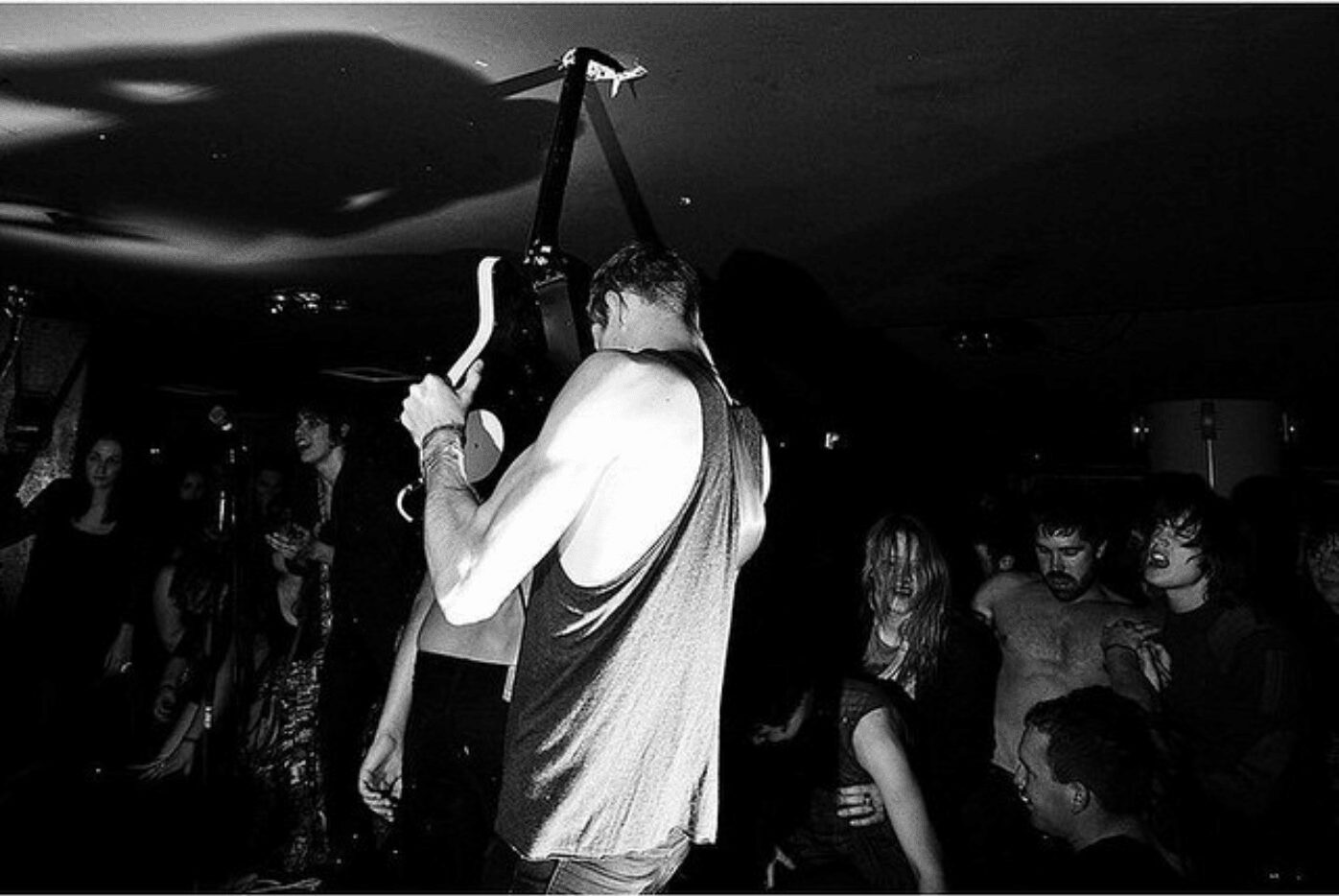
My career in music began at around age 16. I started a punk band with some friends with the sole intention of having fun. One thing led to another and we began booking shows all over Australia (where a grew up). Before I had finished high school I was in a touring band that was getting a lot of attention. My life goals quickly became all about music. Our band, The Scare was signed to EMI a couple weeks before my 18th birthday and we decided to relocate to the UK with the advance money. We spent several years touring around the UK and Europe and we released 2 albums and 3 EPs. The plan was to keep improving and growing as a band and hopefully get to the point where we were living off our music. Sadly as we grew into young men we grew apart in many ways and a series of unfortunate events led to an inevitable breakup. I had spent my youth having an absolute blast but just scraping by financially and I had skipped out on any kind of college education. After the breakup of The Scare, I thought that I wanted to become a producer and spend more time in the studio. I felt as thought I’d had enough of the touring rock ‘n’ roll life style. I knew about a private college called SAE (School of Audio Engineering) so I figured I would apply for a scholarship and see where that took me. Thankfully, I won the scholarship and got a full ride toward a degree in music production. While studying and spending countless hours in the school’s recording studios, I eventually discovered, through a practical assignment that scoring to picture was possibly one of the most fascinating and exciting things I could ever do. The assignment was to create a piece of music for visual media and I took an experimental approach to it. Taking a cue from Neil Young’s score for the Jim Jarmusch film, “Dead Man”, I had a guitarist friend of mine visit the studio one night with his guitar and effects pedals, setup in front of a projector screen and in 2 or 3 takes, narrate the story of what he could see on the screen, with his guitar. The scene I chose was the “Finds money” scene from the beginning of “No Country for Old Men”, which has very little dialogue and plenty of room for musical interpretation. We recorded maybe 16 minutes of guitar total and I then spend a few days chopping up the recordings and collaging together a beautiful, enthralling score that I felt enhanced the scene. After this I was completely set on becoming a film composer. The whole process was so powerful and gratifying to me.
Looking back, are there any resources you wish you knew about earlier in your creative journey?
“Oblique Strategies” is a deck of cards made by music producer Brian Eno and artist Peter Schmidt. Each card has a simple phrase written on it that is designed to inspire or change your perspective within the creative process. I have had a copy of this for maybe 10 years now and I still use it daily. Whether I feel stuck in a moment, confused about what to try next or if i’m just taking a break and want to gain some perspective, I will take a card out and meditate on the sentiment for a couple minutes. Sometimes it can be totally profound and the words seem to be exactly what you needed to read in that moment, other times it can just make you laugh or attempt a small change that may or may not have a butterfly effect on the rest of your project… I think every creative person in the world should have a copy of this product. Just to give you an idea, here are some examples of cards I am pulling at random from the deck right now – “Look closely at the most embarrassing details and amplify them”, “Remember .those quiet evenings”, “Think: Inside the work. Outside the work”, “Where’s the edge? Where does the frame start?”, “Breathe more deeply”
Contact Info:
- Website: https://liamfoxobrien.com
- Instagram: @liamfoxobrien
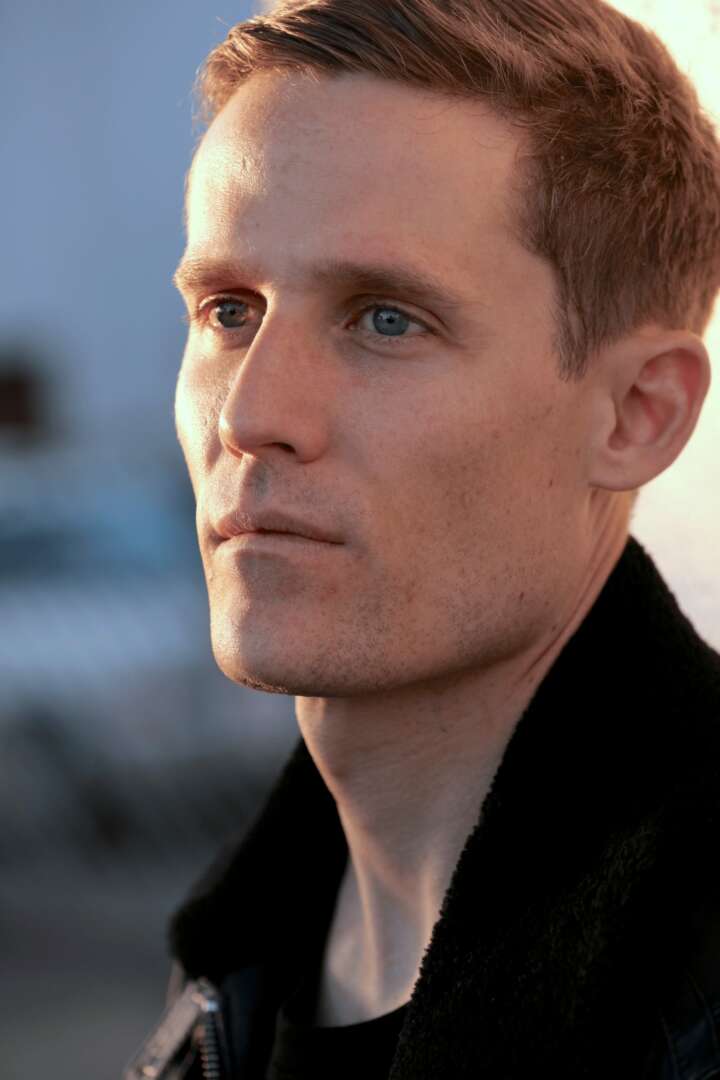
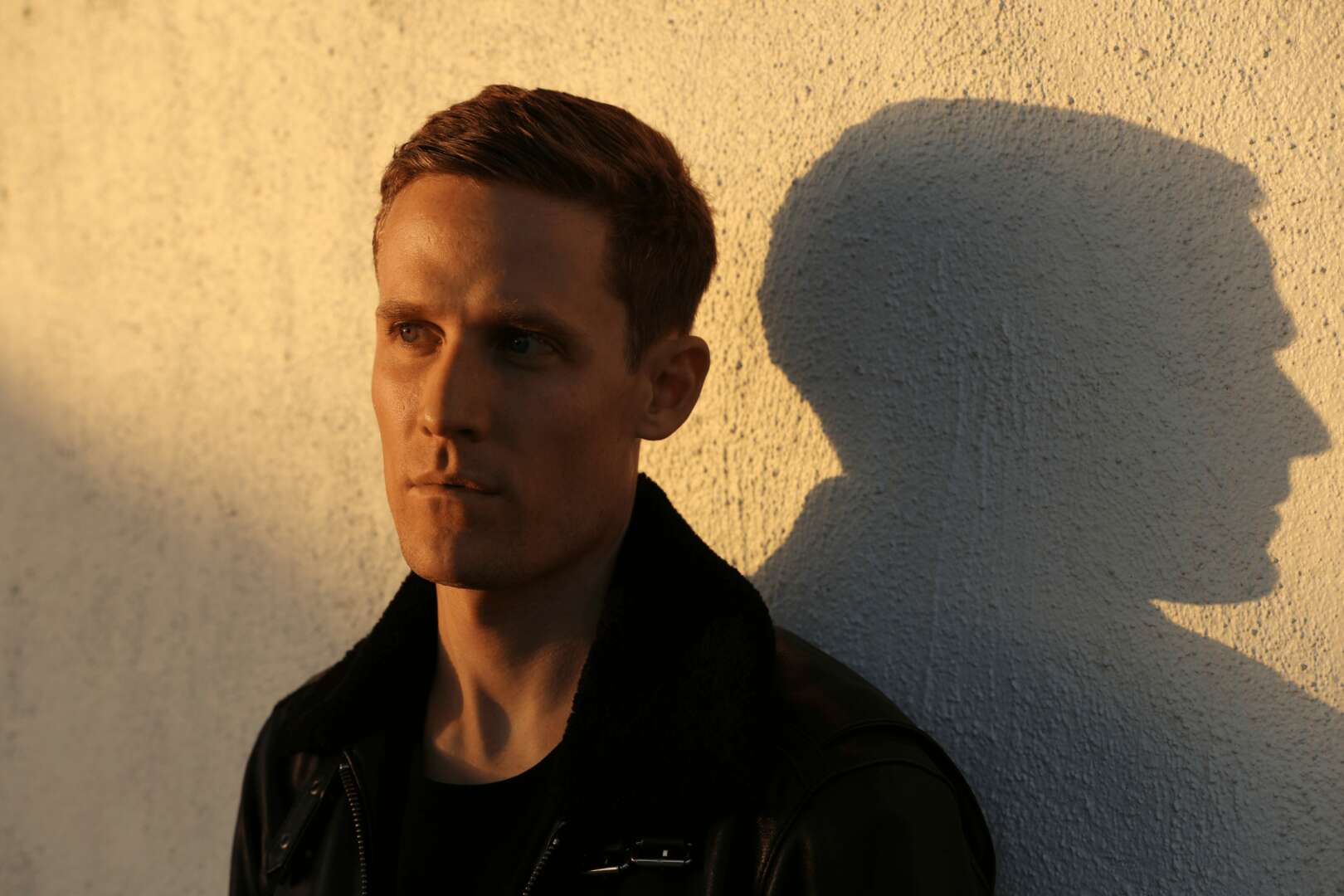
Image Credits
Will Davidson