
Alright – so today we’ve got the honor of introducing you to Levern Currie. We think you’ll enjoy our conversation, we’ve shared it below.
Alright, Levern thanks for taking the time to share your stories and insights with us today. We’d love to have you retell us the story behind how you came up with the idea for your business, I think our audience would really enjoy hearing the backstory.
I didn’t initially set out to revolutionize drive-thrus, but sometimes, a simple moment of awareness can change everything. As someone with a background in human-computer interaction, human-computer interfaces, and assistive technology, I’ve always been drawn to solving problems that make everyday life easier. But this one? It wasn’t even on my radar—until one day, I stopped and asked myself: How do Deaf and Hard-of-Hearing people order at a drive-thru?
I didn’t know the answer to that and it bothered me. So I started looking.
What I found was that it wasn’t just inconvenient, it was discrimination baked into the system. There were videos, too many of them, of Deaf and Hard-of-Hearing customers being ignored, refused service and even mocked. Some workers refused to accept written orders, others walked away, some assumed they were “faking” their disability, and even worse – called the police. It wasn’t just happening in one place. It was everywhere and it’s been happening for decades. Lawsuits from deaf discrimination at the drive-thru with big-name brands are all just a Google search away. The same brands that claim to care and be dedicated to customer service.
While I am not deaf/hoh nor do I know anyone close to me that is, I do know what it feels like to be discriminated against given that I’m a black woman, so I’ve lived it. I’ve felt the frustration of being treated unfairly, knowing you deserve better, but being stuck in a system that wasn’t designed with you in mind. But I also have to think of people that looked beyond themselves to help push for change for people like me. I knew that I had the knowledge and capability to make the technology and that’s when I thought that I could fix this. Because for me, once I saw the problem, there was no unseeing it. I want to live in a world where we use our talents to solve problems and help each other. I think we owe it to each other as human beings.
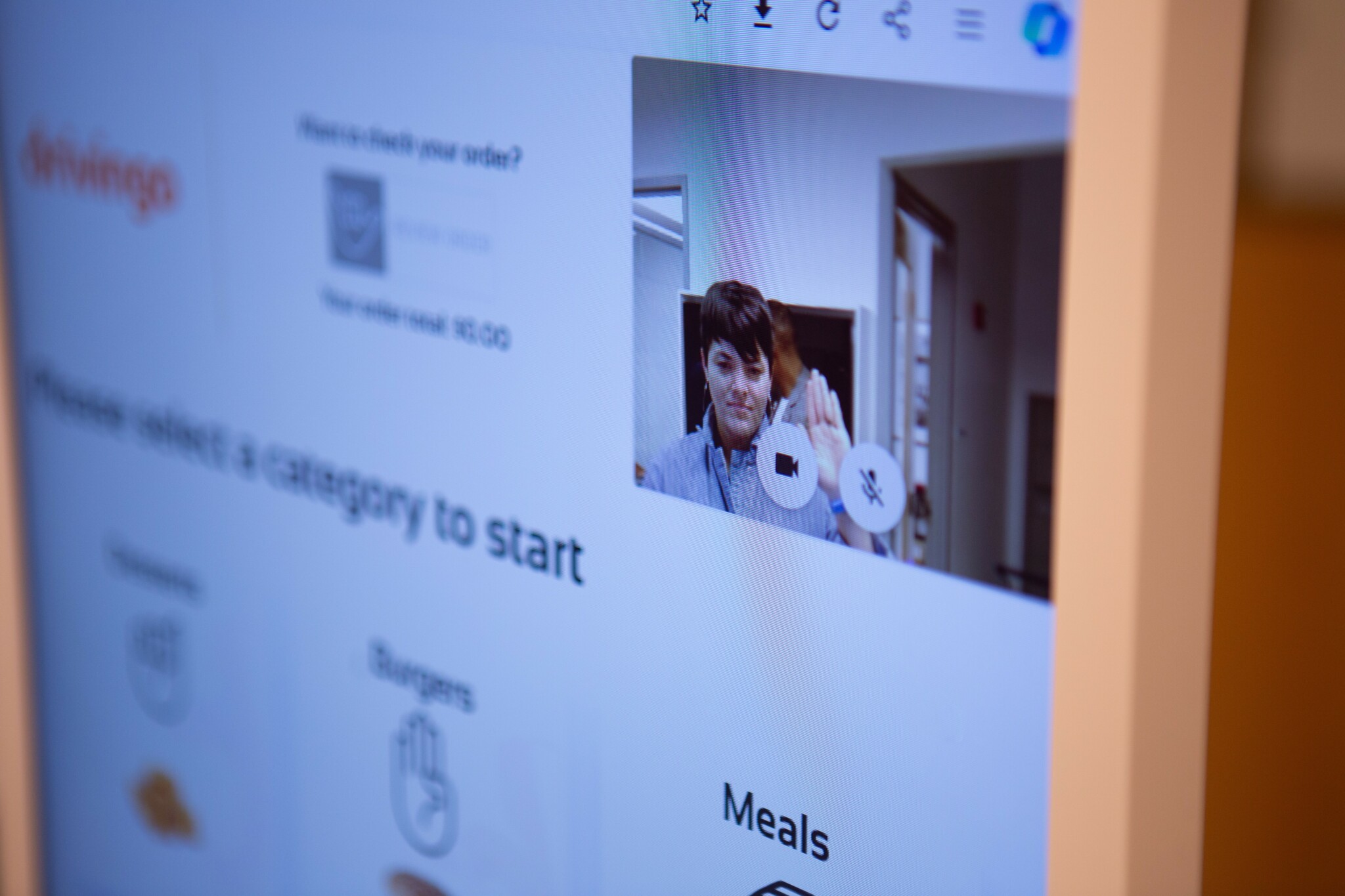
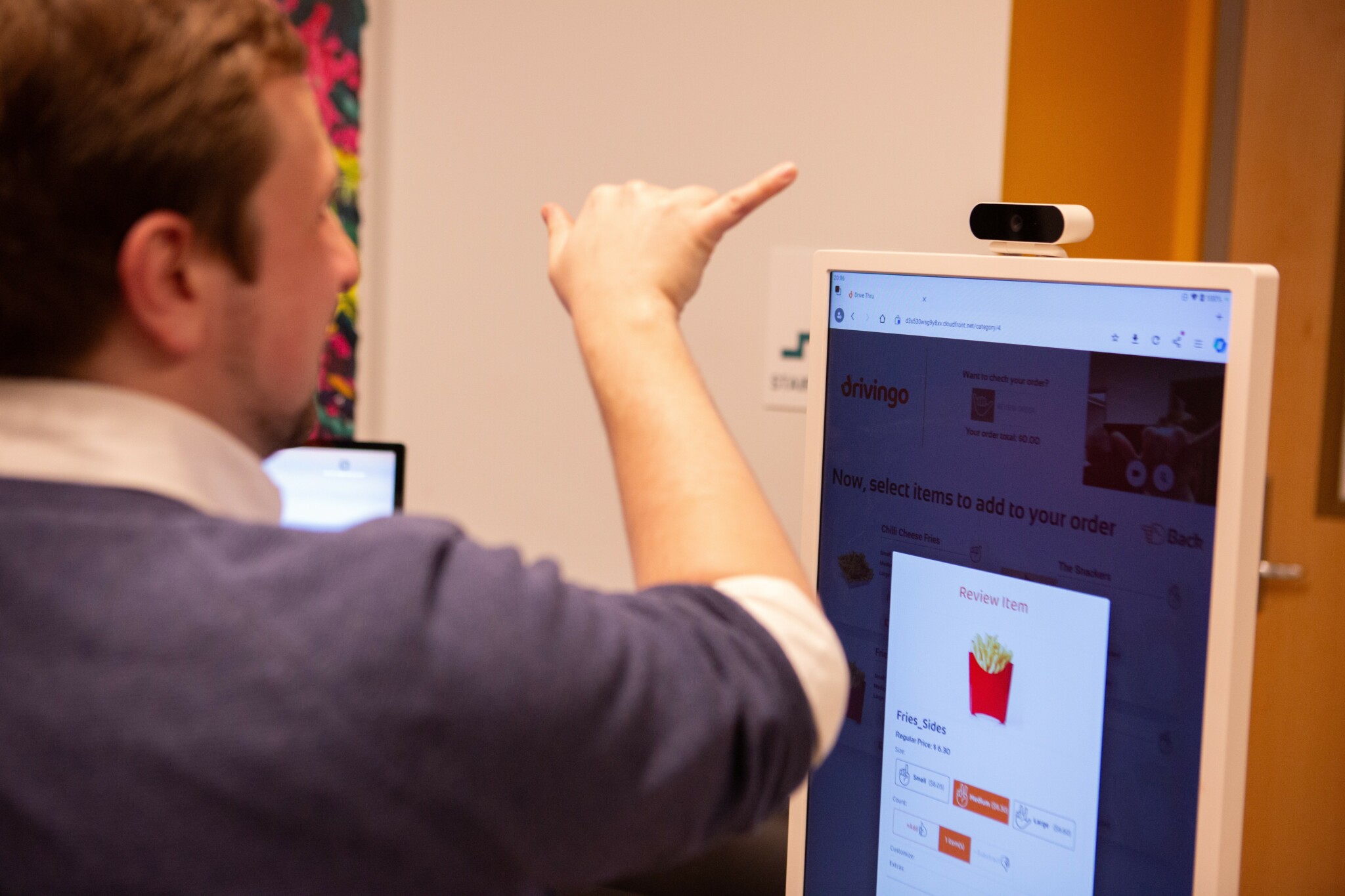
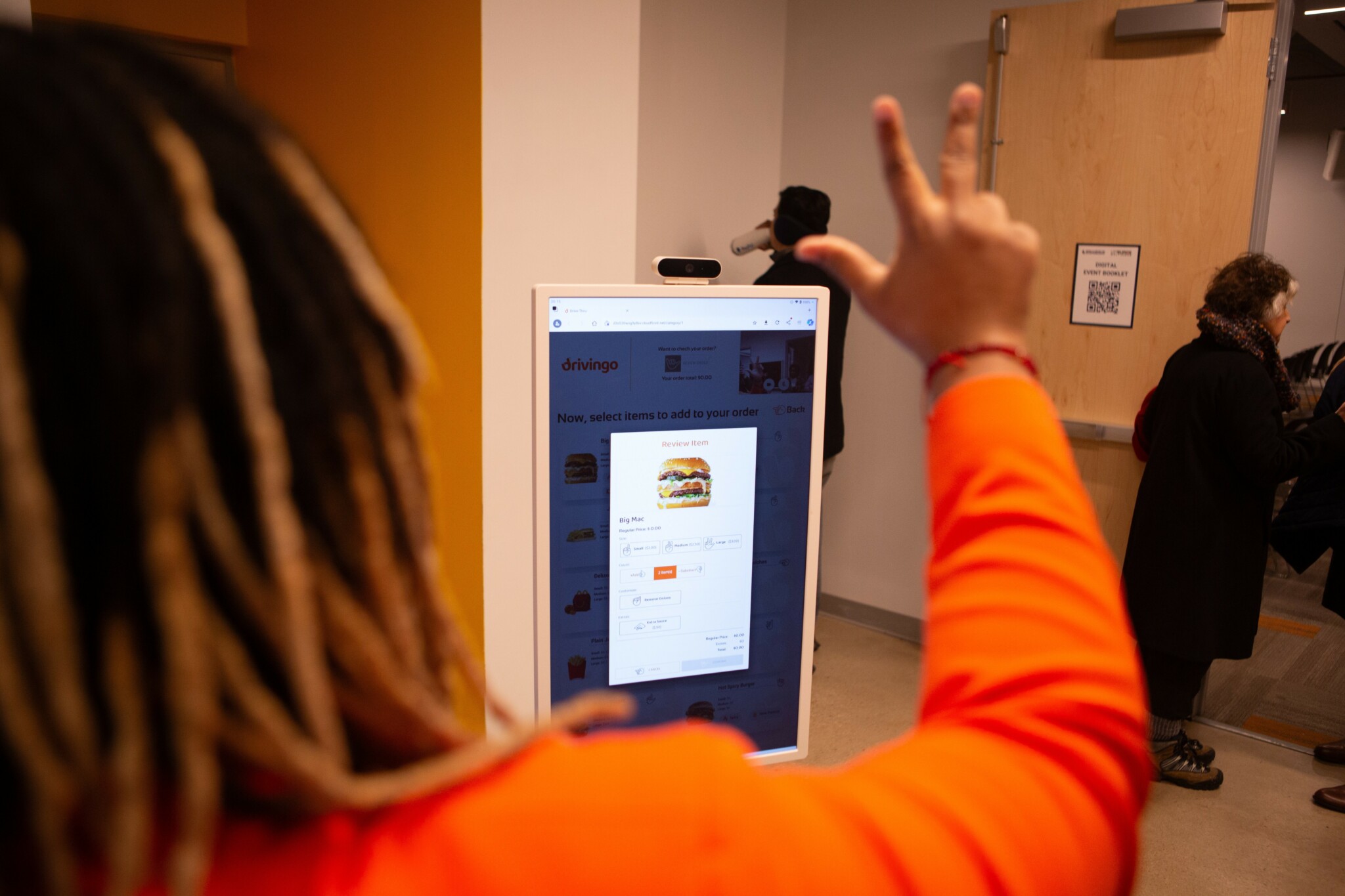
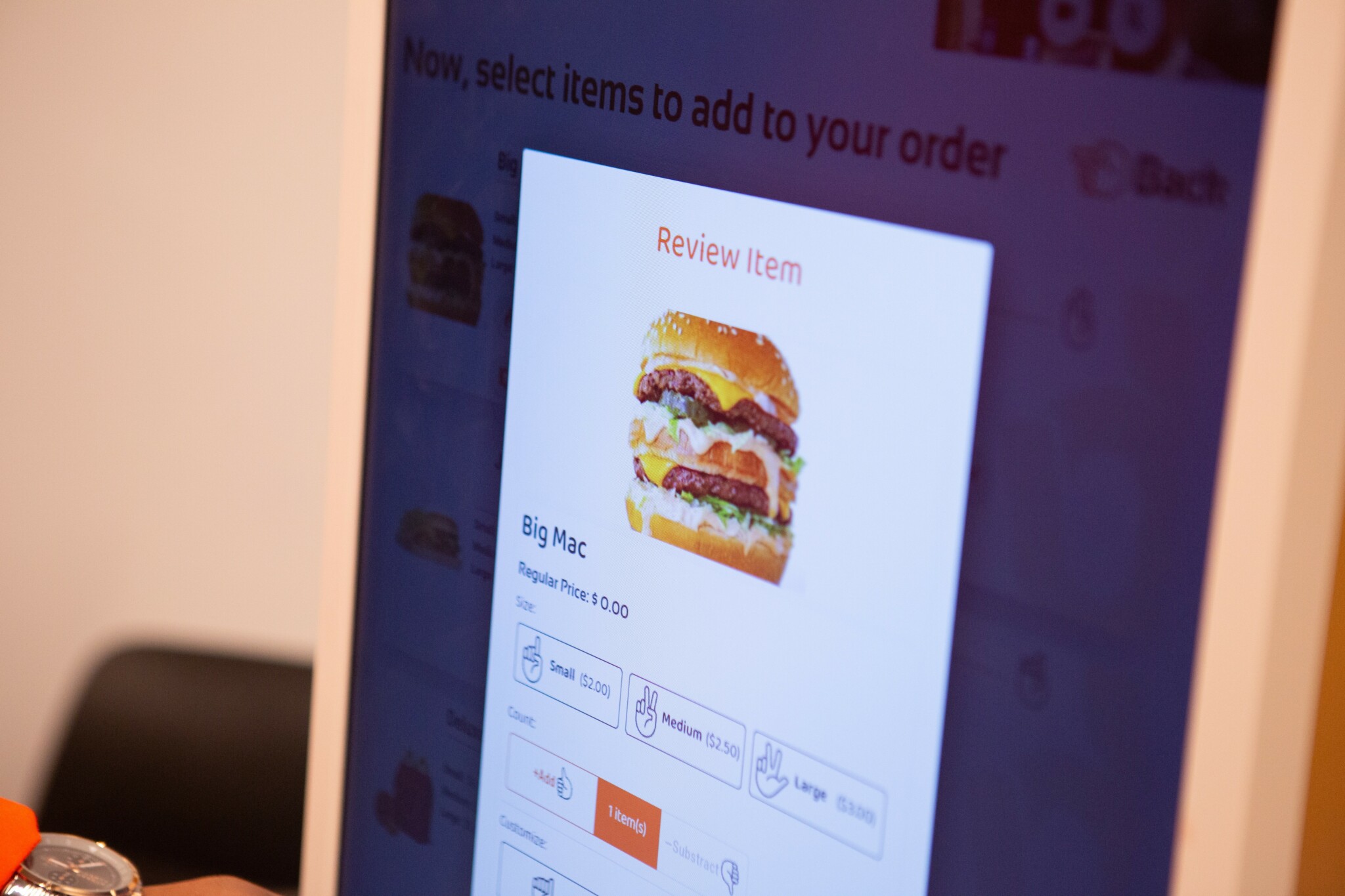
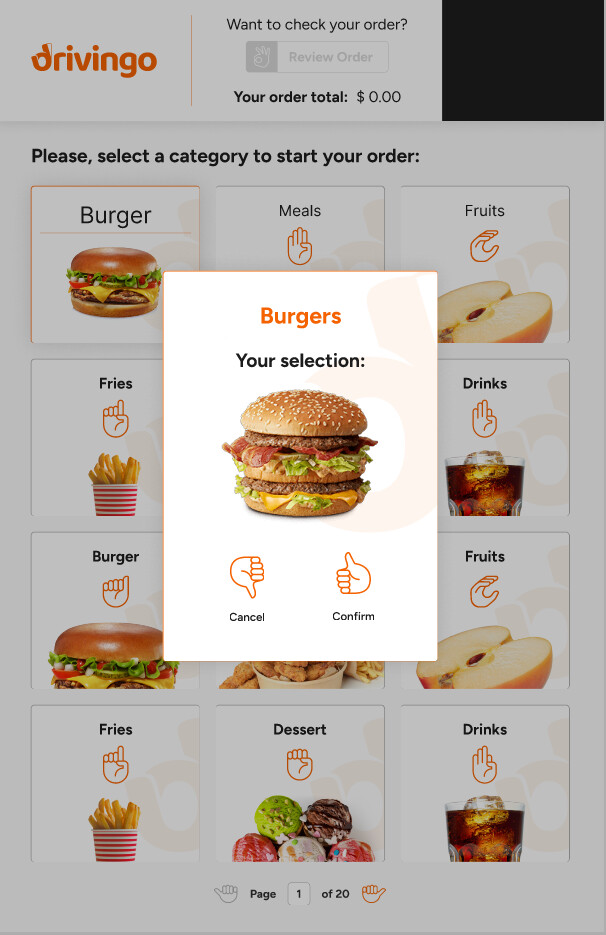
So, I started designing a system that would make drive-thrus work for everyone, not just those who could hear. More specifically, I recognized that the problem wasn’t because the person couldn’t hear but because there was nothing in place to accommodate them. I even went as far as to integrate myself with my local ASL club, online deaf/hoh communities, and forums and realized that a true solution would be a platform that eliminates the need for communicating with the other person entirely. So we made a proprietary gesture recognition for touchless, voice-free interactions and a visual interface to place and confirm orders with accuracy. In addition, we used AI-powered automation to streamline the entire process. At first, I thought I was just fixing an accessibility gap. But the deeper I went, the more I realized the problem was even bigger.
The drive-thru isn’t just a convenience; for most fast-food restaurants, it’s 70% of their revenue. It’s also outdated and inefficient. Long wait times frustrate customers and hurt sales. Labor shortages are making it harder for restaurants to keep up. Miscommunication leads to incorrect orders, wasted food, and lost revenue. What started as an accessibility solution became something more: a complete rethinking of how drive-thrus and fast operations should work.
When I started talking to restaurant owners, I expected interest. What I got was urgency. They weren’t just interested, they were desperate. The drive-thru is the backbone of their business, but the way it functions today is holding them back. They needed a solution that would let them serve more customers, more efficiently, with fewer errors, and Drivingo was exactly that. I wasn’t just solving an overlooked problem. I was solving one of the biggest challenges in the industry.
Drivingo started as a way to make sure everyone could order food without discrimination. But it’s become so much more than that. Because when you fix a system that’s broken for one group of people, you often end up fixing it for everyone. We’re starting with drive-thrus, but this kind of thinking—this kind of technology—has the potential to transform more than just fast food. And that’s exactly what I intend to do.
Levern, love having you share your insights with us. Before we ask you more questions, maybe you can take a moment to introduce yourself to our readers who might have missed our earlier conversations?
I’ve always been drawn to the intersection of technology and human experience, how people interact with the world around them, and how the right tools can improve those interactions. I started with robotics and I have a background in human-computer interaction (HCI), assistive technology, human-machine interfaces (HMI), and human factors engineering. I’ve spent my education and career exploring ways to bridge the gap between people and technology, particularly for those who have been overlooked by traditional design.
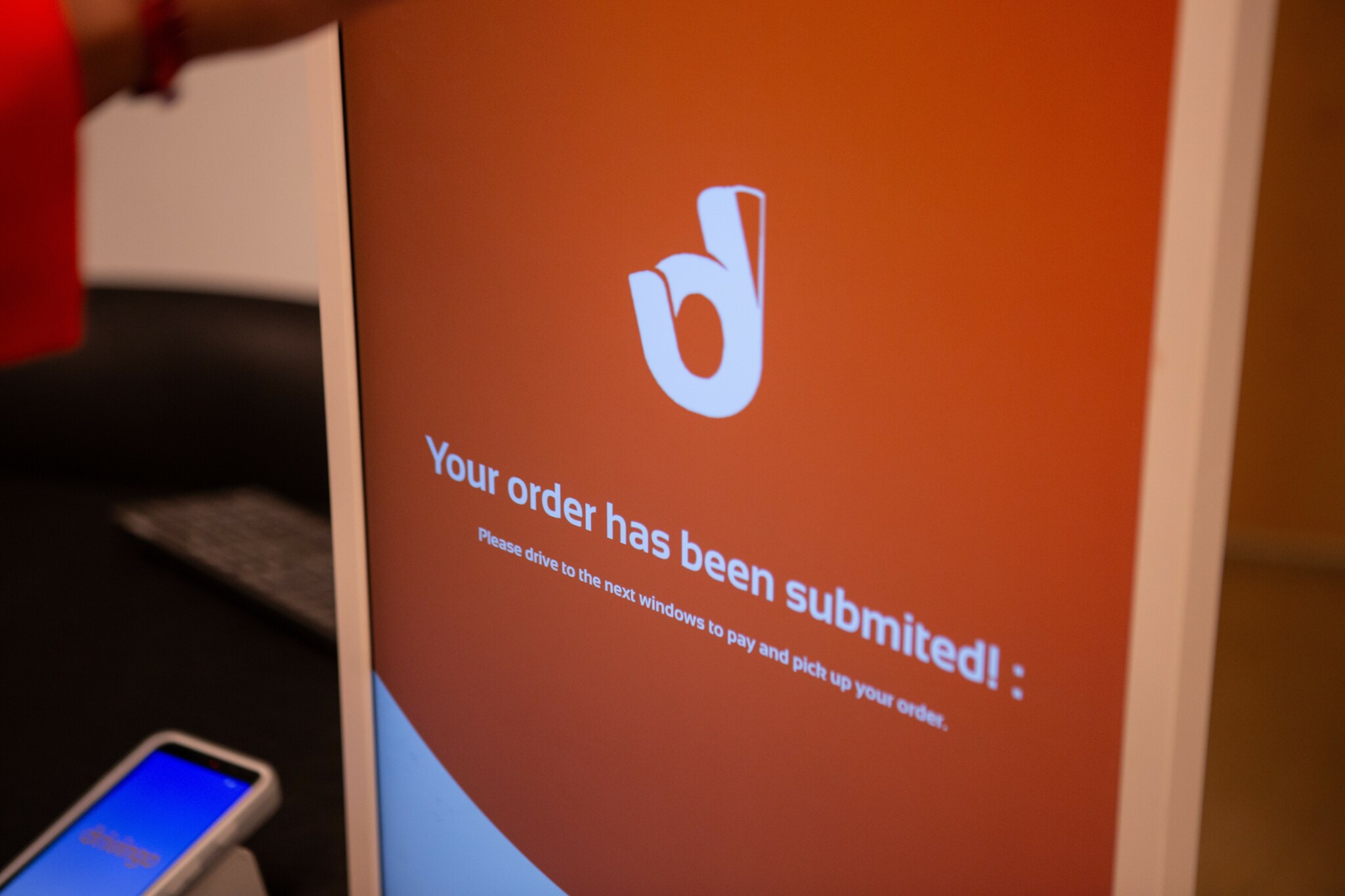
That drive is what led me to found Drivingo, where I serve as CEO and founder. Drivingo is transforming the quick-service restaurant industry through AI-powered, touchless drive-thru technology. We develop gesture-recognition and voice AI-driven ordering systems that don’t just automate the process but fundamentally redefine how drive-thrus work. It’s about more than efficiency—it’s about inclusion and accessibility.
Drivingo started because I noticed a fundamental flaw in the drive-thru experience: it wasn’t built for Deaf and Hard-of-Hearing customers. After researching the issue, I saw how many people were being denied service, ignored, or mistreated simply because the system wasn’t designed with them in mind. But as we spoke with businesses, we realized the problem ran much deeper.
Drive-thrus weren’t built for anyone who can’t rely on verbal speech to communicate. That includes Deaf and Hard-of-Hearing individuals, mute and nonverbal people, those with speech disabilities, ESL (English as a Second Language) customers, Autistic individuals who experience communication differences, people who temporarily lose their voice due to illness, and even employees who struggle with verbal interactions. Restaurant staff often have difficulty understanding customers through outdated intercoms, and when language barriers, speech differences, or temporary conditions come into play—whether on the customer’s side or the employee’s—it slows everything down, increases errors, and leads to frustration for everyone involved. The industry’s existing infrastructure wasn’t just failing customers—it was failing workers, too.
That realization hit home for me. As a Black entrepreneur, I know what it feels like to be in spaces that weren’t made for you. And with my background in assistive technology and HCI, I knew this was a problem I could fix.
But what started as an accessibility-driven mission quickly grew into something even bigger. The entire drive-thru model was broken, long wait times, miscommunications, incorrect orders, labor shortages, all caused by outdated systems that hadn’t evolved in decades. 70% of quick-service restaurant revenue comes from the drive-thru, yet businesses are still relying on intercoms and manual processes that slow them down.
Drivingo changes that. Our technology replaces outdated systems with AI-powered automation, improving speed, accuracy, and accessibility while reducing the burden on staff. Unlike other companies that focus only on voice AI, Drivingo integrates gesture recognition and visual interfaces, ensuring that anyone—regardless of ability, language, or situation—can order effortlessly. We’re not just adding AI to an old system; we’re rebuilding the drive-thru experience from the ground up.
I’m incredibly proud of what we’re building. Drivingo has already gained traction with major restaurant chains, and we recently completed Techstars Equitech, further proving the viability of our solution. But what I’m most proud of isn’t just the business—it’s the mission behind it.
For those just getting to know me or Drivingo, the most important thing to understand is this: We’re not just improving drive-thrus—we’re redefining them. We’re building a future where ordering is faster, smarter, and truly inclusive. This is about more than technology—it’s about designing systems that work for everyone.
How do you keep your team’s morale high?
The best advice I can give is simple: read, learn, and listen. Find books on management and leadership, look for a mentor or coach; anything that helps you grow into an effective leader. I don’t believe leadership is purely intrinsic; at least, it didn’t come naturally to me. I made all the classic mistakes—failing to recognize how my position as a boss could be intimidating, assuming an open-door policy was enough without embodying openness myself, and not realizing that leadership is as much about emotional intelligence as it is about strategy.
To build a truly open and collaborative workplace, I had to first be vulnerable, transparent, and approachable. It might seem counterintuitive, but how can I expect my employees to speak freely if I’m not willing to do the same? Leadership is an art that requires strong people management, empathy, and an understanding of group dynamics.
For me, morale is directly tied to management. The better you manage, the higher the morale. The more effective you are as a leader, the more willing your team is to follow you. This doesn’t come from authority alone, it comes from mutual respect, integrity, and a commitment to shared values. Leadership also means knowing when to show discernment: when to give someone a second chance versus or, when to remove them from the team. It means recognizing when an employee needs support versus when they simply aren’t the right fit.
Praise and incentives matter, especially when your team is working below market rate or even for free in the early stages of a startup or business. Beyond compensation, clear pathways to growth, promotions, and real opportunities are essential. These should be tangible, meaningful, and things you yourself would value if you were in their position.
Above all, great leadership requires learning from those you lead. A good manager doesn’t just set expectations; they also listen, adapt, and refine their approach based on the people around them. Looking at leadership from your employees’ perspective is one of the most valuable things you can do—it’s a lesson that took me time to learn, but one that has made all the difference.
Are there any books, videos, essays or other resources that have significantly impacted your management and entrepreneurial thinking and philosophy?
So far, the most impactful resources for me have been The Five Dysfunctions of a Team by Patrick Lencioni, Stakeholder Theory: The State of the Art by Ed Freeman et al., 7 Rules of Self-Reliance by Maha Abouelenein, Venture Deals by Brad Feld and Jason Mendelson, and Conscious Capitalism by John Mackey and Raj Sisodia.
Maybe it’s because of some confirmation bias that I found these books useful—either because of my own experiences and beliefs—but they have been. A lot of my managerial mistakes would have been mitigated had I read The Five Dysfunctions of a Team sooner. I embarrassingly made 90% of the mistakes the book outlined. I’ve since learned from them, and upon reading it, I realized that my experience wasn’t unique. So please, read the book, heed its warnings, and take it from me—reading about it is easier than going through it.
The next two books I’ll group together, since I learned about them at the same time during my experience at the Conscious Venture Lab Accelerator in Baltimore, Maryland. Both books provided a wealth of knowledge, which is why I thought to share them. Stakeholder Theory and Conscious Capitalism are, in my opinion, the way forward. They represent the future of business and give people like me, who haven’t had as much privilege or opportunity, a better chance to achieve our dreams and, in doing so, make the world a better place. Stakeholder Theory means that everyone matters your customers, employees, vendors, and their spheres of influence. It means treating them with integrity and honesty. It means they deserve the same level of care and diligence you’d expect for yourself, regardless of where they fall in your hierarchy of influence. In that same breath, Conscious Capitalism speaks to businesses giving back, doing little to no harm, and operating with integrity for everyone involved. I’ve benefited from Conscious Capitalism firsthand through CodeLaunch, an early-stage accelerator that provides free code development and an opportunity to pitch. It’s free to attend as a guest and free to apply and participate. These efforts are only possible because of companies like Cyrannus, who uphold Conscious Capitalism. Their direct efforts helped us get into Techstars with our MVP. We networked and had an unreal opportunity because of companies like this. I want to continue that legacy and use my knowledge to help others do the same.
7 Rules of Self-Reliance put into words an experience that not a lot of people have, learning to take care of loved ones, being the person others rely on, and the burdens that come with it. I am thankful for my inner resilience, but I think other people can, and should, learn it for themselves. One of the things I’ve learned and have lived by is that you need to take opportunities, say yes to what you think you can handle (and even if you think you can’t try anyway), and trust that you’ll figure it out, if not now, later. That mindset got me through undergrad as a first-generation college student with no money or initial support system. It’s how I taught myself electrical and computer engineering, built robots for research, got into my Ph.D. program fully funded, secured a full-time contract with the Air Force Research Lab, and landed a SWE internship with Google. No one is going to offer you the things you want. You have to provide value, sometimes even if it means swallowing your pride and proving your capabilities through trust and dedication over time. This book was a great tool for reinforcing that. It showed me that even when we struggle and feel alone, there’s still hope. We have to believe in ourselves because we’re truly capable of amazing things. If not now, it’s just a matter of time.
The last book is Venture Deals. I hate to end with a textbook, but I think it’s necessary. While it’s great to feel inspired and motivated, we still need to learn, like, actually learn. About jargon, math, and the boring but essential stuff that it takes to run a business. Venture Deals is a good introduction to some of the common terms that VCs and funders use. Practical experience helps, of course, but if you lack the basic fundamentals and don’t understand the terminology, you’ll make mistakes, and no one will tell you. Learning to be self-reliant also means knowing when to educate yourself and when to ask for help. At times, entrepreneurship feels isolating, but if my experience is any indication, you are not alone. The right resources, mentors, and communities exist. You just have to seek them out.
Contact Info:
- Website: https://www.drivingo.io
- Linkedin: https://www.linkedin.com/company/drivingoinc/