

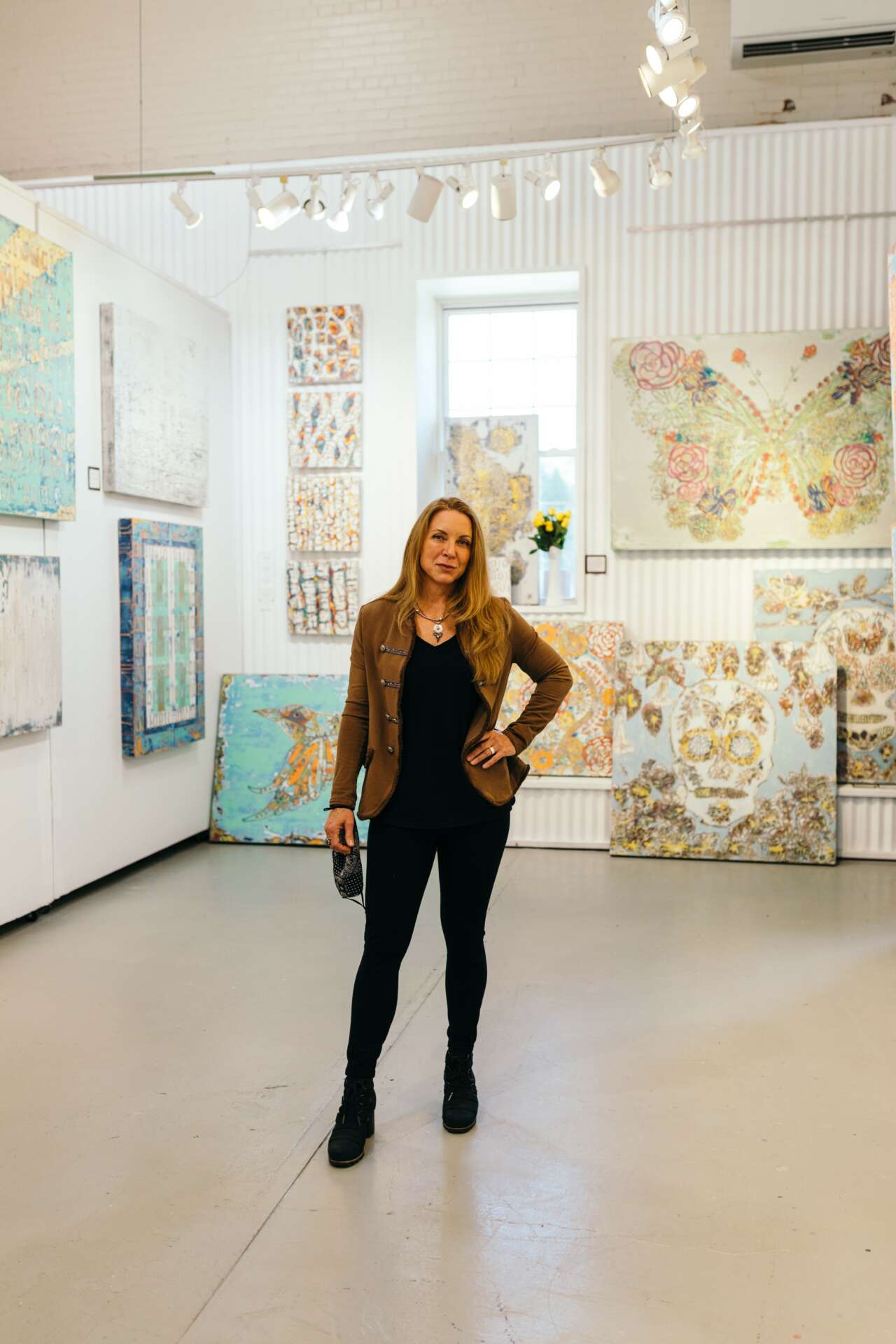

We were lucky to catch up with Leslie Rowland recently and have shared our conversation below.
Alright, Leslie thanks for taking the time to share your stories and insights with us today. Do you wish you had started sooner?
I think it happened as it needed to, but I would have honored it more had I had a different perspective. I created compulsively as a child and have always been strong willed, outspoken, and a bit fearless. All of these things coupled with strong convictions mattered. The compulsive creativity allowed me to experiment with a carefree attitude and to develop the skills needed to be an artist without it being my intention. My parents, while encouraging art and craft in the home, discouraged it as a career and ensured me that I would certainly be poor if I became a professional artist. This “starving artist” myth stayed with me. I pursued college degrees in everything but art. I worked jobs that I hated. My free spirit, convictions, and outspoken nature made surviving in corporate jobs soul extinguishing and unsustainable. I had my first gallery in my thirties and just went for it. I took on a substantial rent and spent everything I had to purchase art supplies and pay rent. I rented rooms out of my house, and everything earned went straight back into the business. I did OK, supporting myself for many years, but the “starving artist” myth was locked into my perspective. I worked hard and was tenacious in my efforts. When it got hard, I would take a side job to support my art career. I even mortgaged my house at one point. It all paid off, but despite working tirelessly, getting great articles written about my work and being so busy there was a six month wait for my commissioned works, I felt like a failure and like I wasn’t making a difference in the world. The “starving artist” myth was clouding my perspective. So, I went to graduate school for a degree in Environmental Policy and Management because I care deeply for our wild lands and the wild things that live there. I wanted to make a difference. I finished my degree achieving a 4.0 in every class and began looking for a job. As I looked, my heart sank, and I began to real. I knew in my soul that I was making a grave mistake. I was at an impasse; what was I to do with the accrued knowledge and convictions if all I truly wanted to do was create? It came to me during this time of introspection and uncertainty that my art could be a platform to help the wild things and wild places and to help people feel better about themselves and others so that they would make better stewards of our world. I guess, in the interest of making a long story longer, I wish I had respected art making as a valid career and life choice earlier, but that might have interfered with attaining my education, so maybe it worked out just how it was supposed to.

As always, we appreciate you sharing your insights and we’ve got a few more questions for you, but before we get to all of that can you take a minute to introduce yourself and give our readers some of your background and context?
I’ve been creating compulsively since I was a small child. To my mother’s dismay, I turned paint by number projects into works of impressionism. My father would come home to find the entire driveway adorned with chalk drawings. When my parents took away the chalk, I turned to much more permanent bark; the world was my canvas. Becoming an artist was not a conscious decision but a compulsory happening.
Fast forward- I have a thirty plus year career and vocation in art, creating contemporary acrylic on wood panel paintings with my own techniques that are an attempt to make the world better. I’ve had studios and galleries in Las Vegas, NV, Austin, TX and now in Asheville, NC for the past ten years. My work has been exhibited nationally and internationally.
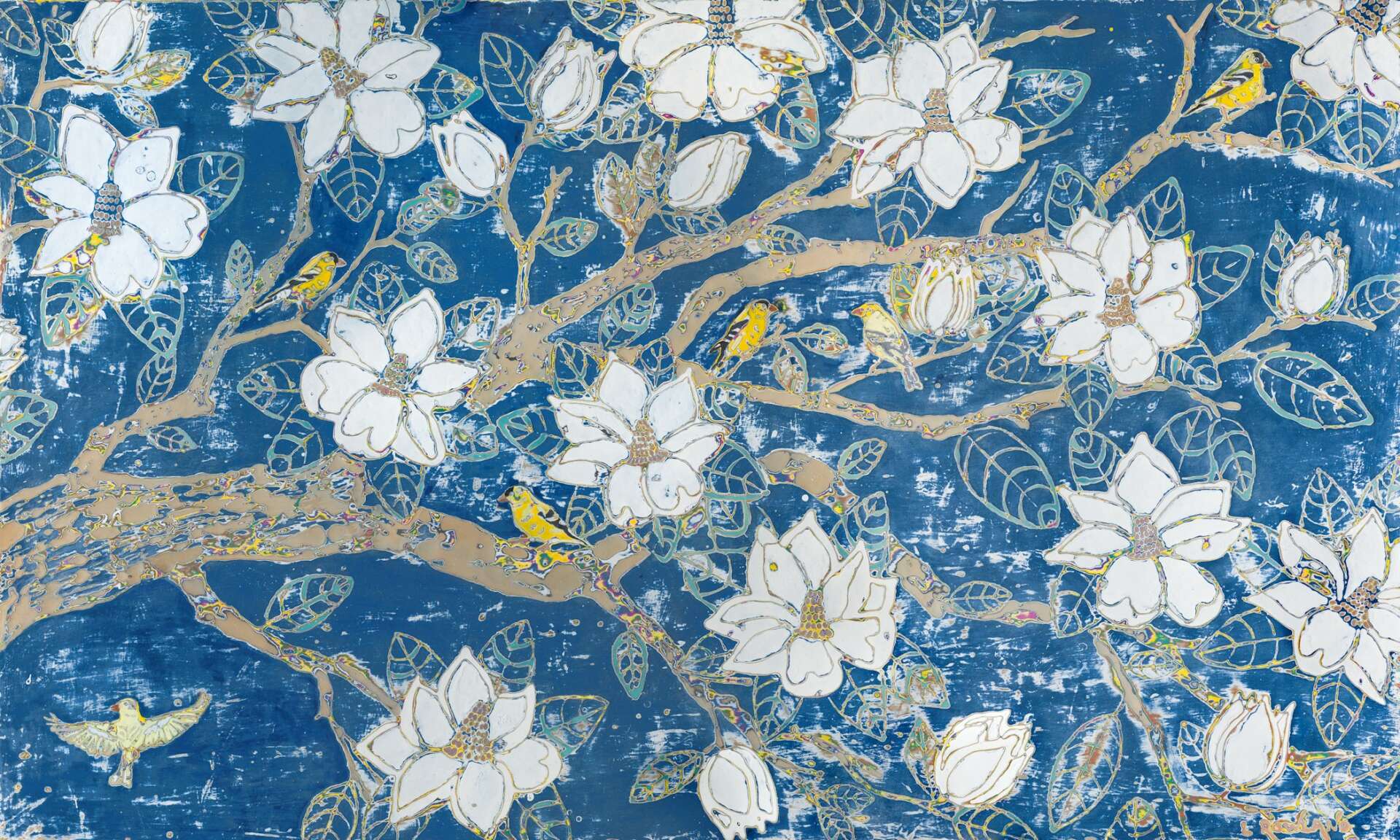
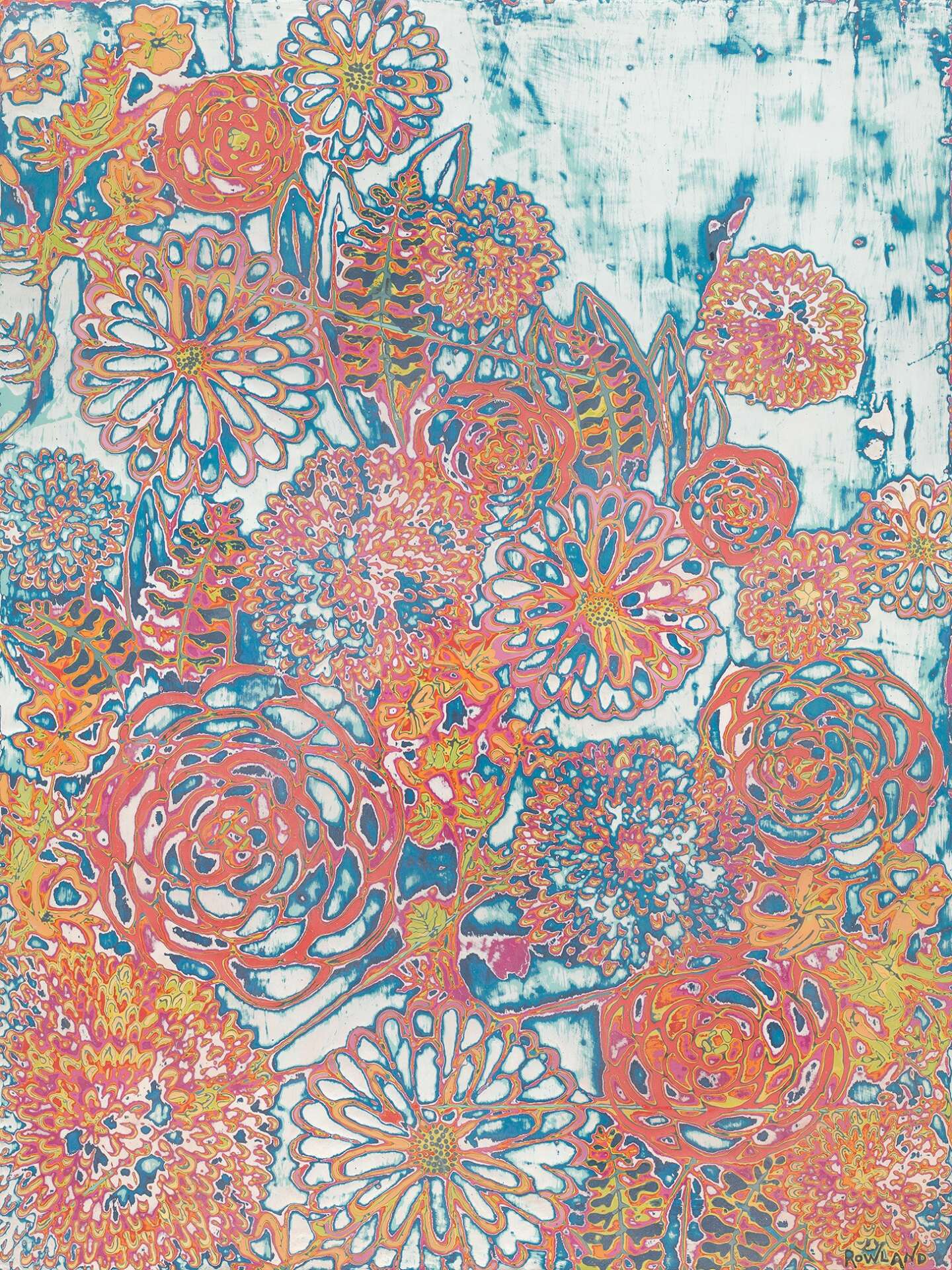
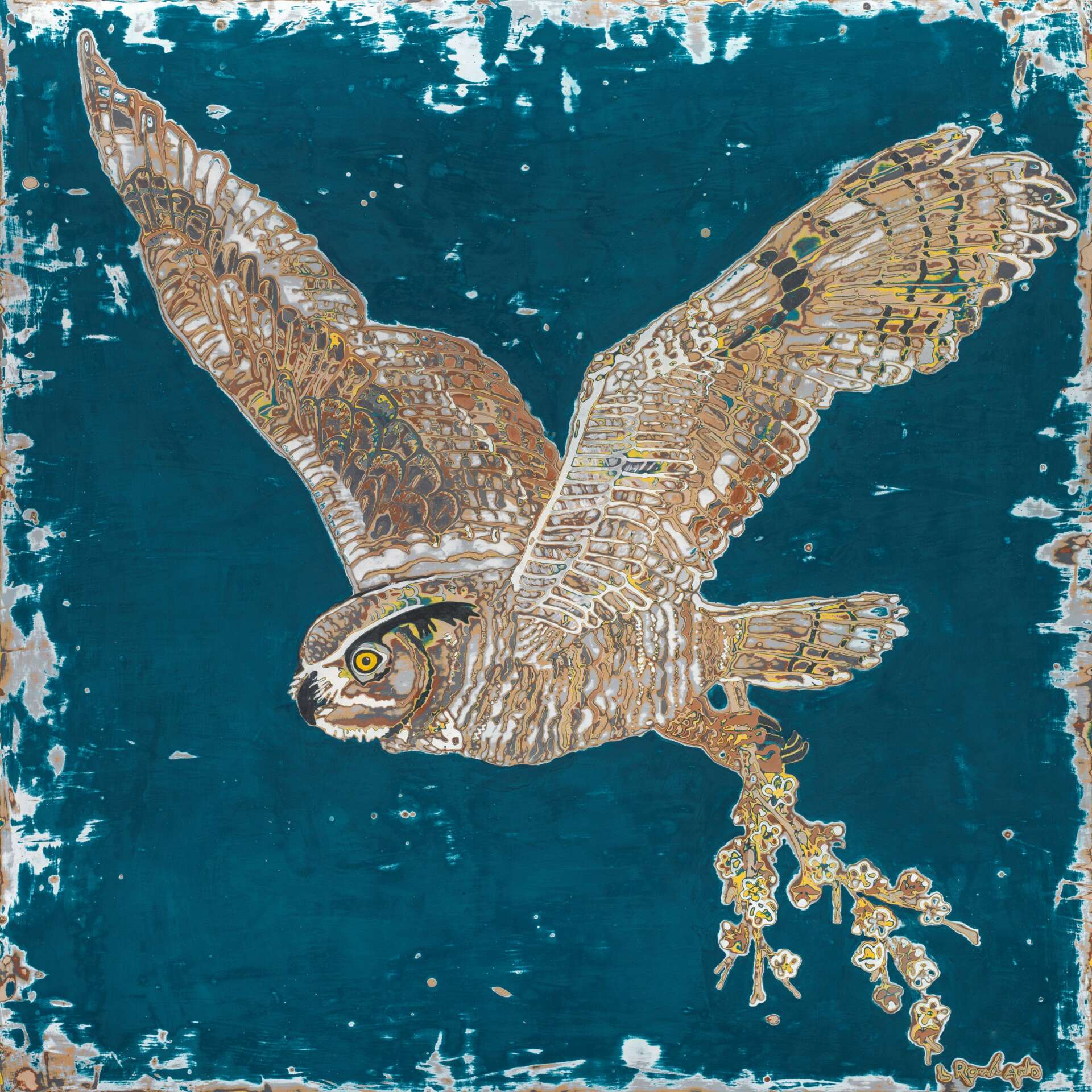
For me. art is a form of communication, sometimes visceral and sometimes direct. I believe that the intention of art emanates from the painting long after the paint has dried and for this reason, the works focus on subjects that reveal, heal, and lighten our loads. I’m inspired by exploring new subjects in my work while blending science and art. You are looking at the results of a 30-year rabbit hole. Although I’m over 30 years into my exploration, I have no classical training. The work before you is the result of my own distinctive, consistent and winding path of experimentation and building upon my findings. This independent path came with its share of absolute art rubble and occasional exhilarating discoveries. I have continued along my creative path carrying the successes and lessons forward. I still experiment wildly today and am not afraid to make mistakes. This is how an artist truly grows. I create works for my own Asheville gallery as well as for galleries across the United States.
I also do quite a bit of commissioned works leaving the wild experimentation for another day and focusig on the techniques I’ve developed over thirty years, These projects are a labor of love. During the commission process, I work very closely with curators, designers and clients to integrate their needs into a painting that will exceed their expectations and that I hope will inspire for years to come.
In addition to an art-filled life, I have a graduate degree in environmental policy and management and an undergraduate degree in environmental science that greatly inform my work.
What do you think is the goal or mission that drives your creative journey?
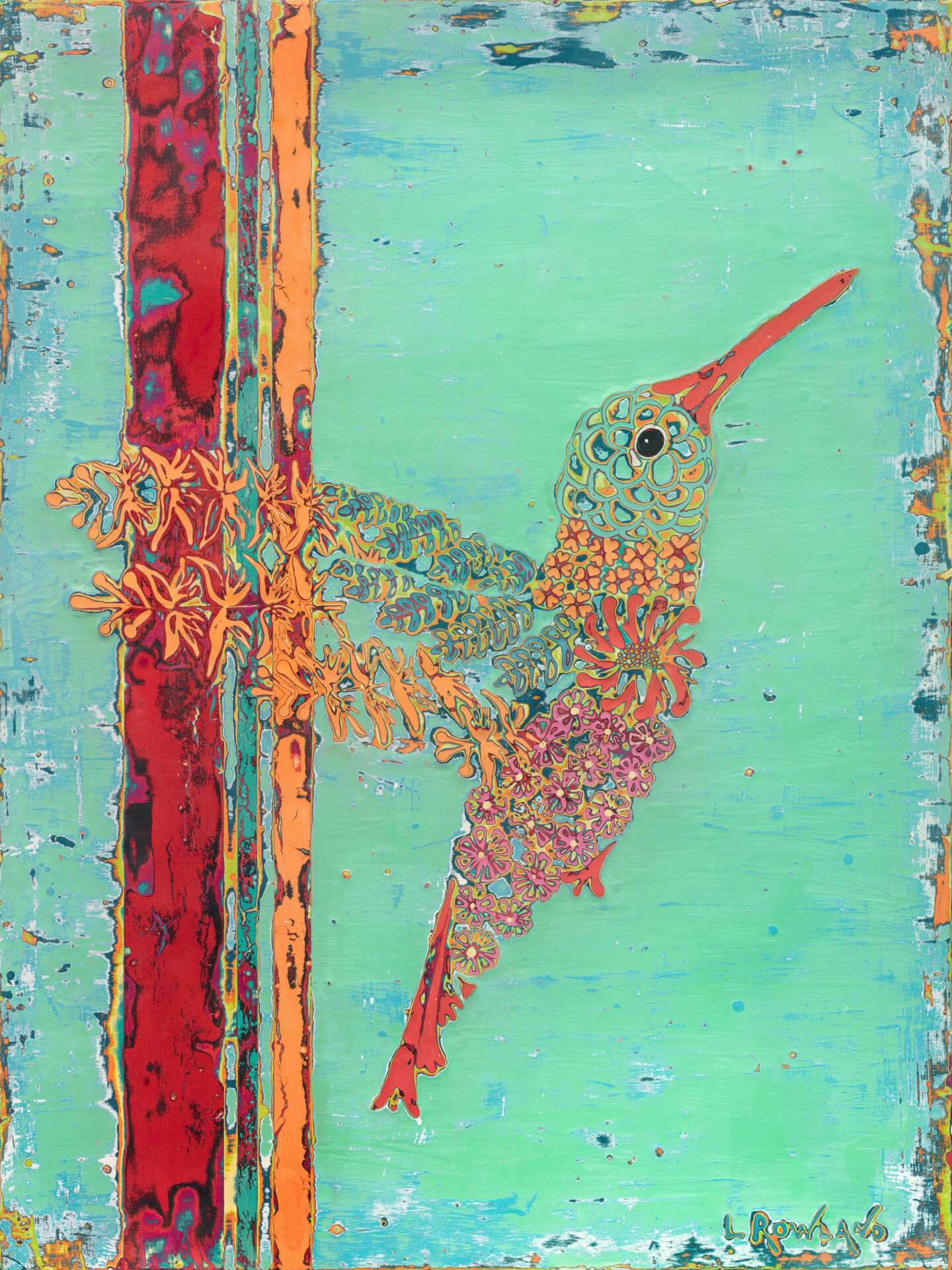
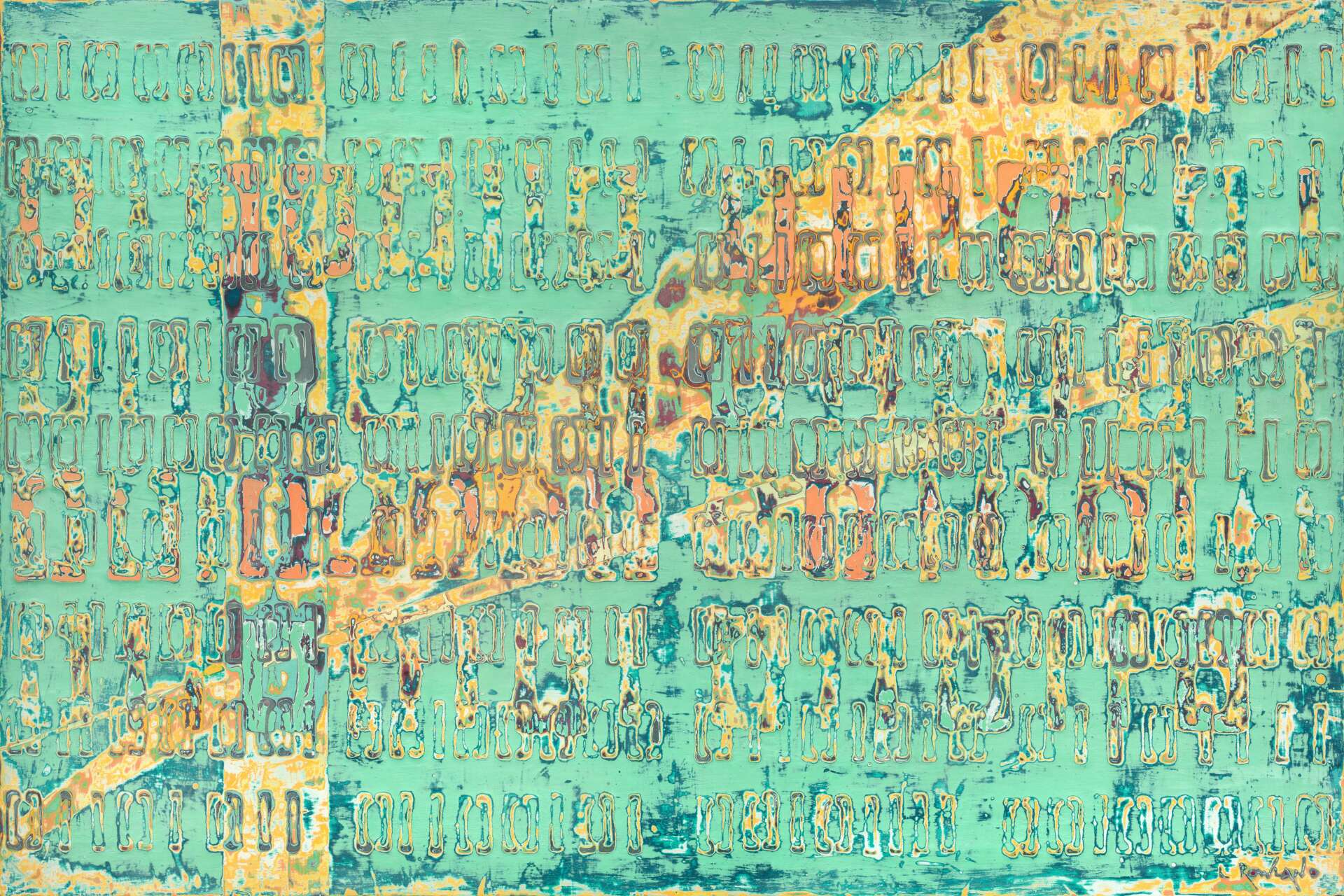
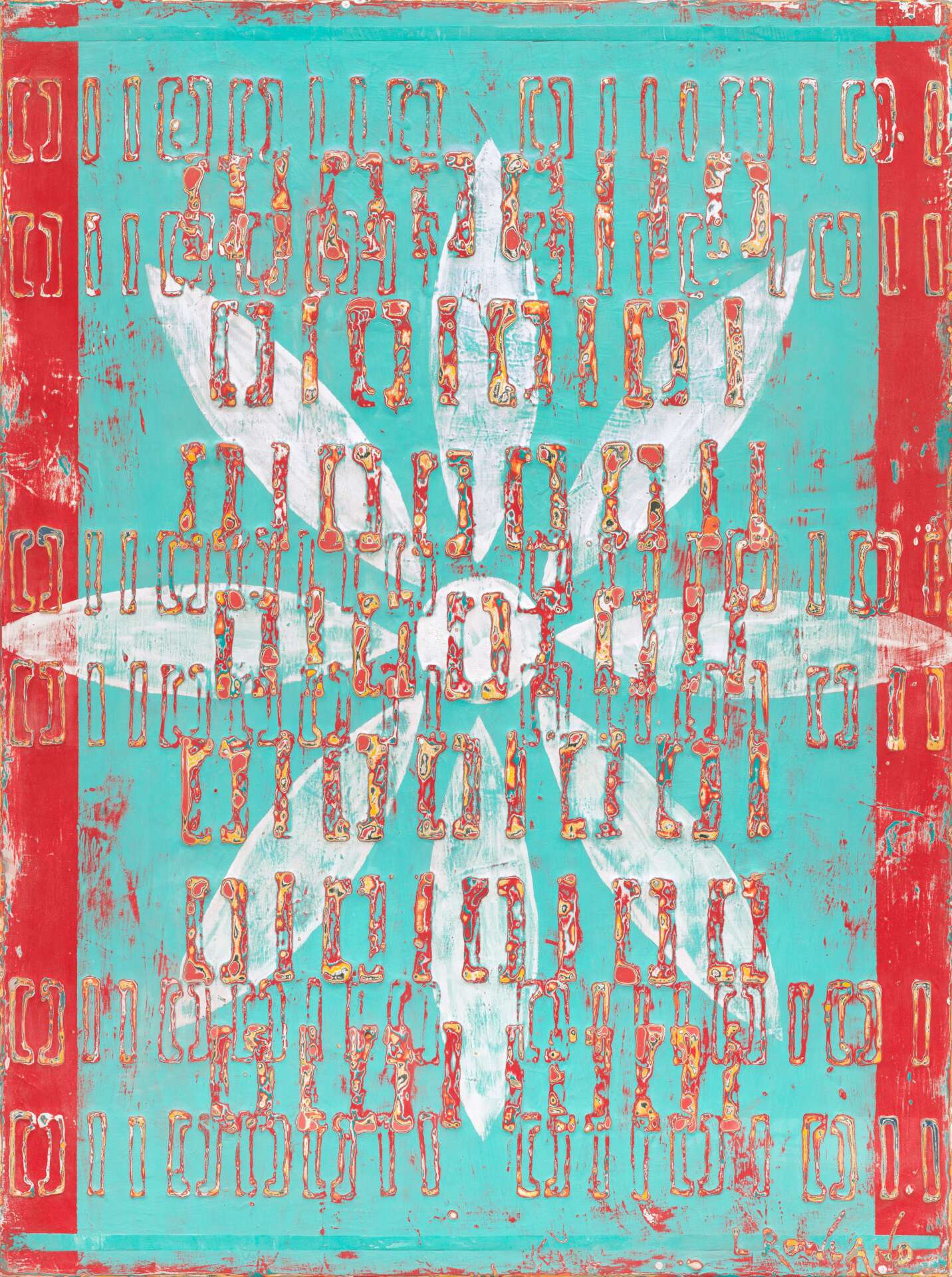
The overriding purpose of my work is two-fold. The first objective is to celebrate the intricate connectedness of our world, our dependence on it, and our duty to protect it. Second, goal is to inspire us to love and care for one another, ourselves, and the natural world and to strive to make this world a better place. The first objective is approached by telling intimate stories of ecological connection to engender in the viewer a greater awareness of the intricacies of nature, Examples of this include portrayals of butterflies and hummingbirds composed with images of the flowers they pollinate and that in turn provide them with nectar. It’s my hope that this deepened familiarity will engender the desire to protect the subjects of my paintings. The second aspiration is approached with the Binary Code Mantra series. Paintings with binary code (computer language) mantras implore the viewer to love themselves and others and to look on the world with kindness and a sense of humor. Mantras depicted in this series include I love you, You’ve got this, You will do great things, and F*ck ’em if they can’t take a joke.
What can society do to ensure an environment that’s helpful to artists and creatives?
Take us seriously, I have a thriving art business. It’s a business based on creativity and the desire to make the world better, but it’s still a business. The public often doesn’t recognize artists as business owners, and they do not give us credit for the incredible impact art has on society. People that walk into my gallery often are surprised that I’m on deadlines, work six and a half days a week, pay taxes, and work with focus and diligence. Some almost perfunctorily throw the term “starving artist” around as if the two terms automatically go together. See us with a renewed vision that acknowledges our contribution to society. Recognize us as people that have something important to say. Treat us like innovators and entrepreneurs. Realize that we are flourishing creative businesspeople. Understand the value of our work. We’re changing the world and that’s no small task.
Contact Info:
- Website: https://www.lrowlandart.com/
- Instagram: @lrowlandfinecontemporaryart
Image Credits
Photo Credit: (Dot Editions) for all images except butterfly Photo Credit: (Double Exposure) for Connected, the first image/ butterfly