



We recently connected with Leslie Casey Blake and have shared our conversation below.
Hi Leslie, thanks for joining us today. Coming up with the idea is so exciting, but then comes the hard part – executing. Too often the media ignores the execution part and goes from idea to success, skipping over the nitty, gritty details of executing in the early days. We think that’s a disservice both to the entrepreneurs who built something amazing as well as the public who isn’t getting a realistic picture of what it takes to succeed. So, we’d really appreciate if you could open up about your execution story – how did you go from idea to execution?
My nonprofit, The Eunice Casey Foundation, was initially named Dedicated Innovative Visionary Association, better known as (D.I.V.A.). The idea came to me in 2010, ten years after my mother’s passing in 2000. I wanted to create a women’s organization that would help others dealing with mental illness and homelessness. A situation that my mother dealt with during her adult life. I didn’t know how to implement it, but I had the idea, so D.I.V.A. was born. It was challenging at first because I went through the process of asking people to be a part of it. There were disappointments because I wanted specific individuals to support me and my vision. However, I had to keep pushing through.
When I moved to Baltimore in 2011, I took a break from pursuing the idea. When I met my future husband, I explained my vision and how I wanted to start a nonprofit. My husband loved the idea and helped me to get it started. I immediately began working on getting a 501(c)3 and a new team together in Baltimore.
When I started this nonprofit 15 years ago, I really needed to learn all the ins and outs of running a business. I needed someone to turn to at the beginning to show me how to create a business. Everything I have done, I have learned along the way. So, I had to get the paperwork together to create the nonprofit and to get our 501(c)3. Then, I had to open a bank account, and all the paperwork had to be in order. I also needed to have someone file my taxes yearly. Getting the paperwork was actually a lengthy process, but D.I.VA. became a nonprofit! It was the most incredible feeling in the world to know that I had made this accomplishment.
In the meantime, we began having events to raise money to support the mission. One of our male friends also liked the idea at one of our events and wanted to join. I was honored to know that people were willing to help. So, I recruited our male friend, which was the beginning of bringing men into the organization. This simple move changed the trajectory of my organization. Having men in the organization broadened my outreach, which allowed me to do more events and networking.

As always, we appreciate you sharing your insights and we’ve got a few more questions for you, but before we get to all of that can you take a minute to introduce yourself and give our readers some of your back background and context?
I am the Executive Director of The Eunice Casey Foundation Inc. (ECF Incorporated). I was born and raised in Pittsburgh, PA. I am a singer, actress, director, and educator. For the past 13 years, I have worked for Baltimore City Public Schools. I live in Catonsville, MD, with my husband, Brian Blake, an educator, and our doggie Benson.
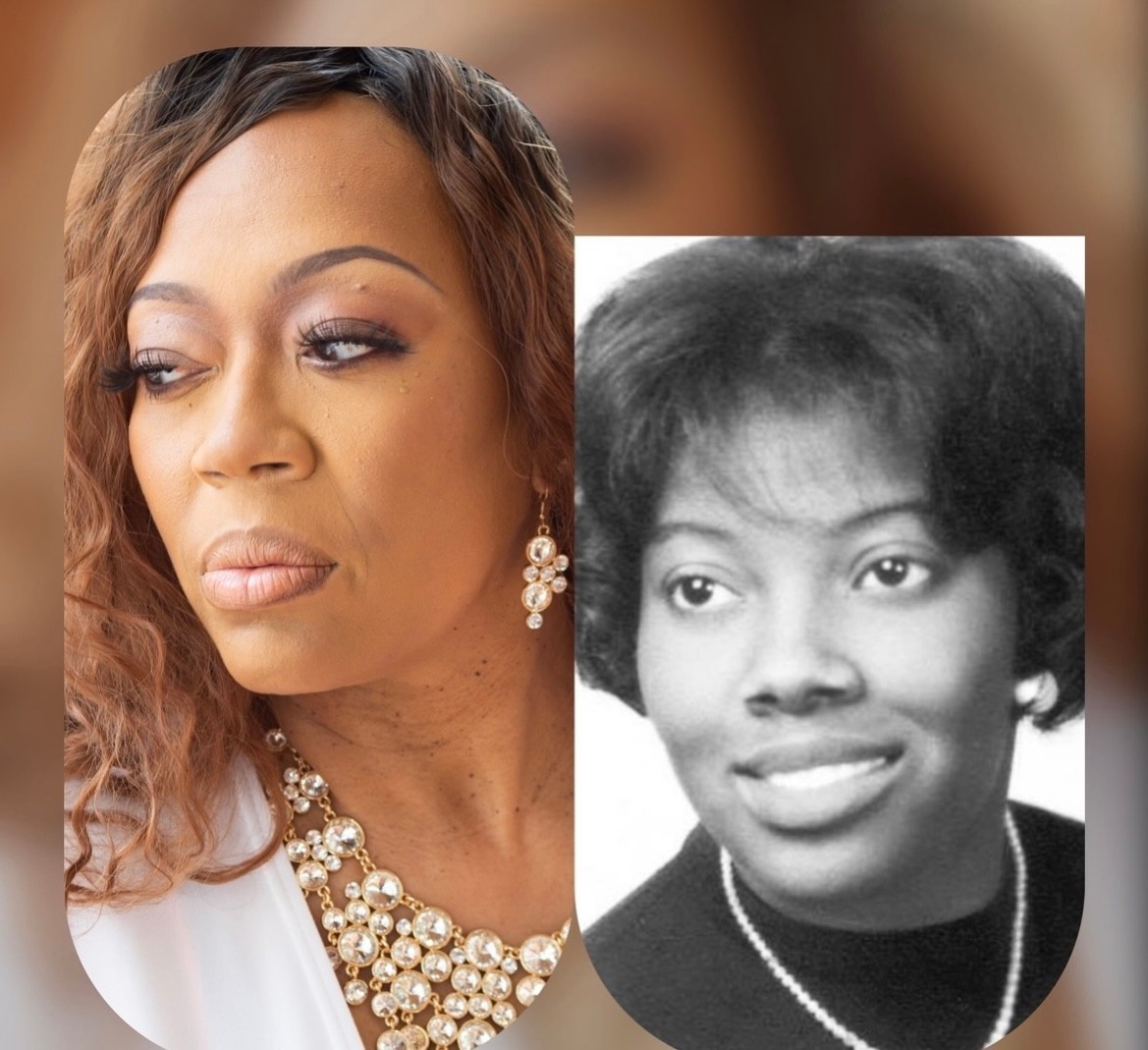
My mother, Eunice, was diagnosed with schizophrenia at the age of 26. For a while, my mother was able to maintain her disability, but at some point, the disease became unbearable for her. It became difficult for her to manage life, and she began living on the streets. She lived out on the streets for nearly five years. Eventually, my mother gathered the strength to get herself off the streets and moved into a rehabilitation facility. A few years later, she was able to live on her own. For the last few years of her life, I was able to witness my mom make some strides in her disability. Unfortunately, she was diagnosed with Lekumika and passed away in 2000. As her daughter, I saw her journey and decided to use it to uplift others, so I created the nonprofit in her honor.
ECF Incorporated aims to provide awareness and support in mental health and homelessness and support disadvantaged students’ wellness. The ultimate goal is to provide resources for those in these situations to lead productive lives. These resources will provide processes that will increase their self-esteem and make them productive members of society. In the last few years, ECF has grown in creating resources for the areas we support. We have given food and clothing to the Baltimore Station, a facility that houses homeless vets. ECF is now going to help one of Sheppard Pratt’s rehabilitation units, providing food and hygiene care for individuals who have schizophrenia. Lastly, for our students, we have provided a successful back-to-school drive for the past four years, and this year, we have implemented the Eunice Casey Memorial Scholarship Program. We are proud of what we have accomplished and the connections that we have made.
I think what sets us apart from other organizations is my own personal journey when it comes to mental health and homelessness. I was also a student who did not have many resources at my fingertips. My grandmother raised me on a fixed income, and it was not easy. However, despite the struggles, I praise my mother for allowing my grandmother to help raise me and create a good life. I also know my mother was a strong woman to deal with such a debilitating disease. I want others to know there is a way out and support to help you become a productive citizen.


Let’s talk about resilience next – do you have a story you can share with us?
One of the pieces of my journey was getting buy-in from individuals who had nothing to gain from being in this non-profit. I realized you must have buy-in for people to believe in your mission and vision. So, over the last 14 years, I have had a lot of turnover. This was a difficult part of my journey because I wanted everyone to have the same passion that I had. I had to understand that people would support me as much as possible, and then they would move on. I also understand that when creating a business, some people don’t want to be a part of the building from scratch. This can be a difficult part to accept. However, in the end, you will find those who will help and believe in taking the organization to new heights. When we recruit, we focus on what the individual can bring to the table and if they are willing to support us at the beginning stages. This was important because now we have a team where everything just clicked. I have a great team that believes in the mission, and everyone does their part to make the vision happen. I reflect on everything I have learned and realize it molded me into who I am today.
Have you ever had to pivot?
As I stated earlier, the first name, Dedicated Innovative Visionary Association, was created in honor of my mother. She was the face, but the name was D.I.V.A. Several years later, I realized I needed to embody the whole story of my mother’s life, so I renamed the organization in 2022. It was essential to show the true story of my mother’s journey, how it helped me, and how it would help others. Since changing the name, the organization has blossomed. We’ve created partnerships with other organizations to support them with resources. ECF has also run successful campaigns promoting our organization’s mission; I am happy that I made this pivot in my business to change the name. Sometimes, you have to change course for a business to prosper. In the future, I will continue to see when changes are needed and still have the mission and vision in mind when I do.
Contact Info:
- Website: www.eunicecaseyfoundation.org
- Facebook: https://www.facebook.com/ECForg/
Image Credits
VySyn Photography Enhanced Visions Photography