



We caught up with the brilliant and insightful Lesley Shiver a few weeks ago and have shared our conversation below.
Lesley, thanks for taking the time to share your stories with us today Do you think your parents have had a meaningful impact on you and your journey?
I grew up in a tiny town in Southeast Alabama and graduated from the same school I’d attended from Kindergarten through 12th grade. With a grand total of 35 kids in my graduating class! I had a rough time in school. I got bullied a lot, didn’t have many friends, and my family was poor. To be fair, I was a pretty weird kid, and had zero desire to “fit in,” even if it would’ve made things easier at the time. When not having many friends and clashing with peers would inevitably get under my skin, my mom always reminded me to think more about my future. To remember that I wouldn’t always be around those kids, that there’d be a time when I could leave and do my own thing and make friends with people who got me. That I wasn’t stuck, and that sometimes things take time but it’s worth it when you get to branch out. She’d moved away from home as a young adult and I saw how she was able to make a different life for herself. Seeing her be bold and boisterous let me feel like maybe there was a chance I’d be able to do the same one day. And I never questioned once if she believed in me.
One thing in particular she let me do that other parents definitely didn’t let their kids do at the time was let me dye my hair crazy colors. I distinctly remember going to my mom in the 5th grade and telling her I wanted to dye my long, light brown hair jet black. She didn’t miss a beat. We got some hair dye and made it happen. While it probably would’ve been a good idea to start out with something other than permanent dye, it’s still a moment in time when I can remember being encouraged to play with the idea of self. All through school, I’d had bright red hair, purple hair, green hair… sometimes multiple colors at once. She also let me do my makeup in weird ways and bought me a sewing machine in High School, which I used to modify and add stuff to my clothes. It may not sound like much, but getting to have fun with my appearance and not attach meaning to it was so freeing. It let me explore my identity and try things out in ways I don’t think a lot of other kids I grew up with had access to.
I genuinely believe it helped me feel more comfortable taking healthy risks and being myself by the time I entered adulthood. She has also encouraged me to try out different careers and to go after what I want in life. In so many ways, her encouragement let me move through a lot of the things I see trip people up all the time in my work as a therapist. There was never any pressure to make anyone else happy but myself.
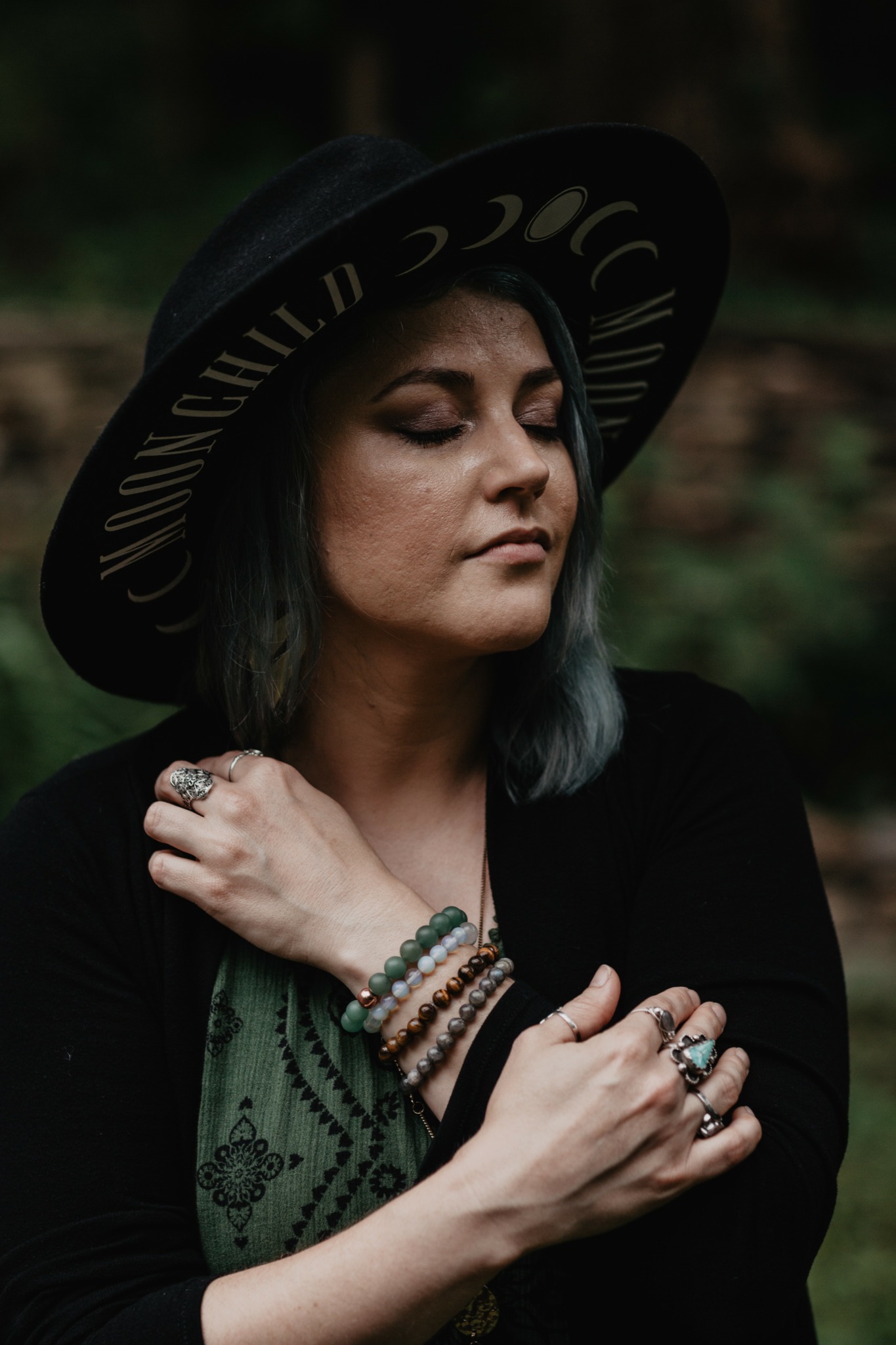
Lesley, love having you share your insights with us. Before we ask you more questions, maybe you can take a moment to introduce yourself to our readers who might have missed our earlier conversations?
I’m Lesley, a licensed mental health therapist and coach working and living in Knoxville, Tennessee. My journey to becoming a therapist was definitely not one I’d call straightforward!
When I started out in college, I had it all planned out. I’d major in Creative Writing, write inspiring young adult fiction to help weird kids like me get through the hot mess of youth (books were huge in helping me not feel so alone growing up), and live happily ever after. I knew exactly what I was going to do and exactly what my life would look like.
And, of course, none of it played out that way.
About a year and a half in, I dropped out of school, worked several retail jobs, went to cosmetology school, did hair for a few years, then went back to college, got a degree in Studio Art (ceramics and painting) with a minor in Psychology, and set off for my Masters in Counseling.
While in school, I worked with kids in a Mobile, Alabama youth detention facility and in a children’s home. After graduation, I moved to Tennessee. I’ve since worked with kids in foster care who experienced high levels of trauma before coming into foster care, worked with teens in a school setting, and led counseling skills groups for teens. In late 2019, after deciding that I wanted to try my hand at working with adults, I got a random chance to go into private practice.
I had absolutely no clue what I was doing when I started my practice. For starters, the thought that having a private practice meant being a business owner had never once crossed my mind until the ball was already in motion. Since then, I’ve hit so many snags and bumps in the road, and have learned first hand how becoming a business owner is like choosing to walk around with a permanent mirror aimed at all your tender spots and insecurities. For example, growing up in poverty, I spent the majority of my life scared to deal with anything that had to do with money. But being in business, especially when you are the business owner and only person responsible for making the income, doesn’t let you run away from money or your fears around it. Not if you want the business to survive.
Learning to face the hard stuff I’d avoided up until starting to work for myself has definitely shaped me into the therapist I am now. Because I know what it feels like to face your growth edges, not knowing how to get to the other side but also not having the choice to turn back. Once you know what’s holding you back from living life with integrity, there’s no way to “unknow” it. You have to either face it, or make the decision to stay the same.
In my therapy work, I help clients explore how they’ve been shaped by social conditioning, societal expectations, and explore the ways their identity has been impacted by power structures and the environments we exist within. Giving them a framework to use for seeing the world helps them determine what’s truly for them and what ideas they’ve been made to believe that truly don’t align with their values or what they want their life to look like. I also have a blast incorporating some unconventional tools in my sessions, like Human Design, Astrology, the Enneagram, and Tarot. I use them in a playful way, where clients get to learn new language to express themselves, explore what’s right for them, and start to trust themselves and their own intuition, rather than making other people the expert on them or their lives. I’ve had the privilege of seeing so many of my clients grow into themselves, no longer apologizing for being “too much” and getting to live a life they’d only hoped was possible. It’s a phenomenal gift to see people step into who they were meant to be all along.
And, at the end of the day, when I think back to my younger self who “had it all figured out,” I’d like to think she’d be happy to know I’m helping people get through tough situations and relationships.
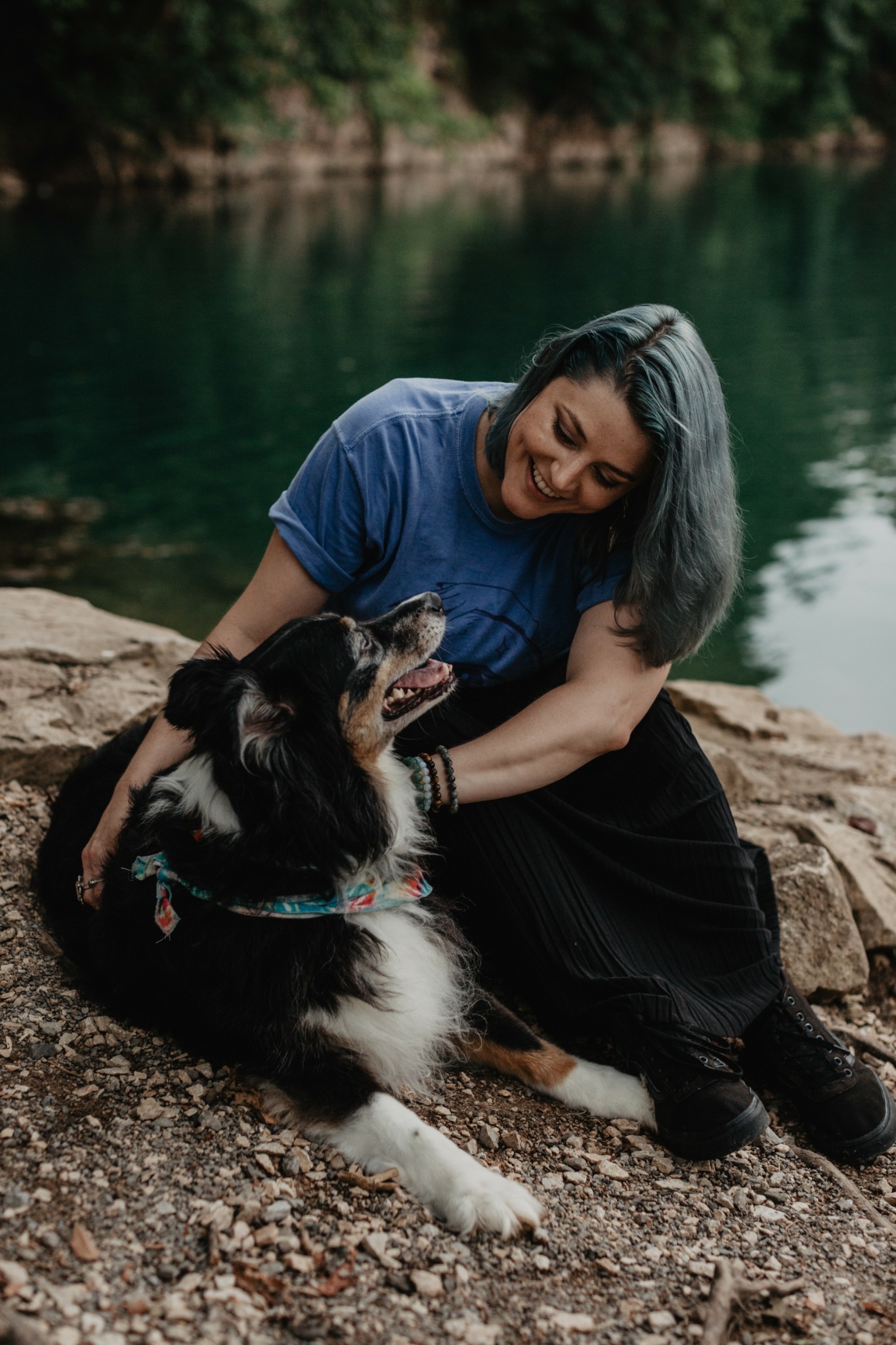
Learning and unlearning are both critical parts of growth – can you share a story of a time when you had to unlearn a lesson?
I think the biggest lesson I’ve learned is that no one has it all figured out. None of us know what comes next. Not really. We may have a good idea of what we can expect to happen or use past patterns or experiences to inform our next moves, but so much of life is out of our hands. I can’t give someone a roadmap that will guarantee success in life. There’s no universal magic formula.
Which means I have no business telling someone they’re doing life wrong. And if there isn’t a “right” way to do life, then there also isn’t a “wrong” way to do life. There’s a freedom in admitting that we’re all doing life in these bodies for the first time. It takes the pressure off and lets you play a little with how you show up. I think our society does a major disservice by only showing us very narrow or limited views of what’s possible for us. Life is short, but it’s also long. If it’s short, fill it with as much joy as you can. And if it’s long, please don’t waste your time doing anything you hate or being a version of yourself that doesn’t feel good to you.
I’m sure plenty of people would look at my story and think it’s beyond messy. I’m definitely the type of person that has to learn a lesson firsthand in order to integrate the information in a useable way. But I also don’t regret trying out different things in life. The second I realized that shaming myself for the many twists and turns I’ve taken in life wasn’t helping me or anyone else was the second I started making my own perspective more valuable in my life than anyone else’s. Every job/career I’ve had up to this point has taught me something about myself and what I do or don’t want in life, in ways I may not have otherwise learned if I’d played it safe or tried to do what anyone else expected of me. It’s not easy. It’s not glamorous. But I genuinely don’t believe I’d be happy in a life that I wasn’t making 100% my own.

Any advice for growing your clientele? What’s been most effective for you?
This probably sounds cheesy, but I stand by it… Not being afraid to show the world who you are. In any kind of career where you’re drawing in clients, if you show up as yourself, you’ll stand out in a way that no certification or letter behind your name could.
There’s another piece of this puzzle that is truly important though. Showing up as yourself, especially as a business owner, makes you visible and vulnerable. It’s not as simple as it seems like it would be. Because you’re ultimately opening yourself up to the possibility of being judged and maybe even failing. And when you’ve shown up authentically, judgement and failure feels so unimaginably personal.
So, take your time. Don’t feel pressured to rip off the bandaid, so to speak, if that’s not your style and you know it’s going to wreck your mental and emotional health. You’ve got nothing to prove to anyone. Throw out little nuggets of your truth over time until it starts to feel a little easier being seen. You’ll be living loud and proud before you know it.
Contact Info:
- Website: https://www.lesleyshiverlpc.com
- Other: Psychology Today: https://www.psychologytoday.com/us/therapists/lesley-shiver-knoxville/706475
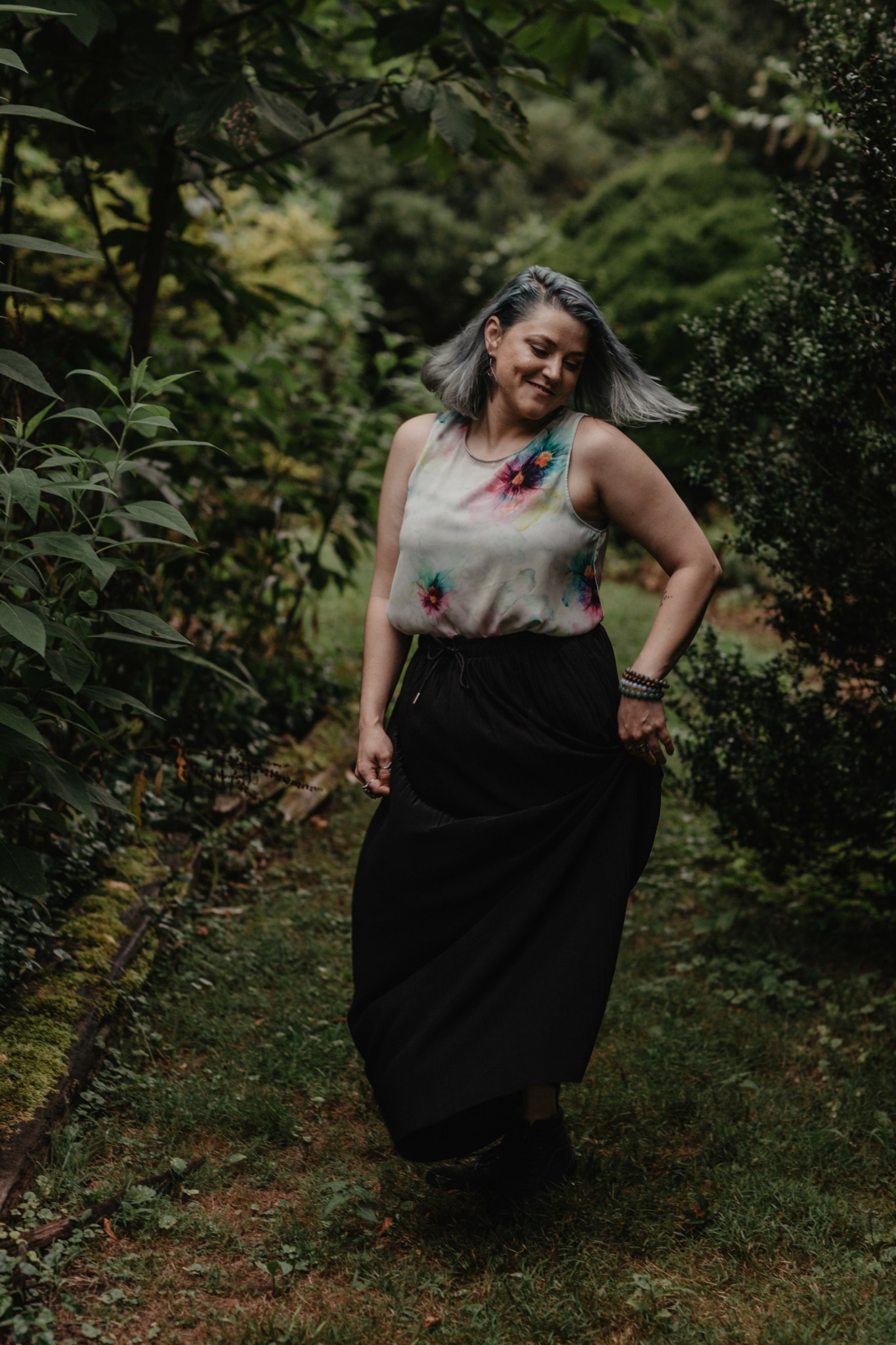
Image Credits
Magnolia & Ember Photography