

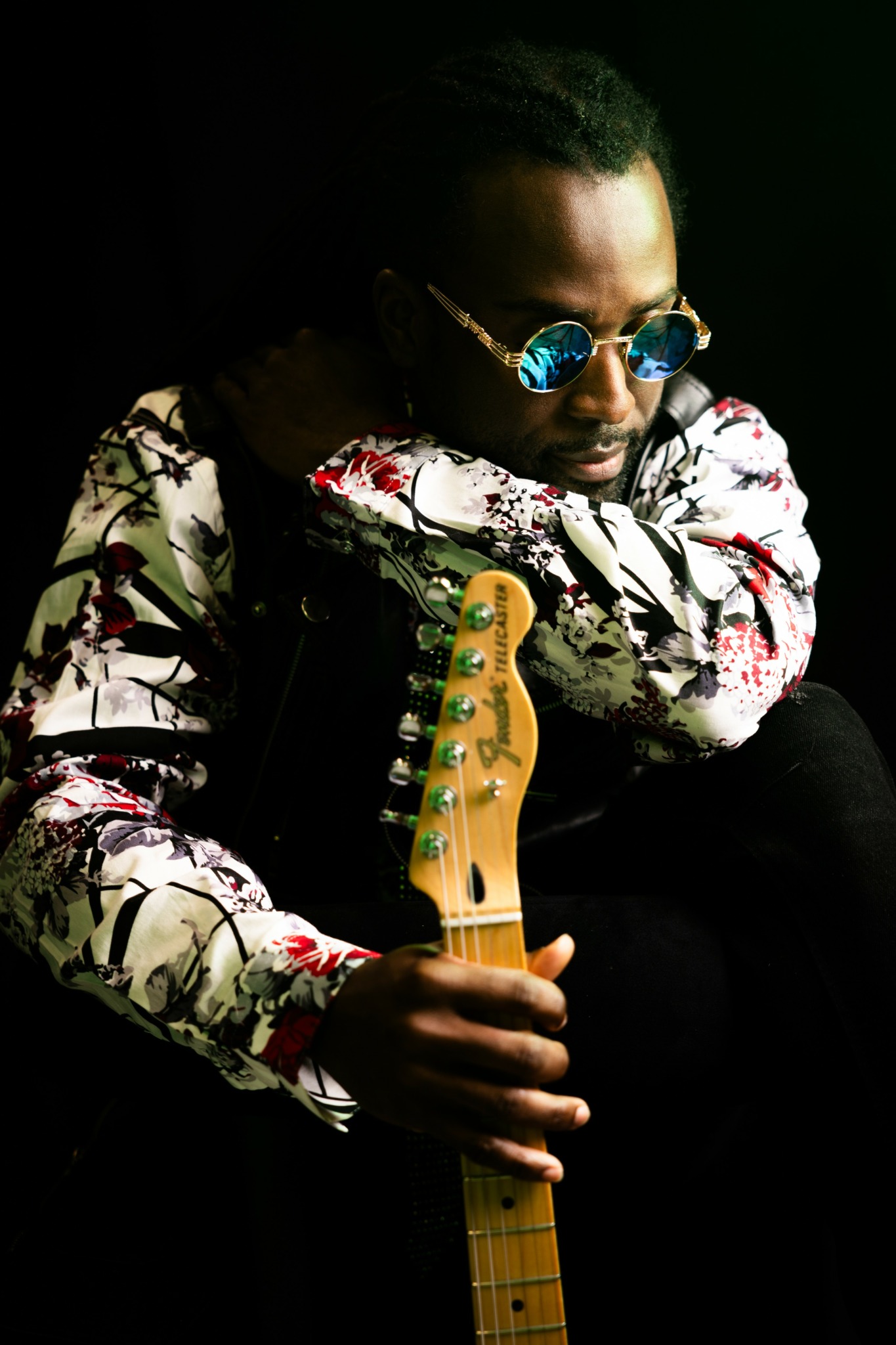

We’re excited to introduce you to the always interesting and insightful LES Aka LRCFUNK. We hope you’ll enjoy our conversation with LES aka LRCFUNK below.
LES aka LRCFUNK, thanks for joining us, excited to have you contributing your stories and insights. What did your parents do right and how has that impacted you in your life and career?
If you asked me what my parents did right, my honest answer? Everything.
I couldn’t have asked for a better childhood. My parents went far beyond the call of duty. I never lacked love, encouragement, or support—and because of them, I’m the artist I am today.
Both musicians themselves, they created a home where creativity wasn’t just allowed—it was expected. My mother, a concert pianist, vocal coach, music educator, and choir director, and my father, a gifted singer, pianist, and guitarist, filled our home with melody and purpose. Music was never confined to a single genre or instrument. In fact, they encouraged versatility in everything I did.
My mother made sure we all learned piano and how to use our voices—regardless of our main interests. I started playing drums at 2 years old, but piano and voice were non-negotiable. She would read me bedtime stories, then clap rhythms and sing melodies for me to echo back. When I’d finally fall asleep, she’d tiptoe to her baby grand and practice late into the night.
Meanwhile, my father and uncles had a gospel quartet called The Golden Echoes. I’d sit and watch them rehearse—my dad at the piano or guitar, leading with his voice. As I got older, I began joining in, sometimes alongside my older cousin. These were some of the moments that rooted me. I believe the seed for my love for guitars planted here and grew over time.
As a kid my mother gave me 3 records by artist’s such as Art Blakely and the Jazz Messengers, Tony Williams (the Wilderness album) and Bobby McFerrin (The Bang Zoom Album that also featured the Yellow Jackets). These records that I still listen to today. At the time some of the music was over my head but I stayed with those albums and as I grew my ear started to develop more. Then after a certain point I started to understand those albums and they became an influence in some of my playing. My parents knew exactly what they were doing in my development in music and I am so grateful their infinite love and support!
At 2, they bought me my first baby drum set. I broke it within two weeks. The salesman told them, “Bring it back—I want to see how he’s playing.” After a quick look, he smiled and said, “You’ve got a drummer. Start him with lessons now.” They did. That’s when I met my first drum teacher, Matthew Jones. He had me reading orchestral music, big band charts, and funk/rock grooves before most kids were learning scales.
From then on, my childhood was an adventure in sound. I grew up playing in orchestras, jazz ensembles, blues bands, rock bands, fusion collectives —you name it. I also grew up in church as a PK (preacher’s kid). My father was the pastor, my mother the minister of music, so gospel, hymns, and spirituals shaped me just as deeply.
And yes, I was playing in nightclubs by 11—on school nights—with full support from my parents. I was under the wing of my biggest drumming inspiration and mentor, the late great John Blackwell Jr., who I also call my big brother. We played everything: funk, fusion, blues, rock. It was raw, real, and unmatched education. Those jam sessions—where you meet new musicians, jump into songs you’ve never heard, and learn to listen, adapt, and lead—shaped my musical instincts more than any textbook could.
My parents gave me the gift of complete immersion. I played rock, funk, R&B, hip hop, soul, gospel, jazz, country, latin, classical—you name it, it was part of my day-to-day. I practiced for six to eight hours daily. Their only rule? Homework came first. After that, they never interrupted—except for dinner.
They put me through vocal training, drum lessons, piano, guitar, competitions, marching band, jazz band, drum corps… and supported my education all the way to Berklee College of Music. They even bought me my first few drum sets before I had endorsements. The list goes on.
What they really gave me was character—perseverance, discipline, commitment. They taught me to go all in. If you start something, finish it strong. They were and are my musical mentors, my spiritual guides, and they have shown me the example of what family is meant to be.
They didn’t just raise a musician. They raised a whole artist—with heart, grit, and a foundation built on love and purpose.
It all started with them. And I’ll never forget it.
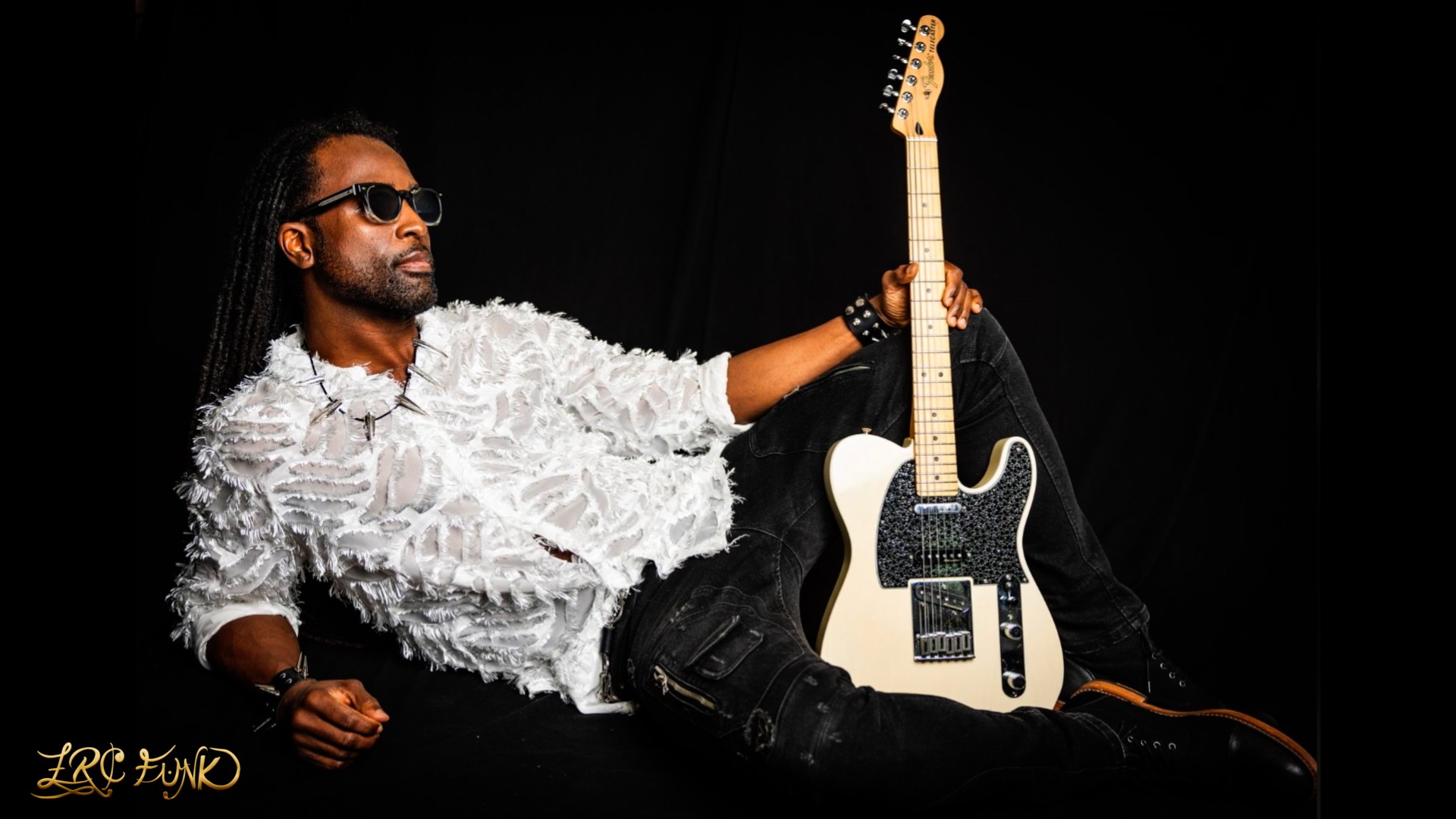
Awesome – so before we get into the rest of our questions, can you briefly introduce yourself to our readers.
I got into the music industry organically. It all starts with love. We just love this thing called music and want to do it all the time. I always say—I didn’t choose music, music chose me. And I just listened to it.
Growing up in Columbia, S.C., I was focused on being the best musician I could be. Drums are my first love. But I also loved to sing. My mother, a vocal coach, music educator, and concert pianist, always encouraged me to maintain my voice and learn piano. My father plays guitar, piano, and sings too. Most of my family can either sing or play an instrument—even if they don’t do it professionally—so music was everywhere, all the time. It wasn’t even a question. It was like love at first sight—or really, first note. I knew in my spirit: this is what I’m here to do.
I listened to and played everything but I was addicted to anything Micheal Jackson above anything else, vocally, instrumentation and overall presentation. As a drummer that was my number one dream gig to play once I grew up. I would practice to all his records in my room while wearing headphones.
I’d practice every chance I got, watching videos and listening to records from every style of music I could get my hands on—funk, jazz, rock, hip-hop, Latin, gospel, blues, reggae, fusion, classical, country, R&B. You name it. As a kid, I played in nightclubs every week with all kinds of bands while also performing in orchestras, marching bands, jazz bands, church choirs—you get the picture. Through middle and high school, I consistently placed first chair in every band competition, and served as the percussion section leader in high school marching band. Music was 24/7 for me. Eat, sleep, and breathe it.
One story I believe that truly marks the beginning of my professional path starts in sixth grade. The late, great John Blackwell Jr.—also a Columbia native—took me under his wing. He noticed me at a drum clinic he held at W.J. Keenan High School (which would eventually become my high school). My uncle, Willie E. Lyles, was the band director there, and my mother became the choir teacher three years later. At the time, John was a student at Berklee College of Music. He had come back home to give back, and he brought all the Berklee materials he could carry. I was blown away by his performance. I came home that day carrying every Berklee pamphlet, t-shirt, applications, and posters I could grab, telling my parents: “That’s where I’m going for college.” My parents were surprised that I was thinking about college so early. From that day until his passing, John gave me a front-row seat to his life—a real-time blueprint for navigating life, music and the industry.
In our first lesson, he said, “I’m going to pour everything I can into you. Learn from both my mistakes and my wins—and then you take it higher.” We developed a deep relationship—part sensei-student, part big brother-little brother, in drums and in life. Shortly after that clinic, he got the call to play with Cameo. Three or four years later, he was with Patti LaBelle—and that’s where Prince saw him. The rest is history.
What made this pivotal was that he had been preparing me the entire time to be his successor.
I eventually went to Berklee, just like I said I would. While I was there, Blackwell was now Prince’s drummer. When Prince was off the road, he’d also tour with Larry Graham of Graham Central Station—Sly Stone’s original bassist. Eventually, Prince and Larry had overlapping tour dates, and Prince needed Blackwell back. That’s when Blackwell told both of them about me. He always referred to me as his protege. I got a call from Prince’s guitar tech/tour manager (now a lifelong friend). He said, “Prince wants to see a video of you.” I sent the footage, and not long after, Prince called me and then flew me to Paisley Park to jam with him and Larry Graham. That jam session was essentially my audition to become Larry’s drummer. And I got the gig. I’m still close to Larry today!
That was my formal entrance into the music industry.
From there, doors began to open. I was performing with Roberta Flack and Patti LaBelle, while still working with Larry Graham—and also serving as backup drummer for Prince. And all of this while I was still a student at Berklee. Blackwell trusted me with his legacy, and I’ll always be grateful for that. Playing with Larry gave me the nudge I needed on so many levels. From that point, I took off.
Eventually I also toured with artists like Anita Baker, Tevin Campbell, Lil’ Kim, Syleena Johnson, Avery Sunshine, Wayna, Mike Phillips, Dave Weiner (Steve Vai), Angela Johnson, Darien Dean, Gordon Chambers, and more. While still in college, I was blessed to receive endorsements from some of my favorite companies: Sabian Cymbals, Vater Drumsticks, Tama Drums—later adding Aquarian Drumheads, 64Audio, and Rtom to the list.
What sets me apart now is how I’ve evolved—and the way I see the world.
I went from obsessing over being the best drummer possible to becoming a full-fledged music director, band leader, and now a multi-instrumentalist, recording and performing artist, singer-songwriter, and producer. I still get calls to put bands together, but this is a reintroduction to the world as a full artist: I’m showing up with all sides of myself on display.
I don’t create music by the rules. I let the music guide me, no matter the genre or structure. A lot of creatives force their art to fit into what’s popular or trending, and in doing so, lose originality and depth. For me, the best art is the kind that arrives unannounced—and you just follow its lead.
I approach music through a spiritual lens. Everything I do has a spiritual center. That reflects in my lyrics, in the feeling behind the chords, in the intention behind every note. I sing, produce, write, perform—and I play most, if not all, of the instruments you hear in my music. I take pride in doing it all. Not because I have to—but because it’s the only way I can fully express what I hear and feel inside. The purpose is deeper than just making songs. I want to provoke deeper spiritual thought, encourage love, hope, harmony, and joy—and inspire others to look inward to become the change they want to see in the world.
I’m most proud of the release of my debut album, EMERALD CITY. It’s my reintroduction to the world—showing the full spectrum of who I am: singer, songwriter, producer, composer, multi-instrumentalist, arranger, and visionary. The album is full of strong, positive, uplifting messages from beginning to end. It’s a sound that’s uniquely mine—and I’m proud to have carved my own lane without ever conforming to trends or boxes. I’m also deeply grateful to God for blessing me with the ability to create. Music is one of—if not the—most powerful gifts we’ve been given. It literally makes the world go ‘round.
What I want people to know is this: I never follow trends. I’m a sigma personality—I move to the beat of my own drum. That’s where true artistry lives. I believe in creating something real that speaks authenticity and truth without sacrificing quality.
My music can’t be boxed in. It’s hybrid-genre music—it feels good, it sounds good, and it’s rooted in real meaning. It blends flavors and textures in ways most people don’t expect—and that’s what makes it exciting and eclectic. It’s a fresh sound that defies the norm—and it touches both mind and heart.
Is there mission driving your creative journey?
The mission and goal driving my creative journey is rooted in purpose, truth, and divine calling. More than anything, I want to use the music to touch as many hearts and souls as possible. I want people to feel something real—something deep. I want them to experience love, healing, hope, freedom, and spiritual clarity through the music. I want them to feel God’s light, love and presence in every note and in the lyrics and in the spirit of it all. Entertainment is just the beginning. It opens the door, but it’s not where it ends. My goal is to use music as a tool for healing and transformation. To bring attention and awareness to what truly matters in this world—to remind people of their light and of each other.
So much of today’s content is surface-level, spoon-fed, mass-produced with no real weight to it. There’s a lot of noise but not enough soul. A lot of distraction but not enough direction. I want to be the counter to that. I want to be a vessel for something deeper.
My mission is to preserve real music—music that’s rooted in truth, emotion, soul, musicianship, and masterful artistry. I believe in the power of live instrumentation, of artists who actually play, write, and produce with intention and skill. I believe in artists who push themselves to grow, not just in popularity but in mastery. I want to remind the world—and especially the next generation—that this kind of music still exists, that it still matters, and that it can coexist with innovation. Technology is a powerful tool, but it should never replace the heart behind the art. It should support it, not substitute it. My creative journey is organic. It’s spiritual. It’s part of who I am. I don’t have to force it—it’s just there, moving through me like a natural rhythm. Creating is like breathing to me. It’s automatic, it’s natural, it’s sacred. It’s a gift from God that I don’t take for granted, and because I know where it comes from, I know what it’s meant to do. It’s not just about making songs—it’s about making a difference. That’s what drives me.
I believe that as artists, we have a responsibility. We are not just entertainers—we are healers, truth-tellers, and guides. We can shift culture, shift mindsets, and bring people back to themselves through the power of sound. That’s why I create. That’s why I put so much care into every lyric, every chord, every rhythm. I want the music to be medicine. I want it to be a safe space. I want it to wake something up in people.
Another part of my mission is to encourage people to embrace music without borders. I’m big on hybrid genre expression because I don’t believe in putting music—or myself—in a box. Music is color, emotion, vibration, story, and soul. Great music is great music. It doesn’t need to fit neatly into a category. If it moves you, that’s enough. I want to break down those barriers and inspire listeners to be more open-minded and open-hearted in the way they experience sound. Through everything I create, my ultimate goal is to lead with love, spirit, authenticity, and excellence. I want people to hear the truth. I want them to feel seen, to feel empowered, to feel inspired to go deeper within themselves and live with more intention. I want the music to plant seeds that grow long after the song ends. That’s the mission. That’s the goal. And I’m just getting started!
I also want to add that, part of the fuel that drives my creative journey is my family, mentors and friends that believe in me and that invested and sacrifice so much for me to be able to be who/where I am today. I can’t let them down and have to see this all the way through!
How can we best help foster a strong, supportive environment for artists and creatives?
I believe society can best support artists and creatives—and build a truly thriving ecosystem—by continuing to show up, in person, for live music. That means keeping concerts, festivals, and local venues alive and well, not just in spirit but in attendance. It’s been beautiful to see people coming to live shows and experiencing music together. We need to keep that energy alive and amplify it even more. These spaces are where connection happens—between artist and audience, and between strangers who leave as a unified crowd. That communal experience is powerful, and it’s something that no algorithm or playlist can replicate.
Beyond showing up, direct support makes a huge difference in an artist’s ability to sustain their craft. Buying music instead of just streaming it, investing in merch, sharing the music authentically, and even something as simple as telling a friend about an artist you love—these actions fuel independent artistry. Streaming has its place, but it doesn’t come close to sustaining most artists financially. Real support—ownership of the music, pride in wearing the merch, and participating in the culture—is what allows us to keep creating from a place of truth and freedom.
If we as a society want to preserve the soul of music, we have to value the creators. That means celebrating musicianship, artistry, and originality—not just consuming it passively, but nurturing it actively. Everyone plays a role in shaping the musical landscape, and when we invest in art with our presence, our energy, and our dollars, we help it thrive.
Contact Info:
- Website: https://lrcfunk.com/
- Instagram: https://www.instagram.com/les.is.lrcfunk/
- Youtube: http://www.youtube.com/@LES.is.LRCFUNK
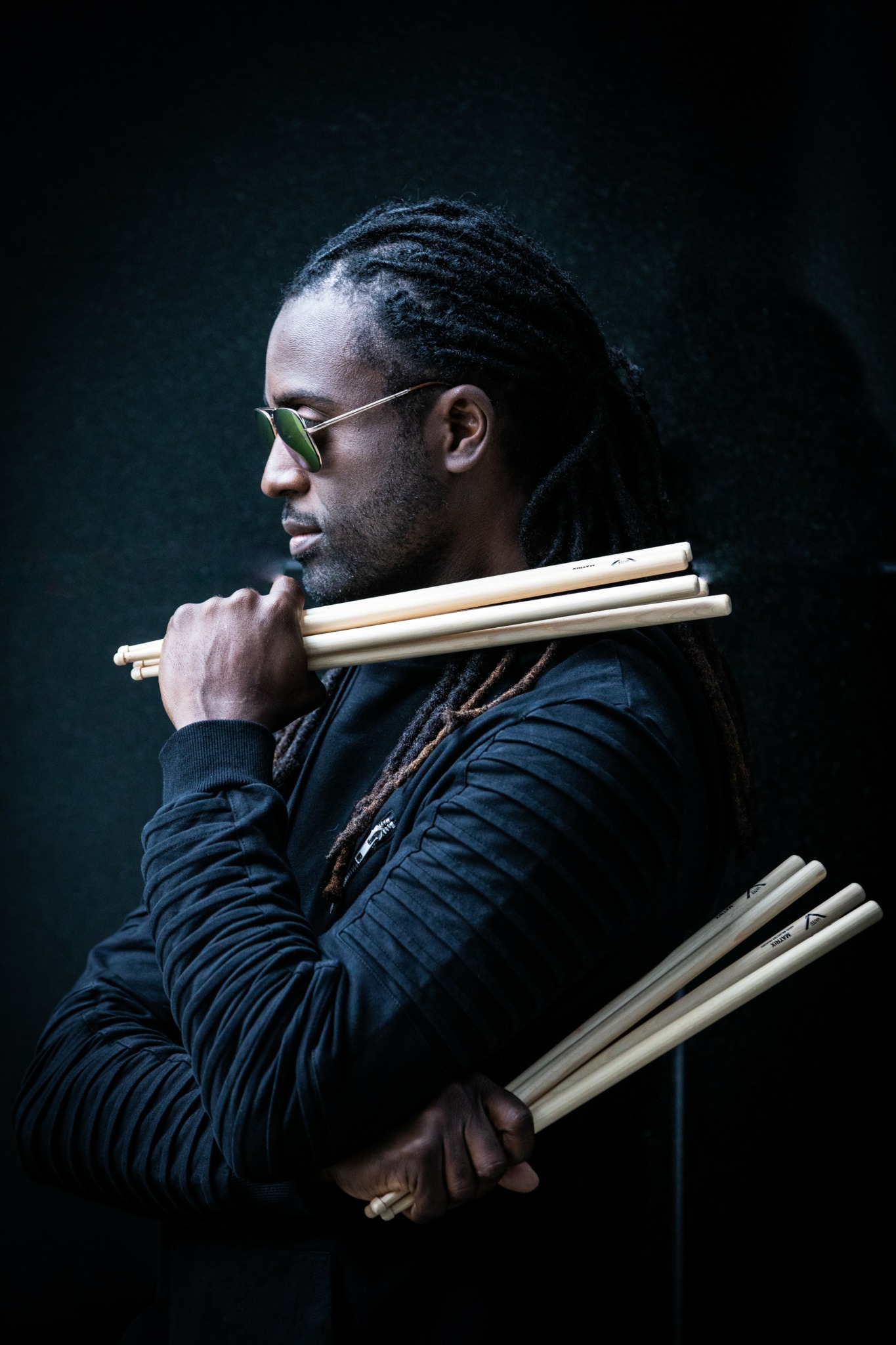
Image Credits
Peter Lodder