

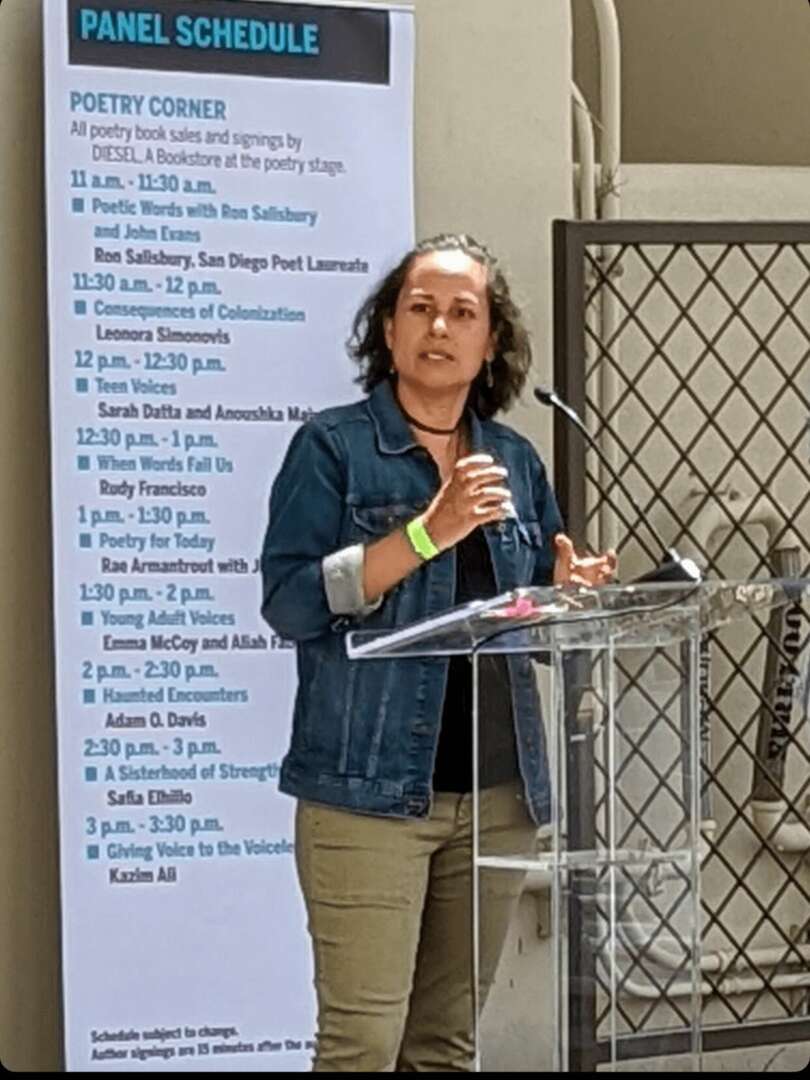

We’re excited to introduce you to the always interesting and insightful Leonora Simonovis. We hope you’ll enjoy our conversation with Leonora below.
Leonora, appreciate you joining us today. Learning the craft is often a unique journey from every creative – we’d love to hear about your journey and if knowing what you know now, you would have done anything differently to speed up the learning process.
When I was about 5 or 6 years old my mother gifted me with a Cancionero (a book of poem-songs) by Spanish poet Federico Garcia Lorca. The book had illustrations and poems for children that my mother read to me, and that she also learned by heart and would recite in the most unexpected moments (like when she didn’t want to answer a question I or one of my siblings was asking for the hundredth time). I still have that book with me and rereading it recently, I realized that I learned the craft of poetry by listening to the sound of my mother’s voice reciting those poems and also by listening to bolero songs on the radio, to songs of protests or traditional Venezuelan music. Those sounds connected me to my roots, my ancestry, and the land I lived in.
I started writing stories and poems at a young age but was never encouraged to share them. It was a private affair that was labeled as a “hobby” by my parents, something to entertain myself with but that did not have the makings of a solid career. As I got older, I stopped writing, became restless and started seeking ways to fill a void left by the lack of a creative process. I became a competitive swimmer, practiced martial arts, went to graduate school. Eventually, years later, I did an MFA in poetry and published my first book. One of the main takeaways from the practice of poetry is that it requires patience and consistency to observe, listen, and experience as much as you can. Writing is not just what you put on the page, it’s everything that you do and that, eventually, will lead you to a poem, a story, or an essay.
As always, we appreciate you sharing your insights and we’ve got a few more questions for you, but before we get to all of that can you take a minute to introduce yourself and give our readers some of your back background and context?
I have written stories and poems since I can remember. Life took me in many different directions and it wasn’t until 2015, during a difficult time in my life, when I decided to take a weeklong poetry workshop that completely changed my life. Until then, I had never found the encouragement and support to take my writing seriously and to put myself out there, without shame or fear. I didn’t realize how much I needed to do some kind of creative work. It brings me joy and connects me to the world and to other humans in ways I could not have imagined.
What’s the most rewarding aspect of being a creative in your experience?
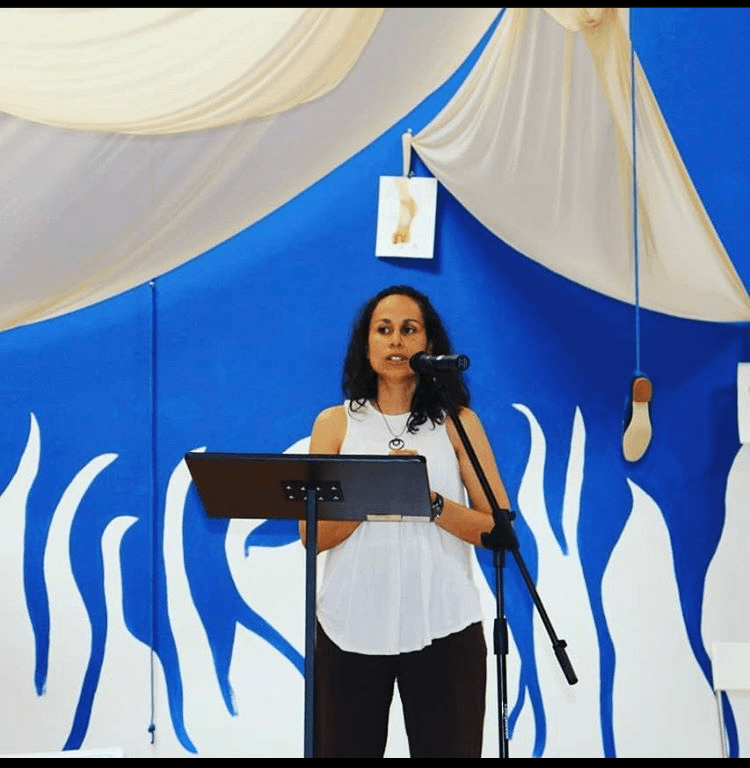
The friendships that I’ve made and the communities I’ve had the opportunity to connect with and be a part of. Being a creative person means I’m also a life long learner. I’m always looking for opportunities to grow, whether it’s by reading new things, learning a new skill (related to the writing practice or not), or taking a workshop. I also enjoy organizing readings and events, it’s a great way to meet new writers and also, readers. Some of the best conversations I’ve had are the ones that happen after a reading with people I’ve never met. They might have questions or just want to talk about their own experiences and the role poetry has their lived. Teaching has also been a very rewarding aspect of being a creative person. I’ve had so many students telling me how, after taking a creative writing class, they found a way to incorporate journaling into their lives, or they’re writing poetry, painting, cooking; and they enjoy doing these things because they do them without fear of being judged. Being a creative person is also about unlearning some of the things we’ve been taught in school that force us to leave aside experimentation and emotion for the sake of logic and reason.
Can you share a story from your journey that illustrates your resilience?
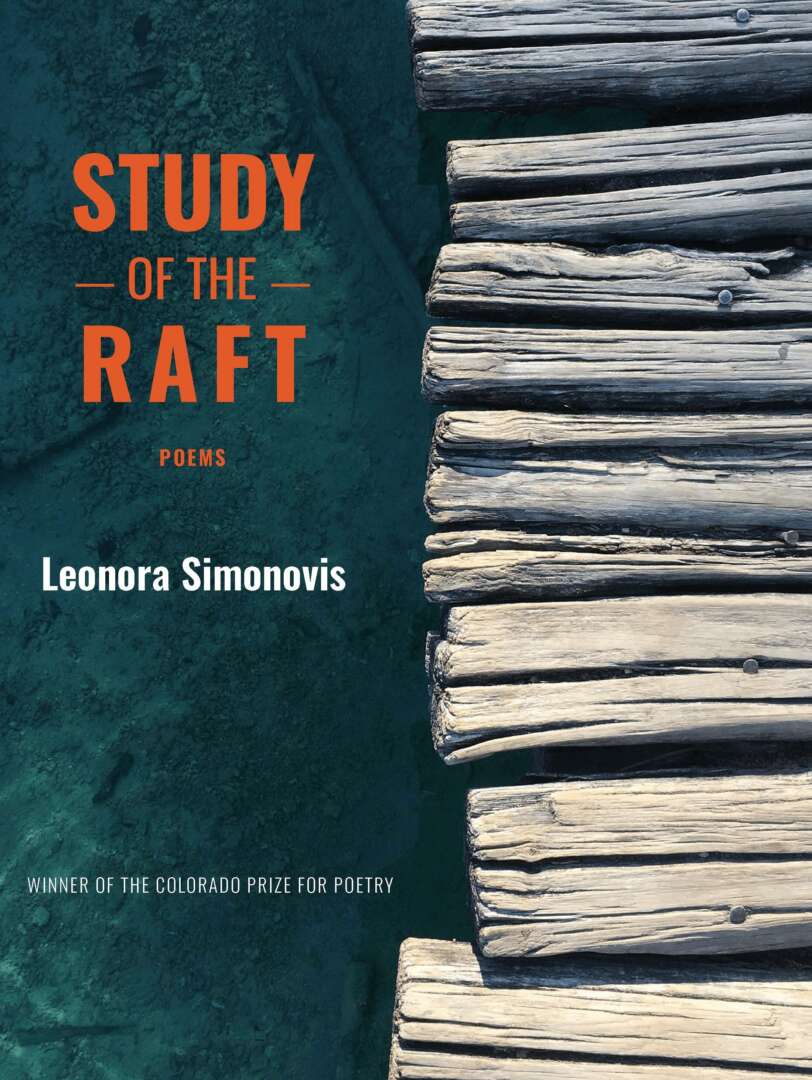
As as immigrant, I have faced many challenges, including being asked repeatedly why I don’t write in my first language. For me, that is like telling someone to “go back to their country” in the sense that the expectation is that you should remain within a specific, predictable, category. I wrote my first book because I didn’t feel represented in many of the immigrant narratives out there, so I did it for me and for my family, for the little girl that was always afraid to speak up and tell her truth. And I wrote in English, a language I learned as a child and which I feel perfectly comfortable writing in. I had moments where I doubted myself and thought that what I was writing wouldn’t be good enough. But the thing is that the language itself doesn’t matter because, as one of my mentors told me “poetry is its own language.”
Contact Info:
- Website: https://www.leonorasimonovis.com
- Instagram: @leosimonovis
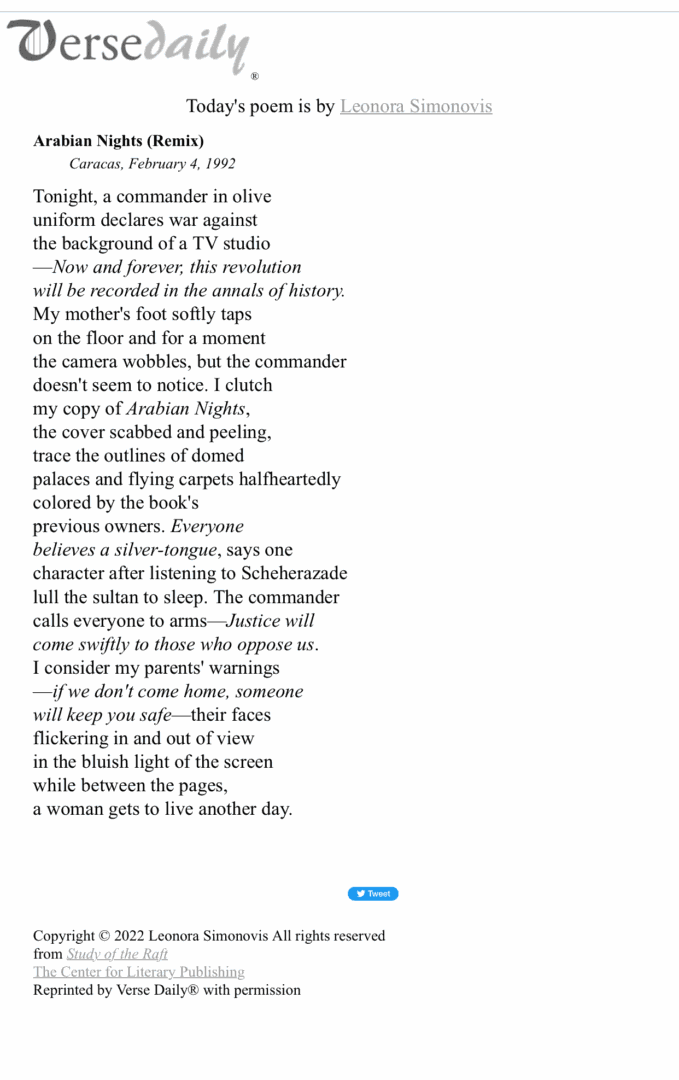
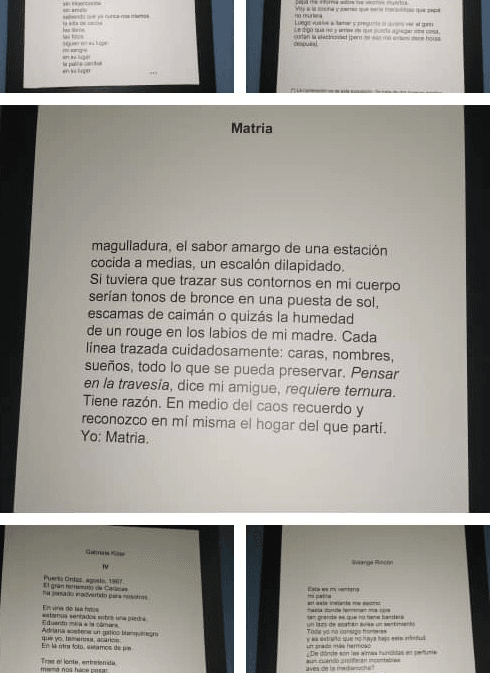
Image Credits
All photos are taken by me.