


Alright – so today we’ve got the honor of introducing you to Leo Bird. We think you’ll enjoy our conversation, we’ve shared it below.
Hi Leo , thanks for joining us today. We’d love to hear about when you first realized that you wanted to pursue a creative path professionally.
I knew that I wanted to write true stories about having autism because I struggled to fit in at college and with my family. My first stories were in an explanatory form after a conflict, but they were not well recieved. But when a person interviewing me for an internship where the interns had disabilities in the summer of 2013, he suggested I could be someone who educates people about autism, and I thought I could do that by using storytelling techniques of JD Salinger that I learned in my Writing Short Stories class. In this form, they were well received, and I learned that my challenges were more common amongst neurotypicals (people without autism) than I thought. Even without reading the script, fitting in was a topic of interest.
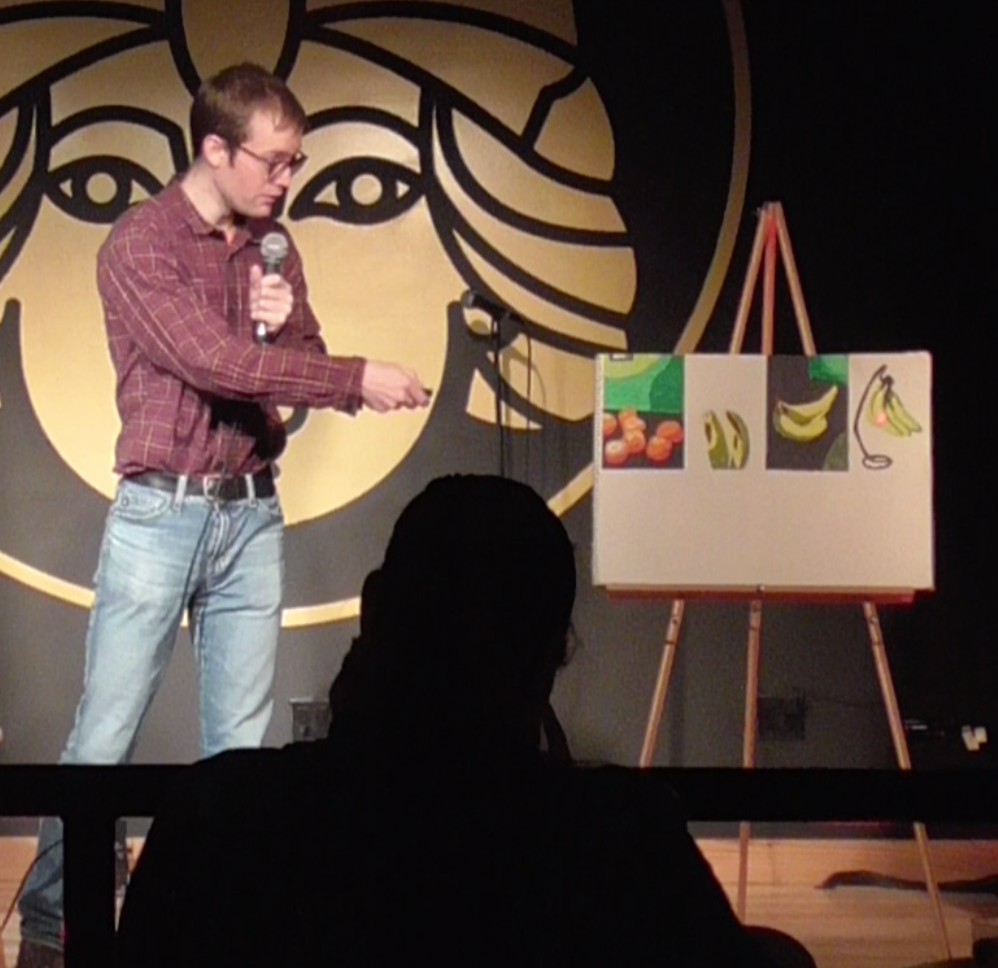
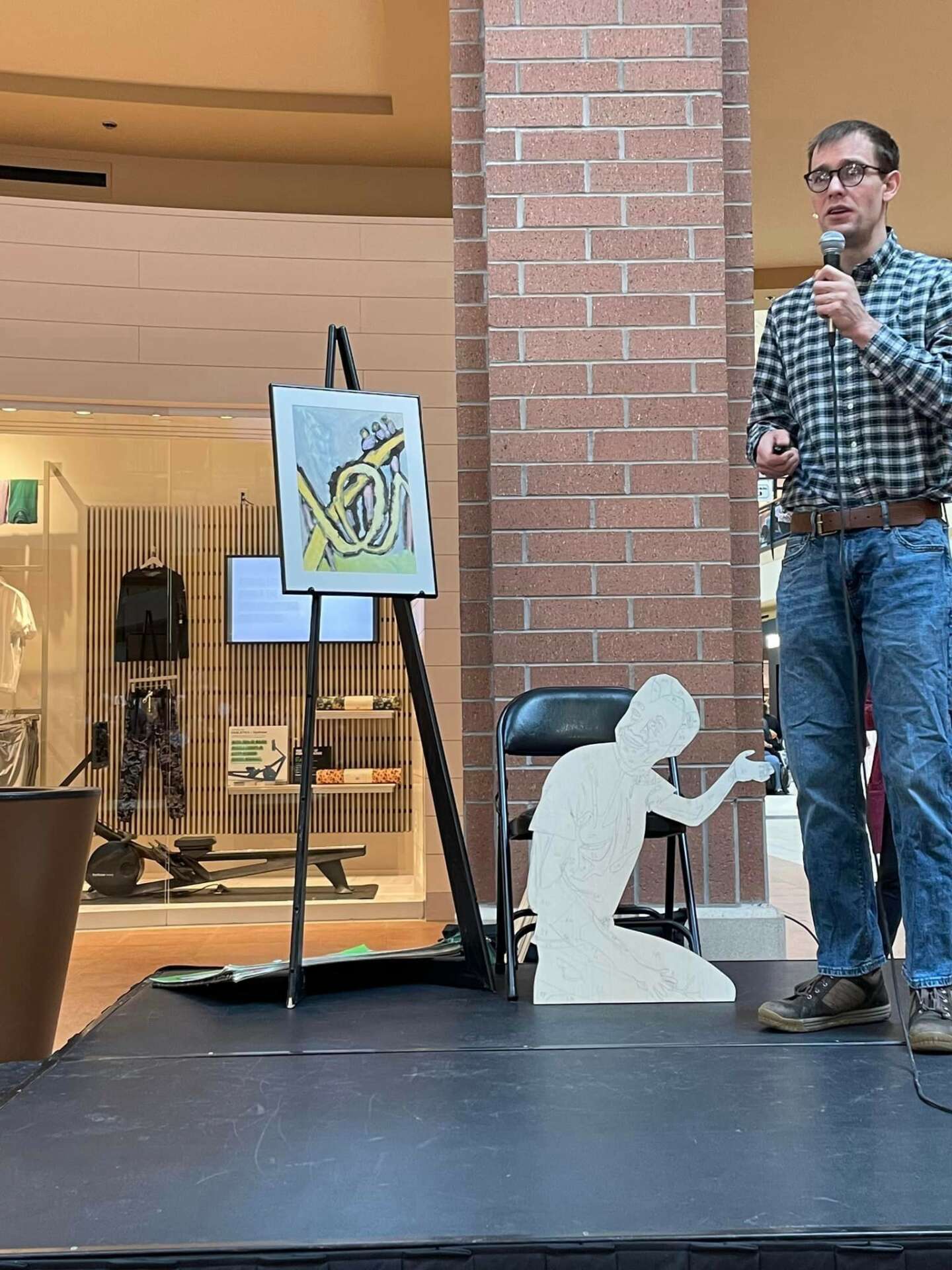
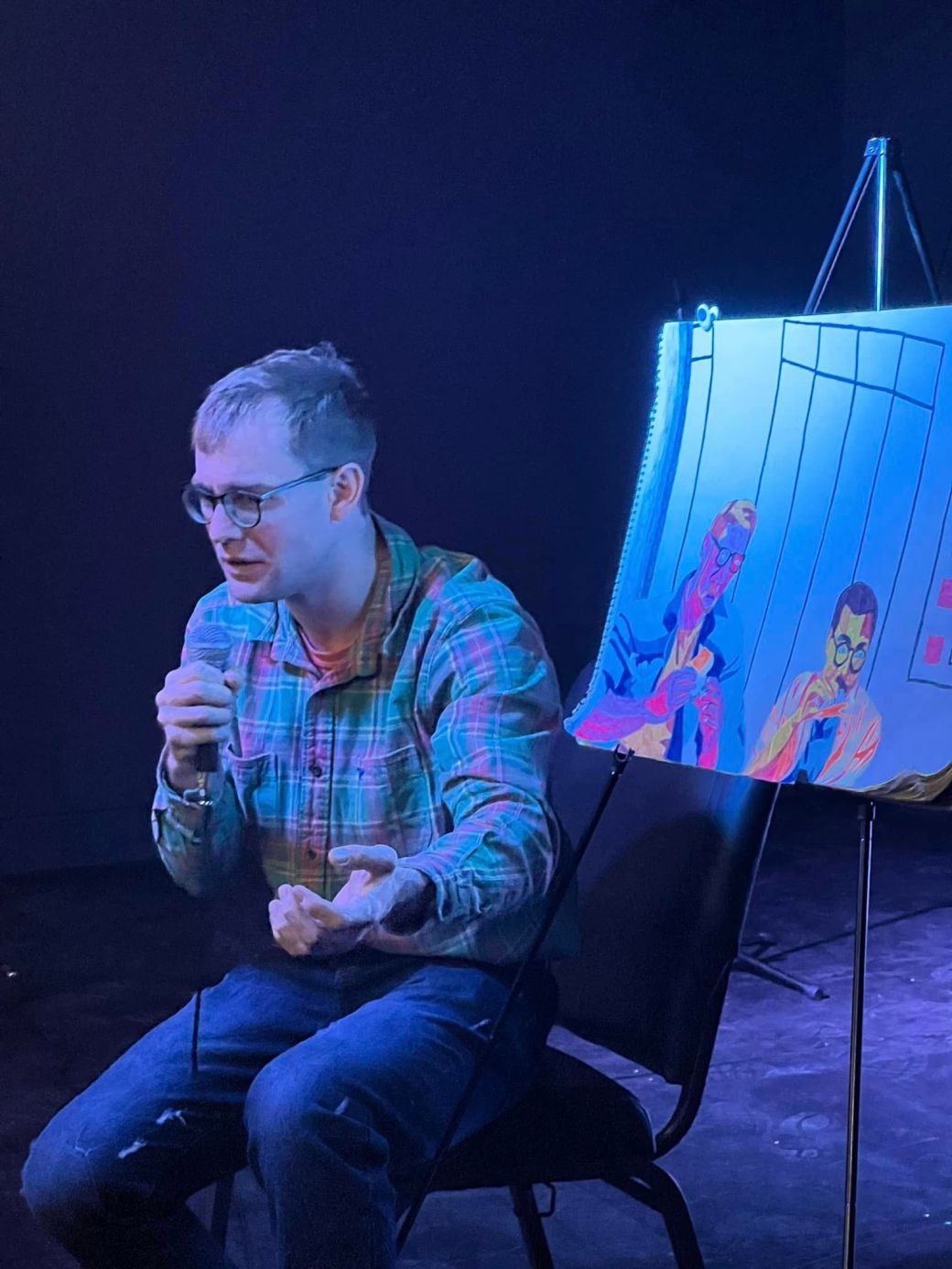
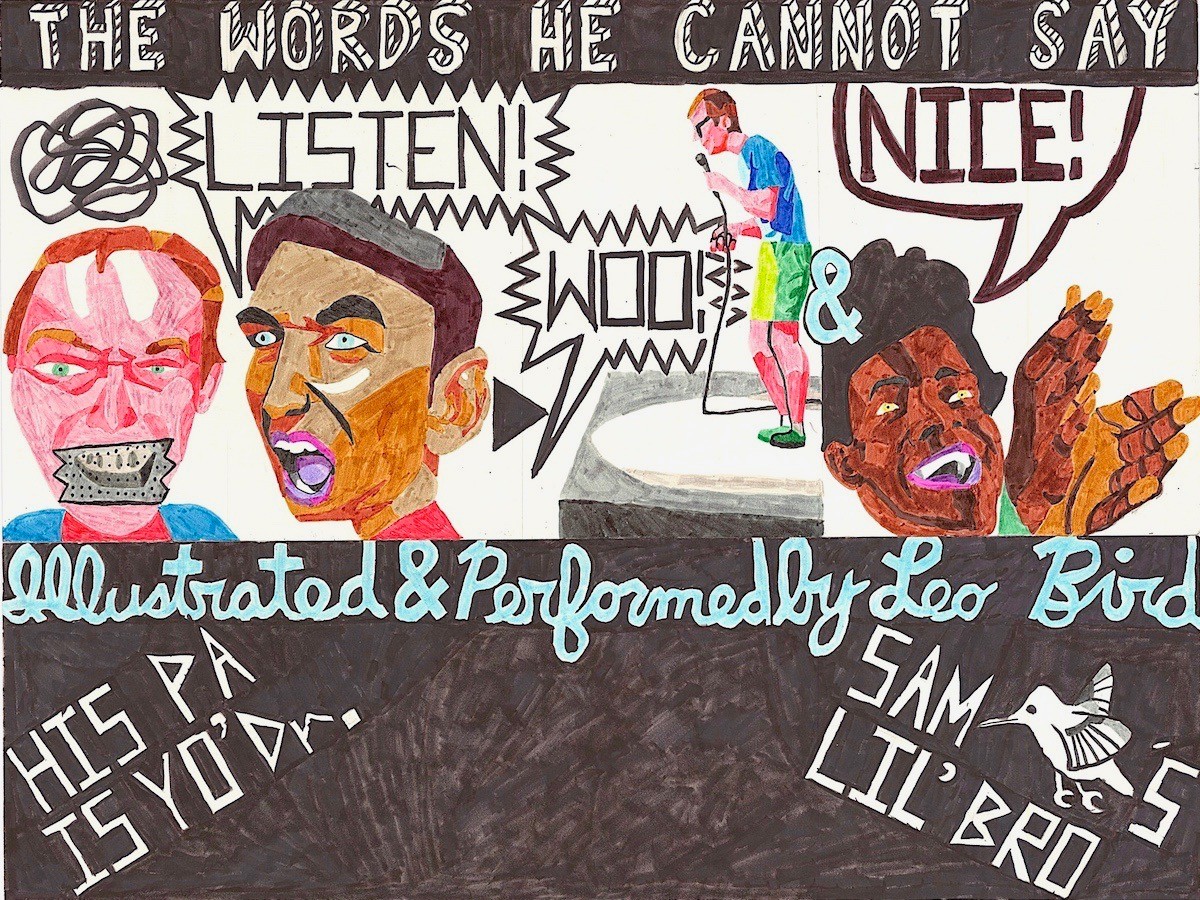
In 2018, I discovered the open mic scene in Des Moines, and people were amazed by my public speaking skills. A year later, I had a story where I threw in a drawing to illustrate the difference between two different dorms. This was the funniest part of the story, so I experimented by making drawings for my other stories. When I discovered that I needed to use a laser pointer to refer to the drawings as I spoke, they became a big hit with audiences. Later, I won second place three times in a weekly open mic competition, and that was the start of my professional career. In 2021, I began exhibiting my art. I also attended the open studio event at Mainframe Studios and made friends with the artists there.
I wrote a story about why I wrote my memoir The Words He Cannot Say, and because it was well received and “What made you choose this job?” is a job interview question, that convinced me that I was on the right track.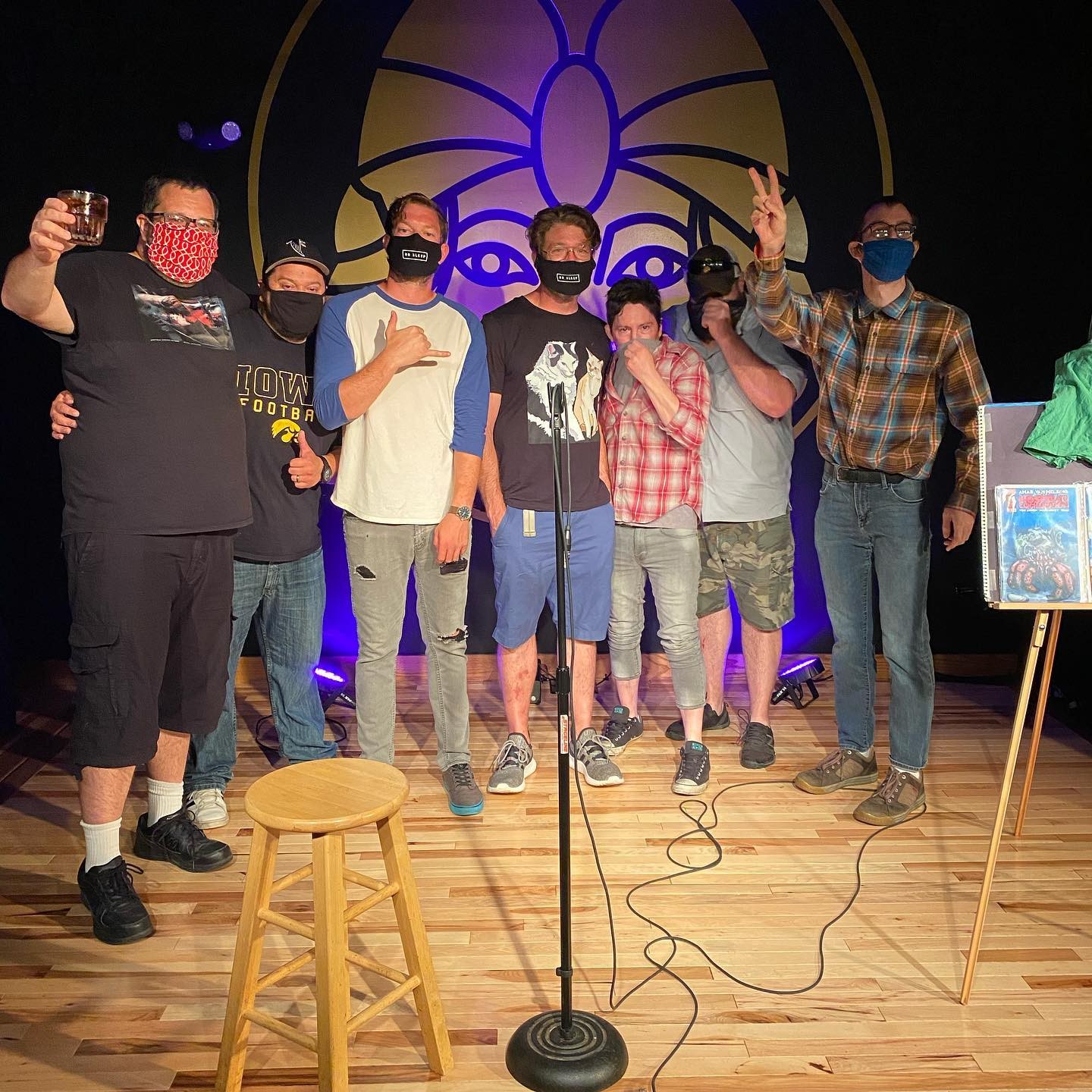
Awesome – so before we get into the rest of our questions, can you briefly introduce yourself to our readers.
I am a motivational speaker who uses drawings as a visual aid. My memoir is called The Words He Cannot Say. I tell true stories about fitting in, building talent and character, and having autism. But my memoir is losing the autism theme because I am learning my challenges are more universal amongst people without autism than I thought.
I write stories not out of being a fan of any genre, but to support a cause; it is life becoming art instead of art imitating life. For example, if someone told me I was patient, I would list traits of a patient person and times I was patient. Or I will talk about a time when someone did something helpful for me. There are questions like “What made you choose this job?” that I investigate in my stories.
The usage of drawings in my stories makes The Words He Cannot Say appeal to a more broad audience, and not many performers use drawings, which makes me stand out. The events manager at The Funny Bone told me they had never had a comedian ask if they could perform prop comedy. The No Shame Theater typically discourages stand up comedians from performing, because there are a lot of stand up comedians in my town and they wanted it to be a variety show and did not want to have stand up comedians dominate the event. But they invited me to perform because the drawings suited the variety show theme.
I feel like people are more willing to listen to me when I am telling a story than in a conversation, as I express unpopular opinions in my stories.
I am proud that I have won awards in stand up comedy and art, performed on comedy shows that I had to audition onto, been allowed thirty minutes of stage time, and won the approval of comedians and artists further in their artistic practice than me.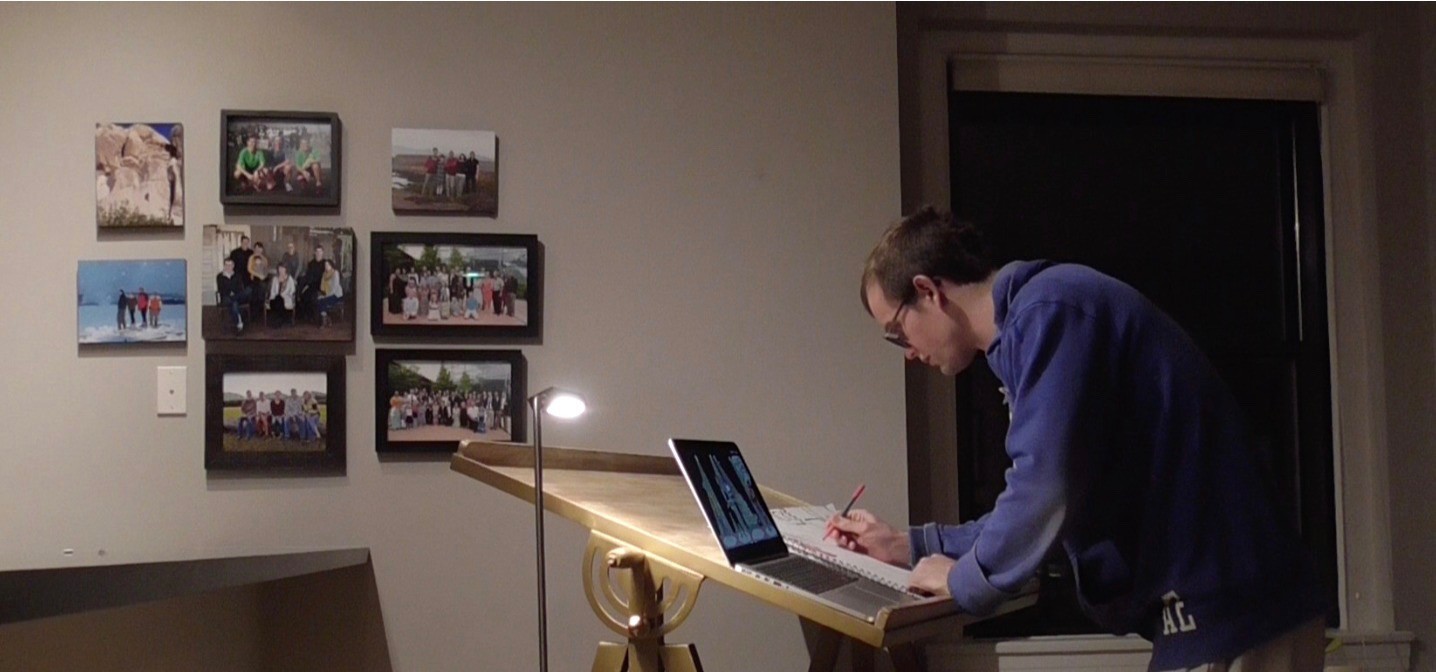
We’d love to hear a story of resilience from your journey.
I believe in my stories even if they are initially rejected. Being turned down by an employer can be discouraging, but even famous people have been rejected before they were accepted, and being persistent is needed to be successfull. Even when a work is published, it can face criticism from critics.
I performed a story at an open mic about how time consuming forty, sixty and eighty hour work weeks were, and there was not much laughter when I performed it. However, when I worked with Momentum, an art program for people with disabilities, they thought it fit perfectly with their Resilience and Recovery theme. I submitted a drawing of my college’s cafeteria to an art exhibit even though it was previously rejected from a gallery, and it not only won honorable mention, the juror gave a speech about it. People from my church group did not think Facebook was an effective form of communication, but I won second place in a story where I critiqued Facebook posts that I seen.
Earning the approval of artists and comedians who are further in their artistic practice than myself gives me confidence to move forward when I am rejected.
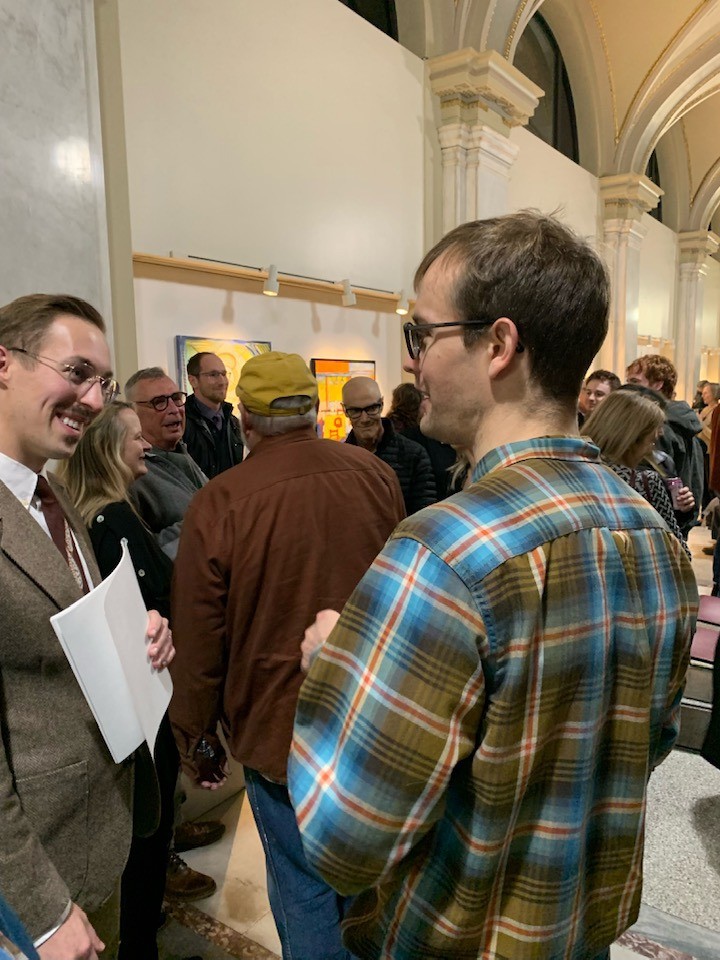
What’s the most rewarding aspect of being a creative in your experience?
The most rewarding aspect of being a creative is when strangers tell me they enjoyed my art or stories. That is like saying “I heard this song on the radio and liked it, so I am buying it on iTunes.” Having the support of family and friends is important, but strangers have no obligation to support me, especially not jurors of competitions, so that means a lot more. My stand up comedy teacher told me that when an audience member tells me something specific they liked about my story, it is genuine, and that has happened to me before. Hearing audience members say that they feel like a better person after hearing my stories further motivates me to write.
It is also rewarding to hear from the audience that they have had similar experiences as I do. Because the audience interprets my true stories with the experiences they have had in their life, sharing my memoir The Words He Cannot Say is a learning experience for me to. I feel more comfortable talking about my life on stage than in a conversation because people are more willing to listen to me when I am on stage that when I am in a conversation. 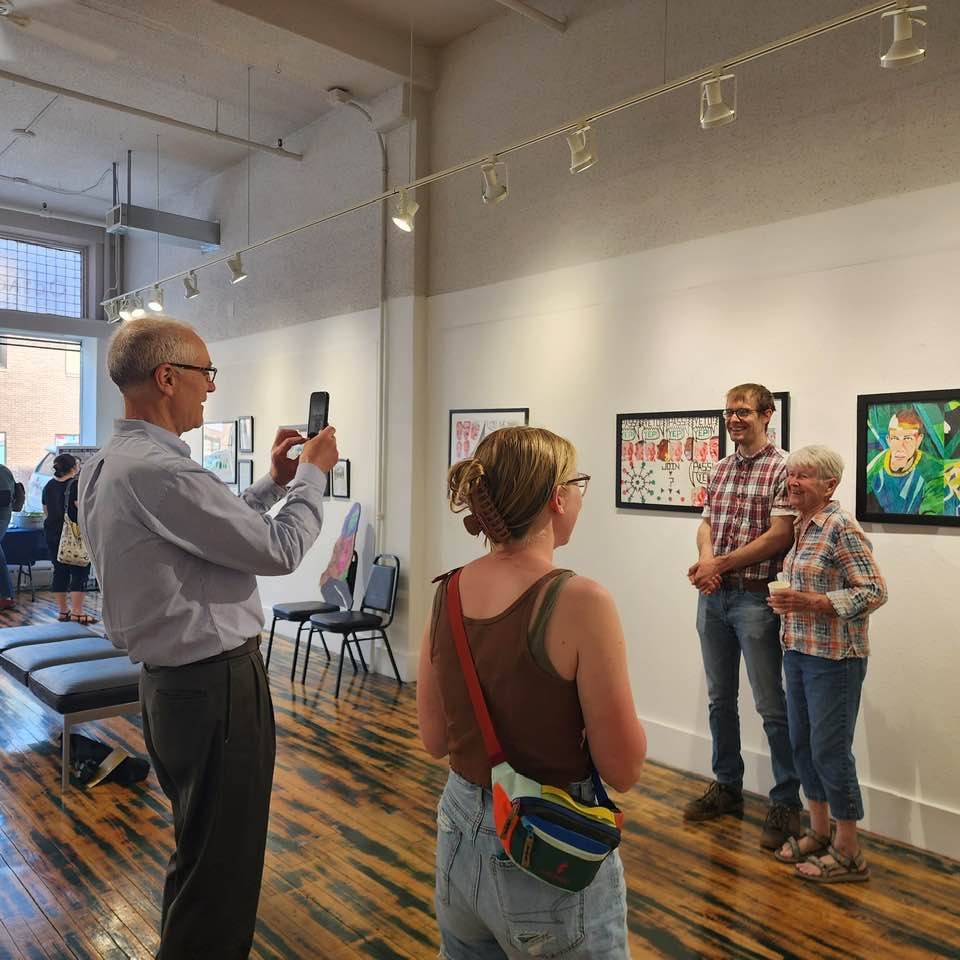
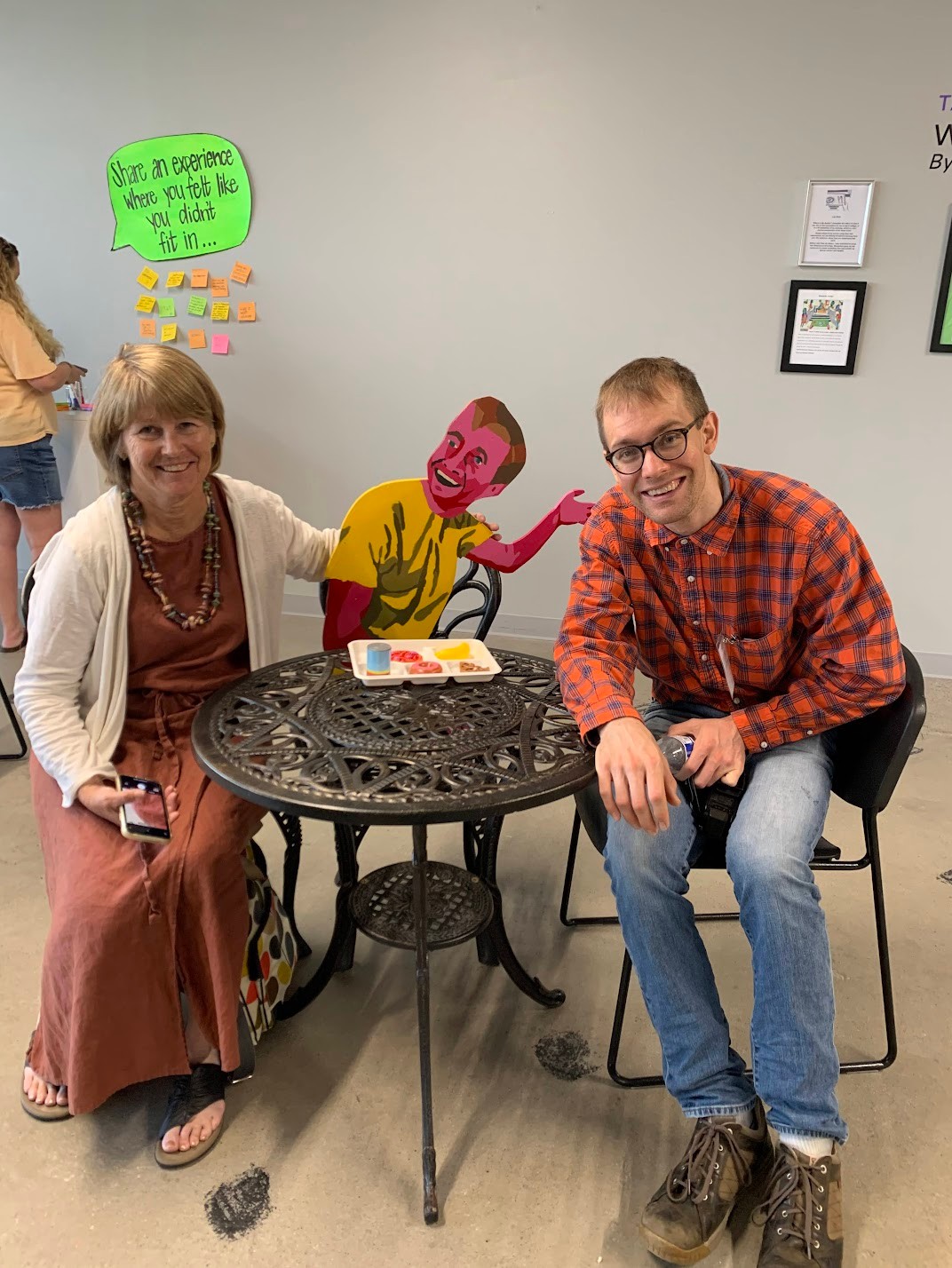
Contact Info:
- Website: https://leobirdstandsup.com
- Email: [email protected]