

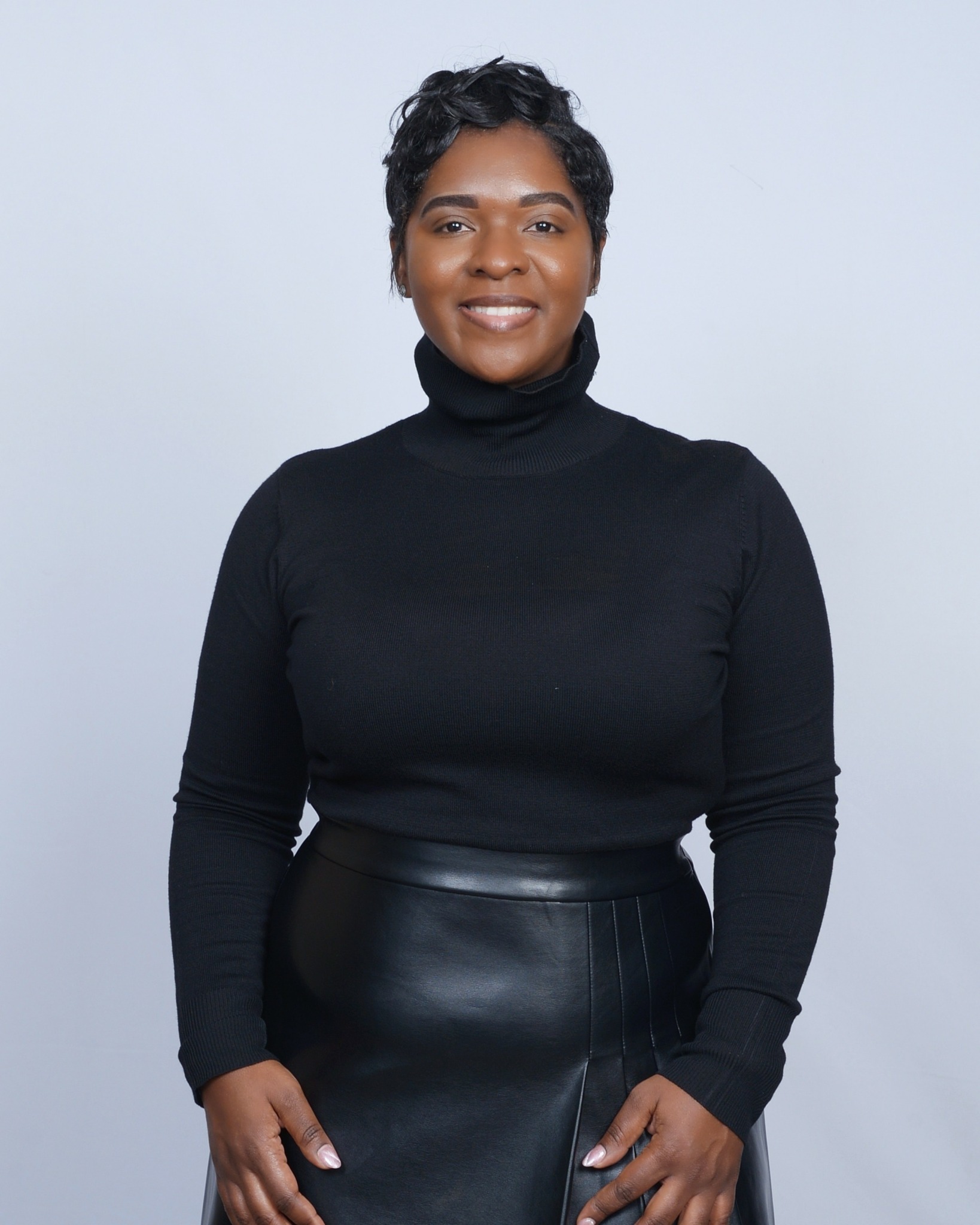

We recently connected with Lenisha Metayer and have shared our conversation below.
Lenisha, looking forward to hearing all of your stories today. What’s been the most meaningful project you’ve worked on?
The most meaningful project I’ve worked on is my 1st Book , I’m self publishing next year. Taking leaps without a literary agent or publishing house isn’t for faint hearted individuals. I’m confident in each word I’ve written in ‘ From Mental Mess to Gods Best ‘ book ability to help transform the lives of each reader .
This project marks the beginning of my publishing journey, officially launching February 1st , 2026. My first tangible way of welcoming readers into the world I’m building with my writing. More than marketing materials, these pieces are symbolic. They say: I made it here. I followed through.
I rewrote chapters endlessly, second-guessed every sentence, and couldn’t finish anything because it never felt “good enough.” Eventually, I had to admit—out loud, in therapy—that something deeper was blocking me. Naming that changed everything.
I use Canva for so many projects like my social media posts and bookmarks leading to connection with my online community. Canva allowed me to bring my vision to life without overthinking things , pushing me past perfectionism and finally completing projects.
What makes this project truly meaningful is how it advocates for mental heath and faith . My writing is to help others navigate anxiety, poor self-image, low confidence, low faith, and exhaustion. These are struggles so many of us carry quietly.
I’m happy to show that creativity, faith, and mental health can coexist . Sometimes the smallest finished project is proof that you’ve come a very long way.

Lenisha, love having you share your insights with us. Before we ask you more questions, maybe you can take a moment to introduce yourself to our readers who might have missed our earlier conversations?
I’m a Haitian American writer, creative, and emerging author whose work sits at the intersection of faith, mental health, and personal transformation. I was raised by my grandparents immigrants from Haiti because my parents were navigating their own struggles. My grandparents did the best they could with what they knew: work hard, make money, survive. Creativity wasn’t encouraged because survival came first. The message was simple and well-intentioned: follow the plan, get a job or build a business, and one day provide for a family.
But even early on, I knew I wanted something more expansive than black-and-white living. I didn’t yet have the language for it, but I knew I wasn’t meant to only survive—I wanted to create, to express, to feel fulfilled.
My journey into writing and creativity didn’t happen overnight. It came through curiosity and discomfort. I began intentionally changing my environments moving from the fast-paced Miami lifestyle into spaces that allowed reflection and growth. I attended writing workshops, read books like The Artist’s Way, and challenged myself to see inspiration in unexpected places—sometimes as simple as walking through a dollar store and choosing objects to spark creativity for the week. Those small practices cracked something open in me.
For a long time, I never believed my voice had value. Writing felt intimidating and out of reach. But as I gave myself permission to explore creativity without pressure, writing became a full-throttle source of fulfillment and a beautiful form of expression. I discovered I had a lot to say—and that saying it honestly mattered.
Canva became a powerful tool in that discovery. It allowed me to visually support my words and bring ideas to life without overthinking or needing perfection. Through creating bookmarks, thank-you cards, and reader resources, I found a rhythm between words and design that made creativity feel accessible and joyful instead of overwhelming.
What truly defines my work is its purpose. I write from lived experience through depression, anxiety, low self-image, and seasons of deep self-doubt. Faith played a central role in my healing, but my work isn’t about religion or perfection. It’s about transformation. My upcoming book, From Mental MESS to God’s Best, is not just a book—it’s a guide through becoming. Whether someone identifies as a believer or not, the message is universal: you are allowed to heal, grow, and see yourself differently.
I write about questions many people quietly carry:
Who told you you’re not beautiful?
Who told you you can’t be confident?
Who told you this is as good as it gets?
My work offers both reflection and practical steps—helping readers rebuild confidence, improve self-image, and reconnect with purpose in tangible ways. I aim to meet people where they are and walk with them forward.
What sets me apart is honesty. I’m not presenting a polished version of life—I’m sharing the process. I’m most proud of pushing through perfectionism and finally completing projects that once felt impossible. I’m proud that my creativity now serves others, not just myself.
What I want readers, followers, and future clients to know is this: my brand is about becoming. About faith and mental health coexisting. About creativity as a healing tool. About using your voice—even if you never thought it mattered.
Because sometimes the most powerful thing you can create is proof that you’ve come a long way.

Have any books or other resources had a big impact on you?
The Artist’s Way by Julia Cameron had a profound impact on me because it helped me transition from being an adult stuck inside a box to allowing my inner child to thrive.
I was raised with a very structured, survival-focused mindset—do the responsible thing, follow the plan, don’t color outside the lines. While that discipline served me in some ways, it also muted my creativity. The Artist’s Way gave me permission to play again. It reframed creativity not as something indulgent or impractical, but as something essential.
Through practices like Morning Pages and Artist Dates, I learned that curiosity, joy, and experimentation are not distractions from meaningful work—they’re often the source of it. That shift has deeply influenced how I think about entrepreneurship and creative work. Instead of leading solely with control and outcomes, I now lead with exploration and trust.
Allowing my inner child to thrive has made me a better creator, a clearer decision-maker, and a more grounded business owner. When creativity feels safe and supported, ideas flow more freely—and the work becomes both sustainable and fulfilling.

What do you find most rewarding about being a creative?
My work naturally centers on faith in God, self-improvement, and healthy mental health, and through creating, I’ve been able to grow with others instead of in isolation. There’s something deeply meaningful about building alongside a community that values healing, honesty, and becoming better together. It no longer feels like I’m creating for people—it feels like we’re walking the journey together.
Creating itself is also a beautiful outlet for me. It feels like dancing—another form of art I love—but translated into words. I get to move that energy into a book, onto a bookmark, into thinking notes and reflections that live with someone beyond the moment. Creativity allows me to take what’s internal and give it a tangible, encouraging form.
I also love how creative tools like Canva help bring that expression to life. I used Canva to help design my book cover layout and reader materials, working alongside the incredibly talented artist Amanda Lorraine, who painted the original artwork. That collaboration—art meeting words, design meeting message—feels like everything coming full circle.
At its core, being a creative allows me to connect, express, and grow in community. That’s the reward.
Contact Info:
- Website: https://Lenisham.co
- Instagram: Ms.Metayer
- Youtube: https://www.youtube.com/@ms.metayer4968


Image Credits
Photos from my phone album