

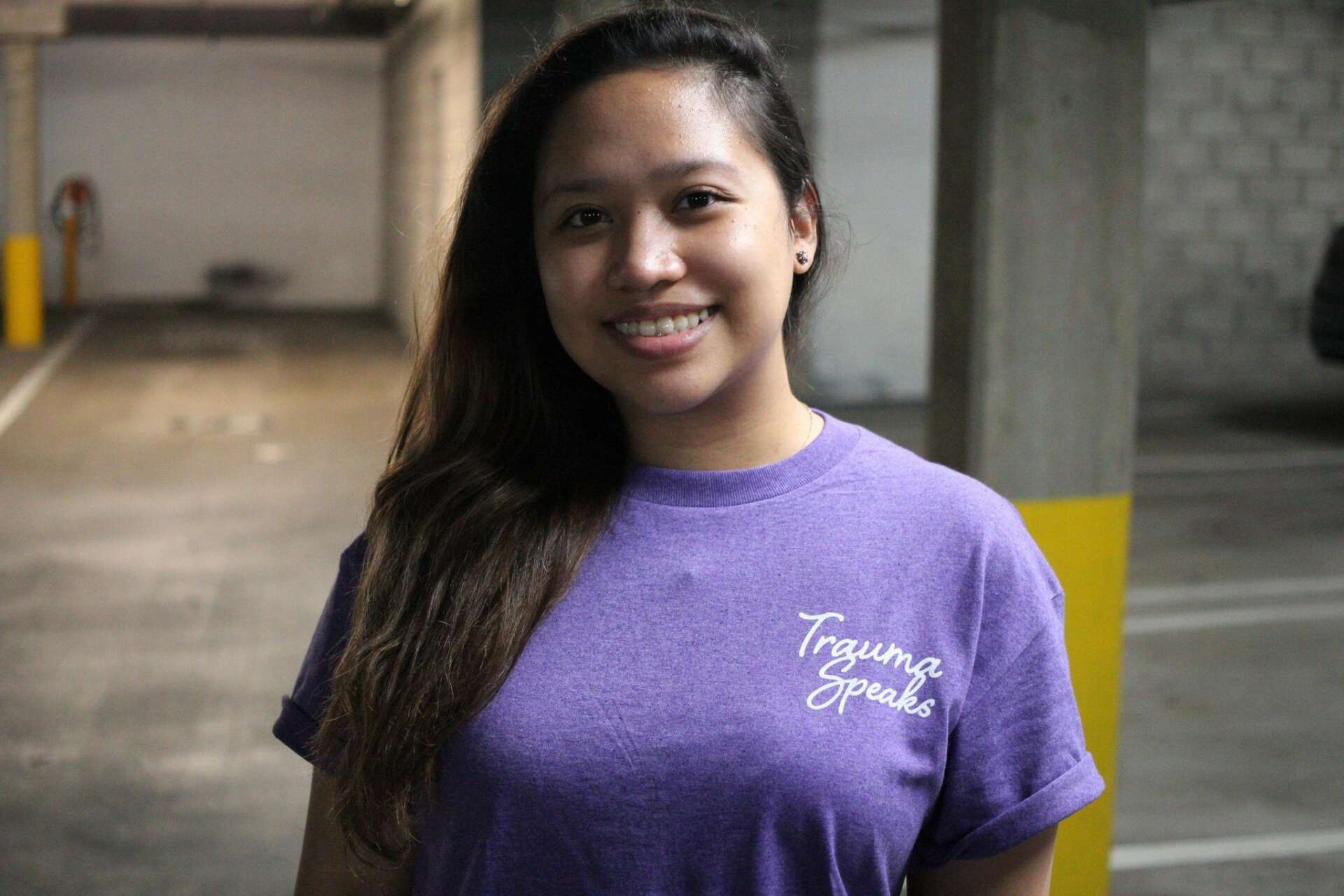

We’re excited to introduce you to the always interesting and insightful Lei Raiza Zervoulakos. We hope you’ll enjoy our conversation with Lei Raiza below.
Lei Raiza, thanks for taking the time to share your stories with us today Can you share an important lesson you learned in a prior job that’s helped you in your career afterwards?
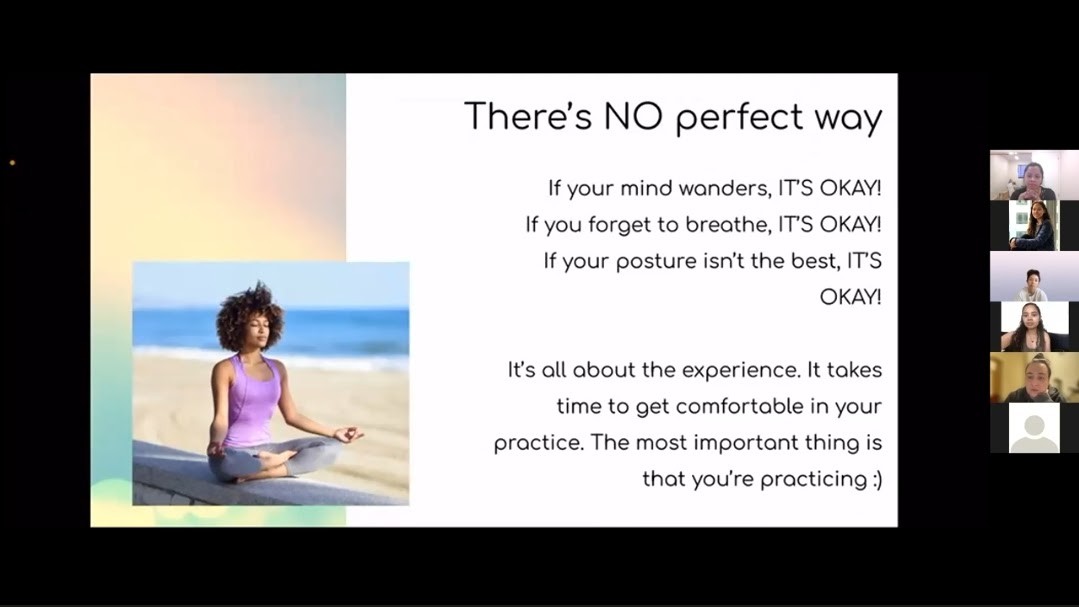
One of the most important lessons I learned from a previous job which was tremendously helpful in both my personal life and professional career was the importance of self-care. My time at my previous job was an excellent eye-opening experience. Earlier on, I did not have a very good understanding of what self-care was. I always went on trips/vacations and yet I somehow do not feel refreshed or if I did it was only momentarily. I dreaded every day. Not only was this related to my depression but it was also my body’s way (physically and mentally) telling me that I am burnt out. I gave my 150% every day at work while also putting in my 100+% on my studies (and as a full-time student). Not until I had been hospitalized 3 times within less than a year did I listen to my body’s needs and start putting myself first. I value a strong work ethic but it was also an environment where we did not get much support and felt like employees were not valued. Making money was prioritized over everything else. So I realized, I am dispensable and why should I kill myself over a job that does not appreciate its employees nor prioritize the wellbeing of its employees? Self-care is not just about taking vacations or spending money to treat one’s self. Self-care is listening to what your body needs in the moment – whether that’s standing up and walking around to be in a different space/environment, or taking 10 minutes to meditate after a stressful day at work, or it can be taking a nap or resting instead of continuing to work when you are beat. And this is ultimately an important ingredient to be able to stay within the mental health field. Even after years, and being in a much better workplace environment, I still have yet to fully recover from burnout. Always take care of yourself!
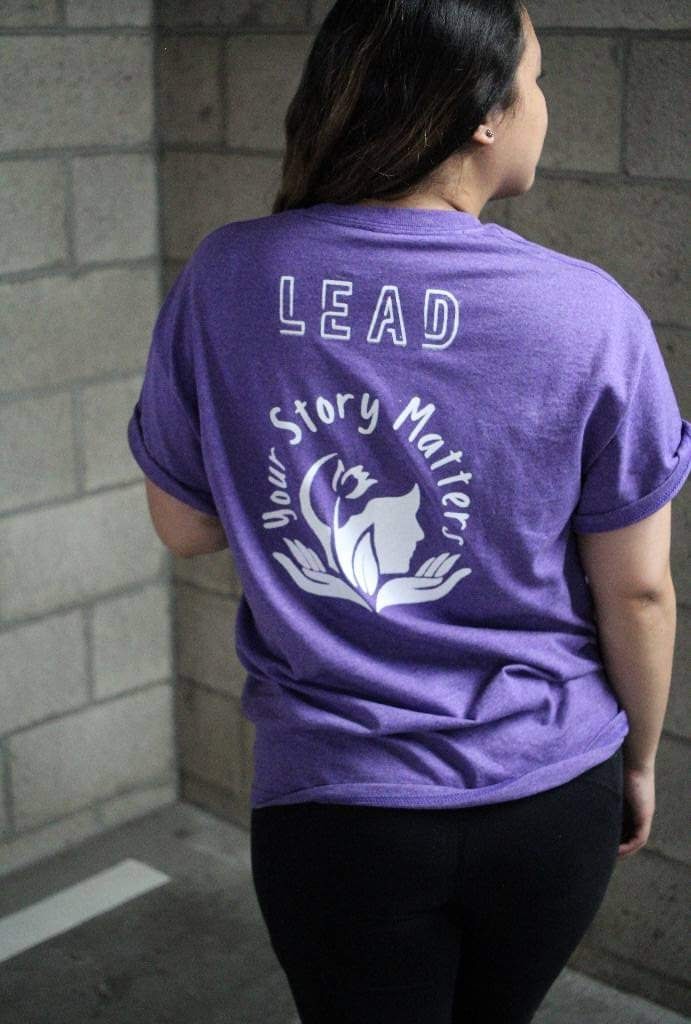
Lei Raiza, before we move on to more of these sorts of questions, can you take some time to bring our readers up to speed on you and what you do?
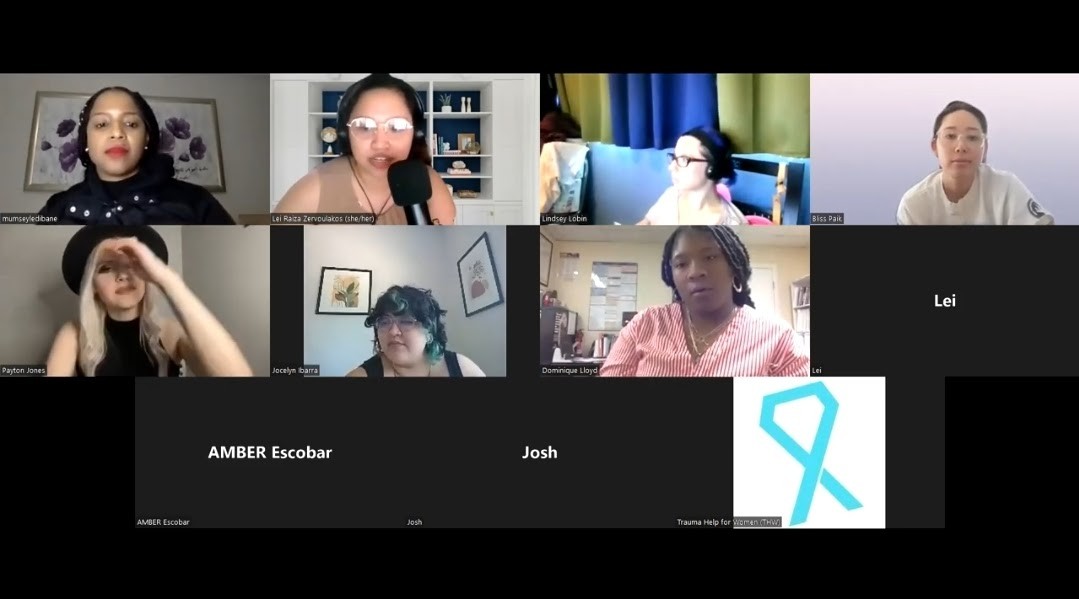
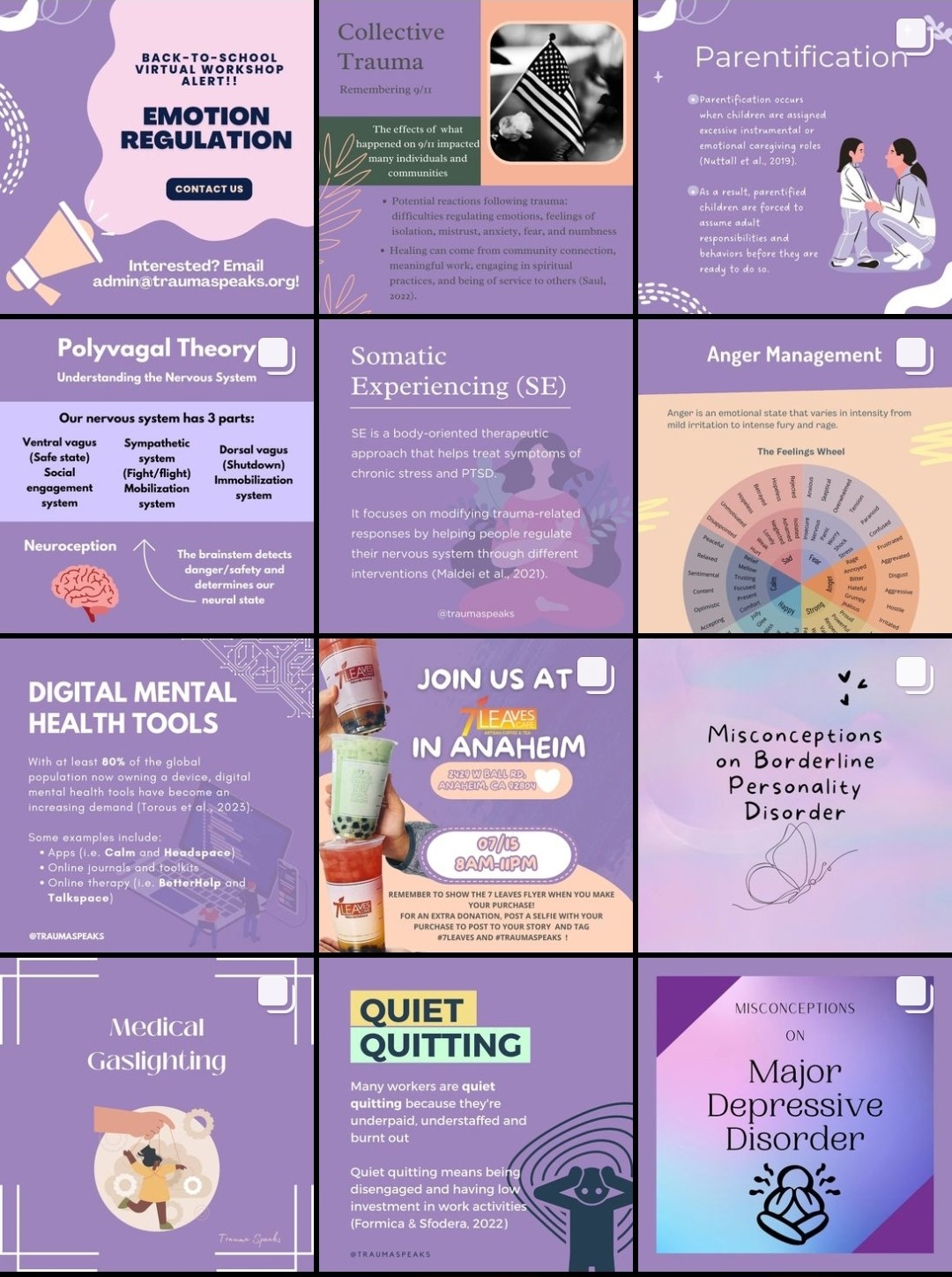
I was born and raised in the Philippines and did not move to the United States until I was about 14 years old. My time in the Philippines were not all rainbows and unicorns. I was separated from my parents when I was 6 years old so that they could give my sister and I a better life. Back then, not a lot was known about mental health or even psychology. So during my pre-teens, I was not aware that I was actually suffering from major depression. All I knew was that I constantly struggled with a lot of negative thoughts. I did not know that I had depression until I moved to the states with my sister to be reunited with our parents. My depression worsened and I didn’t really get any much professional help since who would know when I wasn’t saying anything. Until a teacher recognized that something was off and took action. I received professional help after – was in group therapy and was amazed that I was not alone in what I was experiencing. Other teens were suffering like me, and some had it worse than I did, and I felt a bit grateful for that. This is not to say that I am minimizing the pain I went through by comparing it to others who were in extremely horrible situations. After being exposed to this, it lit up a fire in me to pursue a career in the mental health field. This led to the purpose of Trauma Speaks’s mission which is to provide workshops specifically tailored to K-12 and college populations. If we target youth, we are able to raise awareness in what they could be experiencing, validate their thoughts and/or feelings, as well as offer outlets or resources that they can utilize. They do not have to feel like they are alone nor should they suffer alone. I believe this is also what sets us apart as an organization. Currently, we are starting our first big mental health project by reaching out to local schools in our community and offering to collaborate to provide a mental health first aid kit that their students can utilize. This was as a response to the feedback we received from a quick survey that one of our highschool volunteers did as part of her community service requirements. In conjunction with this project, getting their students’ feedback on what they felt was beneficial or wanted to have included so that we can tailor and expand our kits. However, the funds we have are insufficient to mass produce these kits. That said, we are heavily dependent on donations, and still working on finding a grant that can help us with this project.
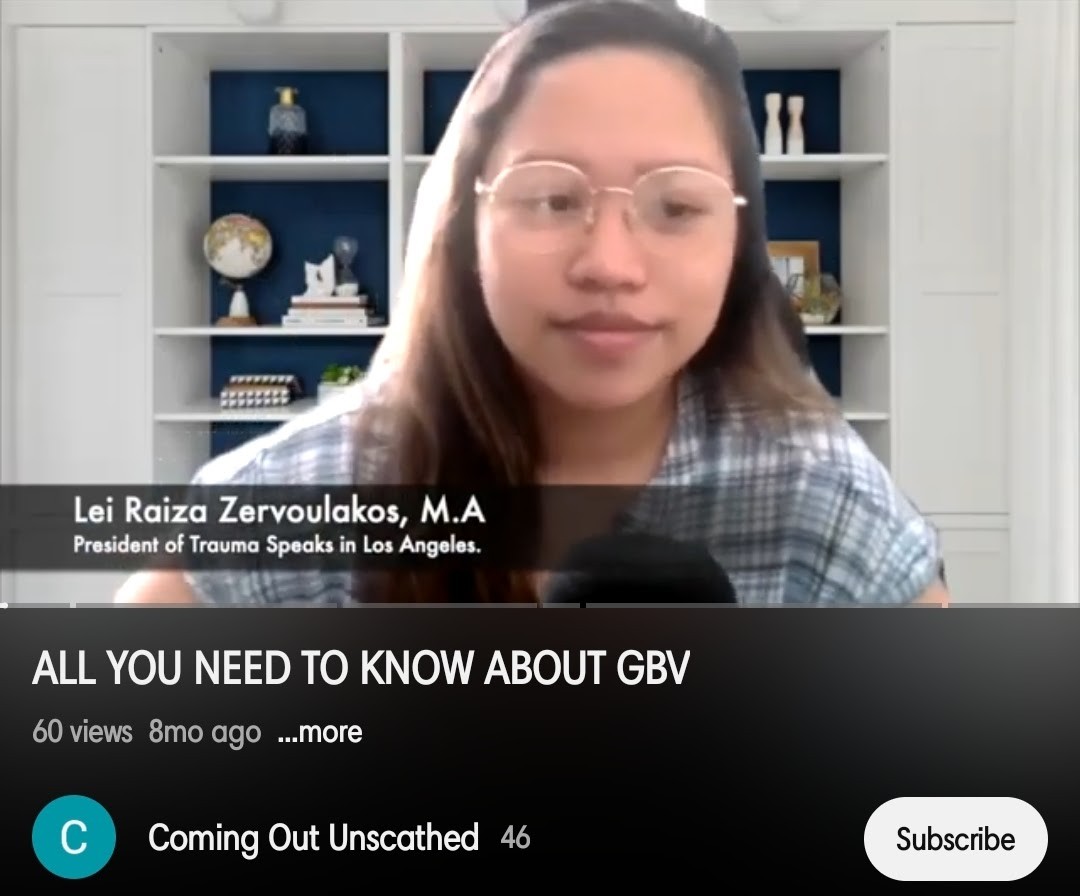
Learning and unlearning are both critical parts of growth – can you share a story of a time when you had to unlearn a lesson?
I would say it’s probably saying yes to everything – not only to being asked for something (regardless of my role – employee, student, daughter, etc.) but also opportunities. And that’s probably because boundaries and assertiveness were not concepts that were properly modeled. But I’m also the type of person that really loves learning (learning was a means of escape for me) and it was also ingrained in us back in high school to “build your resume” so what better way to do that by taking the opportunities available when or if it presents itself to you. I carried that with me after graduating and what guided my decisions on jobs I applied to. It also does not help that the specialization I am in is highly competitive. I think I was so focused on making my resume look good that it spread me “a lot” too thin. It also definitely did not help that we have a saying “opportunity knocks only once” so I was afraid if this good opportunity was in front of me and I didn’t take it, I’ll never experience something like this again. This goes back into what I shared previously about being burnt out. I was extremely stressed is probably an understatement. It was around this time that I really pushed myself and had way too many plates (and probably even pans lol) on my hand. Living with chronic stress for years pushed me so hard that it wasn’t until I was hospitalized multiple times that I seriously considered taking a step back and reprioritizing what I’m handling and what I could actually handle with my capacity. I remember my partner got mad because he picked me up from work to take me to the ER and I told him to give me a few minutes as I was wrapping up stuff at work. That really stuck with me because if it wasn’t for that incident it probably would have taken me longer to do some reflecting. Looking back, I still can’t wrap my head around how I managed to survive with the type of lifestyle I was living before. I don’t think opportunity knocks only once anymore. As cheesy as it sounds, if opportunity doesn’t knock, create another door. I think framing it this way puts a lot more agency and control on the individual rather than the opportunity itself. Sometimes we need to consider a lot of things before committing to an opportunity – the timing, our capacity and responsibilities, and if it is what is best for us at the time.
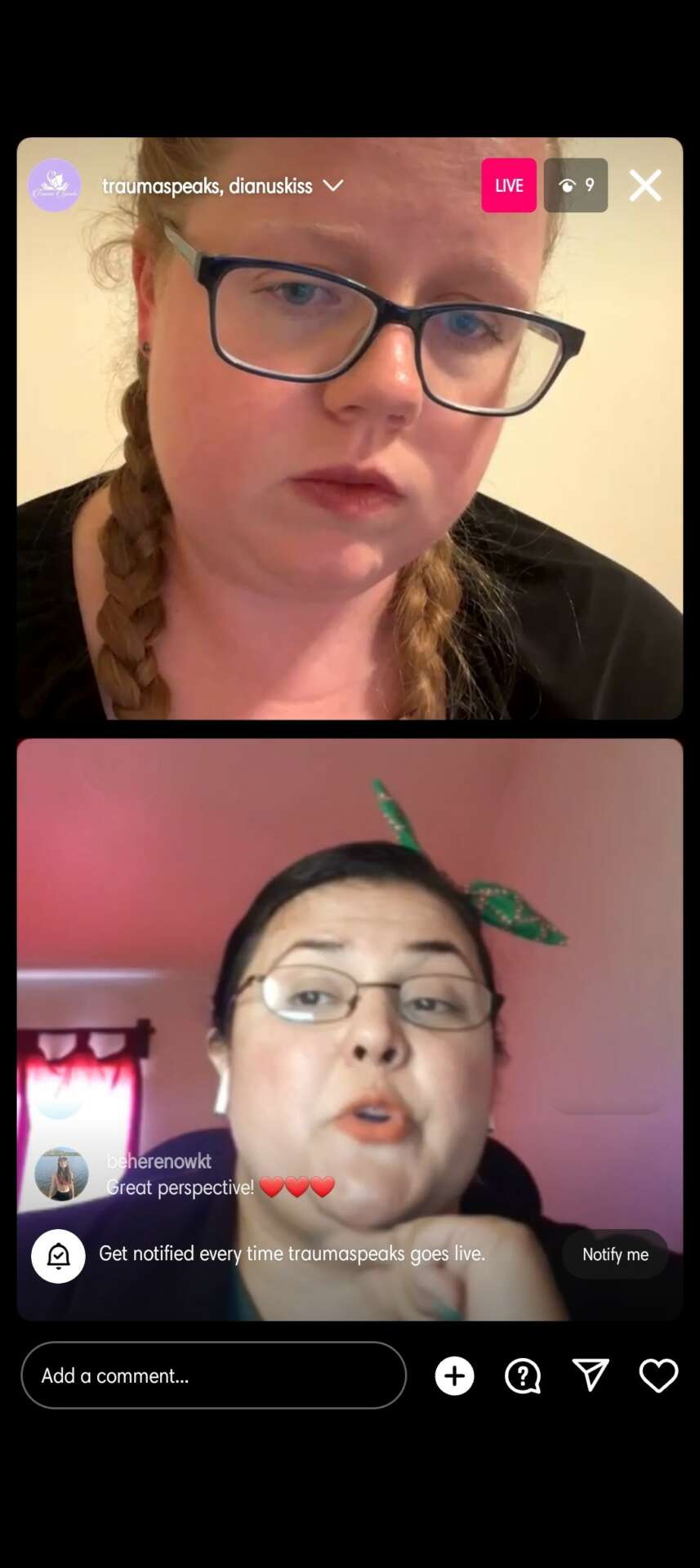
If you could go back, would you choose the same profession, specialty, etc.?
If I could go back, I would definitely choose the same profession and specialty. If anything, I probably would have told my younger self to consider this profession since earlier on I always wanted to be a medical doctor. However, if it was not for the experiences I had gone through, I would not have been in this field. My passion for this profession stemmed from the adversities I experienced and allowed me to be a better professional. It also allowed me to grow as an individual and get out of my comfort zone.
Contact Info:
- Website: traumaspeaks.org
- Instagram: instagram.com/traumaspeaks
- Facebook: facebook.com/traumaspeaksinc
- Twitter: twitter.com/traumaspeaks