
We’re excited to introduce you to the always interesting and insightful Lei Cai. We hope you’ll enjoy our conversation with Lei below.
Lei, thanks for taking the time to share your stories with us today We’d love to hear about a project that you’ve worked on that’s meant a lot to you.
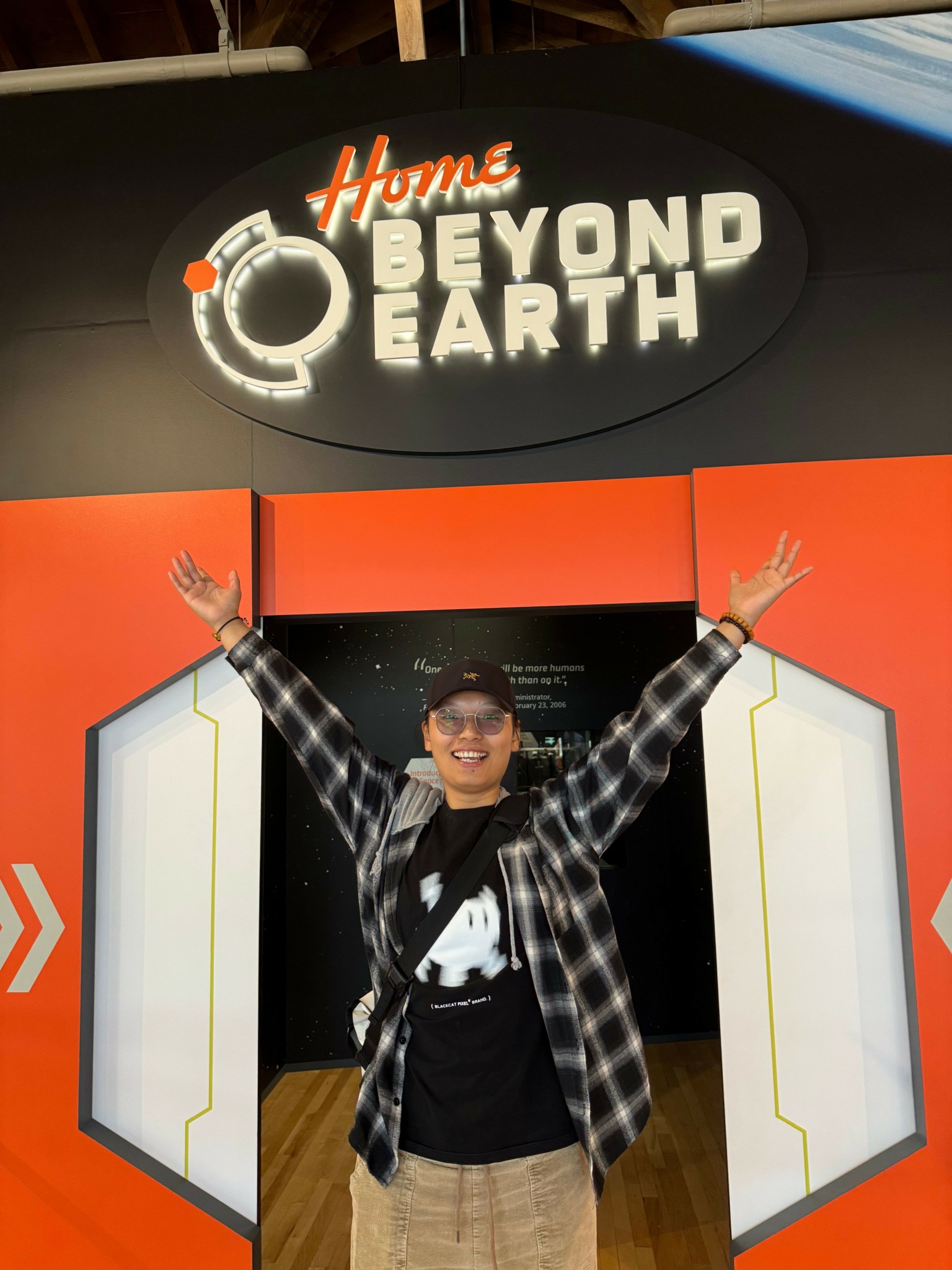
The most meaningful project I’ve worked on was redesigning the interactive kiosk experience for the Museum of Flight’s “Home Beyond Earth” exhibition.
When I joined the project, the kiosk system was already built and the experience was being designed. But visitors—especially families with kids—were struggling to understand how to use it. People were skipping interactions entirely or abandoning halfway. The museum team worried that an experience meant to spark curiosity about space was instead creating friction.
For me, this project became meaningful because it wasn’t just about UI improvements; it was about designing for learning, emotion, and accessibility in a physical environment. I spent weeks doing on-site observations, interviewing visitors, and running iterative usability tests. I watched how children approached the screens with excitement, only to get confused by the flow. I interviewed parents who wanted to guide their kids but felt lost themselves. Those moments grounded me in the responsibility of making the experience intuitive and joyful.
Through redesigning 44 screens, restructuring the interaction model, and collaborating closely with curators and engineers, we were able to increase visitor satisfaction by 32% after launch. But what made it meaningful wasn’t the metric— it was standing in the exhibit on opening day, watching kids successfully navigate the system and stay engaged for minutes longer than before.
It was the first project that made me fully understand the power of design to bridge understanding between technology and people, and how deeply user research can shape outcomes in the real world. It set the foundation for how I approach every project today: with empathy, curiosity, and a commitment to observing real human behavior before proposing solutions.
Lei, love having you share your insights with us. Before we ask you more questions, maybe you can take a moment to introduce yourself to our readers who might have missed our earlier conversations?
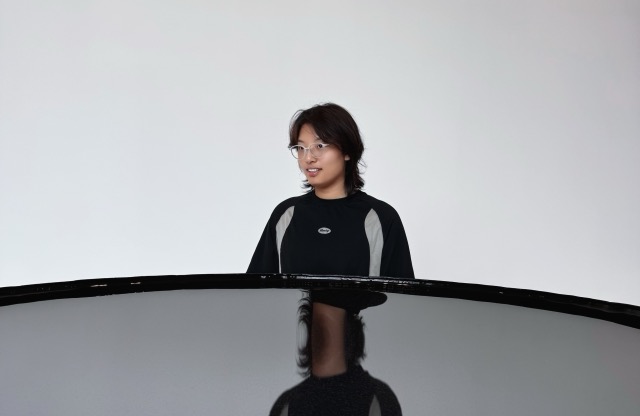
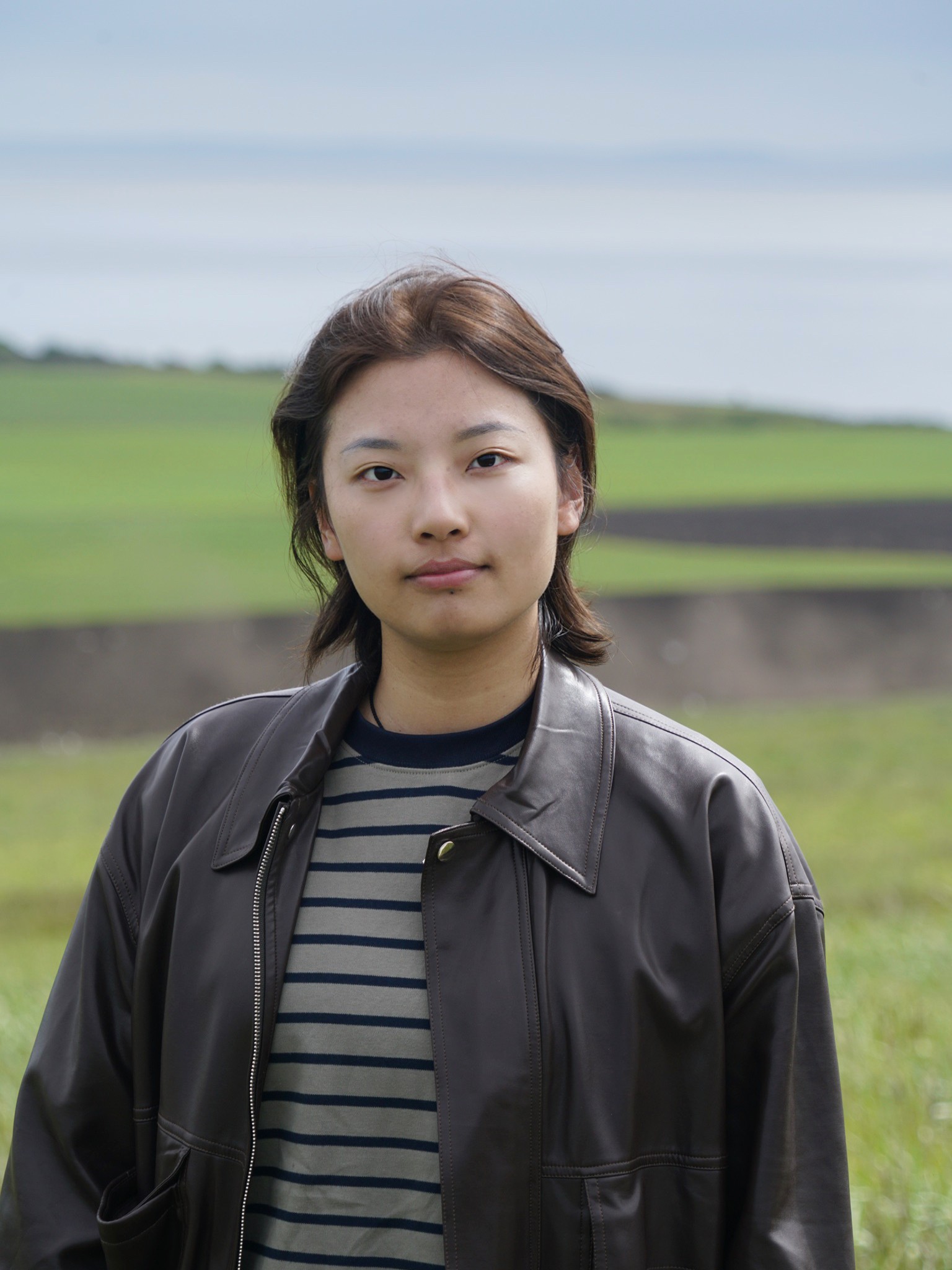
Lei is a product designer and emerging technologist whose work sits at the intersection of AI, interaction design, and human-centered innovation. Her path into the industry didn’t begin with a traditional design background—it began with curiosity. Growing up, she was drawn to systems: why people behave the way they do, how technologies shape decisions, and how thoughtful design can make complex tools feel intuitive. This curiosity eventually evolved into a multidisciplinary career spanning AI products, B2B SaaS platforms, robotics research, and consumer experience design.
Lei’s portfolio includes launching two AI-driven products at NEXA.AI—including a conversational AI search tool that became #1 Product of the Day on Product Hunt—designing an RFID-enabled visitor experience for the Museum of Flight that increased satisfaction by 32%, and building the MVP for an early-stage startup where she acted as both founding product designer and product strategist. She has also worked on logistics technology for a B2B delivery startup, improving operational efficiency and raising delivery success from 92% to 96.4%.
While Lei’s professional work spans multiple industries, the through-line is consistent: she tackles ambiguity with structure, turns emerging technology into human-centered experiences, and scales ideas from zero to one with speed and craft. Her recent academic work explores robotics interaction, autonomy, and the role of large language models in improving public information systems, reflecting her growing interest in the frontier of AI agents and human–robot collaboration.
What sets Lei apart is not just her design execution—it’s her ability to operate as a hybrid thinker. She moves comfortably between research, strategy, product definition, and hands-on design, often serving as the connective tissue across engineering and business teams. Her collaborators describe her as “fast, thoughtful, and relentlessly user-focused,” someone who elevates both the product and the people around her.
Lei is most proud of creating work that has real-world impact—products that launch, systems that scale, and designs that help people feel more confident using new technology. She wants future collaborators, clients, and followers to know that she is deeply committed to building products that make complexity feel effortless, bring emerging technologies closer to everyday people, and contribute meaningfully to teams solving hard, important problems.
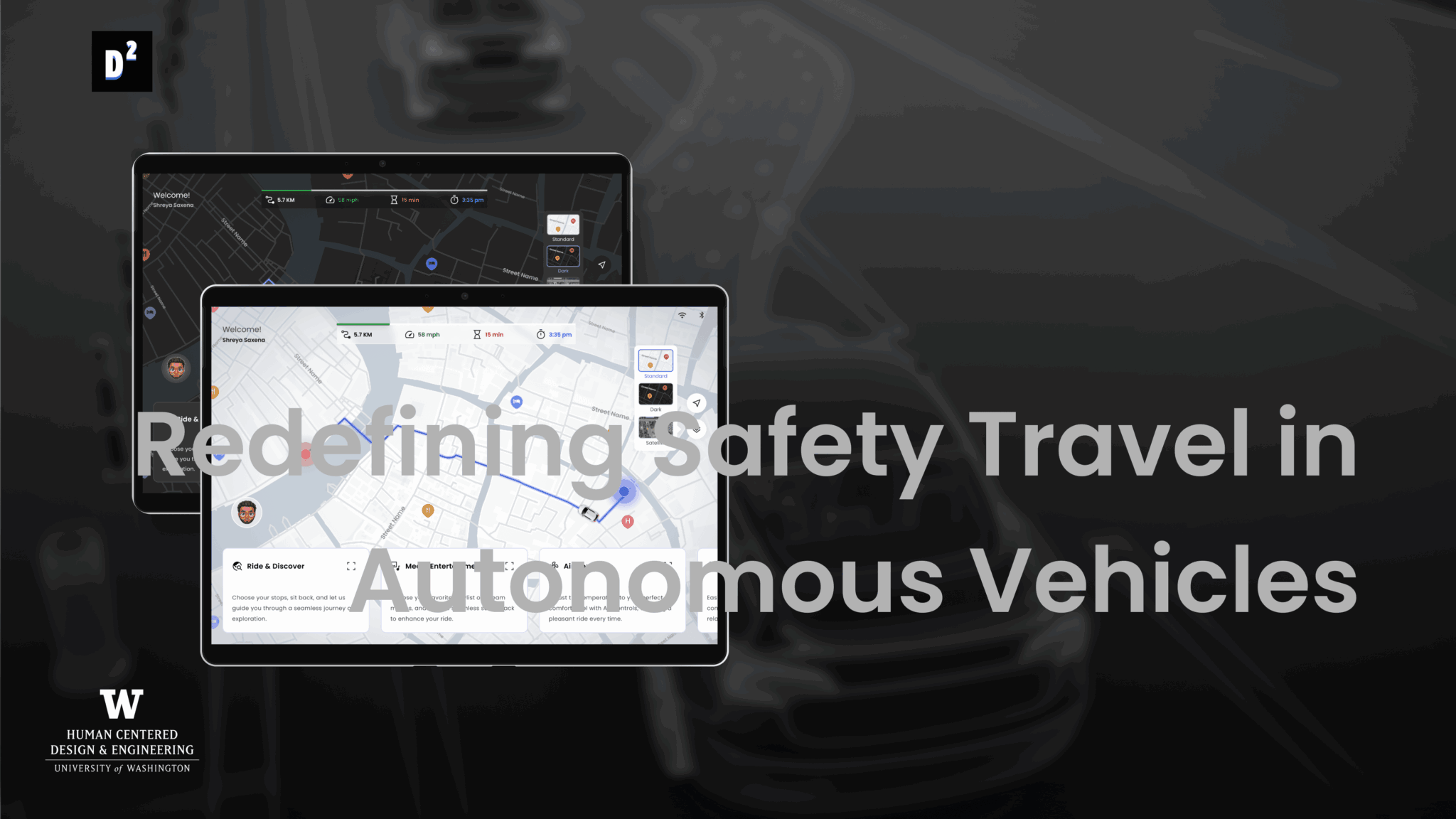
Is there a particular goal or mission driving your creative journey?
Absolutely. The core mission behind my creative journey is to make emerging technologies—especially AI, autonomy, and robotics—intuitive, human-centered, and emotionally accessible. I’ve always been fascinated by frontier tech, but I also see how often powerful systems end up feeling intimidating or complicated to the people they’re meant to serve. My work is driven by the belief that technology only fulfills its potential when people can understand it, trust it, and feel empowered by it.
Whether I’m designing AI search tools, on-device assistants, or experimenting with autonomous systems and robotics, my goal is the same: translate complexity into clarity. I’m motivated by that moment when someone uses a product and says, “Oh, this just makes sense.” That simplicity on the surface often hides enormous complexity underneath—but when design is done well, people never have to see the machinery.
Long term, I hope to build and lead products that sit at the intersection of deep tech and human behavior. Entrepreneurship is a big part of that vision for me. I’m inspired by the idea of creating tools that expand human capability while staying grounded in empathy, trust, and great design.
In short, the mission driving my work is to shape a future where advanced technology feels less like a system you have to learn, and more like a partner that learns you.
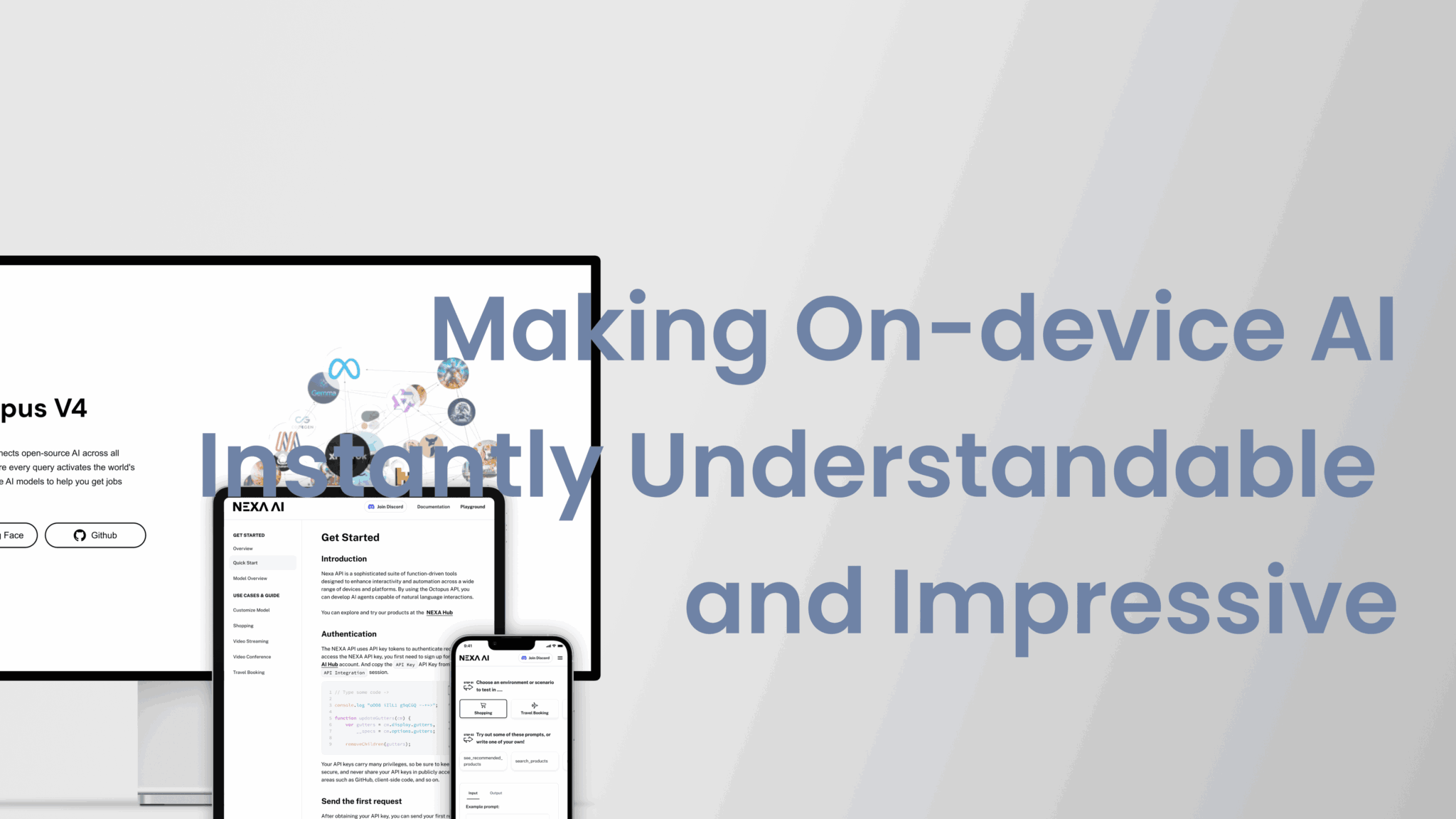
We’d love to hear a story of resilience from your journey.
One of the most defining moments of resilience in my journey was moving to the United States and essentially rebuilding my career from the ground up. Before coming here, I had won national-level design and innovation competitions, co-founded a student startup, and taken on several real clients work that shaped how I approached problem-solving. But when I arrived in the U.S., none of that translated directly. The culture and expectations for design were different, and I suddenly found myself starting again at zero in a new language, with no network and no clear path.
Pivoting into product design here felt like learning an entirely new discipline. I remember going to my first UX critique at the University of Washington and realizing just how far I had to go — the level of rigor, systems thinking, and research depth were on a completely different scale. Instead of getting discouraged, I treated it as an opportunity to rebuild myself. I spent nights teaching myself prototyping tools, weekends studying industry case studies, and months learning how to communicate design decisions clearly and confidently in English.
I took on roles that scared me — leading research for a museum, designing logistics systems for a Japanese startup, and building AI products at NEXA.AI. Each project pushed me into unfamiliar territory, but I kept saying yes because I knew growth only happens at the edge of discomfort.
Looking back, the pivot wasn’t just about switching careers. It was about proving to myself that I could start over — in a new country, new culture, and new discipline — and still build something meaningful. That resilience continues to shape how I work today: unafraid to tackle unfamiliar challenges, willing to learn fast, and confident that I can rebuild from scratch anytime life demands it.
Contact Info:
- Website: http://www.leicai99.com
- Linkedin: https://www.linkedin.com/in/lei-lori-cai-1362a4258/