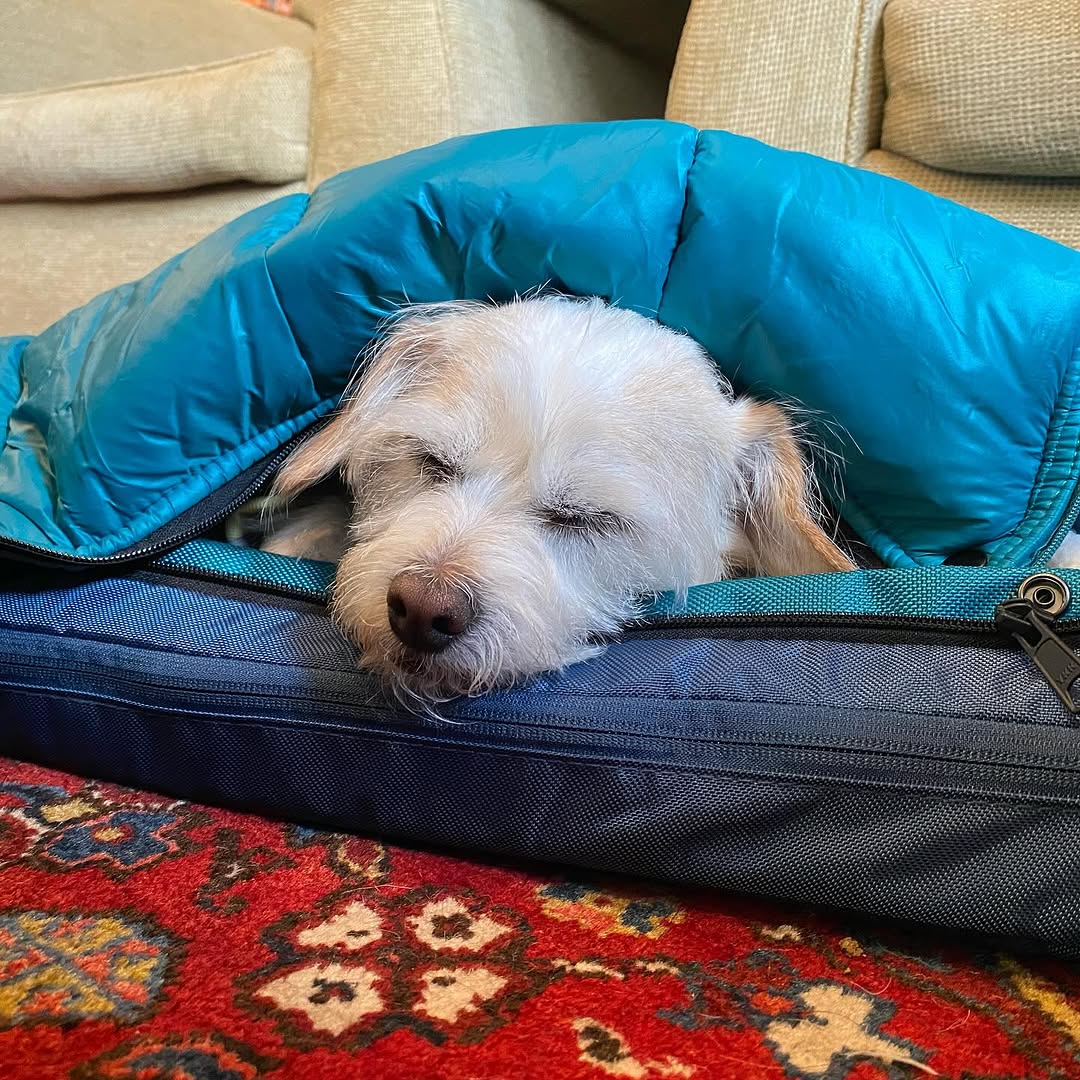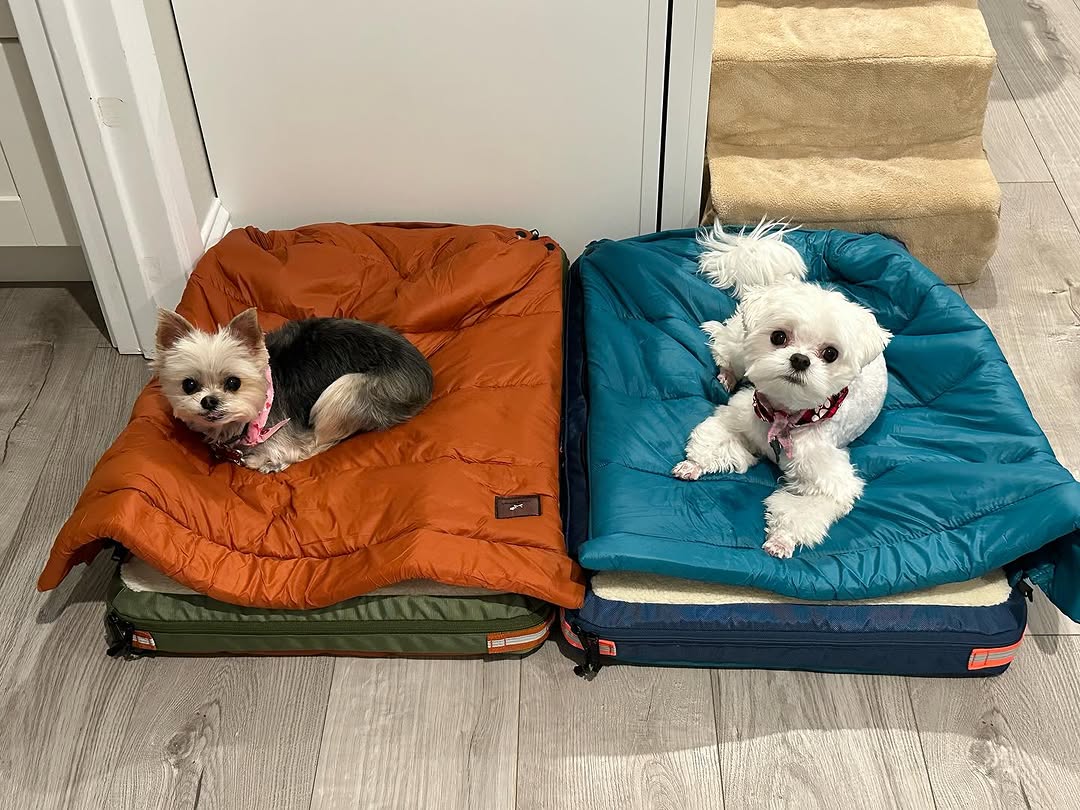

We caught up with the brilliant and insightful Leena Chitnis a few weeks ago and have shared our conversation below.
Hi Leena, thanks for joining us today. Finding those key vendors can often be make or break for a brand. Can you talk to us about how you found your key vendors?
Oh…I have so much to say about this. If you’re making a complex product, finding a manufacturer is going to be HARD. This isn’t to discourage you, but to let you know that you need to lock in and put on your determination and faith cap…
Finding a vendor was an extraordinary challenge and hardship for me. Manufacturing vendors in America are impossible to work with due to how much they charge, and besides, a large part of their fee comes from having to source their raw materials from Asia. Nevertheless, I cold called and went door to door to manufacturers in the States, because I wanted to proudly feature a “made in the USA” sticker on my product. Instead, they all told me that they could not produce RuffRest due to its complexity, and, besides, they would have needed a tech pack to work with.
A tech pack is a booklet of computer renderings and instructions that you give manufacturers. It speaks to them in the language they understand. Typically, tech packs cost around $2000-4000 to get made. At the time, I was speaking to a manufacturing broker in Oregon, who referred me to a designer on his team that knew how to write tech packs. When I was paired with him, we argued on the design of RuffRest, with him claiming that his years in the business (and working with juggernauts like Nike and Columbia) meant he knew better on how my product should look and function.
I listened to him, because I knew so little at the time, and he was highly credible. Two thousand dollars later, he handed over a tech pack that showed me a completely different dog bed. I was crushed, but tried to accept this new design and shopped it around to manufacturers in Asia. I had to move forward somehow.
After getting roundly rejected by everyone from the Phillippines to Vietnam, I had to take a giant step back. This process had taken well over a year at this point. I was back at square one, exhausted, in tears, and all my money was gone.
After a week of stepping away from everything (I highly recommend it), I started looking at highly innovative products like mine. I went on Kickstarter to see if I could contact one of the companies on there to see who they manufactured with, but all of my emails went unanswered. I finally came across a famous camera sling company that did million-dollar Kickstarters and messaged them. I did hear back, but they purposefully omitted who they worked with.
That made me smile: I was going to find out who made their product.
After scouring their website and youtube videos, they coyly mentioned in one of them that they had their product made in Vietnam. Off to Google I went, and I was able to find out the names of the manufacturers that the camera sling folks went with, but not the name of their factory!
I then switched to searching images – surely there’d be a building in there somewhere with the name of the manufacturing company on it. And there, on the 54th page of Google, I finally saw it: the owners of the Vietnamese manufacturing company, wreathed in smiles as they cut the ribbon in front of their brand new manufacturing facility. My eyes roved up the image and right there, in the far corner of their new building, was the name of the company. A quick zoom in, and I had it!
I called them and they agreed to work with me. I sent the tech pack over, and with a lot of back and forth and great difficulty, they produced a prototype for me. When I received it, it was a mess. It lacked structure, was floppy, had material that pilled almost immediately, and frankly, was ugly. We went back and forth again to try to improve it, and though it became sturdier, the bed wasn’t anything like my vision or design in my head. I could tell that they were tiring of the process and it wasn’t worth their time. Eventually, they fired me because we just weren’t able to hammer out a decent design and their employees weren’t “having fun with it anymore.”
I threw the tech pack in the trash. I had to let everything go. It was now two years into this process and I had nothing to show for it but losses and an impossible outlook for getting RuffRest made.
A few weeks later I got back to it again. I gritted my teeth and mentally forced the image of my dog bed into the universe. It is so important to have faith (my second recommendation), even if that faith is born of tears, frustration, rage, and sheer stubbornness.
Even though I had no product and seemingly no way of getting it made, I decided to work on other aspects of the company. I started creating my website, came up with potential names for my company, incorporated my LLC, kept sketching designs, and purchased a manufacturing dictionary to get a better handle on terminology. I went on my nightly walks as well, listening to an inspiring podcast on NPR called, “How I Built This,” in which Guy Raz interviewed founders of companies that were now doing millions and billions in sales. Every founder had humble beginnings like me, and faced innumerable challenges.
By the time my walks were over, I was fired up and would rush home to continue working on my product.
Around this time, I found a How I Built This Facebook group and joined it. I rarely visited it, but one day, I decided to go back and check it out. Pinned to the top of the page was the question: Would you like to mentor someone, or be a mentee? If so, add your name to the list.
I added mine and mentioned I wanted to be a mentee. And then, crickets. So I forgot about it. Four months later, I got a private message from someone who asked if I still wanted to be mentored. I said yes, and thus began an incredible mentorship where I was given invaluable advice, tough love, and yes – the name of a manufacturer who would potentially work with me.
Though the manufacturers didn’t have a tech pack and watched me muddle through pantomimes to describe my desired design (we faced significant language barriers), the prototypes that arrived to me weren’t beautiful, but they were at least veering towards the design in my head. After a few iterations, I figured out that they weren’t “getting it,” so I said I would send them a prototype I’d have made in America, so they could reverse engineer it.
I scoured the internet and finally found an industrial designer on Upwork who was willing to work with me. He made no guarantees it would turn out well, but two weeks later, his prototype arrived. Ripping open the box, I cried when I held it aloft. It was beautiful. It was my design. It was…a RuffRest!
I shipped this immediately to my partners in Asia and the rest is history. They made something a hundred times better now that they knew the design. We were all encouraged by our collective relief that indeed, RuffRest could not only be imagined, but MADE! With renewed energy, we pushed forward until we had perfection. Twenty iterations later, RuffRest as you now know it was born.
The moral of the story is — there is nothing stronger than human determination. Truly, where there is a will, there IS a way. Keep pushing forward, whether you’re having to do baby steps, go backwards, or stumble forward. Every step with intention will lead you to your goal.


As always, we appreciate you sharing your insights and we’ve got a few more questions for you, but before we get to all of that can you take a minute to introduce yourself and give our readers some of your back background and context?
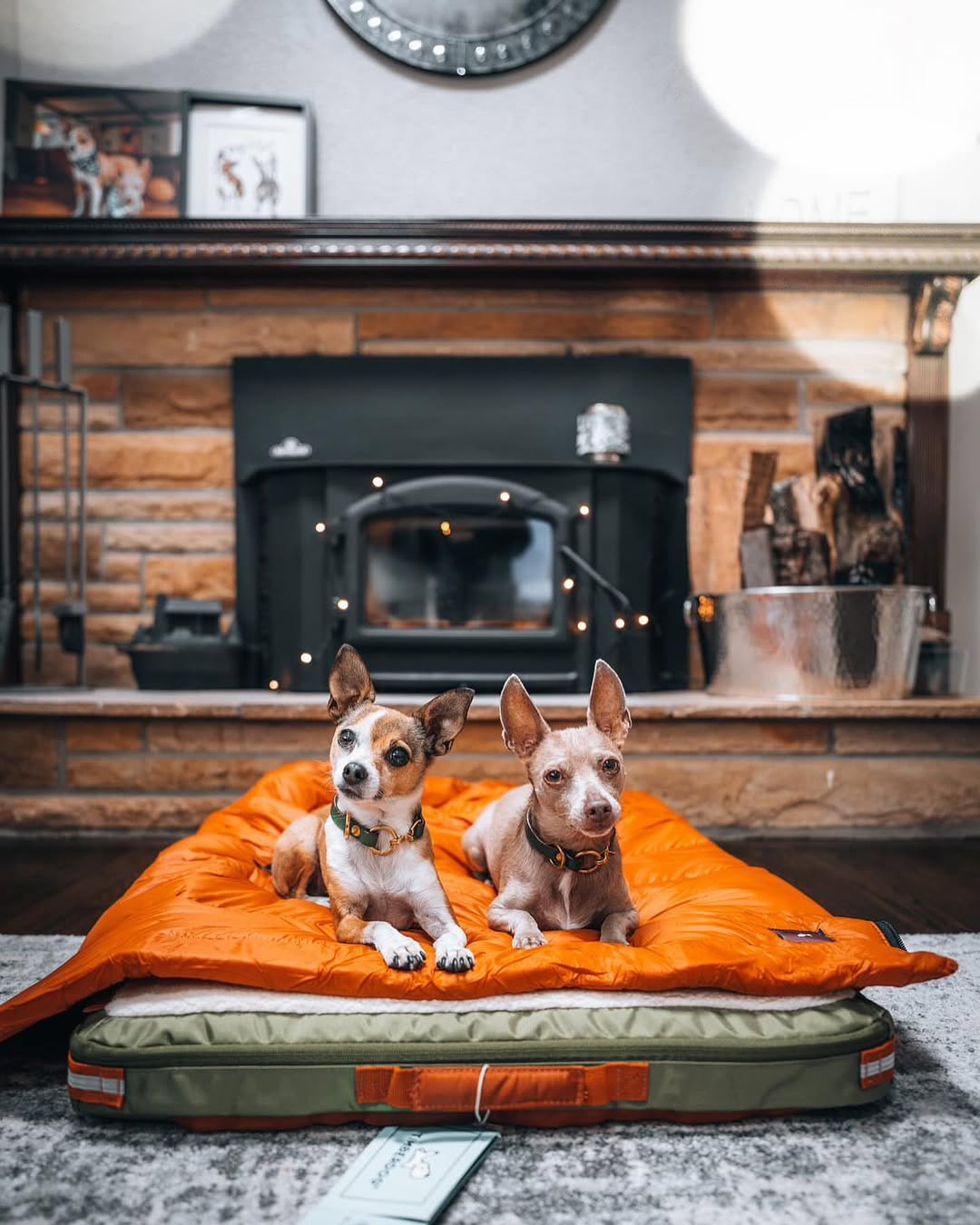
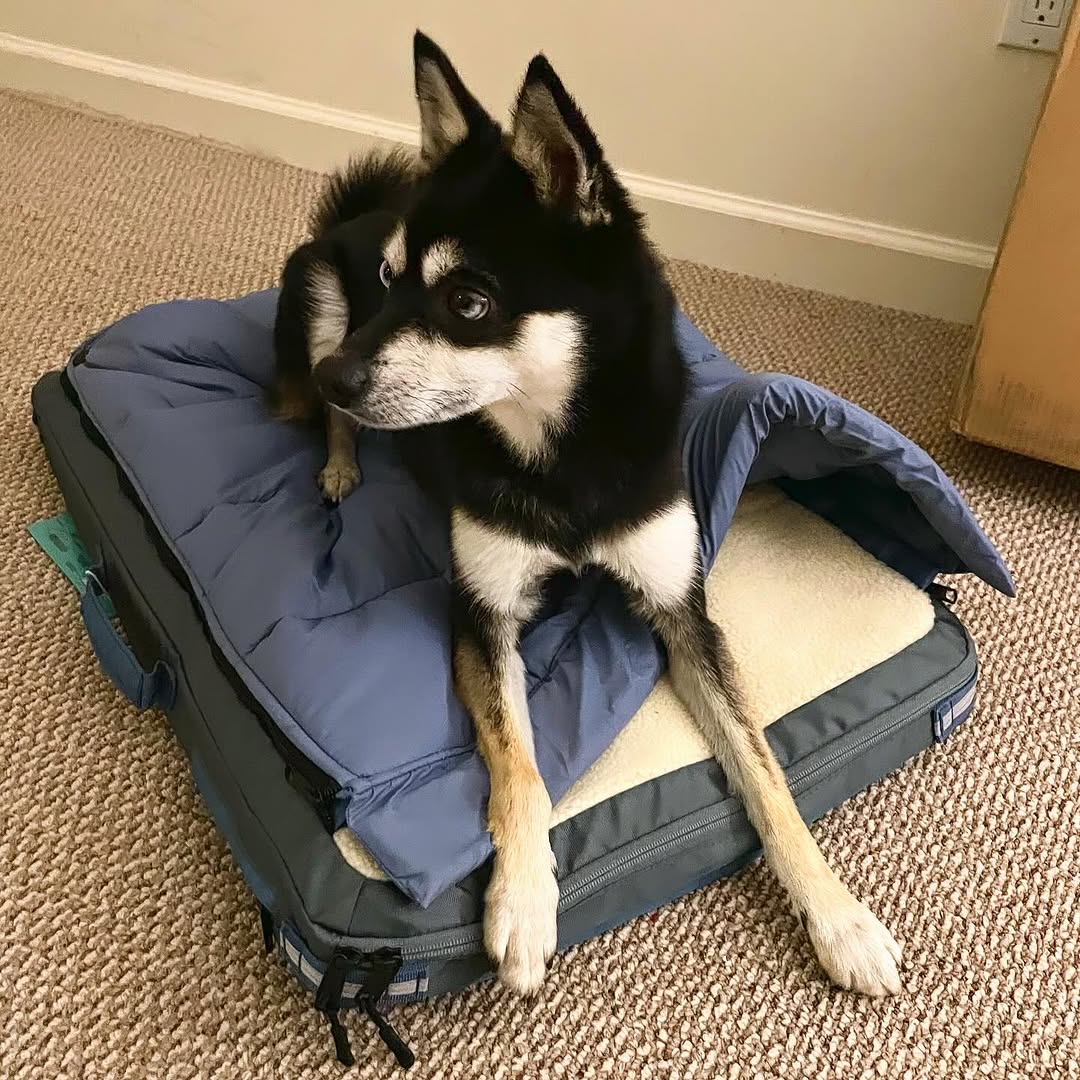
At Timberdog®, we provide outdoor, travel, and adventure gear for pets and their pawrents. Our flagship product, the RuffRest Ultimate Dog Bed™ has 14+ travel features, and has been in the best-of lists from the New York Times to Gear Junkie, winning Travel Dog Bed of the Year from Field & Stream.
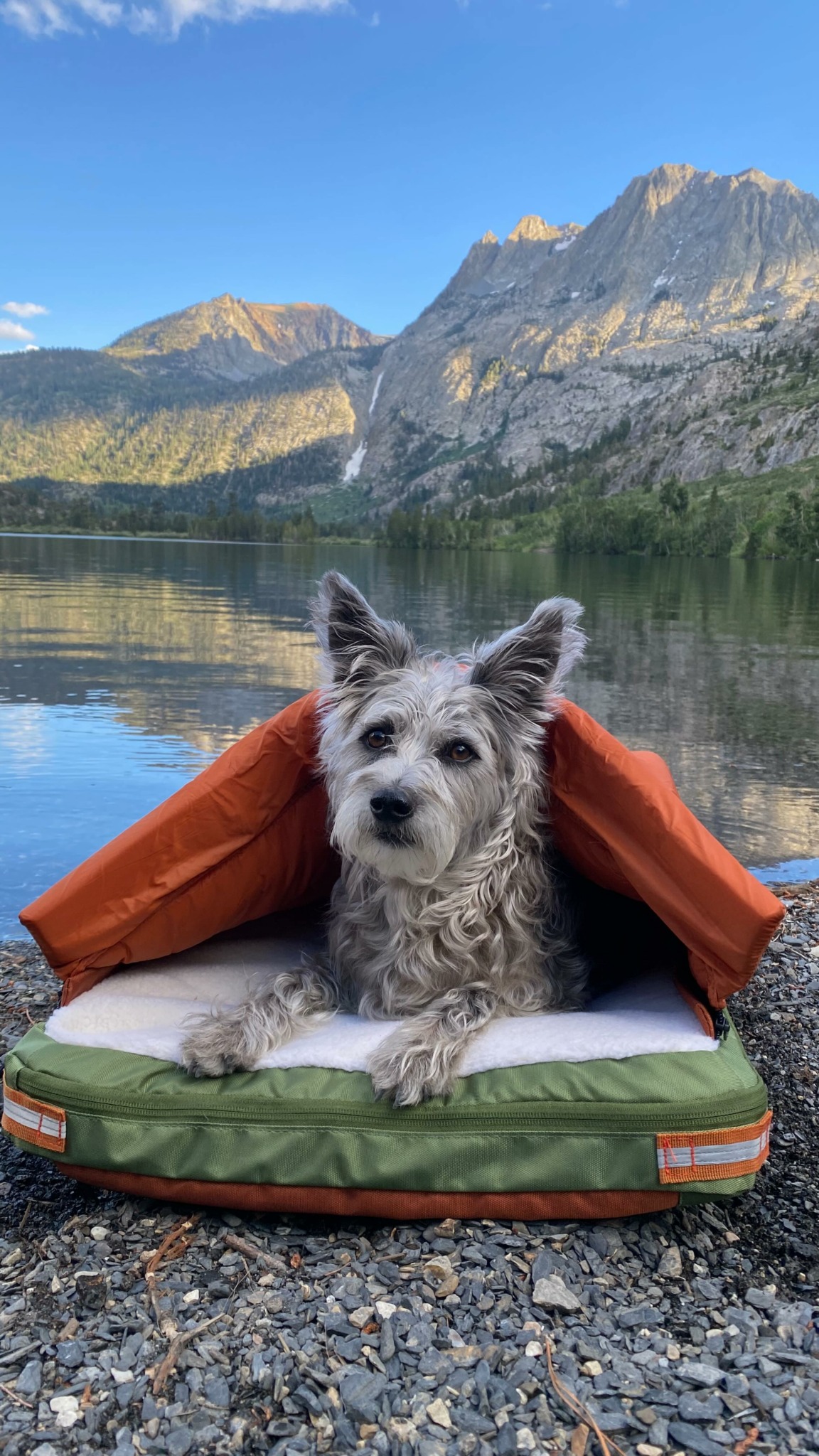
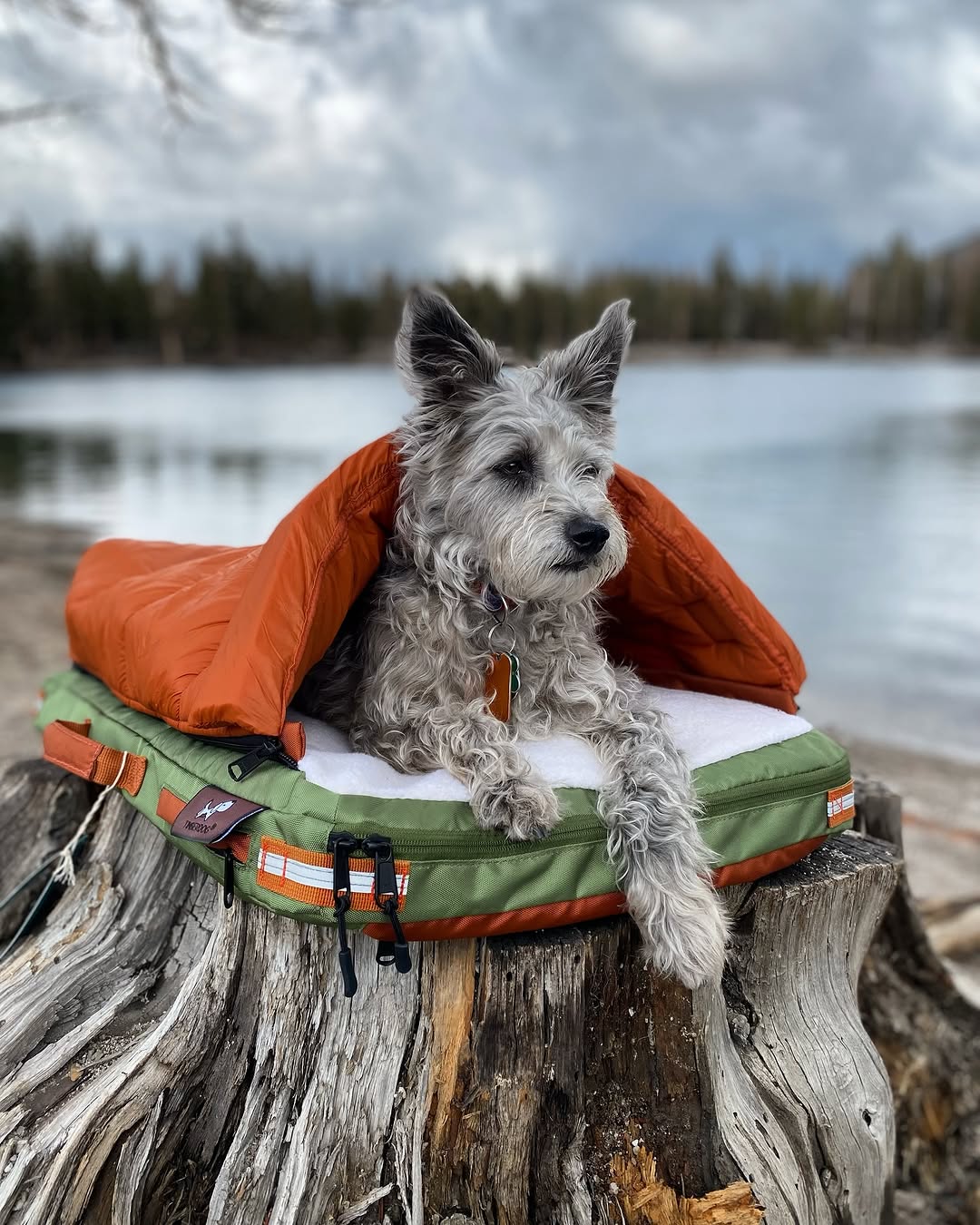
How’d you build such a strong reputation within your market?
Be relentlessly transparent and honest. And make the best goddamn version of what’s on the market. If you’re making a paper clip, it better trump all other paper clips. It better be amazing.
And love on your customers. Write a personalized note on the packaging, call them and ask how it’s going with their new purchase. Ask them to help you by writing a review or giving a testimonial. They listen. They want to help.
Are there any books, videos, essays or other resources that have significantly impacted your management and entrepreneurial thinking and philosophy?
I mentioned Guy Raz’s How I Built This. It’s better than any book I’ve ever read because it’s quick, digestible, and gives current advice.
Contact Info:
- Website: https://Timberdog.com
- Instagram: https://www.instagram.com/timberdogbeds/
- Youtube: https://www.youtube.com/@timberdogbeds