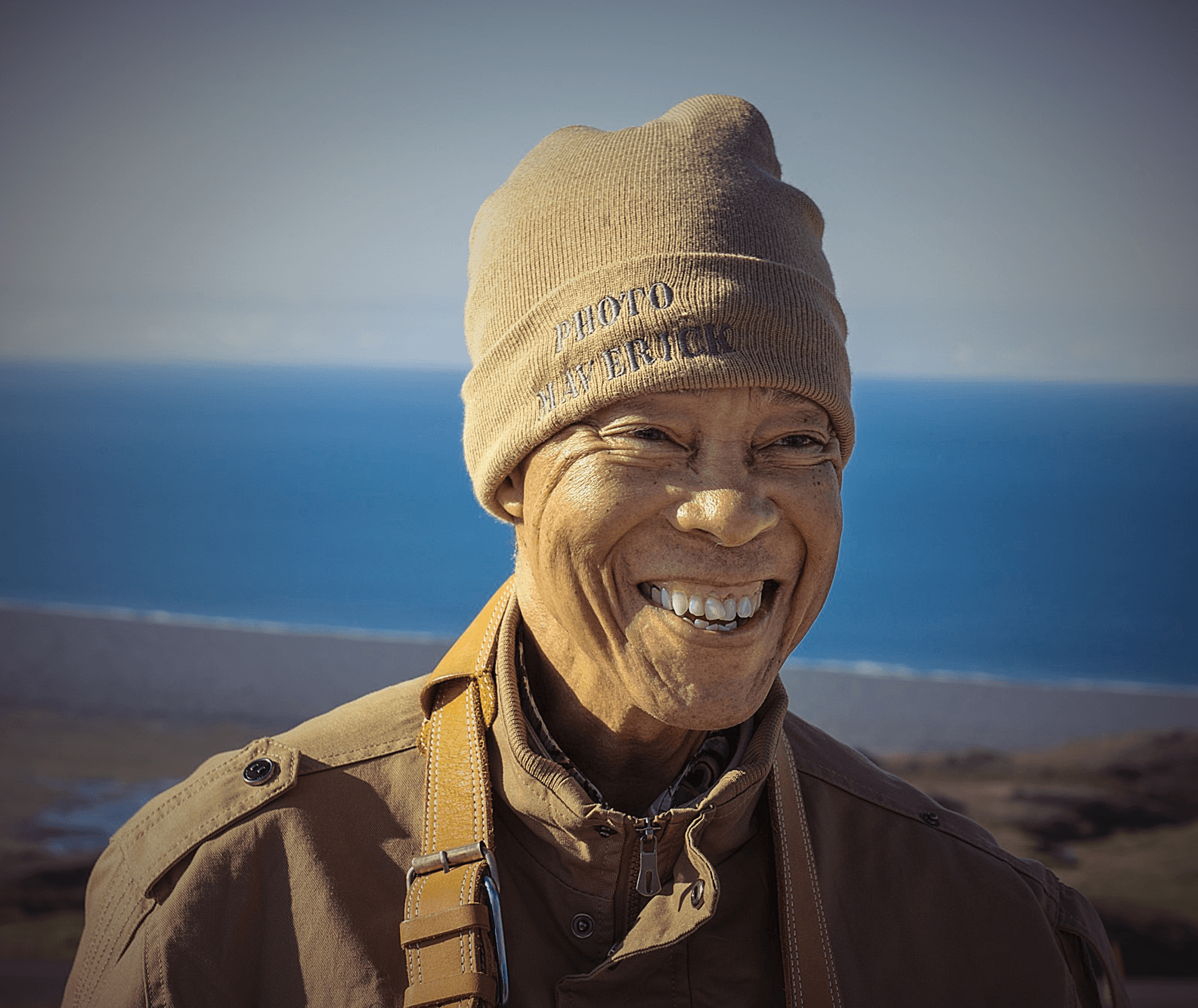

We’re excited to introduce you to the always interesting and insightful Lee Moses. We hope you’ll enjoy our conversation with Lee below.
Lee, thanks for taking the time to share your stories with us today One of our favorite things to hear about is stories around the nicest thing someone has done for someone else – what’s the nicest thing someone has ever done for you?
His name was Richard Atkins, a design draftsman of power distribution systems. I knew him from a previous company, one that we both left for better opportunities. Although we never worked together again we were good friends for the remainder of his life. I do not have many. On my left hand there exists more fingers than the number of true friends in my life.
Rich was a fascinating man of too many interests and projects. His brain was wired in such a way as to demand constant inquisitiveness. Whenever I visited him there would be some project within which he was immersed. The task may have been tangible or intangible. It was always something interesting. There were times when we disagreed over various subjects or actions, but I valued his inspiration. Rich taught me to, “Question everything.” That mantra is what guided me while he lived and for decades since his death.
We shared a love of photography. He was always trying new things, expanding his hardware stock and seeking mentors, of which I was surprised he might need. He was a broadly informed man without the typical ego, welcoming the opportunity to share his views, but intolerant of chastisement. “Opinions are just like…”, he would say. I learned much from him; mainly how to maneuver around those who conspire to upset you, and the technique of risk management.
I would visit him often. We kept in touch every week. After I relocating to California, distance reformatted our association to phone calls. I am happy that he managed to visit me once before he was gone. Ironically he called me one day to inform that he was sending his camera, a Bronica S2a, along with some lenses and accessories. I paused for a few seconds. I asked why he would give up such a valued tool. He said that he was no longer using it and that after seeing my photographic work it would find a good home. “Just don’t sell it on Ebay!” I promised not to, and occasionally still use it.
Sadly, less than two years afterward Rich passed away. I never knew him to be a fatalist. I grieved his death at the same time valuing how he thought of me. His memory moves to the front of my mind every time I hold the Bronica.
Awesome – so before we get into the rest of our questions, can you briefly introduce yourself to our readers.
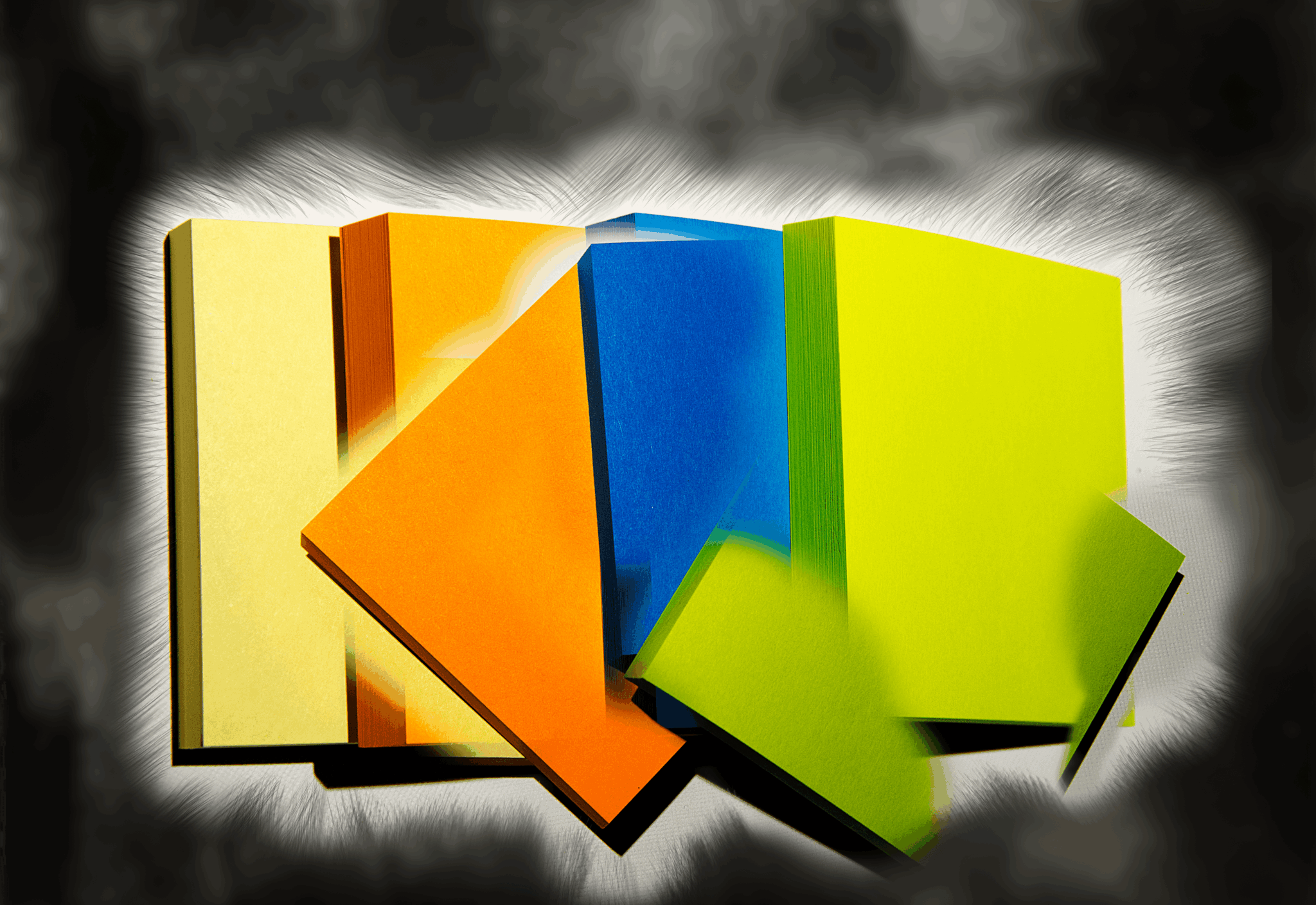
It all started after my father introduced me to the craft, my interest grew by way of self trial and error. I purchased my first serious camera in the 1970’s. During lunch breaks I would walk the streets clicking random shots of buildings. On weekends there might be shots of downtown points of interest, museums, libraries, fountains, and architectural embellishments. This was all practice for the novice.
A part of me hoped that one day I could make a living from photography. Yet the logical more rational side hinted that it would not satisfy my long term needs, at least not within the venue of that reality at that point in time. My real world experience was in its apprentice stage but I knew that without a sponsor or access to a network that the path to freelancing would be unlikely. This was not giving up. It was simply realism whispering into my ear.
Accepting my condition turned out to be the better choice for the long term, IMO. At my job, during that time, opportunities arose which allowed me to offer my photo skills to my employer by way of documenting field surveys to be used in construction bids concerning the maintenance of city buildings. Having to regularly be in the field made the job more interesting and gratifying. All of the images were black and white, processed in my kitchen. I did my own chemical printing, which I accepted as an ancillary task, not one to be enjoyed. Little did I know that the distant future would initiate me into none chemical printmaking.
During this period of self enlightenment I felt the need to explore deeper into the history and science of photography. Enrolling into a photography course was my next step. This would deepen my understanding as to why particular results happen, instead of mimicking a sequence that accidently resulted in an acceptable image. Most of that curriculum was helpful; some of it was simply pealing the subject matter a layer at a time in the hope that one might reach singularity. Nonetheless, it was a jump off point for me to format my own self improvement quest.
By now many years have passed. I have relocated across this country. Held a number of jobs, from which there were many new skill sets to glean. Within that timeframe I learned to become savvy.
At times I think of myself as a wandering photographic practitioner. It is a therapeutic pleasure, a crescendo to escaping the treadmill of the dangling carrot. I did treadle my way through the corporate world for 40 years in order to enjoy a pursuit along the photographic path without concern of monetary gain.
For me, the pleasure of photography is producing imagery that satisfies my moment. What I see is not art, but the printed result might cause the viewer to find artistic merit in the final image. If this is so, then part of my pleasure has passed to the viewer. Although the image capture process and the development of the final image is a solitary pursuit, the contemplation that might be evoked by the completed print is better shared. If you are reading this page then we are sharing a moment. Your thoughts and comments are appreciated.
My photographic pursuit is to extract mystery from the ordinary. Much of life and great events have passed over time. All of it has left traces of what once was. A photograph freezes a graphic emotion. Once recorded, time has no meaning. All that is left is the image and what it might convey to the viewer. I use photography as a tool to make sense of the reality within which I find myself.
That said, the superficial is not the point of my imagery. Rather it is the afterthought, the pause, the pensive reflections of a subconscious memory that I seek.
…and I keep on looking.
What I am most proud of is having learned how to maneuver my way around the speed bumps of corporate politics and sycophantic behavior. During my time employed I observed the desperate dog tail wagging performed by those who kissed the ring of the master, in the hope that such a gesture brings them favor. Although I was well aware of my managers’ egos, there was no chance of me discounting myself to the level of lapdog.
My survival strategy was to accept the task that no one wants, and then complete it consistently without issue. In time I would move on to another employer, by choice or via layoff.
Each company had some type of investment product open to employees. I took great advantage of all of them, and when terminated I would simply transfer my accounts into an IRA. It required much perseverance and discipline to allow the law of compound interest to work its magic. This was not an easy path. After my second layoff I thought I was done. Age discrimination is alive and well in our job market; I was past fifty years and not agreeable to having to say, do you want fries with that, all day long. So I went back to school, earned a degree and became employed again. But this time it was all about me. I used my last employer as the instrument to my retirement strategy. With the help of my wife’s employment, I diverted most of my paycheck into a 401k. In five years time I was ready to pull the cork and spill the wine. My final notice was delivered and I descended the escalator for the last time, smiling.
That time has passed.
The older I become, in the time that is left, I think less about what it took to get to this point in time. I am enjoying the fruit of my labor. My photographic art is fueled by my subconscious. After forty years of being assimilated into someone else’s parade, I am now a parade of one.
So, what now? The path is made clear. There is no schedule to meet, no overseer to please, no monetary expectations to worry about. My heath is good. I shall not become idle as longs as my legs, my eyes, and my cameras are working. My art will display who I am, without the need for acceptance. The people that matter will notice, even if they are silent.
What do you find most rewarding about being a creative?
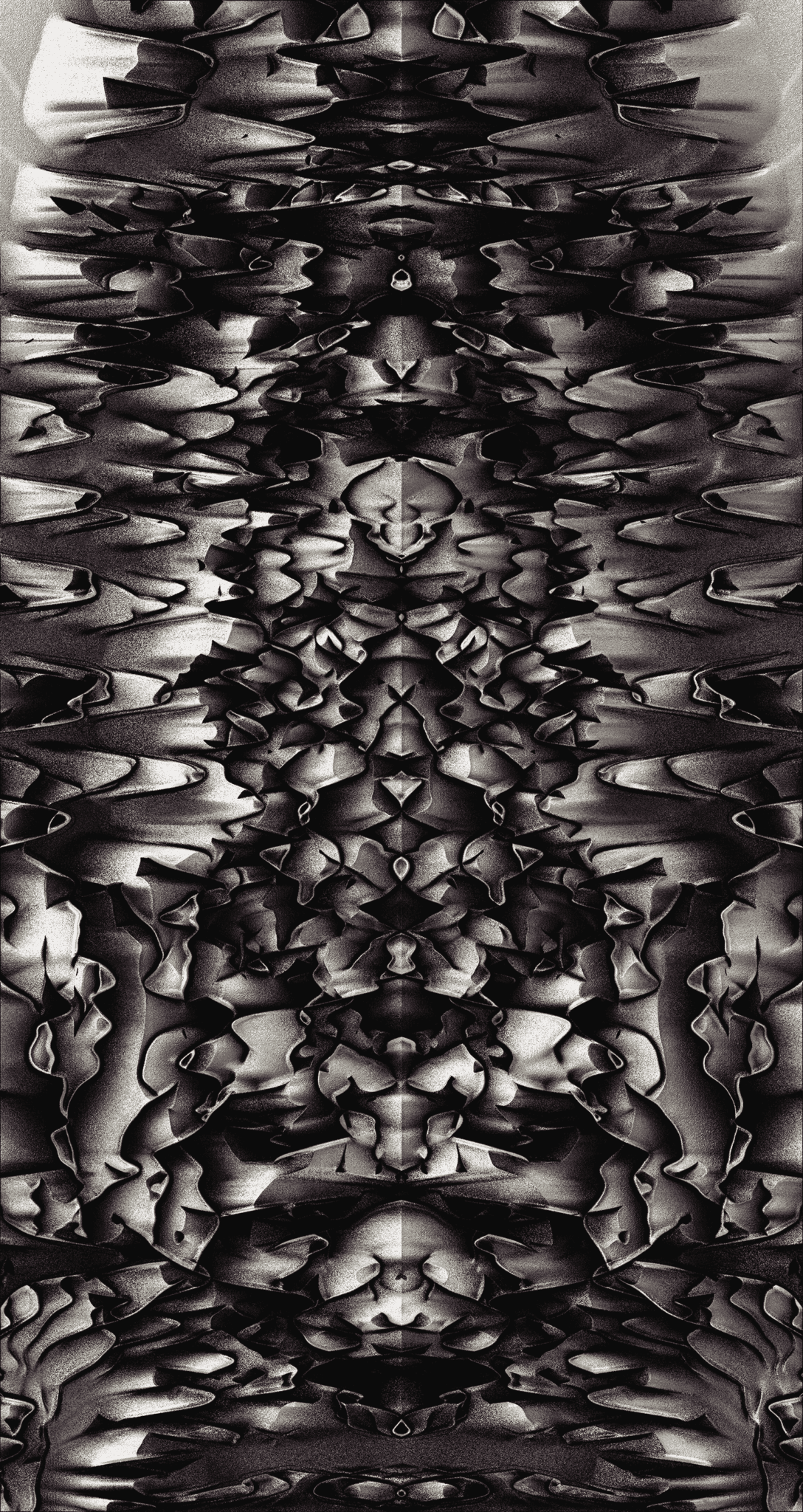
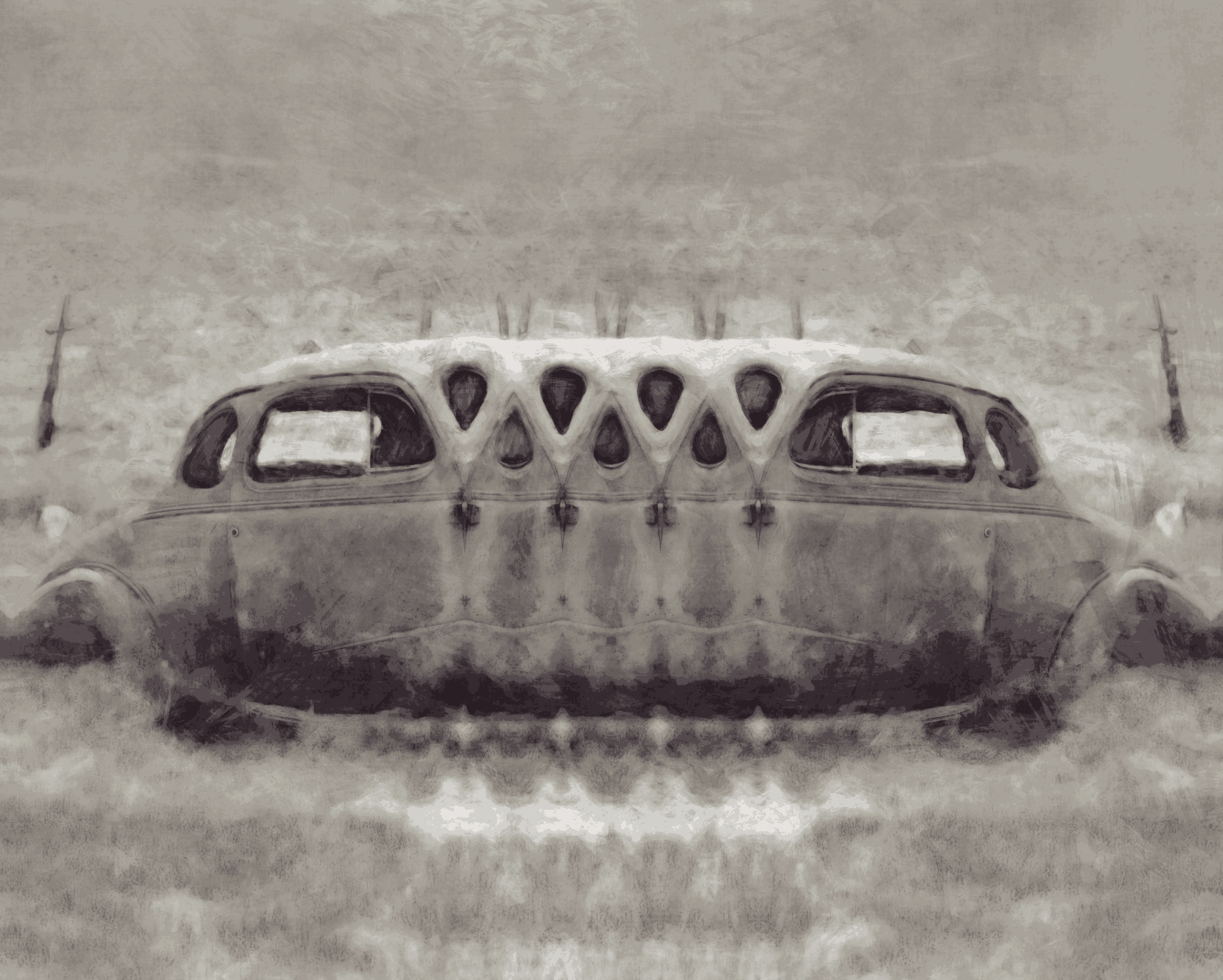
This is the easiest question you have asked me; one word, fulfillment. Abstract Photography is the golden chalice from which I sip the drops of fulfillment that sustain my creative motivations. Just holding my camera calms me. As I have said earlier, this is not a business, it is therapy.
The days in which I find myself in a creative mood I feel unshackled from the weight of this world. It is possible because I have dealt with the weight of this world for more than seventy years. Much time has passed allowing me to learn many hard lessons of survival. I have been patient beyond reason, frugal when necessary and persevered through difficult employment environments by accepting the pain as an opportunity to learn something. Life is not a fruit salad.
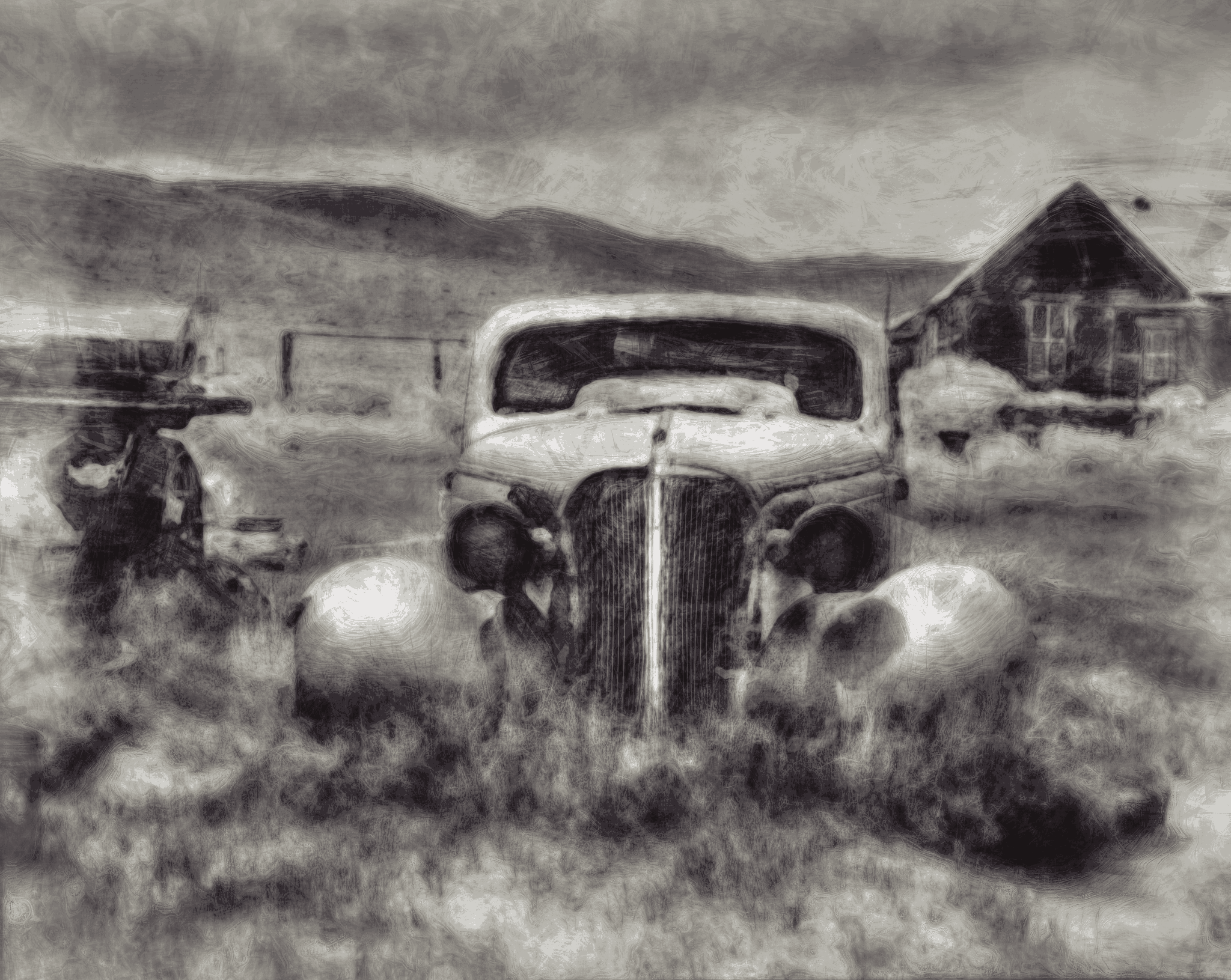
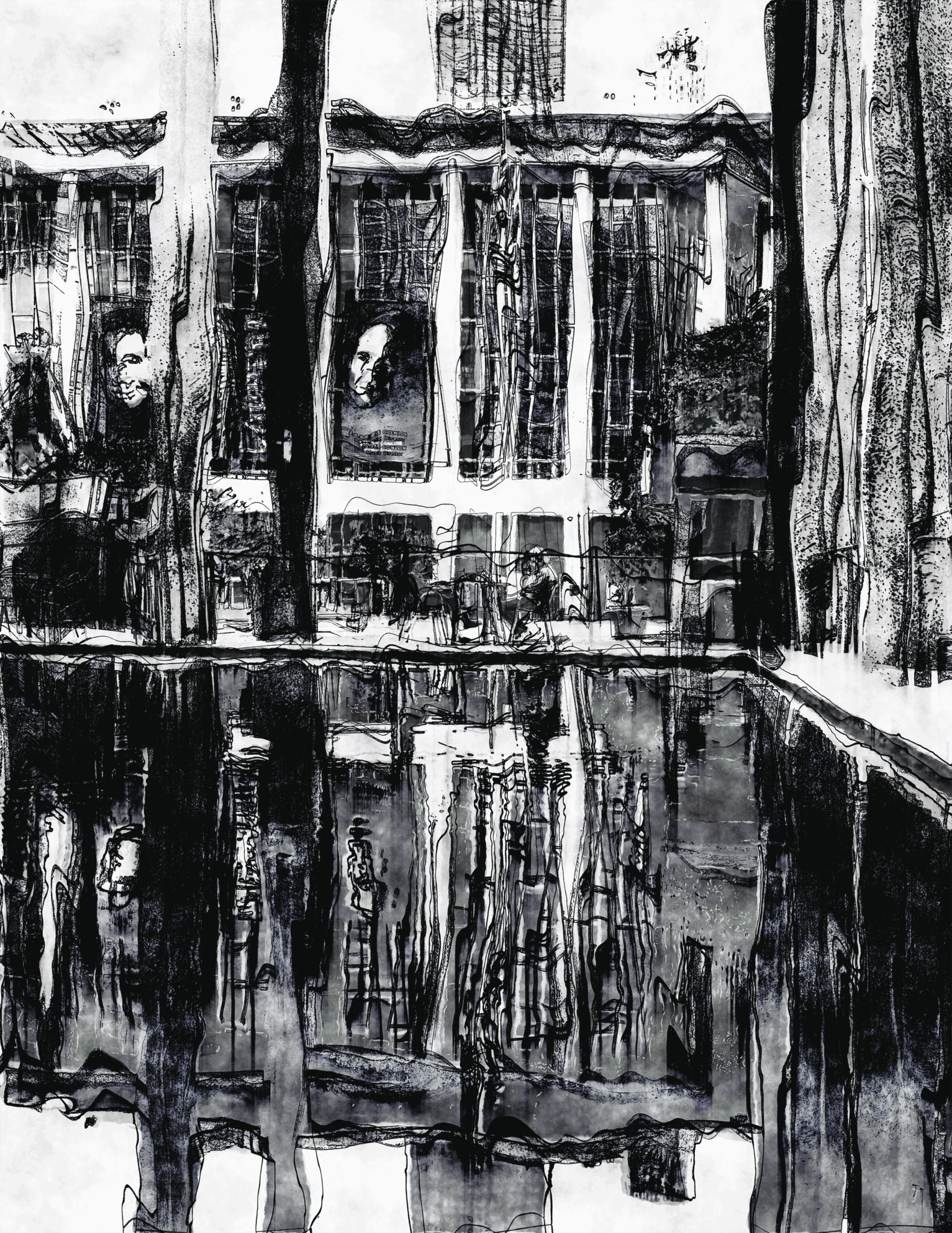
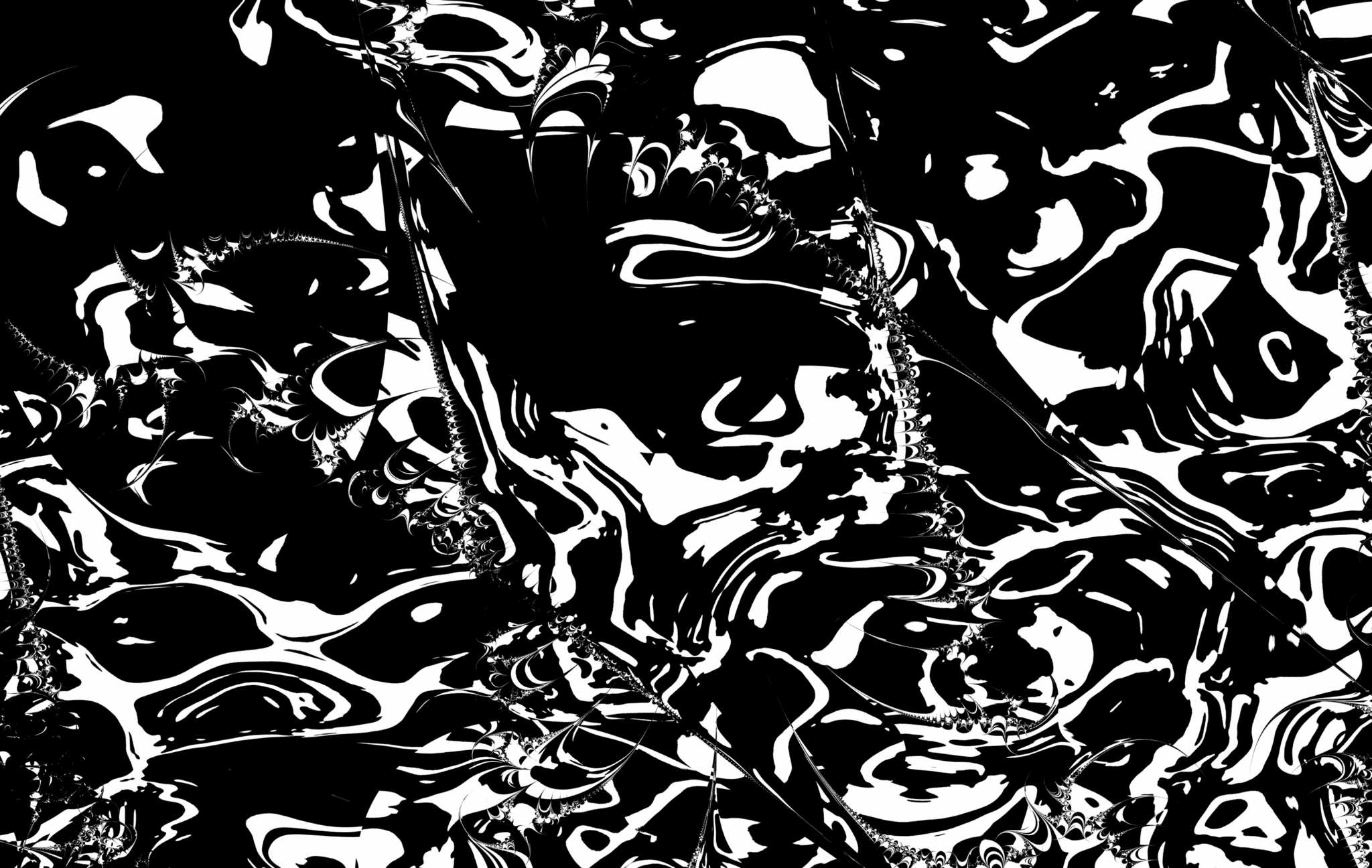
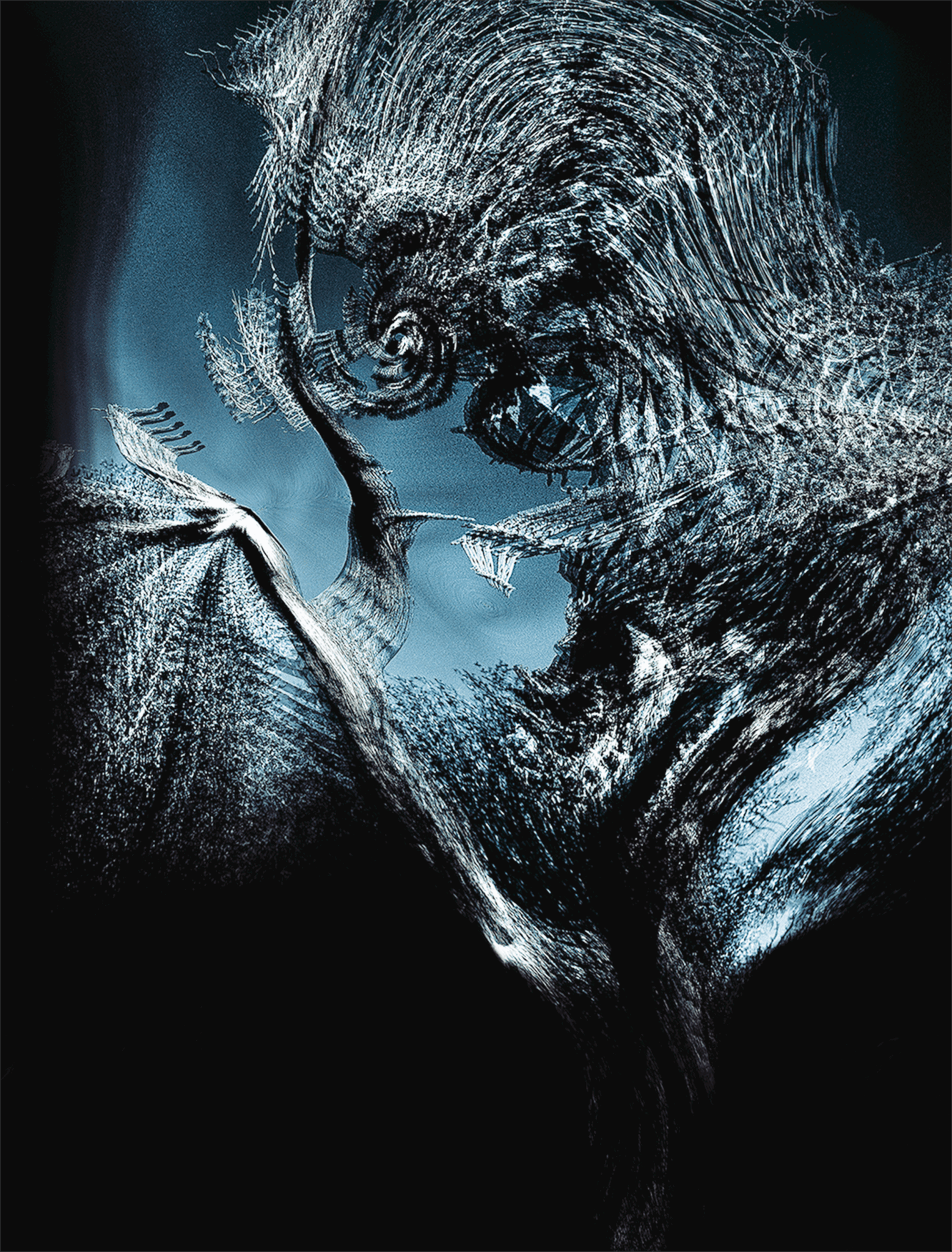
Being in the creative zone is a vehicle into an altered state, disconnected from the negative forces. My images are processed normally. Afterward, I will view the normal image and then allow my subconscious to guide my abstracting hand. I have no preconceived plan. I listen to and feel what my inner mind is whispering, then apply that to the abstraction. The trick is in knowing when to stop. When I apply the brake at the right moment the image speaks, and then I see what was hiding on the other side of the lens when the shutter was tripped.
Contact Info:
- Youtube: https://www.youtube.com/playlist?list=UUxz4ailObynWlO7ZST5ZoCw
- Other: Blurb Books: https://www.blurb.com/user/leemoses