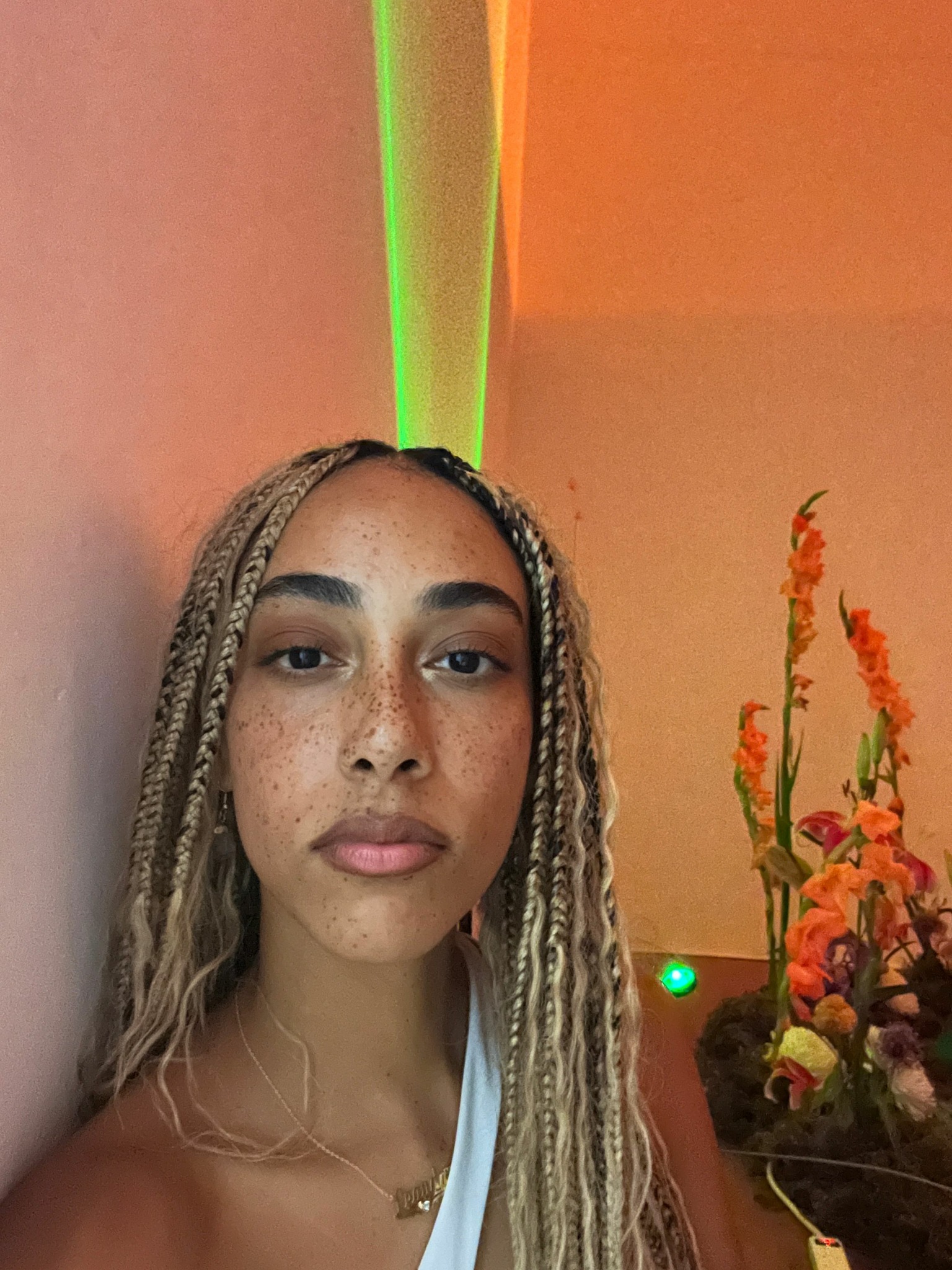

We were lucky to catch up with Leauda Densey recently and have shared our conversation below.
Leauda , appreciate you joining us today. When did you first know you wanted to pursue a creative/artistic path professionally?
I think I’ve always known—though not in words at first. Music was the place I ran to when the world felt loud, unsafe, or unfamiliar. Growing up in a home that often felt chaotic and heavy, creativity became my sanctuary. Singing quietly to myself, writing little melodies, or simply escaping into sound—it was my way of staying connected to something bigger than me. Something safe. Something sacred.
As I grew older, I tried to follow the ‘practical’ path—studied business, did what I thought would make my family proud. But my soul kept tugging me back. Every time I ignored that pull, I felt a little more lost. And every time I returned to music, I felt found.
For me, music isn’t just a career—it’s a way of being. A form of healing, of remembering who I am. Whether I’m singing, acting, dancing, or simply creating for no reason at all, it’s how I stay connected to joy, to truth, to purpose.
It’s the one thing that always brings me back to myself—and I know in my heart there’s nothing else I’d rather give my energy to.
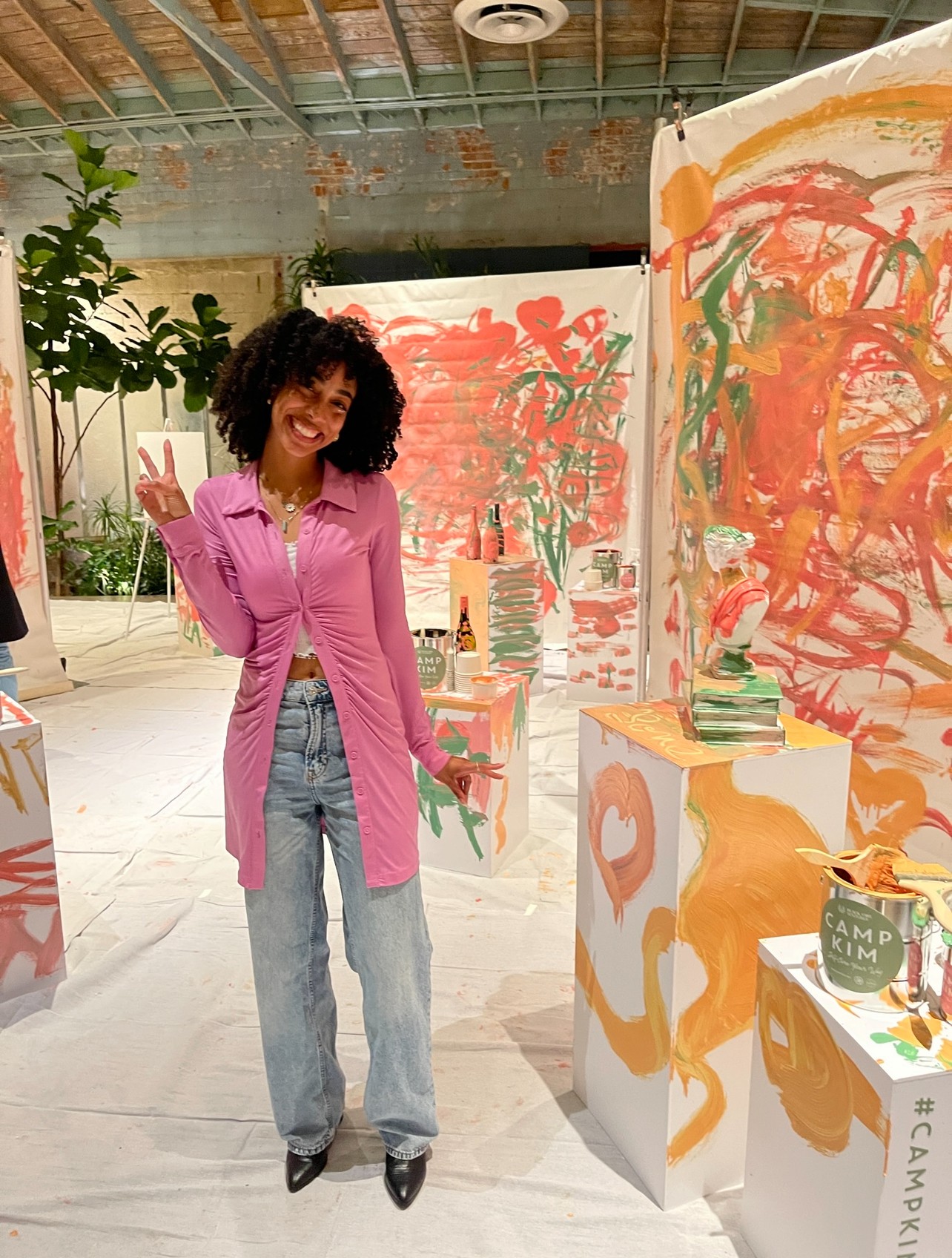
As always, we appreciate you sharing your insights and we’ve got a few more questions for you, but before we get to all of that can you take a minute to introduce yourself and give our readers some of your back background and context?
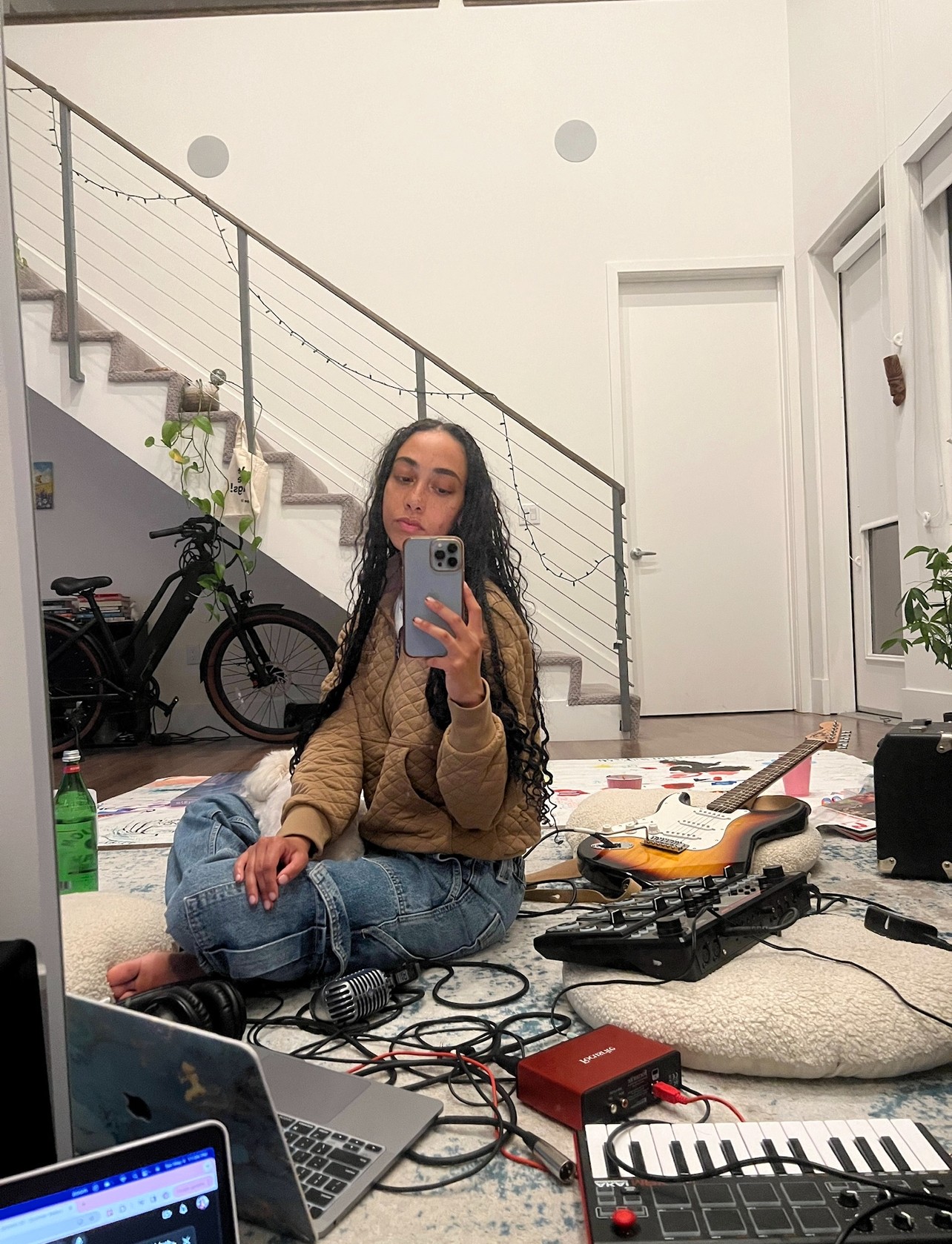
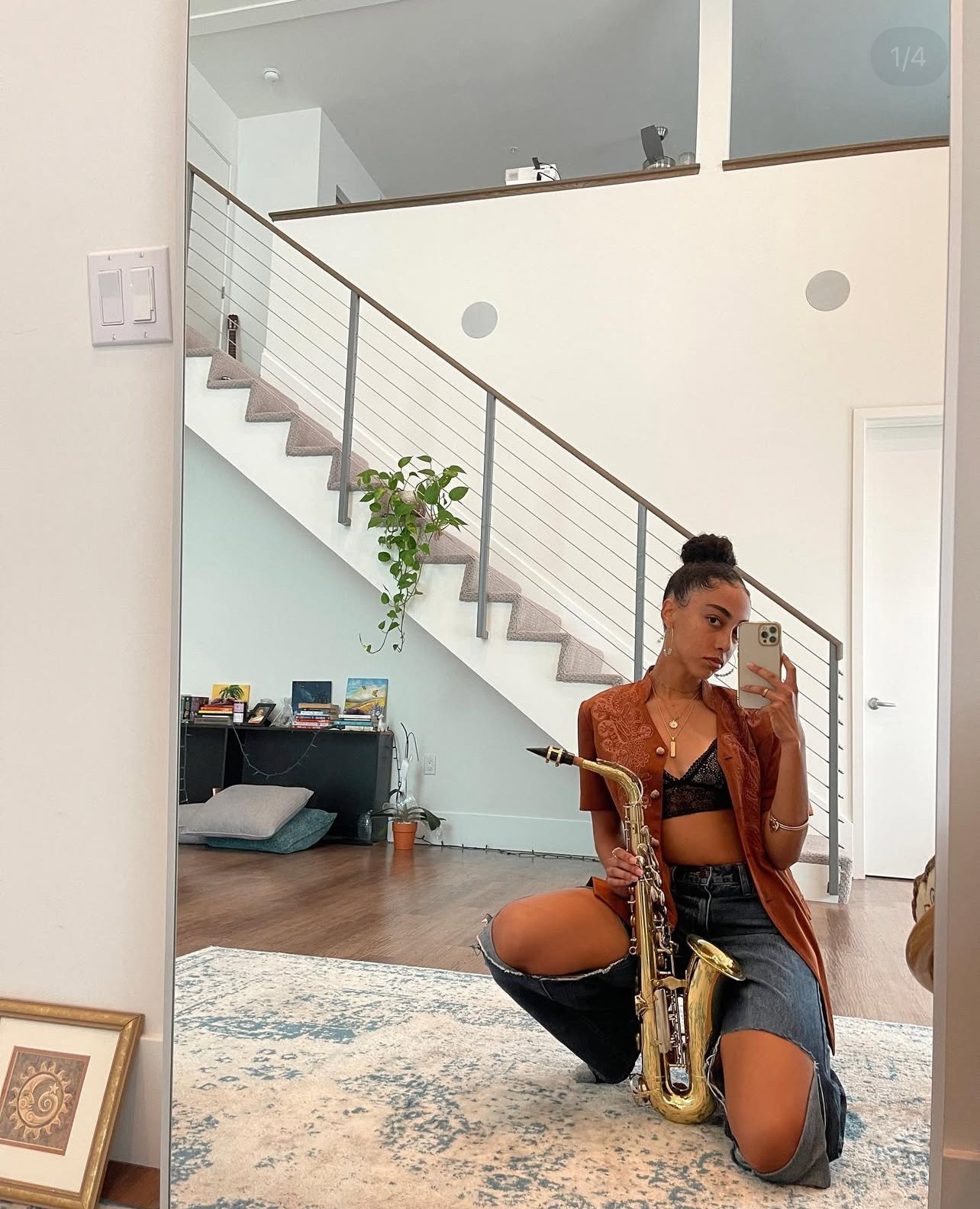
I’m a singer-songwriter and healing artist, and at the heart of everything I do is a deep desire to create space—for truth, for expression, for healing. Right now, I’m in a deeply personal season of recording and creating music from home. I haven’t released anything publicly yet, but I’m pouring my soul into it. For me, music has always been more than sound—it’s sanctuary. It’s how I’ve survived, how I’ve found myself, and how I hope to help others feel seen, soothed, and safe.
My sister has been one of my greatest inspirations. Before her passing last year in 2024, she was my biggest fan—always encouraging me to finish my songs, to share my voice with the world. She believed in me when I couldn’t. Her spirit still moves through everything I create. Every note, every word, is a part of her legacy too.
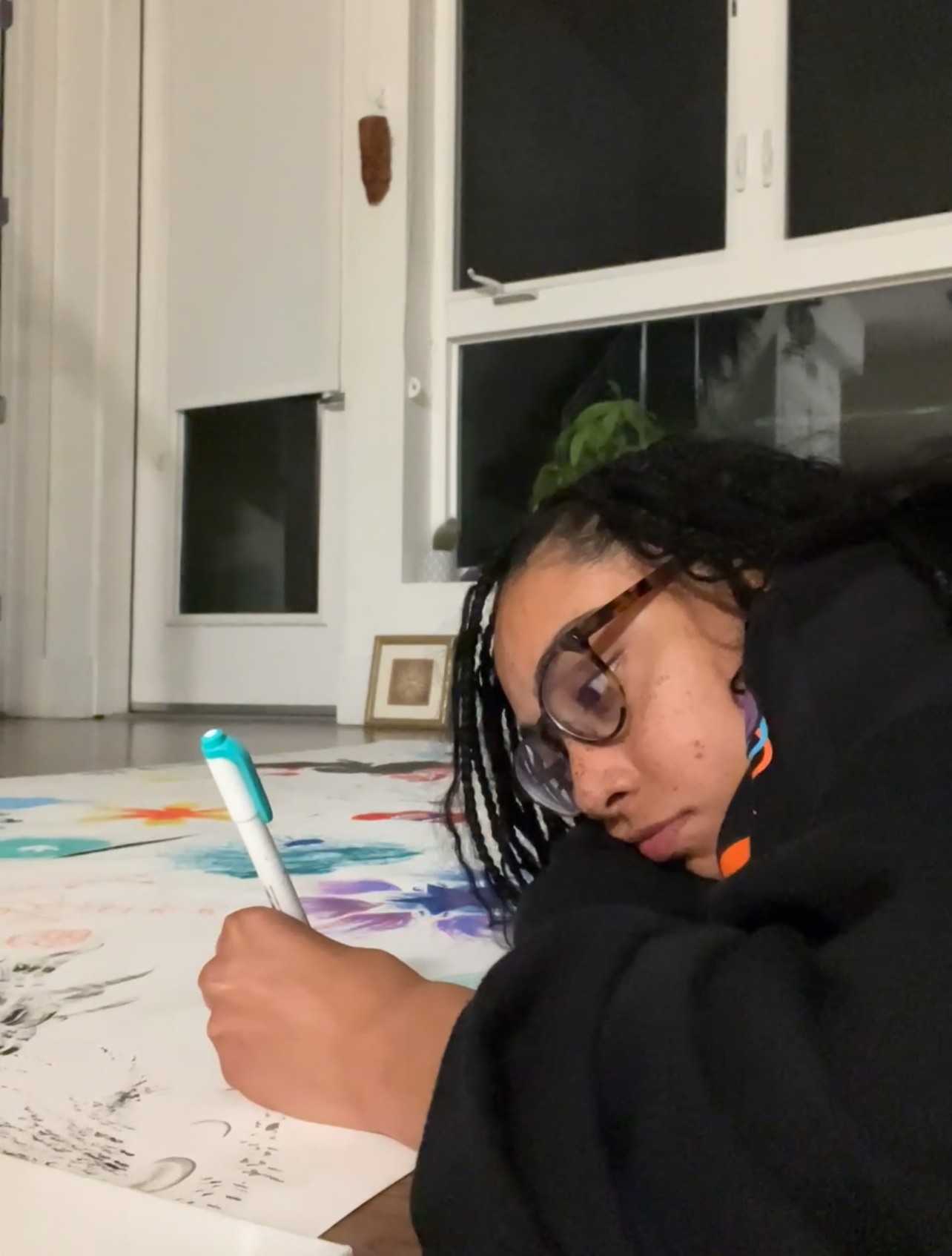
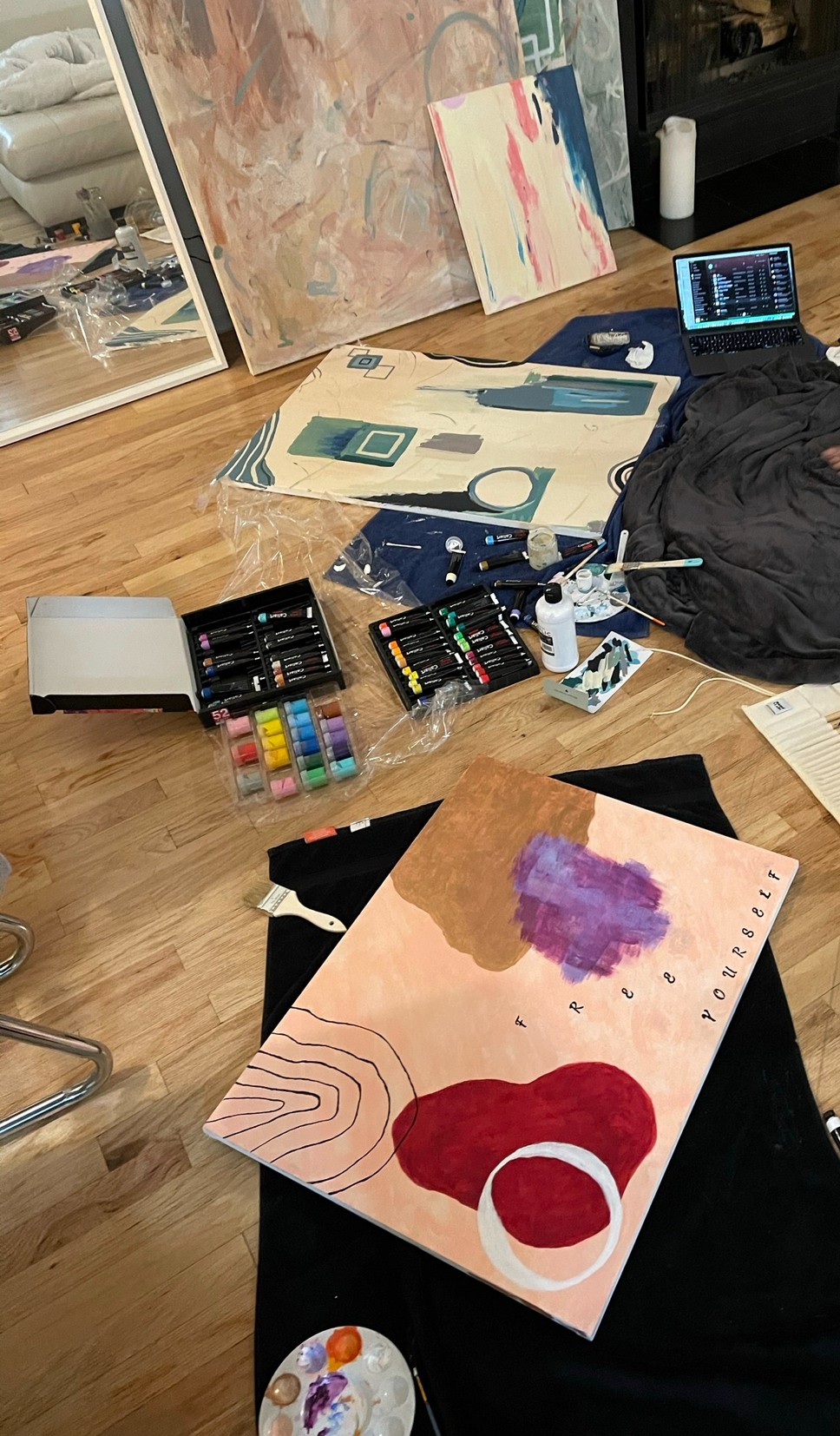
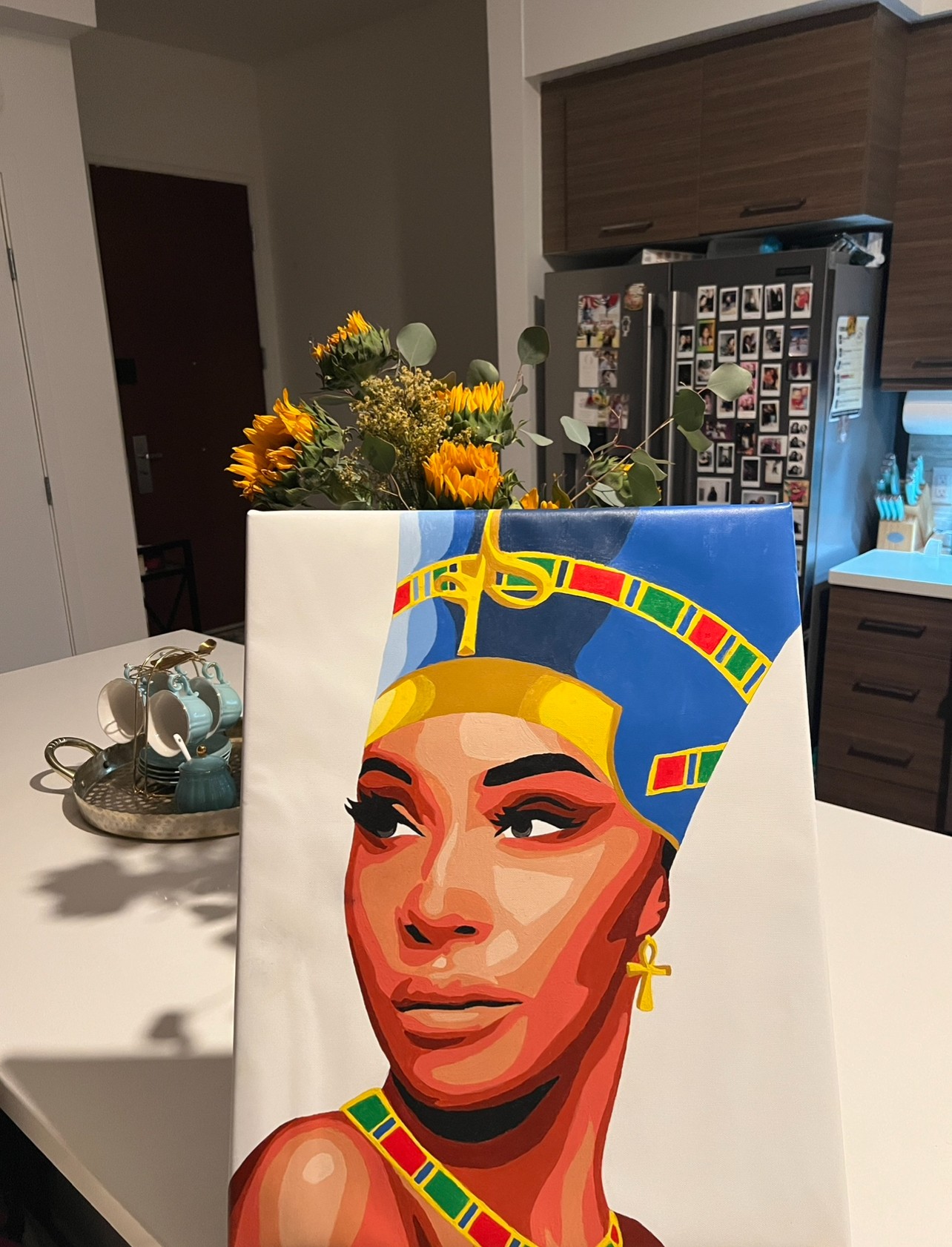
I’ve also worked as an actress in the commercial space and enjoy being in front of the camera. I dance for joy, paint for reflection, and see all of my creative expression as part of my healing. I’m proud of finding my way back to music after drifting from it. That return wasn’t easy—it took deep self-work, facing my shadows, nurturing my inner child, and learning to meet myself with compassion.
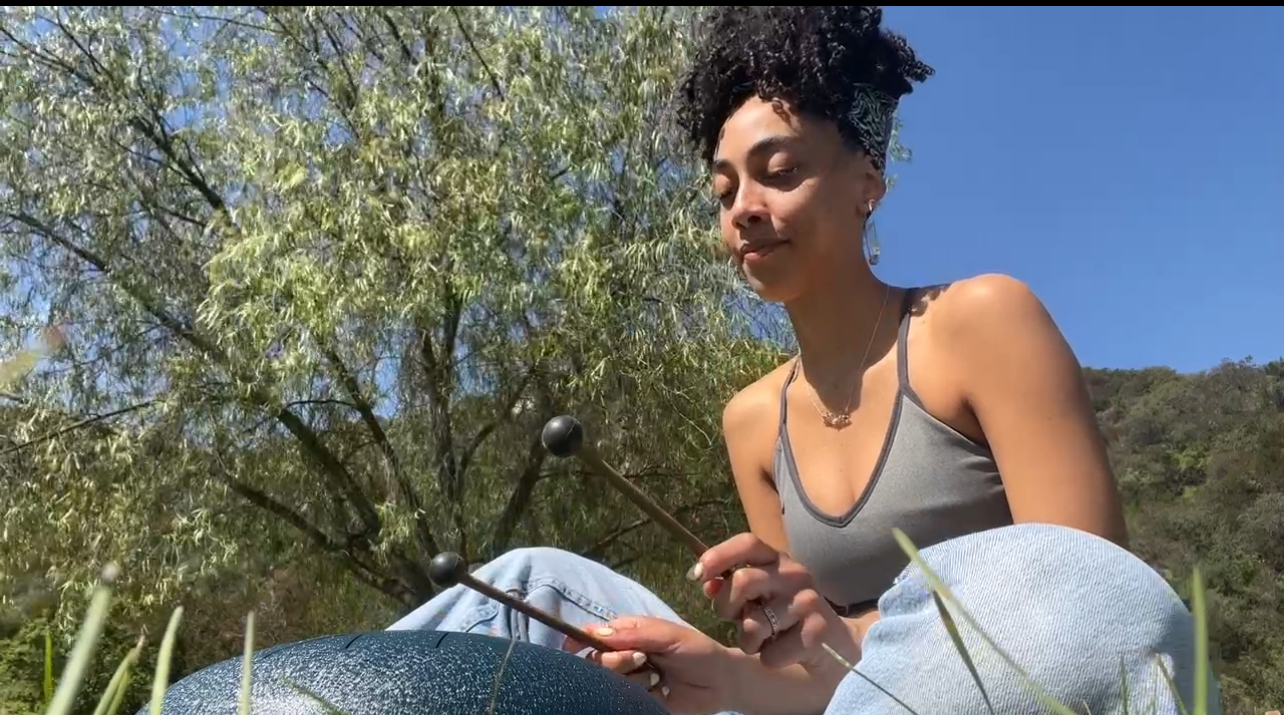
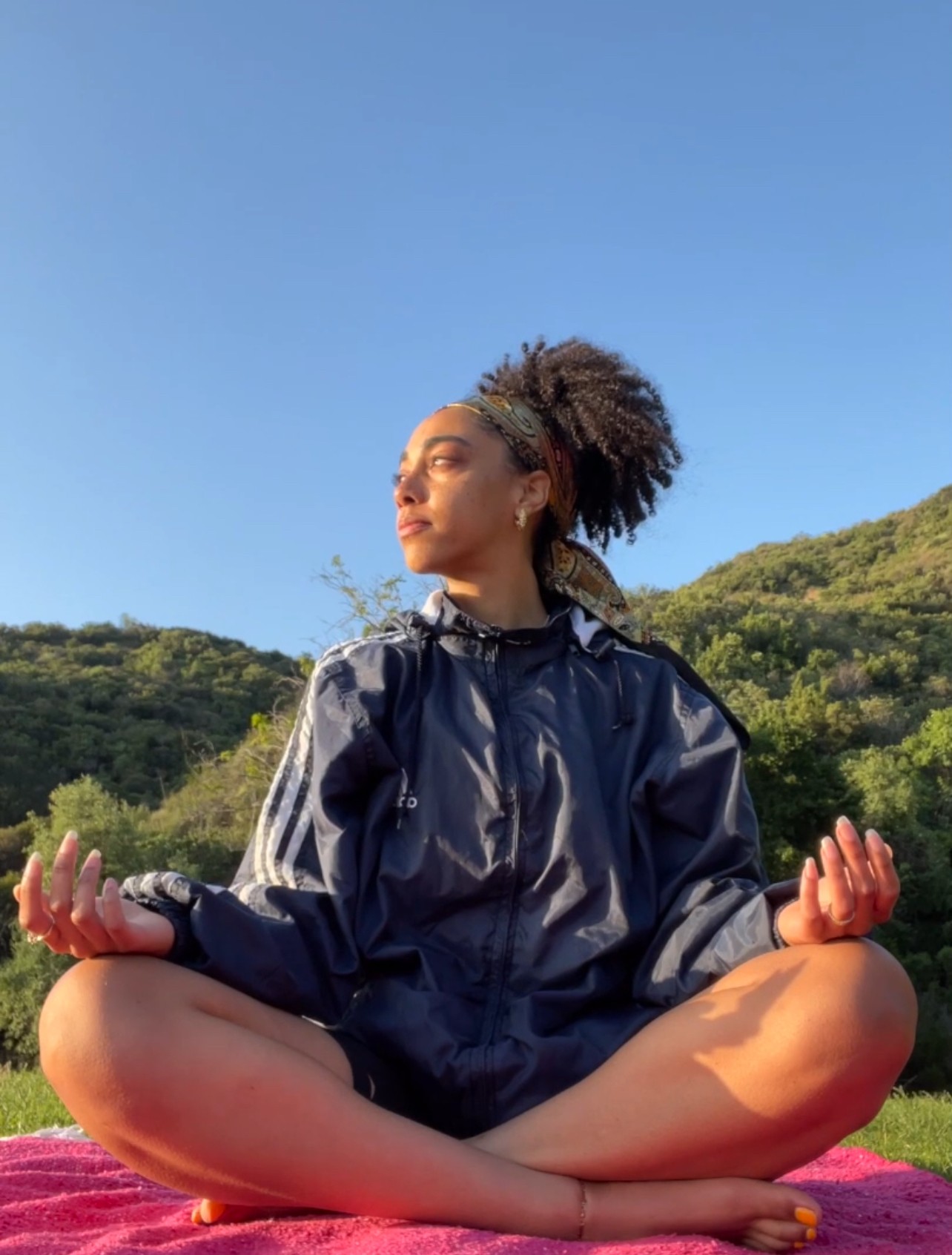
Nature has been a vital part of my healing too. Whether I’m walking through a forest, listening to birdsong, or just watching the sky shift, it reminds me of who I am and what really matters. I draw so much inspiration from the stillness, the beauty, and the truth that lives in the natural world.
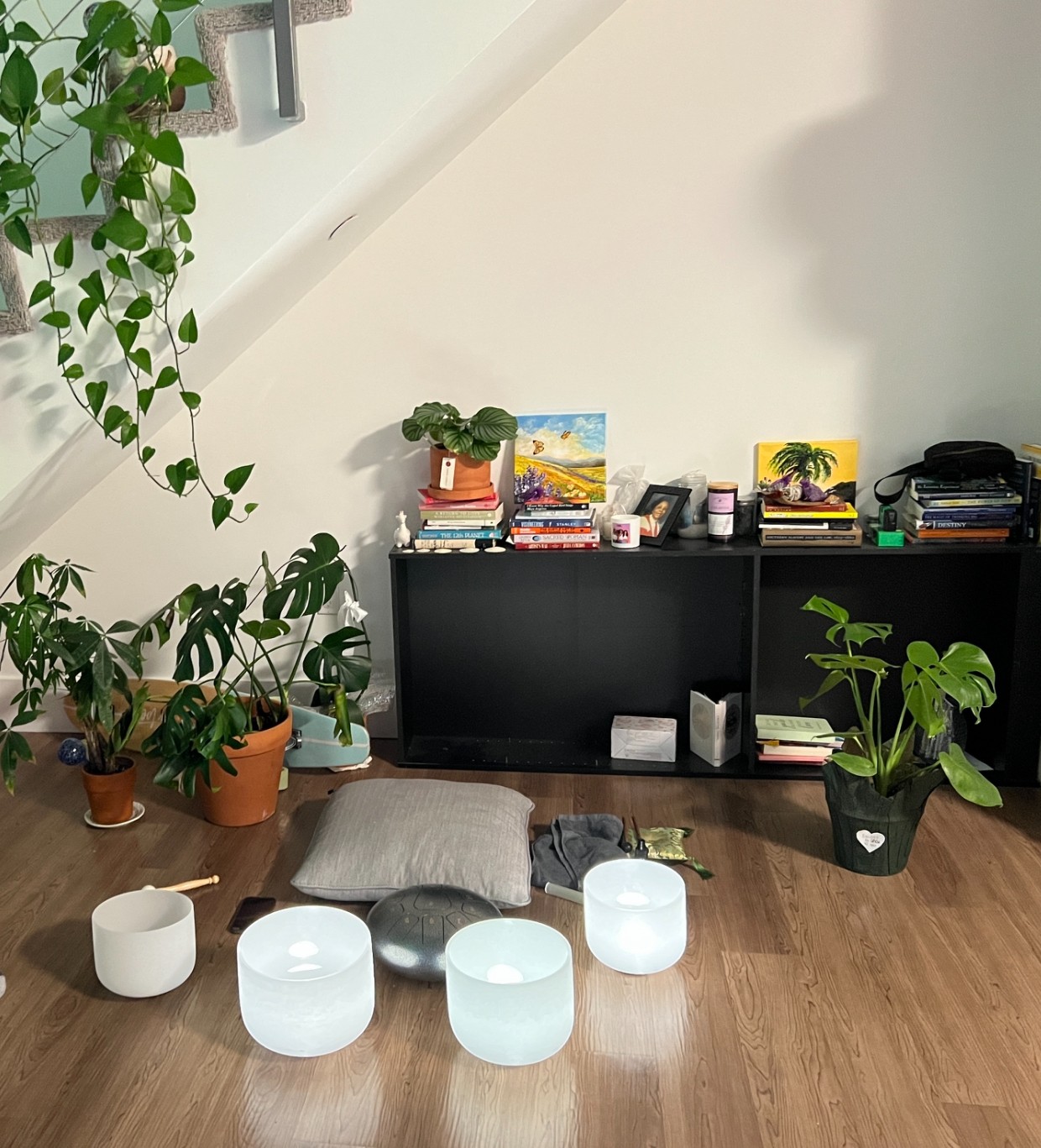
I’m also slowly building a long-term vision: a creative community space called Knowledge X Power. It’s a work in progress, but I see it as a sanctuary where people—artists and non-artists alike—can come to reconnect with themselves, express freely, and learn things not often taught in traditional settings. I want it to be a space of expansion, where we explore deeper truths—spiritually, creatively, emotionally—and remember the power we hold within.
In everything I create—whether it’s a song, a space, or simply a moment of connection—I want people to feel safe enough to breathe, reflect, and remember who they are. That’s my mission, and it’s unfolding one heartbeat at a time.
How can we best help foster a strong, supportive environment for artists and creatives?
I believe the best way society can support artists is by allowing them the freedom to simply be—without the constant pressure to perform, monetize, or conform. Creativity isn’t always linear or predictable. Sometimes artists change, evolve, or express themselves in new ways that might not fit into the boxes people once put them in—and that’s a beautiful thing. Growth and reinvention should be welcomed, not judged.
I also believe we need to celebrate and support artists at every stage—not just when they’ve “made it” big enough to launch fashion lines or brand deals. There’s this overwhelming pressure to turn our creativity into profit, and while sustainability matters, it shouldn’t overshadow the soul of the art itself.
Art is vulnerable. It’s sacred. It often comes from lived experience, healing, and emotion—not from a place of demand or output. I wish we saw more acceptance of the artist’s journey, rather than just the results they’re expected to produce. True support looks like patience, presence, and respect—for the process and the person behind it.
Do you think there is something that non-creatives might struggle to understand about your journey as a creative? Maybe you can shed some light?
One thing I think non-creatives may struggle to understand is that the creative journey isn’t just about making things—it’s about feeling everything. Deeply. To create is to open yourself up—to memories, emotions, wounds, dreams—and then find the courage to express that in a world that doesn’t always make space for it.
It’s not always glamorous. Sometimes it’s isolating, confronting, or slow. Sometimes the biggest part of the “work” is internal—facing self-doubt, fear of rejection, or the pressure to be consistent when your inspiration comes in waves.
People often want the finished product—the song, the painting, the film—but don’t always recognize the personal healing, courage, or unraveling that led up to it.
Another thing that’s often misunderstood is the value of creative work. In a society that tends to prioritize productivity, structure, and measurable outcomes, creativity can be dismissed as “just a hobby” or “child’s play.” But art is the heartbeat of culture. Music, design, storytelling, performance—they shape how we feel, how we connect, how we heal. Just because something is soulful or expressive doesn’t make it less worthy of compensation. In fact, it often requires even more vulnerability and emotional labor than traditional jobs. Creatives deserve to be paid fairly—not just for the finished product, but for the energy, skill, and heart that goes into what we create.
Creativity is more than a job. It’s a path of truth-telling. A reflection of the soul. And not everyone will understand the depth of that—and that’s okay. But I hope more people begin to honor the unseen layers that live beneath what artists share with the world.
Contact Info:
- Instagram: https://www.instagram.com/leauda9/
- Linkedin: http://linkedin.com/in/leauda-densey
- Youtube: https://youtube.com/@leauda
- Soundcloud: https://m.soundcloud.com/leauda9
- Other: Creative Company website –
KnowledgeXPower.comOther music platform with all freestyles-
https://untitled.stream/library/project/9wBQN9JRDu2F4UazIpQMJ