

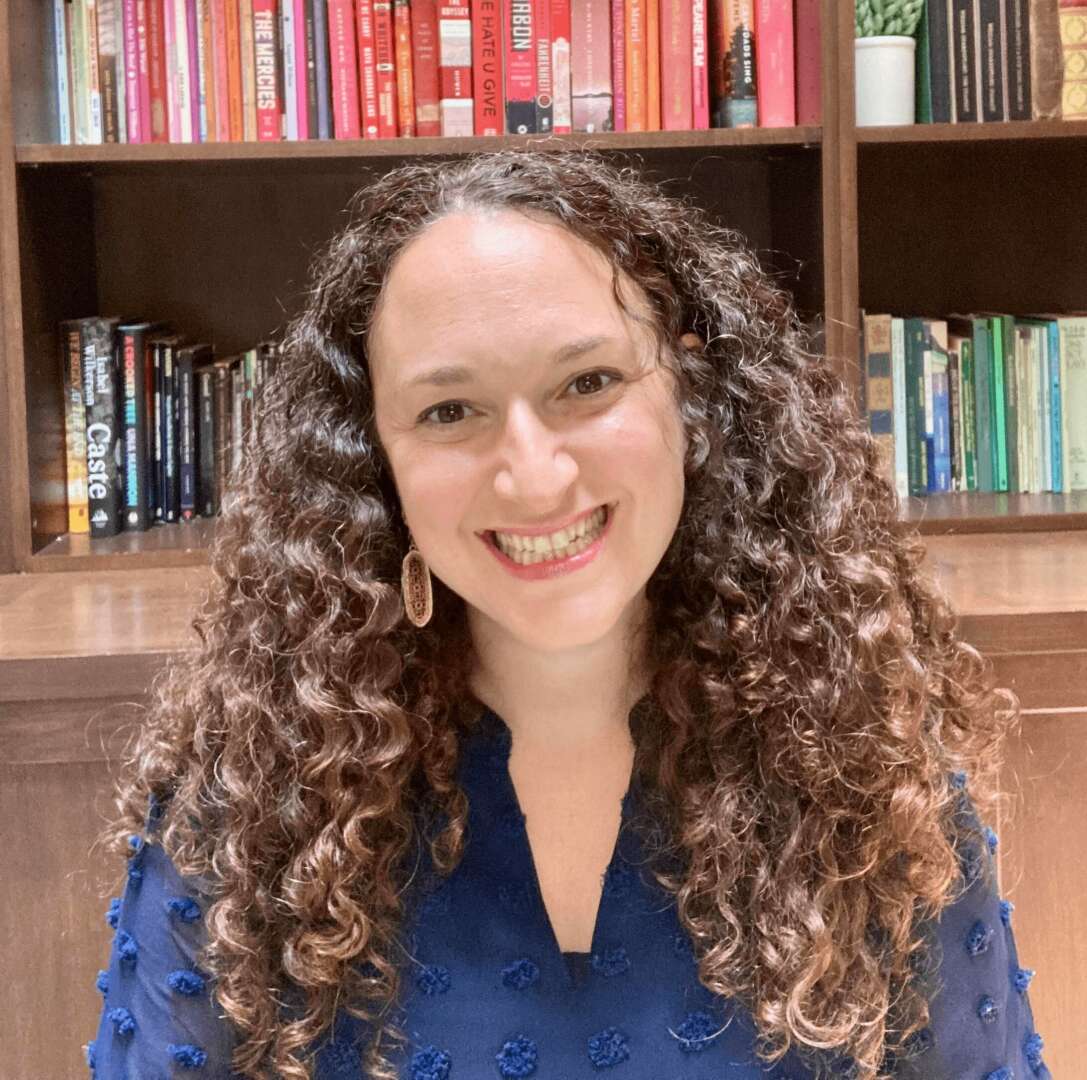

We were lucky to catch up with Leah Moore recently and have shared our conversation below.
Hi Leah, thanks for joining us today. Going back to the beginning – how did you come up with the idea in the first place?
When you become a parent to a child with a disability, they have a speech to prepare you for this type of pressure: put your oxygen mask on first. It’s popular with many caretakers, therapists, and parents. The message is important: before you can take care of anyone else, you need to first take care of yourself. The problem is, I found a loophole. I found a way to survive with catch breaths, shallow sips of air, like I’d use in singing. Somewhere in the middle of working full-time, supporting Jordan, exploring Austin’s medical needs, and remembering Oliver was not yet old enough to take care of himself, I found that the way to get “it all” done was to take quick sips of breath. By deeming full breaths superfluous, I could get just enough oxygen during my lunch break (while I made phone calls to the insurance company). Anything that required true oxygen, or the aspects of life usually found higher on Maslow’s hierarchy of needs, was a luxury I did not have time for. If I had stopped to consider how close I was to asphyxiation, I’d have been paralyzed by it all. I had to remain alert, prepared in my ready stance, like I’d done as a child playing catch with my dad. If I didn’t stop moving, I could adjust, ready for whatever direction the ball would fly, jumping for a fly ball or ducking for a grounder.
I got used to living in this perpetual flight response. If I never let my defenses down, I didn’t have time to be vulnerable. I even became proud of my new identity. I was the woman who got things done. Never mind my coworkers were concerned at the pace I moved, or that Zac and I did not have one conversation beyond necessity. I had a busy life, and there was no time to figure out how to do it. I just did it.
Holding my breath became my mom badge of honor, not something I was concerned about. I ignored the nagging pressure in my chest and swallowed the stress. I convinced myself I was an excellent multitasker and that if I worked fast enough, I would never have to admit I was on my way to suffocating. And if I did suffocate, I just relied on those acting skills and hoped my smile could cover it.
The only space where I didn’t flounder was inside my classroom. It was a true separation from my home life and a way to remember the person I had been before. When the students in my ninth-grade English class were working on a personal narrative unit, I wanted to model the assignment.
So one evening, after my kids had finally gone to bed, I wearily sat down at the computer—frustrated that I had added more to my plate—and tried to write. I started typing, and the beginning of this memoir poured out of me.
Then the stories kept coming. With each story, I found a way to put into words what I had only been swallowing in silence. It was how I reconciled the tension that Jordan may never use words. It was how I assuaged my guilt about not attending another birthday party because the rigorous therapy schedule didn’t give us time. It was how I had organized myself after the twins were born and then privately handled the medical scares. The more the words showed up on paper, the less I carried the weight of them. Writing replaced my forced smile with an authentic one.
I replaced eating chocolate in the bathroom with writing on the laptop in the basement. Zac patiently put Jordan to bed as I released a sentence from my brain. I jotted down notes as Oliver rested on my head to watch PAW Patrol. I held a sleeping Austin while I dictated ideas into my phone. Now when I needed to redirect a sobbing Jordan, I focused on how I was doing it, no longer wishing to escape. Writing was forcing me to become present in the lives of my children, paying attention to their wants, frustrations, and joys.
I’ve always had the sensation to write; I just never knew what subject to choose. In middle school, I wrote a children’s book about a penny who had an unfulfilled life, and then spent the rest of the decade writing unrequited love poems. A short story in college was based on the true tale of inadvertently punching a squirrel in the face while I was throwing away my lunch (spoiler: the squirrel community came for revenge). I naturally became more sophisticated in the early 2000s and wrote some more humiliating sonnets. The only fiction I seemed to create was in my dreams, and I couldn’t recall enough of it in my waking hours to write it down. My life didn’t feel interesting enough to spark the next great manuscript.
The circumstances of my life shifted my view of writing. I am learning to live in a way that allows me to pay attention to where my stories are hiding. That’s the thing about living your stories: they are everywhere. On paper, I can construct what I wish I had said to the comments I received in public. On paper, I can make sure I speak the truth. On paper, I have time.
The more I write, the more I notice. Writing has grounded me. It is no longer just about me and processing my challenges. It has become a way to amplify my daughter’s voice, so she is not defined by her diagnosis. I listen to disability rights activist James Charlton who states, “nothing about us without us.” I do not have a disability and I cannot speak for my daughter. It would be problematic for me to do so. I am, however, in a position to share her voice when I can. (It is the reason the first words in this book belong to her.) I can do my part as her mother to fight for more stories to be heard.
I will continue writing until the people who stare at her orthotics on the playground learn to come over and say “hello.”
I will continue writing until children are not regarded with polite invisibility, but receive genuine invitations to sit at the lunch table.
I will continue writing until a community that has been relegated to the sidelines for too long becomes mainstream.
Awesome – so before we get into the rest of our questions, can you briefly introduce yourself to our readers.
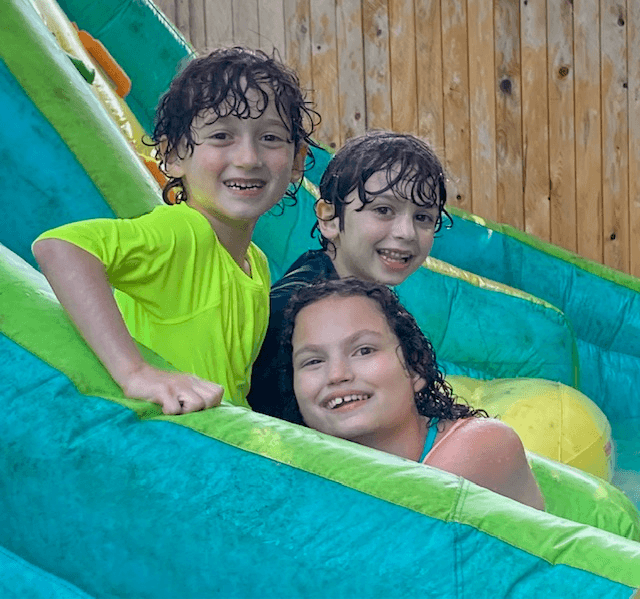
I have been teaching high school English and theater for 20 years. I am the mom to three children. My husband, Zachary, and I are continually learning how to navigate parenthood with our beautiful children. Our oldest daughter, Jordan, has a rare disability called cri du chat with global developmental and cognitive delays. Our twin boys, Austin and Oliver, are loving little brothers navigating their own word with neurodiversity and a rare bleeding disorder respectfully. Our favorite moments are when all five of us agree on the same movie, grab the family popcorn, and share our oversized Costco blanket.
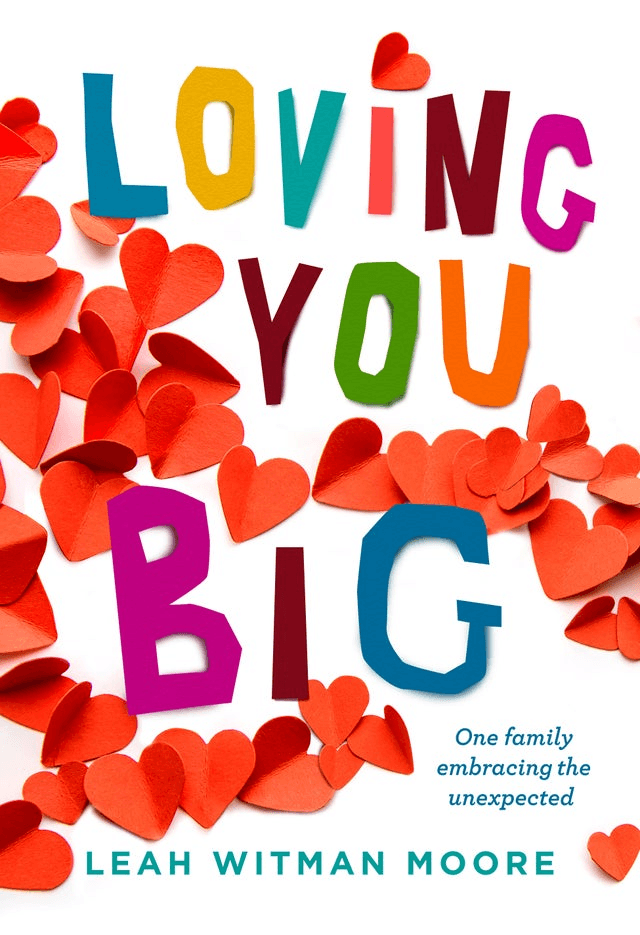
My memoir, Loving You Big, is changing the narrative about how individuals with disabilities are viewed in society. My website, www.lovingyoubig.com, creates a community for caretakers and families to connect, share stories, and learn about ways to create a more authentically inclusive society.
Any thoughts, advice, or strategies you can share for fostering brand loyalty?
I create an engaging newsletter with a format that I return to. My readers can expect to see new ideas as they connect to Loving You Big and the disability community. I send a monthly email out using Monkey chimp. It is easy to use, practical for my busy life, and keeps me connected.
Can you share a story from your journey that illustrates your resilience?
I was told by many publishers that while my story was strong they had “already released their book about disabilities this year.” It reminded me how much further there was to go in many systems to get exposure and share more stories. I continued to network, talk to different people, and ultimately discovered the path to publishing that was right for me and my story.
Contact Info:
- Website: https://www.lovingyoubig.com
- Instagram: lovingyoubig
- Facebook: Leah Witman Moore, lovingyoubig
- Linkedin: Leah Witman Moore
- Other: https://www.audible.com/pd/Loving-You-Big-Audiobook/B0BNXWZ7WK