

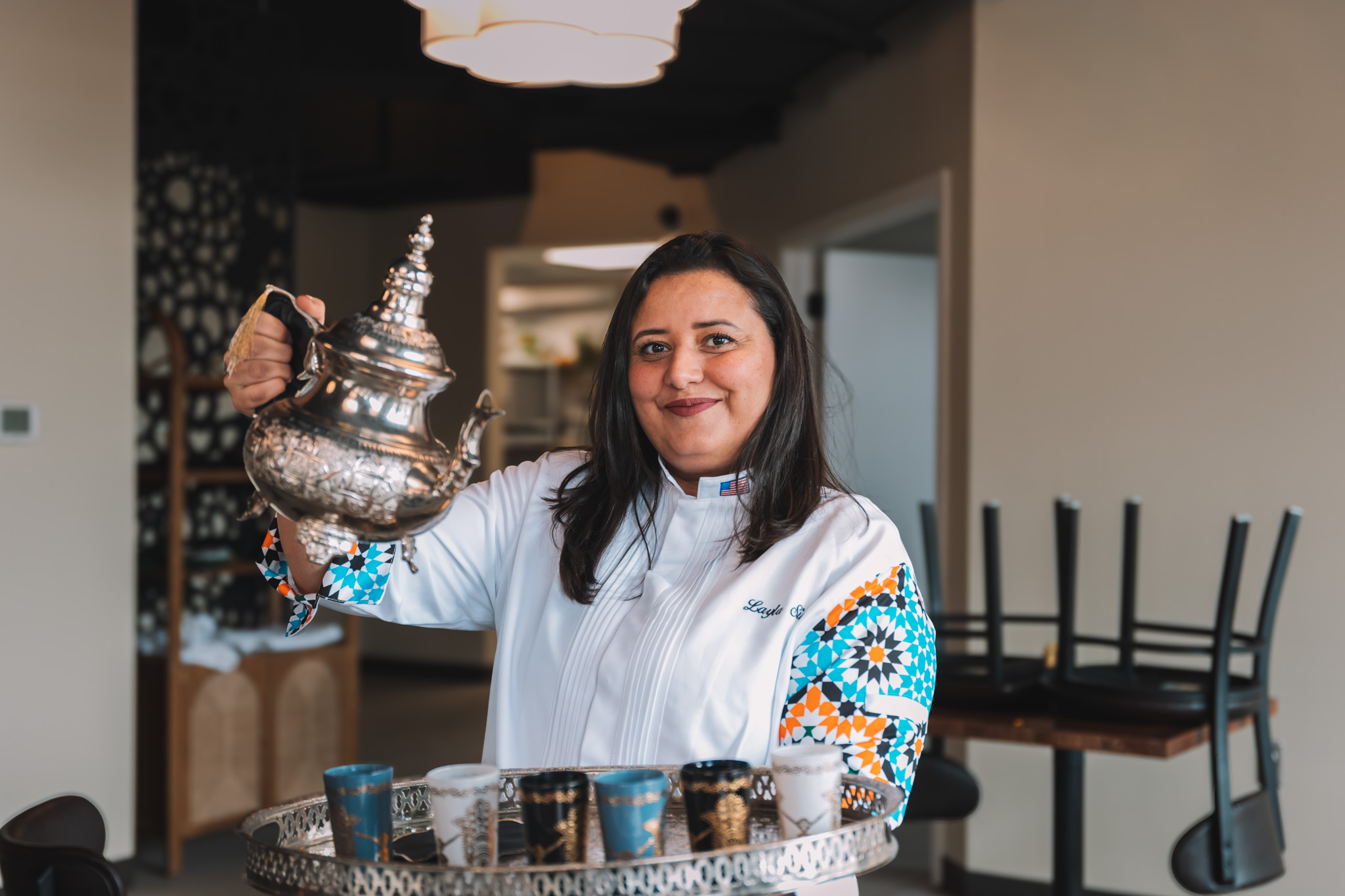

We were lucky to catch up with Layla Outita recently and have shared our conversation below.
Hi Layla, thanks for joining us today. We’d love to have you retell us the story behind how you came up with the idea for your business, I think our audience would really enjoy hearing the backstory.
My idea didn’t start in a business setting—it started in the kitchen.
Being born and raised in Morocco, food was never just about eating. It was about gathering, sharing, and creating an experience. I remember being surrounded by the smells of slow-cooked tagines, fresh herbs, warm bread, and spices that filled the entire home. But more importantly, I remember the feeling—people sitting together, talking, laughing, taking their time. Meals weren’t rushed. They were meaningful.
In Moroccan culture, food is hospitality. It’s connection. It’s how you bring people together.
And that stayed with me.
As I got older and started going out to restaurants here, I began to notice something missing. The food could be good—even great—but the experience often felt transactional. You order, you eat, you leave.
It lacked that deeper sense of warmth and connection that I grew up with.
I kept thinking:
Why can’t dining feel like an experience the way it does back home?
That question is what led me to this idea.
I wanted to create something that brings that Moroccan feeling into a modern setting—where people don’t just come to eat, but to experience something.
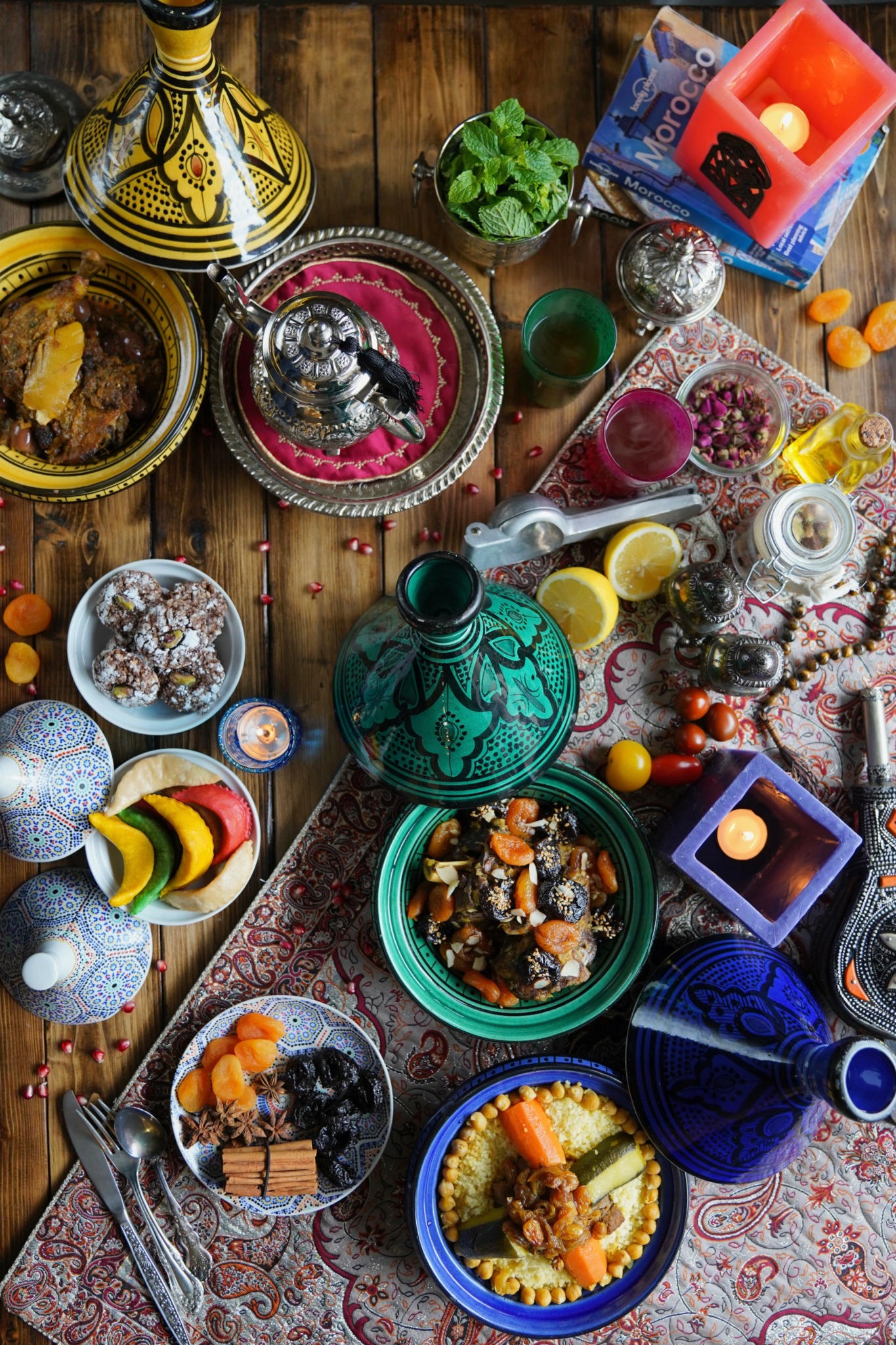
With Taste of Marrakech, the goal is to deliver authentic Moroccan flavors while also recreating the spirit of Moroccan dining:
rich, slow-cooked dishes like tagines and couscous
bold, balanced spices that create depth and warmth
food designed for sharing, not just individual plates
The logic behind it is simple:
People are looking for authenticity, not just another generic option
There is a growing demand for unique cultural food experiences
Moroccan cuisine is underrepresented, yet incredibly rich and diverse
This creates an opportunity to introduce something both new and meaningful to the market.
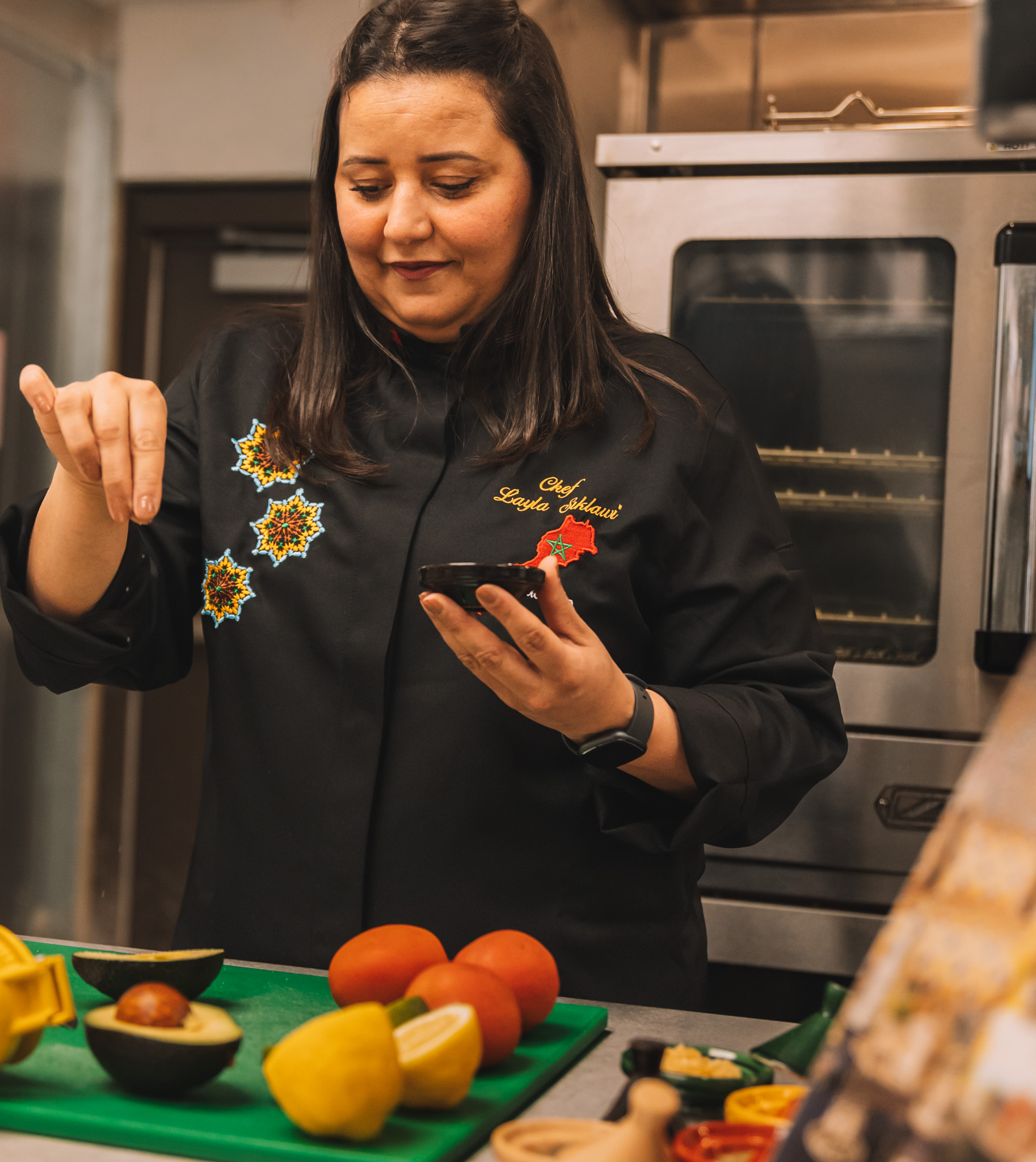
Layla, love having you share your insights with us. Before we ask you more questions, maybe you can take a moment to introduce yourself to our readers who might have missed our earlier conversations?
My name is Layla, and everything I create is deeply rooted in where I come from—Morocco, and more specifically, my connection to Marrakech and the Atlas Mountains.
Marrakech is not just a city to me—it’s a feeling. It’s the energy of the الأسواق (souks), the colors, the spices, the sounds, and the constant movement of life. And just beyond that, the Atlas Mountains, where things slow down and life becomes centered around family, simplicity, and togetherness.
I grew up between those two worlds—the vibrancy of Marrakech and the grounding warmth of home with my parents and my two brothers. Our house was always full. Full of food, full of laughter, full of love.
The kitchen was the heart of it all.
That’s where I learned that food is not just about eating—it’s about bringing people together, about caring for others, about creating moments that stay with you.
Years later, I moved to the United States as an immigrant, carrying one suitcase, few hundred of dollars and those memories and values with me. Starting over in a new country came with its challenges, but I stayed connected to who I was through my culture and my roots.
Along the way, I met my other half—someone who became my partner in life, business and a source of strength.
Then, after having my daughter, I faced one of the hardest moments of my life—I was diagnosed with breast cancer.
That time brought a lot of uncertainty and emotional weight. It would have been easy to fall into a dark place.
But I found my way back through something familiar—the kitchen.
Cooking reconnected me to Marrakech, to my family and To the warmth I grew up with.
Every dish brought me back to those memories—the smells of spices, the slow cooking, the feeling of home.
It gave me purpose, peace, and something positive to hold onto when I needed it most.
In many ways, cooking helped carry me through that chapter.
Today, through Taste of Marrakech, I bring that experience to others.
My food is inspired by the flavors and traditions of Marrakech:
rich, slow-cooked tagines
couscous prepared with care and tradition
spices that reflect the depth and vibrancy of Moroccan cuisine
But beyond the food, I aim to recreate a feeling—the energy of Marrakech combined with the warmth of home.
What sets me apart is that this is not just a concept—it’s personal.
I’m not just serving Moroccan food.
I’m sharing a part of Marrakech, a part of my life, and a part of my journey.
Every dish carries:
the energy of the city, the calm and connection of the Atlas Mountains,the love of family and the resilience built through my experiences.
I’m most proud of being able to turn my story—my roots, my struggles, and my healing—into something that brings people together.
To take something so personal and share it in a way that others can feel and connect with means everything to me.
What I Want People to Know
If there’s one thing I want people to understand, it’s this:
This is more than food.
It’s the spirit of Marrakech.
It’s the warmth of my family.
It’s the strength I found in difficult moments.
And every meal I serve is a chance to share that—with anyone willing to experience it.
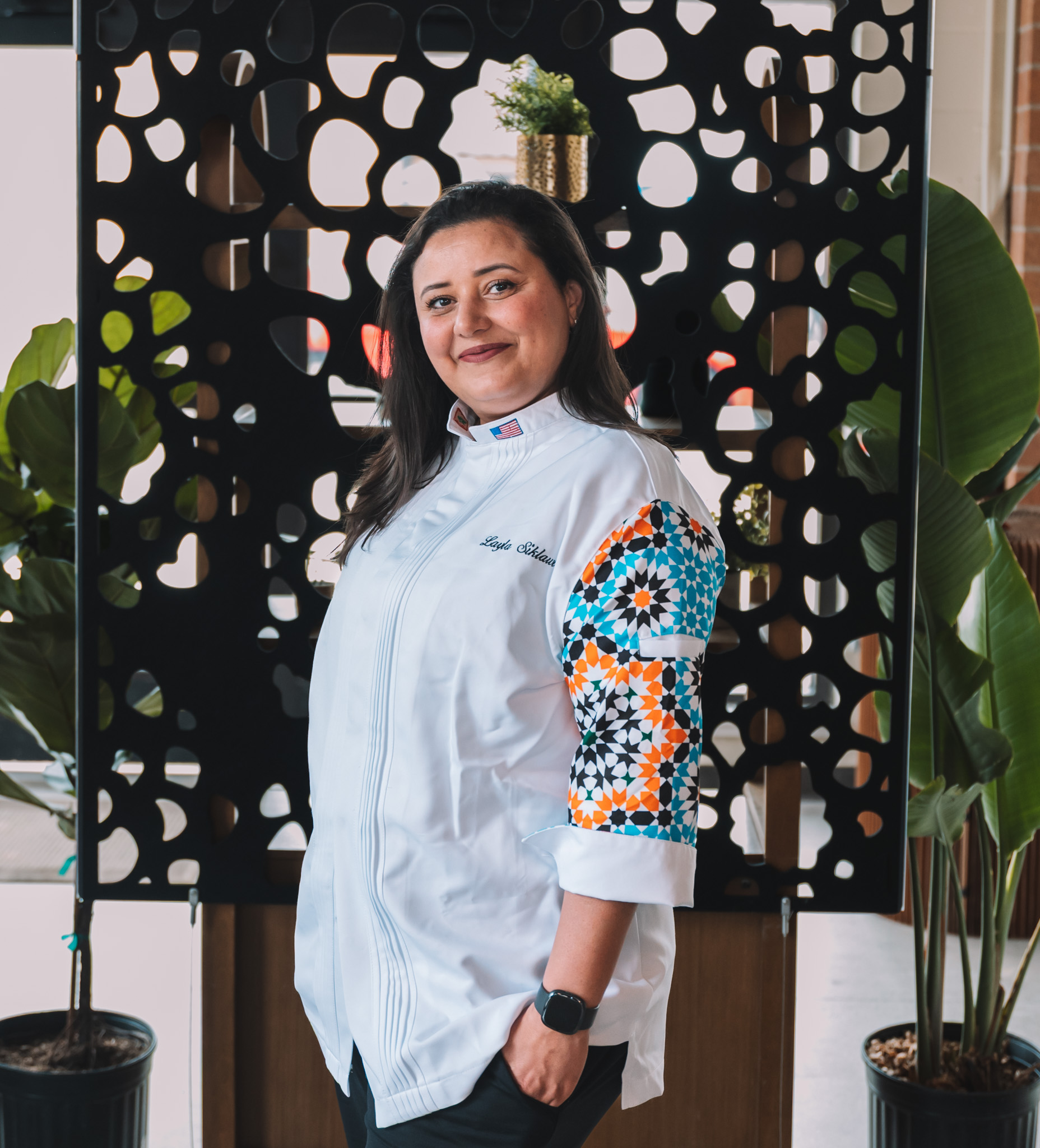
Can you tell us about a time you’ve had to pivot?
One of the most defining pivots in my journey came during COVID.
Before the pandemic, I was building my concept through pop-ups and private events. It was a natural way to introduce people to Moroccan cuisine—creating experiences in different spaces and growing organically through word of mouth.
Then everything stopped.
Events were canceled overnight, gatherings disappeared, and with that, my primary source of income. Like many small businesses, we felt the financial impact immediately. There were real concerns—how to stay afloat, how to continue moving forward, and how to support my family during such an uncertain time.
The Challenge
It wasn’t just a business disruption—it was a complete reset.
My model depended on people coming together, and suddenly that was no longer possible. At the same time, the financial pressure made it clear that standing still wasn’t an option.
I had to adapt quickly, with limited resources, while still staying true to what I do., so, Instead of pausing, I shifted inward—both literally and creatively.
I began hosting small, intimate gatherings at my home for limited groups. These were carefully curated experiences rooted in Moroccan hospitality: small groups of guests, home-style meals inspired by Marrakech and a warm, safe, and personal environment
What started as a solution out of necessity became something special.
It brought me back to my roots—how I grew up, around a table with family, where food created connection.
During a time when people felt isolated, these gatherings offered something people were deeply missing—connection in a safe and meaningful way.
At the same time, it allowed me to:
continue generating income during a very difficult period
maintain momentum instead of losing it
build deeper relationships with guests
The experience became more personal, more intentional, and in many ways, more aligned with the heart of Moroccan culture.
That pivot taught me resilience—not just creatively, but financially.
I learned how to:
operate lean and make the most of limited resources, how to adapt quickly under pressure and create value even in constrained environments, Most importantly, I learned that even in the toughest moments, there is always a way forward if you stay connected to your purpose.
That period continues to influence how I run my business today.I now approach everything with:stronger financial awareness, more flexibility in how I deliver my concept, and a deeper appreciation for creating meaningful, personal experiences
COVID challenged everything—but it also strengthened my foundation.
It forced me to think differently, act quickly, and stay grounded in what truly matters.
At the core of it all, I didn’t just preserve my business—I refined it.
And I came out of that experience more focused, more resilient, and more committed than ever to bringing people together through food.
What’s a lesson you had to unlearn and what’s the backstory?
One of the biggest lessons I had to unlearn was the belief that I had to carry everything on my own—that strength meant pushing through no matter what. Growing up connected to Morocco and the Atlas Mountains, I was surrounded by resilience, by family, and by a culture where you work hard and keep going. When I moved to the United States as an immigrant and began building my journey through food, I carried that mindset with me. I took on everything myself, especially in the early days of pop-ups and private events, believing that the more I pushed, the stronger I was. But life had other plans. After being diagnosed with breast cancer, and around the same time COVID shut everything down,
creating both emotional and financial pressure. In that moment, I realized I couldn’t do it all alone—and more importantly, I didn’t have to. My husband, who is also my business partner, became my greatest support, reminding me that strength can also look like leaning on someone, building together, and allowing space for balance. Through that time, I returned to the kitchen not just as work, but as healing—cooking, creating new dishes, and reconnecting with the flavors of Marrakech and the warmth of my upbringing. I began to approach my business differently, with more intention, more collaboration, and more heart. That experience taught me that true strength isn’t about doing everything yourself—it’s about building something meaningful with the people you love, and creating from a place that feels grounded, supported, and real.
Contact Info:
- Website: https://www.atasteofmarrakech.com
- Instagram: @tasteofmarrakech16
- Facebook: https://www.facebook.com/marrakechdelights
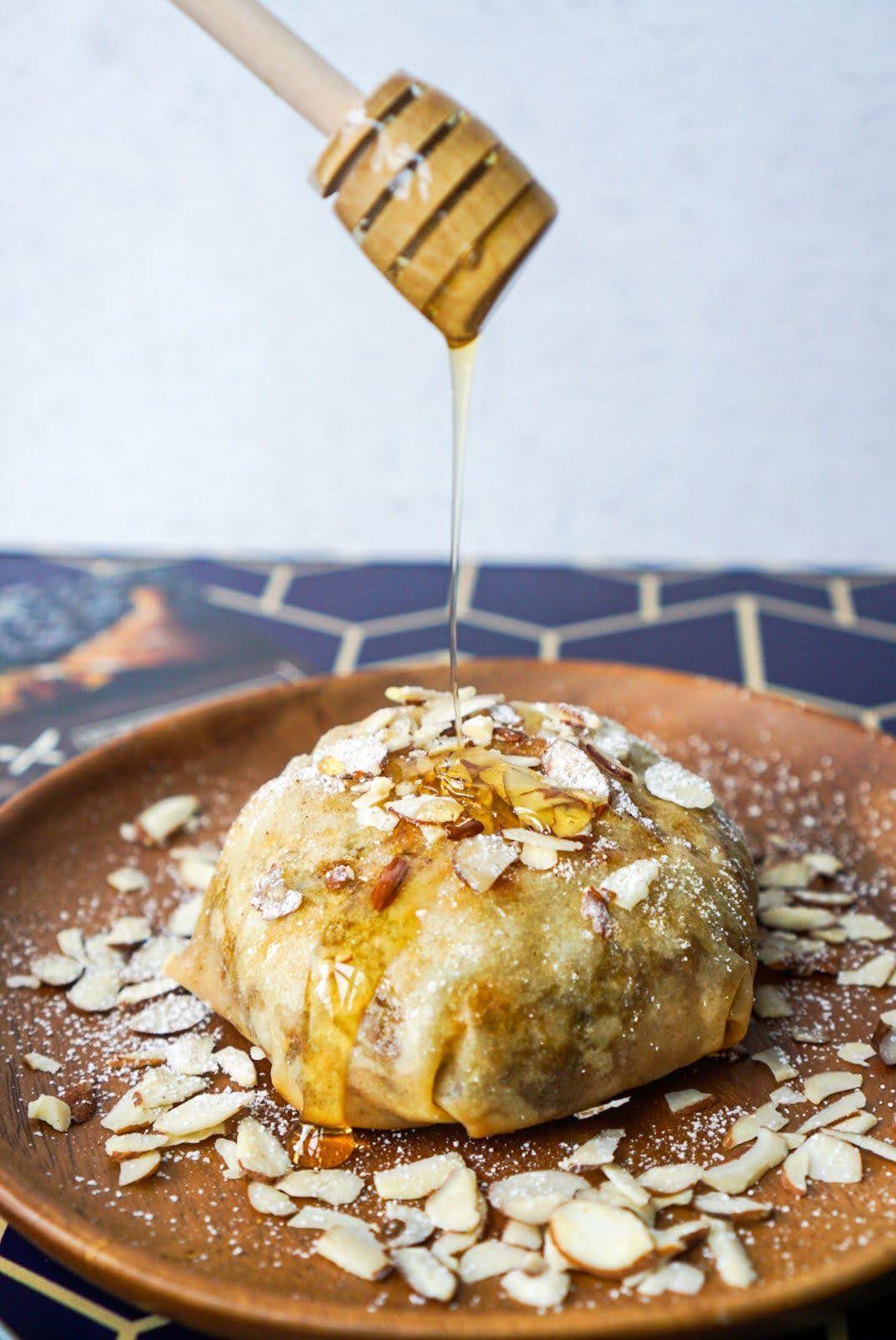

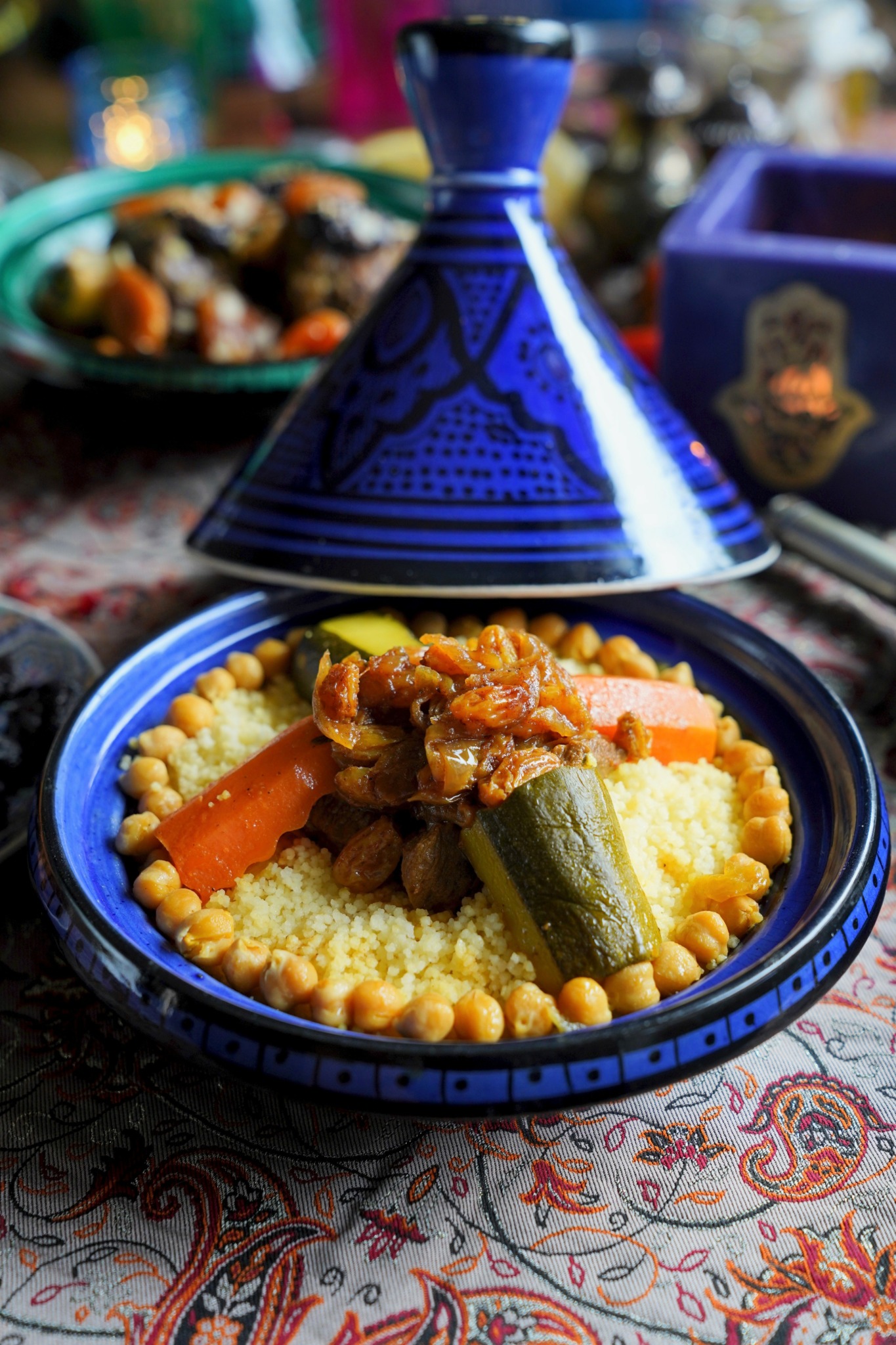
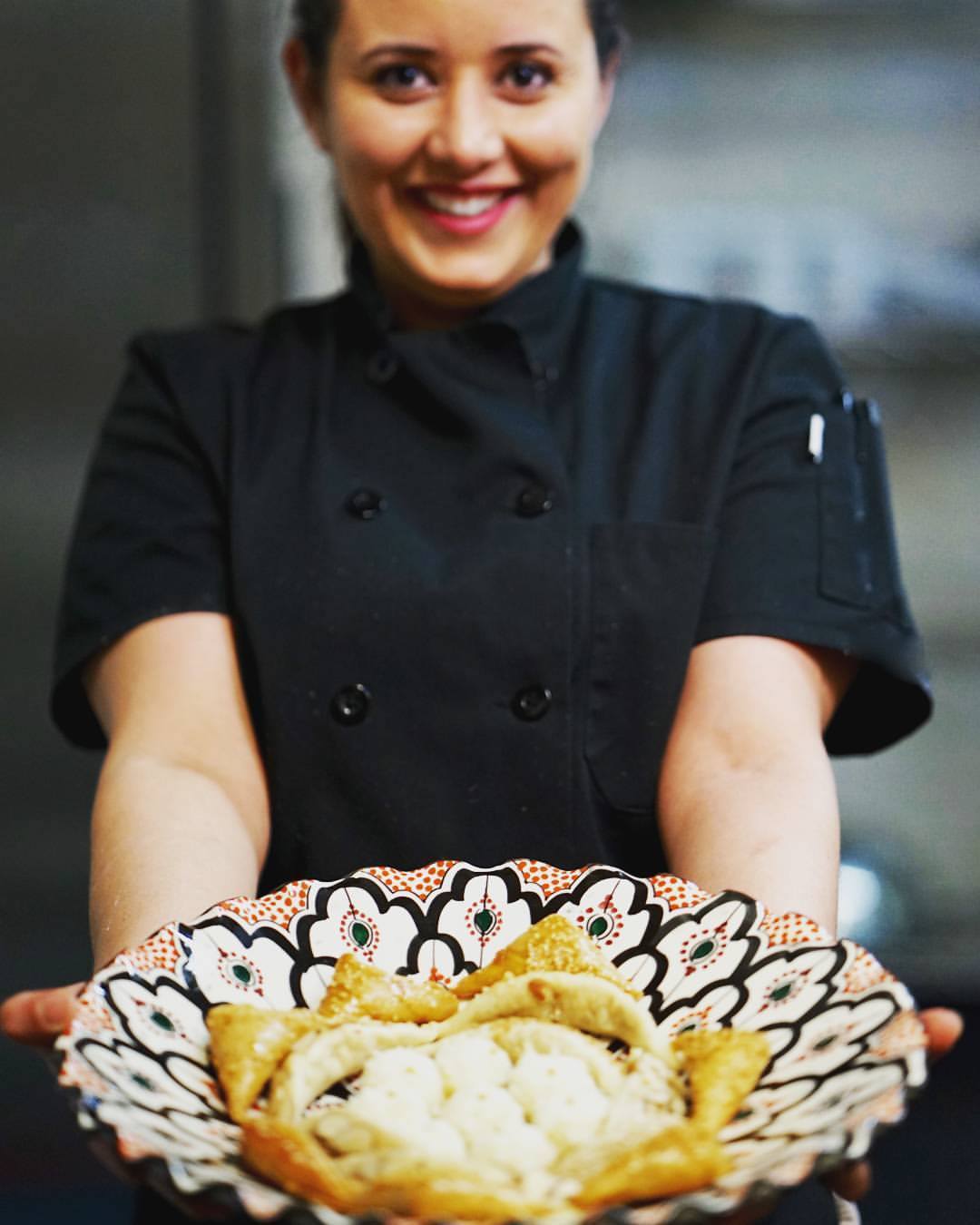
Image Credits
mypersonphotography