

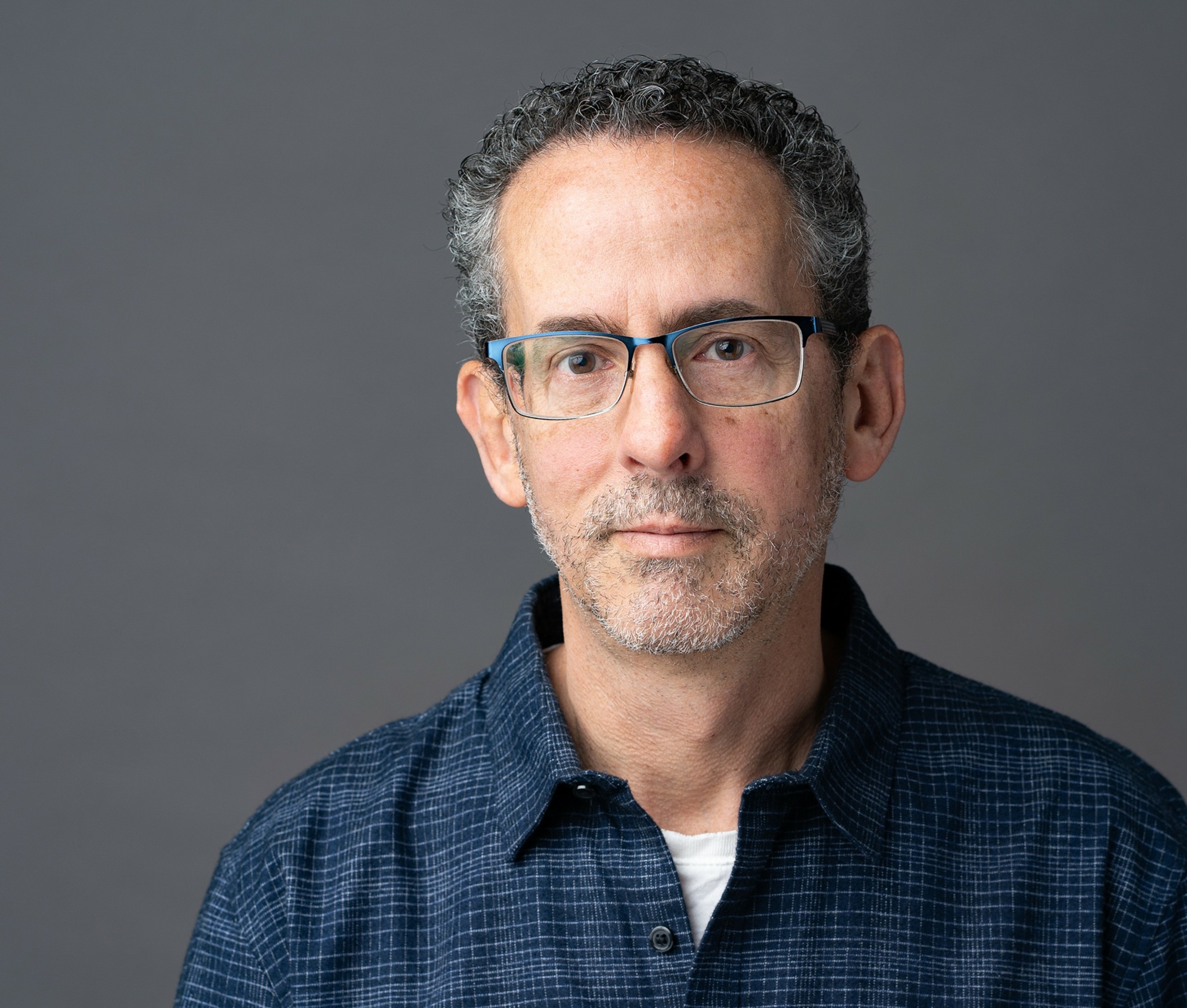

We were lucky to catch up with Laurence Nozik recently and have shared our conversation below.
Hi Laurence, thanks for joining us today. Owning a business isn’t always glamorous and so most business owners we’ve connected with have shared that on tough days they sometimes wonder what it would have been like to have just had a regular job instead of all the responsibility of running a business. Have you ever felt that way?
It was never actually my goal to “be my own boss”. I was laid off from my last agency Art Director position a few decades ago and started freelancing as a means to make an income, but also work with different agencies and studios. I was wary of the interview process after the last position, and hoped a fit would develop somewhere. Instead of interviewing and being hired to work at a place I didn’t know, I wanted to be hired somewhere I already had a rapport with the people and knew how they worked (and vice versa). Unfortunately, that full time position never materialized.
The problem is, that mentality stuck with me the entire time and I never really grew my “business” in the right way. To me, it wasn’t a business to begin with. I was just looking for projects and clients and trying to piece together a salary every year, all while waiting for that good fit to work out. Thus, I’ve made many mistakes over the past few decades, but more from the things I wasn’t doing, than the things I was.
While I enjoy the freedom of being a freelancer—in terms of managing my own time as well as being able to work on a wide variety of projects—I’d likely be better off working within an agency or studio, and not trying to hustle for work and clients.
With that said, being a freelancer so long has definitely made me grow in other ways, in terms of communicating with clients, managing projects and time, and becoming versatile and flexible in a wide variety of different working relationships and situations. The benefit of “working for yourself” is when you complete a project that you and the client are both happy with, there’s a good feeling of accomplishment.
Great, appreciate you sharing that with us. Before we ask you to share more of your insights, can you take a moment to introduce yourself and how you got to where you are today to our readers.
I’d always drawn as a kid, but in my first semester of the second year of college, I decided to take a drawing class to try and get better at it. It was a fine arts class, and way more challenging than I’d anticipated. But apparently I had a certain unique perspective because my teacher suggested I become an art major. I did, but it wasn’t until I took a graphic design class that things really clicked. I loved the precision of creating graphics (and this was all pre-computers so we were using ink pens, French curves; all those old school tools) but also that there were specific projects and tasks. “Design a poster for the zoo” is definitely easier for me to wrap my head around than “paint whatever you want”. I learned I need a goal, purpose and context to my creativity, and graphic design gave me that.
I graduated with a BFA, and started working in ad agencies as an Art Director learning more about the business and process, and quickly realized there was way more to it than just creating cool graphics. I learned about concept, strategy, headlines, all of that. I then went to work at a small graphic design studio, which allowed me to “wear many hats” and work on a wide variety of projects, and even develop my concepting and writing skills. After a couple relatively short stints at ad agencies, I was laid off, and that’s when I decided I needed to start freelancing and not just jump into another full time position.
As a freelancer, I was working on projects at home directly with my clients, as well as within various agencies and studios. I think these experiences really helped me learn to become efficient and flexible, as I had to be effective and reliable whether working alone or having a stack of projects dumped on my desk at an office. I feel my strength is in these varied experiences and roles as I tend to approach each project as its own entity, and I concept and design to the specifics of the client, product or service and audience, as opposed to imposing a design style onto everything I create. I also started working seriously on photography about ten years ago.
For me personally, this is what I’m most proud of—my range of skills and talents, and the body of varied work I’ve created. However, it has also been a bit of a detriment to my career, as the “Jack of all trades” approach doesn’t really align with trying to create a strong identity or brand for myself. It’s all over the place, and I think that has hurt me in the long run.
For you, what’s the most rewarding aspect of being a creative?
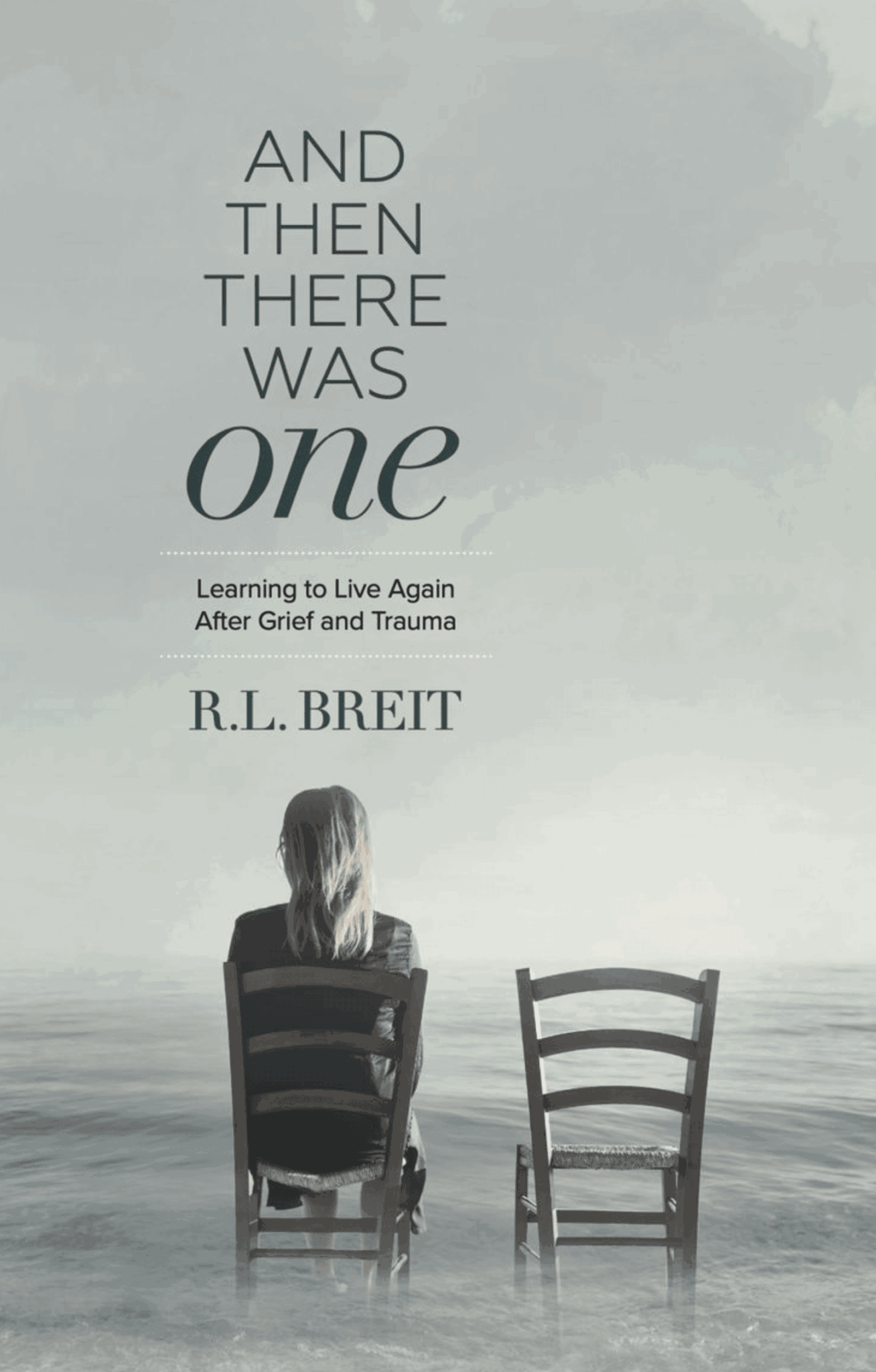
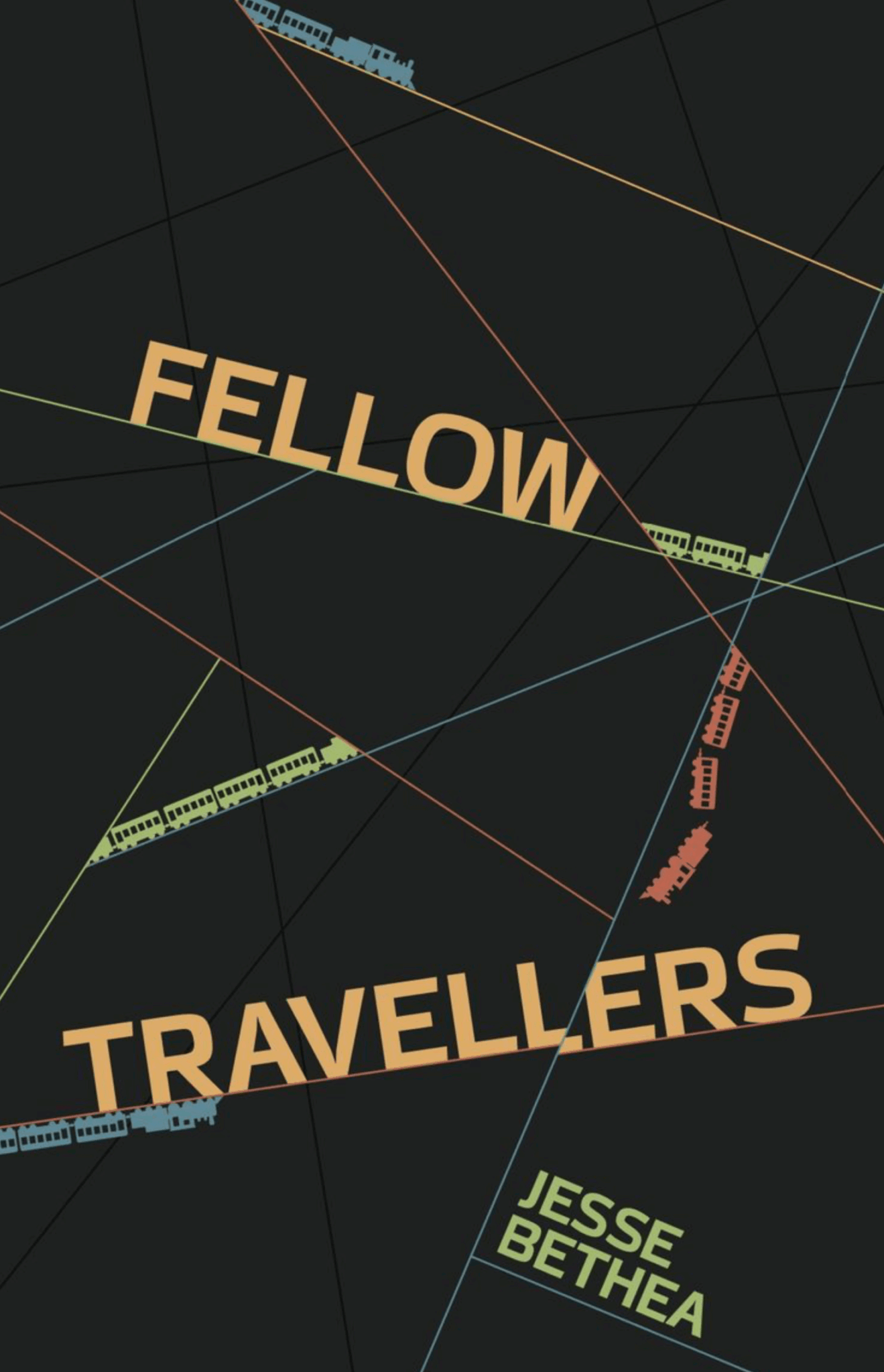
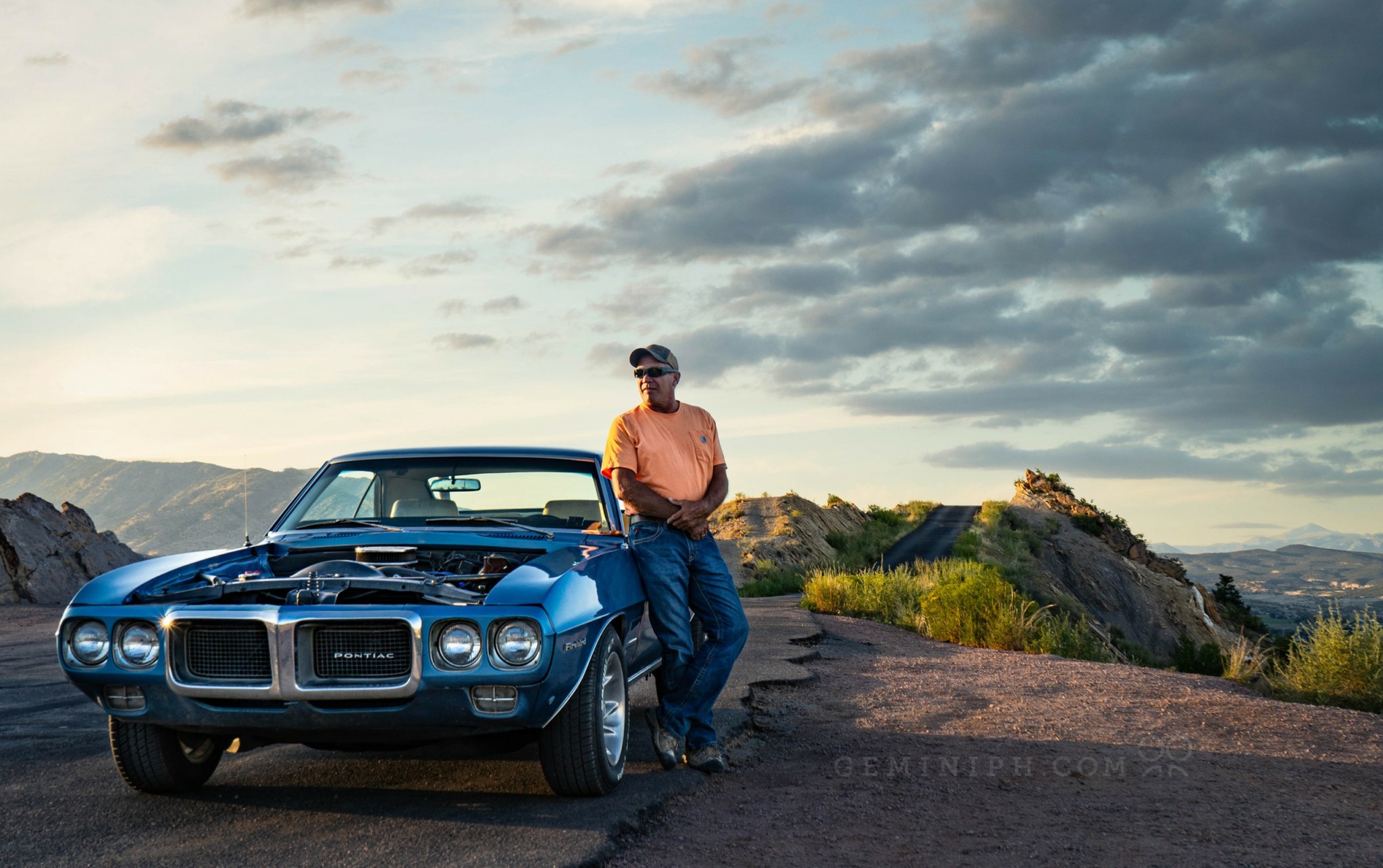
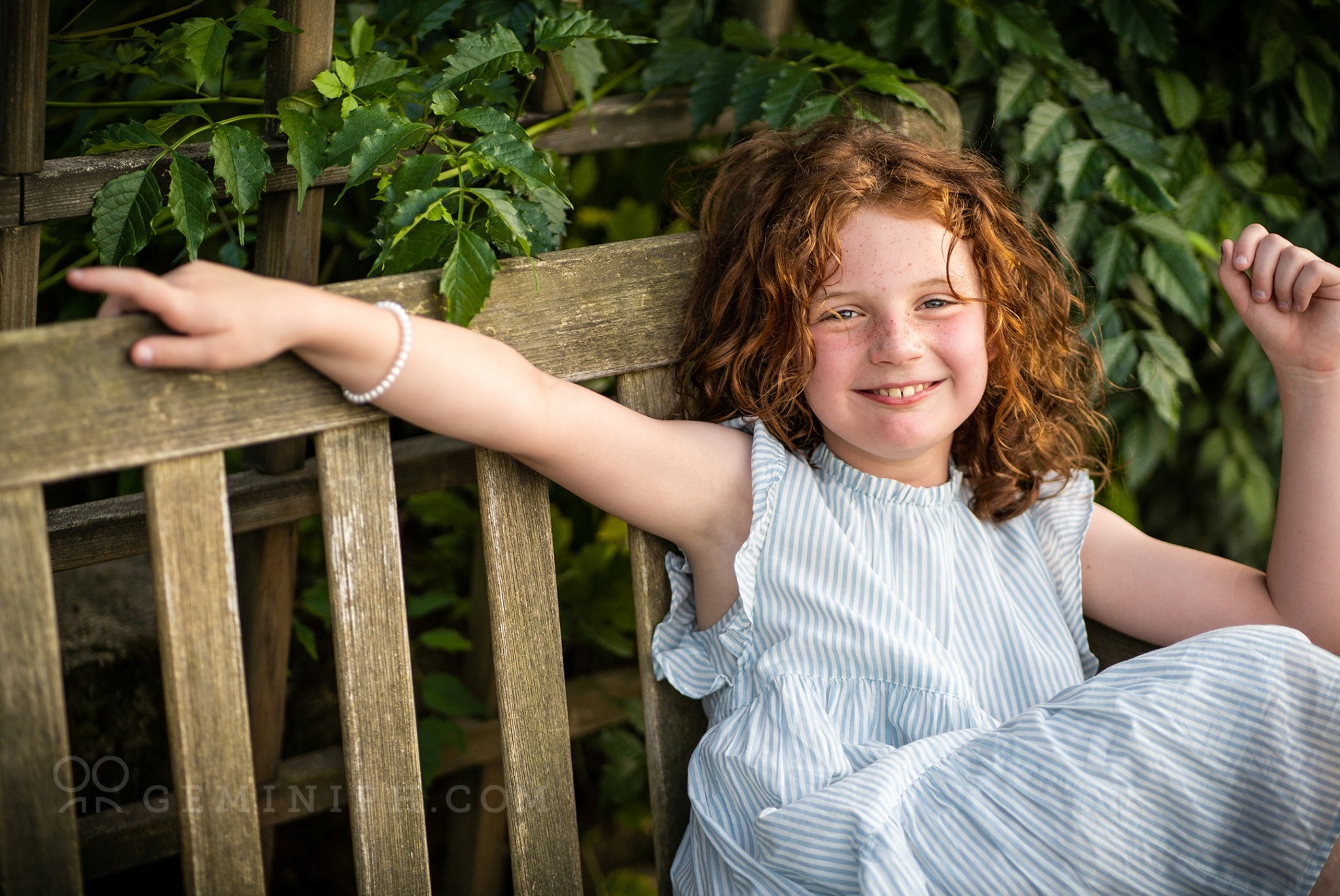
For me, the most rewarding aspect of being a designer and photographer is the moment when you see things start coming together, and you get those “aha!” moments. Like when I’m designing a book cover and at the start it’s just a mash of fonts and images, and sometimes it feels like you’re endlessly trying various combinations and compositions and nothing is really working. But then at a certain point you start finding things that do work together, arranging them in interesting ways, and you sit back and go “ooh okay, that works!”, and it’s really satisfying. With photography, it can be similar in that you have a person, building or object to shoot, and there are all these variables like lighting, background, lens choice, composition, pose, etc. And again there can be a period where honestly I’m not even sure what I’m doing and for me personally, it actually creates stress and even anxiety when things don’t feel balanced, organized, interesting or beautiful. So when you do finally get all those variables in sync and working together, and you know you’re creating or capturing something that works, there’s a literal sigh of relief and for that moment anyway, everything feels right in the world.
How about pivoting – can you share the story of a time you’ve had to pivot?
I feel like I’ve constantly been pivoting in my career. At first, going from ad agency to design studio and back to agencies, where the work, goals and processes can be very different. Then pivoting to freelancing. And within that, I have to be able to pivot from working at home for a few months to then going on-site in an agency for days or weeks. And when I got really slow with design work years ago, I pivoted by learning and practicing photography, trying to build that into a skill and service I could offer as well.
Now, at 59 years old and with a very slow year behind me, I’m being faced with trying to pivot again, as what I’ve been doing no longer seem to be working, and I haven’t been able to find my new direction yet.
So I think any career is going to be full of pivots. Some of them big, some of them small, and some of them more difficult than others.
Contact Info:
- Website: https://www.pinterest.com/geminigd65/_saved/
- Instagram: https://www.instagram.com/larry_nozik/
- Facebook: https://www.facebook.com/geminiph2
- Linkedin: https://www.linkedin.com/in/laurence-nozik-7aa6b713/
- Youtube: https://youtube.com/playlist?list=PL_mWaaRgO3QiGZDDBHz50mCEmqB3we-6K&si=gmDs9aLKN6tCXlD1
- Other: Photography website: https://www.geminiph.com
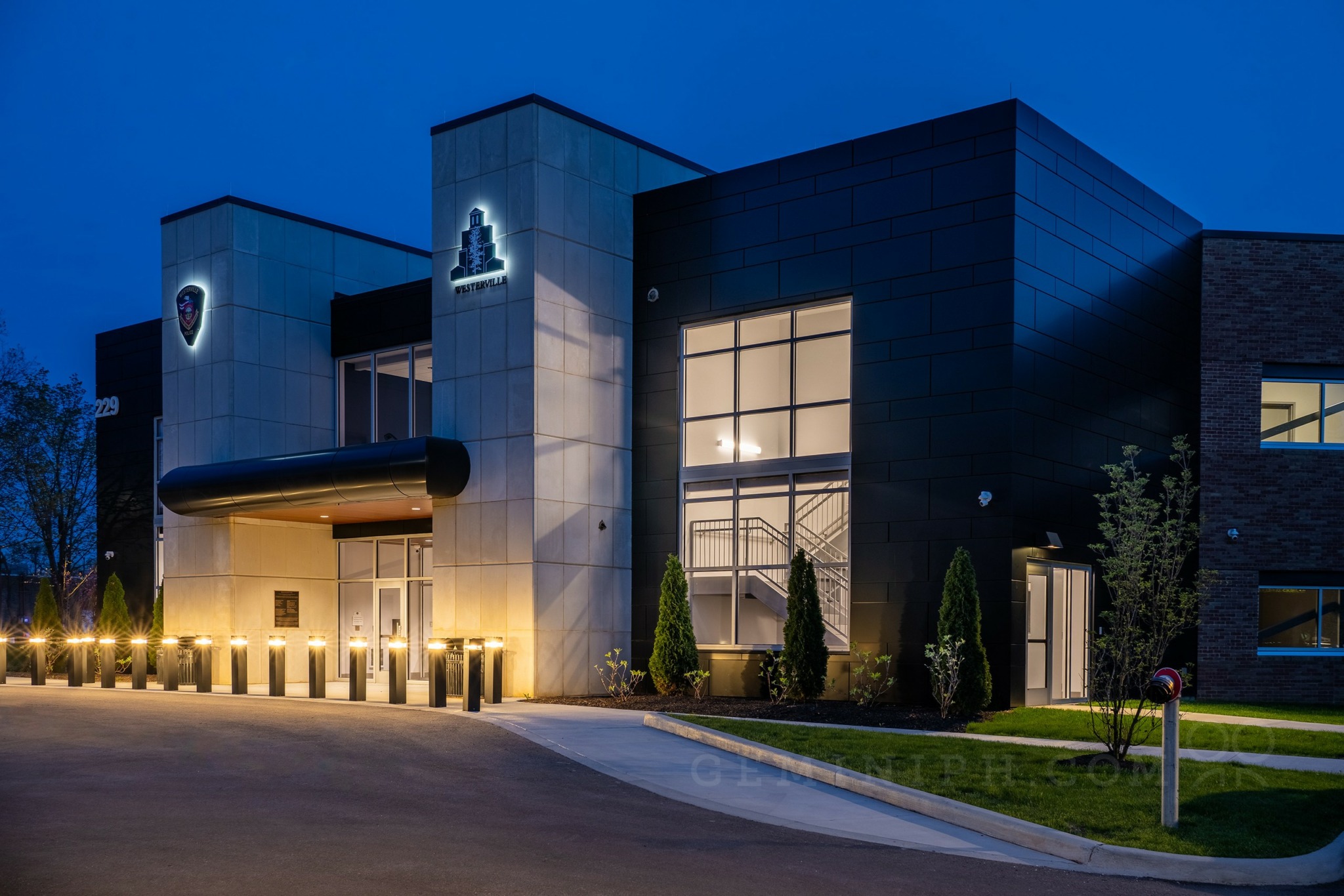
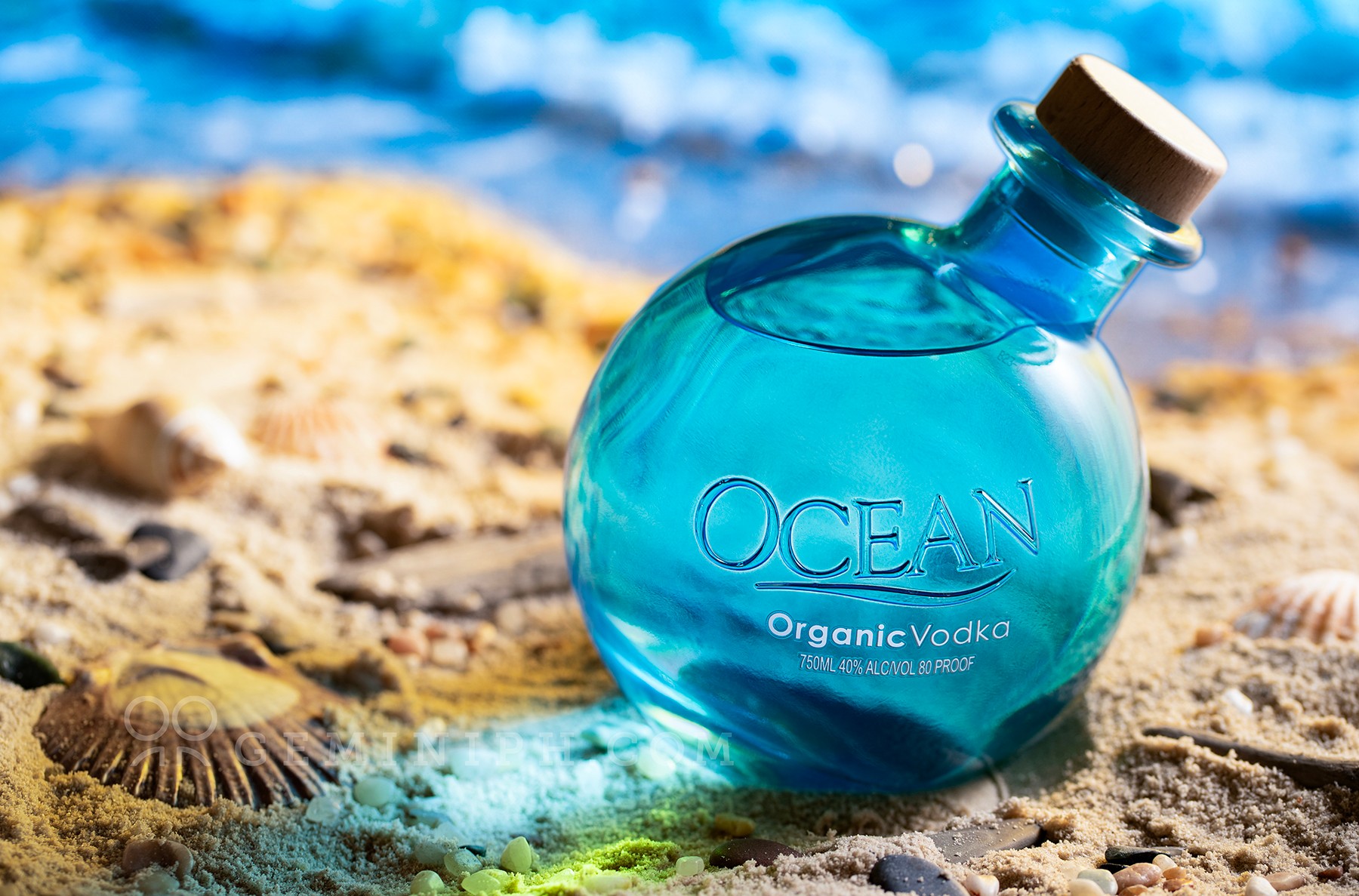
Image Credits
Laurence J. Nozik