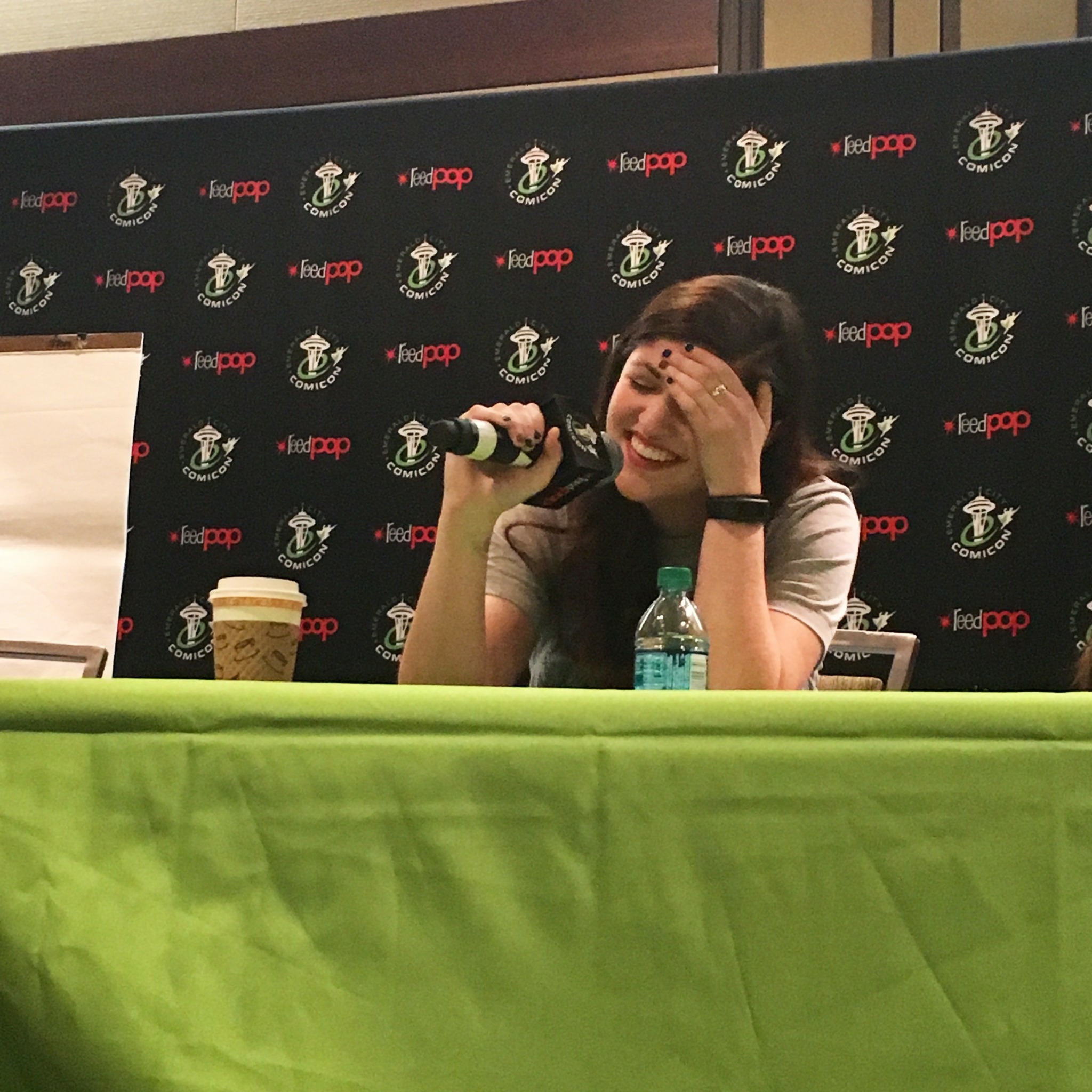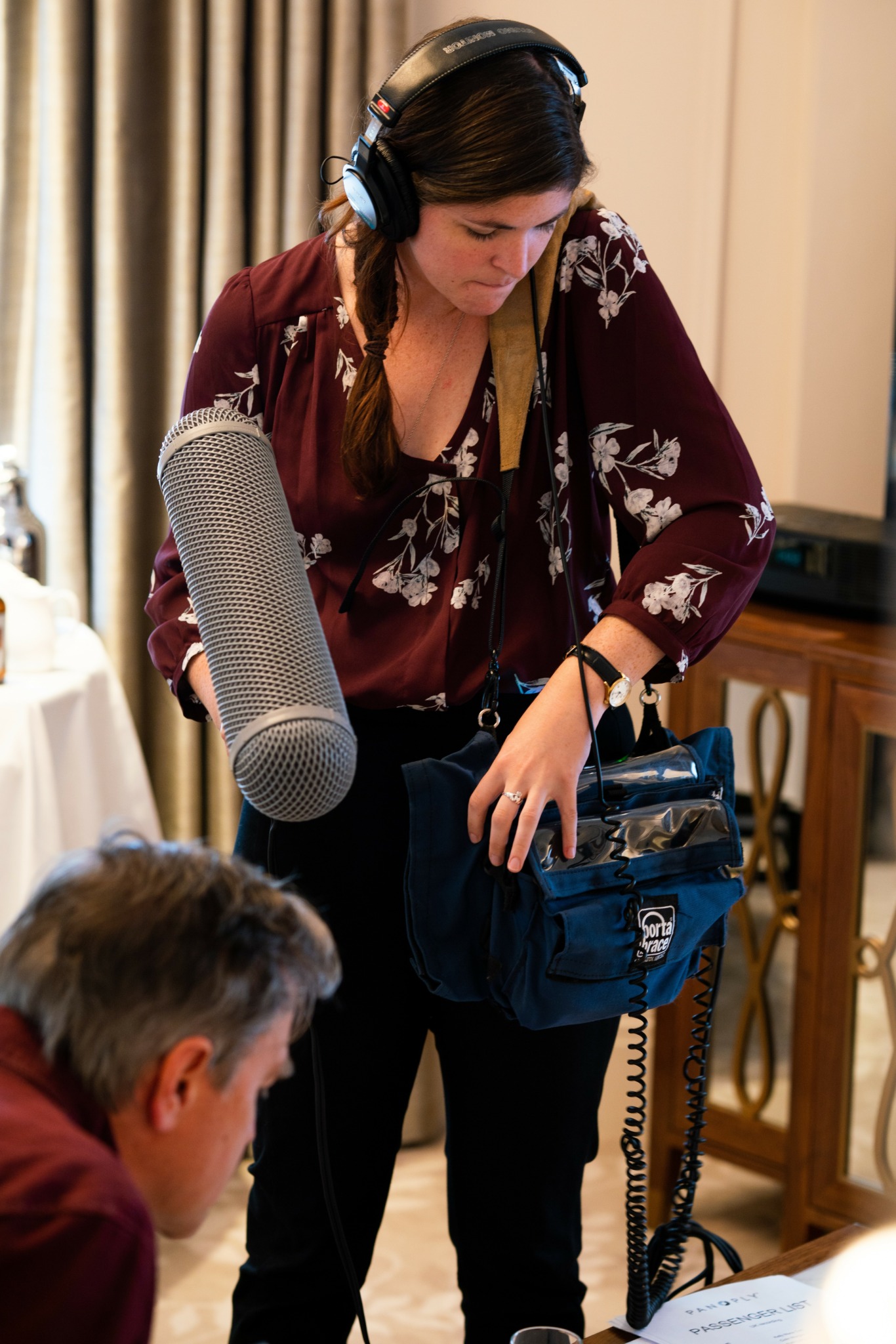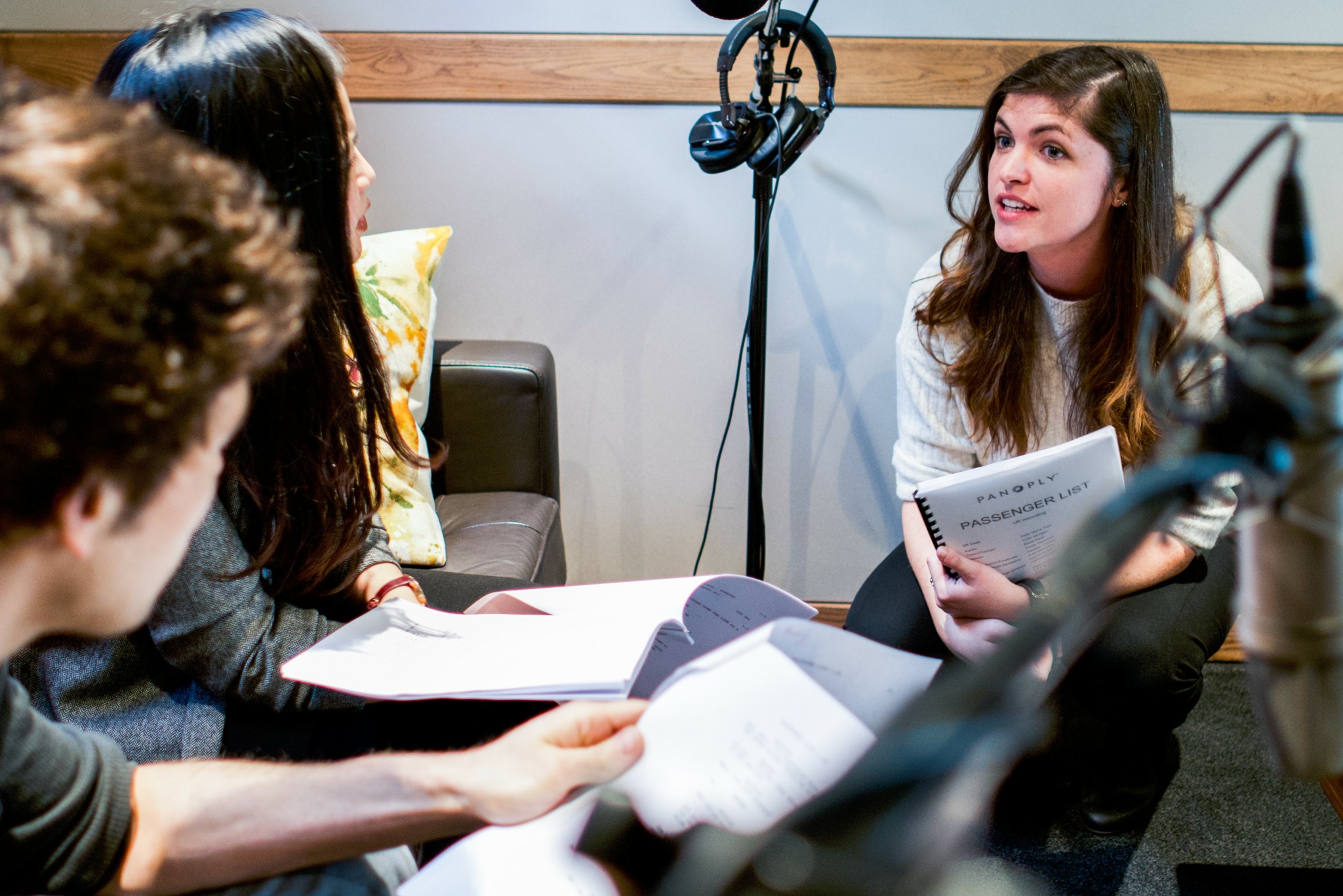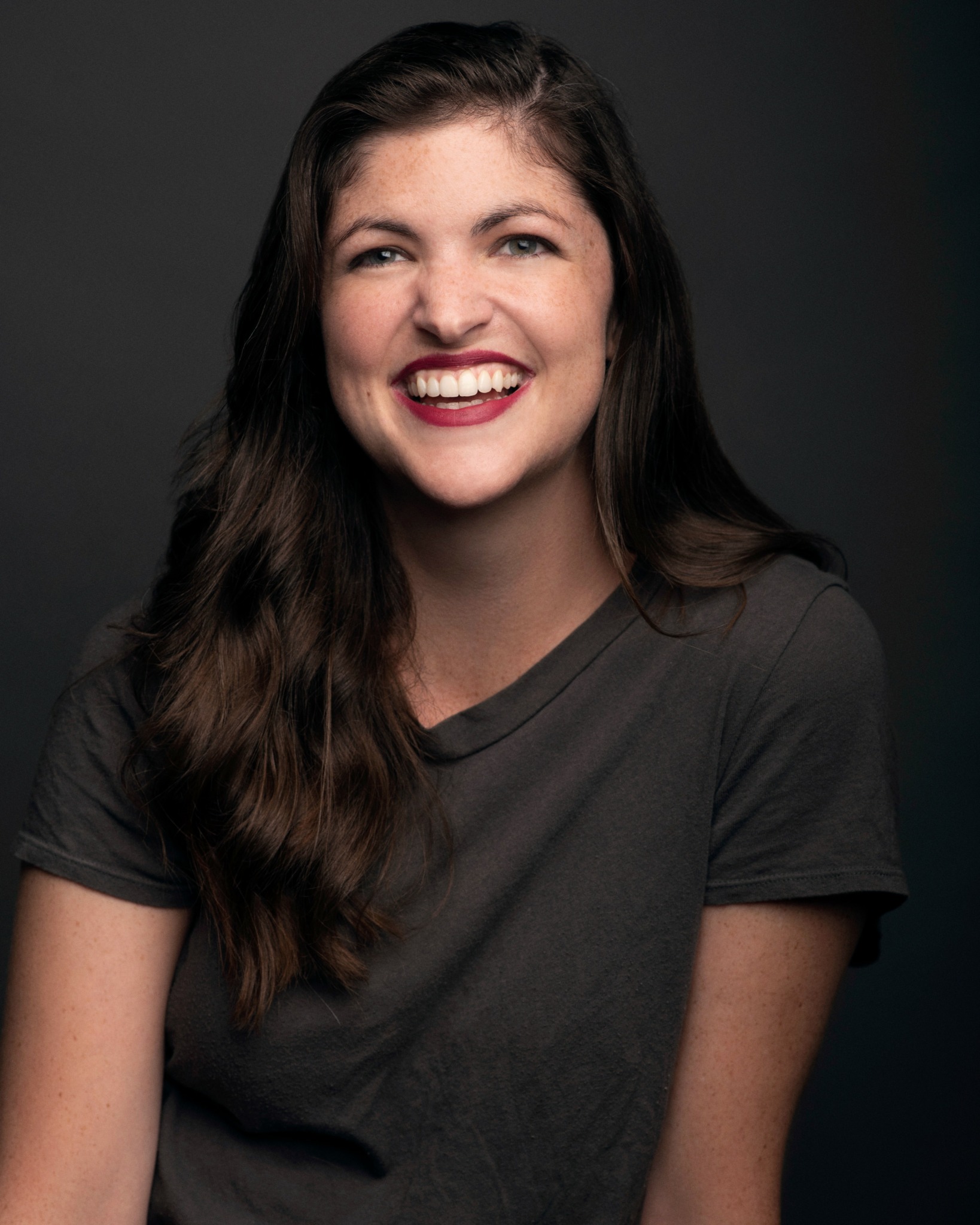

We were lucky to catch up with Lauren Shippen recently and have shared our conversation below.
Hi Lauren, thanks for joining us today. When did you first know you wanted to pursue a creative/artistic path professionally?
I’ve always loved stories. When I was a kid, I would spend nearly all my free time with my nose in a fantasy novel or sitting in front of my Playstation, and my life has never strayed too far from that. My imagination would run wild with fantastical worlds and rich characters but, though I wrote some of them down, by the time I hit my teen years, becoming a writer felt like a far away dream. I was getting more into performing and decided to pursue that once I graduated college.
But even if you’ve always wanted to be a creative, you can never anticipate exactly where that dream is going to take you. Even though I was trying to be an actor, I stumbled back into writing my own stories and discovered that writing was what I wanted to be doing more than anything else. I never had the expectation that I could turn it into a full-time job and I feel incredibly lucky to have been able to dedicate my life to it.
There wasn’t one lightning bolt moment for me where I knew I wanted to be a creative professionally. Instead, it’s been a lifetime of returning to storytelling again and again, in a thousand different ways, and trying to build a life from that as much as I can.
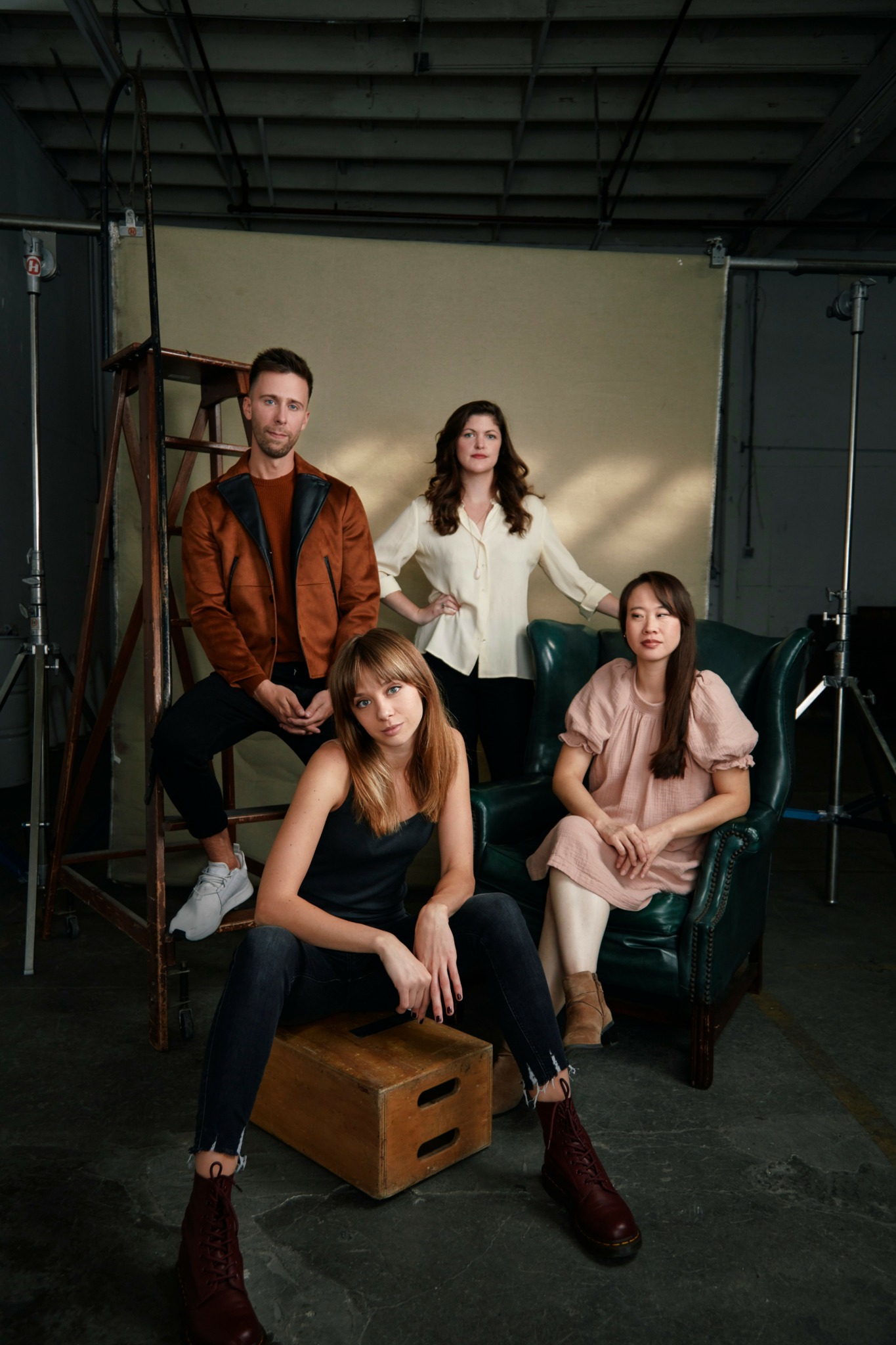
Great, appreciate you sharing that with us. Before we ask you to share more of your insights, can you take a moment to introduce yourself and how you got to where you are today to our readers.
I moved to Los Angeles in my early twenties in the hopes that I could someday work in television. I wanted to be involved in storytelling however I could, but because I was young and responsibility-free, I decided to go for the big dream first: becoming a professional actor. I lived the classic wannabe actor life for several years–working at a restaurant, auditioning, taking class–with few results.
I was always creatively hungry and eventually I decided to try and make my own thing–something I could act in that I would control every part of. I was listening to the wonderful fiction podcast Welcome to Night Vale at the time, and used that as an inspirational jumping off point: I was going to make an audio drama.
So with a few other people from my weekly acting class, I started a show about people with supernatural abilities in therapy, called The Bright Sessions. I did everything–I played a character, I wrote, I directed, I produced, I sound designed. The show got bigger and more ambitious and before I knew it, it had a real following. Eventually, it led to other opportunities–publishing three spin-off novels with a major publisher, getting hired to write or direct other podcasts, working with my heroes and learning so much about the medium on the way.
One of the biggest pinch-me moments I had was when Netflix hired me to make an official Stranger Things podcast. I got to write and direct the whole thing, with an immense amount of creative freedom and control over the production, especially for a franchise already so established. It was an absolute blast to make and let me play in a world I already loved.
It’s been ten years since I first released The Bright Sessions and I still spend every day making audio drama. I’m known for character driven work that celebrates found family and queer relationships, often in settings that are like our world, but just a little bit different. I’m always working to make my stories emotional so that they stick with the listeners long after they’ve finished.
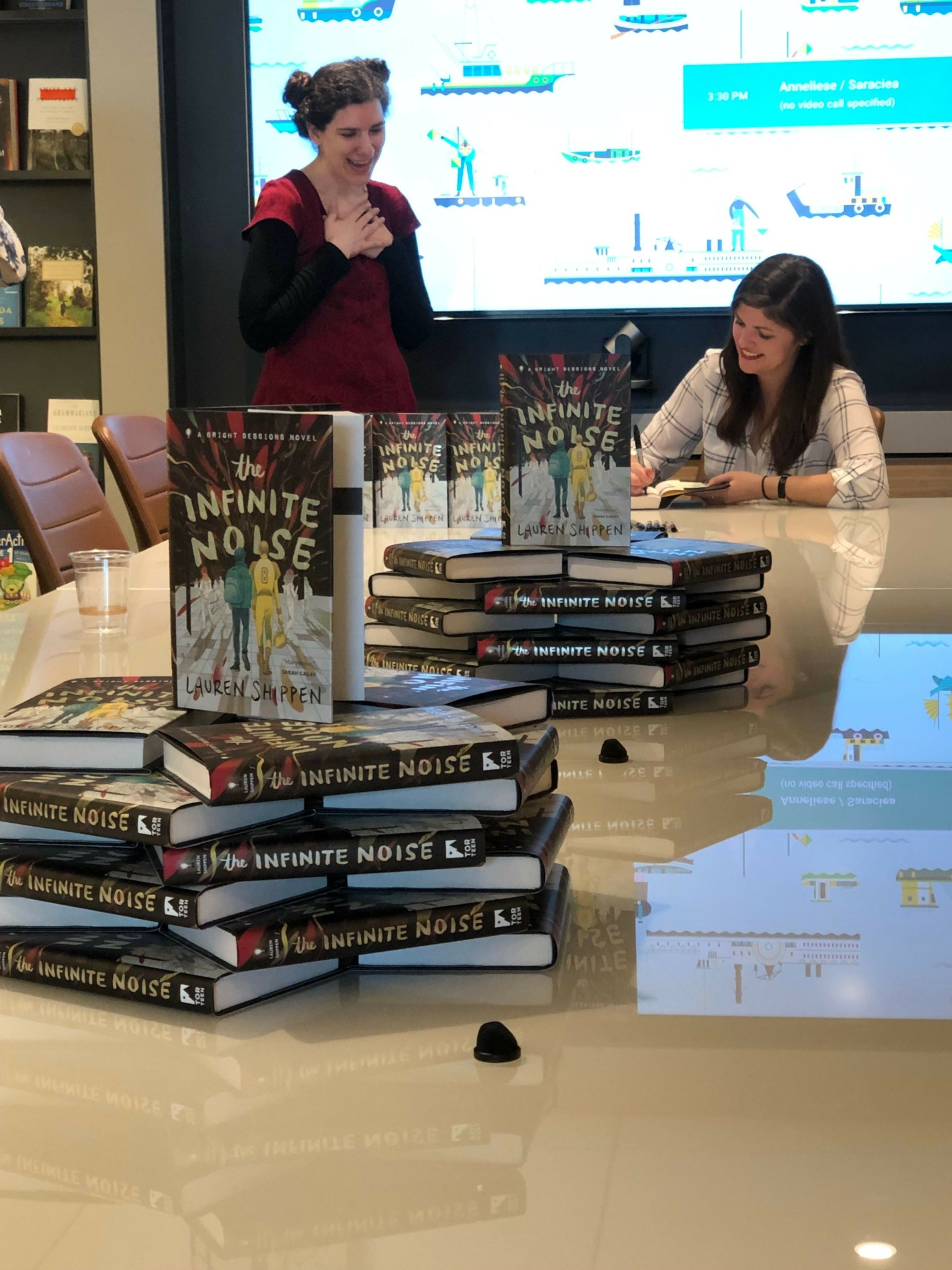
Are there any books, videos, essays or other resources that have significantly impacted your management and entrepreneurial thinking and philosophy?
Though I’ve been acting for years, I had never directed until I started my own podcast. And when I actually got hired to direct, I knew I had to level up. I read “Directing Actors” by Judith Weston and it was revelatory–out of all the books I’ve read about directing, it is my favorite, and I think so many of the lessons in it apply to much more than directing. Similarly, I think it’s always worthwhile to take an improv class–you’ll learn how to better communicate, work with people, and think outside the box!
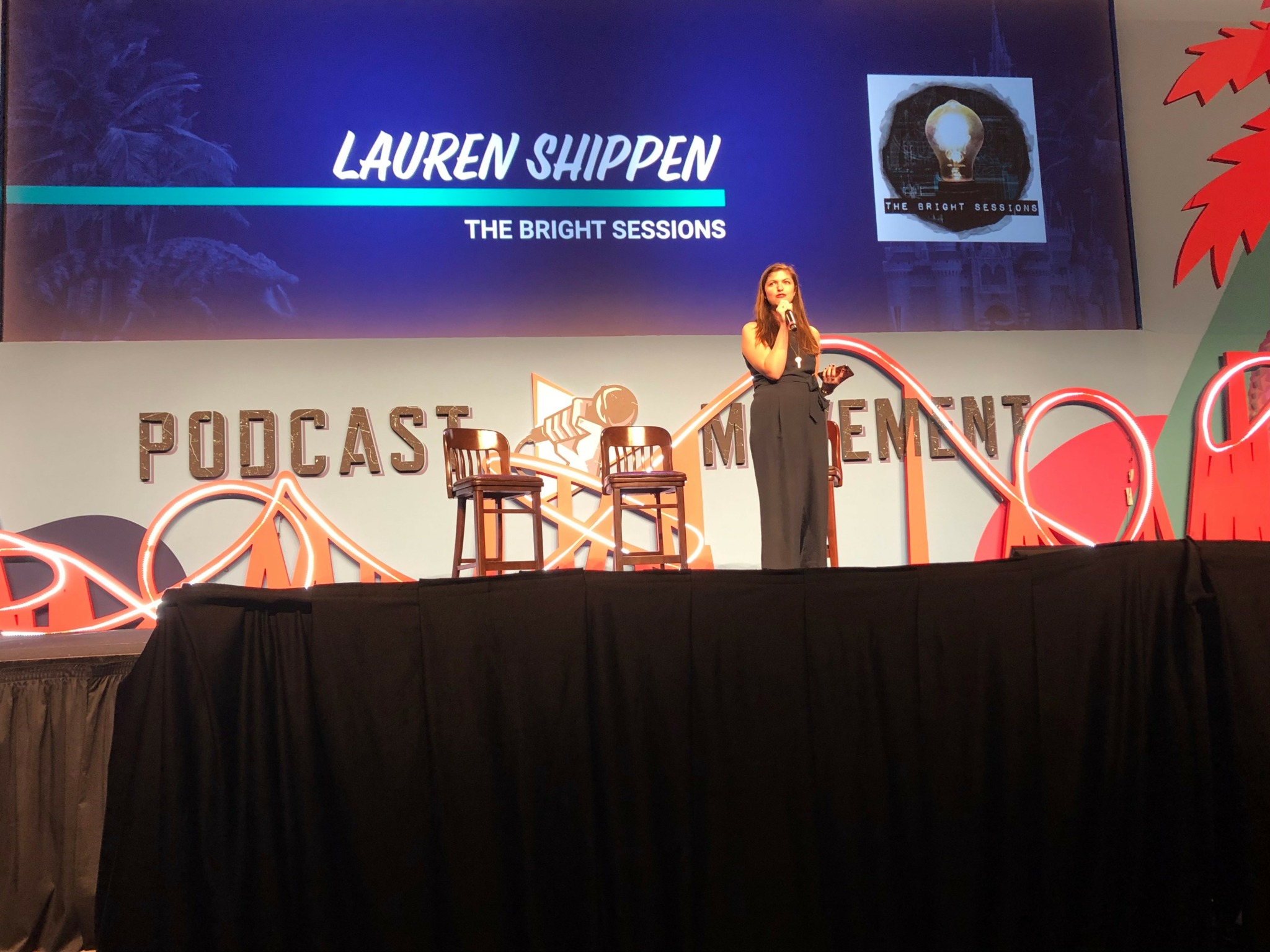
What can society do to ensure an environment that’s helpful to artists and creatives?
I think, now more than ever, it’s really important to support the independent art that you love. I wish we lived in a world where the big budget creation path was more accessible to more people and one in which there were more grants for art. But the most important thing you can do as someone who enjoys art–whether books, podcasts, music, TV–is to tell your community about what you’re enjoying and, when possible, monetarily support creators you love directly. There are so many wonderful ways in which independent creators can own their work and make a living and, as a society, the best thing we can do is encourage that!
Contact Info:
- Website: https://laurenshippen.com
- Other: thelaurenshippen.tumblr.com
bsky.app/profile/laurenshippen.com