

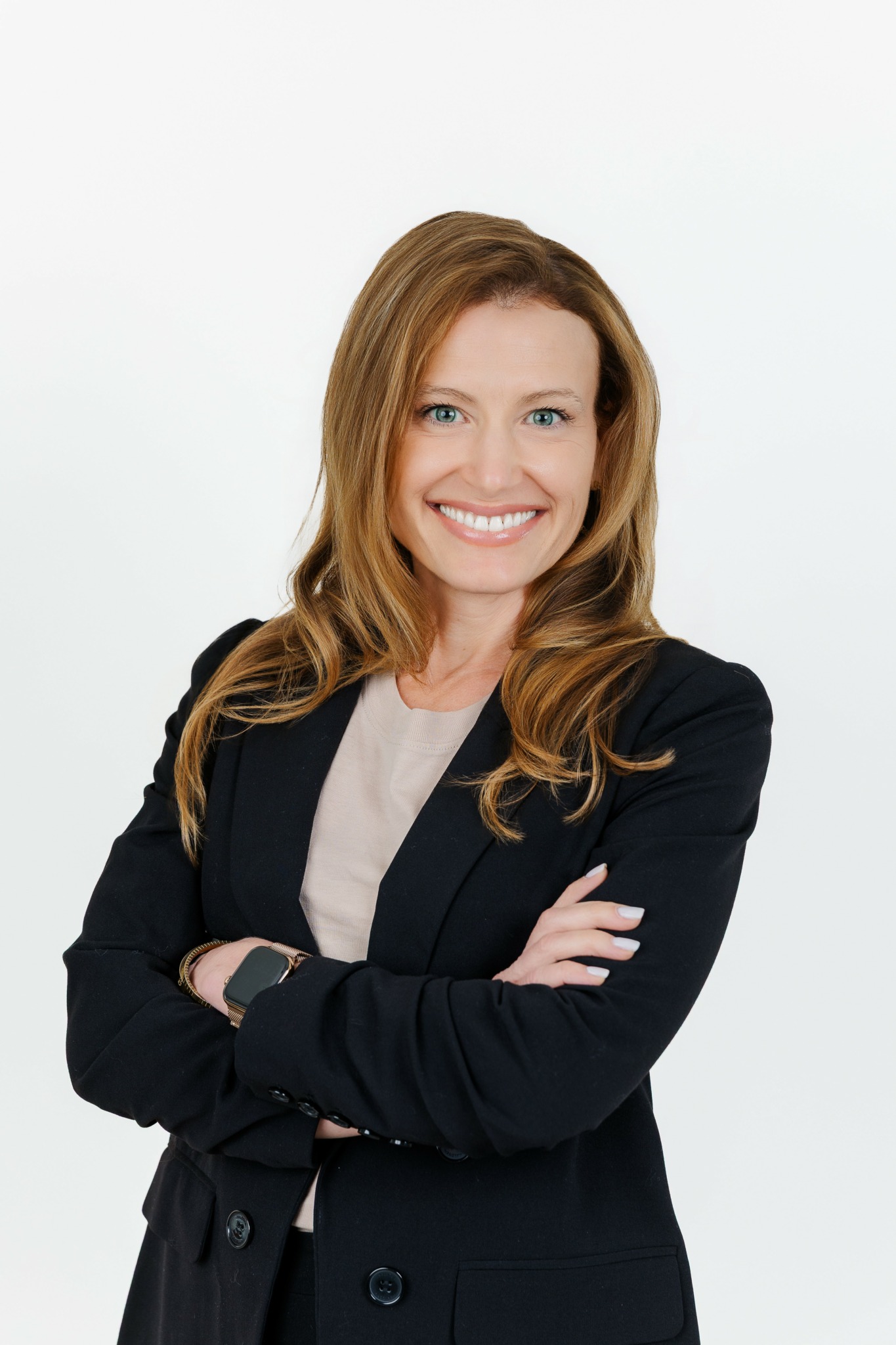

We caught up with the brilliant and insightful Lauren Price a few weeks ago and have shared our conversation below.
Hi Lauren, thanks for joining us today. Coming up with the idea is so exciting, but then comes the hard part – executing. Too often the media ignores the execution part and goes from idea to success, skipping over the nitty, gritty details of executing in the early days. We think that’s a disservice both to the entrepreneurs who built something amazing as well as the public who isn’t getting a realistic picture of what it takes to succeed. So, we’d really appreciate if you could open up about your execution story – how did you go from idea to execution?
In the early days, I started by freelancing. I saw a clear need for tutoring that focused on how students learn—study skills, executive functioning, and building independence—not just subject content.
Very quickly, my book of business grew to the point where I couldn’t keep up with demand. I had more students than I could serve, and that’s when I realized there was an opportunity to build something bigger than just myself.
I partnered with someone to start the business, and in those early days, we did everything ourselves. We didn’t have an office—we worked from home and drove to students’ houses. She focused more on the financial side, and I handled placements, tutoring, and day-to-day operations, but we were both still working directly with students.
One of the biggest challenges was learning every part of the business while trying to grow it—balancing quality with demand, and figuring things out as we went. But looking back, that hands-on experience was invaluable.
If I could do anything differently, I would have been more intentional earlier about systems and scalability—but I wouldn’t trade learning every piece of the business myself.
My biggest piece of advice for someone starting is to stay close to the work at the beginning. Do the jobs you’ll eventually hire for. It gives you a level of understanding and credibility that you can’t replicate later—and it helps you build something that actually works.
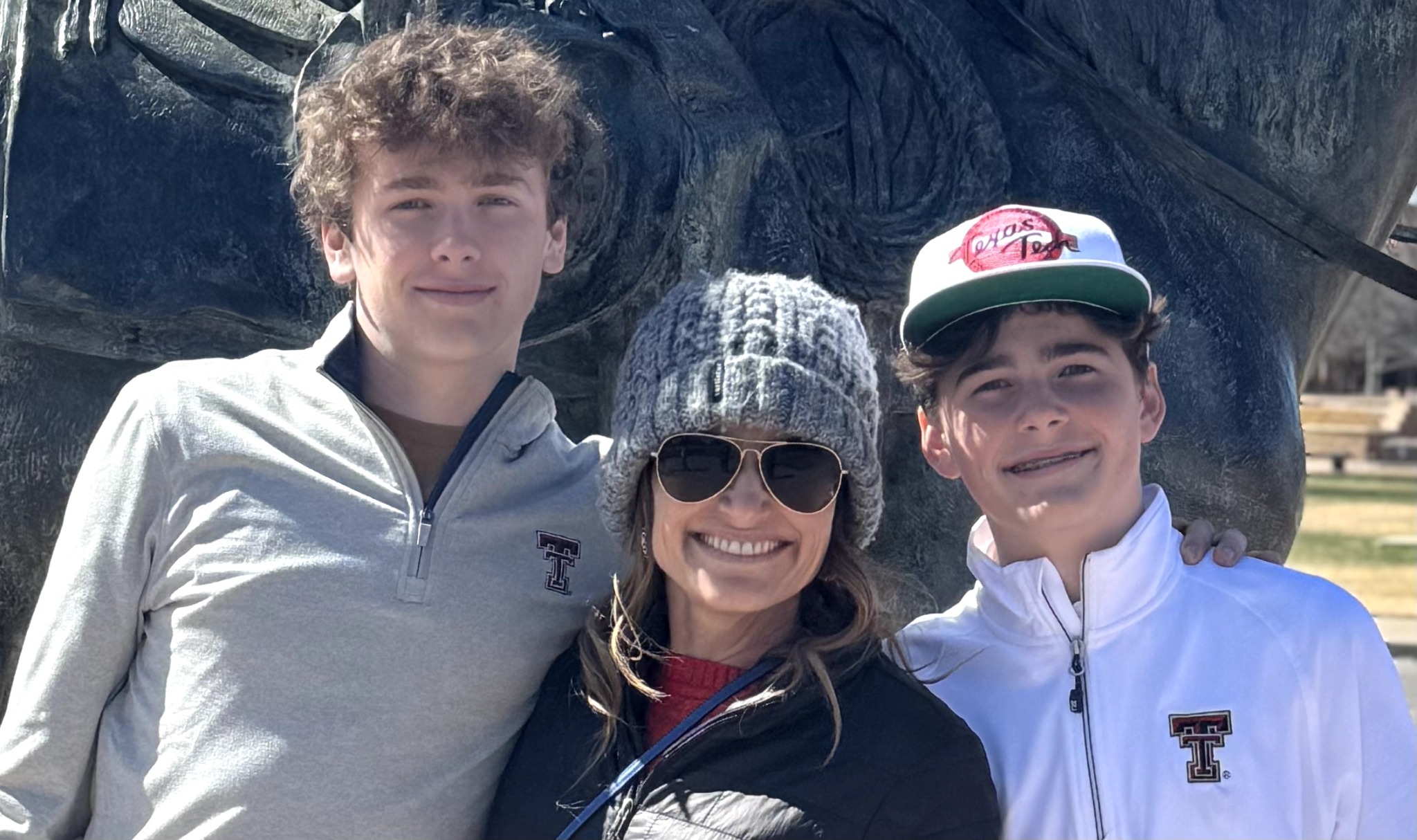
Great, appreciate you sharing that with us. Before we ask you to share more of your insights, can you take a moment to introduce yourself and how you got to where you are today to our readers.
I actually started out with a degree in public relations and marketing—and quickly realized it just wasn’t for me.
After bouncing around a bit, my aunt reached out. They were starting a tutoring branch here in Houston, and they needed help teaching a study skills class with students ranging from 5th through 12th grade—all in one room. As you can imagine, it was overwhelming.
But I said yes—and I fell in love with it.
I had never pictured myself in education, but something clicked. It lit a fire in me to figure out where I fit in that world. I started taking classes at our local community college, HCC, while tutoring on the side, trying to find my path.
That’s when I was introduced to educational psychology—and more specifically, self-regulated learning. It completely shifted how I thought about teaching and learning. The idea that students can learn to identify what works for them, what doesn’t, and how to adjust accordingly became foundational for me.
I went on to get my master’s in educational psychology, and those principles became the backbone of our company. We train every tutor not just in content, but in how the brain learns—combining neuroscience with executive functioning and self-regulation. Because at the end of the day, if a student doesn’t know what’s working and what’s not, it’s very hard for them to make meaningful change—or to truly take ownership of their learning.
We implement both cognitive science and self-regulated learning/executive functioning elements into everything we have built, from one-on-one tutoring in subjects, SAT/ACT, ISEE, and dyslexia/dyscalculia intervention to all our curricula for schools to teach and empower students to understand how the brain learns and how to build executive functions.
Can you share a story from your journey that illustrates your resilience?
Resilience is such an important word to me—not just professionally, but personally.
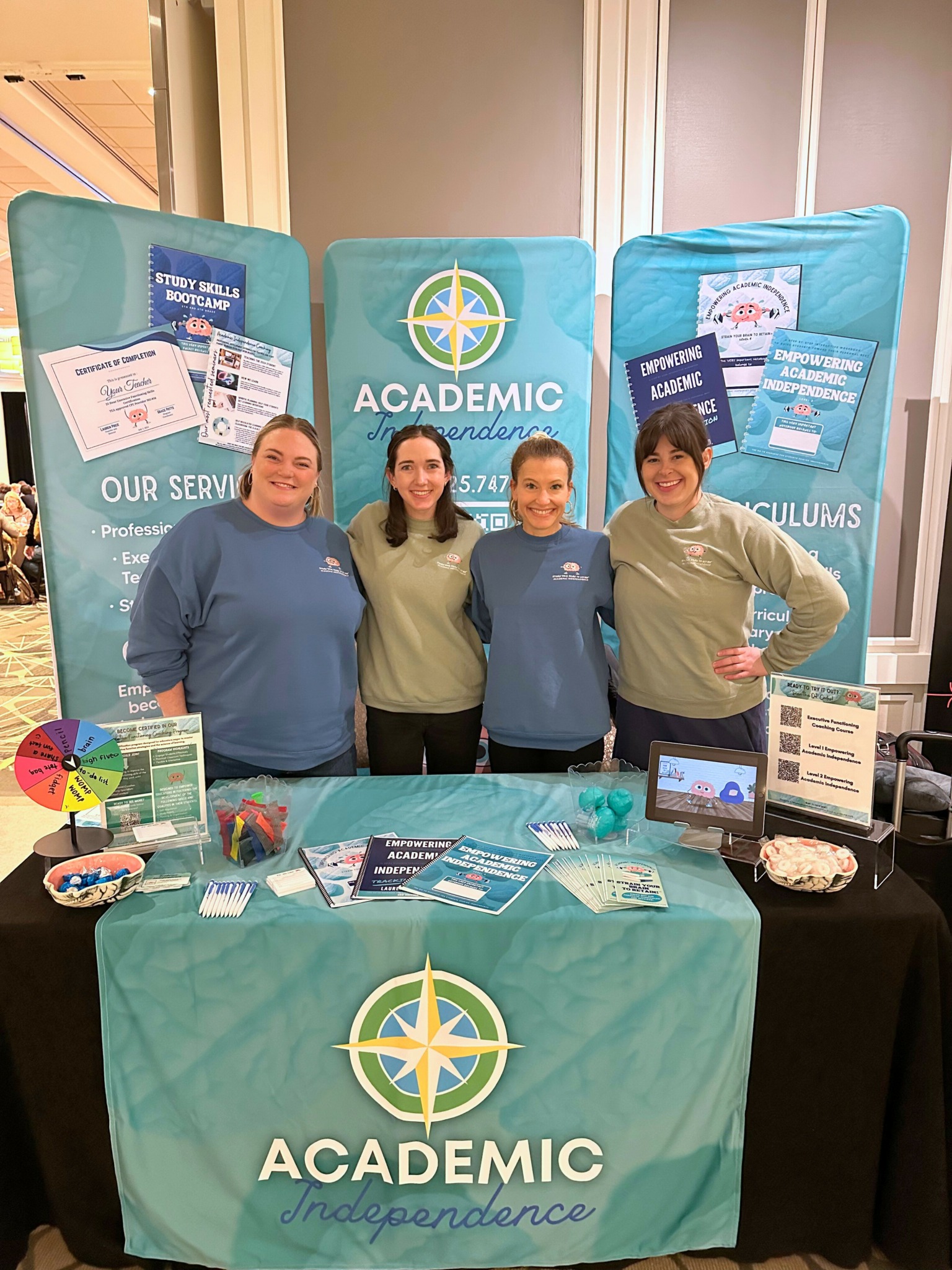
I’ve always believed we have to raise children in a way that allows them to experience small failures and setbacks, so they’re prepared for the bigger ones. My husband, Michael, and I were very intentional about that. Our boys knew how to solve problems, order for themselves at restaurants, navigate a grocery store—little things that build independence and confidence over time.
In 2021, everything changed. Michael suddenly passed away from a brain aneurysm. Our boys were just nine and twelve.
They didn’t get to choose when they needed resilience.
In the midst of the hardest time in our lives, I saw how those small, everyday moments we had built into their upbringing mattered. They didn’t take away the pain, but they gave my boys a foundation—a starting point—to navigate something unimaginable.
That experience shaped me in a way nothing else could. While I would never wish that kind of loss on anyone, it deepened my commitment to helping others build resilience before they need it.
Since then, I’ve dedicated my work to teaching educators, parents, and schools how to intentionally develop resilience in children—not by protecting them from struggle, but by preparing them for it. It’s also what led me, somewhat on a whim, to pursue my doctorate in Mind, Brain, and Teaching, where I’m now building a framework to help schools, businesses, and families create environments that foster resilience.
For me, resilience isn’t just a concept. It’s something we lived—and it’s what continues to drive the work I do every day.
Alright – let’s talk about marketing or sales – do you have any fun stories about a risk you’ve taken or something else exciting on the sales and marketing side?
One of my favorite sales stories is actually completely unintentional—and it ended up changing the trajectory of our entire business.
We were meeting with the Head of Middle School in Houston, pitching our executive functioning curriculum—helping students understand how their brains work and how to truly learn, not just memorize. We believed in it, but getting full buy-in from the school felt like a stretch.
I remember thinking, ” This could go either way.”
After we shared, he said, “This is great… but I’m not sure my teachers know all of this. Could you train them so they can implement it in their classrooms?”
That wasn’t part of our model. We hadn’t built it. But I don’t typically say no to something that aligns with what I believe in—so we said yes.
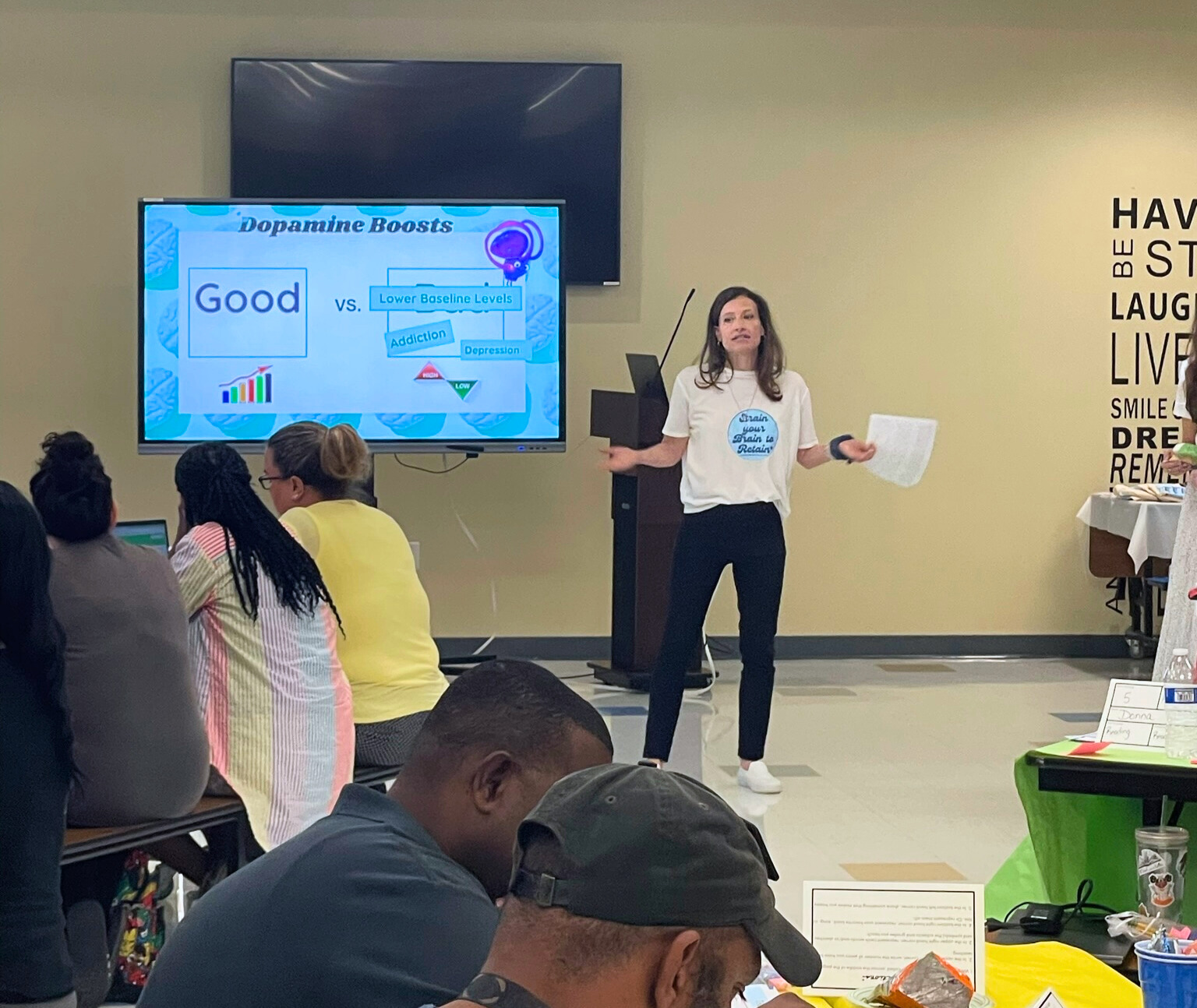
I walked into that first professional development equal parts excited and terrified. But during the session, something clicked. Teachers leaned in, connected the dots, and I felt that energy when something truly resonates.
I fell in love all over again—this time with working with teachers.
That one unplanned “yes” launched an entirely new arm of our business. Since then, we’ve partnered with over 100 schools and presented at conferences and worked with educators across a range of settings. It ultimately led me to pursue my Doctorate in Mind, Brain, and Teaching at Johns Hopkins University to better understand not just what works, but how to get people to actually adopt it.
Looking back, it wasn’t a perfect sales strategy. It was listening, being open, and taking a risk. And it ended up being one of the most impactful decisions I’ve made.
Contact Info:
- Website: https://www.academicindependence.com/
- Instagram: https://www.instagram.com/academicindependence/
- Linkedin: https://www.linkedin.com/in/lauren-price-91543a10
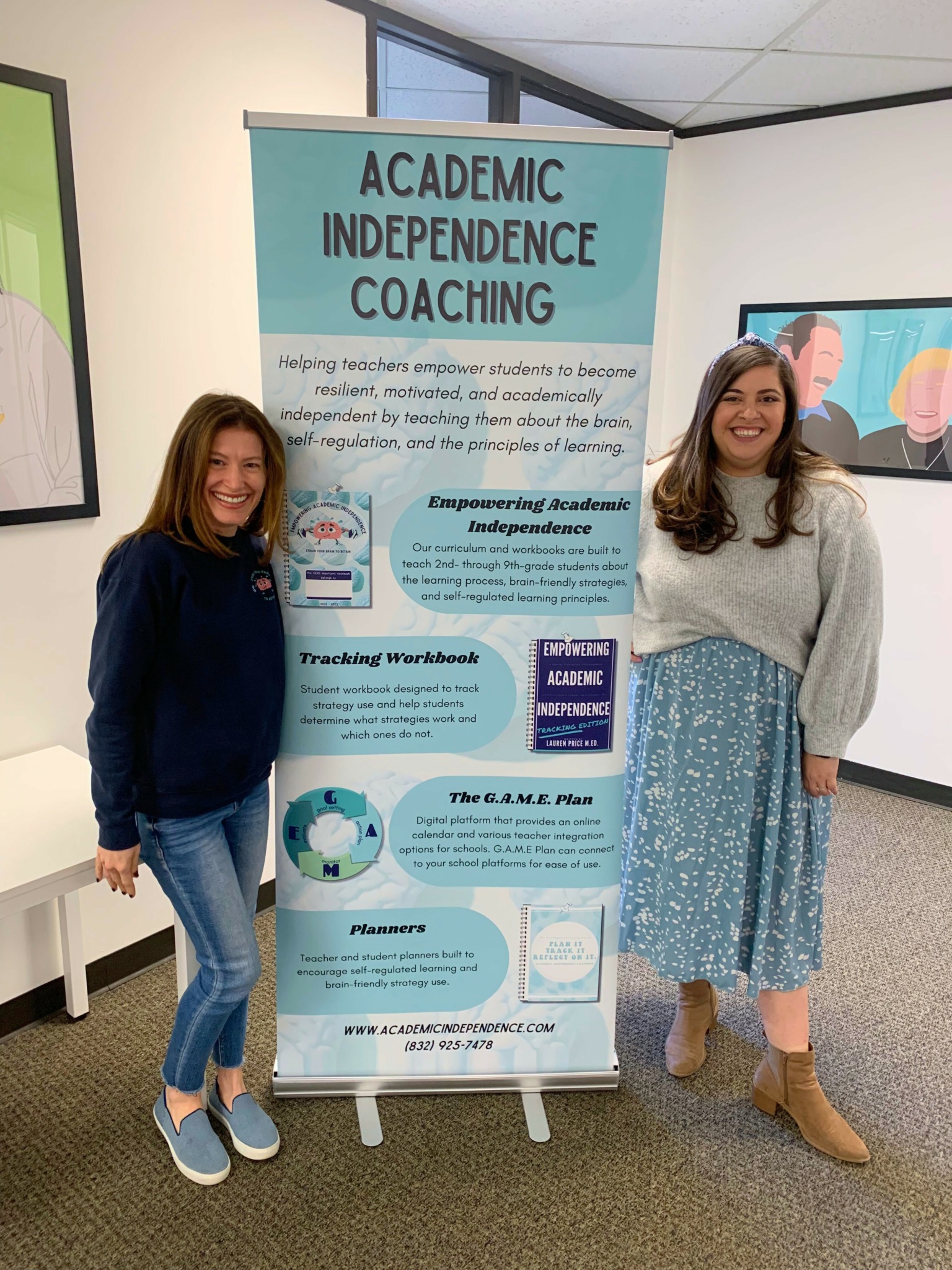
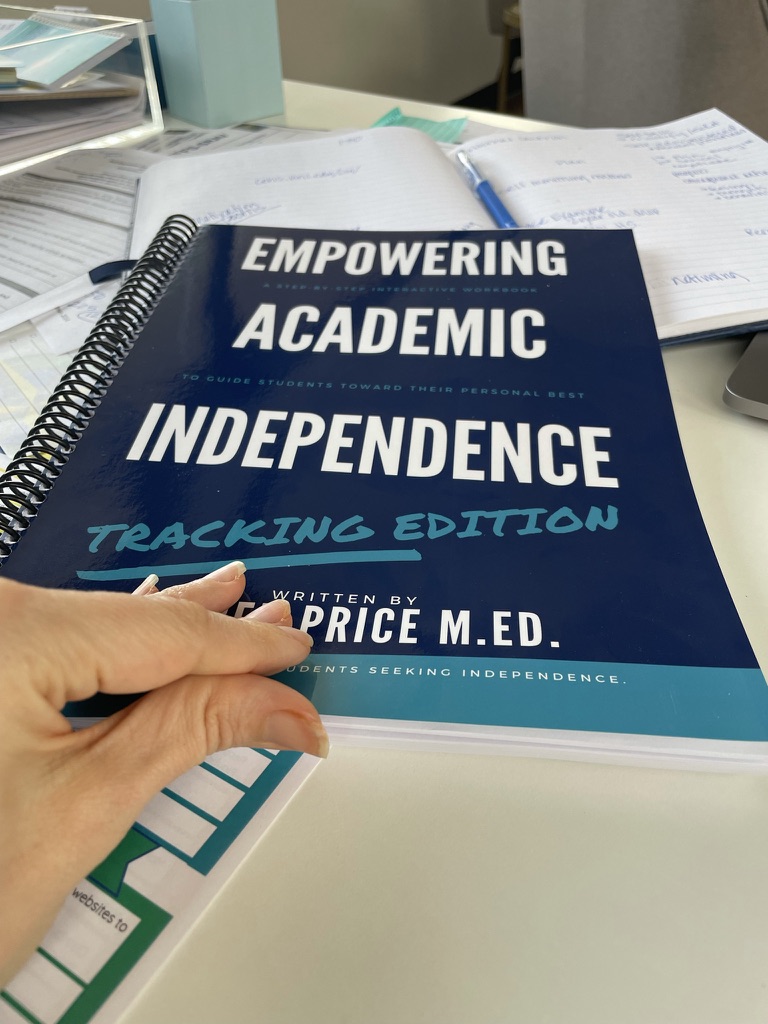
Image Credits
Headshot:
Claire Thom Photography