



Alright – so today we’ve got the honor of introducing you to Lauren Johnson. We think you’ll enjoy our conversation, we’ve shared it below.
Lauren , appreciate you joining us today. What did your parents do right and how has that impacted you in your life and career?
Growing up, I had an overwhelming fear of failure. If you were to ask my parents, they would tell you that they never put pressure on me to do well because I always held myself to high standards. And when I failed, as is a natural part of life, my parents had two consistent questions– “Did you do your best?” and “what more could anyone ask for?” My parents are the reason I am able to do things that scare me. They challenged me to excel and while giving me a soft place to land if I wasn’t successful. They taught me failure was an option as long as you apply what you learned from it and keep pushing forward.
Lauren , love having you share your insights with us. Before we ask you more questions, maybe you can take a moment to introduce yourself to our readers who might have missed our earlier conversations?
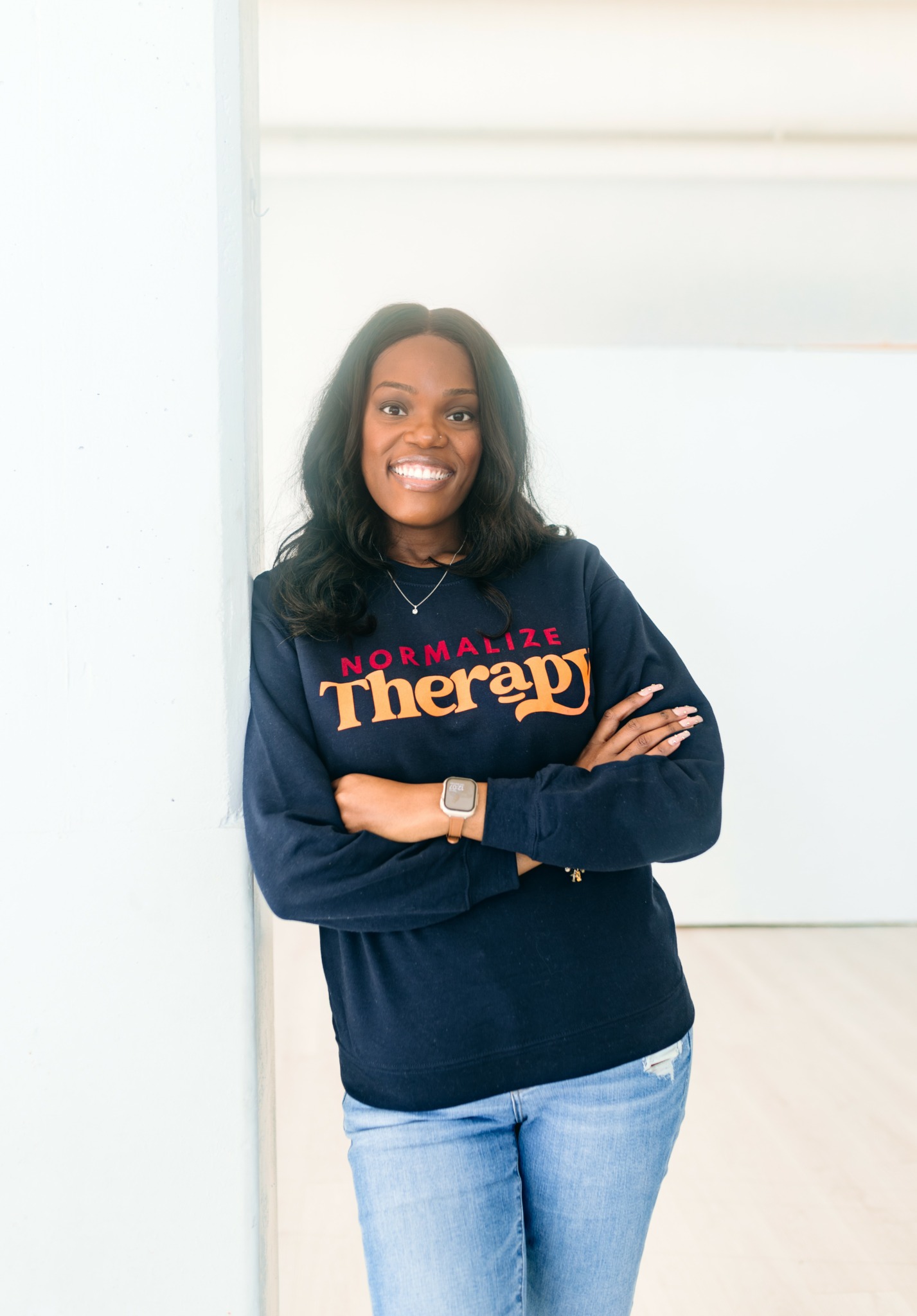
I started my business after spending almost ten years in education and pivoting to social work. I was exposed to mental health through a high school class and knew it was my passion. Unfortunately, social work is not a career that is often talked about, outside of working for CPS. I had a conversation with a colleague while working as a teacher who exposed me to the different facets of social work. After doing my own research, I knew social work was meant for me. I made the change, starting as a school social worker, moving to medical social work, and eventually landing in clinical social work.
In my business, I provide telehealth therapy to individuals, couples, and families starting at age 10. I am a trauma certified therapist, and I treat a multitude of conditions including anxiety, depression, and grief. I strive to be client-focused and solution oriented, helping my clients identify their goals and barriers that are keeping them from being successful. We then work together to get them from where they are to where they want to be. It is important to me that my work is genuine, nonjudgemental and relaxed. In all that I do, I keep the knowledge of the stigma associated with getting help for mental health at the forefront of my mind. It is my ultimate goal to curate a comfortable environment where people can grow, learn, and ultimately feel better.
I am proud of the fact that my business has been success in the short time that it has been established. If nothing else, I want people to know that I am passionate about therapy and working within my purpose of helping others. Watching and celebrating my client’s growth brings me the upmost joy. The fact that they keep coming back and referring others to me is simply the icing on the cake.
Can you tell us about a time you’ve had to pivot?
This is actually my second career. I knew early on that I wanted to work in the mental health field, but after undergrad, it was glaringly obvious that I wasn’t ready for grad school. I ended up working in education for almost ten years, where I found myself spending all my free time engaging with students and providing mental health support. I knew at that point that, while I loved working in education, my true passion and purpose was in mental health. I chose to go back to school so I could enter the field that I have always loved. My journey was not one of ease. I worked full time as a special education teacher while also being a full time student. I drove three hours round trip after work to ensure that I could complete my internship in the time allotted. My family and friends were clearly worried, but they supported my dreams and helped me get through to graduation. Getting hired as a social worker was also a lesson in patience and the art of the pivot. I incorrectly assumed that a master’s degree and license in social work was enough to get my foot in the door. After hearing many no’s, I decided to move two hours away to a small town where I knew no one just to get experience. After ten months, I was able to move back home and finally begin making headway on my goals.
Can you open up about how you managed the initial funding?
My business was honestly a grassroots endeavor. I started small–using money from my savings to get my PLLC, business address, and electronic health record. Because my parents knew my vision and goal, and they knew I was funding it out of pocket, they offered to let me move back home so I would not be in financial strain. I was really frugal in the beginning (and even now!) only buying what was absolutely necessary to get the business started. I made financial goals pertaining to spending and stuck to them. It is very important to me that my business is a success, and part of that is ensuring my finances are in order.
Contact Info:
- Website: https://www.jewelboxcounseling.com
- Instagram: @jewelboxcounseling
Image Credits
Nequel Cleggett