



We recently connected with Lauren Ferebee and have shared our conversation below.
Lauren, thanks for joining us, excited to have you contributing your stories and insights. Can you talk to us about how you learned to do what you do?
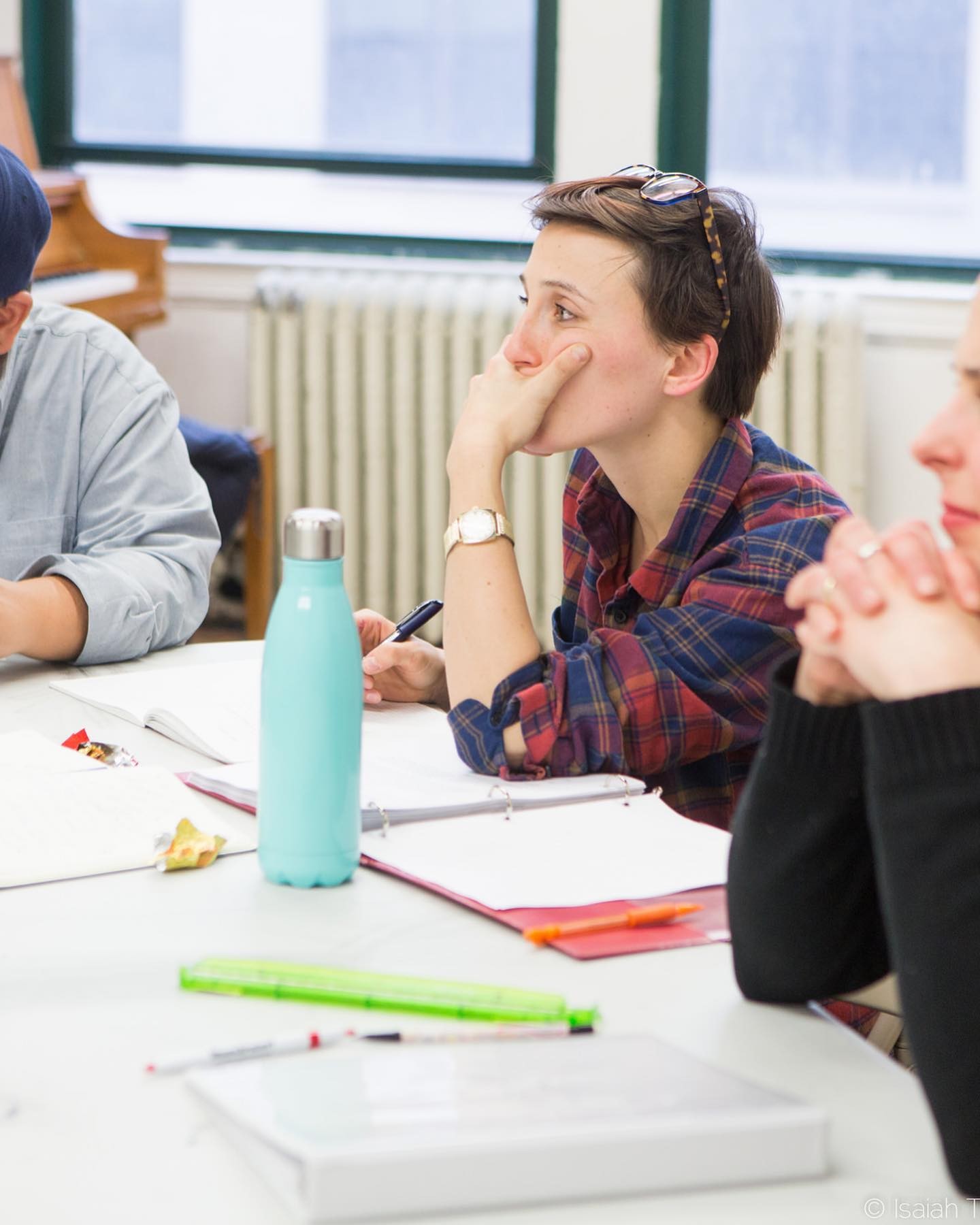
I’m really grateful for all the many writing teachers I’ve encountered over the years. I like to take classes in all different forms of writing. I learn different techniques and approaches, and I understand more about the ways in which creative writers are all the same (terrible procrastinators, big dreamers, etc.). I had a teacher a long time ago tell our class that craft is what carries you when inspiration is in short supply. I believe that. Craft is what gets you to sit in the chair and work whether you’re inspired or not. And that’s what makes a career.
As always, we appreciate you sharing your insights and we’ve got a few more questions for you, but before we get to all of that can you take a minute to introduce yourself and give our readers some of your back background and context?
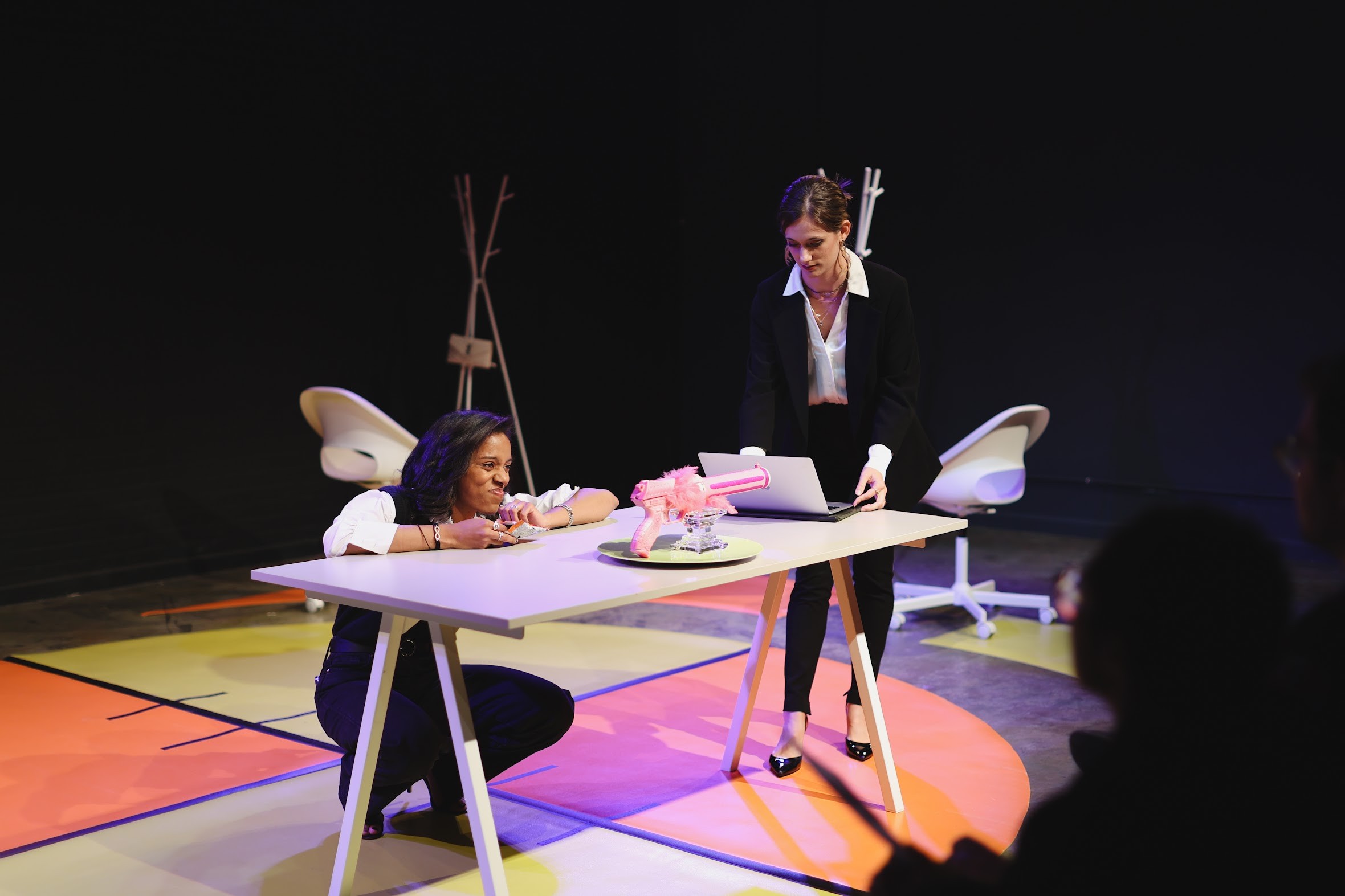
I did my undergraduate degree in drama at NYU’s Tisch School of the Arts, and in my early twenties I was an actor in New York. The reality of being an actor and auditioning was not really fulfilling for me, and I was lucky to be a part of this really thriving indie theatre community in New York at the time. A friend recommended playwriting classes at Primary Stages’ ESPA School, and I went there and started writing and really got to study with some of the most amazing working writers from the jump.
I had many collaborators that I loved working with the New York, but in 2014 I had a dream opportunity to take a six-month theatre artist-in-residence position, a collaboration between Hub-Bub and the Spartanburg Little Theatre, in Spartanburg, South Carolina. Doing that really changed my life in a number of ways. I decided not to return to New York, except for a brief stint as an artist-in-residence at the wonderful Saltonstall Foundation. Near the end of 2014, my now-husband and I started a journey of making plays and work outside of big cities. I know, I’m in Los Angeles now. What happened?
I was really lucky to start a couple of community play incubators in Texas and South Carolina, met a ton of amazing talented artists, worked with remarkable people on remarkable projects in a number of collaborative roles (I’m glossing over for brevity)… but ultimately a few years in I was still working a full-time day job with no real path to being a full-time writer. And at some point I really knew that was what I wanted, so I went to graduate school and got my MFA in playwriting. And during my MFA in playwriting, I fell in love with screenwriting. So, several years after I left New York, I finally completed my cross-country living tour, and my husband and I moved to Los Angeles.
I’ve lived such a creatively fulfilling and diverse life so far. I feel incredibly lucky for every single experience I’ve had. Living in so many different cities and working with so many different people with different life stories – it really changed how I approached storytelling. I used to think it was really important to know everything and have answers for everything – to speak from a place of authority. I think more and more the beauty and liveliness of stories is in approaching everything, every story, every new idea, from a place of humility and with a “beginner’s mind.” I like to surprise myself. I love notes from smart people that take my work further than I can imagine. I’m deeply grateful to still be on my own creative journey, making theatre, film, TV, and anything else I dream up.
What can society do to ensure an environment that’s helpful to artists and creatives?
This is a very simple question that is informed by years of working in and around arts institutions and watching art of all kinds develop: government funding. There is a profound difference of opportunity in countries that sustain artists. Inequities in arts funding lead to inequities in whose voices are heard. More arts funding, less gatekeeping.
Are there any resources you wish you knew about earlier in your creative journey?
YES! Where to even start! First of all, other artists are the greatest resource. Do not take them for granted. Read their scripts. Go to dinner with them. Be their friends. They will hold you up during the many, many, many times when you feel like you can’t keep doing what you’re doing.
Second, residencies. Residencies have been some of the most incredible experiences in my life. Apply to them. Subscribe to organizations like Creative Capital and CaFE that send you calls for residencies. This leads directly back to point one, because residencies are a great way to be with and meet other artists – especially those who are not in your discipline. Go meet people who see the world a different way because they’re violists or ceramicists or painters. They will change you forever.
Contact Info:
- Website: https://www.laurenferebee.com/
- Instagram: https://www.instagram.com/lauren.ferebee/
Image Credits
5th Photo: Sonya Katerina Isenberg