

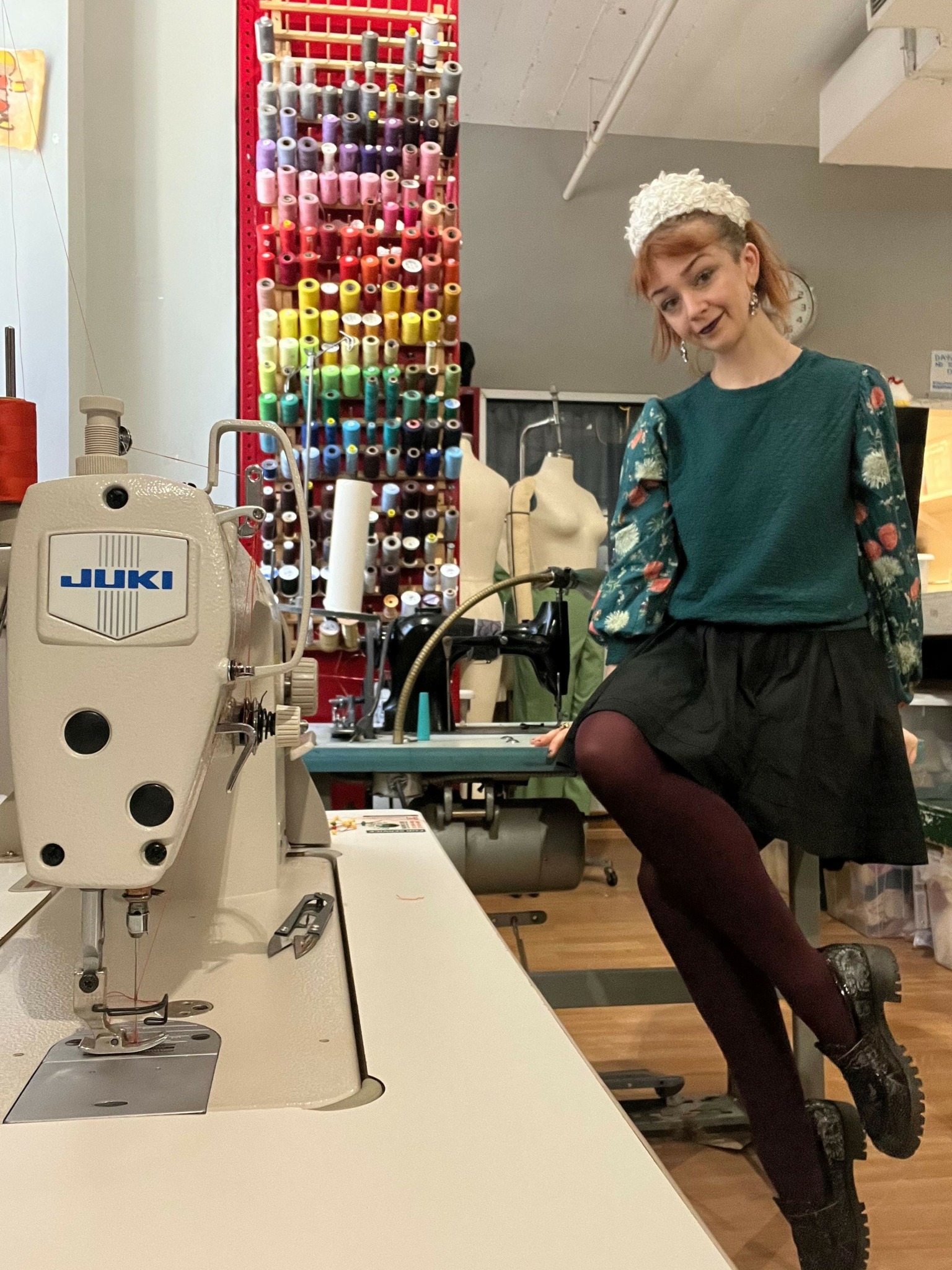

We recently connected with Lauren Carmen and have shared our conversation below.
Lauren, appreciate you joining us today. Can you talk to us about a project that’s meant a lot to you?
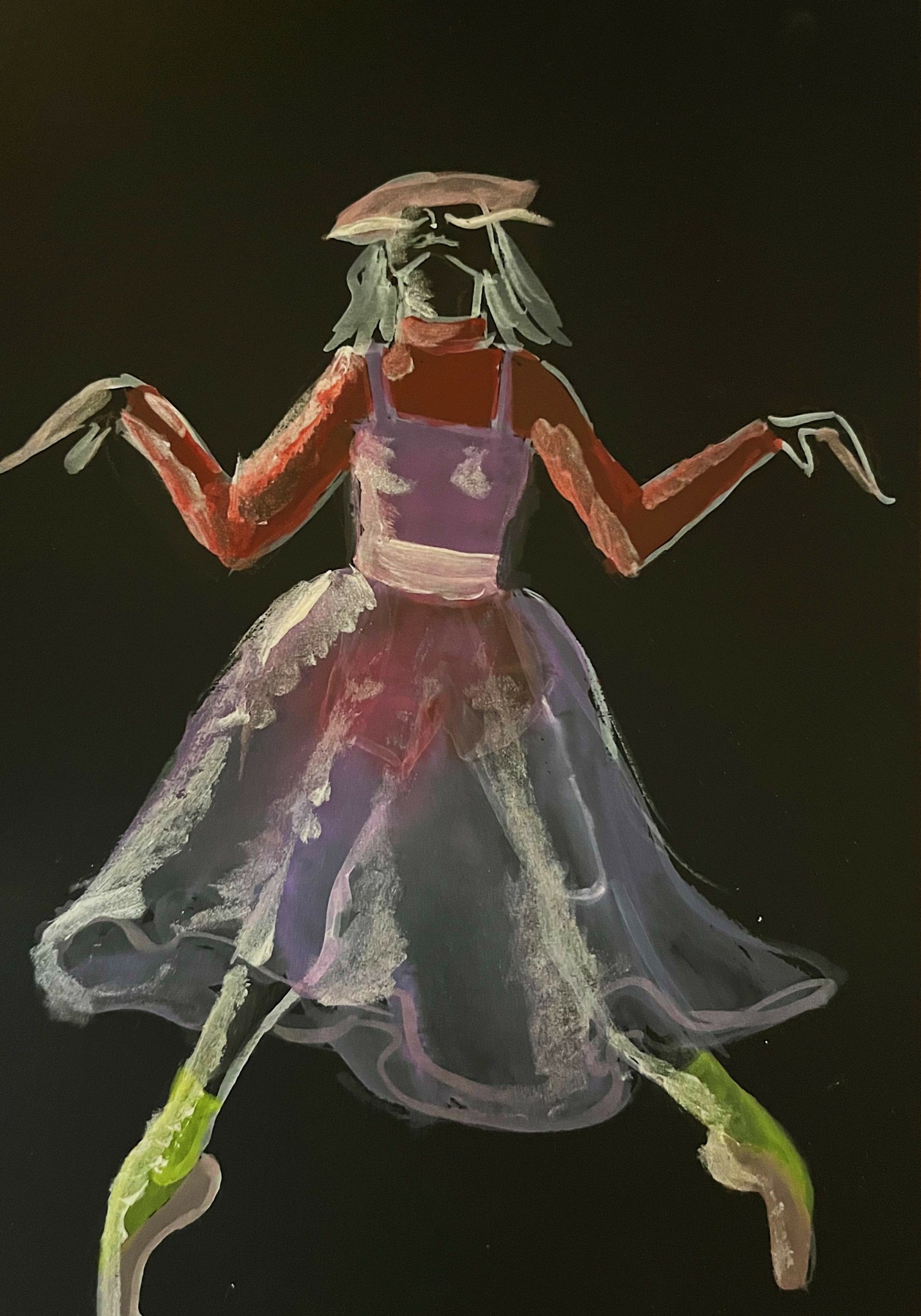
One project that will always mean a lot to me was the first Nutcracker ballet I had a chance to costume design. At the time, I was dancing full-time in a ballet company, and the professional training program I had danced at as a child reached out and hired me to design their Nutcracker. This was before I went to graduate school for Costume Design, and was an important chance that someone took on me (Thank you Leslie!), to design a project of that scale, which was both an important experience for me to have and learn from, and an important piece of my portfolio in applying to future opportunities at the time.
Emotionally, it was very meaningful, because it was a full-circle sort of moment: this was a Nutcracker I had grown up dancing in, moving up through the roles, and had been the highlight of my year every year until I was old enough to leave home. Coming back and designing, building, the costumes, but also h working as a dance instructor to the individuals who performed, and working with them as Assistant Director in rehearsals, was a really moving way to be involved with a group of people I dearly care about (shoutout to Nolte Academy & The Nutcracker at the Englert Theatre, Iowa City, IA!). To add to that, I was running back and forth to their rehearsals from my own performing of roles in a professional company’s productions, so I was living pretty
much all sides of the process that I could, and my cup was very full.
The dancers expressed feeling beautiful, and seeing the garments I had worked hard on light up a stage in my hometown, for the first time, was something I’ll never forget.
Great, appreciate you sharing that with us. Before we ask you to share more of your insights, can you take a moment to introduce yourself and how you got to where you are today to our readers.
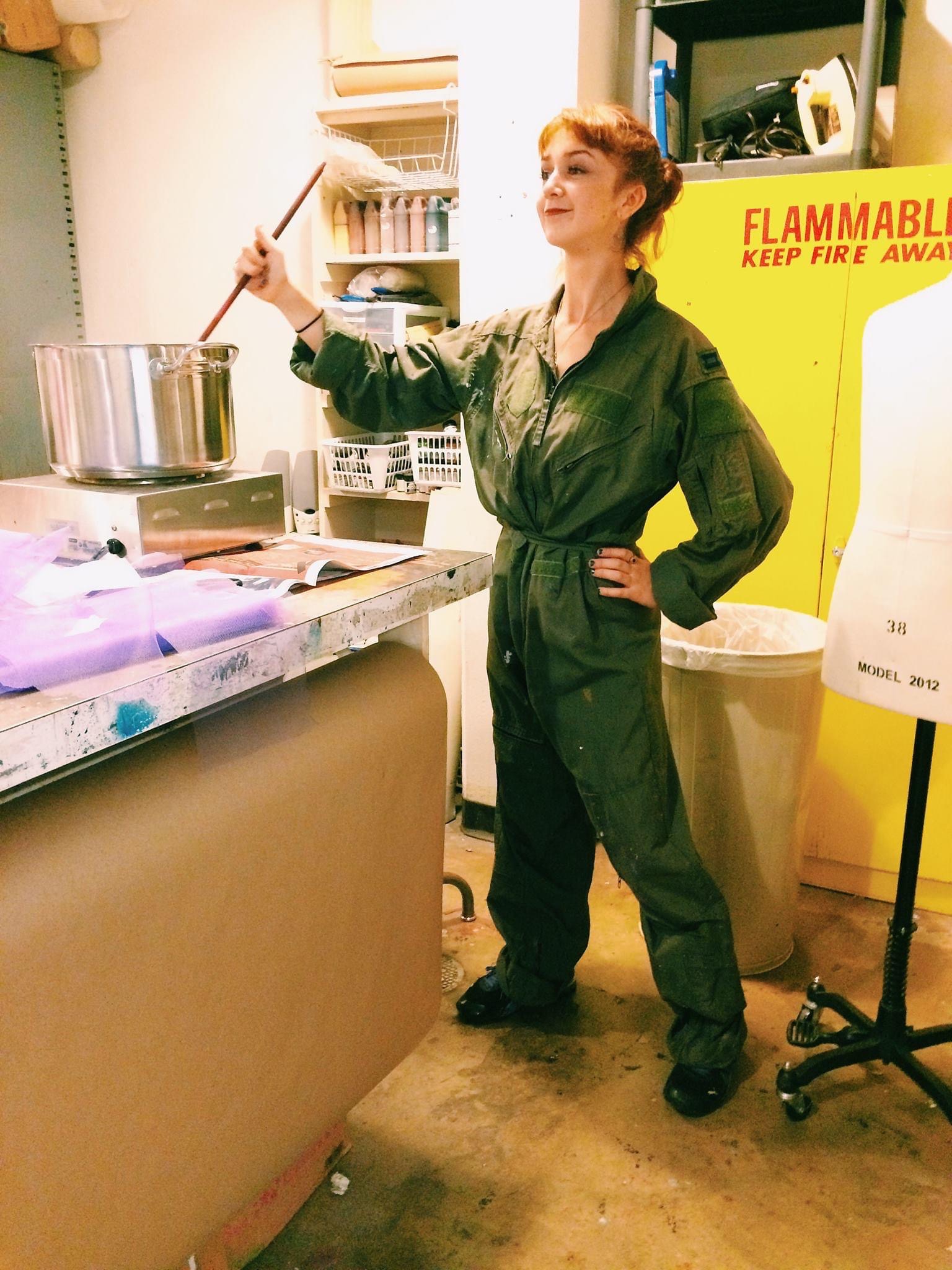
I came to be a costume designer (working in Dance, Opera, Theater, Film) through my background as a professional dancer. While I still dance, the bulk of my work is in costume currently.
In college, I had the most wonderful professors, mentors, both in and to of my major, who worked with me to allow me to pursue multiple interests. I was a ballet major, but I was able to work fairly extensively in the Costume Shop, and take their design classes, costume construction classes, crafts classes, etc. Upon graduation, I worked largely as a dancer with a side of costume gigs, and then switched that balance upon going to NYU Tisch to earn my MFA in Costume Design.
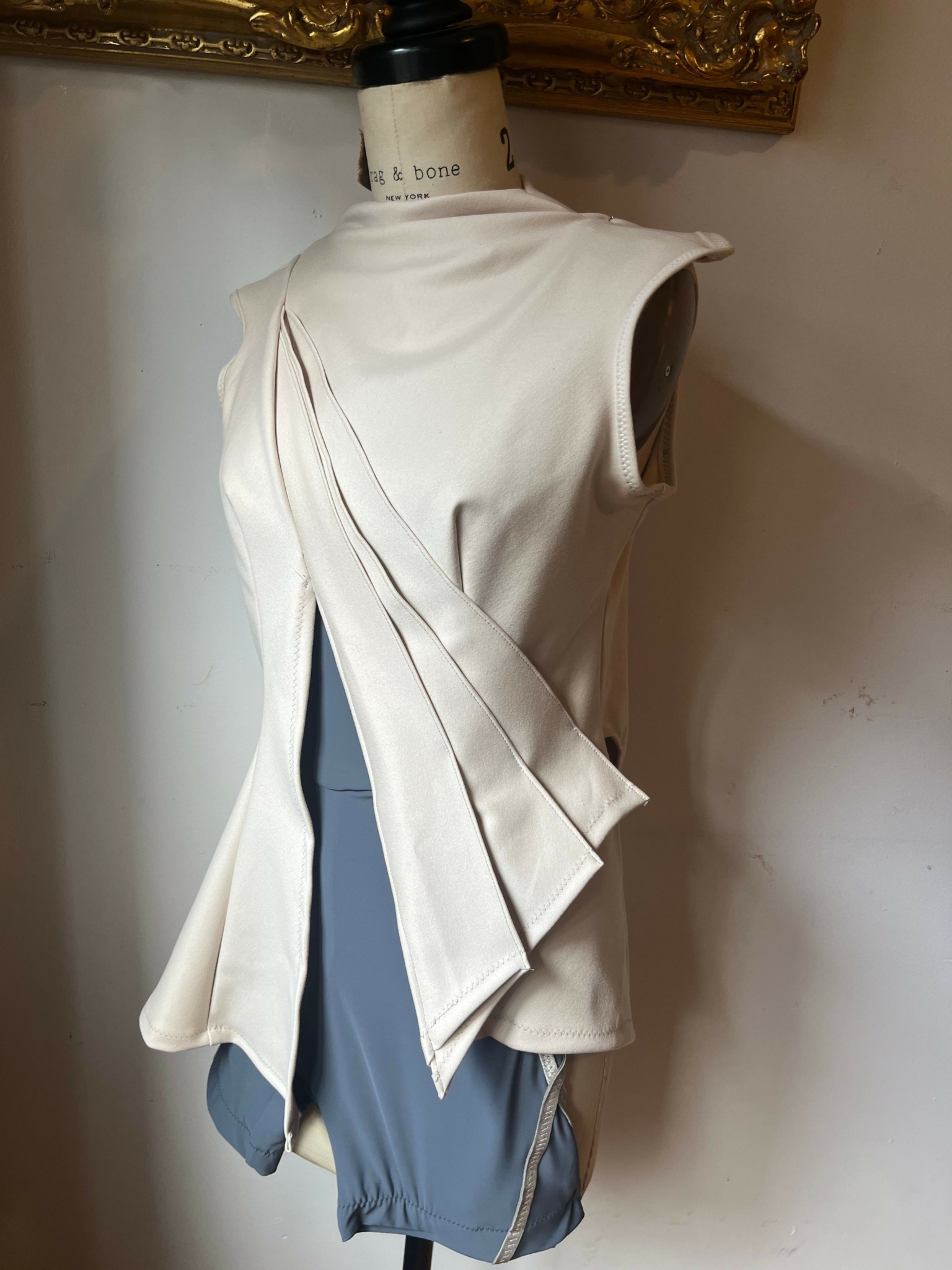
Since then, I try to prioritize bringing my background to designing and building costumes— understanding and bringing in the storytelling/emotional side of the group’s creative process to my design work, understanding the performer’s experience and need for comfort, safety, etc. and how to help create that through choices made when not only designing but patterning, and building costumes… it all comes into play. I am lucky to have trained at a high level as both performer and designer, and it tends to make communication and collaboration with the other artists involved more successful and exciting, understanding so directly where they’re coming from (what their field requires of them, and how I can help give that to them).
Any resources you can share with us that might be helpful to other creatives?
I wish I had taken the initiative and been encouraged to take at least a couple business classes during undergraduate studies (I tried during graduate school, but it was not an option for various reasons). The more I work in the field of costume design, especially when I am working as a freelancer, the more I understand how I am a “business of one”. There are certain things that can make a designer’s life easier in financial organization, contract negotiations, overall strategy of what jobs you take vs. decline, vs. how do you work enough jobs at once (hire an assistant? outsource? what are the perks to each), how do you bid on projects/price your work, ensure you get what you need as a freelancer in terms of time, resources, space, transport of costumes (in NYC this is huge)… that I wish I had been more aware of or equipped to deal with earlier.
Grant writing is something I have been diving into lately, that I would’ve loved more experience in while I was in school, too. The idea that even as someone who wants to be “a creative”, I need to do so much logistical, behind the scenes administrative work to get to the creative part, was at first surprising. But I’m learning to love that side of things too.
How can we best help foster a strong, supportive environment for artists and creatives?
There’s so much that can be done on all sides. I wish the process of giving out grants could be shifted. I understand there needs to be criteria set and met to just give away money to the creative process, but some of the brightest and most organized creative talent I know, work with, talk to is frequently turned down from grants with the reasoning “that looks so exciting, we haven’t seen anything like that before, so we can’t give you money because it’s a new thing”… but isn’t that what art should be? Why would you throw money at someone to do the same thing over and over? Shouldn’t new ideas and approaches be what is funded by resources like artistic grants, so that it gives a chance for new work to be seen, which can then stir up it’s own funding through viewers/patrons directly? Artists/ art critics are surprisingly scared of out-of-the-box approaches, yet when someone actually finds the means to do that, those fresh works tend to be more celebrated than the same type of work already being performed for several decades.
I also think artists supporting artists is everything. Befriending your colleagues, being curious about what others in your field are working on and eager to talk about it with them… it is all so creatively exciting. Eras that I look back on and with whose collaborations impress me (the Ballets Russes in early 1900s is one), I find that there was more of a culture of artists coming together to be, to exchange ideas, to socialize, outside of the people you’re directly hired to work with. So many brilliant artists in different fields came together through spending time in cafes etc. and ended up then working together in exciting new ways, in situations like the Ballets Russes, and that is something I would love to see more of//get really excited when it happens around me here in New York City.
Contact Info:
- Website: https://Loecarmen.com
- Instagram: @paillettebylc
- Facebook: Paillette by LC
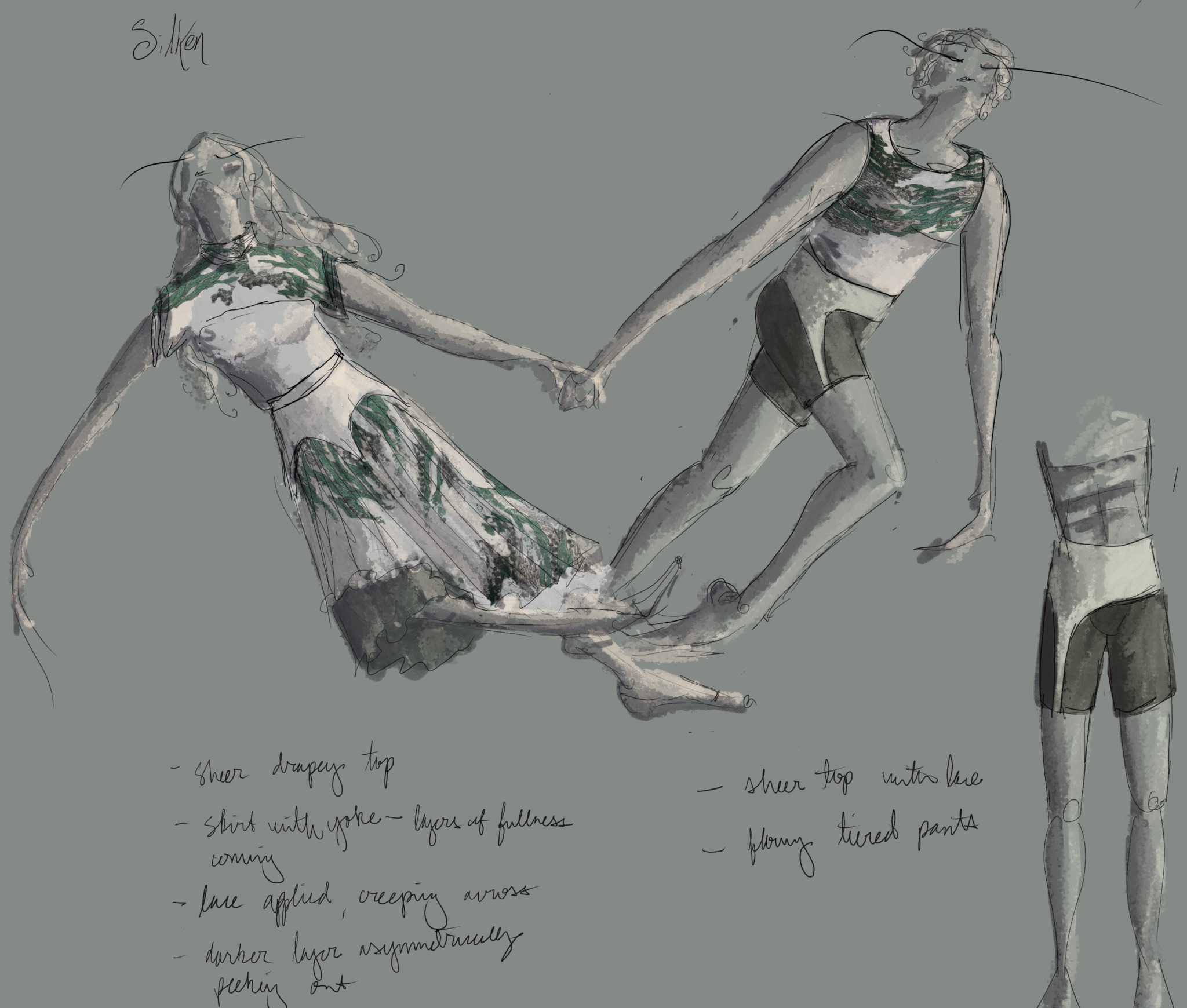
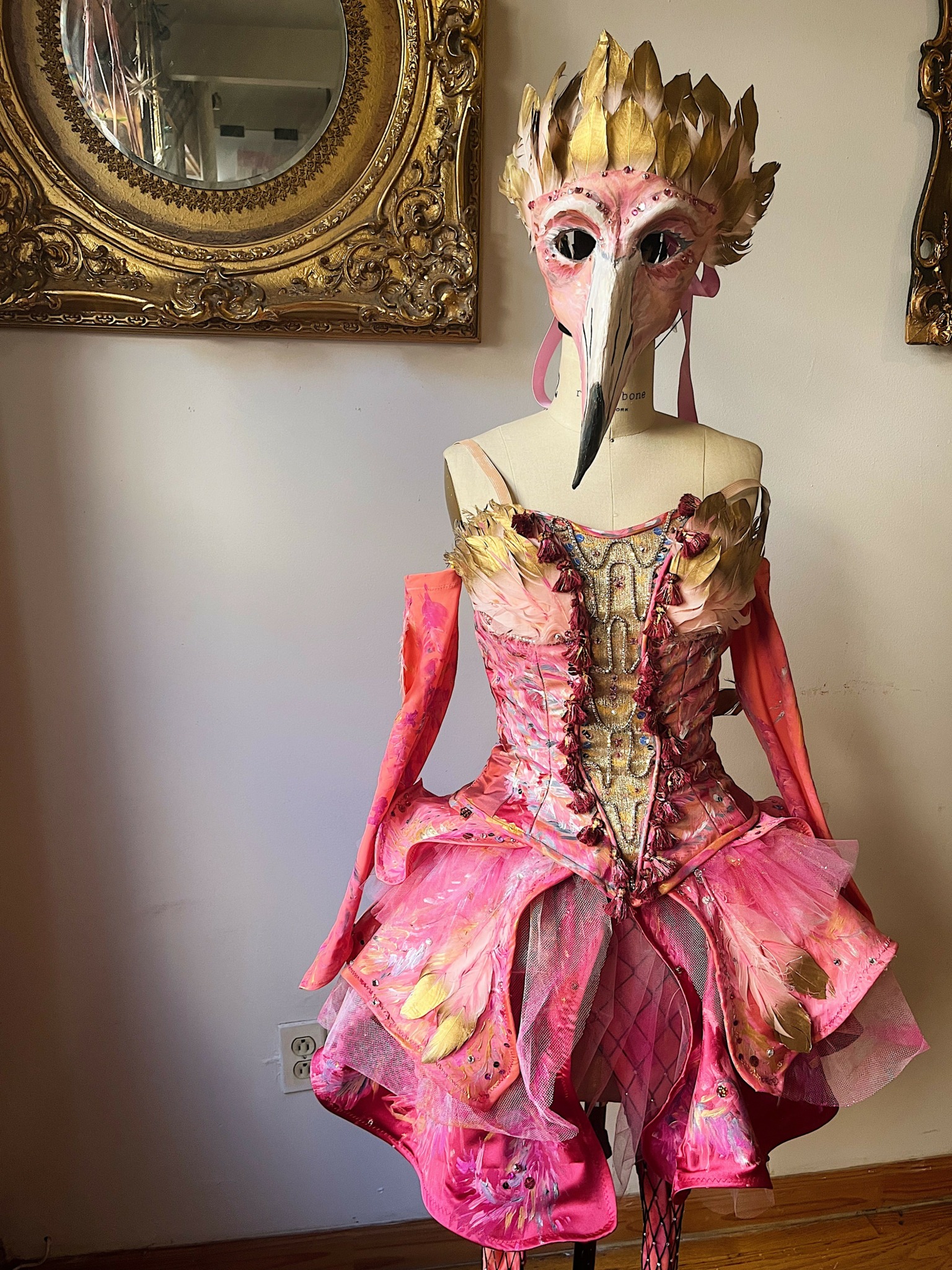
Image Credits
Lauren Carmen