
We recently connected with Lauren Cargal and have shared our conversation below.
Hi Lauren, thanks for joining us today. How did you learn to do what you do? Knowing what you know now, what could you have done to speed up your learning process? What skills do you think were most essential? What obstacles stood in the way of learning more?
How did you learn to do what you do?
I began my photography journey the same way as many others: with a Canon Rebel T6, a kit lens, and an affinity for Automatic mode. I am largely self-taught in the principles of making images, though I took a film class in high school which helped me learn about depth of field and video principles. I never took photography classes until about 5 years into my photography journey. I heard that the best way to learn was to get out and shoot, so that’s exactly what I did.
I shot all the time. I took pictures of my friends, photos for my Church (which really helped me learn lighting, as I am a reformed-mega-Church-attendee), pictures of my dog, and self-portraits with my CanonConnect remote app. I learned to edit based on the presets that I liked on apps like VSCO, and I tried to replicate their effects in the free Lightroom mobile app. I first started to learn about camera settings with modes like aperture priority and shutter priority, until I ultimately figured out to properly expose (and how cranking your ISO is actually not the first choice to be made when brightening an image). When I started shooting fully manual, which was admittedly a good year or two after I got my first camera, was when I noticed a real change.
Knowing what you know now, what could you have done to speed up your learning process?
If I could go back to the beginning, I would have spent more time learning about the exposure triangle and lighting, and I would have done it way earlier on. Additionally, I should have been way more curious! I would have studied the work of other photographers, asked more questions, and sent cold emails to the greats and to locals. My biggest points of growth have happened when I was surrounded by others who were far better, more experienced, and more open-minded than I was.
What skills do you think were most essential?
Certainly lighting and composition. Without understanding the “rules” of photography, and working within those rigid boundaries, it’s hard to develop your own style. It is evident when someone is breaking a “rule” by accident, or breaking it with intention. I love breaking rules, but you have to break them on purpose!
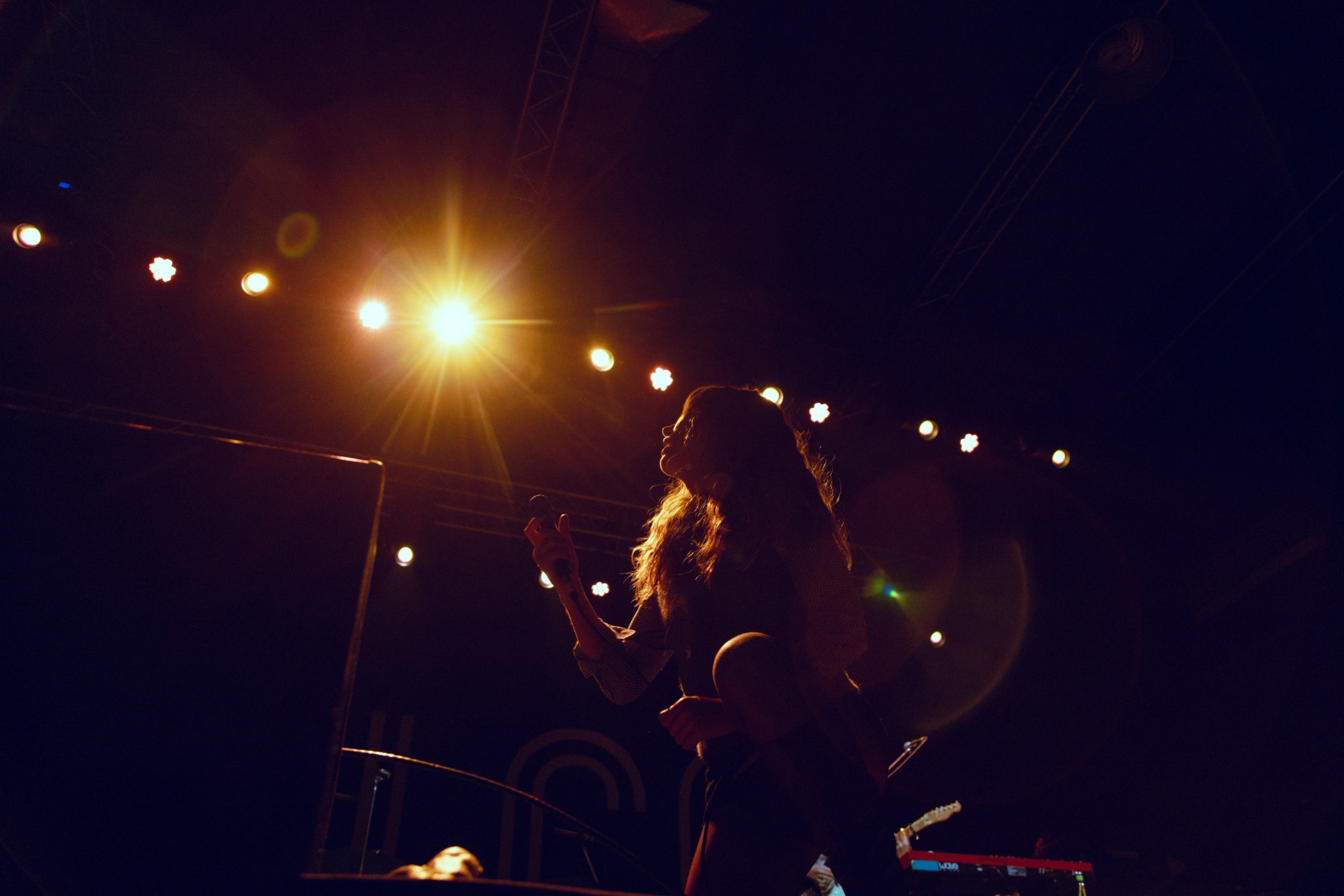
For instance, I love editing concert photos with funky colors and blur. Sometimes my edits will make a performer’s skin look green, or their face look like a big smudge. This is fun and unnatural, but I am also confident that I can correct the color of the person’s skin under all of the lights and haze, and that I can freeze their movement, too.
Though your first images may look boring with simple shapes and natural colors, it’s important to perfect the boring to have a base to build from. I find that the stand-out images I see these days aren’t the ones with crazy edits. Instead, they are the ones that show a unique shadow from a window in the home; a still life of some objects on the counter; the facade of a local gas station. Simple, ordinary subject matter portrayed in a way that shows mastery of the basic principles of photography!
What obstacles stood in the way of learning more?
There is certainly something to be said about the price of gear. It is exorbitant. Especially if you’re getting started young, like I did. It can be discouraging when you reach the boundaries of where your gear can take you. I remember when I learned all that I could on my Canon Rebel T6, and I felt confined. I couldn’t afford the upgrades that I wanted, either. If you’re running into this problem, you are suffering from a good thing! Keep working with what you have, and try to save to make little upgrades. No need to do it all at once! Start with a Nifty 50mm, and keep going from there. Research your purchases in depth before you make them. Talk to people at the camera store, talk to your friends. Ask someone if they can show you the ropes of their full-frame camera, or their external strobe. Most every photographer came from a similar place, and they will be eager to help.
On a more fundamental level, I still get overwhelmed and burnt out daily. I haven’t found a cure, but I’ll let you know when I do. Until then, follow along at @cargalcamera, and remember that EVERYONE is creative!
Great, appreciate you sharing that with us. Before we ask you to share more of your insights, can you take a moment to introduce yourself and how you got to where you are today to our readers.
My name is Lauren Cargal, and I’m a photographer based out of Oklahoma.
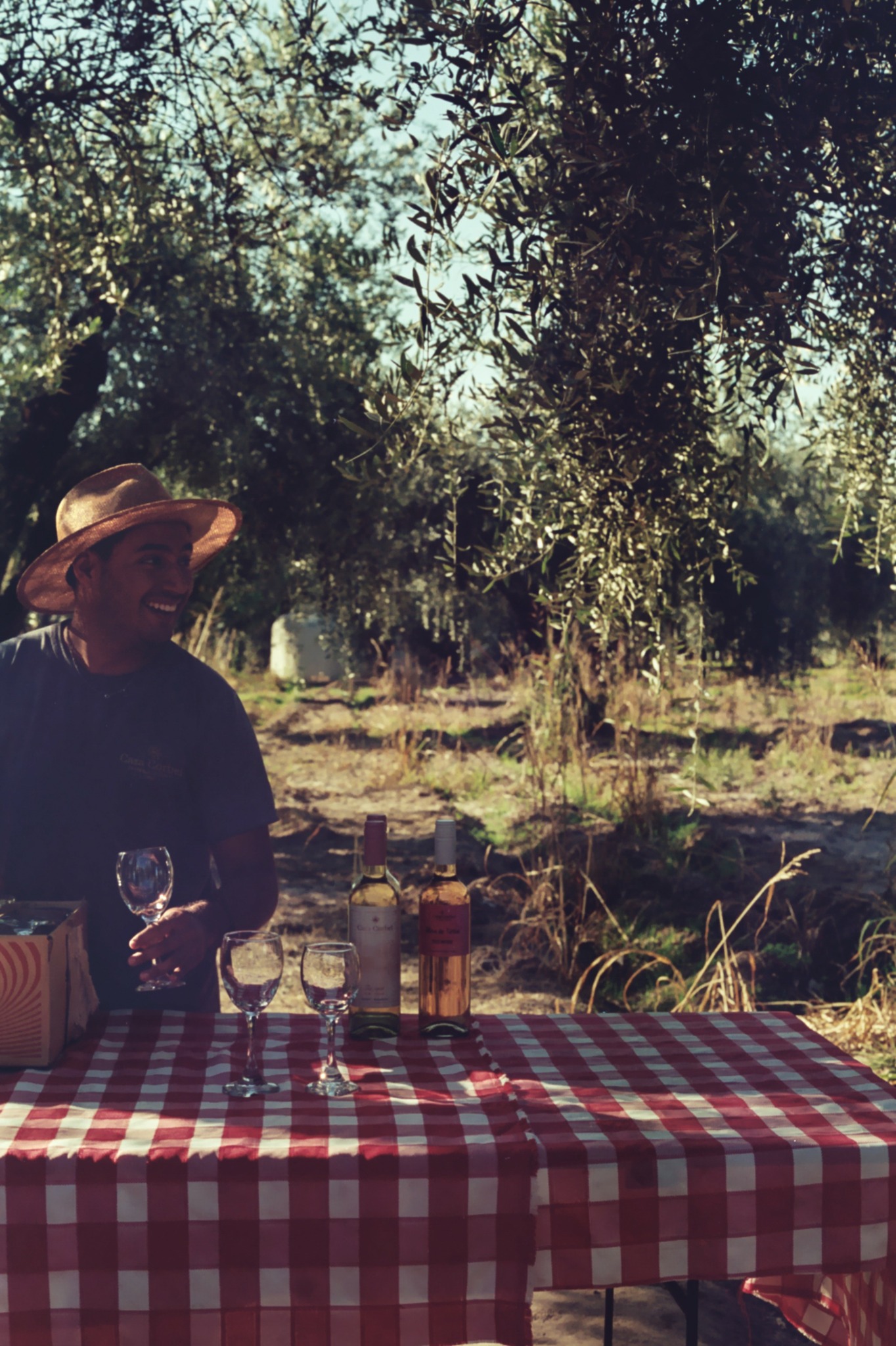
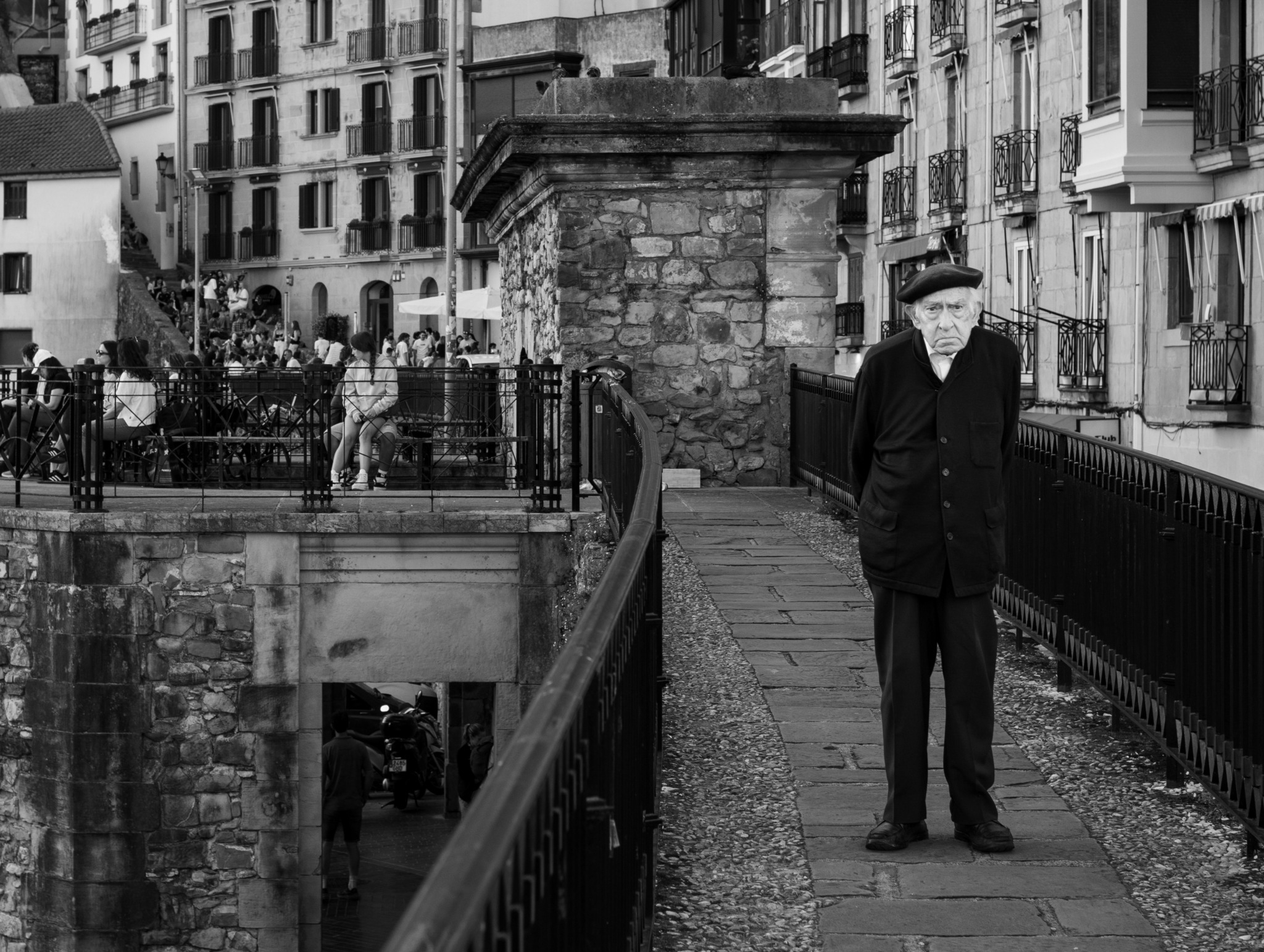
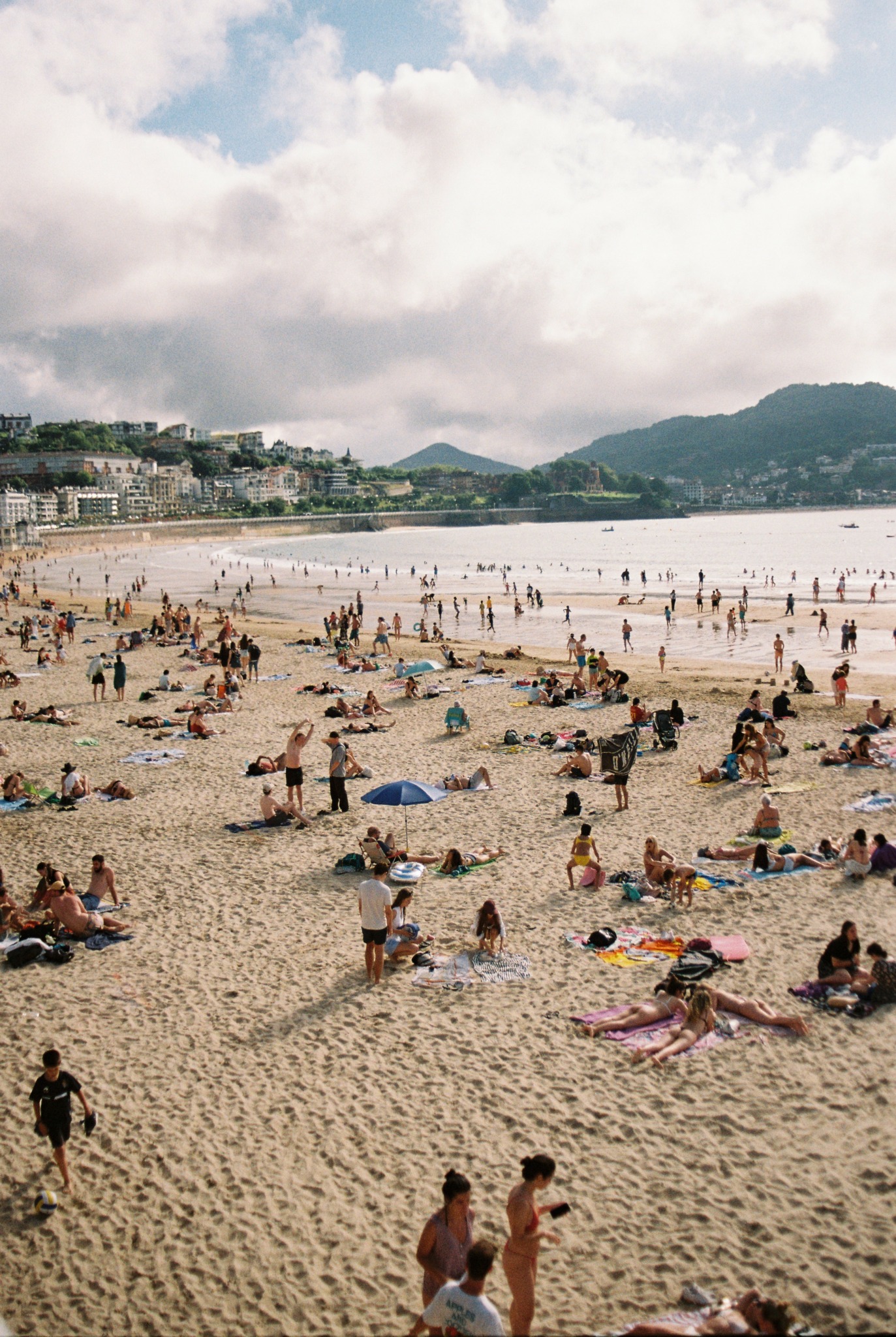
I’ve been involved in various arts since I could walk, but I have been photographing for about 7 years now. I have a huge heart for portraiture, as one of my biggest motivators in the art is to make the people I love feel beautiful. Whether it be simple senior photos, creative shoots, or documentary-style portraiture, I have a blast showcasing the beauty that God placed in His people. I also love shooting landscapes and architecture, but you’ll probably see that less in my displays. I
I have been told that I meet people where they are with my work. I always try to build a product that my clients have envisioned, and if I know that I can’t meet their expectations, I will send them to someone I know who can. I always try to keep an open line of communication, support, and genuineness in my work. Some may say that it’s less professional, but I am willing to sacrifice my own image a little bit to make my clients feel comfortable, safe, and beautiful.
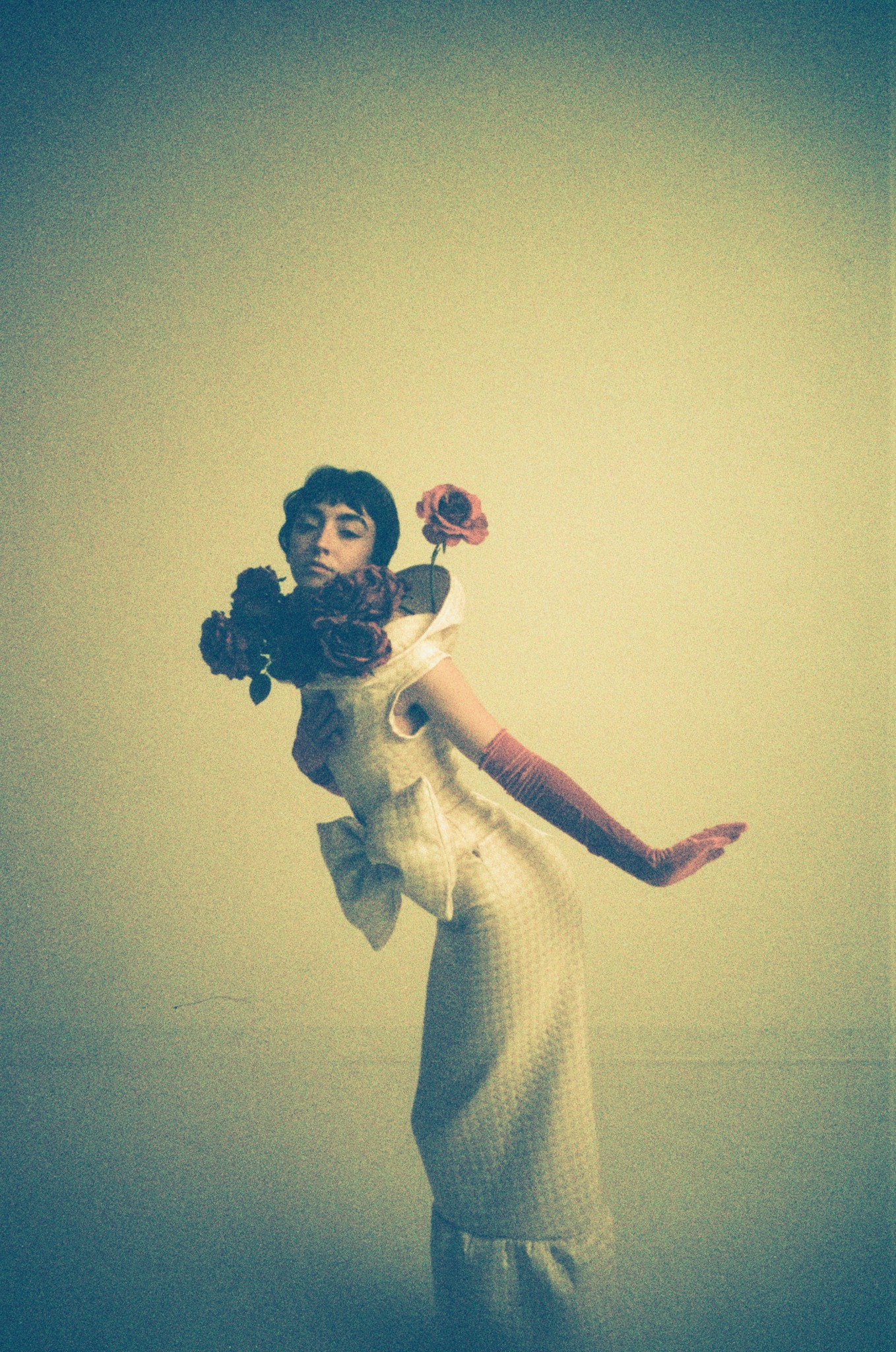
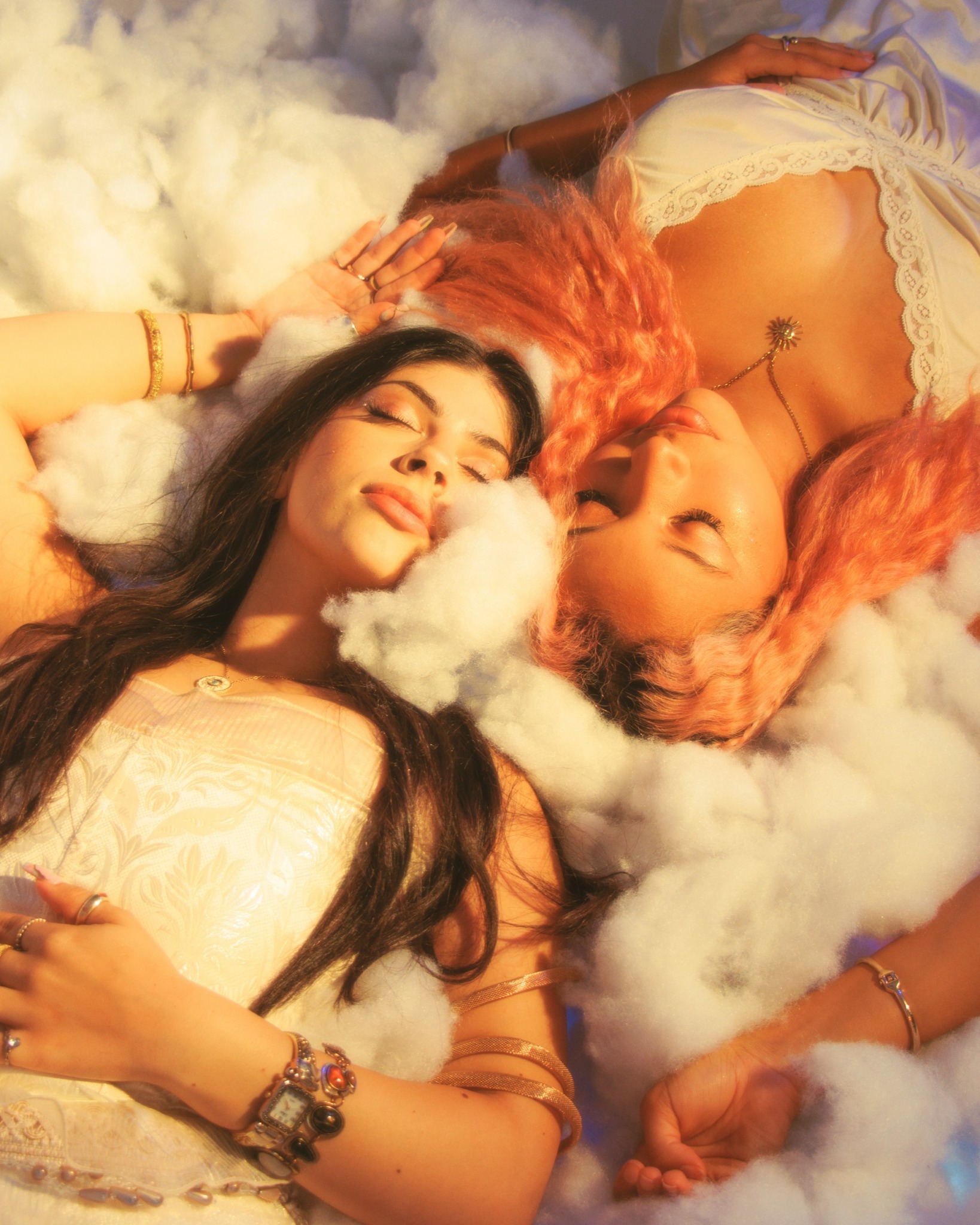
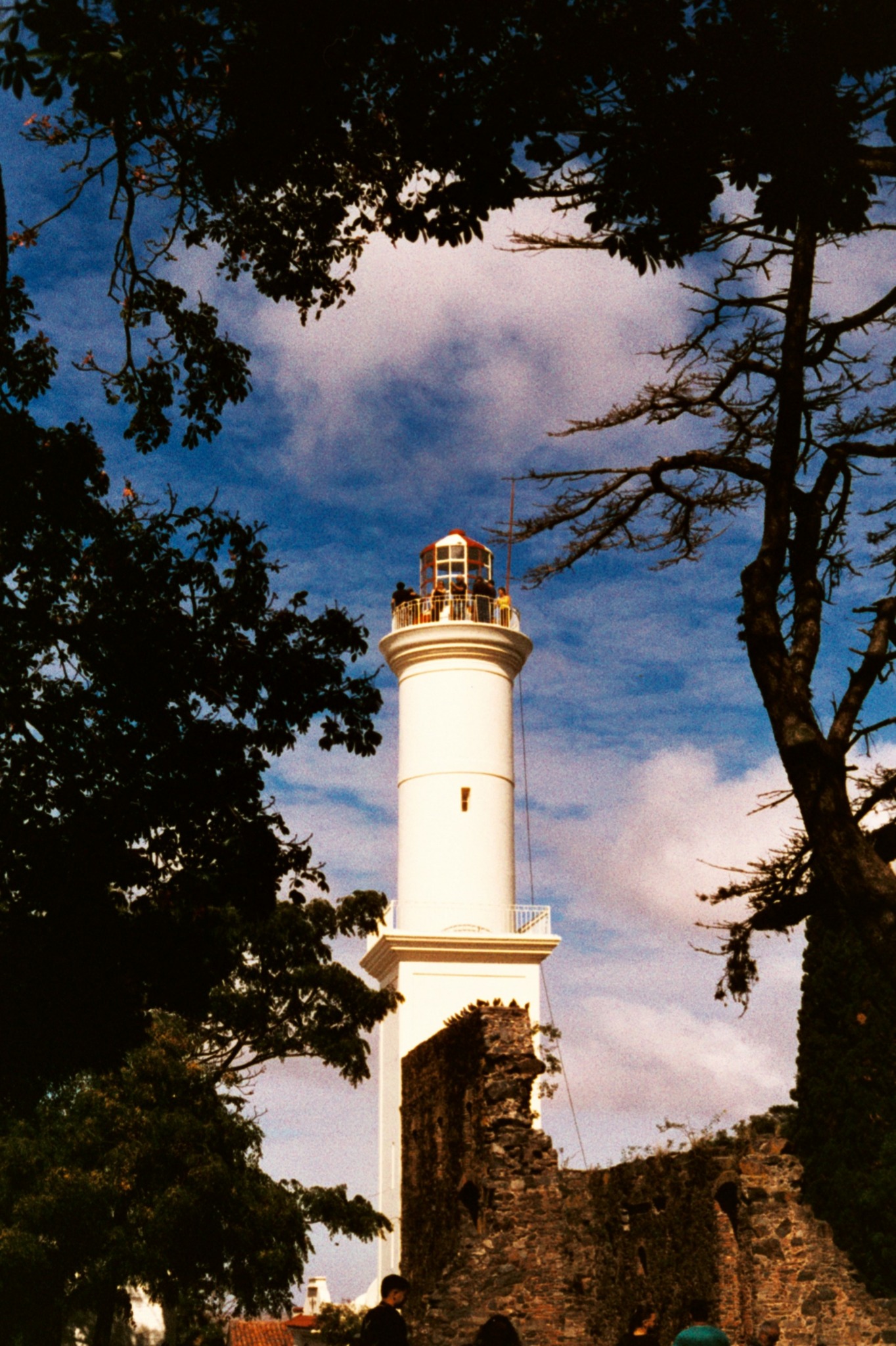
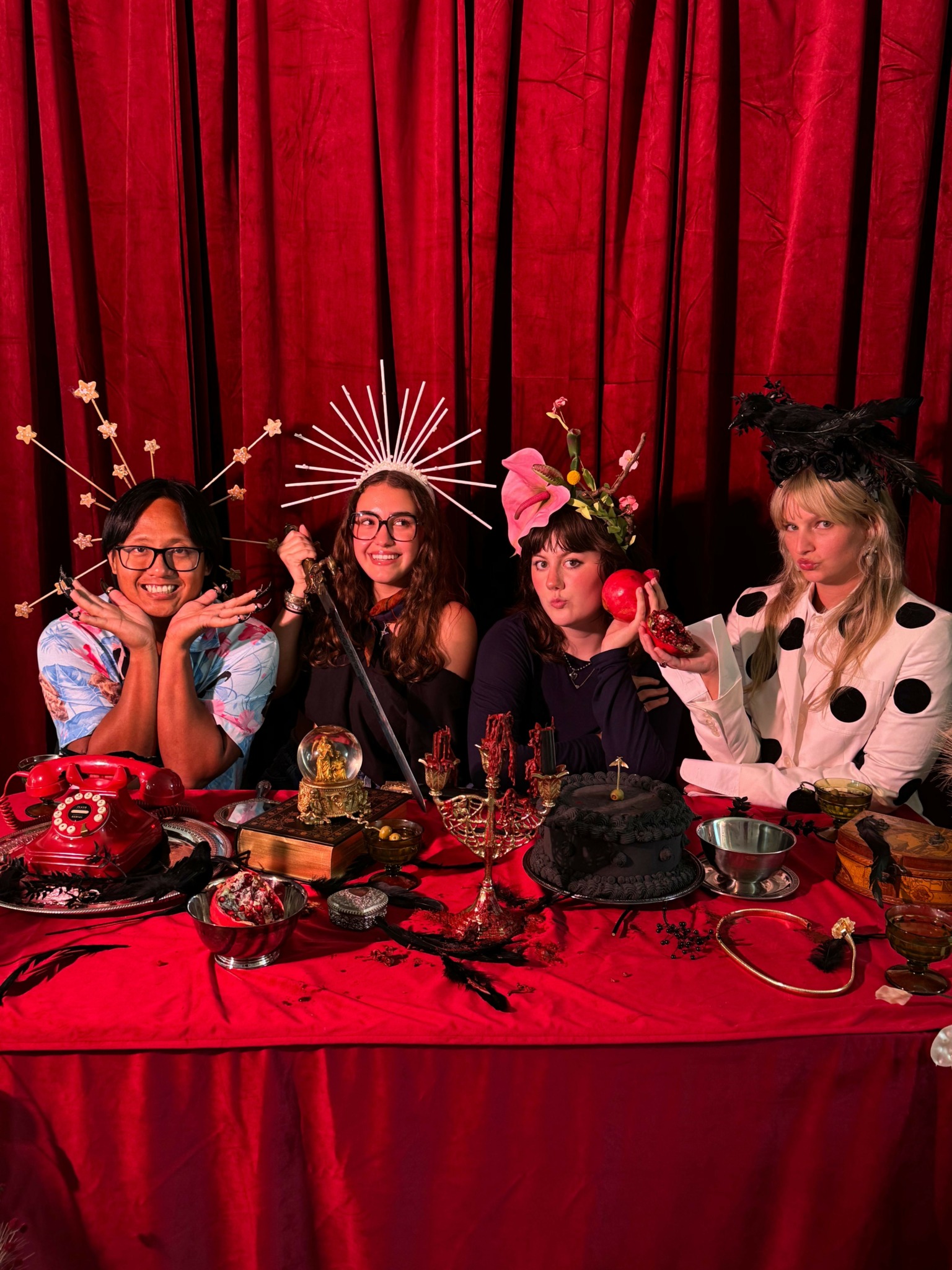
I am the most proud of my creative portraiture and my recent film-based endeavors. I don’t get paid to do this work as much, given that most of my demand comes from senior photos, branding shoots, headshots, and the like. Nonetheless, this work fuels me the most, and makes me feel the most satisfied/excited to keep creating! I always want to learn more, too, though it has become more difficult as I get deeper into 2 college degrees that have nothing to do with photography, haha!
Any advice for growing your clientele? What’s been most effective for you?
The most effective strategy for growing clientele, to me, is showing genuine care for the clientele that are already in front of you. Once you’ve built a sort of base, doing free shoots for neighbors and things of the like, make sure that you take care of them. People love to feel seen and attended to, and they will absolutely recommend you to the next guy if you prove that you’re a worthy source for your creative service.
I’ve never really promoted my work outside of my Instagram account, and most of my new clients come from word of mouth (or word of post, in the digital age). I like to think that my clients like me. And I like to think that it’s because I am nice and intentional. If you meet someone who says otherwise, tell them to come hash it out with me, because something is gravely wrong. So long as you are kind, prompt, and consistent with who you’ve been given, your clientele will grow on its own in a way! This also helps to build your reputation, and to bring returning clients.
Is there something you think non-creatives will struggle to understand about your journey as a creative? Maybe you can provide some insight – you never know who might benefit from the enlightenment.
One of the most difficult things for me is balancing my desire to create and to produce. The world we live in demands harsh deadlines, prompt turnarounds, and capital rewards. Though these aren’t always bad things, they can create a lot of dissonance in my head. I’m a full time student studying International Security and Spanish. Every day I have to choose whether to focus on my “real career” or my “fake career,” with both rewarding me equally in different ways. Both of these careers are absolutely necessary for me to feel fulfilled, but one of them demands a lot more of me. My creative work suffers as a result. I don’t feel like I will ever be able to fully harness my creative side, unless I completely abandon my studies and professional endeavors. The balance between the two sides leads me to believe that I will never master either –– you know the saying about the jack of all trades. This is something I’ve had to come to terms with. I’ve spent a lot of late nights ruminating to arrive at the conclusion that both sides are equally important to me… though a non-creative would likely think that my hobby/side-gig shouldn’t take up as much mental real-estate as my primary career field. It’s impossible to explain to someone who doesn’t know the feeling of fulfillment from creating beautiful and meaningful art, but I hope it makes a little bit of sense!
Contact Info:
- Website: https://cargalcamera.mypixieset.com
- Instagram: cargalcamera
- Facebook: cargalcamera
- Linkedin: https://www.linkedin.com/in/lauren-cargal-29218624a/