

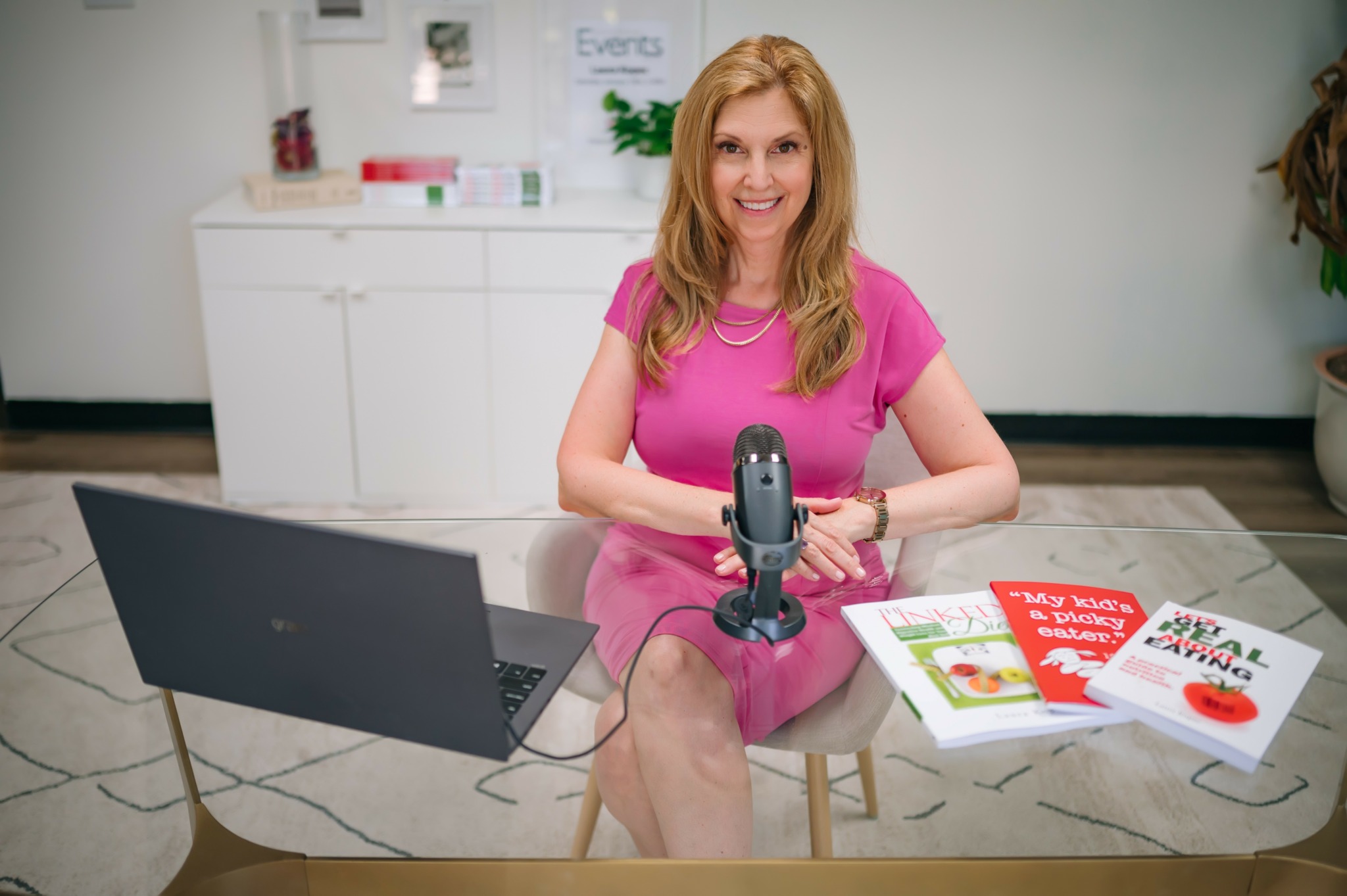

We’re excited to introduce you to the always interesting and insightful Laura Kopec. We hope you’ll enjoy our conversation with Laura below.
Laura, thanks for joining us, excited to have you contributing your stories and insights. Have you ever experienced a times when your entire field felt like it was taking a U-Turn?
Genetic testing entered a new frontier about ten or so years ago when mapping the genome led most people wanting to know their genetics. In functional health, where optimizing current health to help prevent future health issues led to the side of genetic testing called nutrigenetics or nutrigenomics. This type of testing isolated certain genetic markers called SNPs (pronounced snips) and determined whether they were down regulated which led to being referred to (incorrectly) as genetic mutations. Soon this became so popular that everyone wanted to know things like could they come down with Alzheimer’s or Celiac disease or Parkinson’s. Those of us using the information correctly, would let individuals know the test was not a diagnosis but a risk assessment. Meaning, anyone could have a marker or not and still be at risk for that illness or disease. So in the beginning with this growing side of functional health, it was cutting edge if you were testing. I was using 23andme raw data to determine a plan around genomic risks. Now, with the entire genome mapped and the data more extensive, there is limited use of these markers. Instead of focusing on the markers it is more important to focus on what is called epigenetics, which is essentially diet, lifestyle and microbiome (gut health) that cause a person’s genetics to behave optimally or sub-optimally. This is the most ideal way to consider our genetic makeup. Basically after all this fuss, we circle back around to “you are what you eat.”

Laura, love having you share your insights with us. Before we ask you more questions, maybe you can take a moment to introduce yourself to our readers who might have missed our earlier conversations?
I have an insatiable curiosity to figure out why the body goes into imbalance. In my twenties, I became so intrigued with the root cause of chronic issues and there was very little research on the subject. This led me to read passionately about gut health and other health as the world of functional health began to develop. Years later in my thirties, while I was in the profession of education I decided to change my career toward holistic nutrition. My continued passion about the subject and other areas around nutrition such as functional gut health led me to go back to school for a second master’s degree pursuing even more knowledge in holistic health and nutrition and I was hooked… not only on the constant development in the field but also how to grow in my practice as I watched the growing need for strategies and a functional approach to chronic issues. I am constantly amazed at what the body will and won’t do, and I continue to learn and grow as a practitioner and as a business owner. This includes hosting my own podcast called Health Matters with Laura Kopec, publishing several books including Let’s Get Real about Eating to bring more education and awareness to health, to bringing on a Nurse Practitioner into my office, as the need for an integrated approach to chronic imbalances as well as the pursuit of health and wellness continues to be in great demand. We see mostly women, facing hormonal imbalances (which is actually a functional systemic issue and is better handled in that arena), fertility and other chronic issues which really do make more sense in an integrated functional approach. Autoimmune, chronic digestive issues, stress conditions like adrenal fatigue are addressed in a comprehensive whole body approach. It is very satisfying to help educate women on a different way of thinking, testing and caring for their hormones whether their goal is optimizing their peri or menopausal years, their fertility or prenatal/breastfeeding health or take on their autoimmune which is a part of how their whole body’s immune system is behaving. We use a number of strategies from nutritional supplements customized to their functional panels, diet and lifestyle recommendations along with other more involved strategies such as IV infusions or injections like Vitamin D or B12. Each person is considered as a whole, not only for the health goals they want to achieve but how their body is telling us what is out of balance and what should be addressed. After seventeen years in business, I am privileged to continue to do a job that inspires me to keep learning, growing and serving others in their quest for a better quality of their lives.
How do you keep your team’s morale high?
One of the most important ways to stay positive in this field, is to understand that as a practitioner, you are not responsible for other’s successes or failures in their health. We have the privileged of witnessing the body when put in a certain place, can do amazing things. Whether this success happens or not, it is our place to be an educator, a listener, and offer strategies to help them navigate their health. Often times people have a certain amount of personal responsibility that goes along with addressing their body’s imbalances such as making a dietary change, and that can be a challenge for some people. Supporting them can feel overwhelming, and it is important to stay focused on the power of the information we bring to others rather than what they do with the information.
Other than training/knowledge, what do you think is most helpful for succeeding in your field?
Many people in healthcare are drawn to this profession because they want to help people. The side of business that is analytical and requires a lot of meticulousness is not often in the wheel house of those wanting to work with people, but it is just as important. I truly recommend training in operations and management and learning about communicating as much as you can. I have taken the approach that having a smoothly operating business is just as important for someone’s health as the support they get from any one practitioner. This includes understanding that your support staff is just as important as anyone else and all employees deserve attention. When the community you cultivate and the operations system it runs under is cohesive then the culture in the office is a much healthier environment. If health is your goal, then not only the health of those you serve, but the environment it all happens in, is just as important.
Contact Info:
- Website: www.kopecfunctionalwellness.com AND www.laurakopec.com
- Instagram: https://www.instagram.com/kopec_functionalwellness/ AND https://www.instagram.com/laurakopechealth
- Youtube: @laurakopec