

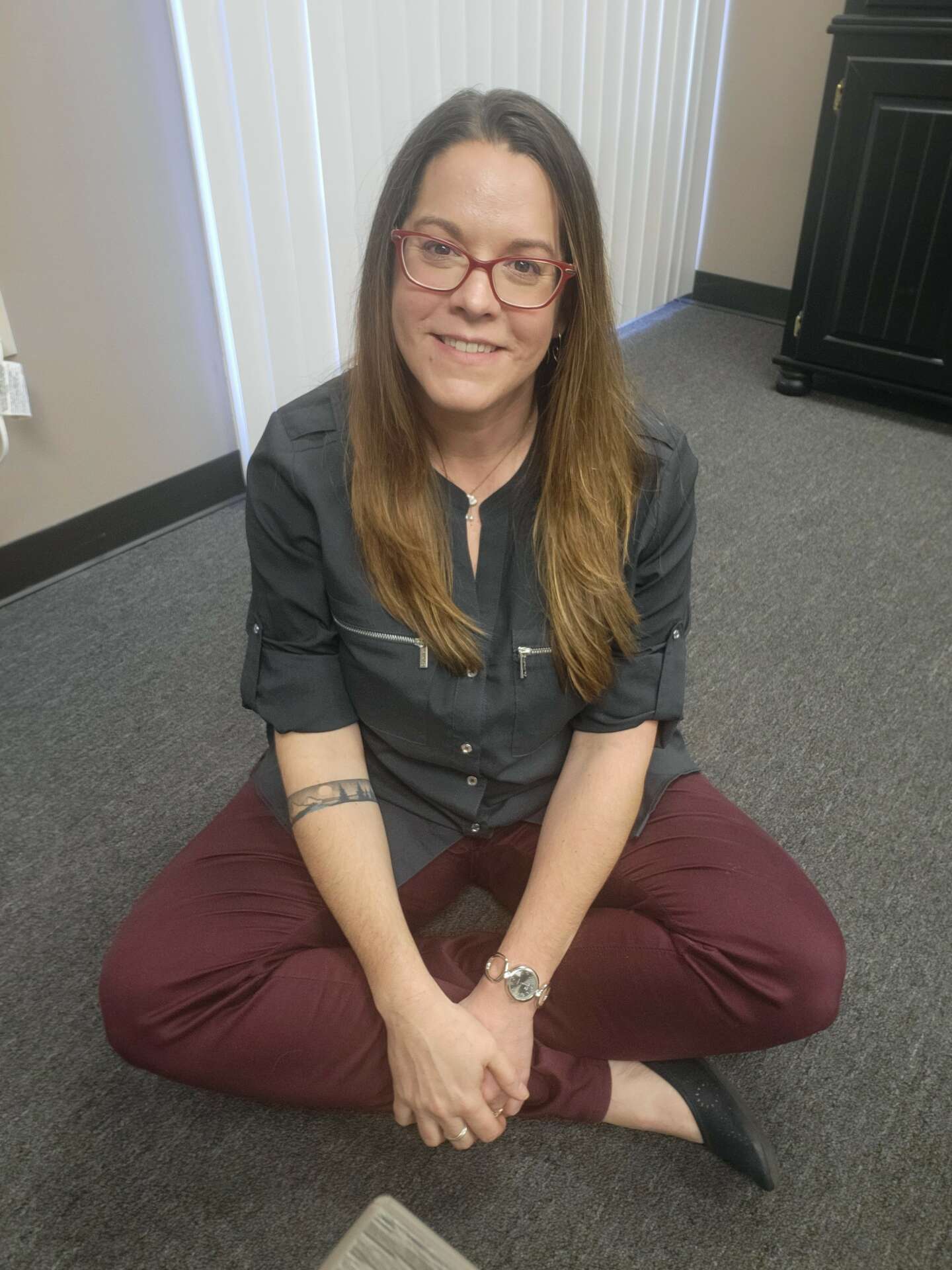

We caught up with the brilliant and insightful Laura Holden a few weeks ago and have shared our conversation below.
Hi Laura, thanks for joining us today. We’d love to hear the backstory of how you established your own practice.
In January of 2020, after spending many years on the Oregon west coast, my husband and I decided it was time to return “home.” With intentional planning and commitment to adventure, we secured jobs in our respective industries, but even with all our detailed planning, we could not have predicted COVID-19 and all it entailed.
Initially, we panicked with everyone else, then kicked in to crisis management. After we figured out grocery shopping and whether Home Depot trips were considered “essential”, I was able to consider next steps professionally. Opening a private practice had always been on the “someday list,” so why not now, during a global pandemic.
True Course Counseling started with two offices, one full time therapist (me) and one part time therapist. We figured out how to share the space so we would never see each other and our clients would have dedicated, safe, and private waiting areas. Once each week, my colleague and I would check in via ZOOM to work out logistics as guidelines changed and check in on each other. For 18 months we operated like this.
Three years later, True Course Counseling has 5 therapy rooms, 1 group room, and a sizable lobby that can be shared. We have 5 therapists (both full and part time) and 3 interns. We keep growing, all because of a pandemic.

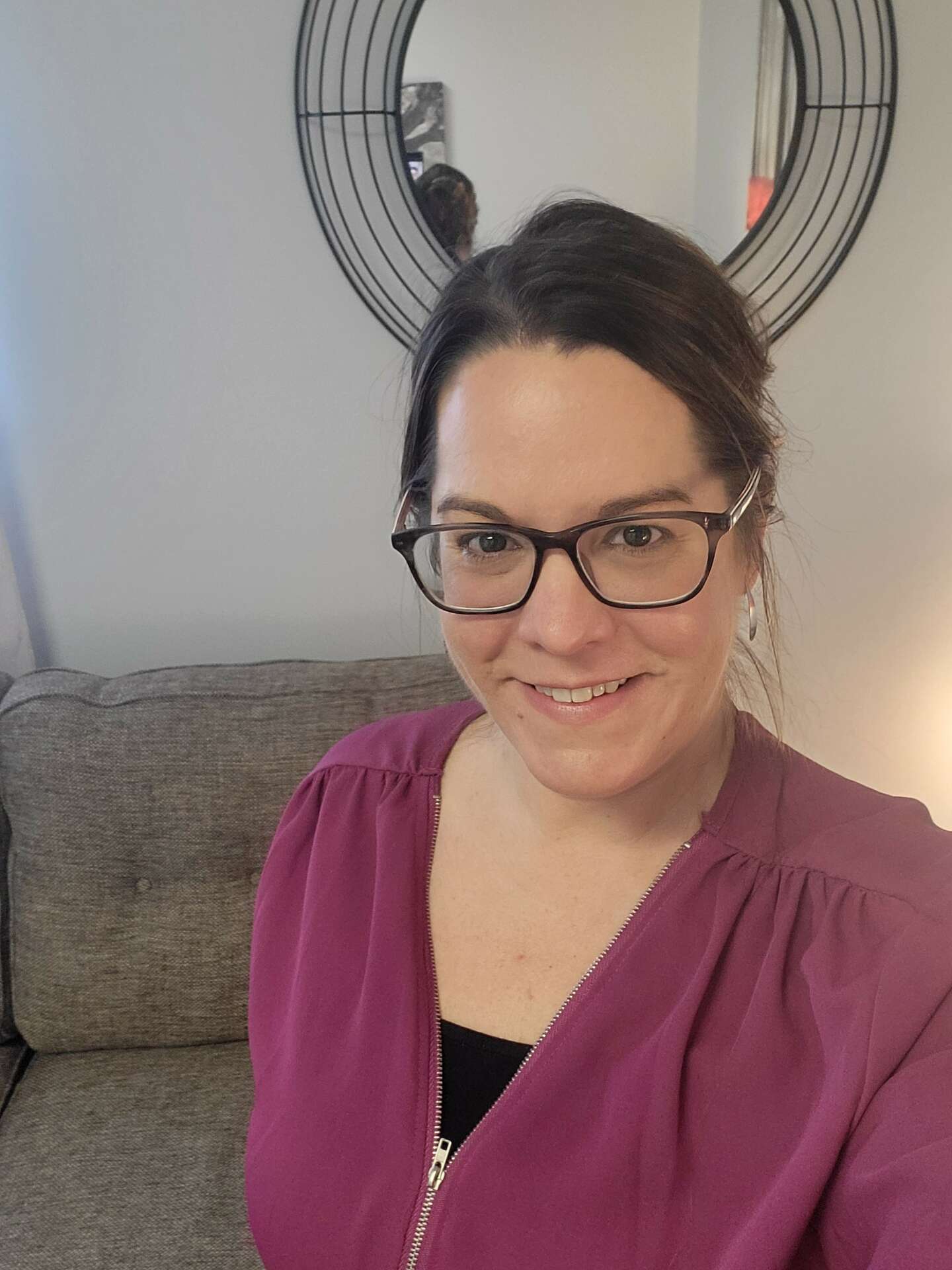
Awesome – so before we get into the rest of our questions, can you briefly introduce yourself to our readers.
While in college, I took a summer job at the local mental health agency. They offered a program that took kids to the mountains for two weeks at a time to work on themselves, learn self-reliance skills, and heal. Unexpectedly, I, as staff, ended up working on myself, learned self-reliance skills, and found healing in the woods. I saw the change it made in these kids and I felt the change it made in me.
The next semester, I enrolled in classes that would amplify my calling to counseling. After obtaining my B.A., I enrolled in graduate school to become a mental health therapist. Throughout this time I stayed connected to the camping program staff and worked the program for several more years.
As the owner of True Course Counseling I have two main priorities: Client care and Staff care.
We understand everyone deserves to be heard and understood. We employ diverse, competent, compassionate professionals who are excited about their work. We make ourselves available to individuals experiencing a wide range of struggles and issues. We operate in a constant state of learning and curiosity, never assuming one approach works for every situation. As the industry grows, so do we.
Staff care is essential. Intentionally, most of our staff come from high stress agency care jobs. True Course Counseling is designed to be healing to our therapists as well; a place to do good client work and remember why we got into this profession in the first place. As our therapists return to the “why,” we see an increase in client and employee satisfaction. I am proud of my team. I am proud of the impact they do for our community and our clients.
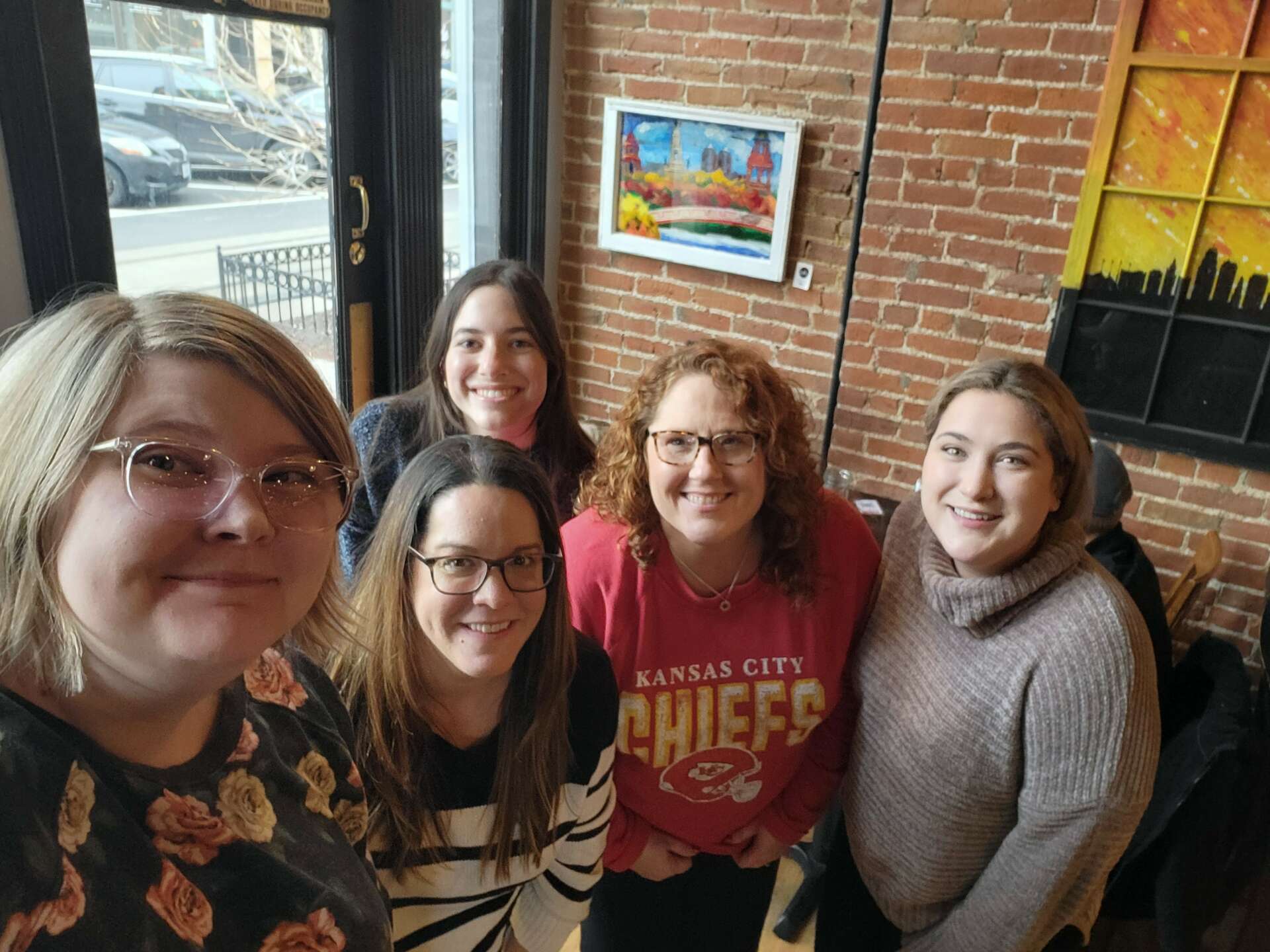
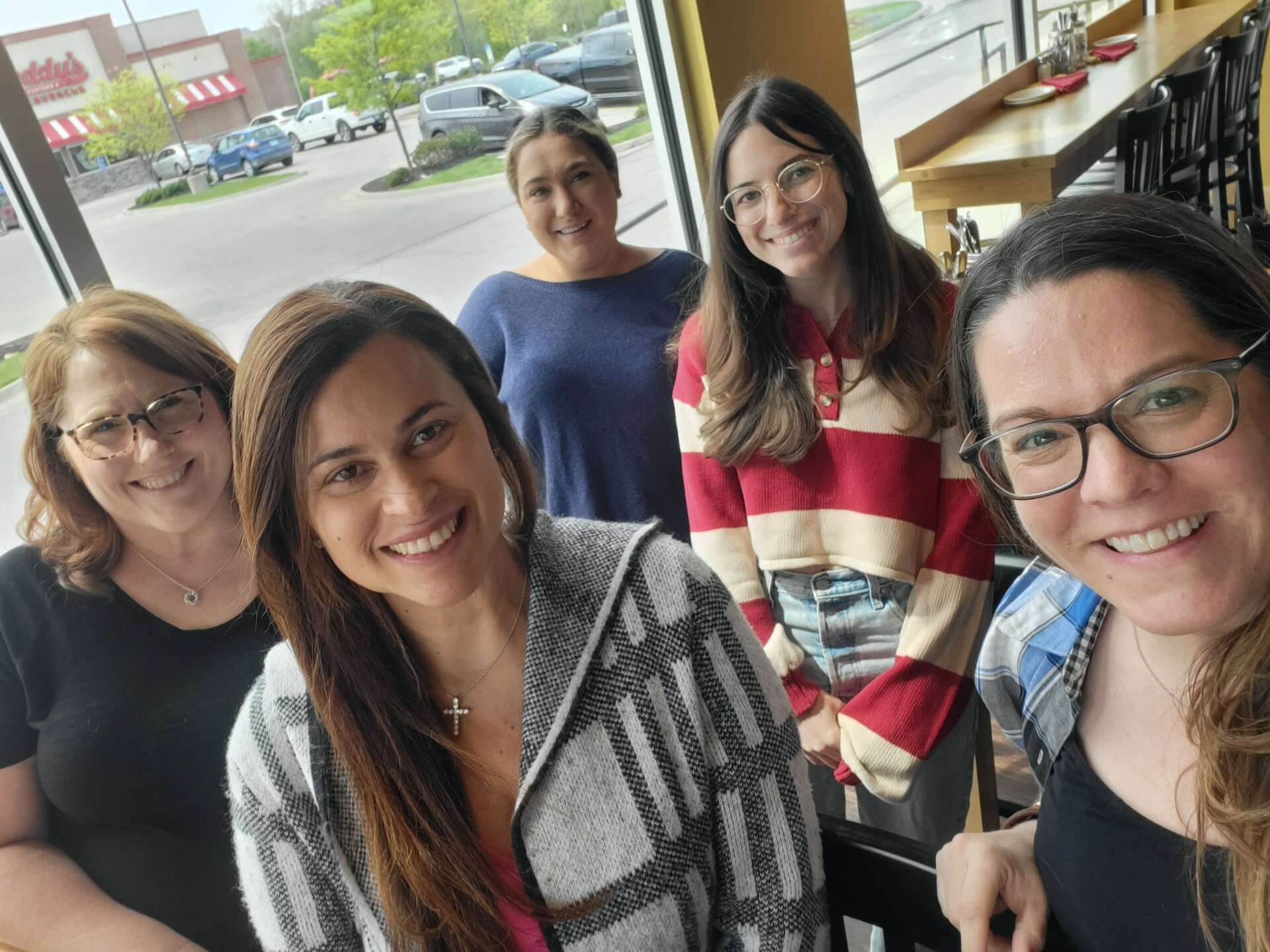
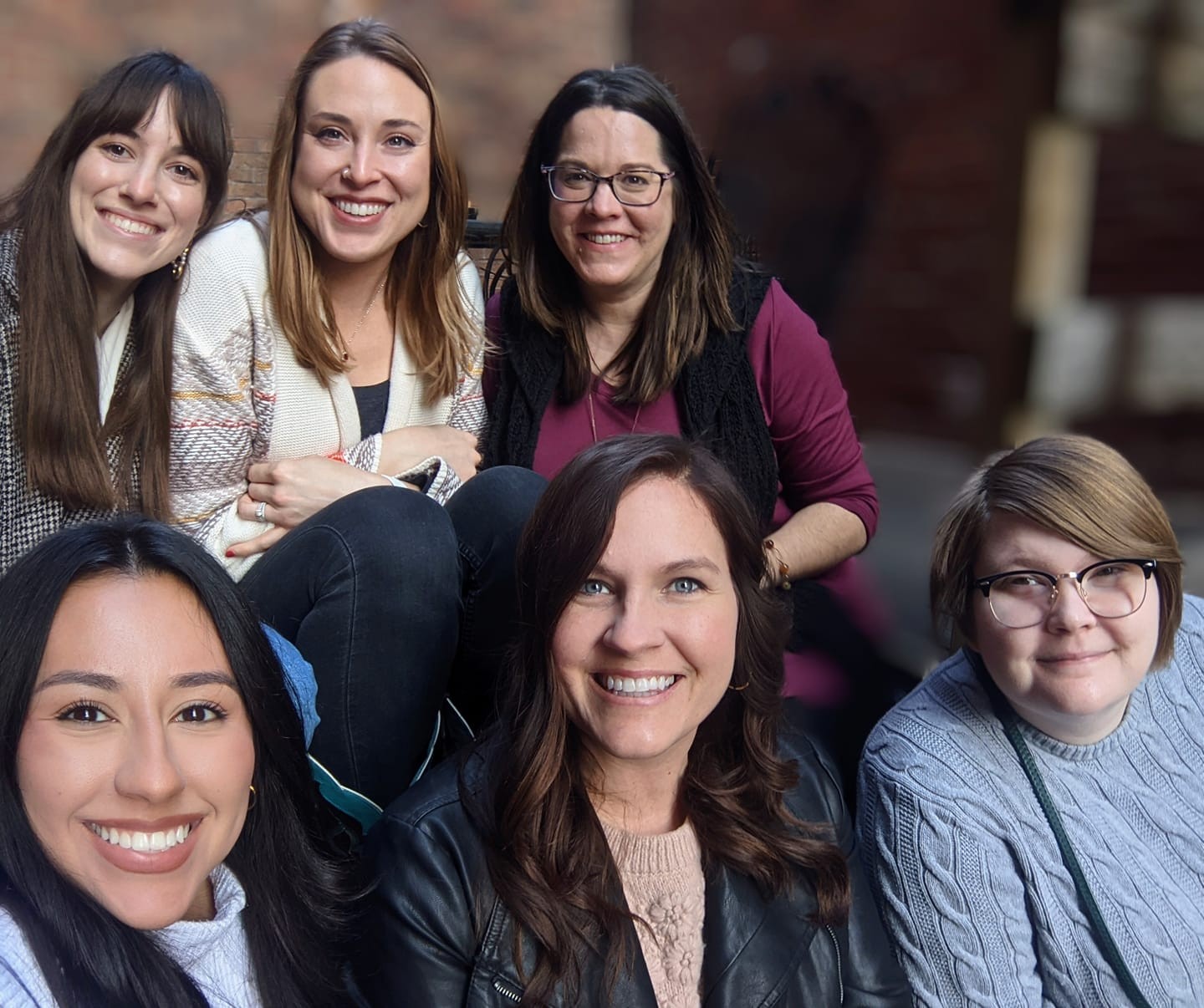
How do you keep your team’s morale high?
Connection and feeling heard are two of the most important components of team morale. In this world of high tech relationships, ZOOM meetings and video conferencing, personal connection can get lost. Our voice can get lost. As a leader, I prioritize in-person consultations, impromptu office conversation and after-hour events to promote relationships and connections. This also offers a valuable opportunity for our staff’s voices to be heard, prioritized and valued.
What’s a lesson you had to unlearn and what’s the backstory?
I had to unlearn that there is not an answer for everything and closure is a myth.
The unexpected death of a colleague many years ago left me and my team, shaken, uneasy and lost for a time. Together, we attempted to understand the “why” of what happened. How do we prevent this from happening again? How do we move on? Through our collective process we discovered life is complicated, people are complicated and “moving on” is actually just another term for finding a “new normal.”
In finding and experiencing this “new normal” I, or rather we, found we did not need to understand the “why” in order to find healing.
Contact Info:
- Website: https://yourtruecourse.org/
- Instagram: truecoursecounseling
- Facebook: True Course Counseling
- Twitter: @yourtruecourse
Image Credits
Laura (Holden) Pommier