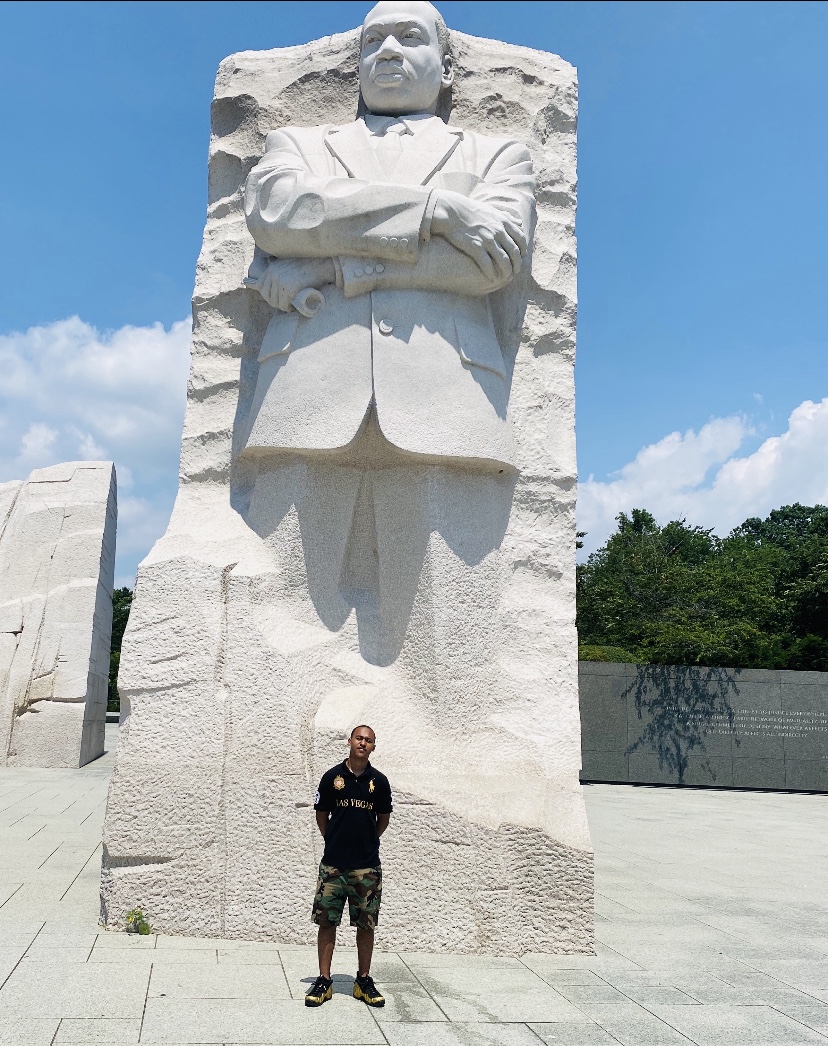
We’re excited to introduce you to the always interesting and insightful Larry West III. We hope you’ll enjoy our conversation with Larry below.
Larry , looking forward to hearing all of your stories today. What did your parents do right and how has that impacted you in your life and career?
What my parents did right was prepare me for adulthood early and intentionally. They did not wait until I was “figured out” to start investing in my future; they began building the foundation while I was still becoming myself.
For my 18th birthday—the same year I graduated high school—my mother established an LLC in my name. That decision shifted my mindset immediately. I was no longer just thinking about getting a job; I was learning how to operate as a business, understand ownership, and take responsibility for my financial footprint. That early exposure to entrepreneurship taught me structure, discipline, and long-term thinking, and it has continued to benefit me financially in more ways than one.
My father focused on a different but equally critical lane: credit. Shortly after I turned 18, he added me as an authorized user on his credit cards and taught me how personal credit works. Because of that, I entered adulthood with a strong credit profile instead of starting from zero. That advantage has opened doors—lower interest rates, better financial options, and a level of stability many people my age do not have yet.
My mother has also played a central role in my academic journey. She has guided me in choosing my college degree, helped me navigate the higher-education system, and actively assisted me in pursuing scholarships. She made sure I understood that education is not just about attending college, but about leveraging it strategically.
Both of my parents consistently push the importance of higher education, especially for me as a young Black man. They are honest about the statistics and intentional about helping me beat them. Their expectations are high, but so is their support.
Even though my parents were teen parents, I am blessed to have them. They turned their experiences into lessons, and their guidance has given me a financial, educational, and mental edge that I will carry forward for the rest of my life.
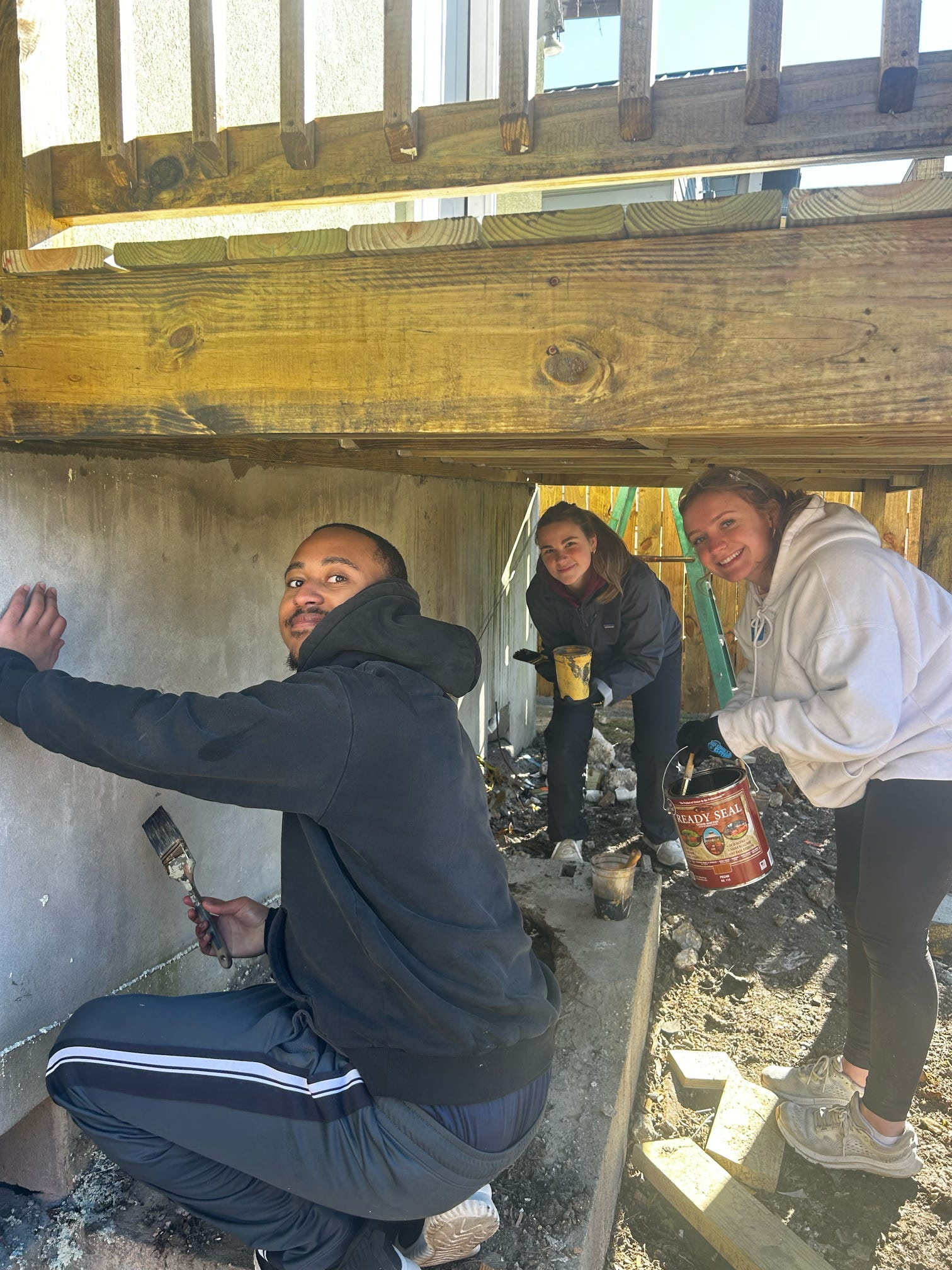
As always, we appreciate you sharing your insights and we’ve got a few more questions for you, but before we get to all of that can you take a minute to introduce yourself and give our readers some of your back background and context?
For those who may not be familiar with me, I am an emerging entrepreneur and fiduciary-focused business professional building a long-term career at the intersection of finance, law, and economic systems. My work is grounded in early exposure to ownership, financial literacy, and strategic thinking, and it is driven by a clear commitment to integrity, accountability, and wealth stewardship.
My entry into business began intentionally. At eighteen—during the same year I graduated high school—my mother established an LLC on my behalf, introducing me early to entrepreneurship, compliance, and operational responsibility. That experience shifted my mindset from consumer to owner and gave me firsthand exposure to how businesses are structured, governed, and sustained. At the same time, my father helped me begin building personal credit immediately after I turned eighteen by adding me to his credit accounts and teaching me how credit functions as a financial tool. That early foundation has benefited me in multiple ways and positioned me ahead of the curve financially.
My primary focus is fiduciary business—work centered on trust, responsibility, and the ethical management of assets and interests. That focus directly informs my academic path. I am currently pursuing an undergraduate degree in accounting to establish a strong technical foundation in financial reporting, analysis, and compliance. Following completion of my bachelor’s degree, I plan to enter an accelerated Master of Business Administration program to deepen my leadership, strategy, and organizational expertise.
From there, my long-term academic vision includes a PhD in economics and business law, followed by a Juris Doctor pursued as part of a dual-degree trajectory. This combination reflects my interest in understanding not only how financial systems operate, but how they are regulated, governed, and leveraged within legal and economic frameworks. My goal is to operate at a high level of fiduciary responsibility, where financial acumen, legal knowledge, and ethical judgment intersect.
In parallel with my education, I am developing an entrepreneurial venture that is currently in the grassroots stage. While still early, this business serves as a practical laboratory where I apply what I am learning in real time—testing ideas, understanding risk, and building operational discipline from the ground up. I view this phase as critical infrastructure-building rather than immediate scale, and I am intentionally focused on sustainability, compliance, and long-term value creation.
What sets me apart is the intentionality behind my preparation. Both of my parents strongly emphasize higher education, particularly in light of the statistical barriers facing young Black men. They are clear that education, ownership, and financial literacy are tools for beating the odds, not abstract ideals. Even though my parents were teen parents, I am blessed to benefit from their foresight, discipline, and insistence on excellence.
I am most proud of building a foundation early—academically, financially, and professionally—and of committing to a path that prioritizes responsibility over shortcuts. What I want readers, mentors, and future partners to know is that my brand is built on trust, long-term thinking, and disciplined execution. I am not chasing trends; I am building capacity.
This is the beginning stage of a career designed for stewardship, leadership, and lasting impact.
Can you open up about how you funded your business?
The initial funding for my business came directly from myself and my mother. We did not have access to outside investors, institutional backing, or the kind of early-stage capital that is often extended to others. Like many entrepreneurs of color—especially at eighteen years old—we were not afforded the same privileges, assumptions of credibility, or access to funding opportunities.
Because of that reality, we self-funded. The capital came from our personal expenses, redirected intentionally toward building the business. We made conscious trade-offs—choosing to invest in ownership and infrastructure rather than short-term comfort. There was no separation between “startup money” and real life; they were one and the same.
And we paid in more ways than one. The investment was not just financial. It was time spent learning systems we were never taught, effort poured into compliance, planning, and execution, and money allocated carefully to cover only what was essential. Every filing fee, every operational decision, every hour invested carried weight because the margin for error was thin.
This approach shaped how I view capital. When you have to earn, protect, and deploy every dollar yourself, you develop discipline early. You learn stewardship. You learn how to build without waste and how to value sustainability over speed.
The grassroots stage of my business reflects that reality. It was not launched on privilege; it was built on commitment. And that foundation—formed through time, effort, and money—continues to guide how I grow, scale, and lead moving forward.
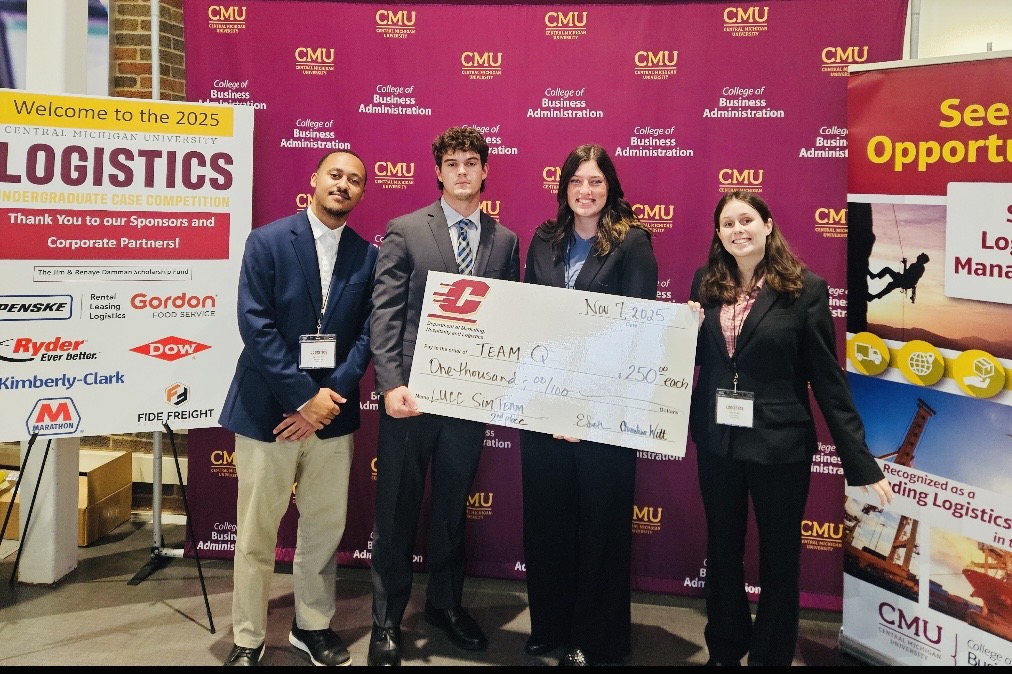
Let’s talk about resilience next – do you have a story you can share with us?
A defining example of my resilience occurred when I entered my undergraduate university and encountered an unexpected institutional barrier that tested both my resolve and my understanding of how systems actually function.
Upon transferring into the university, I was informed that seventeen of my previously earned academic credits would not be accepted. Those credits represented not only time and effort, but a financial loss of approximately twenty thousand dollars. For a student already navigating higher education without excess resources, that loss was significant.
I did not accept the decision quietly. I challenged it through the university’s internal processes and escalated the matter to the institution’s Civil Rights Department. When that avenue failed to produce relief, I contacted the United States Department of Education’s Office for Civil Rights. Despite following every available channel and advocating persistently, the outcome did not change.
What mattered most, however, was what happened next.
That experience did not stop me. It sharpened me. It was a wake-up call—an early, firsthand lesson in how systemic and structural barriers, including racial bias, can operate within institutions that publicly claim fairness and equity. Seeing that reality clearly could have led to disengagement or disillusionment. Instead, it strengthened my commitment to continue.
I chose to keep going—academically, professionally, and personally. I completed my coursework, remained focused on my long-term goals, and refused to allow an unjust setback to derail my trajectory. The experience deepened my understanding of why education, financial literacy, and legal knowledge matter—especially for young Black men navigating systems not built with them in mind.
That moment fundamentally shaped how I approach challenges today. When institutions fail, I do not fold. I adapt, document, and move forward with greater awareness. Resilience, for me, has meant recognizing injustice without internalizing it, and continuing to build despite it.
That lesson continues to inform my academic path, my fiduciary focus, and my entrepreneurial mindset.