



Alright – so today we’ve got the honor of introducing you to Larissa Paes. We think you’ll enjoy our conversation, we’ve shared it below.
Larissa, appreciate you joining us today. It’s always helpful to hear about times when someone’s had to take a risk – how did they think through the decision, why did they take the risk, and what ended up happening. We’d love to hear about a risk you’ve taken.
I was born and grew up in Brazil, an amazing country full of joy however also very dangerous in many ways, with street violence being a part of daily life that we have to be always aware of. Because of that, it’s always been a dream to live somewhere else and explore the world. My family didn’t have a lot of money, it took us a while to be able to afford most things, around the time I was a teenager is when I saw the change happen. I started inline speedskating when I was 13 years old and have been traveling to competitions worldwide since I turned 15. Before that, my parents had never left the country. Being an athlete is definitely not easy, but there are many amazing moments and experiences that come with this lifestyle.
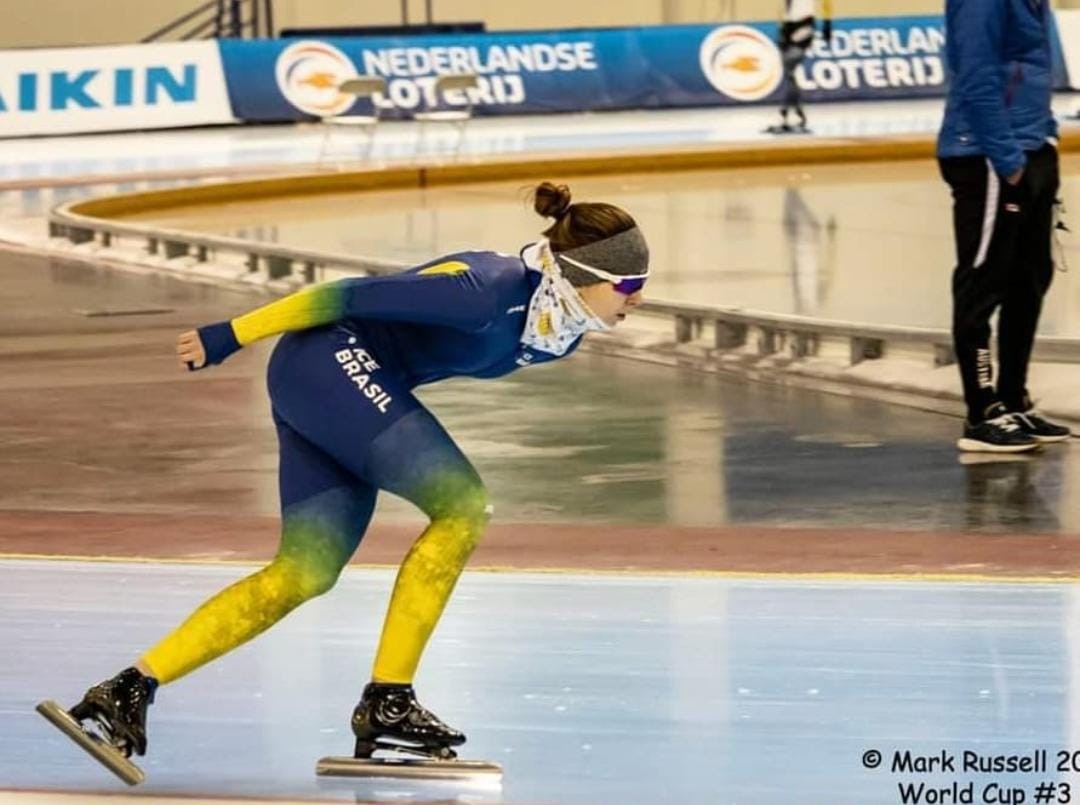
In 2018, after turning 23, I tried ice speedskating for the first time. It felt like a completely different sport and it truly is. I was offered tickets by my federation to come to the United States and start training on ice aiming the Winter Olympics.
It sounded like a great opportunity but also I knew it would be extremelly challenging.
Switching sports, leaving my family, friends and hometown behind to spend 6 months in an unknown city with strangers, it all felt very uncertain and scary.
Still, I took a chance and trusted that I’d learn to handle this new scenario. I was right to be scared, it for sure wasn’t easy to adjust to a new culture while trying to learn a new sport, there were many times I wanted to give up and go back.
For a while I felt like I didn’t belong, it was hard to always have to ask people for favors, there was a lot of loneliness in being the outsider.
Now, 4 years later, I’m back in Salt Lake City and have been living here for a while with the same set of athletic goals, but surrounded by friends, a routine, a job, car, many things that I didn’t even think I’d be able to achieve. Looking back to where I came from, it’s been such a long way, I can only be proud. I’m very thankful for the version of myself that took that risk and pushed through the rough times no matter how chaotic things got.
Today I’m living the life of my dreams and have a new place in the world that I can call home.

Larissa, before we move on to more of these sorts of questions, can you take some time to bring our readers up to speed on you and what you do?
I started inline skating when I was 13 as a way of doing some physical activity. It slowly turned into a huge passion for being an athlete and for the sport itself. At 23 I started ice speedskating and have been dedicating to it since. I’m the first Brazilian to ever compete at a Speedskating World Cup, and the only female ice speedskater for my country.
My biggest passion is to work hard towards my goals and inspire others.
Let’s talk about resilience next – do you have a story you can share with us?
Last year I went through what we can call a series of unfortunate events. After my dog’s death, I went through a very emotional breakup, had to move out and find a new place when I had nowhere to go, I had no car so I had to urgently find a way to make money and a couple weeks later found out that my resident visa had been denied, which meant I couldn’t travel to the events that qualified to the Winter Olympics, and might even be at risk of being deported. Not long after, I also got covid and had some really bad symptoms.
I was broke, hopeless and had no motivation to keep training as I already knew my Olympic dream was unachievable. All I wanted everyday was to leave and go back to Brazil.
However there was a tiny part of me that knew that if I did that, I wouldn’t be able to come back. It would mean to completely give up. That little corner of my soul that still wanted to keep fighting made me stay and train everyday.
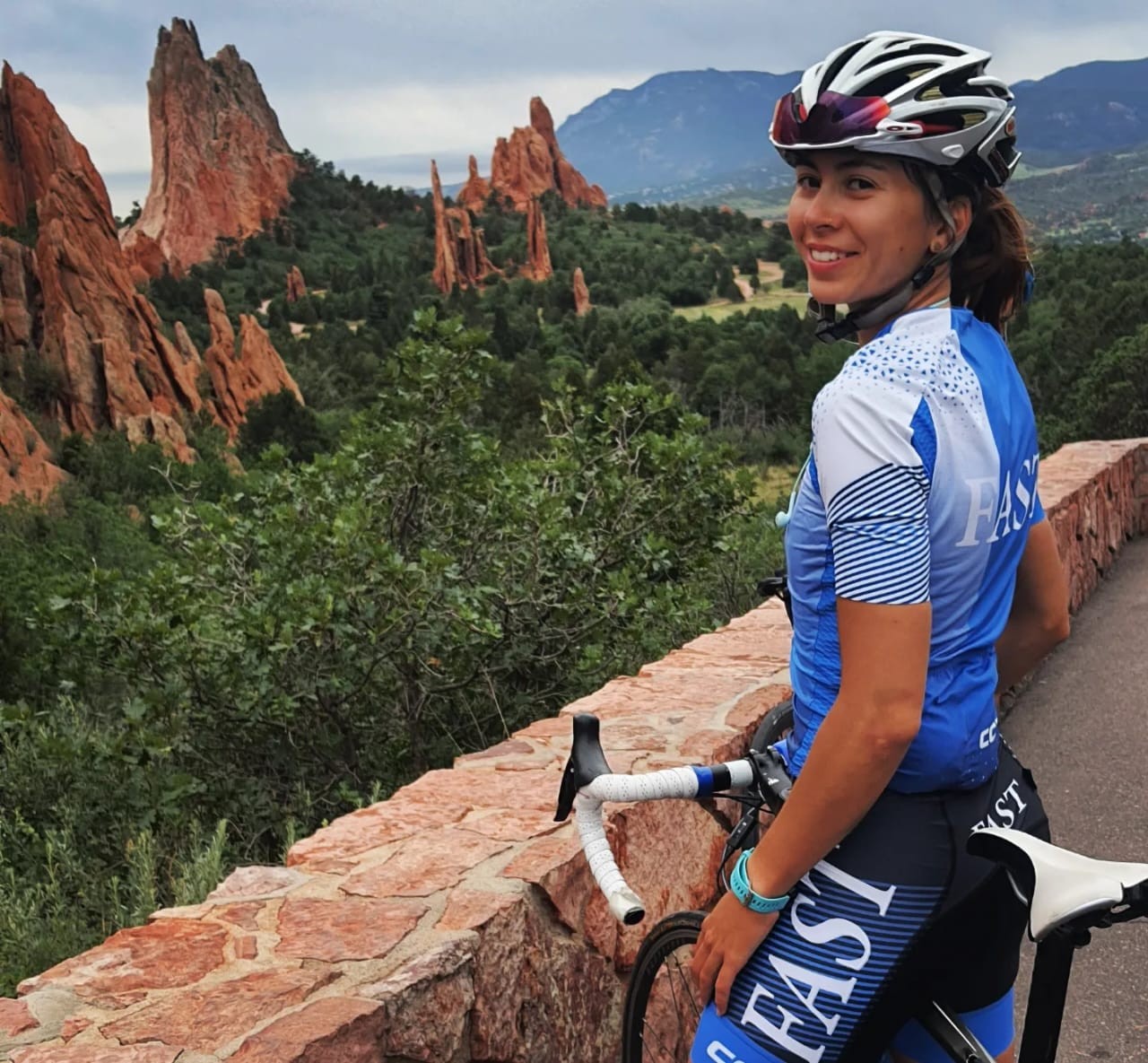
I started to slowly rebuild my life, fighting the crushing depression that hit me everyday. I kept training, using my bicycle to go to places, and asked my family to help me financially until I could get back on my feet. It was about 3 months of very hard struggle until things started getting better.
I got an offer to work as a commentator for a Brazilian TV channel during the Olympics, which was perfect because I could do it remotely, then later got a temporary work permit from U.S. immigration, was able to get a car and a job.
Now I’m actually much happier with my life and the way everything worked out.
No matter how tough it was to keep training, I’m glad I did. The ability to keep going even when everything is falling apart is often rewarded with even more positive things than before.

Training and knowledge matter of course, but beyond that what do you think matters most in terms of succeeding in your field?
It seems to me that a very important step to success in any field is to trust the process and keep working even when you don’t see results for what it feels like a very long time. Trying different approaches, asking for help, doing whatever it takes to keep moving forward even when you see no hope is definitely worth it in the end.
Contact Info:
- Instagram: @lari_atleta
- Facebook: https://www.facebook.com/atletalarissa