

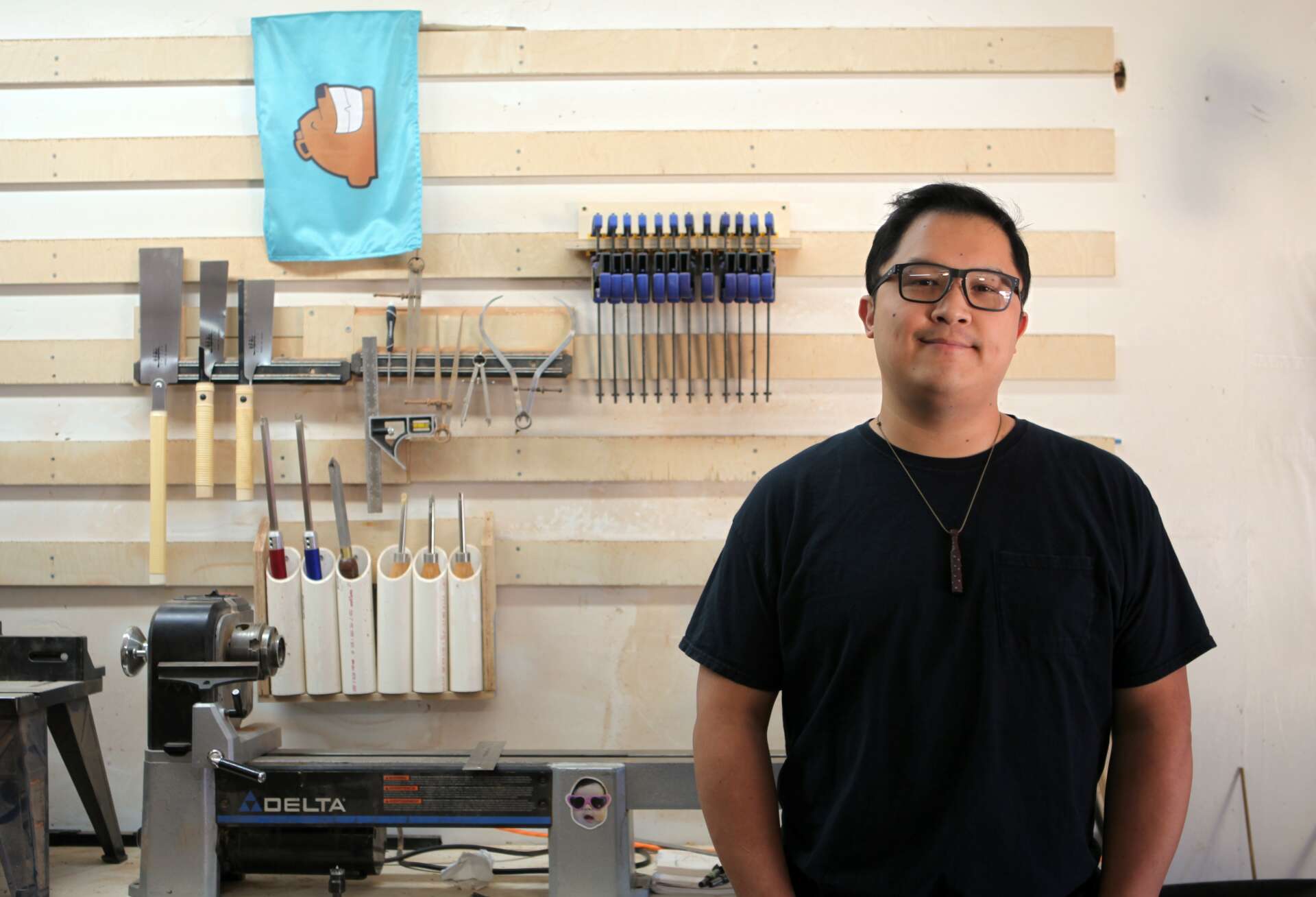

We caught up with the brilliant and insightful Lap Ngo a few weeks ago and have shared our conversation below.
Lap, looking forward to hearing all of your stories today. Learning the craft is often a unique journey from every creative – we’d love to hear about your journey and if knowing what you know now, you would have done anything differently to speed up the learning process.
I have no formal training, I never took a class as a kid. I was lucky enough to acquired some basic tools here and there throughout my life, some from my dad, some from thrift stores, and some great hand tools from the swap meets in my area. From there I started doing more functional projects. Oh the garage needs a stepping stool? I got some 2×4’s, and miter saw and some screws. That pantry needs a raiser? i have some thin stock, and some thick dowels. Very functional, but uglier than birthday cake dropped from 3 floors up.
Slowly I added detail to make the pieces a little more aesthetically pleasing. A little bit of paint or stain, figuring out how to hide the nails and screws. breaking the edges so the piece didn’t look or feel so harsh/sharp. At one point a friend asked me to make them a small table for their breakfast nook, I decided that I would have to up the aesthetics. The build was still very simple, but I needed to make it look presentable. So I started research on designs, using Pinterest. I settled on a Chevron pattern for the table and went to work. At a certain point I couldn’t quite get something to do what I wanted it to do, so I went online to find the solution. I ended up finding a video that showed me how to do it, but I didn’t have that specific tool to do it. long story short, I picked up my table top belt sander and used it as a handheld one.
From that project on, whenever I got to a point where I wasn’t sure what my next step should be I used YouTube to look up instructions and techniques, I would watch these videos at 2x speed so that I could see the techniques would work for each new project. The videos were very informative, and even if those techniques weren’t exactly useful for my current project, I would keep them in the back of my mind for future project. I would eventually get to a point, where videos from the internet were harder to come by for specific situations.
After getting some basic knowledge on wood working, I started collecting books. Books about box making, cutting board making, finishing, joinery, etc. I now have a little reference library now. I made friends at my local wood source, so if I can’t figure something out on my own, I take a trip out there with some pastries from a local bakery and spend some time picking their brain. That’s basically how I learn the skills I needed to continue the projects. Doing it myself, internet videos, books, then people.
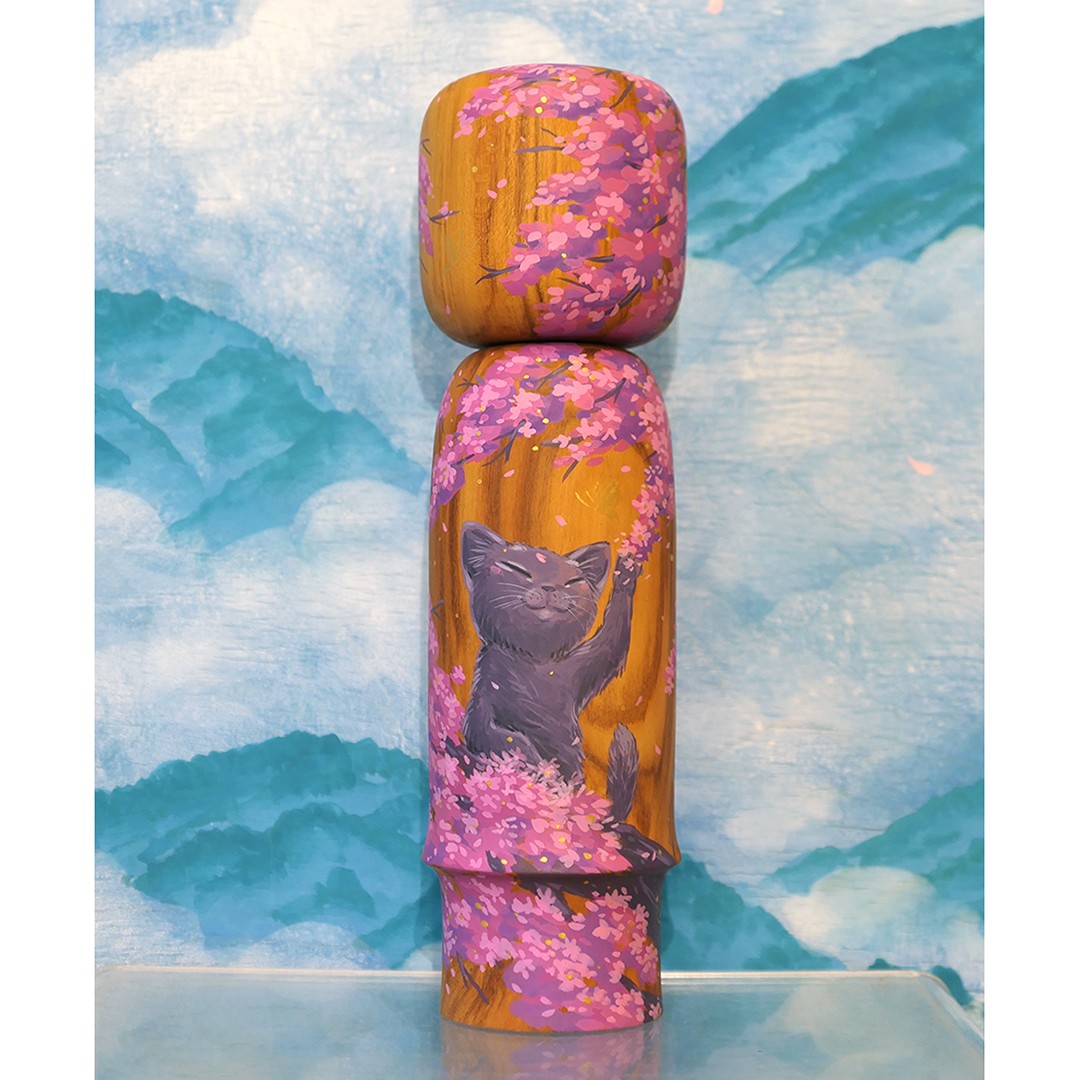
I have problems with motivation sometimes. I will start a project, and because it’s just a personal project, I wont finish it. So I reached out to a wonderful artist friend, JP Neang, and talked to her about possibly collaborating. I pitched an idea of doing an artist candle. She would do the design, and I would create packaging, and another friend would make the candles. We talked out the details and once everything was settled I started working on these wooden boxes that would hold the candles. The whole process was definitely no smooth at all, but since it was a collaborative project, I needed to stay motivated and follow through. In the end it was a success, and the thing I took away from this experience is that if i want to force myself to finish a project, it helps to be part of a team. This lead to last years Custom Kokeshi Show, and this years Custom Vase show, where I collaborate with artists for an end of the year show, featuring my woodworking as a canvas for the artist to customize.
Great, appreciate you sharing that with us. Before we ask you to share more of your insights, can you take a moment to introduce yourself and how you got to where you are today to our readers.
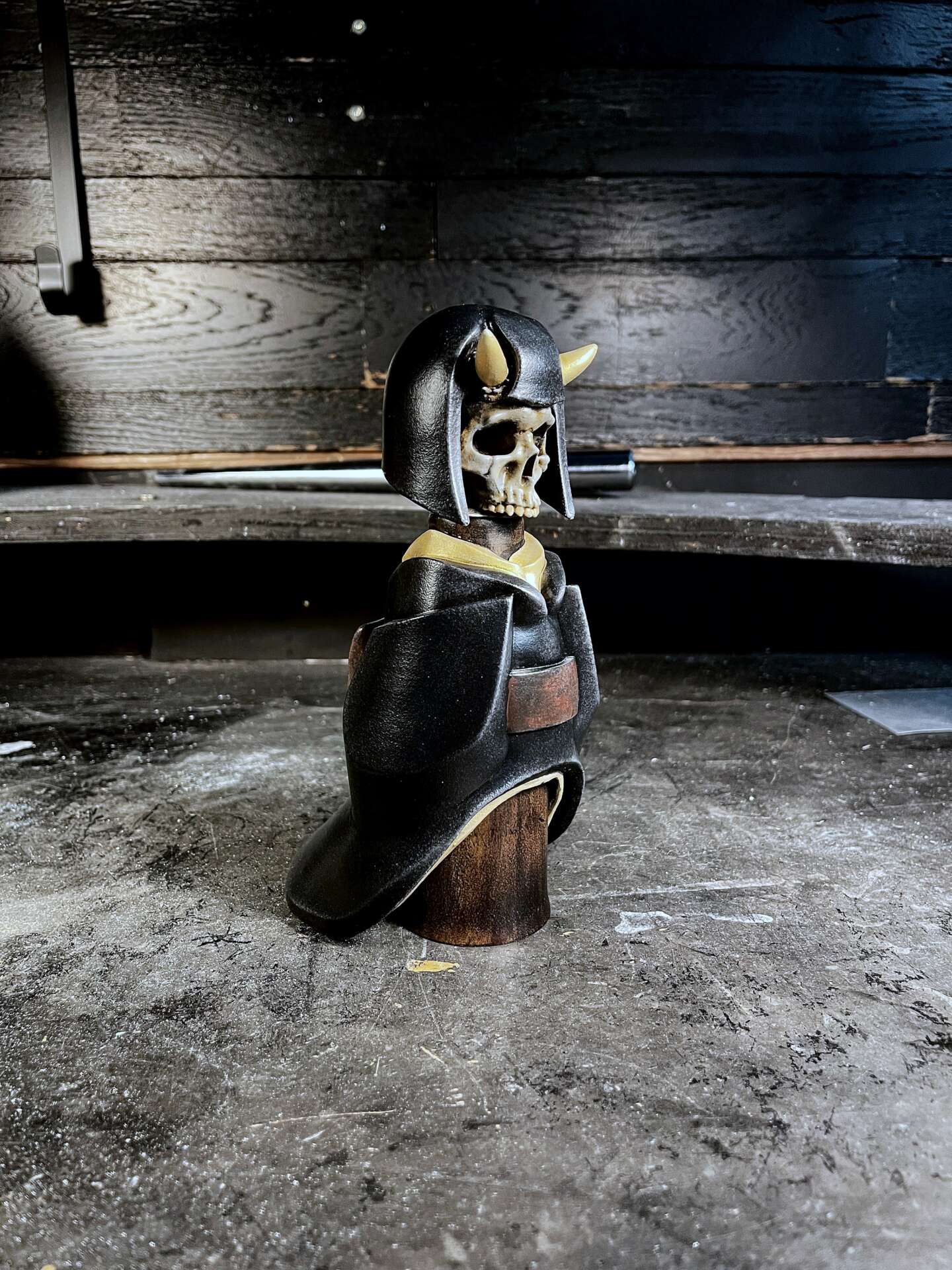
My name is Lap, I own and run KnocksOnWood. Originally a wood figure production company focused on producing wooden figures for artist in the toy art scene. We have taken a step back from that at the moment for various reasons, but hope to be able to get back into making limited production runs soon.
Ive been in the toy art scene since 2009, and ever since then I have been trying to find ways to contribute to the community. Once I got into woodworking, I kept thinking of ways to integrate it into the toy art scene, and that’s what gave birth to KnocksOnWood.
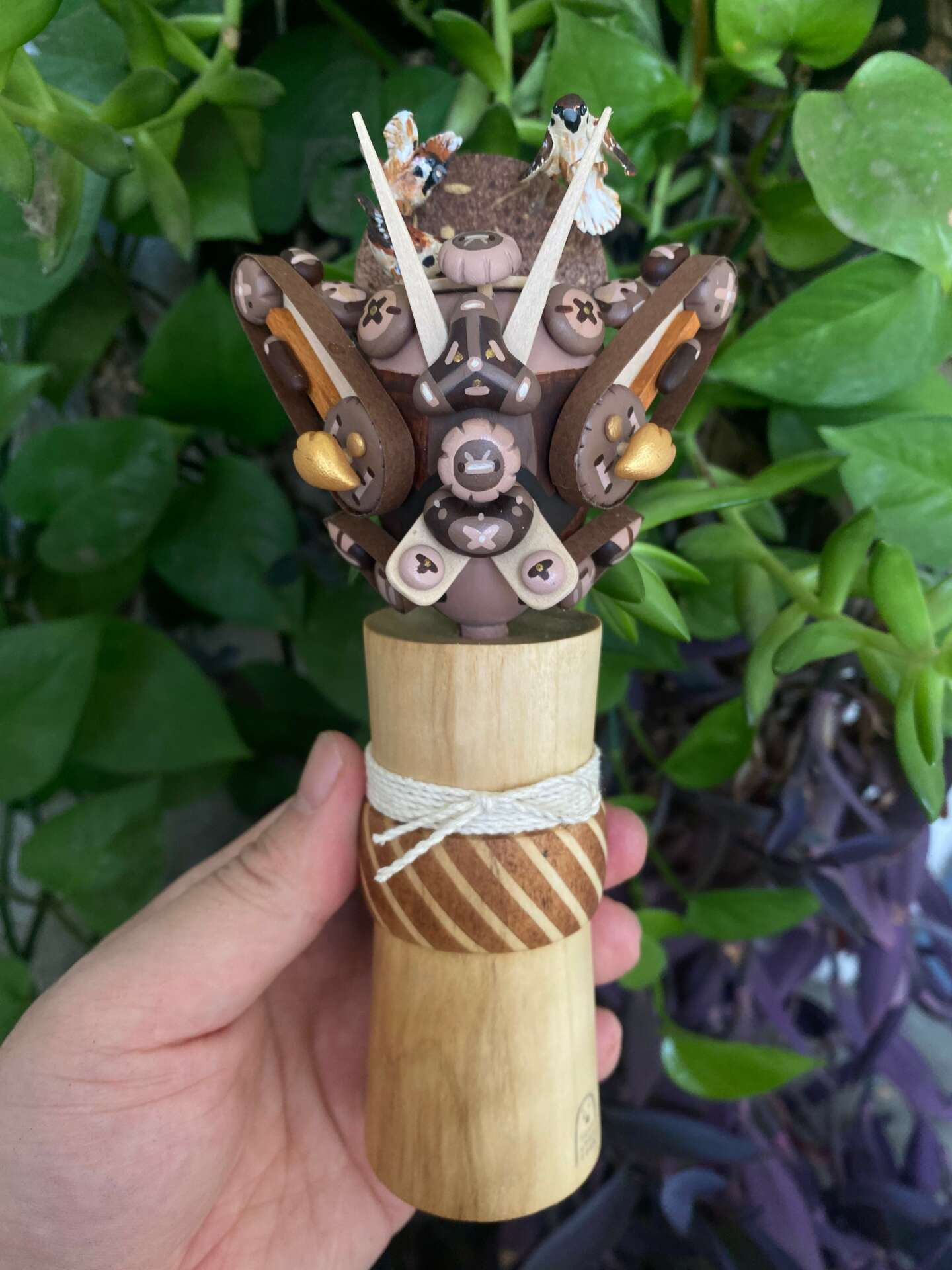
Currently KnockOnWood is a vehicle for me to learn more about wood as a material, it’s capabilities, and a way to collaborate with artists I admire. I would consider myself a novice woodworker, and under the umbrella of KnockOnWood, I create projects that will allow me to advance my woodworking skills, and collaborate with a wide variety of establish and new artist which I admire. I would like to think I bring a uniqueness to artists I work with.
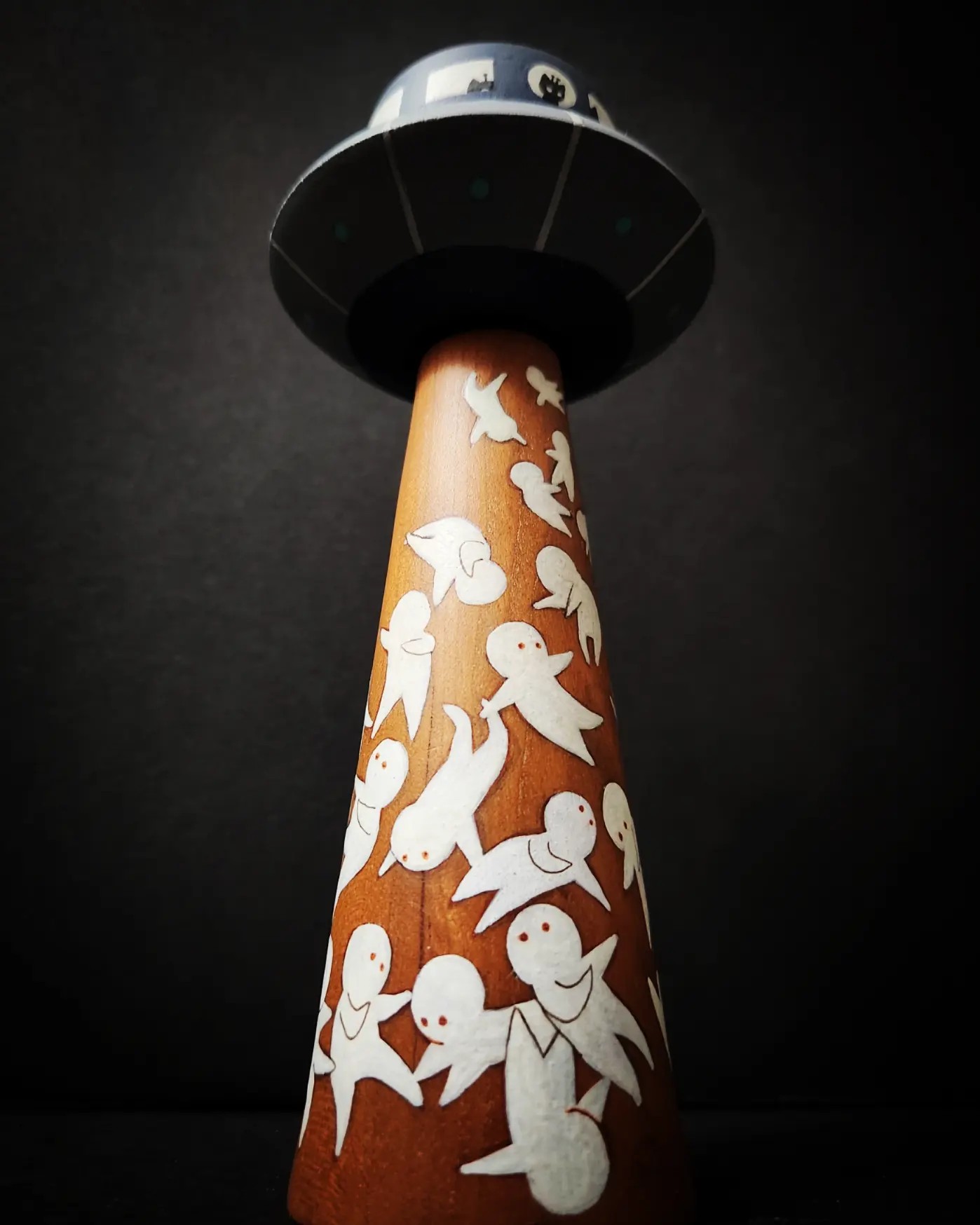
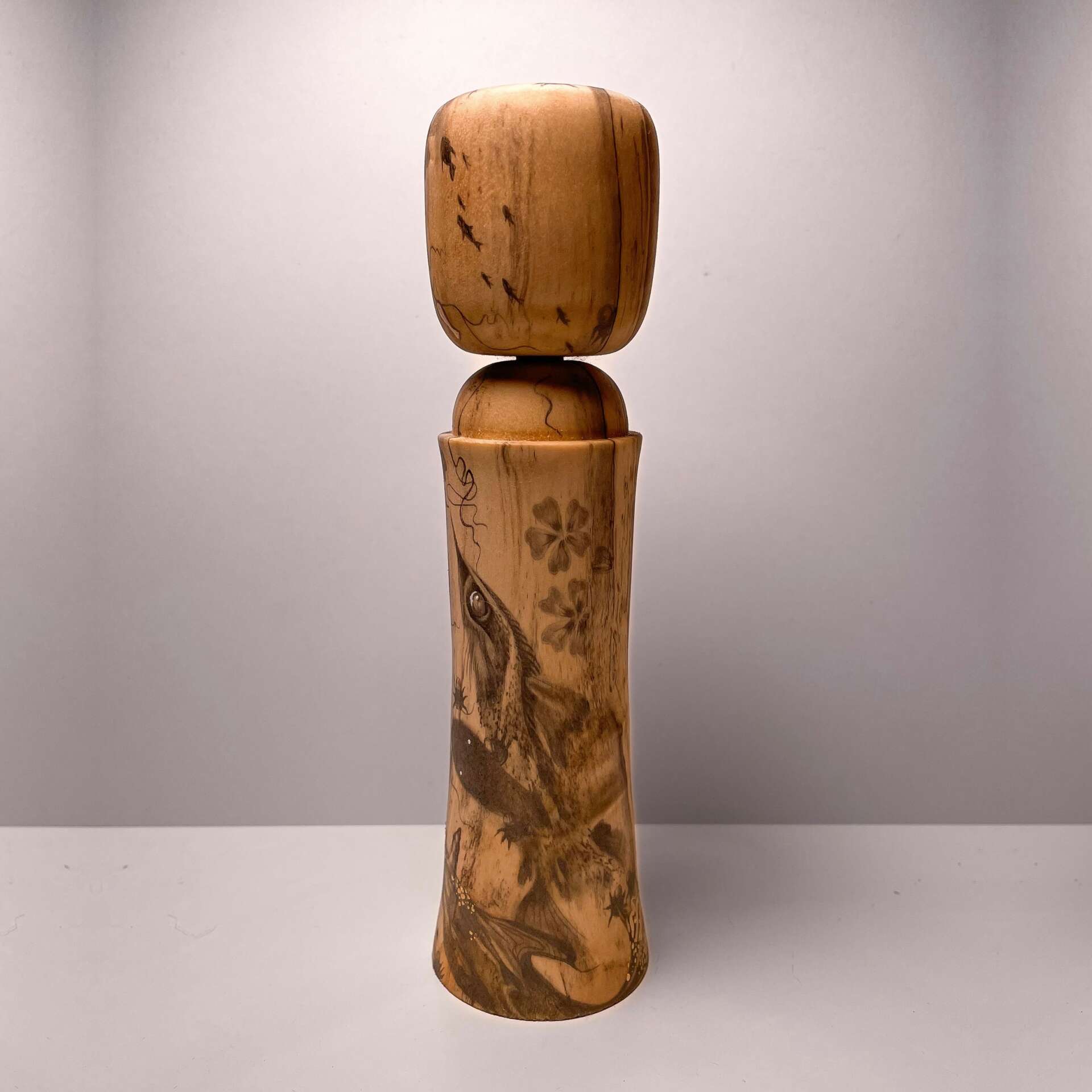
Last year I made 30 or so unique blank Kokeshi dolls, a traditional wooden Japanese doll. I would make these dolls out of different types of sustainable wood from an organization called Street Tree Revival. I reached out to artists and invited them to customize them. No rules, they can do whatever they wanted to these dolls. I would send them the doll that they would choose. They would customize the dolls in their own unique way and send them back. I would then display and sell the finished Kokeshi dolls at Designer Con in Anaheim.
Learning and unlearning are both critical parts of growth – can you share a story of a time when you had to unlearn a lesson?
The biggest thing I’ve had to unlearn just hammering away at a project isn’t always the best way to get it done. If a project didn’t go as planned right away and I walked away from it, I would feel like a failure. I was inclined to keep at it until it worked. Though it may have worked, it was mediocre at best and I was never as excited about the results. I had to learn to take a step back, take a break, take a breath, giving myself time to see the project from a different perspective. The project isn’t going anywhere and that I’ll be back, refreshed, and hopefully with a new way of seeing why it wasn’t working out the way I thought it was.
The Story of the Two Lumberjacks really encapsulates this lesson. There are a couple variations of the story, but I’ll give you the Cliff Notes version here:
Two lumberjacks were competing to see who could fell more trees in a day. The young lumberjack chopped all day, barely taking time to drink water. The older lumberjack would disappear every so often. The end of the day came, and to the dismay of the young man, the old man had won. The young man demanded to know how the older man felled so many trees while disappearing so often! The old man said to the young man, that in those times he stepped away, he would get some water, to refresh, get some food to re-energize, and take the time to sharpen his axe.
How did you build your audience on social media?
First off, I don’t have a huge following, but I like to believe the people who do follow me, genuinely like what I’m doing, I like to think I built my social media in an organic way. I predominately use Instagram feed to promote myself, my project, and events that I am participating in. I sometimes use hashtags, but not very often, I can never figure out what to write. On my Instagram Stories, I will post work in progress photo and videos, events that I am participating in, events that I am not in but support, random memes, and my cat (people love cats). I don’t actively look for followers, its not my goal to have a high follow count. I just like making things I think are cool and hopefully people dig if and give me a follow. That being said, I am very fortunate to have this opportunity to have CanvasRebel reach out to me for this article/interview. They have my deepest gratitude and hopefully people will like my message and interact with me.

Contact Info:
- Website: www.knocksonwood.com
- Instagram: www.instagram.com/knocksonwood
- Other: www.instagram.com/lapmakesthings
Image Credits
Jee Kim, JP Neang Martin Hsu, Ratchel Simanjuntak, Sean Chao, Toshiki Nakamura, Lap Ngo