

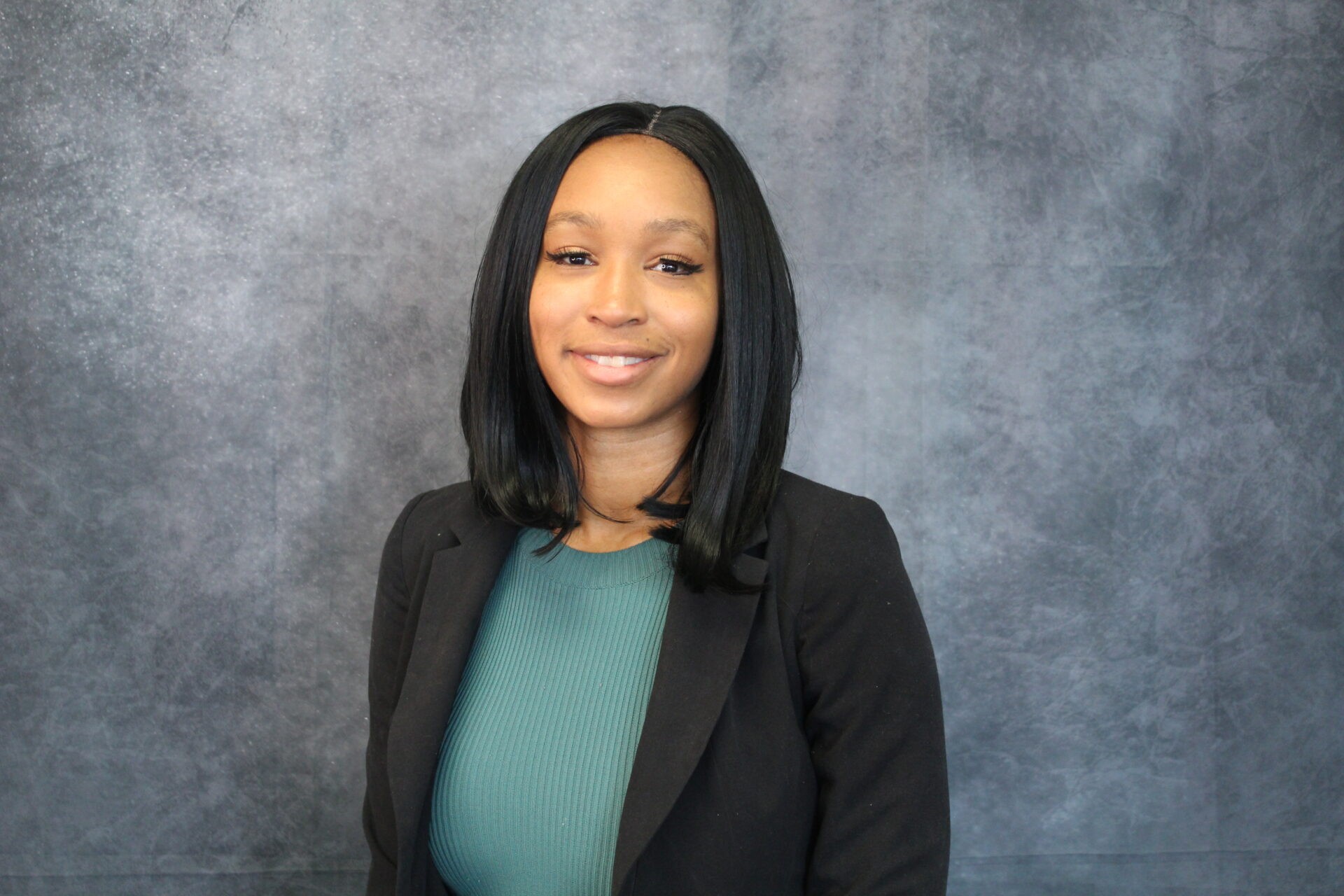

We’re excited to introduce you to the always interesting and insightful LaNisha Patterson. We hope you’ll enjoy our conversation with LaNisha below.
LaNisha, thanks for taking the time to share your stories with us today We’d love to hear stories from your time in school/training/etc.
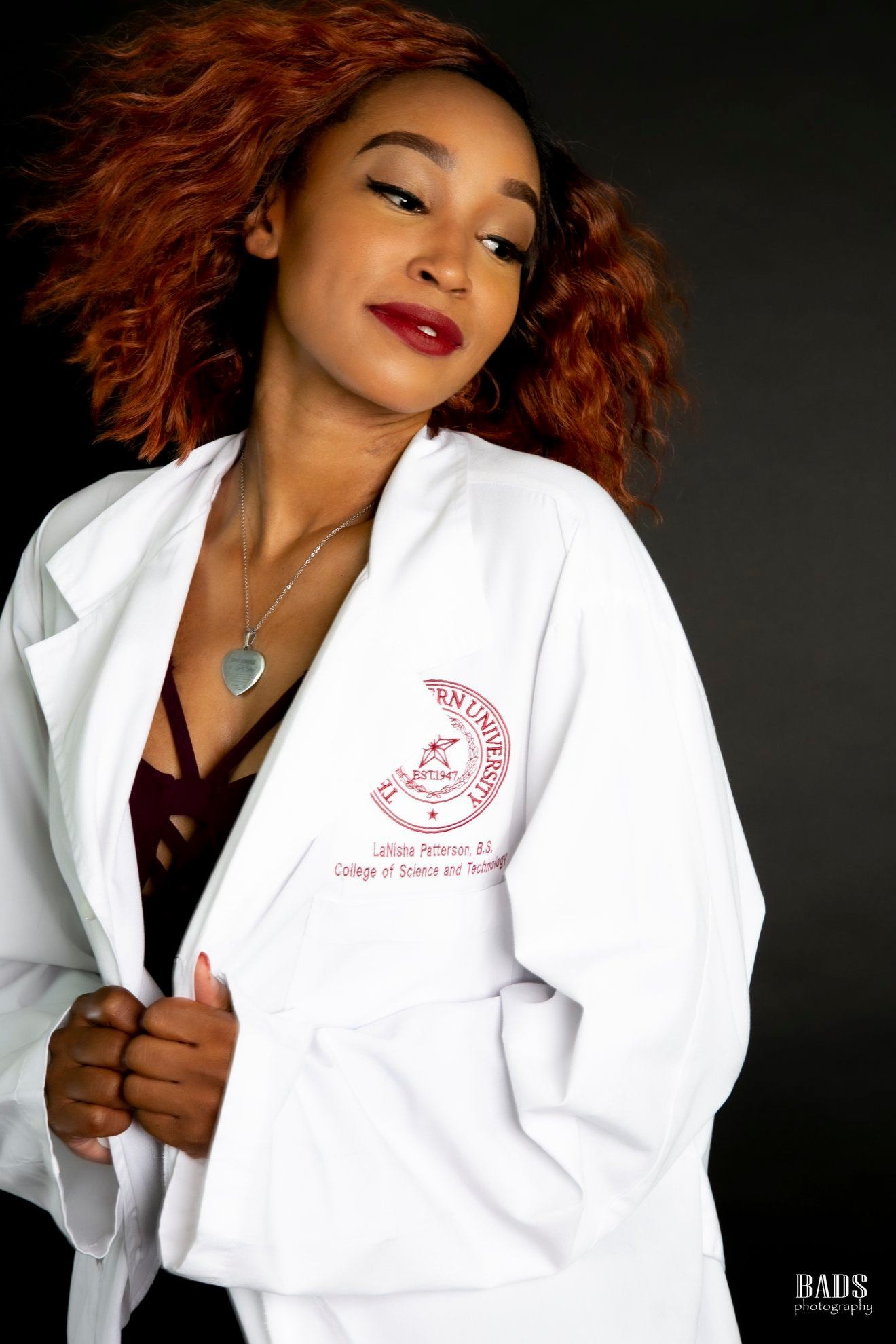
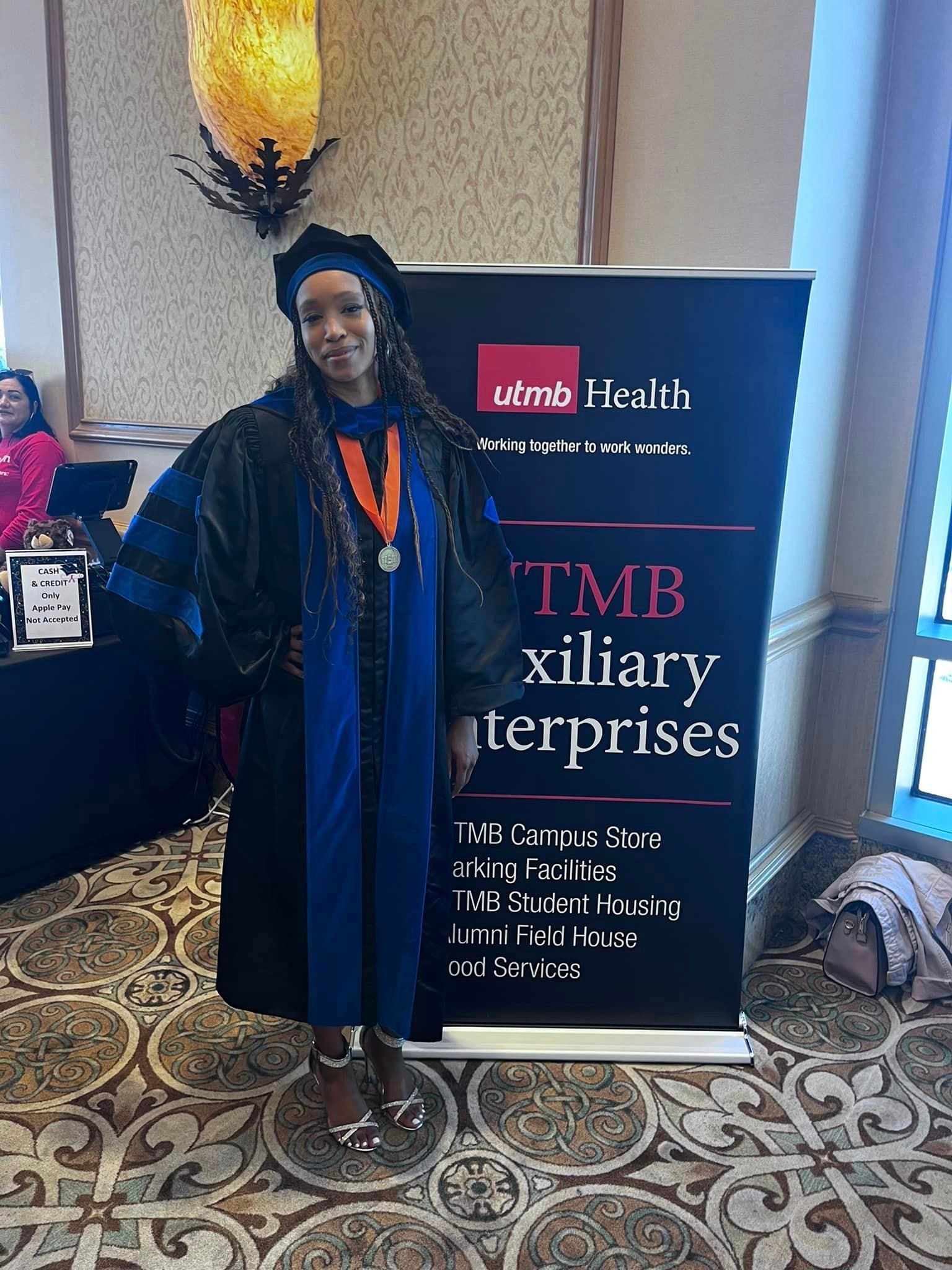
I have 12 years of higher education. I have completed five years of training and education for my undergraduate degree, two years for my Master’s degree, and five years for my Ph.D. At each of these levels, I have experienced different degrees of learning. My undergraduate experience taught me a lot about obtaining a successful academic career. During this time, I learned fundamental knowledge to further my career in science, including biology, chemistry, math, physics, etc. However, during this time, I also learned the importance of understanding priorities, time management, and surrounding myself with like-minded individuals. My most significant failures stemmed from overwhelming my palette and spending time with individuals who did not value education or making a change in society. Due to this, I could have done better during my undergraduate degree, graduating with only a 2.4 GPA. After taking a year off of school, I decided not to give up and would move forward with my training. This time, I would take it more seriously. I would stay focused.
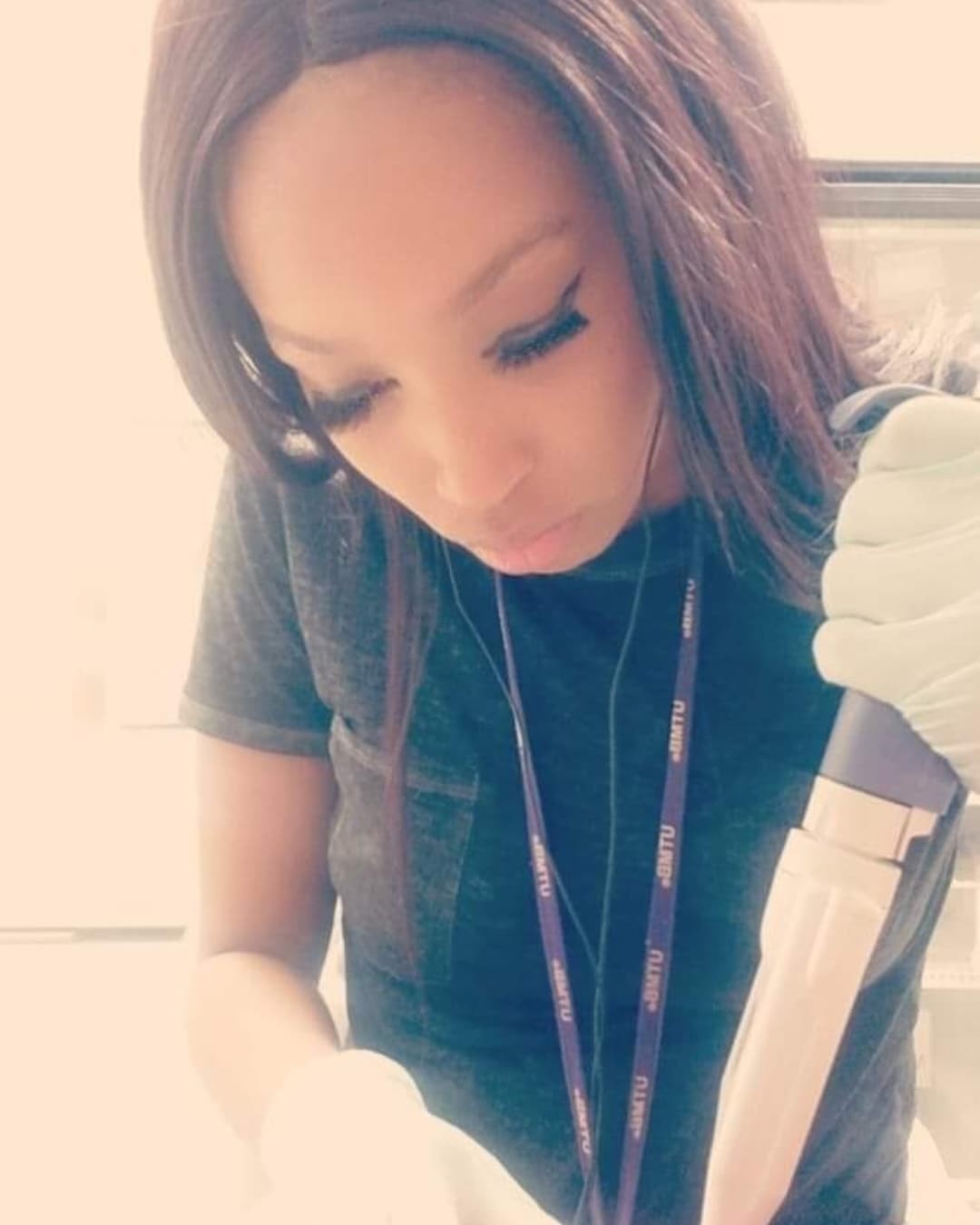
During my Masters, I received some of the best training as a research scientist. One anecdote is choosing a mentor who fits your needs. I am very grateful to Dr. Mario Hollomon, who was the epitome of what I call a fantastic mentor. He brought me into his laboratory, taught me laboratory skills that I still use today, and pushed me to understand every aspect of my work. If I were making a buffer, for example, Dr. Hollomon would tell me to look up why each component was needed. This allowed me to understand the “why” behind science. It strengthened my ability to think alternatively. His mentorship also taught me how to optimize when things were unplanned. During this time, I realized the importance of having a great mentor and taking that experience to become one.
Training during my Ph.D. is essential to where I am today. Again, under the tutelage of another fantastic mentor, Dr. Jere McBride, I could take risks, open myself to learn more techniques and ask and answer very novel concepts. Another anecdote is to remember that training is for learning. If we knew it all, there would be no need for research. The more you learn, the more you realize you don’t know. Not knowing everything is a beautiful place to be. Knowledge can only be gained by constantly learning and discovering things you don’t know or have never experienced.
Because of these experiences, I am confident as an independent medical research scientist.
As always, we appreciate you sharing your insights and we’ve got a few more questions for you, but before we get to all of that can you take a minute to introduce yourself and give our readers some of your back background and context?
I am currently a CPRIT (Cancer Prevention and Research Institute of Texas) TRIUMPH ((Translational Research in Multi-Disciplinary Program) Postdoctoral Fellow at The University of Texas MD Anderson Cancer Center, in which I am conducting research that will explore the link between pancreatic cancer and new-onset diabetes (NOD). This study aims to understand the underlying molecular mechanisms of pancreatic cancer-associated diabetes to identify putative molecular drivers of the hyperglycemic phenotype we observe in a subset of patients and leverage these candidates for an early detection strategy. Our long-term programmatic goal is to identify noninvasive but highly discriminatory biomarkers for early detection of pancreatic cancer.
I began my higher education in biology. I received my bachelor’s degree in biological sciences from Marquette University. I received my master’s degree in biology at Texas Southern University. During this time, I also spent two summers at MD Anderson as a graduate research assistant for MD Anderson’s Cancer Prevention Research Training Program. I continued to pursue a career in research by entering graduate school at the University of Texas Medical Branch in Galveston.
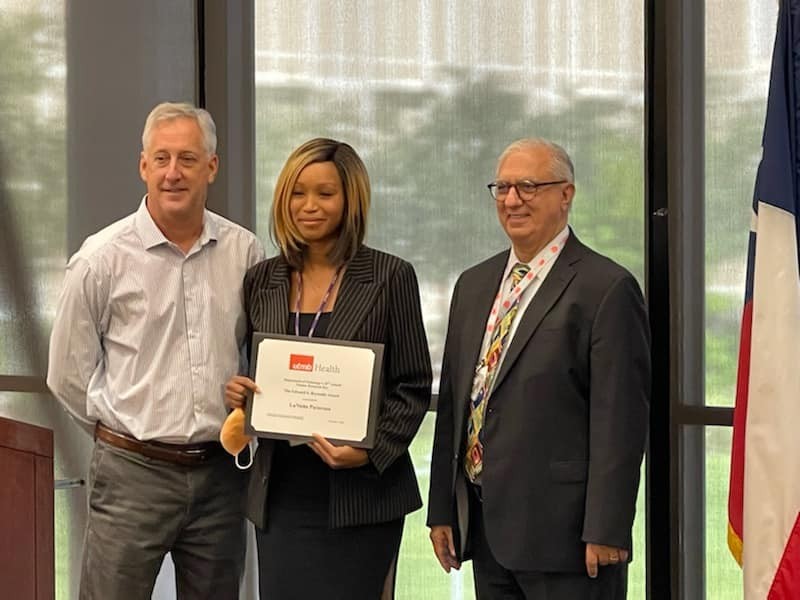
My research experiences have resulted in multiple publications, including two first-author manuscripts, one recently accepted in the Journal of Infection and Immunity, a first-author review, and multiple co-authorships. I am also honored to have received a UTMB McLaughlin Endowment Predoctoral fellowship and an F31 Ruth L. Kirschstein Predoctoral Individual National Research Service Award (NRSA) during my Ph.D. studies. My career goal is to become an independent R01-funded investigator at a research-intensive institution where I plan to continue my studies in my postdoctoral research.
We often hear about learning lessons – but just as important is unlearning lessons. Have you ever had to unlearn a lesson?
One lesson that I had to unlearn was that failure is a bad thing. A science career will teach you that failure is your greatest teacher. It is from my mistakes that I have learned the most. If you are considering pursuing a career in science, understand that you may fail 95-97% of the time, but use that failure to get you to the correct answer.
Putting training and knowledge aside, what else do you think really matters in terms of succeeding in your field?
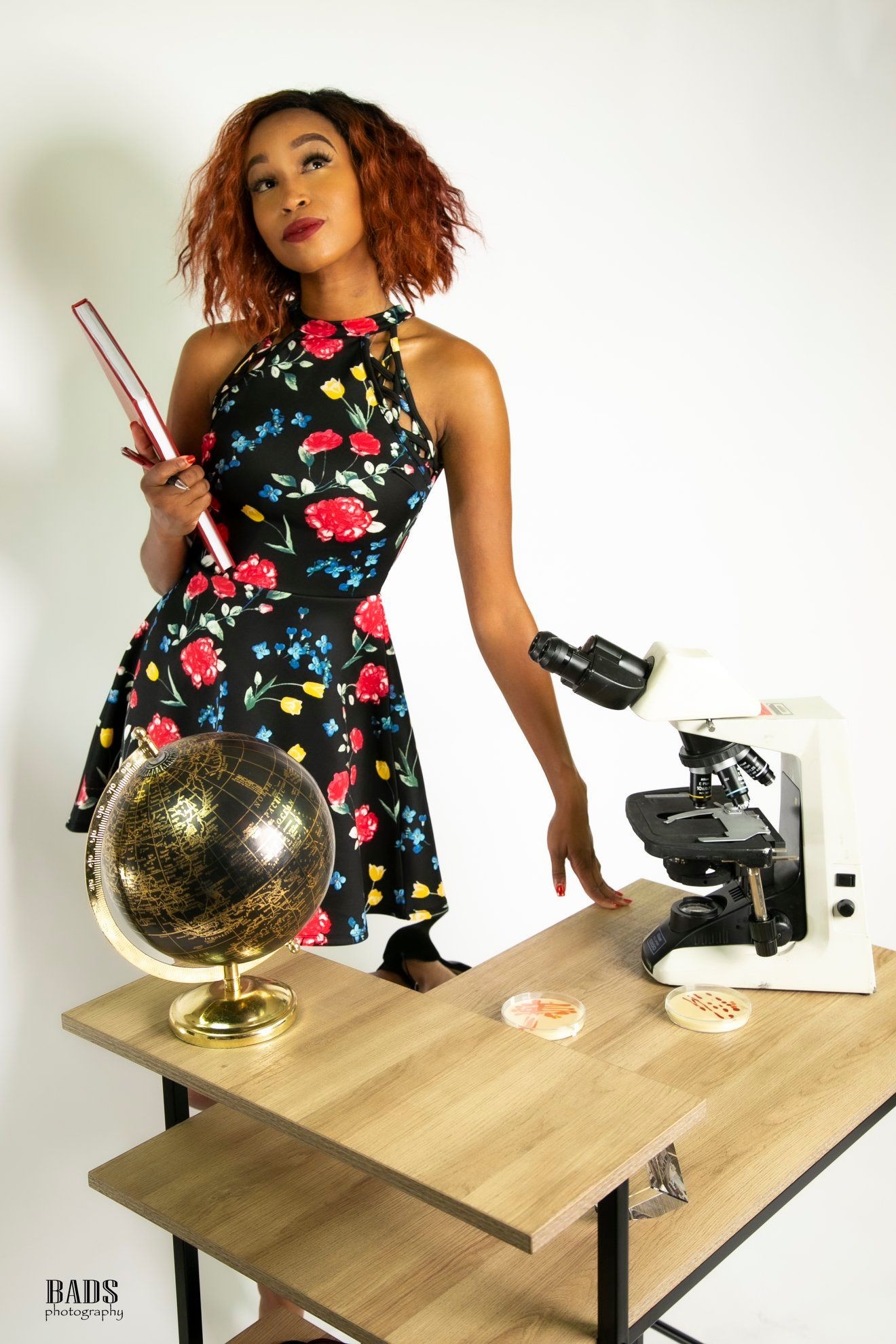
Being creative is very important in the field of science. I almost encourage individuals pursuing a STEM career to find a hobby that allows them to display their creativity. I believe your creativity is where some of the most novel and innovative ideas come from.
Contact Info:
- Website: https://www.mdanderson.org/education-training/research-training/postdoctoral-training/postdoctoral-fellowships/cprit-triumph-program/current-fellows.html
- Instagram: https://www.instagram.com/nini_patterson/
- Linkedin: https://www.linkedin.com/in/lanisha-patterson-m-s-ph-d-73444873/
- Other: https://pubmed.ncbi.nlm.nih.gov/?term=lanisha+patterson
Image Credits
BADS photography