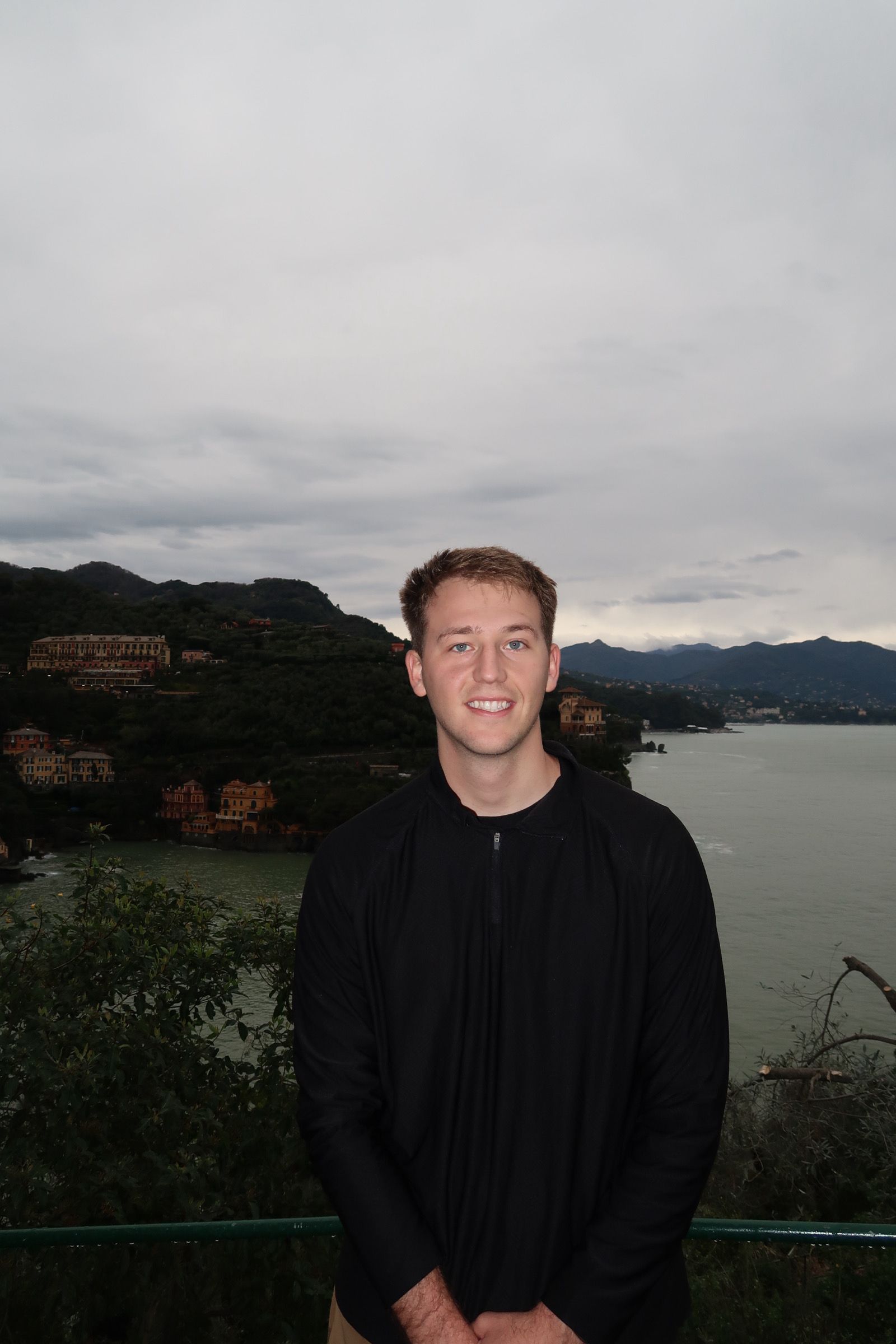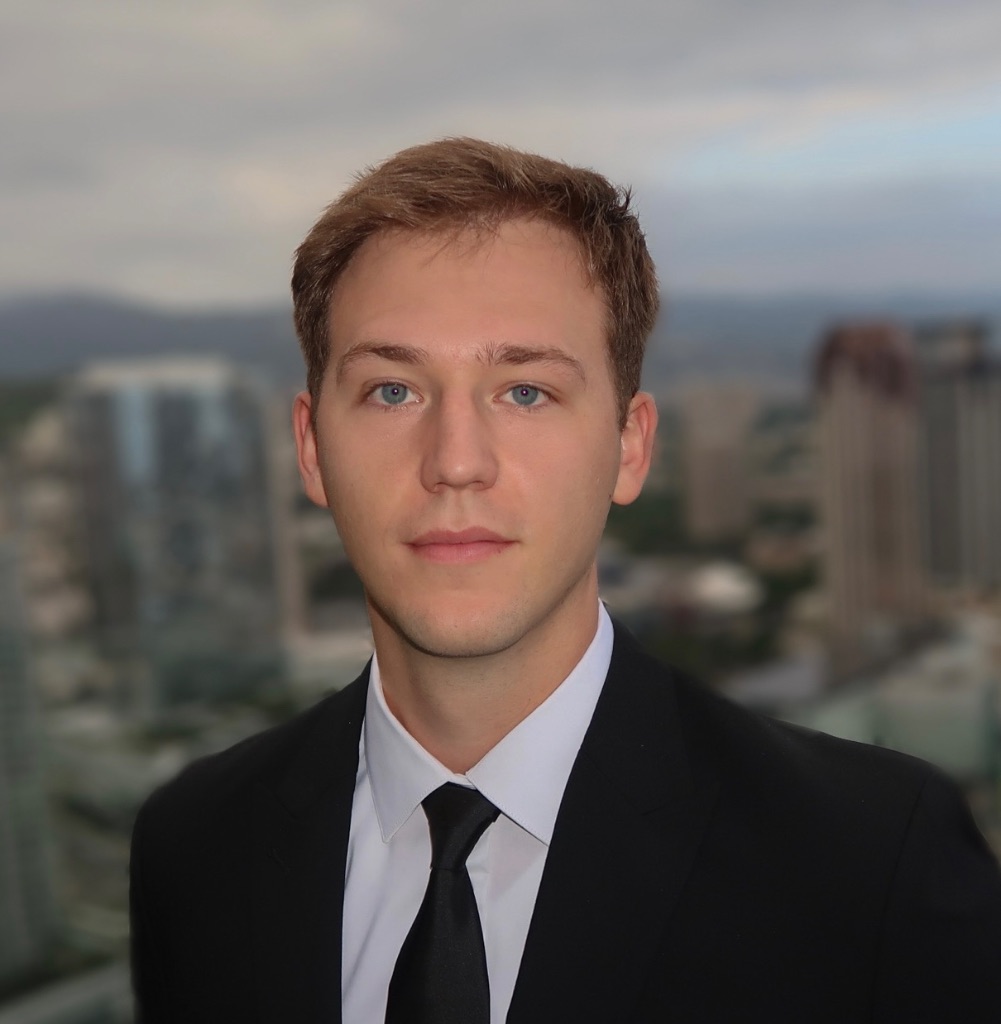

We were lucky to catch up with Landon Schumaker recently and have shared our conversation below.
Landon, appreciate you joining us today. Can you open up about a risk you’ve taken – what it was like taking that risk, why you took the risk and how it turned out?
The greatest risk I have ever taken was not just a financial one. It was a calculated risk against my own comfort and time.
My investing journey began at the age of sixteen. By my senior year of high school, I was working two jobs and logging sixty hours a week between serving tables at Denny’s and working at a local aquarium fish store. Over eighteen months of constant work, I saved every dollar I made, eventually accumulating a starting capital base of $30,000.
The real risk was what I chose to do with my time. While my friends were hanging out and enjoying the typical social life before college, I made the conscious decision to step away and take that chance to get ahead. I committed those younger years entirely to becoming a formidable investor and building a strong capital base. I dove into the financial ecosystem, built my own financial models, and developed rigorous, fundamental research processes. There is a very real comfortability risk at that age when you choose to disconnect from your peers and face the social backlash. But I took that risk because I saw the long term potential of what I could build.
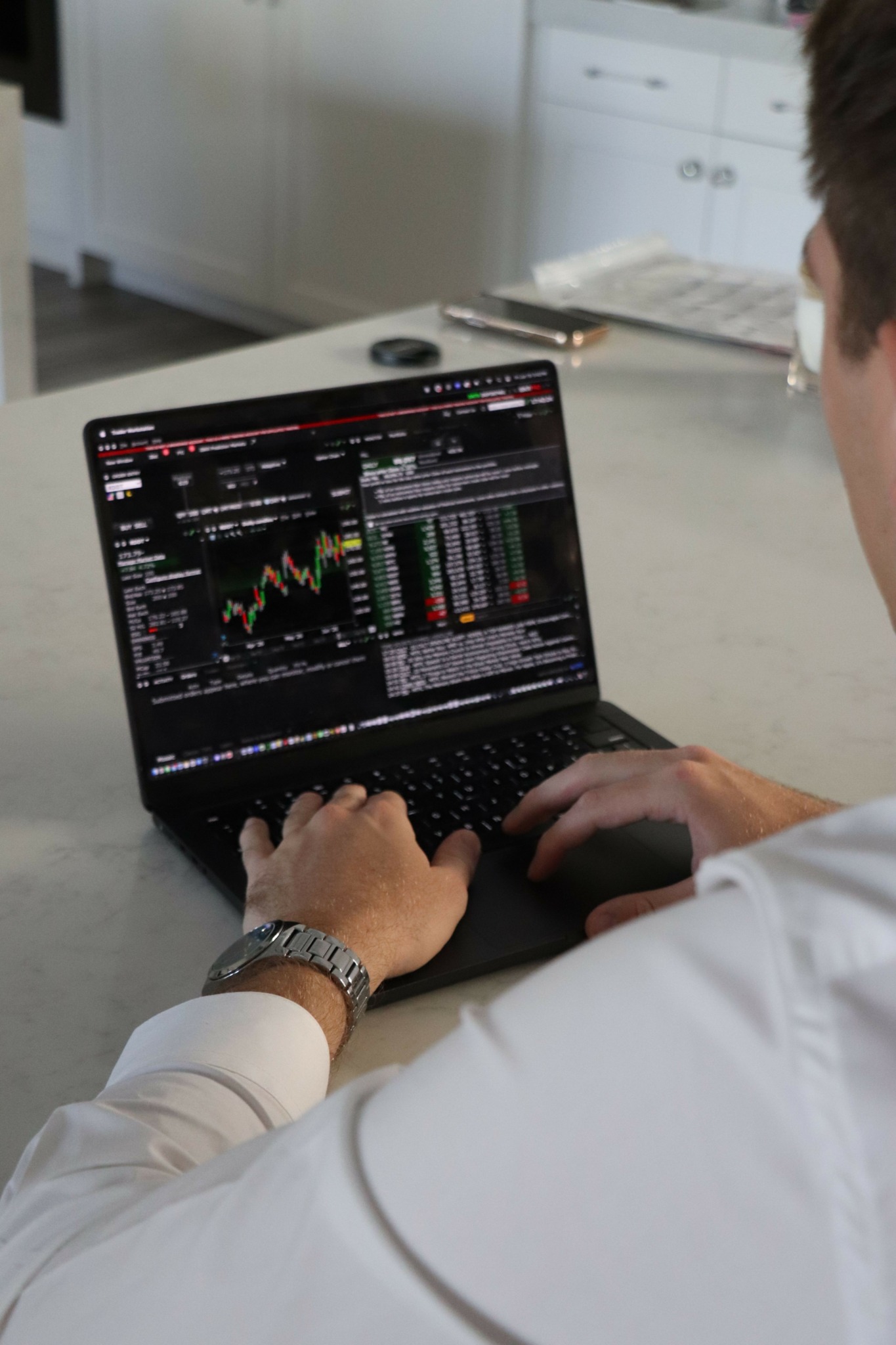
Then came the monetary risk. I took that $30,000, money earned entirely from countless hours on my feet, and deployed it into the market. I trusted the research and the strategies I had sacrificed all of my free time to develop.
Now, five years later, that sacrifice of time and comfort has validated itself. By continuing on my investment strategy and learning all I could about the broader market environment, I have compounded my portfolio at a 118% rate. That initial $30,000 is now a seven figure portfolio at the age of 21.
The risk was ultimately my youth and my time, but sometimes you have to sacrifice immediate gratification for a far greater outcome down the road. Today, I bring that same relentless mindset to building Trieste Partners and meeting the growing demand for this investment strategy. I took the leap because I understood that time was on my side. When the downside is limited and the upside is asymmetric, the risk-reward equation is often in your favor.
Great, appreciate you sharing that with us. Before we ask you to share more of your insights, can you take a moment to introduce yourself and how you got to where you are today to our readers.
Most people managing equity portfolios start their careers in traditional finance. My background is in research and statistics from my time at the University of Hawai’i.
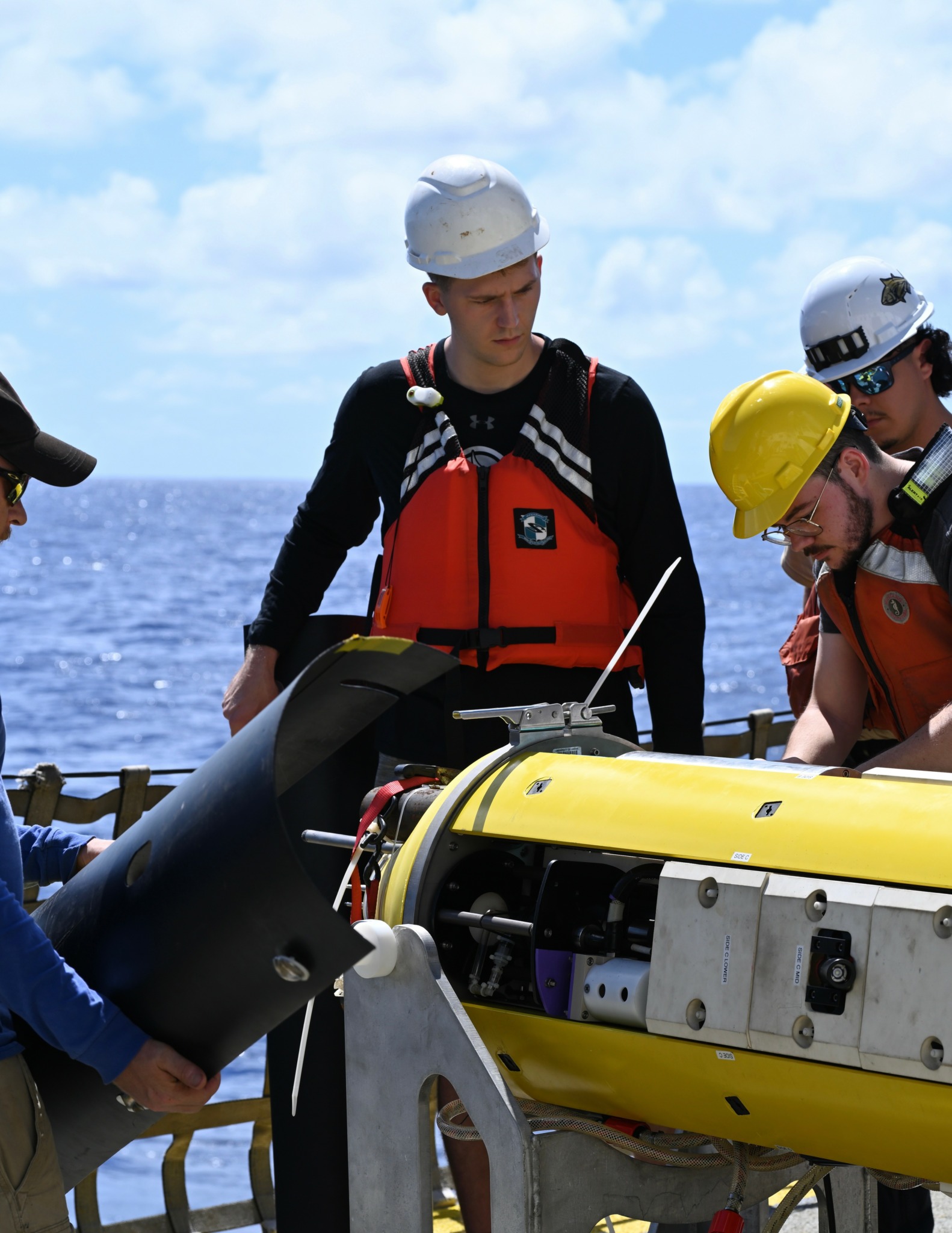
I started as a data scientist in a lab, and my research focuses on the deepest, most extreme environments on the planet. I built complex ecological models to understand animal communities in the Hadal zones (>20,000 feet of depth), which are regions of the ocean so deep and hostile that humans cannot easily access or see them.
Transitioning from deep sea research to capital markets requires just a slight twist in thinking. Both environments are chaotic systems filled with pressure, noise, and hidden variables. I realized that the exact same level of rigorous data science and statistical modeling aimed to understand these unseen ecosystems could be directly applied to equity markets in odd ways.
At my firm, Trieste Partners launching in Q4 2026, we provide portfolio management for equities. We look at capital markets through a completely different lens than a traditional analyst. Our strategy is built on quantitatively driven decisions backed by heavy statistics. Just like in scientific research, our goal is to identify the next frontiers and spot growing companies in the market before they become obvious to the broader public.
But capturing growth is only half the equation. What truly sets my practice apart is how we protect investor capital. I use principles derived from physics and scientific modeling to power a proprietary risk management engine. This model is designed to make sense of chaotic market signals, protect capital during severe downturns, and generate returns across all market environments. We offer a strategy built on empirical science rather than human sentiment.
The motivation to launch this firm came directly from my daily environment. Being on a college campus, I saw a massive demand from fellow students and peers who recognized the importance of investing but were completely intimidated by taking that first step. I started helping the people around me navigate the financial ecosystem. Seeing how proper wealth management and financial stability could fundamentally change their lives was incredibly fulfilling. I realized I could scale this impact to help a much broader group of people support themselves and their families.
What I am most proud of is building a firm that successfully bridges two completely different worlds. I want potential clients to know that when they partner with Trieste Partners, they are not getting a standard, recycled financial template. They are getting a portfolio of investments backed by research, and a scientifically grounded approach designed to protect their wealth and aggressively capture the future that’s sitting in front of all of us.
Can you talk to us about how you funded your business?
When it came time to launch Trieste Partners, I chose to fund the firm myself rather than seek outside investors, take on debt, or rely on institutional backing. The capital required to launch the business came directly from my personal investment portfolio that I was able to grow due to the calculated risks I mentioned before.
Over the previous five years, I had developed and refined the quantitative investment process while managing my own capital. As that portfolio grew, I began receiving increasing interest from individuals who wanted access to the same research-driven approach. That demand led me to consider turning what had been a personal investment operation into a formal business.
Launching a registered investment advisory firm required meaningful upfront investment. Legal formation, regulatory registration, compliance infrastructure, securities license, technology systems, custodial relationships, insurance, and operational expenses all have to be established before the firm can serve its first client. Rather than raising outside capital, I reinvested proceeds from my own portfolio to build that foundation.
I chose this approach because I wanted complete alignment between myself and future clients. Every dollar used to launch the firm came from capital I had personally earned and managed. By self-funding the business, I was able to maintain full control over the firm’s vision, investment philosophy, and long-term direction.
The result is a firm built entirely on conviction. Before asking anyone else to trust the strategy, I committed my own capital to proving it could work. Not only as an investment process, but as the foundation of a business that is designed to serve others.

Can you tell us about a time you’ve had to pivot?
When I first decided to turn my investment strategy into a business, I assumed I would follow the traditional path and launch a hedge fund. It was the model I saw most often used by professional portfolio managers, and I spent considerable time researching what would be required to bring one to market.
As I dug deeper into the operational realities of the industry, however, I began to question whether that structure actually aligned with the type of firm I wanted to build. I realized that a tremendous amount of time, money, and energy would be spent on administration, reporting, and operational complexity rather than on what mattered most to me: investment research and serving clients. The deeper I looked, the more I felt I was forcing my strategy into a structure simply because it was the industry norm.
That realization led me to reassess the entire business model. After months of evaluation, I made the decision to pivot away from the hedge fund approach and instead launch Trieste Partners as a Registered Investment Advisor. It was a significant change late in the planning process, but it opened the door to serving a much broader range of clients and helping them pursue their financial goals as not everyone is accredited or qualified to invest in a hedge fund.
Looking back, the pivot was about much more than choosing a different business structure. It was about stepping back and asking what would allow me to build the best firm over the long run. While the hedge fund route may have been the more traditional path, I realized it would limit both the types of clients I could serve and the ways I could help them. By pivoting to the RIA model, I was able to build something far more flexible and scalable while staying aligned with my fiduciary responsibility to clients. Today, I believe that decision has positioned Trieste Partners to reach a much broader audience and create significantly more value over time. When I look at the firm’s long-term potential, I am convinced this pivot will prove to be one of the most important decisions I have made as a founder.
Contact Info:
- Website: https://triestepartners.com
- Instagram: @landonxschumaker
- Linkedin: https://www.linkedin.com/in/landon-schumaker-100200278
- Twitter: @L_Schumaker13