

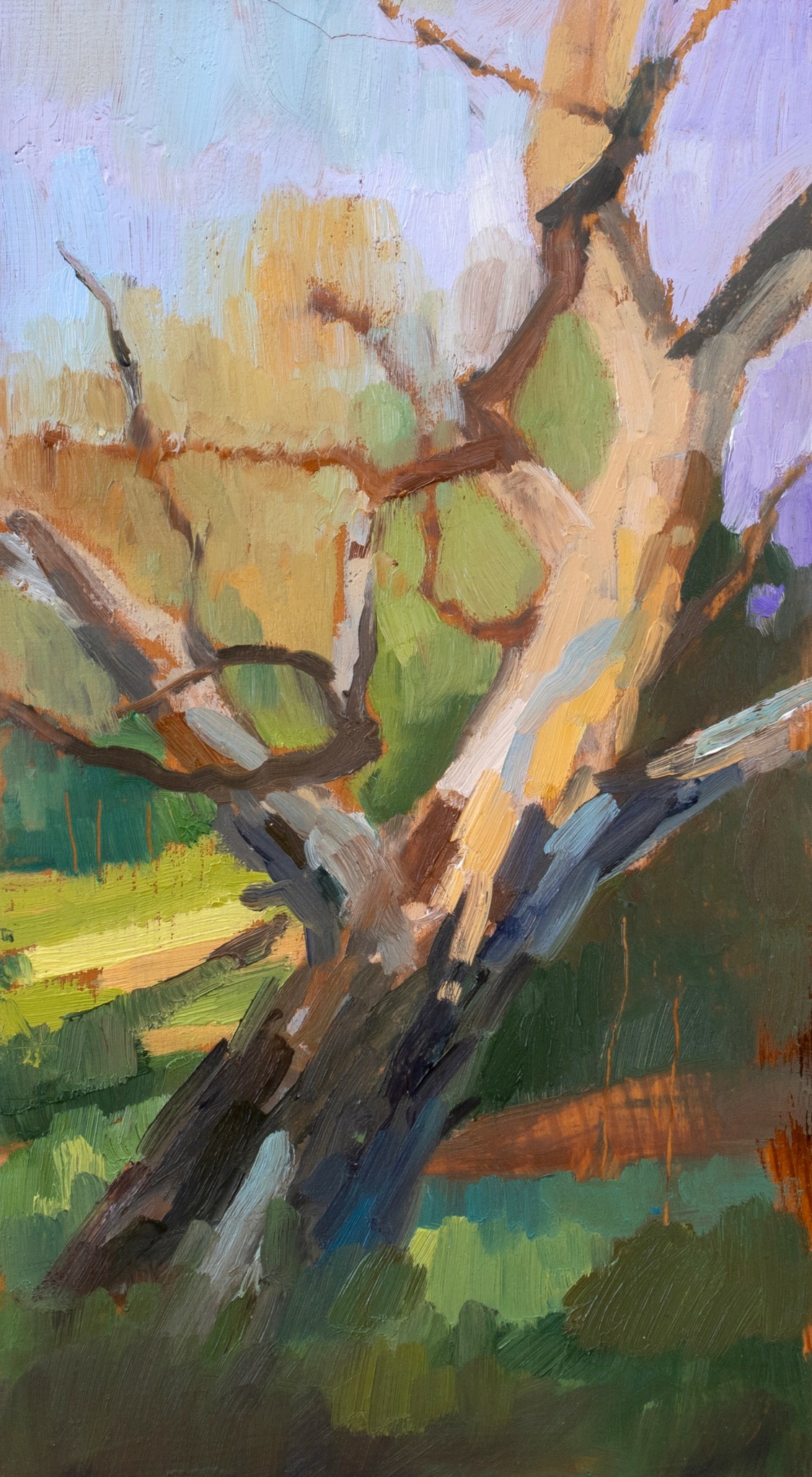

We caught up with the brilliant and insightful Lana Daubermann a few weeks ago and have shared our conversation below.
Lana, thanks for joining us, excited to have you contributing your stories and insights. Have you been able to earn a full-time living from your creative work? If so, can you walk us through your journey and how you made it happen? Was it like that from day one? If not, what were some of the major steps and milestones and do you think you could have sped up the process somehow knowing what you know now?
After making the move to becoming a full-time artist, I tried a variety of things to survive financially. I took a ‘reconnaissance’ year to work out what worked, what felt right and what didn’t.
But before I get to that, even though it felt like I ‘took the plunge’ to become an artist full-time, it really was a slow plunge. I worked in the advertising industry for 15 years as an art director/copywriter, all the while painting on the side. I just quietly kept side-stepping towards a full-time art practice, dialling up my painting time, while slowly reducing my design work time. Art was really what I always wanted to do, but I’m glad I didn’t pursue it full-time from a young age. I think the corporate creative work history I’ve had has really helped me treasure the privilege of being a practising artist, but also, the skills I’ve learned along the way have been invaluable to getting to where I am now.
So, my reconnaissance year taught me a few things, three key takeouts are;
1. You CAN survive financially as an artist, BUT it really depends on what ‘being an artist’ means to you. If you’re happy to make commercial work, do commissions, play the social media game well, get your website and newsletter ducks in a row, hustle hustle hustle, you can definitely do it! BUT for me personally, if I were to play the game that way, it could potentially begin to feel similar to my previous career – in which case I’d be financially smarter to stick to that.
2. I’ve tried making work to sell, I’ve tried commissions, I’ve tried making prints, greeting cards, tea towels and various other collabs…if you work hard and put time into these things, they can be financially rewarding. But I also found having to rely on selling work to survive, very creatively stifling, and stressful, I really felt paralysed by it at times.
3. Hello teaching! Teaching has been an immensely helpful part of my practice, it not only offers a little financial stability, but it provides human contact I may otherwise lack, plus it has made me so much more aware of my own processes and objectives, propelling me forward in my own practice. Teaching really inspires me to learn. Not everyone is built for it, but after disliking it at first, I found my way, and it’s now super important to me. I’m currently now working out how much is too much, as my painting practice is always my priority.
In summary, I think there is no clear path to earning a full-time living as a creative, but it is possible, with hard work, perseverance and most importantly, being clear on why you’re doing what you’re doing. Plus also being open to your mix of income streams evolving as you evolve as an artist.
In conclusion, my current primary income streams are;
– some regular teaching,
– various workshops locked in for the year, to help pace out a little cashflow
– some occasional graphic design work to help give some additional stability
– at least 1 or 2 large-ish solo or group shows a year.
All of this combined helps to take pressure off selling my paintings which allows me to truly focus on my work and feel free in the studio without being distracted by what an audience might want. This is what helps me grow, which is what’s most important to me. Luckily the work I enjoy to make is fairly ‘accessible’, but ultimately, I never want to feel hedged in by being a slave to selling. I still need to sell some work at my shows, but selling 30% of my work vs 75% is now acceptable.
As always, we appreciate you sharing your insights and we’ve got a few more questions for you, but before we get to all of that can you take a minute to introduce yourself and give our readers some of your back background and context?
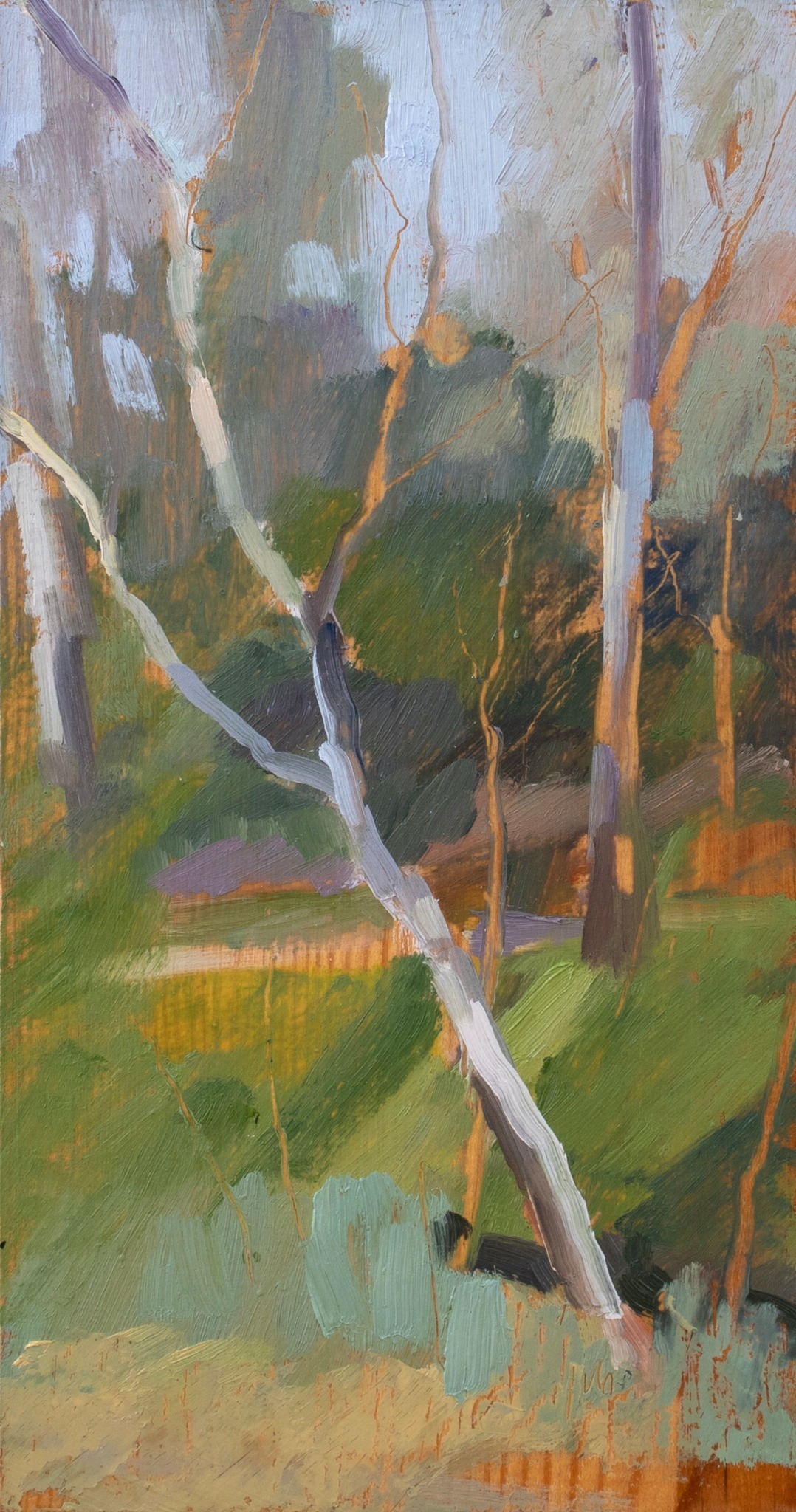
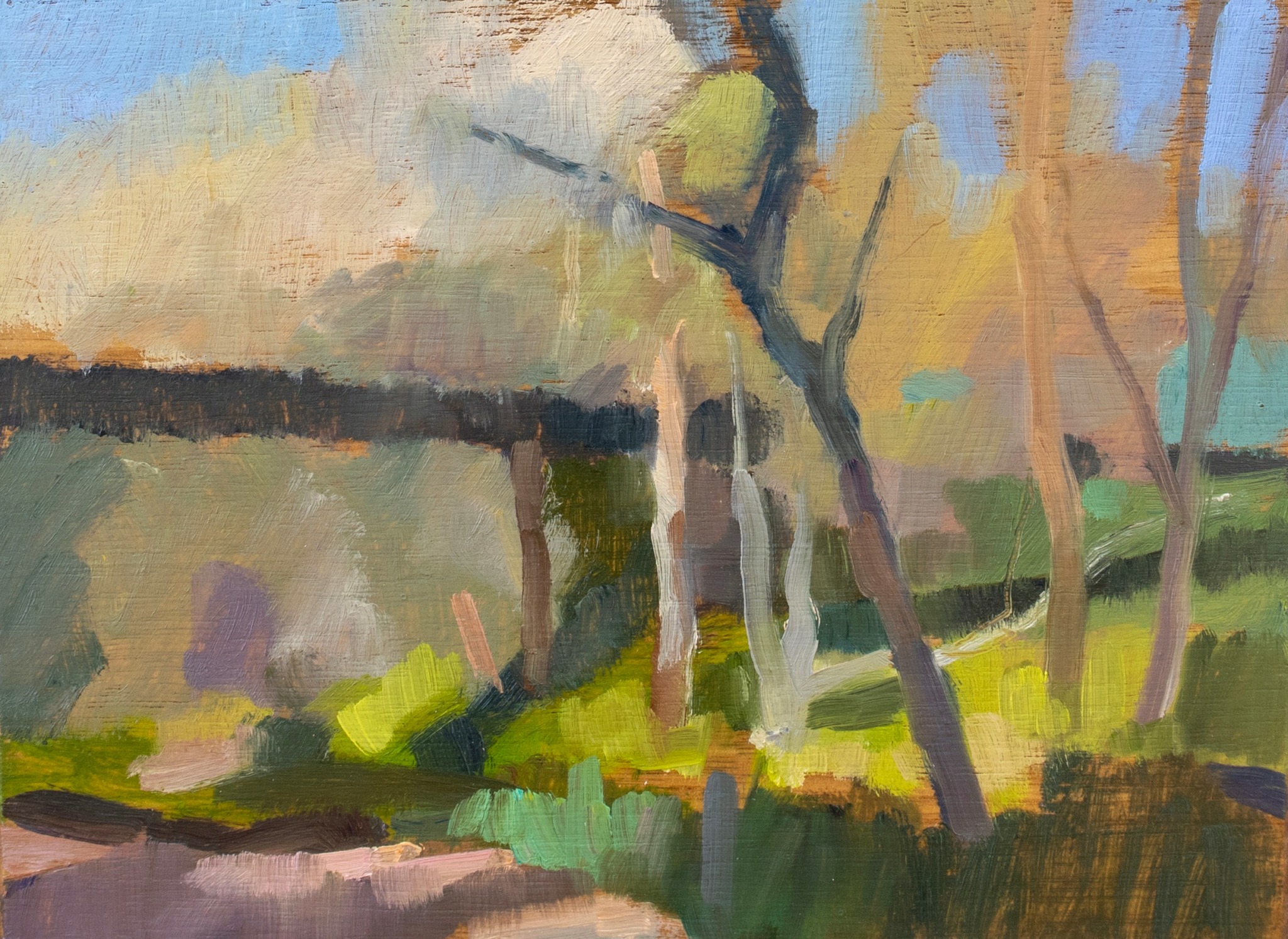
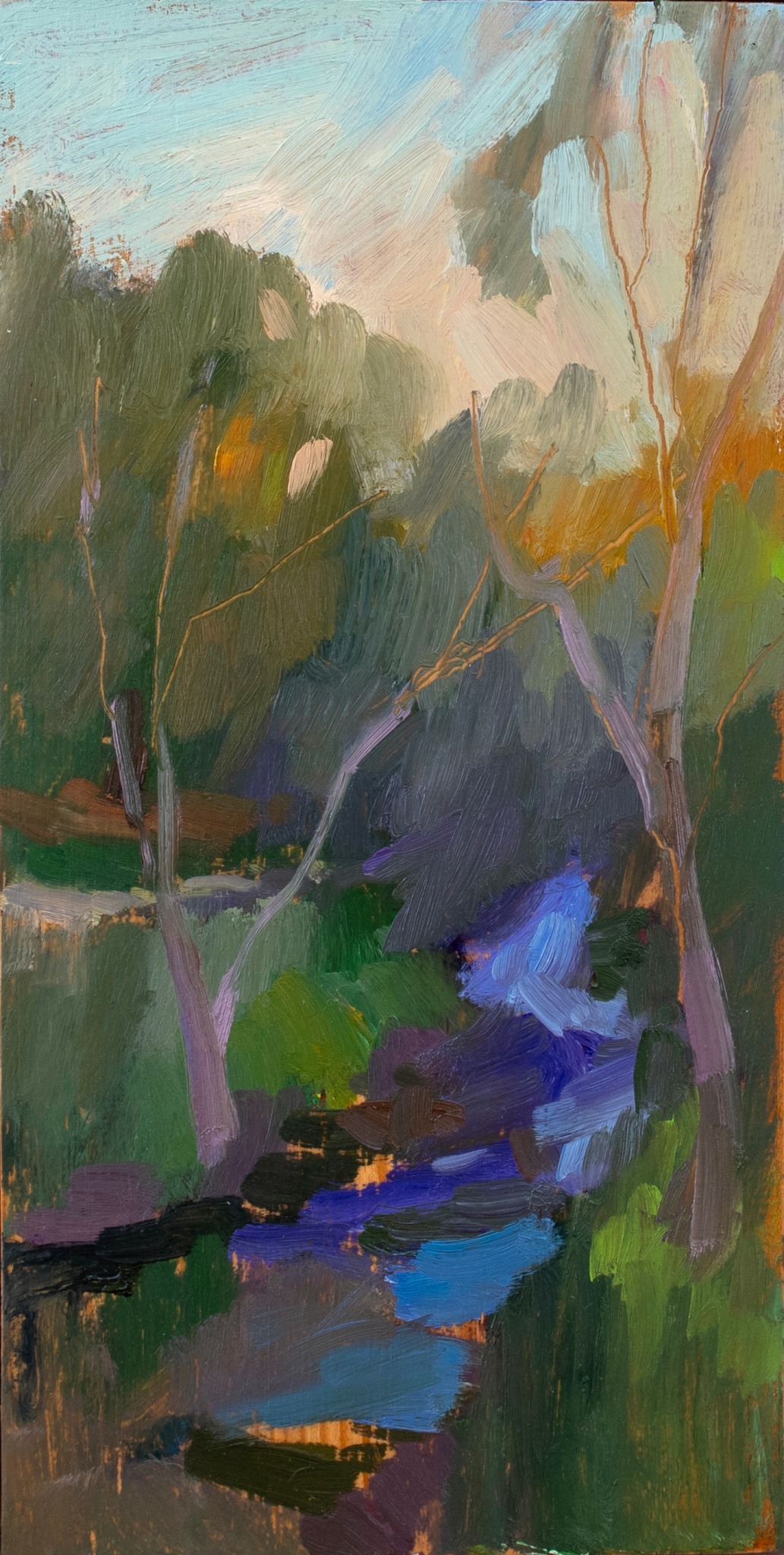
Painting the landscape offers me the chance to feel truly part of it. A human within it, not just upon it. Painting plein air allows me to meditate on the changes in light, scent and movement through the process of observation and interpretation in such an immediate and grounding way. The impermanence of atmosphere is something I seek to capture… it’s all in the chase, with a humbling reassurance I’ll never quite catch it entirely.
My practice is always evolving as I search for new ways to describe light and atmosphere in pieces that are at times realistic and abstract all at once. Initially purely a figurative oil painter, I tend to teeter closer to the edge of abstraction when I can. Fleeting feelings, the passing of time and a sense of nostalgia are common threads that weave through my work.
I’ve been painting since I was a kid, sidestepping my way through a past life in advertising and design, to become a now full-time practising artist. I also love to teach, which inspires me to keep learning more myself. I believe everyone has a unique creative voice, so my teaching style centers around nurturing that. My painting practice contributes so positively to my mental health and wellbeing, it’s important to me to help others feel those same benefits.
For you, what’s the most rewarding aspect of being a creative?
I feel incredibly lucky to have something I love to do. Something that gives me a sense of purpose, but also provides quietness within a noisy world, and inside my noisy mind. Painting has always given me this gift, since I was a kid. My partner can often tell when I’ve been away from the studio for too long. “It’s good for you,” he says. Knowing it’s ‘good for me’ is the best reward.
Let’s talk about resilience next – do you have a story you can share with us?
A new gallery once refused a painting I submitted for promotional material for an upcoming group show. They told me my painting was ‘unresolved’. Being the people pleaser I am, I had to make a choice between standing by my work (which was a bit of a breakthrough piece for me I was actually quite proud of), or submitting another option. I surprised myself and stood by my work. For the first time since my early twenties, I wrote a strong email, explaining if they didn’t want to use that piece in the promo material, then I couldn’t be part of the show.
Needless to say, the show ended up falling apart, with my very kind fellow artists standing by me. It was a messy situation, but a key turning point for me, as it I realised I had truly stopped being creative for other people, which meant I was becoming the artist I wanted to be, and developing some all-important resilience.
Contact Info:
- Website: https://www.lanadaubermann.com
- Instagram: https://www.instagram.com/lana_daubermann/
- Youtube: https://www.youtube.com/@lanadaubermann
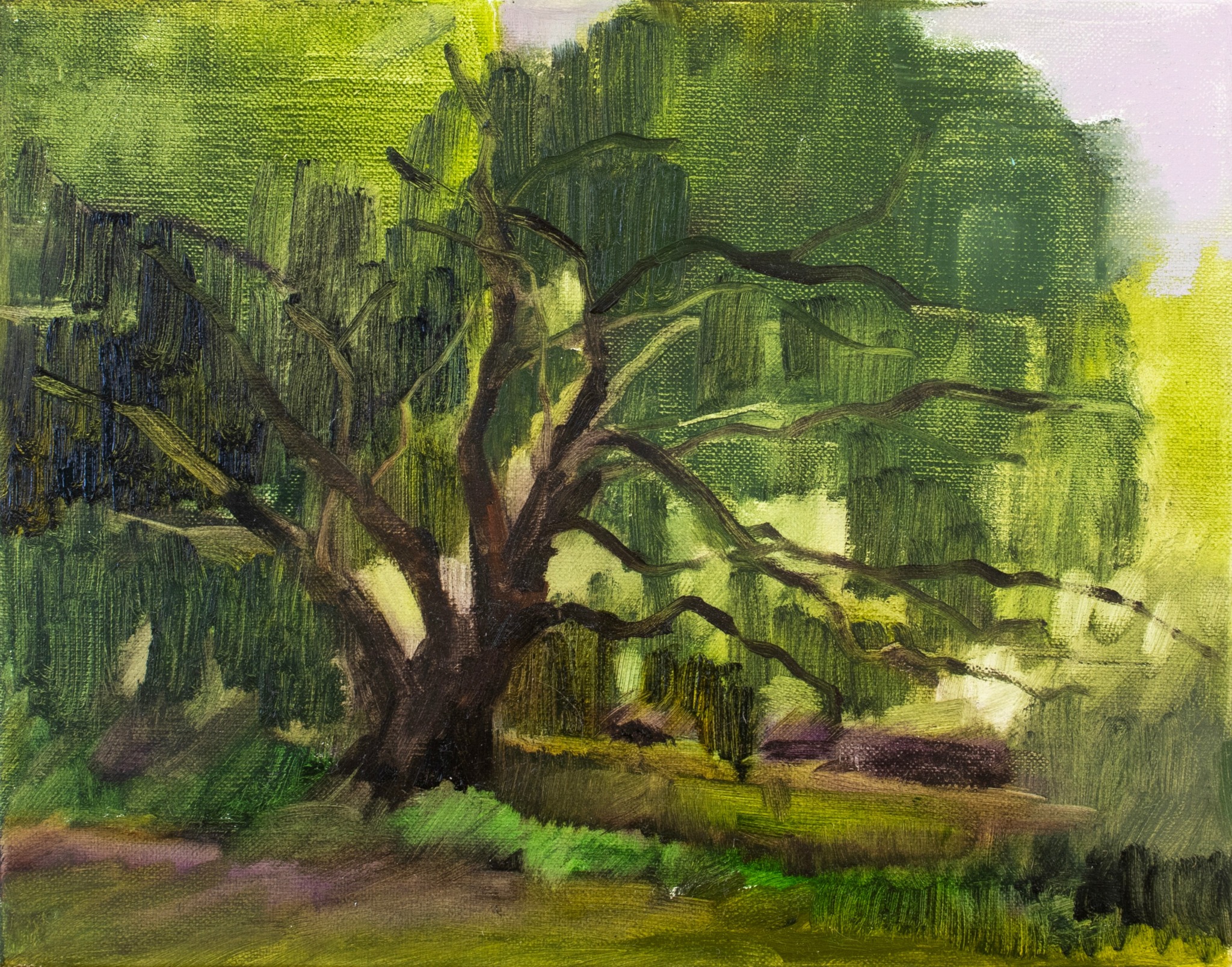
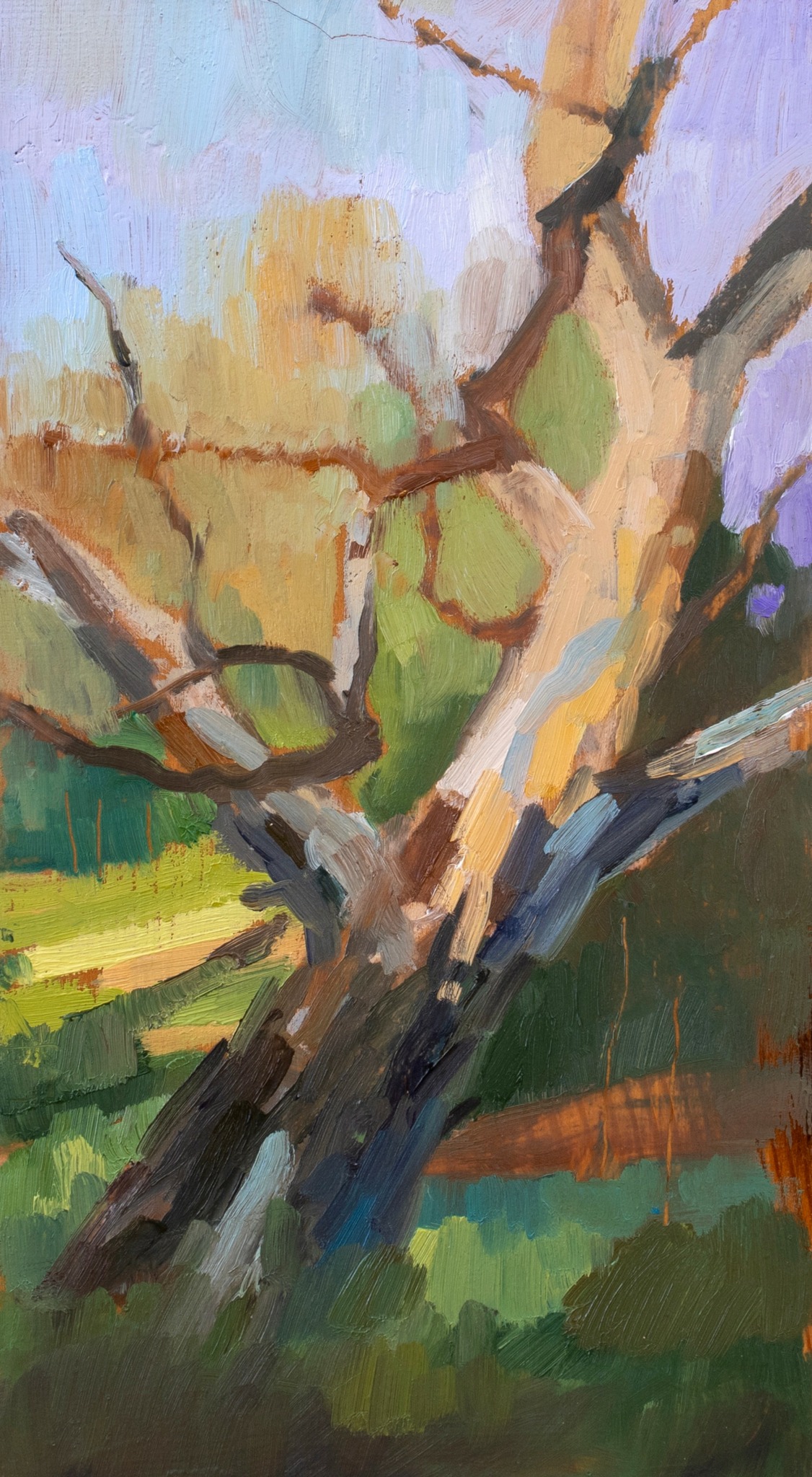
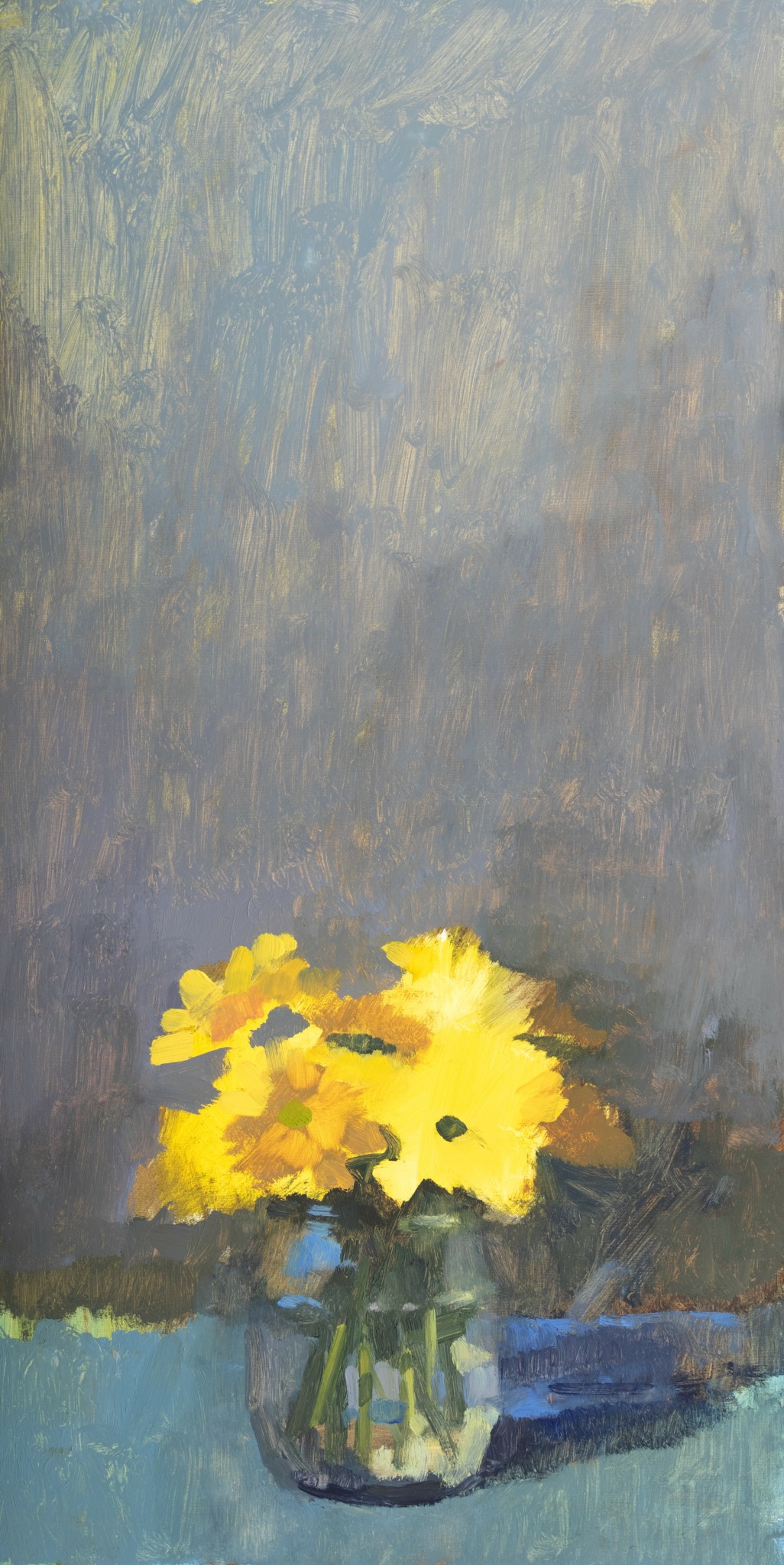
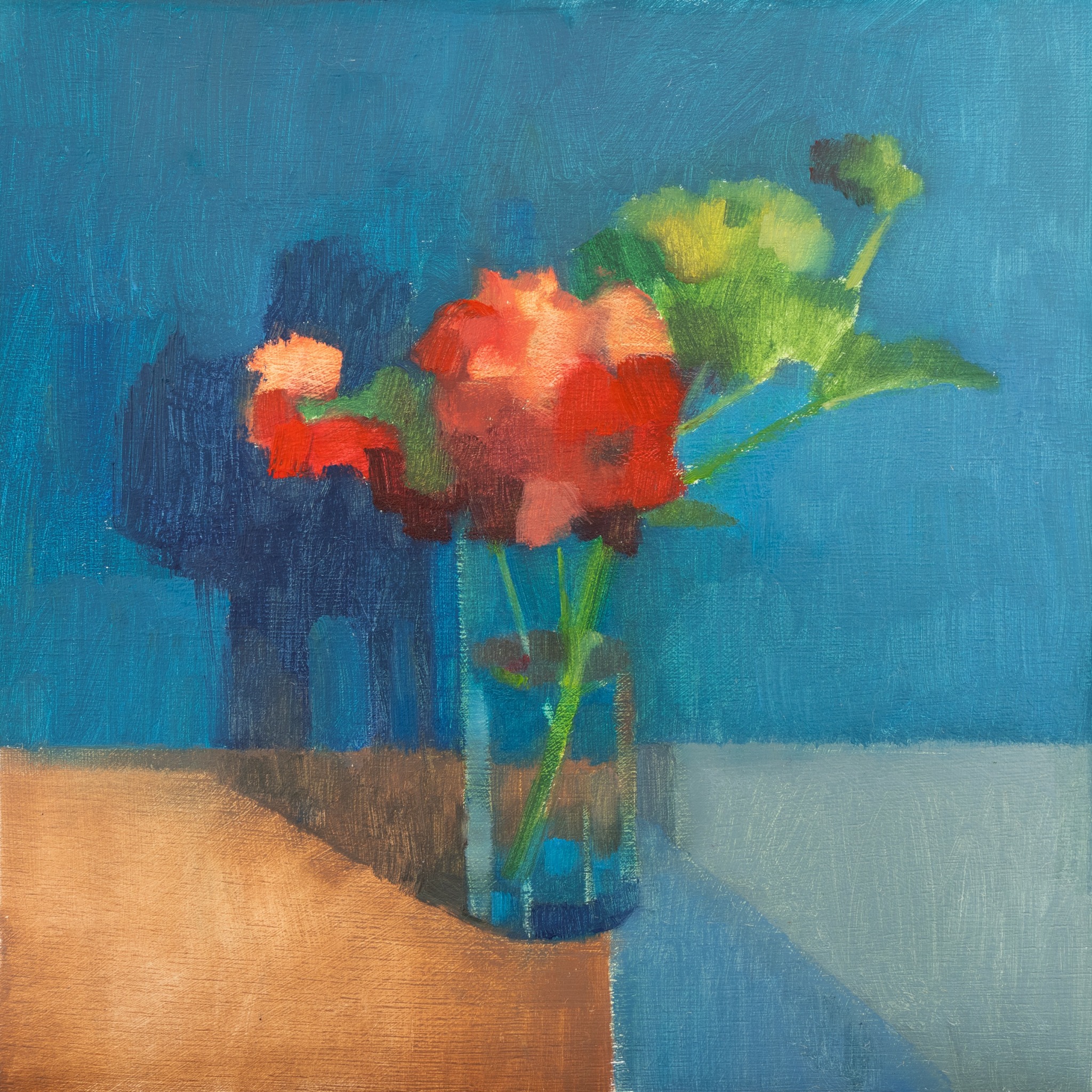
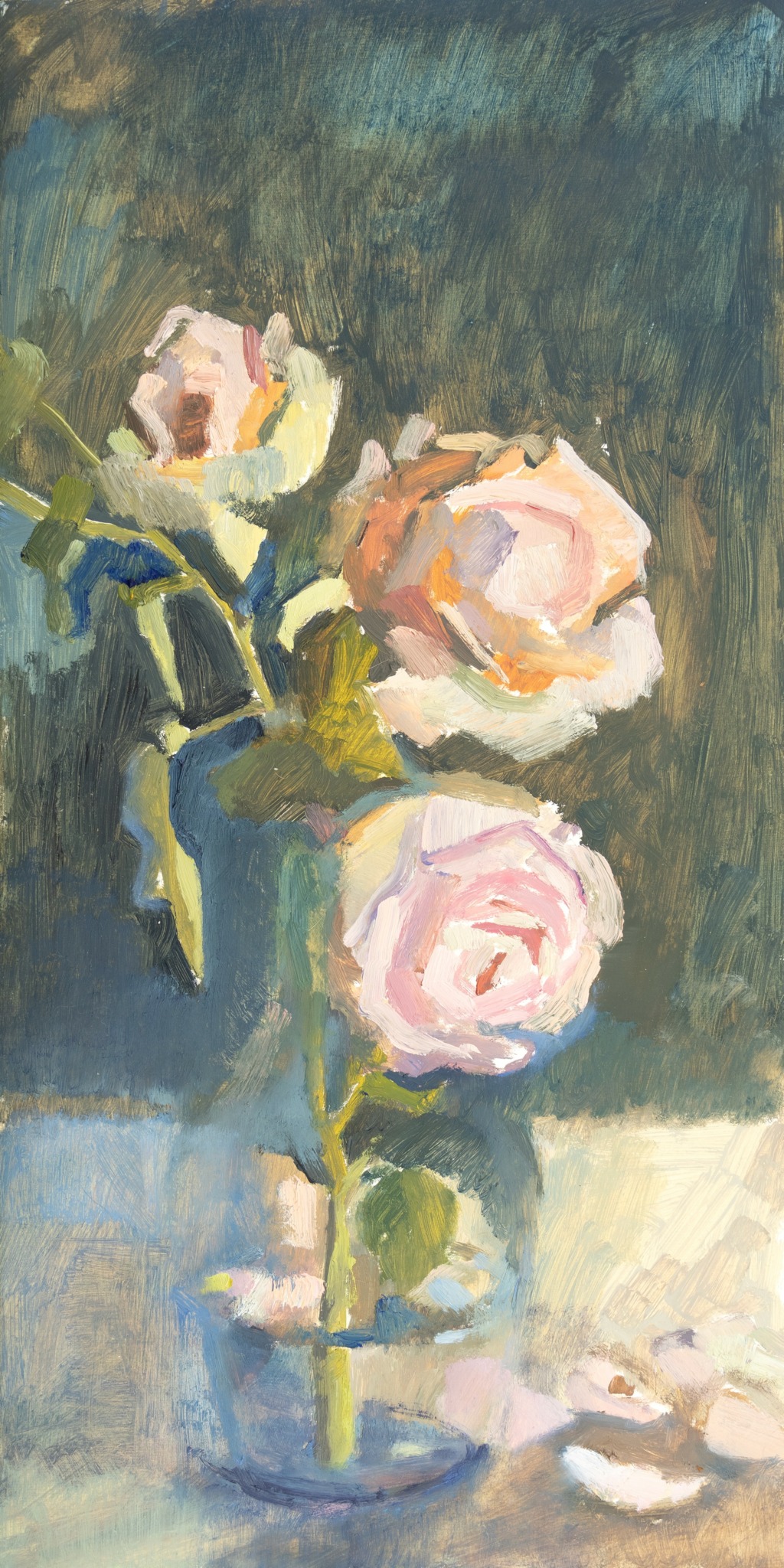
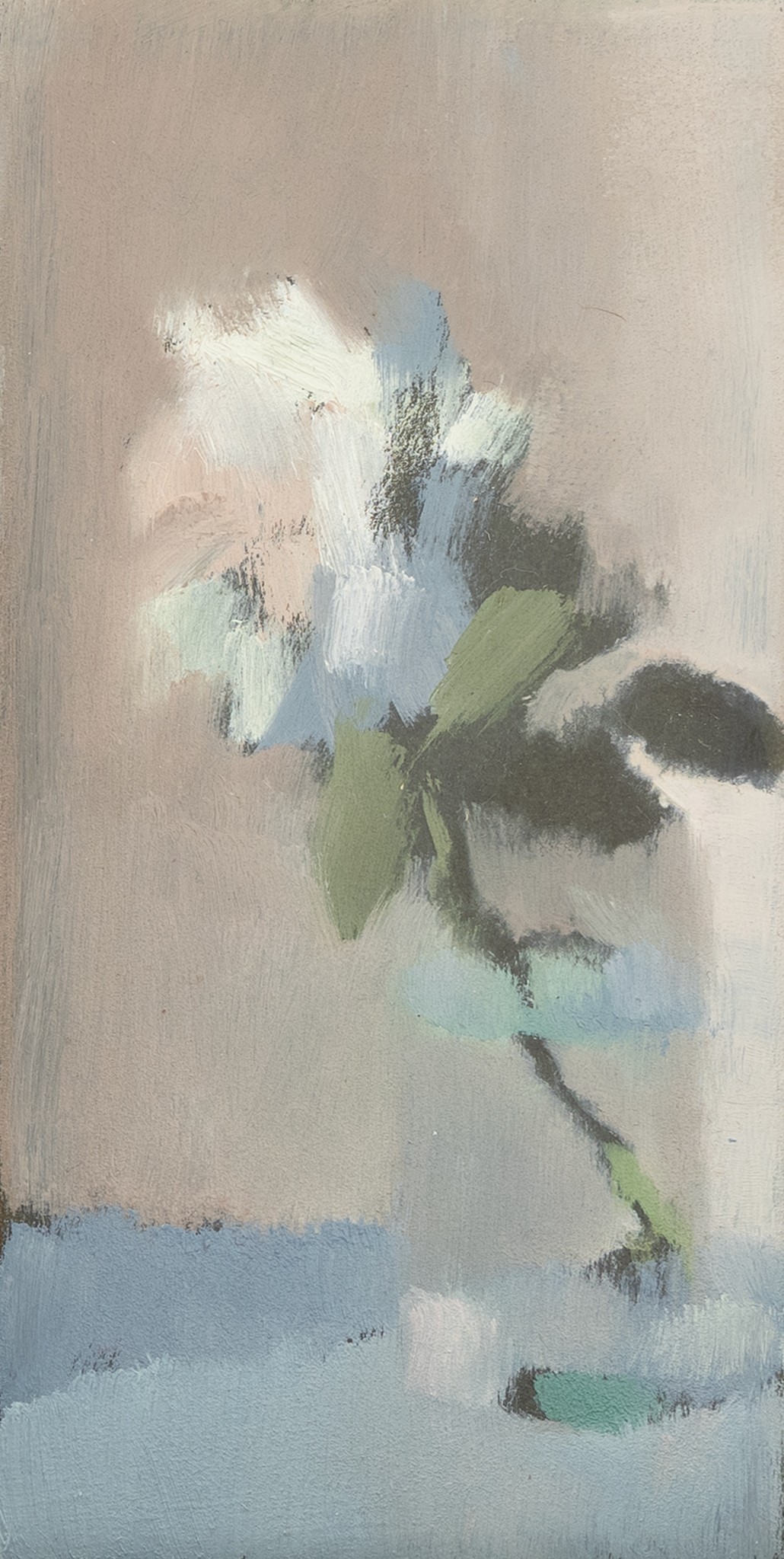
Image Credits
All photographs taken by Lana Daubermann. Artwork by Lana Daubermann. Oil on wood or linen.