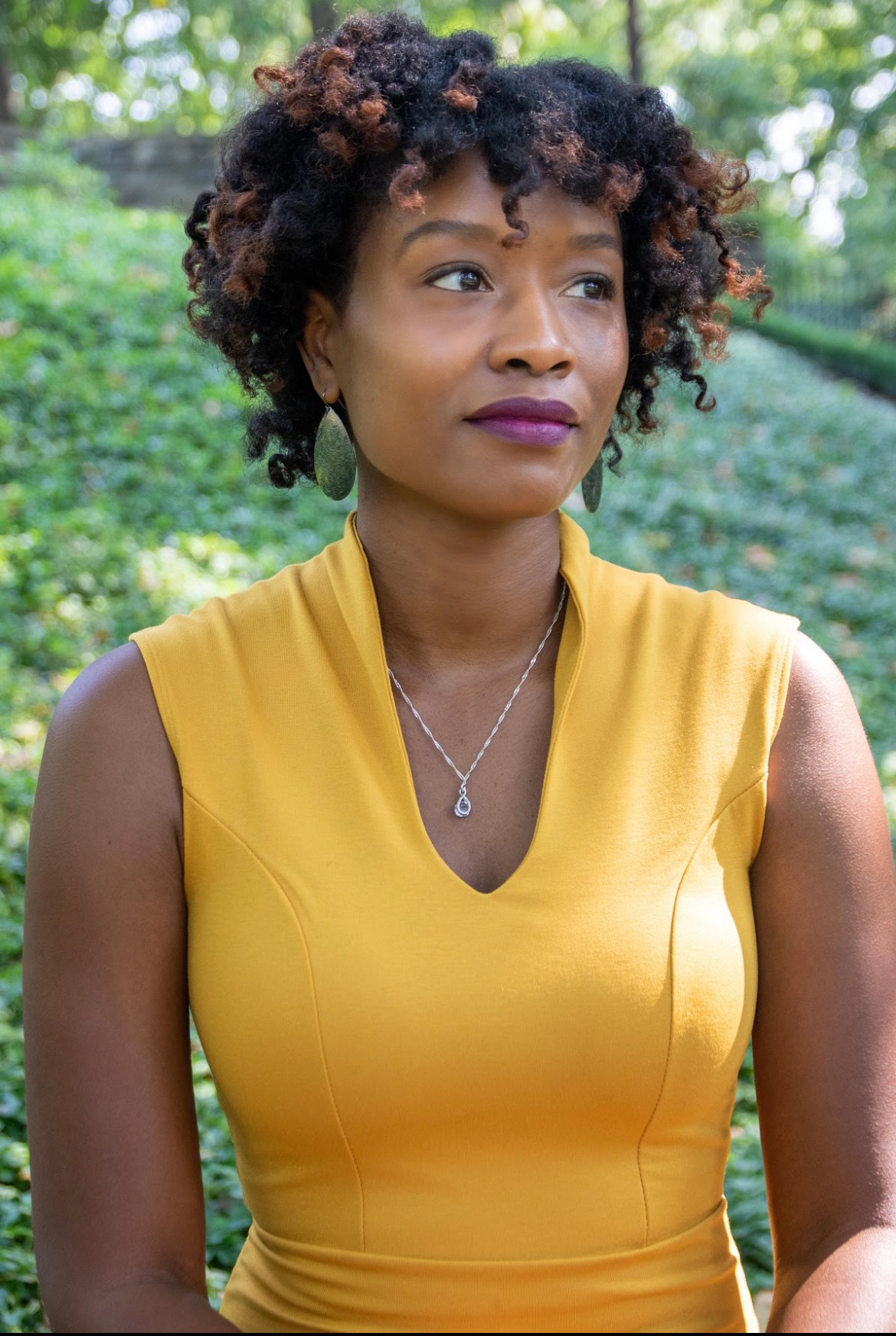

We caught up with the brilliant and insightful Lakendra Johnson a few weeks ago and have shared our conversation below.
LaKendra, thanks for taking the time to share your stories with us today Can you share a story with us from back when you were an intern or apprentice? Maybe it’s a story that illustrates an important lesson you learned or maybe it’s a just a story that makes you laugh (or cry)?
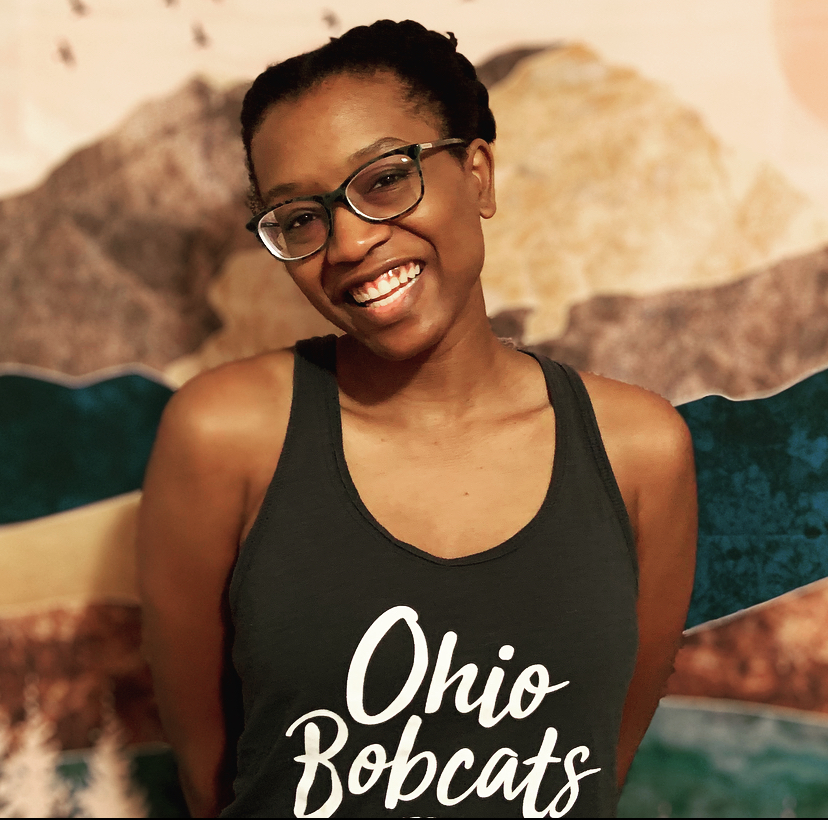
My journey into clinical work really began with a coveted internship at Ohio University’s counseling center. I can still vividly remember the informational session where I first met Dr. Sheila Williams. While the other panelists have faded from memory, Sheila’s words remain crystal clear. She told me I could come to work exactly as I was, beanie and all.
At the time, I was going through what I’ll kindly call an “awkward hair phase,” growing out a faux hawk and hiding under beanies during classes. As a Black woman stepping into a white-dominated space, I carried the weight of wondering how to present myself. Would I be taken seriously? Would I be judged if I didn’t conform to what my fellow interns or faculty expected? Sheila’s simple acceptance of my authentic self was transformative, and I was thrilled when I matched with the counseling center.
Though Sheila wasn’t ultimately my supervisor, I was fortunate to work with Jason Weber, who formed the other half of what I came to think of as the center’s dynamic duo. While both were available for support, it was Jason who helped me navigate the delicate balance of being both a clinician and a whole person. He taught me how to integrate these parts of myself rather than compartmentalize them.
One of my biggest concerns starting out was my age: I was either the same age or younger than many of my clients. I worried this would lead to a different kind of judgment than what I feared from coworkers. But what I discovered was profound: when I set aside those worries about judgment and showed up fully present and authentically myself, clients opened up in ways I never expected.
I remember one Black male student who was wrestling with the intersections of family expectations and campus life. During our sessions, we could relate on specific experiences of being Black students on a predominantly white campus, feeling caught between the larger campus culture and the smaller Black community. By bringing my authentic self to our conversations rather than hiding behind a rigid clinical façade, we made real progress. By year’s end, he was actively engaging in campus life while maintaining his cultural identity.
Another client who stayed with me was a freshman navigating the complexities of social life and dating independently for the first time. Over several weeks, as trust built between us, she revealed deeper traumas she hadn’t previously disclosed. In our final session, she said something I’ll never forget: that no one had ever been able to break down the walls around her heart and mind before; but somehow, I had. Her words weren’t just about my skills; they were a testament to the power of authentic presence in the therapeutic relationship.
One of the most challenging aspects of being a therapist is the uncertainty of change. Clients move on, therapy ends, and we don’t always get to see the full impact of our work together. But moments like these, where you witness someone’s walls coming down, where you see them embrace change, these are the moments we hold onto. That particular client was one of my last at the counseling center, and her vote of confidence in my abilities became a touchstone as I entered the professional world, reminding me that authenticity wasn’t just acceptable, it was essential to the work.
This experience taught me that our perceived vulnerabilities often become our greatest strengths in connecting with others. When we show up as our full selves, we create space for others to do the same.
LaKendra, before we move on to more of these sorts of questions, can you take some time to bring our readers up to speed on you and what you do?
I used to say I found my way into counseling by accident. After all, my original dream was to be a novelist. I wanted to write stories that would transport people to different worlds, helping them experience lives and perspectives beyond their own. But looking back now, I realize there was nothing accidental about my path.
The thread that connects my love for writing with my passion for counseling is the deep desire to help people explore and understand their stories. As a writer, I wanted to create narratives that people could sink their teeth into. As a therapist, I help people understand and reshape their own narratives. It’s not so different, really. My natural inclination toward patience, empathy, and quiet curiosity, traits that would have served me well as a novelist have become the foundation of my therapeutic approach.
But it was becoming a mother myself that crystallized my true calling: addressing the crisis in Black maternal health. The statistics are stark and sobering. In a country as developed as the United States, we have the highest maternal mortality rates, with Black women bearing a disproportionate burden of this tragedy. These aren’t just numbers to me; they represent real women, real families, real stories that often go untold or unheard.
I’ve sat in those medical offices myself, felt the weight of being dismissed, rushed, or gaslit into questioning my own experiences. I’ve witnessed how the healthcare system can strip away a Black woman’s dignity during what should be one of the most empowering experiences of her life. This isn’t just about physical health, it’s about the mental and emotional toll of navigating a system that wasn’t designed with us in mind.
When a Black mother steps into my practice, she enters a space where she can finally let her mask fall away. Here, she doesn’t have to be the strong one, the caregiver, the emotional support for everyone else. Here, she can simply be herself, with all her fears, anxieties, hopes, and dreams. This is essential because Black women have been conditioned to heal and care for everyone else before themselves, a cultural expectation that isn’t just unfair, it’s dangerous.
The distrust many Black women feel toward the healthcare system isn’t paranoia, it’s a rational response to generations of documented mistreatment and dismissal. Imagine going through pregnancy, one of life’s most physically and emotionally demanding experiences, without a provider who truly listens to or validates your concerns. Add to that the weight of pre-existing mental health challenges, societal pressures, family expectations, and the daily struggle of making a living, it’s a wonder we survive at all.
This is why my work focuses on helping Black women prioritize themselves, often for the first time in their lives. I teach them how to set and maintain boundaries that protect their physical and mental well-being, find balance between caring for others and caring for themselves, process and heal from both personal and generational trauma, build resilience while acknowledging their vulnerability, and advocate for themselves in medical settings and beyond.
Each woman who learns these skills becomes a beacon for others in her family and community. When one mother begins to prioritize her mental health and well-being, it creates a ripple effect. She shows her children, her sisters, her friends that it’s possible to break free from the strong Black woman stereotype/Superwoman Schema and still be whole, still be worthy, still be loved.
My mission extends beyond individual therapy sessions. Every Black mother who finds healing in my practice represents a step toward reducing maternal mortality rates. Every woman who learns to advocate for herself becomes part of a larger movement toward systemic change. This isn’t just about providing mental health services, it’s about sparking a revolution in how Black mothers are seen, heard, and cared for in our society.
What sets my practice apart is that I’m not just a therapist observing these issues from the outside, I’m a Black mother who has lived this experience. I understand the nuances, the unspoken struggles, the weight of expectations that my clients carry. This shared experience creates a foundation of trust that allows for deeper, more meaningful therapeutic work.
So no, counseling wasn’t an accident. It was a calling that I grew into, shaped by my natural inclinations, my personal experiences, and my deep commitment to changing the narrative around Black maternal health. Every day, I work to create the kind of safe, nurturing space I wish had existed for generations of Black mothers before me, the one I think must exist for generations to come.
Training and knowledge matter of course, but beyond that what do you think matters most in terms of succeeding in your field?
Good question. People often ask what’s most helpful for succeeding in therapy beyond formal training and knowledge. Is it a cop out to say that staying curious and open is the key to success in this field? I don’t think so. This isn’t a cop-out. It’s the foundation of growth in any field. Looking back, I would have missed countless opportunities if I had simply stayed in my comfort zone instead of embracing new learning experiences.
While our licensure requires continuing education hours, the requirements give us considerable freedom. Beyond ethics and supervision, we can choose which credits to pursue. This flexibility has allowed me to explore play therapy, complex PTSD, DBT skills and interventions, marriage and family therapy, substance use disorder, gambling, and so much more. Each new area of study has expanded my toolkit, giving me diverse interventions and approaches to draw from with clients.
My experience leading inpatient groups illustrates the value of this continuous learning. Before working inpatient, my group therapy experience was limited to small sessions with four or five teenagers. Suddenly, I found myself leading groups of twenty or more adults in the early stages of recovery. Drawing from my DBT training, I incorporated art-based interventions like the life worth living exercise. These activities engaged clients deeply, encouraging them to reflect on their values and goals while creating visual reminders of what they were working toward each day.
These diverse training experiences sparked my interest in new populations and eventually led me to present my own training. So far, I’ve conducted three presentations on perinatal mental health. I find genuine joy in educating others about maternal mental health and helping them understand how it intersects with numerous aspects of their lives they might not have considered.
The willingness to stay curious and open to learning hasn’t just expanded my skill set. It’s transformed my practice, allowed me to serve diverse populations effectively, and opened doors to sharing knowledge with others in the field. Each new learning opportunity builds upon the last, creating a rich foundation for providing comprehensive, nuanced care to my clients.
Have you ever had to pivot?
My career path began with a clear goal: I wanted to work with military sexual assault survivors. Complex trauma has a multilayered story within it but when I applied for jobs to work with veterans, I was denied because I lacked the required experience and licensure. Rather than give up, I decided to build my experience working with other sexual assault survivors before trying again.
My first role involved working with minors who had either offended or been offended against. The work was eye-opening but emotionally challenging. I struggled to maintain proper boundaries, letting my work brain bleed into my personal life, and I hadn’t yet developed strong self-care practices. Recognizing I needed a change, I left the agency within a year.
My next position allowed me to work with both children and adults with mental health conditions. Though each client presented unique challenges, I felt supported by colleagues who were navigating similar experiences. This environment helped build my confidence as a clinician.
Life then led me to another transition. I joined an inpatient rehabilitation unit within a psychiatric hospital. Though I had no personal experience with addiction, I found an unexpected connection with this population. When clients questioned my ability to help them without having experienced addiction myself, I focused on our common ground: the universal desire to work through difficult situations and emerge stronger.
One interaction particularly stands out. An older Black man challenged my ability to help with addiction-related struggles. I explained that while I couldn’t relate directly to addiction, I could help them work through stressful family relationships and seemingly impossible situations. Though the client who asked remained skeptical, another client nearby looked up and truly saw me for the first time. By the end of their treatment, I had built strong rapport with both men because I remained true to my word. I never pretended to understand addiction firsthand but instead focused on our shared experiences with challenging relationships and stressful situations.
This position continued pushing me beyond my comfort zone, teaching me to work effectively with various populations. It was here that I first worked with postpartum clients in an intensive outpatient group setting. Over six to eight weeks, I witnessed their implementation of positive changes. This experience proved particularly meaningful during a time when I felt underappreciated in my career and was considering changing it altogether. Even when clients couldn’t express it directly, I could see the impact of our work together. While I had started my career wanting to help military trauma survivors, life had guided me to an equally vital mission: supporting Black mothers through their mental health journeys.
Looking back, I can see how each career pivot strengthened my ability to serve my current clients. My experience with trauma prepared me to support mothers dealing with birth trauma. My work in addiction recovery taught me how to build trust across different life experiences. My time in intensive outpatient showed me the power of witnessing change over time. What seemed like career detours were actually preparing me for my true calling.
Today, I bring all these experiences to my work with Black mothers, helping them navigate their own pivotal life transitions. Just as I learned to embrace unexpected turns in my career path, I now guide mothers in finding strength through their challenges, turning obstacles into opportunities for growth.
Contact Info:
- Website: https://changinglanescounseling.com
- Instagram: https://instagram.com/changinglanescounseling