



We recently connected with Lacrisha Holcomb and have shared our conversation below.
Lacrisha, thanks for taking the time to share your stories with us today Have you ever experienced a times when your entire field felt like it was taking a U-Turn?
The most defining U-Turn in my career has been watching the power of social media content contributors in moving the mental health field from pathologizing individuals to rightfully interrogating systems, despite many institutions, especially in current times, not making that turn. When I first entered the profession, “best practice” largely centered on symptom reduction, diagnosis, and resuming productivity. We were trained to stabilize people so they could return to work, maintain relationships, and function within existing systems. The implicit message was to help the person adapt. However, post-pandemic and amid the racial reckoning, political foolery, and growing awareness of burnout, we are now more openly naming the traumas of racialized stress, exploitation in the workplace, and the compounded social inequities as catalysts of mental distress. There is an awakening to what many of us, particularly Black clinicians and other clinicians of color, have always known: sometimes the anxiety isn’t irrational. The depression isn’t biochemical alone. The environment is actually harmful. Mental health care cannot simply teach coping skills without challenging oppressive systems.

Great, appreciate you sharing that with us. Before we ask you to share more of your insights, can you take a moment to introduce yourself and how you got to where you are today to our readers.
I wanted to be a doppelgänger of Maya Angelou, Toni Morrison, and other brilliant thought leaders and wordsmiths who were respected for their minds. As a first generation college graduate, I stumbled into majoring in English with no actual blueprint but vague visions of perhaps being an English or African American Studies professor eventually. After a brief stint as a teacher through a program for recent college graduates that stationed me in Memphis, Tennessee, all of my childhood trauma and grief emerged while witnessing the unacceptable conditions of the school. It was daunting trying to “mend” the opportunity gap when I realized there were generations of trauma, disenfranchisement, and programming working against my 5th grade students and their families. From there, I was forced to acknowledge my own declining mental health and sought therapy; both mental health and career counseling. Fast forward and I am naturally a therapist, although this was a role that felt innate as the eldest daughter of 8 children in my household. I just knew I wanted to heal, experience happiness, and get some money! There was so much devastating lack in my surroundings and throughout my upbringing. I now understand that the richness was more than monetary. I wanted emotional wealth, spiritual abundance, and freedom.
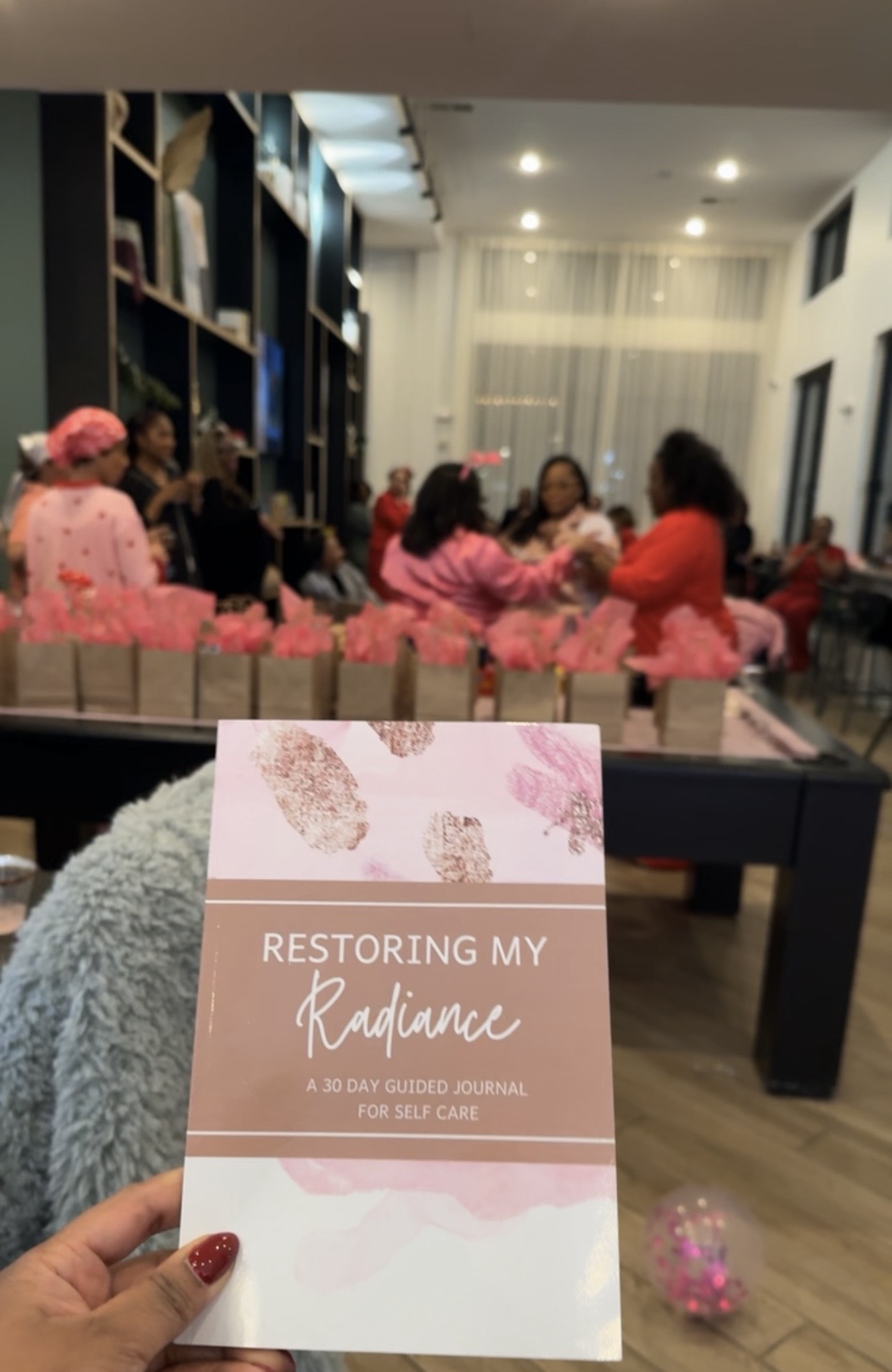
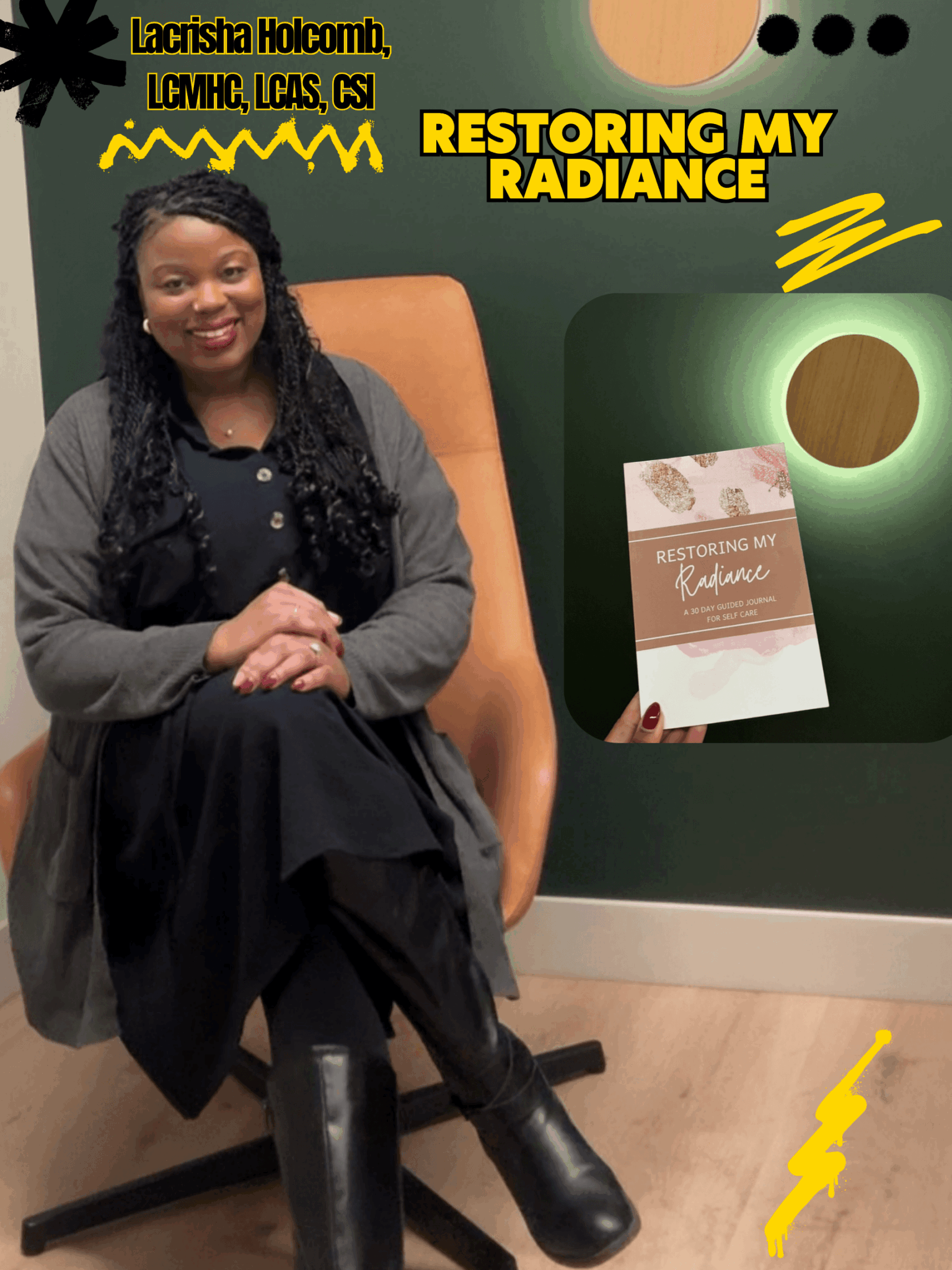
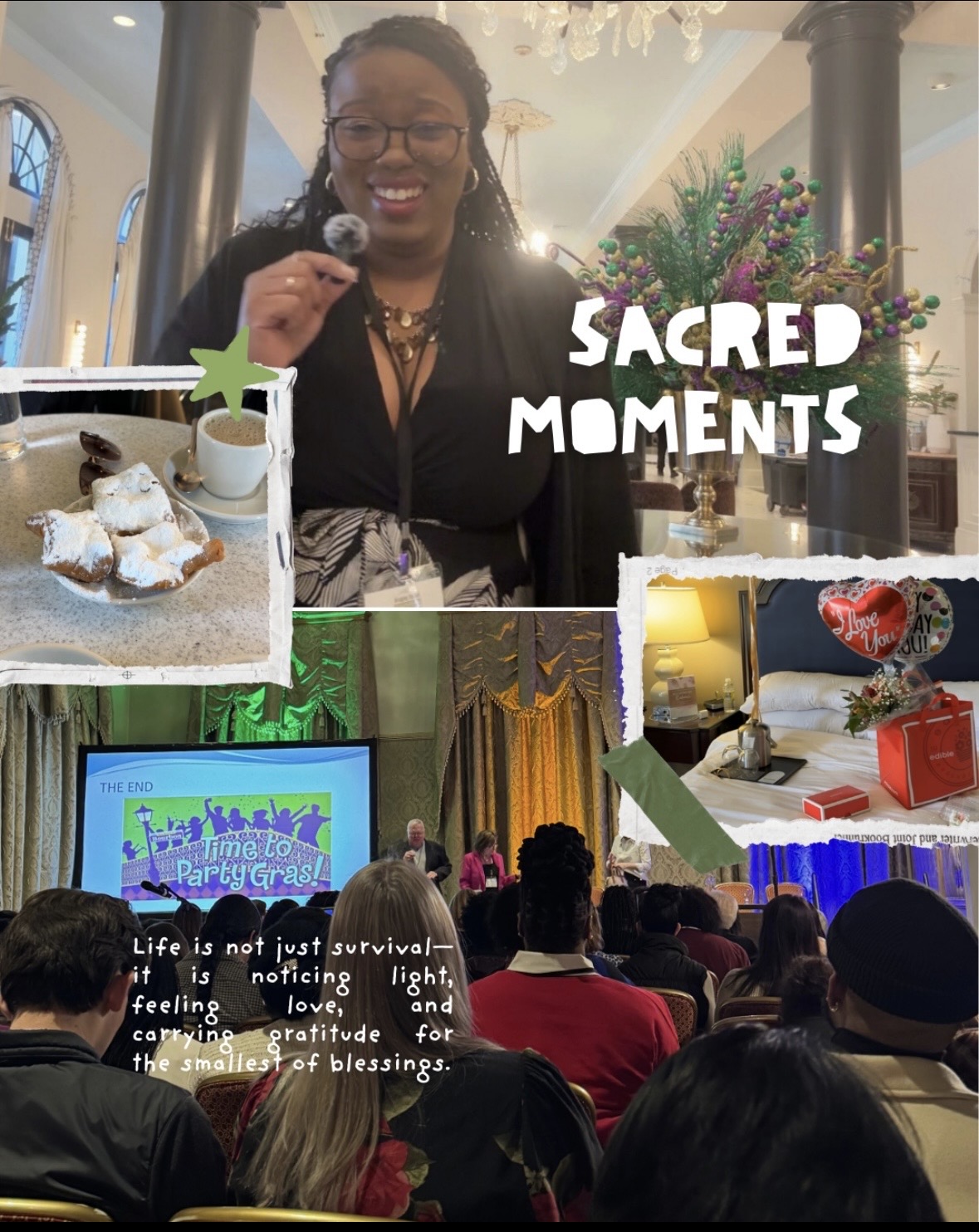
Through my burgeoning private practice, as I have still maintained full-time employment and other obligations up until this point (no head start in sight, building from scratch!), I provide telehealth therapy across North Carolina, specializing in trauma, burnout, life transitions, addiction recovery, marginalized populations, and racial stress. Beyond therapy, I create tools for sustainable self-care. I am the author of Restoring My Radiance: A 30 Day Guided Journal For Self Care designed to help women (but also everyone else) rebuild their inner life with structure and intention. I also speak, facilitate corporate wellness trainings, and engage in conversations around emotional intelligence, leadership, and mental health equity.
I help clients untangle survival patterns that once protected them but now exhaust them. I help them recalibrate boundaries, evaluate their relationships, and build lives that feel aligned. What sets me apart is that I operate at the intersection of clinical rigor and cultural consciousness. I understand DSM-5-TR criteria and trauma modalities, but I also understand power, race, gendered expectations, and economic stress. My clients do not have to code switch in my presence. They do not have to shrink their ambition or over-explain their experiences. I see the whole system and the whole person.
I am most proud of building a brand that feels congruent. Therapy Is Light is a philosophy (yes, like Hakuna Matata). Light illuminates, exposes, and clarifies. It is revealing.
I would appreciate clients and followers knowing this: I am not here to make you more palatable. I am here to help you become more free. Healing in my world is not perpetuating compliance. It is rising into your capacity with lucidity and understanding that you have choices.
Do you think you’d choose a different profession or specialty if you were starting now?
If I’m honest, there have been moments after experiencing discrimination, burnout, and institutional resistance when I questioned everything. There were seasons where the emotional labor felt relentless and the systems we’re expected to work within felt deeply misaligned with the healing we claim to value. But would I choose this profession again? Yes. Unequivocally.
I wouldn’t choose it to be the “strong one” in the room. I wouldn’t choose it to overextend or to prove my competence twice over. I would choose it the way I practice it now; as a liberation-centered clinician, strategist, and builder of my own platform rather than a dependent on institutions that were never created with women like me in mind.
Becoming a therapist is the perfect mix of intellect and intuition. It gave me even more language to complement the poetry and the novels. I also think this work very much so chose me. Or God chose it for me. My interest in women’s health, raising awareness of emotional intelligence, and fighting systemic inequity is personal. If I could go back, I would certainly make the journey a little easier and quicker, but I am sure it was necessary for me to meet the woman I have evolved into with more compassion because we took the long way.
How’d you build such a strong reputation within your market?
I think my reputation has been built on integrity, cultural responsiveness, and congruence. I’m licensed, clinically trained, and deeply committed to empowering the people. I am informed. I do not pretend to be neutral. This strengthens trust and my brand matches my practice and how I show up. I am structured but warm, direct and kind. I genuinely believe that self-care is an act of warfare and preservation. I advocate for liberation because I’ve had to tussle for my own. My clients feel seen, challenged, and supported, and that combination tends to travel by word of mouth. I believe it is the soft power of it all.
Contact Info:
- Website: https://flow.page/therapyislight
- Instagram: https://www.instagram.com/therapyislight
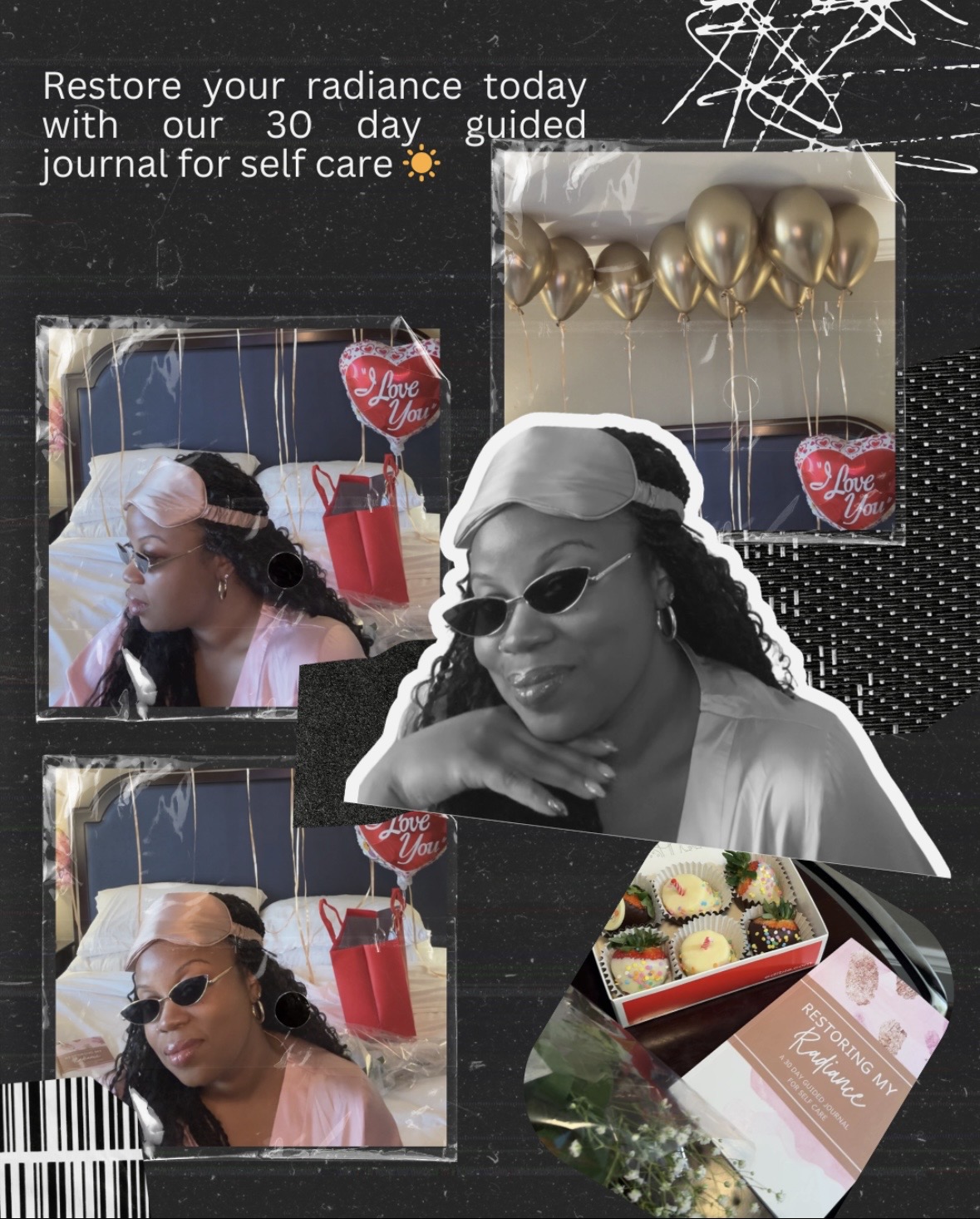
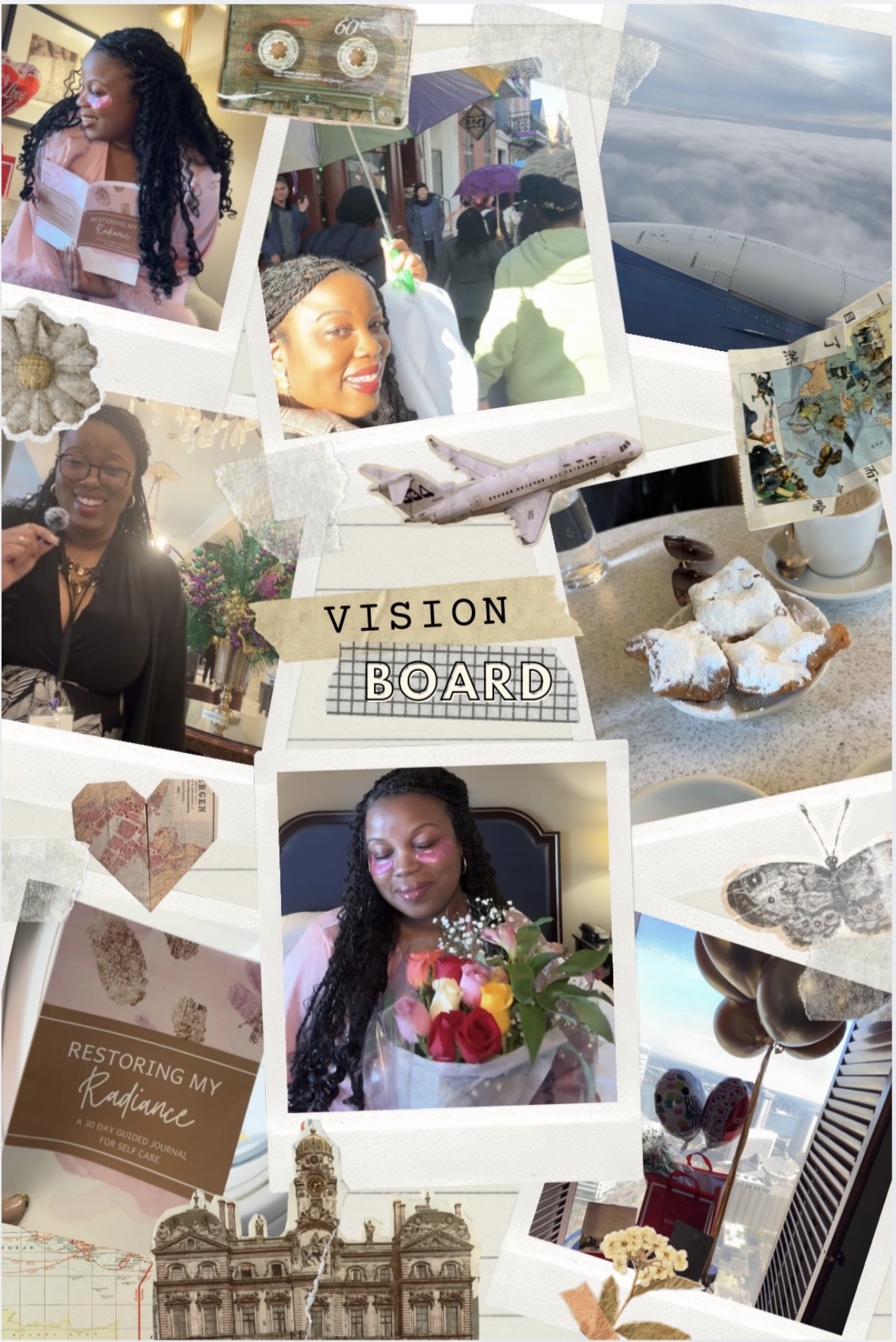
Image Credits
Photographer; Me