

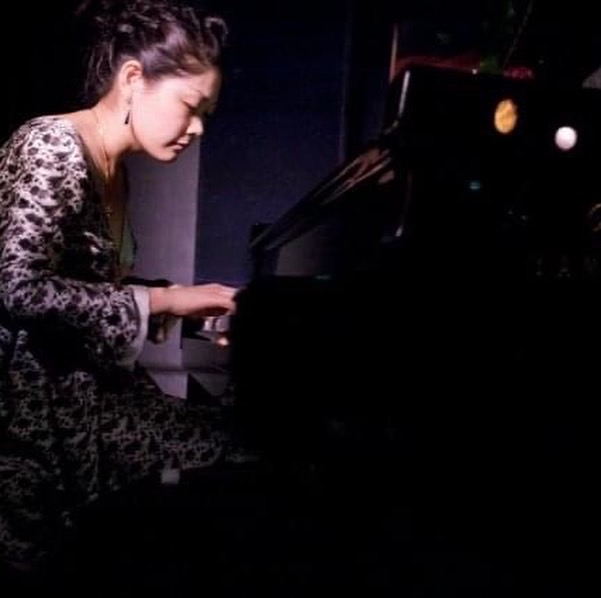

We were lucky to catch up with Kyoko Oyobe recently and have shared our conversation below.
Kyoko, appreciate you joining us today. If you’re open to it, can you talk to us about the best (or worst) investment you’ve made. What’s the backstory and the relevant context behind why you made the investment
My name is Kyoko Oyobe. I am a jazz pianist, composer, bandleader and teacher based in New York City, as well as the mother of a nine-year-old son.
The greatest investment of my life has been my passion for jazz. On my 24th birthday, I boarded a plane and left my hometown of Okayama, Japan, arriving in New York with little more than a dream. My initial stay was planned for just three weeks.
Through jazz, I encountered countless inspiring people and musicians. Most importantly, I met artists whose sound embodied what I felt was the true essence of jazz and blues. Their music shook me to my core. That was in 2000.
Over the following three years, I traveled back and forth between Japan and New York seven times, studying, performing, and immersing myself in the music. In 2005, I obtained my visa and made New York my permanent base.
Since then, I have built a career as a musician in one of the world’s most vibrant jazz communities, sharing the stage with legendary artists I could never have imagined meeting had I remained in Japan. Through these experiences, I have developed and established my own unique musical voice.
Today, my music reflects my journey—bridging cultures, embracing adventure, and celebrating the beauty and wonder found in everyday life.
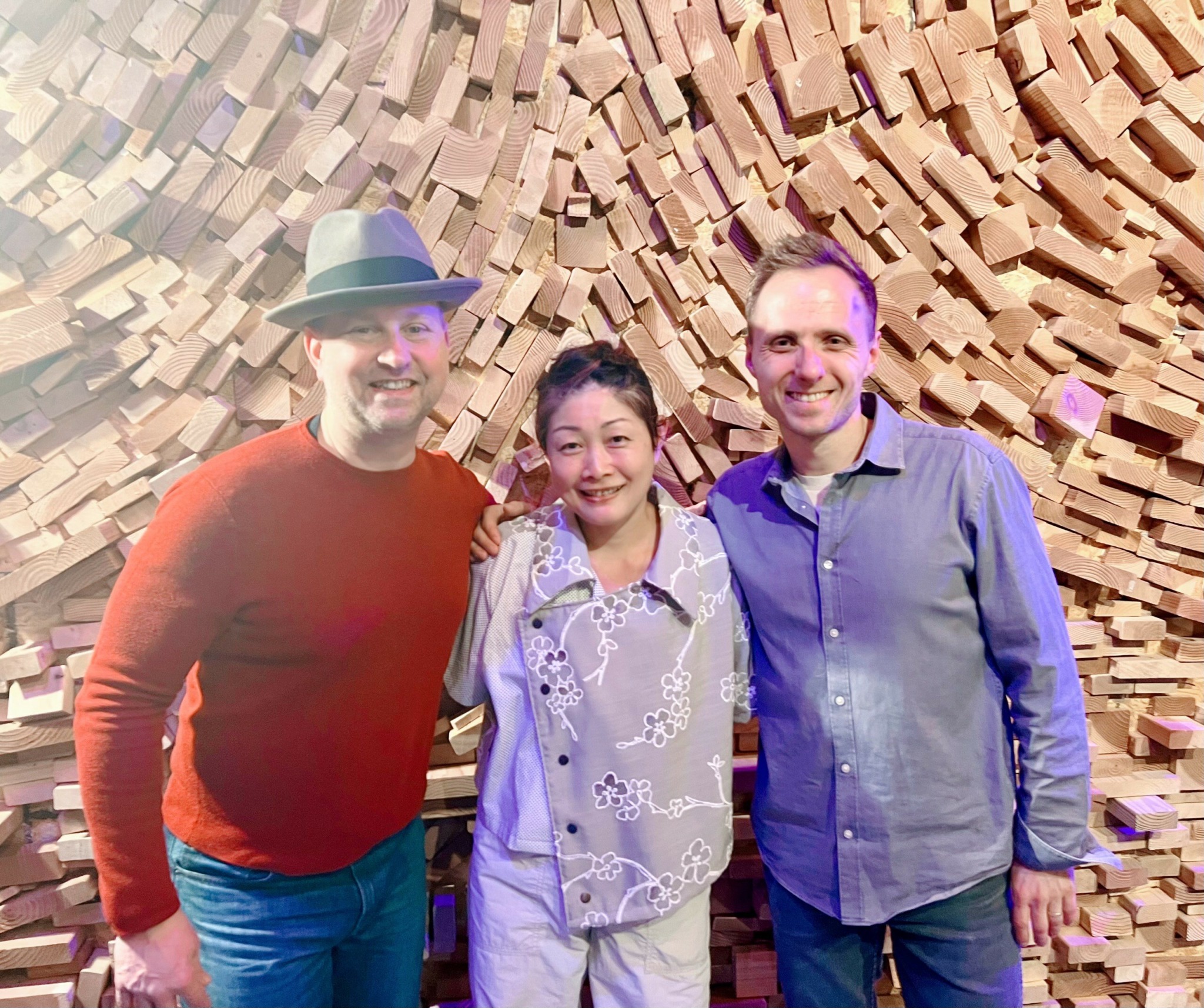
As always, we appreciate you sharing your insights and we’ve got a few more questions for you, but before we get to all of that can you take a minute to introduce yourself and give our readers some of your background and context?
My name is Kyoko Oyobe. I am a jazz pianist, composer, and bandleader, educator, based in New York City, as well as the mother of a nine-year-old son.
I began playing the piano when I was around four years old. For about two years, I took classical piano lessons, but I eventually quit after having an unpleasant experience with a teacher who would strike my hands during lessons. After that, until I was nineteen and a half years old and decided to pursue music seriously, I simply played the piano for my own enjoyment. I loved music and spent countless hours exploring the instrument on my own.
Fortunately, one of my mother’s friends owned a record store. Through that connection, I was exposed to a wide variety of music from an early age. I spent hours listening to records and discovering artists from different genres and eras. Those experiences broadened my musical horizons and nurtured a deep curiosity about music that would later become the foundation of my artistic journey.
By the time I decided to dedicate myself to music professionally at the age of nineteen, I had already developed a strong personal relationship with the piano—one that was built not through strict training, but through genuine love, exploration, and the joy of listening.
One of my mother’s friends was not only a record store owner but also a concert promoter who regularly brought outstanding musicians from around the world to Okayama, Japan. I attended many of those concerts, and they became an important part of my musical education.
Eventually, my mother began helping with these events, and some of the musicians even performed intimate concerts at my family home. Being able to hear world-class artists up close was an extraordinary experience that left a lasting impression on me.
One evening, after a concert, a pianist sat down at the piano and invited me to play four hands with him. What amazed me was not only his skill, but the way he played—with complete freedom, joy, and spontaneity. He improvised effortlessly, creating music in the moment. I had never seen or heard anything like it before.
The experience shook me deeply.
Afterward, I asked him, “How can I learn to play the piano with that kind of freedom?” His answer was simple:
“Why don’t you try jazz?”
That conversation became the doorway to a new world.
At the same time, I hesitated. Pursuing a life in music felt like an incredible luxury, perhaps even an unrealistic dream. But my mother saw things differently. She encouraged me with words that have stayed with me ever since:
“Anything belongs to the people who dare to do it. Go for it!”
With that push, I committed myself fully to music. What followed were years of relentless practice, study, and dedication. I immersed myself in learning the language of jazz, spending countless hours at the piano, developing my ears, my technique, and my voice as an artist.
Those years laid the foundation for the journey that would eventually lead me from Okayama to New York City, where I continue to grow as a pianist, composer, bandleader, and storyteller through music.
Since moving to New York in 2005, I have made a conscious effort to remain honest with myself and with the music I create.
Jazz encompasses many styles and traditions, but I have never wanted to be confined by labels or categories. Instead, I strive to listen closely to the sounds I hear within myself and to follow them faithfully, both as a composer and as a performer.
My music is inspired by everyday life—the people I meet, the places I encounter, and the experiences that shape me. Beauty and ugliness, joy and sorrow, wonder and disappointment—all of these emotions and moments find their way into my compositions. I try to transform them into sound and tell their stories through music.
For me, music is ultimately about connection. The greatest reward comes when I am able to share these experiences with the musicians on stage and with the audience in the room. In those moments, when we recognize something of ourselves in the music and connect through a shared feeling, I experience a profound sense of happiness and gratitude.
That sense of human connection is what continues to inspire me to create, perform, and grow as an artist.
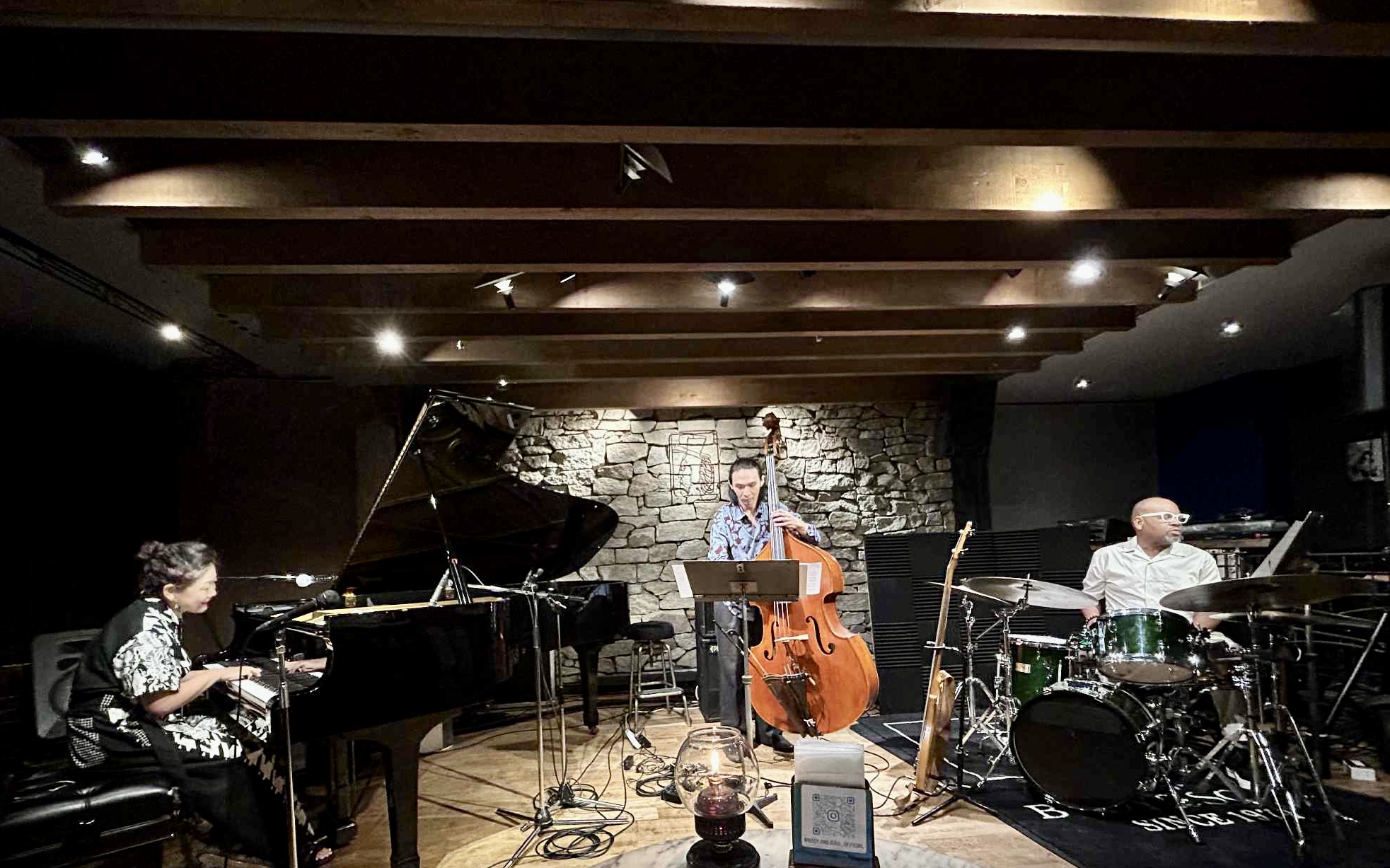
Let’s talk about resilience next – do you have a story you can share with us?
One story that illustrates my resilience is my decision to move to New York, despite not speaking English and having no clear idea of what my future would look like.
When I first came to New York, I had very little besides my passion for music. I didn’t speak English, I had no roadmap, and I certainly had no guarantees of success. There were many moments when I felt discouraged, lonely, or uncertain about whether I was making the right choice.
What kept me going was the love and example of my parents. They were people of tremendous integrity and kindness, and they taught me values that became the foundation of my life. Their philosophy was simple: live brightly, live joyfully, and fully embrace the present moment. They also taught me to care for others and to help people whenever I could.
When I finally obtained my visa and moved permanently to New York in 2005, I found myself completely on my own. In many ways, it was the first time I had to navigate life without the safety net of family or familiar surroundings. It was challenging, but it also taught me one of the most important lessons of my life: to remain positive regardless of circumstances.
I learned to find gratitude in the smallest things. The ability to breathe, the air around me, a kind conversation, a beautiful sound, a new opportunity—nothing was too small to appreciate. Gratitude became a daily practice and a source of strength.
Looking back, resilience for me has never meant being tough or fearless. It has meant choosing hope over discouragement, gratitude over resentment, and growth over fear, again and again.
That mindset has carried me through my journey not only as a musician, but also as a mother. It continues to guide the way I live, create, and connect with others every day.
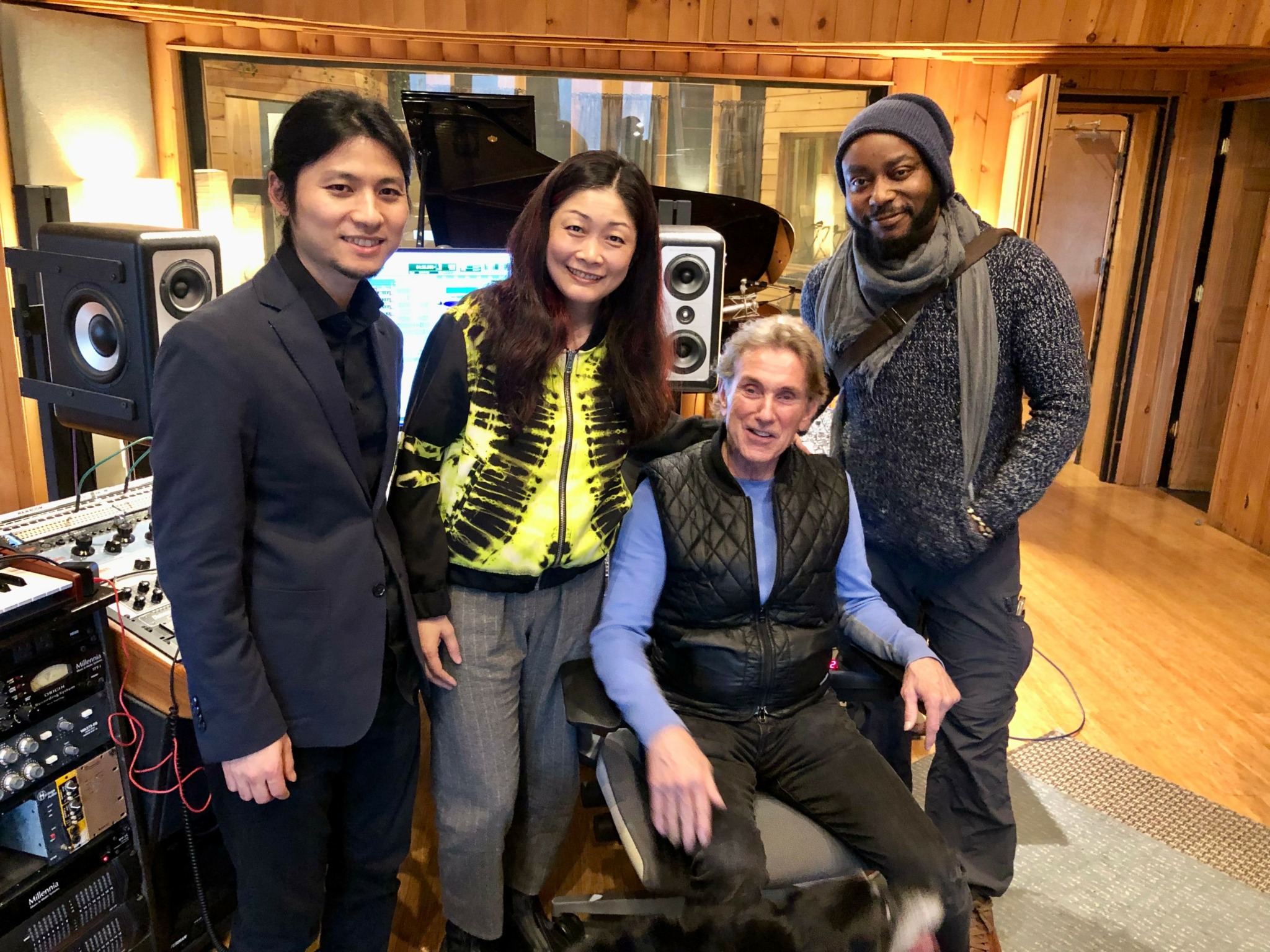
What’s a lesson you had to unlearn and what’s the backstory?
One lesson I had to unlearn was the belief that I should always give everyone the benefit of the doubt and help anyone who needed it.
Growing up in Japan, my parents taught me the importance of kindness, generosity, and looking out for others. If someone was struggling, you helped them. If someone needed support, you offered it. Those values became a fundamental part of who I am, and I remain grateful for them.
However, after moving to New York, I encountered people from all walks of life and learned that kindness alone is not enough. Over the years, I met people who tried to take advantage of others, people who were dishonest, and people who seemed committed to remaining unhappy no matter how much support they received.
At first, I believed that if I were patient enough, generous enough, or understanding enough, I could help everyone. Eventually, I realized that some people do not want help, and some relationships are simply unhealthy.
The lesson I had to unlearn was that being a good person means saying yes to everyone. What I learned instead is that healthy boundaries are just as important as compassion.
Today, I still believe deeply in kindness and helping others. But I have also learned to protect my time, energy, and peace of mind. By doing so, I am actually able to be more present and supportive to the people who genuinely want to grow and connect.
Contact Info:
- Website: https://www.kyokooyobe.com/
- Instagram: @oyobekyoko
- Facebook: Kyoko Oyobe
Image Credits
Kyoko Oyobe